
The Ultimate Apistogramma Showdown: Comparing Popular Species

Welcome to Aquarium Mastery!
Ever been captivated by the vibrant colors and intricate behaviors of Apistogramma cichlids? Dive into our latest exploration of these fascinating fish with "The Ultimate Apistogramma Showdown: Comparing Popular Species." Discover essential Apistogramma care tips and unlock the secrets to successfully keeping these gems in your freshwater aquarium. Ready to become an Apistogramma aficionado? Let's begin!
- Introduction to Apistogramma Species for the Home Aquarium
- Apistogramma agassizii: The Agassiz's Dwarf Cichlid Profile
- Apistogramma cacatuoides: The Cockatoo Dwarf Cichlid Deep Dive
- Apistogramma borellii: The Umbrella Cichlid Overview
- Apistogramma trifasciata: The Three-Stripe Apistogramma Unveiled
- Apistogramma baenschi (Inca 50): The Inca Apisto Examination
- Comparing Apistogramma Species: Key Differences and Similarities
- Apistogramma Care Tips Guide: Common Challenges and Solutions
- Setting Up the Ideal Apistogramma Tank: A Step-by-Step Guide
- Advanced Apistogramma Care: Breeding and Raising Fry
- Conclusion: Choosing the Right Apistogramma for Your Aquarium
-
Frequently Asked Questions
- What are some key considerations when choosing an Apistogramma species for my aquarium?
- What are the ideal water parameters for most Apistogramma species?
- How often should I perform water changes in an Apistogramma aquarium?
- What type of food should I feed my Apistogrammas?
- What are some common signs of illness in Apistogrammas, and how can I prevent them?
- Final Reflection: The Enduring Allure of Apistogramma
- Unleash Your Inner Apisto Expert!
Introduction to Apistogramma Species for the Home Aquarium
What are Apistogrammas and Why are They Popular?
Apistogrammas are a diverse genus of dwarf cichlids originating from the Amazon and Orinoco basins in South America. Known for their relatively small size, typically ranging from 1.5 to 3.5 inches, they offer the captivating behaviors of larger cichlids without requiring massive aquariums. Their popularity stems from their vibrant coloration, fascinating breeding displays, and complex social interactions within the tank, making them a rewarding choice for aquarists looking beyond standard community fish.
These fish are highly sought after by enthusiasts due to their unique personalities and the striking visual appeal they bring to a well-planted aquarium. Unlike many larger cichlids, Apistogrammas can thrive in tanks as small as 10-20 gallons for a single pair, making them accessible even to those with limited space. Understanding the nuances of Apistogramma care tips guide aquarists towards successful husbandry, allowing these beautiful fish to flourish and display their full potential.
Understanding General Apistogramma Care
General Apistogramma care revolves around providing stable, pristine water conditions that mimic their natural soft, acidic blackwater habitats. While specific parameters vary by species, a common requirement includes a pH range of 4.5-7.0, low to moderate hardness (GH 0-8 dGH), and temperatures between 75-82°F (24-28°C). Consistent water quality is paramount; these fish are highly sensitive to fluctuating parameters and elevated nitrate levels.
A robust filtration system that provides gentle flow, such as a sponge filter or a hang-on-back filter with a baffled output, is essential. Additionally, a varied diet of high-quality foods, including live and frozen options like bloodworms, brine shrimp, and daphnia, is crucial for their health and vibrant coloration. Adhering to these fundamental Apistogramma care tips ensures a healthy and thriving environment for these delicate dwarf cichlids.
Key Considerations Before Choosing an Apistogramma Species
Before selecting an Apistogramma species, several key factors should be carefully considered to ensure a successful and harmonious aquarium. The available tank size is a primary determinant; while a 10-gallon tank might suffice for a single pair of smaller species like A. borellii, larger species or breeding setups often require 15-20 gallons or more. Compatibility with existing tank inhabitants and the desired social structure (e.g., single pair vs. harem) also play a significant role.
Prospective aquarists should also research the specific water parameter requirements of their chosen species, as some Apistogrammas demand extremely soft and acidic conditions, while others are more adaptable. The cost and availability of certain species can vary significantly; common varieties like Apistogramma cacatuoides might retail for $10-25 per fish, whereas rarer types such as Apistogramma baenschi could command prices upwards of $30-60. Thorough preparation and understanding of these Apistogramma care tips are vital for long-term success.
Apistogramma agassizii: The Agassiz's Dwarf Cichlid Profile
Agassizii Apistogramma Care: Water Parameters and Tank Setup
Apistogramma agassizii, commonly known as Agassiz's Dwarf Cichlid, thrives in soft, acidic water, closely replicating its native Amazonian blackwater environments. Ideal water parameters include a pH range of 5.0-6.5, general hardness (GH) between 2-6 dGH, and a temperature of 76-80°F (24-27°C). Maintaining these conditions consistently is a critical aspect of Agassizii Apistogramma care, as they are sensitive to sudden changes.
Their tank setup should feature a fine sand substrate, which allows them to sift naturally without damaging their delicate barbels. Abundant hiding spots are essential, provided by driftwood, ceramic caves, or overturned coconut shells. The inclusion of leaf litter, such as Indian almond leaves (Catappa leaves), not only releases beneficial tannins that lower pH but also provides additional hiding places and a natural food source for microfauna, contributing to a stable and enriching environment.
Agassizii Color Variations and Breeding Behaviors
Apistogramma agassizii is renowned for its striking color variations, with males exhibiting elongated caudal fins and vibrant hues that can include "Fire Red," "Double Red," "Tefe," and "Alenquer" patterns. Males typically grow larger, reaching up to 3 inches in length, displaying iridescent blues, reds, and yellows, often with a prominent lateral stripe. Females are smaller, usually around 1.5-2 inches, and are less colorful, often appearing a muted yellowish-brown, though they become intensely yellow during breeding.
These dwarf cichlids are cave spawners, with the female taking primary responsibility for guarding the eggs and fry. A typical clutch can consist of 50-150 eggs, which are usually laid on the ceiling or walls of a chosen cave. The female will aggressively defend her brood, often driving away the male if he becomes too intrusive. Observing these intricate breeding behaviors is a highlight for many aquarists who dedicate themselves to comprehensive Apistogramma care tips.
Ideal Tank Mates for Agassizii Apistogramma
When selecting tank mates for Apistogramma agassizii, priority should be given to peaceful, small-to-medium-sized fish that occupy the mid to upper water columns, minimizing competition for territory at the bottom. Excellent choices include various species of Tetras, such as Neon Tetras, Cardinal Tetras, Ember Tetras, and Rummy-Nose Tetras, which are active swimmers and add visual interest without posing a threat.
Small, non-aggressive Pencilfish and Otocinclus catfish also make suitable companions, as they help maintain cleanliness without disturbing the Apistogrammas. It is crucial to avoid fin-nipping species or overly boisterous fish that could stress the Apistogrammas or compete for food. A well-chosen community, following prudent Apistogramma care tips regarding compatibility, ensures a harmonious environment where A. agassizii can thrive and display its natural behaviors.
Apistogramma cacatuoides: The Cockatoo Dwarf Cichlid Deep Dive
Cacatuoides Apistogramma Care: Diet and Feeding Strategies
Apistogramma cacatuoides, known as the Cockatoo Dwarf Cichlid, is a micro-predator with a carnivorous and insectivorous diet in its natural habitat. For optimal health and coloration in the aquarium, a varied diet is crucial. High-quality dry foods, such as flakes and small pellets, can form the base, but these should be supplemented generously with frozen foods like bloodworms, brine shrimp, daphnia, and Mysis shrimp.
Live foods, including blackworms, white worms, and newly hatched brine shrimp, are particularly beneficial for conditioning breeding pairs and enhancing their vibrant hues. Feeding strategies should involve small, frequent meals (2-3 times per day) rather than large, infrequent ones. This approach ensures all fish receive adequate nutrition, prevents overfeeding, and helps maintain excellent water quality, which is a vital component of successful Cacatuoides Apistogramma care.
Identifying Male vs. Female Cacatuoides Apistogramma
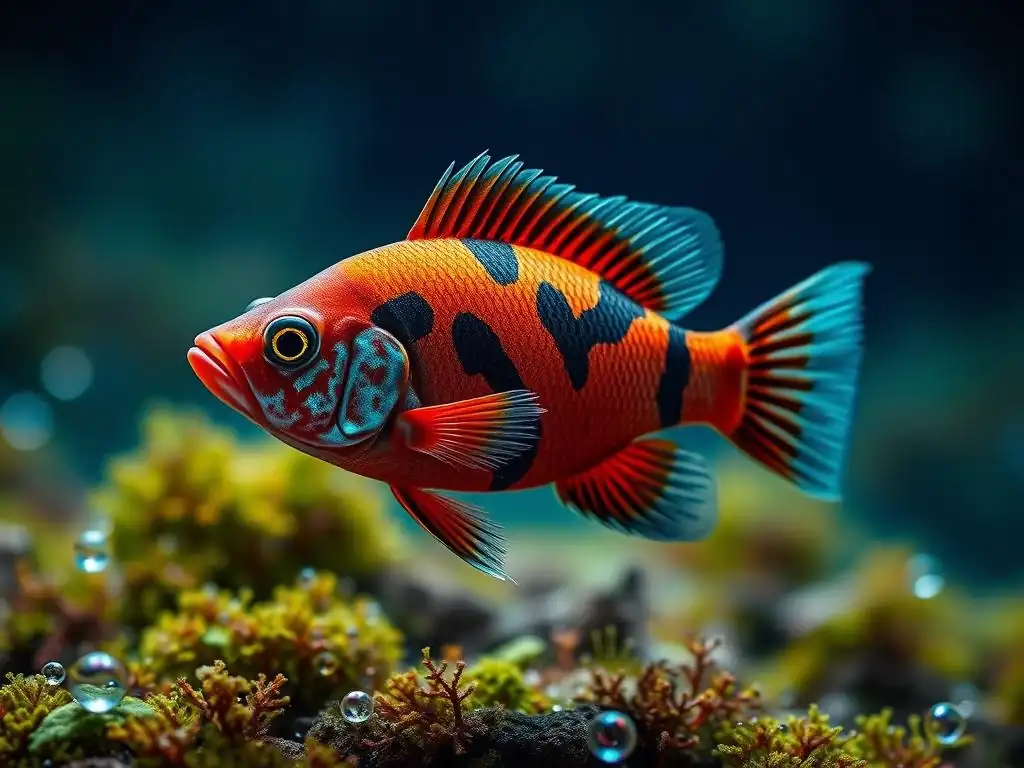
Distinguishing between male and female Apistogramma cacatuoides is relatively straightforward due to pronounced sexual dimorphism. Males are significantly larger, typically reaching up to 3.5 inches, and boast elongated, lyre-shaped caudal fins and extended dorsal fins with prominent rays, resembling a cockatoo's crest, hence their common name. Their coloration is far more vibrant, featuring striking orange, red, and black markings, especially on their fins and caudal peduncle.
Females, in contrast, are smaller, usually growing to about 1.5-2 inches. Their coloration is generally duller, often a muted yellow or brown, though they develop an intense yellow body color with distinct black markings when breeding or guarding fry. Their fins are rounded and lack the elaborate extensions seen in males. These distinct visual cues make sexing A. cacatuoides one of the easier aspects of Apistogramma care tips for new enthusiasts.
Creating a Suitable Habitat for Cacatuoides
Creating a suitable habitat for Apistogramma cacatuoides involves replicating elements of their natural South American stream environments. A minimum tank size of 15-20 gallons is recommended for a single pair, with larger tanks (30+ gallons) preferred for harems (one male, multiple females) or community setups. Fine sand is the ideal substrate, allowing them to sift through it without injury.
The aquarium should be heavily decorated with numerous hiding spots and visual barriers. This can include driftwood, rocks (non-calcareous), ceramic caves, and overturned coconut shells. Dense planting with species like Cryptocoryne, Java Fern, Anubias, and floating plants (e.g., Dwarf Water Lettuce) helps create shaded areas and reduces aggression by breaking lines of sight. While they appreciate soft, acidic water (pH 6.0-7.5, GH 5-15 dGH), A. cacatuoides are notably more tolerant of slightly harder and more neutral water compared to other Apistogramma species, making their habitat requirements somewhat flexible within the broader Apistogramma care tips guide.
Apistogramma borellii: The Umbrella Cichlid Overview
Borellii Apistogramma Care: Temperature and Water Quality
Apistogramma borellii, often referred to as the Umbrella Cichlid or Yellow Dwarf Cichlid, prefers slightly cooler temperatures than some of its Apistogramma counterparts, with an ideal range of 72-78°F (22-26°C). While they can tolerate a broader pH range of 6.0-7.0 and GH of 5-12 dGH, consistent water quality is paramount. They are particularly sensitive to elevated nitrate levels and sudden fluctuations in parameters.
Regular, small water changes are a cornerstone of effective Borellii Apistogramma care. Performing 20-30% water changes weekly helps to dilute nitrates and replenish essential minerals, preventing stress and disease. A mature biological filter and gentle water movement are also crucial for maintaining the pristine conditions these beautiful dwarf cichlids require to thrive and display their best coloration.
Borellii Behavior and Compatibility in Community Tanks
Apistogramma borellii is generally considered one of the more peaceful Apistogramma species, making them an excellent candidate for well-researched community tanks. While males can exhibit territorial behavior, especially during breeding, their aggression is typically less pronounced compared to species like A. cacatuoides. They tend to occupy all levels of the tank, not just the bottom, adding dynamic movement to the aquarium.
Ideal tank mates are small, peaceful fish that do not compete for bottom territory. Options include small schooling tetras (e.g., Ember Tetras, Green Neon Tetras), Rasboras, and Otocinclus catfish. Avoid keeping them with aggressive or overly boisterous species, which can stress A. borellii and lead to faded colors or health issues. When planning for a community setup, applying comprehensive Apistogramma care tips on species compatibility is essential to ensure peaceful coexistence.
Maximizing Coloration in Borellii Apistogramma
To truly maximize the stunning coloration of Apistogramma borellii males, which can display brilliant blues, yellows, and oranges, several environmental and dietary factors are key. A high-quality diet rich in protein and color-enhancing ingredients is essential; this includes regular offerings of live and frozen foods such as bloodworms, brine shrimp, and daphnia, alongside quality pellets or flakes.
Environmental factors also play a significant role. Providing a dimly lit tank with a dark substrate and plenty of natural decor like driftwood and leaf litter (e.g., Indian almond leaves) helps to bring out their natural hues. The tannins released from leaf litter can also create a blackwater effect, which mimics their native habitat and accentuates their vibrant blues and yellows. A low-stress environment with stable water parameters, a fundamental Apistogramma care tip, further contributes to their overall health and display of full color potential.
Apistogramma trifasciata: The Three-Stripe Apistogramma Unveiled
Trifasciata Apistogramma Care: Essential Tips for a Thriving Environment
Apistogramma trifasciata, commonly known as the Three-Stripe Apistogramma, requires specific water parameters to thrive, typically favoring very soft and acidic conditions. An ideal pH range for their long-term health is 5.0-6.5, with general hardness (GH) between 2-8 dGH, and a temperature of 75-80°F (24-27°C). Maintaining stable parameters is crucial, as they are particularly sensitive to fluctuations and high nitrate levels.
A well-established tank with dense planting, such as Cryptocoryne species and Java Fern, along with ample hiding spots provided by driftwood, ceramic caves, or coconut shells, is essential. The inclusion of leaf litter (e.g., Indian almond leaves) not only helps to create a natural blackwater environment by releasing tannins but also provides additional foraging opportunities and shelter. These specific Trifasciata Apistogramma care tips are vital for replicating their preferred habitat and ensuring their well-being.
The Unique Appearance of the Trifasciata Apistogramma
The Apistogramma trifasciata derives its common name from the three distinct black stripes visible on the male's body, running horizontally. Males are typically more colorful than females, showcasing iridescent blue or green scales that shimmer under proper lighting, often complemented by red coloration on their fins. They can reach up to 2.5 inches in length, with their dorsal and caudal fins sometimes exhibiting a beautiful red or orange edging.
Females are generally smaller, around 1.5 inches, and exhibit a more subdued, yellowish-brown coloration, though they display a striking yellow during breeding periods. Their stripes are also less prominent than those of the males. The unique combination of iridescent body colors and clear stripe patterns makes A. trifasciata a visually appealing and easily identifiable species within the Apistogramma genus, adding a distinct aesthetic to any aquarium following precise Apistogramma care tips.
Breeding Trifasciata in the Home Aquarium
Breeding Apistogramma trifasciata in the home aquarium can be a rewarding experience, though it often requires very specific water conditions to induce spawning and ensure successful egg hatching. Extremely soft and acidic water, with a pH below 6.0 and GH below 4 dGH, is typically necessary. Providing multiple small caves or overturned clay pots offers ideal spawning sites for the female.
The female A. trifasciata becomes intensely yellow when ready to breed and will aggressively guard her clutch of typically 30-80 eggs. She takes primary responsibility for fanning the eggs and protecting the fry once they hatch. Males may or may not be tolerated in the breeding cave, and sometimes it's best to remove the male after spawning to prevent aggression towards the female. Successful breeding underscores the importance of dedicated Apistogramma care tips, particularly regarding water chemistry.
Apistogramma baenschi (Inca 50): The Inca Apisto Examination
Baenschi Apistogramma Care: Replicating Their Natural Habitat
Apistogramma baenschi, famously known as the Inca 50 Apistogramma, originates from specific blackwater streams in the Peruvian Amazon. Replicating this natural habitat is crucial for their long-term health and vibrant coloration. They require extremely soft and acidic water, with an ideal pH range of 4.5-6.0 and general hardness (GH) between 0-5 dGH. Temperatures should be kept stable between 78-82°F (26-28°C).
The tank setup should include a fine sand substrate, ample leaf litter (e.g., Catappa leaves, Guava leaves), and plenty of driftwood to create a tannin-stained, dimly lit environment. This not only mimics their natural conditions but also provides essential hiding spots and foraging areas. Maintaining pristine water quality through consistent, small water changes (10-15% twice weekly) is paramount, as they are highly sensitive to pollutants. These specialized Baenschi Apistogramma care tips are essential for their delicate nature.
The Striking Colors of the Inca 50 Apistogramma
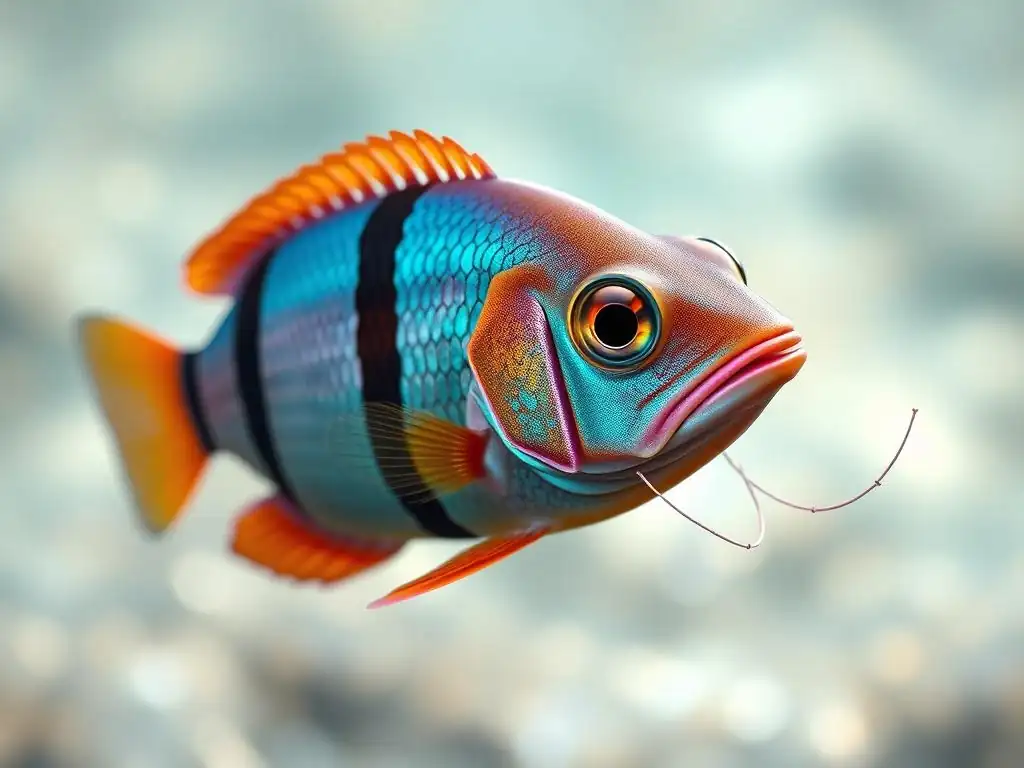
The Apistogramma baenschi is arguably one of the most visually stunning species within the genus, earning its "Inca 50" moniker due to its striking appearance. Males display an incredible array of iridescent colors, including brilliant blues, purples, and yellows across their bodies, often highlighted by a distinct dark "mask" or markings on their faces. Their dorsal and caudal fins can be edged in vibrant reds or oranges, creating a truly spectacular display.
Males typically reach about 2.5-3 inches in length, while females are smaller and generally less colorful, exhibiting a more subdued yellowish-brown hue, though they also turn a brighter yellow during breeding. The intensity of their colors is highly dependent on water quality, diet, and a stress-free environment. Providing optimal Apistogramma care tips, particularly for such a sensitive species, directly contributes to the exhibition of their full, breathtaking coloration.
Maintaining a Healthy Inca Apisto Aquarium
Maintaining a healthy Apistogramma baenschi aquarium requires diligent attention to detail, especially concerning water parameters and diet. Given their preference for extremely soft and acidic water, using reverse osmosis (RO) water reconstituted with appropriate minerals is often necessary to achieve and maintain the desired conditions. Regular testing of pH, GH, and nitrate levels is non-negotiable.
Filtration should be gentle but effective; sponge filters are highly recommended to avoid strong currents that can stress these shy fish. A varied diet of high-quality live and frozen foods, such as newly hatched brine shrimp, daphnia, and small bloodworms, is crucial for their health and vitality. They can be shy feeders initially, so ensuring food reaches them is important. Adherence to these precise Apistogramma care tips for the Inca 50 will ensure these magnificent fish thrive.
Comparing Apistogramma Species: Key Differences and Similarities
Size and Appearance Comparison of Popular Apistogramma
While all Apistogramma species are considered dwarf cichlids, there are notable differences in their mature size and distinctive appearances. Male Apistogramma cacatuoides are generally the largest, often reaching up to 3.5 inches, characterized by their elaborate dorsal and caudal fins. Apistogramma agassizii males are slightly smaller at around 3 inches, recognized by their elongated bodies and pointed caudal fins with various color patterns.
Apistogramma borellii and Apistogramma trifasciata males typically stay within the 2-2.5 inch range, with borellii known for its rounded fins and iridescent blues/yellows, and trifasciata for its distinct three lateral stripes. The Apistogramma baenschi is also in the 2.5-3 inch range, but stands out with its intense, iridescent body coloration, often described as a "mask" pattern. Females across all species are consistently smaller and less colorful than their male counterparts.
Temperament and Compatibility Across Different Apisto Species
Apistogramma species generally share a territorial nature, especially males defending their space and breeding sites. However, their overall temperament and compatibility with tank mates can vary. Apistogramma cacatuoides males tend to be more boisterous and territorial, requiring more space or very well-structured tanks to prevent aggression. Apistogramma agassizii also exhibits strong territoriality, particularly during breeding.
In contrast, Apistogramma borellii and Apistogramma trifasciata are often considered more peaceful, making them better candidates for community tanks with very docile, non-competitive fish. Apistogramma baenschi is generally shy and reserved, preferring a quiet environment. Regardless of species, it is crucial to provide ample hiding spots and visual barriers to minimize aggression, especially when keeping multiple females or a male with a harem. Following species-specific Apistogramma care tips for temperament management is key to a peaceful aquarium.
Water Parameter Requirements: A Side-by-Side Analysis
A critical aspect of Apistogramma care is understanding their varied water parameter requirements, though most prefer soft, acidic conditions. Species like Apistogramma baenschi, Apistogramma trifasciata, and Apistogramma agassizii are highly sensitive and thrive in very soft, acidic water, with pH typically ranging from 4.5-6.5 and GH from 0-6 dGH. These species often benefit from the use of reverse osmosis (RO) water reconstituted with appropriate minerals.
Conversely, Apistogramma cacatuoides and Apistogramma borellii are more adaptable, tolerating slightly harder and more neutral water conditions. A. cacatuoides can thrive in pH 6.0-7.5 and GH 5-15 dGH, while A. borellii prefers pH 6.0-7.0 and GH 5-12 dGH, with a slightly cooler temperature preference. Despite these differences, stability is paramount for all species; consistent parameters within their preferred range are far more important than hitting exact numbers, forming a core Apistogramma care tips guide principle.
Apistogramma Care Tips Guide: Common Challenges and Solutions
Addressing Common Apistogramma Diseases and Ailments
Apistogrammas, while generally hardy when kept in optimal conditions, can be susceptible to common freshwater aquarium diseases if stressed or kept in poor water quality. Ich (White Spot Disease) is frequently encountered, characterized by small white spots on the body and fins, often triggered by temperature fluctuations or new fish introduction. Fin Rot, identified by frayed or decaying fins, typically results from poor water quality or bacterial infections. Hole-in-the-Head disease can also occur, often linked to nutritional deficiencies or prolonged poor water conditions.
Prevention is the most effective approach to Apistogramma health. This includes maintaining pristine water quality through regular water changes, providing a balanced and varied diet, and quarantining all new fish for at least 2-4 weeks before introducing them to the main tank. If disease strikes, prompt diagnosis and treatment with appropriate aquarium medications, often combined with increased water changes and stable temperatures, are crucial. Stress reduction, a core Apistogramma care tip, significantly boosts their immune response.
Maintaining Optimal Water Quality for Apistogramma Health
Maintaining optimal water quality is the single most critical factor for the long-term health and vibrancy of Apistogrammas. These fish are highly sensitive to dissolved pollutants, particularly nitrates. Regular, small water changes are indispensable; a weekly 20-30% water change is often recommended, but for very sensitive species or heavily stocked tanks, 10-15% twice weekly may be more beneficial. Using a reliable water conditioner is essential to neutralize chlorine and chloramines.
Effective biological filtration, achieved through mature filter media in sponge, hang-on-back, or canister filters, is vital for breaking down ammonia and nitrites. Regular testing for ammonia, nitrite, and nitrate, as well as pH and general hardness (GH), allows aquarists to monitor parameters and make necessary adjustments. Keeping nitrate levels consistently below 10-20 ppm is a primary goal. This diligent approach to water quality is the most impactful of all Apistogramma care tips.
Preventing Aggression and Promoting Peaceful Coexistence
Aggression, particularly among male Apistogrammas or between males and females during breeding, is a common challenge. Preventing it involves thoughtful tank design and species selection. Providing adequate tank size is crucial; a minimum of 10-15 gallons for a single pair is a starting point, with larger tanks (20-30 gallons+) necessary for harems (one male, multiple females) or if attempting to keep multiple Apistogramma species.
Abundant hiding spots and visual barriers are paramount. Incorporate plenty of driftwood, rock formations, ceramic caves, and dense plant growth (e.g., Cryptocorynes, Java Fern) to break lines of sight and allow weaker individuals to escape. When keeping multiple females with one male, ensure each female has her own designated cave or territory. Carefully selecting peaceful, mid-to-upper water column tank mates also reduces competition and stress, promoting a harmonious environment in line with comprehensive Apistogramma care tips.
Setting Up the Ideal Apistogramma Tank: A Step-by-Step Guide
Choosing the Right Tank Size and Substrate for Apistogrammas
The foundation of an ideal Apistogramma tank begins with selecting the appropriate size and substrate. For a single pair of smaller species like Apistogramma borellii or A. trifasciata, a 10-gallon aquarium can suffice, provided it is well-aquascaped. However, for larger species such as Apistogramma cacatuoides or A. agassizii, or for keeping a male with multiple females (a harem), a minimum of 15-20 gallons is recommended, with 30 gallons or more being ideal for more complex setups or multiple species.
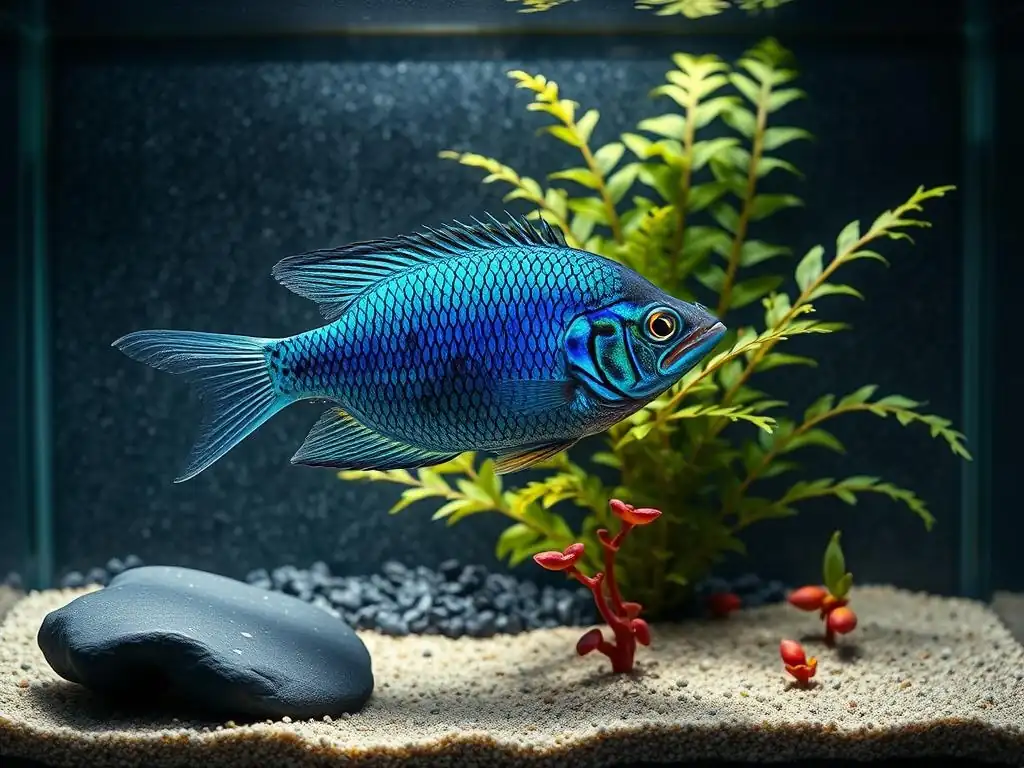
A fine sand substrate is highly preferred for all Apistogramma species. Their natural foraging behavior involves sifting through the substrate for food particles, and fine sand prevents damage to their delicate barbels, unlike coarser gravel. Materials like pool filter sand or specialized aquarium sands (e.g., CaribSea Super Naturals) are excellent choices, providing a safe and natural environment that enhances their well-being, a fundamental Apistogramma care tip.
Selecting Appropriate Plants and Decorations for Apisto Aquariums
Creating a natural and stimulating environment is crucial for Apistogrammas, and this involves careful selection of plants and decorations. Dense planting is highly recommended, providing both shelter and visual barriers. Suitable plant species include Cryptocoryne varieties, Java Fern, Anubias, and various mosses, which can be attached to driftwood or rocks. Floating plants like Dwarf Water Lettuce or Frogbit are also beneficial as they diffuse light, mimicking the dappled light of their natural habitats.
Decorations should primarily consist of natural elements. Driftwood offers excellent hiding spots and releases beneficial tannins, which can lower pH and create a blackwater effect. Non-calcareous rocks can form caves or territorial boundaries. Ceramic caves, overturned clay pots, or coconut shells are also excellent additions, providing essential spawning sites and retreats. The inclusion of leaf litter, such as Indian almond (Catappa) leaves, is highly recommended as it simulates their natural environment, provides a source of microfauna, and releases tannins beneficial for their health, an invaluable Apistogramma care tip.
Filtration and Lighting Recommendations for Apistogramma
Effective filtration is vital for maintaining the pristine water quality Apistogrammas require, but it must be gentle. Strong currents can stress these fish, which typically inhabit slow-moving waters. Sponge filters are an excellent choice, providing robust biological filtration with minimal flow. Hang-on-back filters with a pre-filter sponge over the intake and a baffled or diffused output (e.g., a spray bar) can also work well. Canister filters, if used, should also have their output flow significantly reduced.
Lighting for an Apistogramma aquarium should generally be moderate to dim. Bright lighting can be stressful for these fish, which often come from shaded, tannin-stained waters. The use of floating plants helps to diffuse intense light. A standard LED light fixture set to a moderate intensity for 8-10 hours a day is usually sufficient for both the fish and the plants. A reliable heater set to the species-specific temperature range is also essential for maintaining stable conditions, completing the core Apistogramma care tips for tank setup.
Advanced Apistogramma Care: Breeding and Raising Fry
Creating Breeding Conditions for Your Apistogramma
Inducing Apistogrammas to breed successfully often requires specific conditioning and precise water parameters. High-quality, protein-rich foods are paramount for conditioning breeding pairs; live foods such as blackworms, microworms, daphnia, and newly hatched brine shrimp are particularly effective in stimulating spawning. A varied diet ensures the fish are in peak physical condition.
For many species, very soft and acidic water is essential for successful spawning and egg hatching. This often means a pH below 6.0 and general hardness (GH) below 4 dGH, which can be achieved through the use of reverse osmosis (RO) water blended with a small amount of tap water or specific remineralizers. Providing multiple dark, secluded caves (e.g., coconut shells, clay pots, driftwood crevices) offers ideal spawning sites. Maintaining a stable temperature within the higher end of their preferred range, usually 78-82°F (26-28°C), can also encourage breeding.
Caring for Apistogramma Eggs and Fry
Once eggs are laid, typically inside a chosen cave, the female Apistogramma takes on the primary role of parental care. She will diligently guard and fan the eggs, keeping them clean and oxygenated, and will aggressively defend them from any perceived threats, including the male or other tank inhabitants. Eggs usually hatch within 2-4 days, depending on temperature, and the fry become free-swimming approximately 4-7 days after hatching.
During this period, it's crucial to ensure the breeding pair (or just the female, if the male is removed) is not stressed. Sometimes, removing the male after spawning is advised, particularly if the female becomes overly aggressive towards him or if the tank is small. If breeding in a community tank, ensure that tank mates are not predatory towards the fry. Gentle filtration, like a sponge filter, is necessary to prevent accidental siphoning of delicate fry.
Feeding and Raising Apistogramma Fry Successfully
Raising Apistogramma fry successfully requires a consistent feeding regimen with appropriately sized foods. For the first few days after becoming free-swimming, the fry are incredibly tiny and require microscopic food sources. Infusoria, vinegar eels, and microworms are excellent initial foods, providing the necessary nutrition without polluting the water excessively.
As the fry grow, typically after 4-7 days of free-swimming, they can be transitioned to slightly larger foods. Newly hatched brine shrimp (Artemia nauplii) are an ideal next step, being highly nutritious and stimulating for the fry. Feeding should occur in small amounts multiple times a day (4-6 times) to ensure constant access to food, which promotes rapid growth.
Frequent, small water changes (10-20% daily or every other day) are absolutely critical during the fry-raising stage to maintain pristine water quality, as heavy feeding can quickly foul the water. This dedication to feeding and water quality is a paramount Apistogramma care tip for breeders.
Conclusion: Choosing the Right Apistogramma for Your Aquarium
Recap of Apistogramma Care Tips
The journey of keeping Apistogrammas is deeply rewarding, offering aquarists a glimpse into the complex behaviors of dwarf cichlids. Throughout this guide, several core Apistogramma care tips have been emphasized. Paramount among these is the unwavering commitment to maintaining pristine and stable water quality, closely mimicking their soft, acidic natural habitats. This involves regular water changes, effective yet gentle filtration, and consistent monitoring of parameters like pH, GH, and nitrates.
Beyond water quality, proper tank setup is crucial, including a fine sand substrate, abundant hiding spots provided by driftwood and caves, and dense planting to create visual barriers and a sense of security. A varied, high-quality diet rich in live and frozen foods is essential for their health and vibrant coloration. Finally, careful consideration of species-specific needs regarding temperament and compatibility ensures a harmonious environment, whether in a species-only tank or a community setup.
Which Apistogramma Species is Right for You?
Choosing the right Apistogramma species depends largely on your experience level, available tank space, and willingness to maintain specific water parameters. For beginners, Apistogramma cacatuoides is often recommended due to its striking appearance and slightly greater tolerance for varied water conditions, making its Apistogramma care tips more forgiving. Its robust nature makes it a good entry point into the genus.
Intermediate aquarists might find joy in Apistogramma agassizii, Apistogramma borellii, or Apistogramma trifasciata. These species generally require softer and more acidic water than cacatuoides but are still relatively adaptable with consistent care. For advanced hobbyists seeking a challenge and unparalleled beauty, Apistogramma baenschi (Inca 50) is an excellent choice, demanding extremely precise soft, acidic water conditions and meticulous attention to detail to thrive, truly testing one's dedication to Apistogramma care tips.
Resources for Further Learning About Apistogrammas
The world of Apistogrammas is vast and continually evolving, with new species and color morphs being discovered. To deepen your understanding and enhance your Apistogramma care tips, continuous learning is highly encouraged. Reputable online forums and communities dedicated to dwarf cichlids or South American biotopes are invaluable resources, offering a wealth of collective experience and advice from seasoned aquarists.
Specialized books and academic journals on cichlid husbandry and South American fish provide in-depth scientific information on their natural history, genetics, and specific care requirements. Attending local aquarium club meetings or visiting specialized fish stores can also provide opportunities to learn from experts and observe various species firsthand. Embracing these resources will empower you to provide the best possible care for your Apistogrammas, ensuring their health and enabling you to enjoy their captivating beauty for years to come.
Frequently Asked Questions
What are some key considerations when choosing an Apistogramma species for my aquarium?
Consider the tank size requirements of each species, their preferred water parameters (pH, temperature, hardness), and their temperament towards other fish in the tank.
What are the ideal water parameters for most Apistogramma species?
Generally, Apistogrammas prefer soft, acidic water with a pH between 6.0 and 7.0 and a temperature between 78°F and 82°F. Maintaining stable water conditions is crucial for their health.
How often should I perform water changes in an Apistogramma aquarium?
Regular water changes are essential. Aim for 25-50% water changes every week or two to maintain water quality and remove nitrates.
What type of food should I feed my Apistogrammas?
Apistogrammas are primarily carnivores and require a high-protein diet. Offer a variety of foods, including live, frozen, and high-quality flake or pellet food.
What are some common signs of illness in Apistogrammas, and how can I prevent them?
Signs include loss of appetite, clamped fins, and unusual behavior. Prevent illness by maintaining excellent water quality, providing a balanced diet, and quarantining new fish.
Okay, here's a final reflection tailored for your "The Ultimate Apistogramma Showdown: Comparing Popular Species" article, designed to resonate with readers interested in Apistogramma care and ranking for the keyword "Apistogramma care tips guide":
Final Reflection: The Enduring Allure of Apistogramma
The journey through the vibrant world of Apistogramma, as explored in this guide, reveals more than just species comparisons; it highlights the ongoing fascination with these miniature marvels and the dedication of aquarists to providing them with optimal care. The tips and insights shared here are not merely instructions, but a testament to the commitment we have to understanding and nurturing these captivating fish.
This exploration has underscored how profoundly Apistogramma have influenced the aquascaping hobby, inspiring countless aquarists to create intricate and naturalistic environments. My own experiences, and those of many others, demonstrate the deep satisfaction derived from observing these fish thrive in a well-maintained aquarium. The best way to learn about fish is to keep fish.
- Monty Don, perfectly encapsulates the hands-on learning and personal connection that Apistogramma keeping fosters.
Now, armed with this knowledge of Apistogramma care, I invite you to reflect on your own aquascaping journey. Consider how you can apply these insights to create a thriving ecosystem for your Apistogramma, or perhaps even inspire you to welcome these captivating creatures into your home. Let this guide be a stepping stone towards a deeper appreciation and understanding of these remarkable fish, and a catalyst for creating truly exceptional aquatic environments.
Unleash Your Inner Apisto Expert!
Thank you for diving into the fascinating world of Apistogramma! We hope you’ve gained valuable insights into these captivating fish. Now, let’s put that knowledge to work!
Here are some exciting next steps you can take:
- Embark on your Apistogramma adventure by selecting the perfect species for your aquarium. Consider your tank size, water parameters, and experience level to make the best choice.
- Dive deeper into the community! Share your experiences with Apistogramma keeping on aquarium forums or social media, helping other enthusiasts learn and grow.
- Go beyond the basics: Research lesser-known Apistogramma species – you might just discover your next dream fish!
Ready to transform your aquarium into an Apistogramma paradise? What's the first action you'll take to create the perfect home for these colorful characters?