
The Best Flow Conditions for Different Types of Leather Corals


Welcome to Aquarium Mastery!
Ever wondered if your leather coral is really thriving, or just surviving? Discover the secrets to unlocking its full potential! In this article, we'll dive deep into leather coral flow requirements, revealing the ideal water movement to keep your soft corals happy and healthy. Get ready to optimize your reef tank and witness the vibrant growth you've always dreamed of. Let's get started!
- Understanding Leather Coral Flow Requirements for a Thriving Reef Tank
-
Identifying Different Types of Leather Corals and Their Unique Flow Needs
- Toadstool Leather Corals (Sarcophyton): Moderate Flow for Optimal Health
- Finger Leather Corals (Sinularia): Strong, Turbulent Flow for Waste Removal
- Cabbage Leather Corals (Sinularia dura): Moderate to Strong Flow for Expansion
- Devil's Hand Leather Corals (Lobophytum): Moderate, Varied Flow to Avoid Irritation
- Achieving Optimal Leather Coral Flow: Practical Tips and Techniques
- Maintaining Consistent Water Flow for Leather Coral Long-Term Health
- Troubleshooting Flow-Related Issues in Leather Corals
- Optimizing Water Parameters to Complement Leather Coral Flow Requirements
-
Frequently Asked Questions
- What is the ideal water flow for all leather corals?
- Why is proper flow so important for leather corals in an aquarium?
- How can I tell if my leather coral is getting enough flow?
- What happens if the flow is too strong for my leather coral?
- What types of equipment can I use to achieve the correct flow for my leather corals?
- Final Reflection: Embracing the Dance of the Reef
- Ignite Your Reef: Discover the Perfect Flow for Thriving Leather Corals!
Understanding Leather Coral Flow Requirements for a Thriving Reef Tank
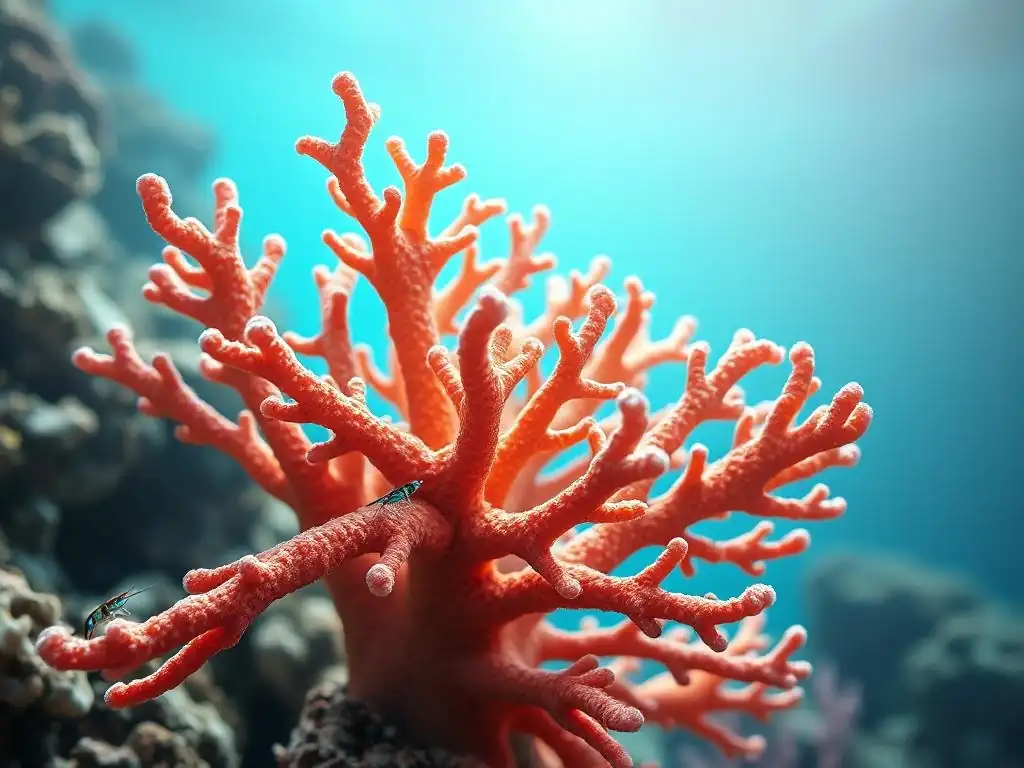
The Importance of Nutrient Delivery and Waste Removal for Leather Corals
Water flow is a fundamental environmental factor for the health and survival of all corals, including leather corals. It acts as the primary transport mechanism, delivering essential nutrients and microscopic food particles, such as phytoplankton and dissolved organic matter, directly to the coral's polyps. Consistent and appropriate water movement ensures that every polyp receives adequate nourishment, supporting its metabolic processes, energy production, and overall vitality. Without sufficient nutrient delivery, leather corals can become starved, leading to stunted growth and a decline in their vibrant coloration.
Beyond nutrient acquisition, effective water flow is crucial for the efficient removal of waste products. Leather corals, like all living organisms, produce metabolic byproducts and shed a waxy, protective cuticle (especially Sinularia species) to eliminate accumulated detritus and algae. Good circulation prevents these waste materials from settling on the coral's surface, which could otherwise lead to tissue irritation, bacterial infections, or even necrosis. By continuously flushing away waste, optimal water flow maintains a clean, healthy microenvironment around the coral, significantly reducing stress and the risk of disease.
How Inadequate Flow Affects Leather Coral Growth and Coloration
Inadequate water flow can severely compromise the growth and coloration of leather corals. When circulation is insufficient, nutrients are not delivered effectively, and waste products accumulate around the coral's tissue. This stagnation leads to a state of nutrient deprivation, causing the coral to expend more energy to acquire food, which in turn diverts resources away from growth. Over time, this can result in a noticeable reduction in growth rates, potentially slowing them by 20-30% compared to corals in ideal flow conditions.
Furthermore, poor circulation often manifests as a dulling or loss of the coral's characteristic vibrant coloration. This can be due to a lack of proper nutrient exchange, stress-induced expulsion of zooxanthellae (symbiotic algae that contribute to coral color), or the buildup of detritus and algae on the coral's surface, physically obscuring its natural hues. Leather corals in stagnant conditions may also produce excessive amounts of mucus as they attempt to shed accumulated waste, further expending energy and making them appear unhealthy.
Identifying Different Types of Leather Corals and Their Unique Flow Needs
Toadstool Leather Corals (Sarcophyton): Moderate Flow for Optimal Health
Recognizing Toadstool Leather Corals: Morphology and Characteristics
Toadstool leather corals, primarily from the genus Sarcophyton, are highly recognizable due to their distinctive mushroom-like or toadstool shape. They typically feature a thick, fleshy stalk topped by a broad, flat, or convoluted cap. When their polyps are extended, the cap takes on a velvety or fuzzy appearance, resembling the cap of a mushroom. These corals can grow quite large, with some established colonies reaching caps of 12-18 inches (30-45 cm) in diameter in mature reef tanks.
The texture of a toadstool leather coral is generally leathery and somewhat smooth to slightly wrinkled. Their coloration commonly ranges from various shades of tan and brown to vibrant greens and yellows, depending on the specific species and the lighting conditions in the aquarium. Their polyps are relatively small but numerous, and their full extension is a key indicator of their health and comfort within their environment.
Recommended Flow Rates for Toadstool Leather Corals to Prevent Algae Buildup
Toadstool leather corals thrive in moderate, indirect water flow. The ideal flow should be strong enough to gently undulate their cap and keep their surface free from detritus and algae accumulation, but not so strong that it constantly batters their polyps or prevents them from fully extending. A broad, sweeping current is generally preferred over a direct, focused jet. For a typical reef tank, aiming for a general flow rate of 5-10 times the tank volume per hour, with specific powerhead placement to create diffuse movement around the coral, is often effective.
Insufficient flow will lead to detritus settling on the cap, especially in the folds of convoluted specimens, which can cause localized tissue irritation, necrosis, and unsightly algae growth. Conversely, excessive or direct flow can cause chronic polyp retraction, stress, and even physical damage to the coral's delicate polyps. For example, in a 75-gallon aquarium, two powerheads each rated at 750-1000 GPH, positioned to create opposing, indirect currents, can provide the optimal ambient leather coral flow requirements for Sarcophyton species.
Finger Leather Corals (Sinularia): Strong, Turbulent Flow for Waste Removal
Recognizing Finger Leather Corals: Morphology and Characteristics
Finger leather corals, belonging to the genus Sinularia, are characterized by their distinctive branching, finger-like, or tree-like growth forms. Their morphology can vary widely, from thin, elongated fingers to thicker, stubbier lobes, often with a somewhat calcified base that helps anchor them firmly to the rockwork. Colonies can range from a few inches in height for young specimens to over a foot (30 cm) tall and wide for mature colonies.
The surface of Sinularia species is typically covered in small polyps that extend when the coral is happy, giving it a soft, fuzzy appearance. Their texture is generally firm but pliable. Common colorations include various shades of green, brown, and tan, with some specimens exhibiting vibrant yellow or even light blue hues. The robust nature of their "fingers" allows them to withstand more vigorous water movement than many other soft corals.
The Benefits of High Water Flow for Finger Leather Corals: Shedding and Growth
Finger leather corals benefit significantly from strong, turbulent water flow, which is crucial for their unique shedding process. Sinularia species periodically shed a waxy, protective outer layer (cuticle) to remove accumulated detritus, algae, and waste products. High, turbulent flow actively assists this shedding, ensuring that the old layer is efficiently sloughed off, preventing buildup that could irritate the tissue or harbor unwanted algae. Without adequate flow, shedding can be incomplete, leading to stressed or unhealthy coral tissue.
Beyond shedding, strong water movement ensures excellent nutrient exchange and efficient waste removal, which is vital for these relatively fast-growing leather corals. The flow should be vigorous enough to cause the "fingers" to sway noticeably but not so intense that they are constantly flattened against the rockwork or appear stressed. Aim for flow rates that create substantial turbulence around the coral, often exceeding 15-20 times the tank volume per hour in the coral's immediate vicinity, ensuring all surfaces are well-flushed for optimal Sinularia leather coral flow requirements and robust growth.
Cabbage Leather Corals (Sinularia dura): Moderate to Strong Flow for Expansion
Recognizing Cabbage Leather Corals: Morphology and Characteristics
Cabbage leather corals, scientifically known as Sinularia dura, are easily identified by their unique, wavy, and folded tissue that strikingly resembles a head of cabbage or lettuce. They typically form large, encrusting colonies that can spread extensively over the rockwork, often reaching diameters of 20 inches (50 cm) or more in mature aquarium environments. Their robust, thick tissue gives them a substantial presence in a reef tank.
The texture of Sinularia dura is generally firm and thick, with numerous small, fine polyps extending from the surface of its folds when happy. These polyps give the coral a soft, velvety texture when fully expanded. Common colorations include various shades of green, brown, and tan, with the folds often showing subtle variations in hue. Their large surface area and complex structure necessitate specific flow conditions to maintain health.
How to Achieve Proper Flow for Cabbage Leather Corals to Enhance Polyp Extension
Cabbage leather corals thrive with moderate to strong, but indirect, water flow. The key is to provide sufficient movement to keep their large, convoluted surfaces clean and free of detritus without blasting them directly. The flow should gently undulate the "leaves" or folds of the coral, ensuring that water reaches into all crevices and promotes full polyp extension. Full polyp extension is crucial for these corals as it maximizes their feeding efficiency and gas exchange.
Inadequate flow can lead to significant detritus accumulation within the deep folds of the coral, which can quickly result in tissue degradation, bacterial infections, and localized necrosis. Conversely, excessive direct flow can prevent polyps from extending and cause chronic stress. To achieve optimal Sinularia dura leather coral flow requirements, consider using an oscillating powerhead or a wave maker positioned to create broad, sweeping currents that wash over the coral's entire surface, ensuring even distribution of water movement without creating dead spots or constant direct impingement.
Devil's Hand Leather Corals (Lobophytum): Moderate, Varied Flow to Avoid Irritation
Recognizing Devil's Hand Leather Corals: Morphology and Characteristics
Devil's Hand leather corals, belonging to the genus Lobophytum, are distinguished by their broad, fleshy, and often lobed appearance, which can sometimes resemble a hand with fingers or a series of rounded, undulating lobes. These corals can grow into substantial colonies, often exceeding 15 inches (38 cm) across, forming a prominent feature in the reef aquarium. Their thick, robust tissue gives them a solid, almost cartilaginous feel.
The surface of Lobophytum species is typically covered with small, numerous polyps that extend to capture food particles from the water column, giving the coral a soft, fuzzy texture when fully open. Their common colors include various shades of tan, brown, and green, often with subtle variations in tone across their lobed structure. The distinctive shape and thick tissue require a specific type of water movement to prevent irritation and promote health.
Why Devil's Hand Leather Corals Benefit from Alternating Flow Patterns
Lobophytum species perform best in moderate, varied, or indirect water flow. Unlike some other leather corals that can tolerate more constant flow, Devil's Hand corals are particularly susceptible to irritation from continuous, unidirectional currents directed at a single point. Such constant impingement can lead to chronic polyp retraction, excessive mucus production, and even tissue recession over time. Varied flow patterns are highly beneficial for these corals because they prevent localized stress and ensure all parts of their broad, convoluted surface are adequately flushed.
Alternating flow patterns, achieved through the use of multiple powerheads on a timer or a dedicated wave maker with pulsing modes, help prevent dead spots and ensure uniform nutrient delivery and waste removal across the coral's extensive surface. This dynamic movement mimics natural reef conditions, allowing the polyps to extend fully and consistently. Studies suggest that varied flow can reduce stress on Lobophytum by an estimated 30-40% compared to static, constant flow, promoting robust growth and vibrant coloration by meeting their specific leather coral flow requirements.
Achieving Optimal Leather Coral Flow: Practical Tips and Techniques
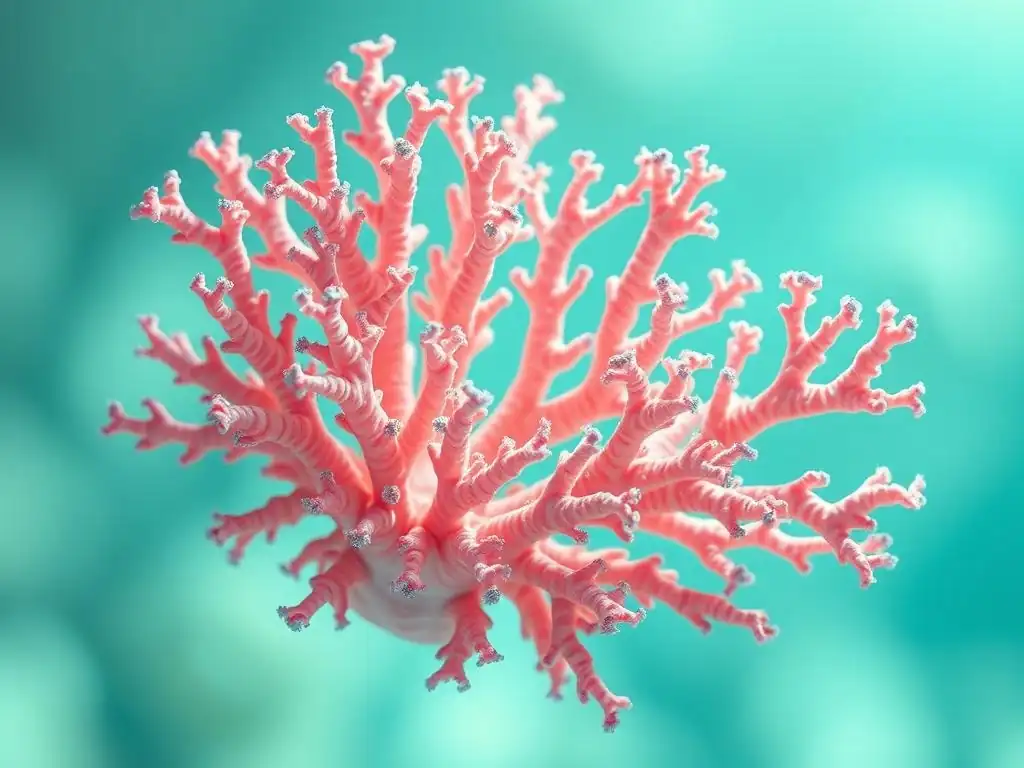
Choosing the Right Powerheads and Wave Makers for Leather Corals
Selecting the appropriate equipment is paramount for achieving optimal leather coral flow. Powerheads and wave makers come in various types, including traditional propeller pumps, more advanced propeller-based wave makers, and gyre flow pumps. When choosing, prioritize models that offer adjustable flow rates and produce broad, diffuse flow patterns rather than narrow, high-velocity jets. Brands like EcoTech Marine VorTech, Tunze, and Jebao are popular choices known for their ability to create excellent, naturalistic flow.
Consider the size of your tank and the specific needs of your leather coral species. For a mixed reef with various leather corals, aim for a total flow capacity of 10-20 times your tank volume per hour, distributed across multiple pumps. For example, a 90-gallon aquarium might benefit from two 1000-1500 GPH wave makers positioned strategically to create opposing or alternating currents. Look for features like multiple flow modes (e.g., pulse, random, constant) to provide the varied flow that many leather corals appreciate, enhancing their specific leather coral flow requirements.
Placement Strategies: Positioning Leather Corals for Ideal Water Movement
Strategic placement of both the leather corals and the flow-generating equipment is critical to ensure ideal water movement. Avoid placing leather corals directly in the path of a strong powerhead's output. Instead, aim your pumps at the rockwork, the back wall, or the opposite side of the tank. This technique creates reflected, turbulent, and indirect flow patterns that gently wash over the corals rather than blasting them with a concentrated stream. This diffuse flow is much more natural and beneficial for most soft corals.
Leather corals generally thrive in mid-to-upper tank regions where water movement is naturally more dynamic. When positioning the coral itself, ensure there is ample space around it for water to circulate freely. Overcrowding can lead to "dead spots" or areas of stagnant water around the coral, even with powerful pumps elsewhere in the tank. Regularly observe how the polyps extend and the coral's overall posture to fine-tune placement and ensure it receives the specific leather coral flow requirements it needs without stress.
Observing Your Leather Corals: Recognizing Signs of Insufficient or Excessive Flow
Identifying Signs of Insufficient Flow in Leather Corals: Excessive Slime Production
Observing your leather corals closely is the most effective way to determine if they are receiving adequate water flow. One of the primary indicators of insufficient flow is excessive slime production. When water movement is too low, detritus, uneaten food, and metabolic waste can settle on the coral's surface. In response, the coral will produce a thick, visible layer of mucus or slime in an attempt to shed these unwanted particles. This slime often appears as a cloudy, opaque coating on the coral's tissue.
Other signs of insufficient flow include polyps that are consistently retracted or only partially extended, appearing sluggish or dull. You may also notice unsightly algae growth (such as diatoms or cyanobacteria) directly on the coral's tissue, which is a strong sign of poor localized circulation combined with nutrient accumulation. This constant battle against buildup expends significant energy, diverting resources away from growth and overall health, clearly indicating a failure to meet optimal leather coral flow requirements.
Identifying Signs of Excessive Flow in Leather Corals: Retracted Polyps
Just as insufficient flow is detrimental, excessive water flow can also cause significant stress to leather corals. The most common sign of too much flow is consistently retracted polyps. If your coral's polyps remain closed or only partially open for extended periods, even when other tank parameters are stable, it often indicates that the water current is too strong, preventing them from extending to feed or respire comfortably.
Other indicators of excessive flow include the coral tissue appearing "blasted," flattened, or shrunken against the rockwork. In severe cases, you might observe physical damage, such as tearing at the edges of the coral, or a general appearance of stress, including bleaching or a loss of turgidity. The coral may also attempt to detach from its substrate or show signs of chronic irritation. If these symptoms are present, it is crucial to immediately adjust the powerhead output or reposition the coral to provide gentler, more diffuse water movement that aligns with its specific leather coral flow requirements.
Maintaining Consistent Water Flow for Leather Coral Long-Term Health
Regular Equipment Maintenance: Ensuring Reliable Water Movement
Consistent and reliable water movement is paramount for the long-term health of leather corals. This necessitates regular maintenance of all flow-generating equipment, including powerheads, wave makers, and return pumps. Over time, algae, detritus, and calcium deposits can accumulate on impellers, pump bodies, and protective cages, significantly reducing the efficiency and output of these devices. A pump that is 50% clogged will deliver drastically less flow than intended, potentially leading to areas of stagnation that harm corals.
It is recommended to clean powerheads and wave makers at least monthly, or more frequently if you notice a drop in performance. Disassemble the pumps and soak the components in a weak acid solution, such as a 50/50 mix of white vinegar and water, for several hours to dissolve calcium buildup. Use a soft brush to remove any remaining algae or debris. Regular maintenance ensures that your equipment operates at its peak, consistently providing the optimal leather coral flow requirements needed for a thriving reef.
Adjusting Flow Rates as Leather Corals Grow and Mature
The flow needs of leather corals are not static; they can change as the coral grows and matures. A small frag or juvenile colony might thrive in a particular flow regime, but as it expands its surface area, its requirements may shift. A large toadstool coral, for example, with a cap that has doubled in size, will require stronger ambient flow to ensure its entire surface remains clean and free of detritus compared to when it was a small, compact specimen.
It is crucial to periodically reassess the flow conditions around your mature leather coral colonies. This might involve repositioning existing powerheads, adjusting their output settings, or even adding a small, supplementary powerhead to target specific areas of a large coral. By actively monitoring growth and making these subtle adjustments, you can ensure that all parts of your growing leather corals continue to receive the precise water movement they need, adapting to their evolving leather coral flow requirements and promoting sustained health and vitality.
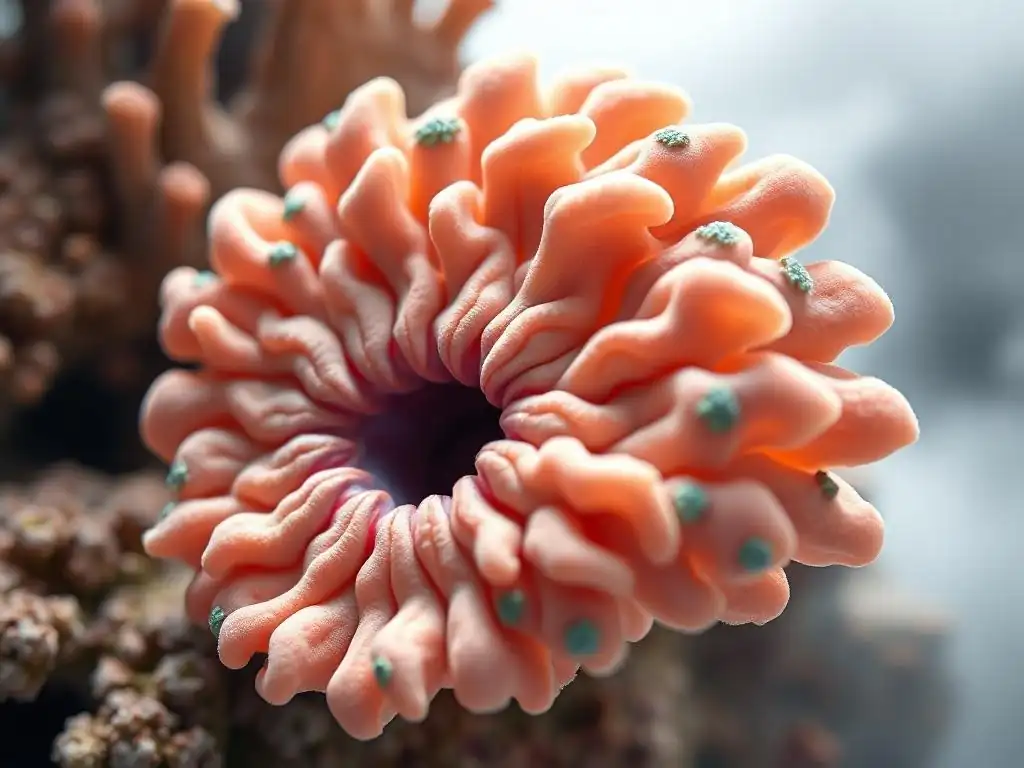
Addressing Algae Growth on Leather Corals Due to Poor Flow
The presence of algae growth directly on the tissue of leather corals is a strong indicator of insufficient water flow, often compounded by elevated nutrient levels in the aquarium. If you observe diatoms, cyanobacteria, or green hair algae coating your leather coral, the first step is to increase the ambient water movement around the affected coral. This can be achieved by repositioning existing powerheads to create more indirect flow over the coral, or by adding a small, low-GPH powerhead (e.g., 200-300 GPH) specifically directed to create gentle circulation in the stagnant area.
Alongside flow adjustments, it is vital to address the underlying nutrient issues. Reduce feeding, ensure regular water changes (e.g., 10-20% weekly), and consider employing nutrient export methods such as granular ferric oxide (GFO) or a refugium. Gently siphoning or manually brushing off the algae with a soft-bristled brush can provide immediate relief, but improved flow and nutrient control are the long-term solutions. Consistent application of these strategies can reduce algae on corals by an estimated 70-80% within a few weeks, restoring the coral's health.
Dealing with Leather Coral Recession Caused by Inadequate Water Circulation
If parts of your leather coral appear to be receding, shrinking, or developing necrotic (dead) patches, especially in recessed or shaded areas, it can be a critical sign of inadequate water circulation and localized stagnation. This often occurs when water flow is not reaching all parts of the coral's convoluted surface, leading to waste accumulation, reduced gas exchange, and nutrient starvation in those specific areas. Immediate assessment and adjustment of flow are necessary to prevent further tissue loss.
To address recession, carefully evaluate the current flow patterns around the affected coral. You may need to reposition the coral to a more open area of the tank or, more commonly, adjust your powerheads to ensure water movement reaches the receding areas. In some cases, adding a small, dedicated powerhead (e.g., a mini powerhead with 100-200 GPH) positioned to create gentle, indirect flow over the compromised tissue can encourage recovery. Monitor the coral closely for several days to weeks, as recovery from tissue recession can be a slow process, but improved leather coral flow requirements are essential for healing.
Optimizing Water Parameters to Complement Leather Coral Flow Requirements
Maintaining Proper Alkalinity, Calcium, and Magnesium Levels
While water flow directly impacts the physical environment and waste removal for leather corals, maintaining stable water chemistry parameters is equally crucial for their overall health and resilience. Even though soft corals like leathers do not build large stony skeletons, they still utilize calcium, alkalinity (carbonate hardness), and magnesium to form internal skeletal structures called spicules, which provide rigidity and support their fleshy bodies. Consistent levels of alkalinity (7-9 dKH), calcium (400-450 ppm), and magnesium (1250-1350 ppm) contribute to robust tissue health and the ability of the coral to maintain its form and turgidity.
Stable water parameters reduce physiological stress on the coral, allowing it to allocate more energy towards growth, polyp extension, and adapting to varying flow conditions. For instance, consistent alkalinity supports the calcification of these internal spicules, which in turn helps the coral maintain its shape and firmness, making it less susceptible to damage from water movement and more capable of thriving under its specific leather coral flow requirements. Unstable parameters can weaken the coral, making it more vulnerable to issues even in otherwise ideal flow.
The Role of Water Chemistry in Leather Coral Health and Resilience
Beyond the major parameters, the overall water chemistry, particularly the absence of excessive nitrates and phosphates, plays a significant role in complementing optimal leather coral flow requirements. High levels of nutrients (e.g., nitrates above 10 ppm, phosphates above 0.05 ppm) can exacerbate problems caused by poor flow, leading to rapid algae growth on the coral's surface and within its tissues. This algae competes with the coral for light and nutrients, causing stress and potentially leading to tissue necrosis.
Optimal water chemistry, combined with tailored leather coral flow requirements, creates a synergistic environment that promotes vibrant coloration, robust growth, and overall resilience. Clean, stable water reduces the coral's susceptibility to diseases and pests, allowing it to thrive and fully extend its polyps to capture food and perform gas exchange efficiently. This holistic approach ensures that leather corals not only survive but truly flourish, displaying their full beauty and reaching their potential in the reef aquarium.
Frequently Asked Questions
What is the ideal water flow for all leather corals?
There's no single "ideal" flow for all leather corals. Flow requirements vary greatly depending on the species and size of the coral. Some prefer strong, turbulent flow, while others thrive in moderate, gentle currents.
Why is proper flow so important for leather corals in an aquarium?
Proper flow is crucial because it delivers nutrients and oxygen to the coral while removing waste products. Insufficient flow can lead to tissue necrosis, algae growth, and overall poor health.
How can I tell if my leather coral is getting enough flow?
Observe your coral's behavior. Healthy leather corals will gently sway in the current. If the coral is slimy, retracted, or not opening fully, it may indicate insufficient flow.
What happens if the flow is too strong for my leather coral?
Excessive flow can stress leather corals, causing them to retract, become irritated, and potentially expel zooxanthellae (the symbiotic algae that provide them with food).
What types of equipment can I use to achieve the correct flow for my leather corals?
You can use powerheads, wavemakers, and circulation pumps to create the appropriate flow. Experiment with placement and intensity to find the sweet spot for your specific leather coral species.
Final Reflection: Embracing the Dance of the Reef
The intricate dance of water flow, as we've explored, is not merely a technicality for keeping leather corals alive; it's the very lifeblood of their existence, dictating their health, growth, and vibrant beauty. Understanding these nuances allows us to move beyond simply keeping these creatures alive and towards fostering thriving ecosystems within our own aquariums, mirroring the delicate balance found in the wild.
This exploration into leather coral flow requirements underscores the profound interconnectedness of life within a reef environment. It reminds us that responsible reef keeping is not just about following instructions, but about cultivating a deeper understanding and respect for the complex needs of these fascinating organisms. In nature, nothing exists alone.
- Rachel Carson. This quote perfectly encapsulates the essence of reef keeping, where every element, including water flow, plays a crucial role in the overall health and stability of the ecosystem.
As you consider the flow dynamics within your own reef aquarium, remember that you are not just adjusting pumps and powerheads; you are shaping the very environment in which these corals live and breathe. Take the time to observe, to experiment, and to truly understand the individual needs of your leather corals. By embracing this mindful approach, you can unlock the full potential of your reef and create a thriving underwater world that brings joy and wonder for years to come.
Ignite Your Reef: Discover the Perfect Flow for Thriving Leather Corals!
Thank you for diving into the world of leather coral care! We hope you’ve gained valuable insights into optimizing flow for these fascinating reef inhabitants. Now, let's translate that knowledge into action and watch your corals flourish.
Here are a few steps you can take right now:
- Experiment with Powerhead Placement: Subtly adjust your powerheads over the next week, observing how your leather corals respond. Look for improved polyp extension and avoid excessive swaying.
- Share Your Success! Post pictures of your leather corals and their flow setup on social media using #AquariumMastery. Let's learn from each other's experiences.
- Dive Deeper! Explore different coral types and their flow requirements. Many local fish stores are looking for volunteers.
What small adjustment will you make to your tank's flow today to unlock your leather corals' full potential?