
The Crucial Role of Return Pumps in Overall SPS Tank Flow Dynamics and Health


Welcome to Aquarium Mastery!
Are you ready to unlock the secrets to a thriving SPS reef aquarium? Dive deep with us as we explore the crucial role of the return pump in achieving optimal flow dynamics and vibrant coral health. Discover how the right return pump can be the difference between a struggling tank and a stunning underwater masterpiece. Intrigued? Let's get started!
- The Crucial Role of Return Pumps in SPS Tank Flow Dynamics and Health
- Understanding SPS Coral Needs: Flow, Oxygenation, and Nutrient Distribution
- The SPS Tank Return Pump: A Vital Component of Your Reef System
- Return Pump Flow and its Impact on SPS Coral Health
- Return Pump Maintenance and Longevity
- Optimizing Flow Beyond the Return Pump: Supplemental Flow Devices
- Return Pump Alternatives and Advanced Flow Techniques
- The Relationship Between Return Pump Selection, Flow, and SPS Coral Success
- Frequently Asked Questions
- Final Reflection: The Unseen Heartbeat of the Reef
- Ignite Your Reef Tank's Potential!
The Crucial Role of Return Pumps in SPS Tank Flow Dynamics and Health
Understanding SPS Coral Needs: Flow, Oxygenation, and Nutrient Distribution
Why High Flow is Essential for Thriving SPS Corals
SPS (Small Polyp Stony) corals, such as Acropora, Montipora, and Seriatopora, are highly dependent on robust water flow for their survival and vibrant growth. Unlike soft corals or LPS (Large Polyp Stony) corals, SPS corals thrive in environments with significant water movement, often requiring flow rates equivalent to 20-40 times the tank's total volume per hour.
This constant motion directly impacts their ability to feed, as it brings microscopic food particles like copepods, phytoplankton, and zooplankton into contact with their polyps. Without adequate flow, food particles settle out of the water column before they can be captured, leading to nutrient deprivation and stunted growth.
Furthermore, high flow is crucial for the efficient removal of metabolic waste products from the coral's immediate vicinity. SPS corals, being sessile organisms, cannot move away from their own waste. Strong currents ensure that excreted substances, such as mucus and detritus, are swept away, preventing their accumulation around the coral tissue which could otherwise lead to tissue necrosis or bacterial infections. Studies have shown that corals in optimal flow conditions exhibit higher calcification rates, sometimes up to 15-20% higher, compared to those in low-flow areas, directly translating to faster skeletal growth and denser structures.
The Importance of Oxygen-Rich Water for SPS Health
Adequate oxygenation is paramount for the metabolic processes of SPS corals, and high water flow plays a critical role in achieving this. Corals, like all living organisms, respire, consuming oxygen and releasing carbon dioxide. In a stagnant or low-flow environment, oxygen levels around the coral tissue can quickly become depleted, leading to localized hypoxia. This condition severely stresses the coral, impairing its physiological functions, including photosynthesis by its symbiotic zooxanthellae and calcification.
The turbulent water movement generated by a well-designed flow system, including the SPS tank return pump and supplemental devices, facilitates efficient gas exchange at the water's surface. This process ensures that dissolved oxygen levels throughout the water column remain high and stable, typically between 6-8 ppm, which is vital for the health of all tank inhabitants. Without sufficient oxygen, corals may exhibit signs of stress, such as paling or browning, and become more susceptible to disease.
Return Pumps and Efficient Nutrient Distribution in SPS Aquariums
Beyond bringing food particles and removing waste, the SPS tank return pump is instrumental in the uniform distribution of essential nutrients throughout the aquarium. Trace elements like calcium, alkalinity, magnesium, and potassium, which are critical for SPS coral skeletal growth, need to be consistently available across all areas of the display tank. A robust return pump ensures that water, enriched with these elements from dosing or water changes, is circulated effectively from the sump back into the main system.
Moreover, the proper distribution of beneficial bacteria and microfauna, which contribute to the biological filtration and overall ecosystem balance, relies heavily on consistent water movement. If flow is uneven, certain areas might experience nutrient deficiencies or accumulations, leading to localized issues like algae outbreaks or coral starvation in specific zones. An effective SPS tank return pump setup, often turning over the tank's volume through the sump 3-5 times per hour, forms the foundational current that carries these vital components to every part of the reef.
The SPS Tank Return Pump: A Vital Component of Your Reef System
Defining the SPS Tank Return Pump: Function and Purpose
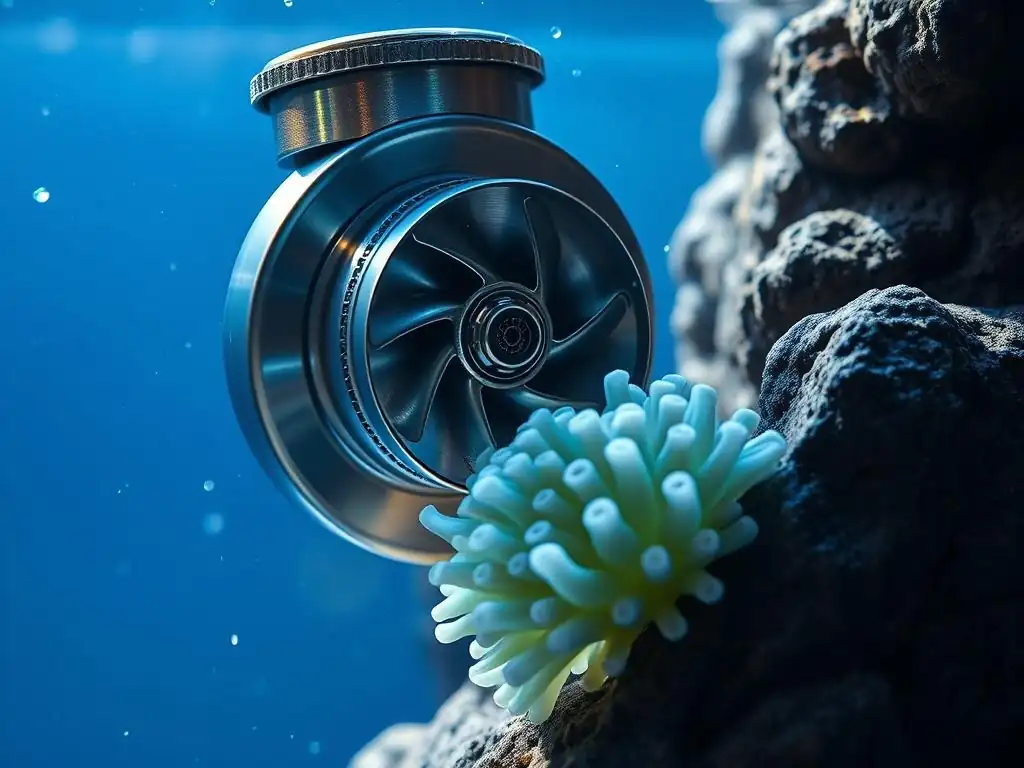
The SPS tank return pump is the cornerstone of any modern reef aquarium's filtration system, acting as the primary driver of water movement between the sump and the display tank. Its fundamental purpose is to take processed water from the sump, where mechanical filtration (filter socks, roller filters), biological filtration (live rock, bio-media), and chemical filtration (carbon, GFO) typically occur, and return it to the main display. This continuous circulation not only ensures that the water is constantly being cleaned and conditioned but also generates a significant portion of the bulk flow necessary for SPS corals.
In essence, the return pump creates the foundational current that moves water from the overflow, down into the sump, and then back up into the display. This cyclical process is vital for maintaining stable water parameters, facilitating gas exchange, and providing a baseline level of flow that, while often supplemented by powerheads, is indispensable for the overall health and stability of an SPS-dominated reef system. Without a reliable SPS tank return pump, the entire filtration loop would cease, quickly leading to detrimental conditions for corals and fish.
Choosing the Right Return Pump: GPH, Head Pressure, and Tank Volume
Selecting the appropriate SPS tank return pump requires careful consideration of several key factors: Gallons Per Hour (GPH), head pressure, and the total tank volume. The GPH rating on a pump indicates its maximum flow rate at zero head pressure. However, as water is pumped upwards against gravity, through plumbing, and around bends, the actual flow rate significantly decreases due to head pressure. It's crucial to consult the pump's flow chart, which illustrates the GPH at various head heights, to determine its effective output at your specific setup's required lift.
A common guideline for SPS tanks is to aim for a return pump that can turn over the tank's volume through the sump at least 3 to 5 times per hour after accounting for head loss. For example, a 100-gallon SPS tank might require a pump capable of delivering 300-500 GPH to the display tank.
Over-sizing the return pump slightly is often advisable, as flow can be reduced with a ball valve if too strong, whereas an undersized pump cannot be made to pump more water. Prioritizing pumps with DC (Direct Current) motors allows for adjustable flow rates, providing greater flexibility in tuning the system.
Return Pump Placement for Optimal Flow Patterns
The strategic placement of the SPS tank return pump outputs in the display tank is critical for creating effective and diverse flow patterns. While the return pump provides bulk flow, its outlets are typically positioned to direct water into specific areas, often opposing or complementing the flow from supplemental powerheads. Many aquarists opt to split the return line into multiple nozzles or utilize random flow generators (RFGs) to distribute the flow more broadly and reduce direct, laminar currents which can be detrimental to corals.
For SPS corals, achieving chaotic and turbulent flow is more beneficial than a simple linear current. This means positioning return outlets to bounce off tank walls, rockwork, or even other flow devices to create varied water movement throughout the entire aquascape. For instance, directing a return output towards a dead spot or an area prone to detritus accumulation can significantly improve water circulation in that zone, ensuring that all corals receive adequate flow and preventing the buildup of harmful waste.
Return Pump Flow and its Impact on SPS Coral Health
How Return Pump Flow Affects Coral Growth and Coloration
The flow generated by the SPS tank return pump directly influences both the growth rate and coloration of SPS corals. Optimal flow ensures that corals have constant access to calcium, alkalinity, and other trace elements essential for calcification, the process by which they build their stony skeletons. Corals in areas with consistent, turbulent flow often exhibit significantly faster growth rates, sometimes showing a 1-2 inch increase in branching species like Acropora per month under ideal conditions, compared to minimal growth in low-flow zones.
Furthermore, proper flow aids in the expression of vibrant coloration in SPS corals. Strong, varied flow helps to keep the coral tissue clean, removing detritus and preventing the accumulation of mucus, which can dull colors. It also ensures that the symbiotic zooxanthellae within the coral tissue receive adequate light and are not shaded by settled particles. While lighting is paramount, a well-circulated environment allows corals to metabolize nutrients more efficiently, leading to more intense and stable pigmentation.
Preventing Dead Spots: Optimizing Water Circulation
One of the primary challenges in reef tank flow management is the prevention of "dead spots"—areas within the aquarium where water movement is minimal or nonexistent. These stagnant zones are highly problematic for SPS corals as they lead to the accumulation of detritus, organic waste, and nutrient-rich pockets that can fuel nuisance algae growth (like cyano or dinoflagellates) and contribute to localized hypoxia. The SPS tank return pump, while providing essential bulk flow, must be augmented by strategic placement of its outputs and supplemental powerheads to effectively eliminate these dead spots.
Effective circulation requires a comprehensive approach, where the return pump's flow is directed to push water into various sections of the tank, including behind rockwork and into crevices. Aquarists often use multiple return outlets, or even a single outlet paired with a random flow generator, to ensure that the water movement is unpredictable and reaches all corners. Regularly observing detritus accumulation, or the lack thereof, can indicate areas needing improved flow, which can often be addressed by adjusting the aim of the SPS tank return pump output or adding a small powerhead.
Insufficient water flow in an SPS tank can quickly lead to a cascade of detrimental issues, significantly impacting coral health and overall tank stability. One of the most common problems is tissue recession, where the coral tissue begins to recede from its skeleton, particularly from the base upwards. This is often a direct result of waste accumulation and lack of nutrient delivery to the coral's inner polyps. In severe cases, this can lead to rapid coral death.
Another critical issue is bleaching, which, while often associated with high temperatures, can also be exacerbated by poor flow. Stagnant water can lead to localized heat pockets or, more commonly, prevent the efficient removal of oxygen radicals produced by zooxanthellae, stressing the coral and causing it to expel its symbiotic algae. Furthermore, low flow provides ideal conditions for the proliferation of nuisance organisms like cyanobacteria (red slime algae) and dinoflagellates, which thrive on accumulated detritus and low oxygen levels. A robust SPS tank return pump setup is therefore a primary defense against these common reef tank maladies.
Return Pump Maintenance and Longevity
Regular Cleaning and Maintenance for Consistent Flow Rates
To ensure the long-term reliability and consistent performance of your SPS tank return pump, regular cleaning and maintenance are absolutely essential. Over time, calcium deposits, algae, and detritus can build up on the impeller and inside the pump's volute, significantly reducing its flow rate and efficiency. This reduction in flow can be gradual and unnoticeable until it starts impacting coral health. A common practice is to clean the return pump every 3-6 months, or more frequently if high calcium dosing is employed or if flow noticeably diminishes.
The cleaning process typically involves disconnecting the pump, disassembling it (usually by twisting off the volute cover), removing the impeller, and soaking all components in a mild acid solution, such as a mixture of vinegar and water (e.g., 50/50 ratio) or a diluted muriatic acid solution for heavily encrusted pumps. Scrubbing away any remaining deposits with a small brush and rinsing thoroughly before reassembly will restore the pump to near-new performance. Neglecting this routine maintenance can lead to permanent damage, increased energy consumption, or even pump failure.
Troubleshooting Common Return Pump Problems: Noise, Reduced Flow, and Overheating
Even with regular maintenance, SPS tank return pumps can develop issues that require troubleshooting. Common problems include excessive noise, reduced flow, and overheating. If your pump becomes unusually noisy, it often indicates a worn impeller, an obstruction (like a snail or detritus) lodged within the impeller housing, or air cavitation due to insufficient water level in the sump. Checking the impeller for damage and ensuring the sump water level is adequate are primary steps.
Reduced flow, beyond what can be attributed to calcium buildup, might suggest a partially clogged intake strainer, a kink in the return line, or an airlock in the plumbing. Verifying clear plumbing paths and ensuring the pump is fully primed will often resolve this. Overheating is a more serious issue and can indicate a failing motor, a severely restricted flow (forcing the pump to work harder), or a lack of proper ventilation around the pump. Addressing these issues promptly is crucial to prevent pump failure and maintain the critical water flow for your SPS corals.
Selecting a Reliable and Durable Return Pump: Features and Considerations
Investing in a high-quality, reliable, and durable SPS tank return pump is a foundational decision for the success of an SPS-dominated reef aquarium. Features to prioritize include a DC (Direct Current) motor for energy efficiency and adjustable flow control, allowing for fine-tuning of the system's circulation. Pumps with sine wave technology or quiet drive features significantly reduce noise output, a major benefit for in-home setups. Ceramic shafts and bearings are also desirable, as they resist corrosion and wear much better than metal components in a saltwater environment, extending the pump's lifespan.
Furthermore, look for pumps with robust build quality, reputable brand names known for their longevity in the reef hobby, and readily available replacement parts (especially impellers). While the initial cost of a premium SPS tank return pump might be higher, the long-term benefits of reliability, energy savings, and consistent performance far outweigh the savings from cheaper, less durable alternatives. A pump failure can quickly lead to disastrous consequences for an SPS tank, making reliability a non-negotiable feature.
Optimizing Flow Beyond the Return Pump: Supplemental Flow Devices
Wave Makers and Powerheads: Enhancing Flow Diversity
While the SPS tank return pump provides the essential bulk flow, wave makers and powerheads are indispensable for creating the complex, turbulent, and diverse water movement that SPS corals truly thrive in. These supplemental devices introduce random, oscillating, or pulsing flow patterns that mimic natural reef environments. Unlike the relatively constant flow from the return pump, wave makers can generate alternating currents, preventing corals from adapting to a single direction of flow and promoting more uniform growth.
Powerheads, often smaller and more versatile, can be strategically placed to target specific areas, eliminate dead spots, or create localized high-flow zones around SPS colonies that require intense movement, such as many Acropora species. Many modern wave makers offer programmable modes, allowing aquarists to simulate tidal surges or random ocean currents, which further enhances the health and coloration of SPS corals by exposing all sides of their polyps to nutrient-rich water and light.
Coordinating Return Pump Flow with Supplemental Flow for a Balanced Ecosystem
Achieving a balanced and effective flow regime in an SPS tank requires careful coordination between the SPS tank return pump and supplemental flow devices. The return pump establishes the baseline circulation through the sump and provides a consistent current. Supplemental powerheads and wave makers then build upon this foundation, introducing dynamism and turbulence. It's not simply about maximizing total GPH, but about creating varied and non-laminar flow that prevents detritus accumulation and encourages uniform coral growth.
For instance, the return pump might provide a consistent 500 GPH to a 100-gallon tank, while powerheads cumulatively deliver an additional 2000-4000 GPH of localized, turbulent flow. The goal is to ensure that the combined flow reaches every part of the rockwork and every coral colony. Aquarists often experiment with the positioning and settings of their wave makers in relation to the SPS tank return pump outputs to achieve the ideal "randomness" that keeps detritus suspended and corals "dancing."
The Role of Random Flow Devices (RFGs) in Dispersing Output
Random Flow Generators (RFGs) are innovative devices designed to attach to the output of the SPS tank return pump or other plumbing, creating a chaotic and non-linear flow pattern from a single, steady stream. Instead of a direct, laminar jet of water, an RFG uses internal geometry to constantly shift the direction of the water exiting the nozzle, mimicking the unpredictable flow found on natural reefs. This significantly enhances the effectiveness of the return pump's output.
By breaking up the steady stream, RFGs help to prevent direct, blasting flow on corals, which can cause tissue damage, while still delivering strong overall circulation. This is particularly beneficial for SPS corals that prefer high, yet non-direct, turbulent flow. Using an RFG on the SPS tank return pump output can reduce the number of supplemental powerheads needed, simplify plumbing, and create a more aesthetically pleasing tank by minimizing visible equipment. Many aquarists report better detritus suspension and more uniform coral growth after implementing RFGs.
Return Pump Alternatives and Advanced Flow Techniques
Closed Loop Systems: An Alternative to Traditional Return Pumps
While the SPS tank return pump is standard, closed-loop systems offer an alternative or supplementary method for generating high flow within the display tank without routing water through the sump. A closed-loop system uses a dedicated pump that draws water directly from the display tank through an intake (often a bulkhead fitting) and returns it directly to the display through an output (another bulkhead), without passing through the overflow or sump. This design is excellent for creating immense, targeted flow, as there's no head pressure from lifting water to consider.
Closed-loop systems are particularly advantageous in large SPS-dominated tanks where extremely high flow rates are desired, or in setups where minimizing equipment in the display tank is a priority. They can deliver tens of thousands of GPH directly into the tank, far exceeding what a typical SPS tank return pump can achieve. However, they require careful planning for plumbing and bulkheads, and maintenance can be more involved due to the internal plumbing.
Manifolds and Adjustable Nozzles: Fine-Tuning Flow Direction and Intensity
For aquarists seeking granular control over water flow, particularly from the SPS tank return pump output, manifolds and adjustable nozzles provide advanced fine-tuning capabilities. A manifold is a plumbing setup that takes a single return line from the pump and splits it into multiple smaller lines, each directed to a specific area of the tank. This allows for precise distribution of the return flow, enabling the aquarist to target different coral colonies or areas prone to detritus accumulation.
Adjustable nozzles, such as loc-line segments or ball-and-socket fittings, can be attached to the ends of these manifold lines or directly to the SPS tank return pump output. These nozzles allow for precise directional control of the water jet. Some advanced nozzles offer variable aperture settings, enabling adjustments to the flow intensity at each output point. This level of customization is invaluable in SPS tanks, where different coral species or even different colonies of the same species may have slightly varied flow preferences.
Utilizing Smart Return Pumps for Programmable Flow Patterns
The advent of smart technology has revolutionized reef tank equipment, and SPS tank return pumps are no exception. Smart return pumps, often DC-powered, come with controllers that allow for programmable flow patterns, not just simple on/off or fixed speed settings. These pumps can be programmed to simulate natural reef conditions, such as varying flow rates throughout the day, pulsing modes, or even short bursts of high flow to dislodge detritus.
Many smart return pumps can be integrated into larger aquarium controllers, allowing for centralized management of all tank parameters and equipment. This enables aquarists to synchronize the return pump's flow with other devices like wave makers, creating complex and dynamic water movement scenarios tailored to the specific needs of their SPS corals. The ability to precisely control the SPS tank return pump's output not only optimizes coral health and growth but also contributes to energy efficiency by only running at necessary flow rates.
The Relationship Between Return Pump Selection, Flow, and SPS Coral Success
Case Studies: Optimizing Flow for Acropora and Montipora Species
Optimizing flow is paramount for the success of different SPS coral species, and the SPS tank return pump plays a foundational role in this. For example, many branching Acropora species, such as Acropora millepora or Acropora tenuis, thrive in exceptionally high, turbulent, and indirect flow.
Aquarists often aim for total tank turnover rates exceeding 40 times per hour in these setups, with a significant portion of this flow provided by the return pump's consistent output, augmented by powerful wave makers creating chaotic currents. Failure to provide sufficient flow for these species often results in slow growth, browning, or even tissue necrosis from the base.
In contrast, plating Montipora species, like Montipora capricornis or Montipora digitata, while still requiring strong flow, can be more sensitive to direct, blasting currents. They often prefer indirect, broad flow patterns that gently wash over their plating structures.
In such cases, the SPS tank return pump might be selected for a lower GPH through the sump (e.g., 20-30 times tank volume per hour), with the return lines utilizing random flow generators or being aimed to bounce off glass, creating a diffused yet powerful current across the plating surfaces. Observing coral polyp extension and detritus accumulation is key to fine-tuning flow for these distinct needs.
Avoiding Over-Circulation: Finding the Right Balance
While high flow is critical for SPS corals, it is possible to over-circulate a tank, leading to detrimental effects. Excessive, direct, or poorly directed flow can cause corals to "strip" or "burn" from the constant assault of water, leading to tissue loss and eventual death. This is particularly true for newly fragged corals or those that are stressed. Signs of over-circulation include corals retracting polyps constantly, tissue recession on the side facing the direct flow, or even corals being blown off their plugs.
The key is to achieve a balance between strong overall flow and the absence of direct, blasting currents on individual coral colonies. The SPS tank return pump provides the bulk flow, which should then be modulated and diversified by supplemental wave makers and powerheads to create turbulent, random patterns rather than a linear jet. Regularly observing how corals react to the flow, and making minor adjustments to pump settings or powerhead positions, is crucial for finding this delicate equilibrium.
Investing in a Quality Return Pump: A Foundation for Long-Term Reef Health
The importance of investing in a high-quality SPS tank return pump cannot be overstated; it is truly the foundational component for the long-term health and success of an SPS-dominated reef aquarium. Unlike many other pieces of equipment that can be added or upgraded incrementally, the return pump is the heart of the system, driving all essential processes from filtration to nutrient delivery and gas exchange.
A cheap, unreliable pump is a significant point of failure that can lead to catastrophic consequences, including power outages to the entire system if it overheats, or widespread coral loss due to insufficient flow and poor water quality.
A reliable, energy-efficient, and appropriately sized SPS tank return pump ensures consistent water parameters, optimal oxygenation, and the vigorous flow that SPS corals demand for vibrant growth and coloration. While the initial investment might seem substantial, the peace of mind, reduced maintenance headaches, and the thriving, colorful SPS display it enables are invaluable. It is a critical component that directly translates to the longevity and beauty of a sophisticated reef ecosystem.
Frequently Asked Questions
What is the primary purpose of a return pump in an SPS tank?
The return pump's main function is to circulate water from the sump back to the main display tank, contributing significantly to overall water flow and nutrient distribution for SPS corals.
How does the return pump affect the health of SPS corals?
Adequate water flow provided by the return pump helps deliver vital nutrients and oxygen to SPS corals while removing waste products, preventing stagnation and promoting healthy growth.
What factors should I consider when choosing a return pump for my SPS tank?
Consider the tank size, the desired flow rate, and the head height (vertical distance the pump needs to push water) to ensure the pump has enough power and efficiency for your specific setup.
Can an inadequate return pump damage SPS corals?
Yes, insufficient flow can lead to nutrient deficiencies, poor gas exchange, and the accumulation of detritus, all of which can stress and ultimately harm SPS corals.
How often should I maintain my SPS tank's return pump?
Regular maintenance, including cleaning and inspection, is crucial. Aim to clean the pump every 3-6 months to prevent blockages and ensure it continues to operate at peak efficiency.
Final Reflection: The Unseen Heartbeat of the Reef
The intricate dance of life within a thriving SPS reef aquarium hinges on a multitude of factors, but as we've explored, the seemingly simple SPS tank return pump plays an undeniably crucial role. Its function extends far beyond merely circulating water; it's the unseen heartbeat, driving nutrient distribution, waste removal, and ultimately, the health and vibrant coloration of our prized corals. Ignoring its importance is akin to neglecting the cardiovascular system of a complex organism, leading to stagnation and eventual decline.
This understanding of the return pump's significance has profoundly impacted the reefing community, shifting the focus from solely powerheads and wavemakers to a more holistic view of flow dynamics. The realization that a well-chosen and properly maintained return pump is not just an accessory, but a foundational element, has led to more informed decisions and ultimately, healthier and more resilient reef ecosystems. The best way to predict the future is to create it.
- Peter Drucker. This quote resonates deeply, reminding us that proactive planning and informed choices regarding our return pump can directly shape the future success of our SPS reef.
As you consider the information presented in this article, I encourage you to reflect on the flow dynamics within your own SPS tank. Are you truly maximizing the potential of your return pump? Are you ensuring it's not a bottleneck in your system's overall health? Take the time to assess, adjust, and optimize. By understanding and embracing the crucial role of the SPS tank return pump, you are not just maintaining a reef; you are cultivating a thriving, vibrant ecosystem that will reward you with its beauty and resilience for years to come.
Ignite Your Reef Tank's Potential!
Thank you for diving into the world of SPS tank flow dynamics. Now that you understand the critical role return pumps play, let's put that knowledge into action and create a thriving reef!
Here are some ways to take your reef tank to the next level:
- Strategically reposition your return pump outlets to maximize flow throughout your reef. Experiment with different angles and placements to eliminate dead spots and enhance circulation.
- Share your findings and unique flow patterns with fellow reef keepers on social media or in online forums. Help others learn from your experiences!
- Research and consider adding a wavemaker or powerhead in addition to the return pump to make sure that there is adequate and randomized flow.
What innovative flow techniques are you excited to try in your SPS reef tank?