
Care for SwordtailVariatus Hybrids: What You Need to Know

Welcome to Aquarium Mastery!
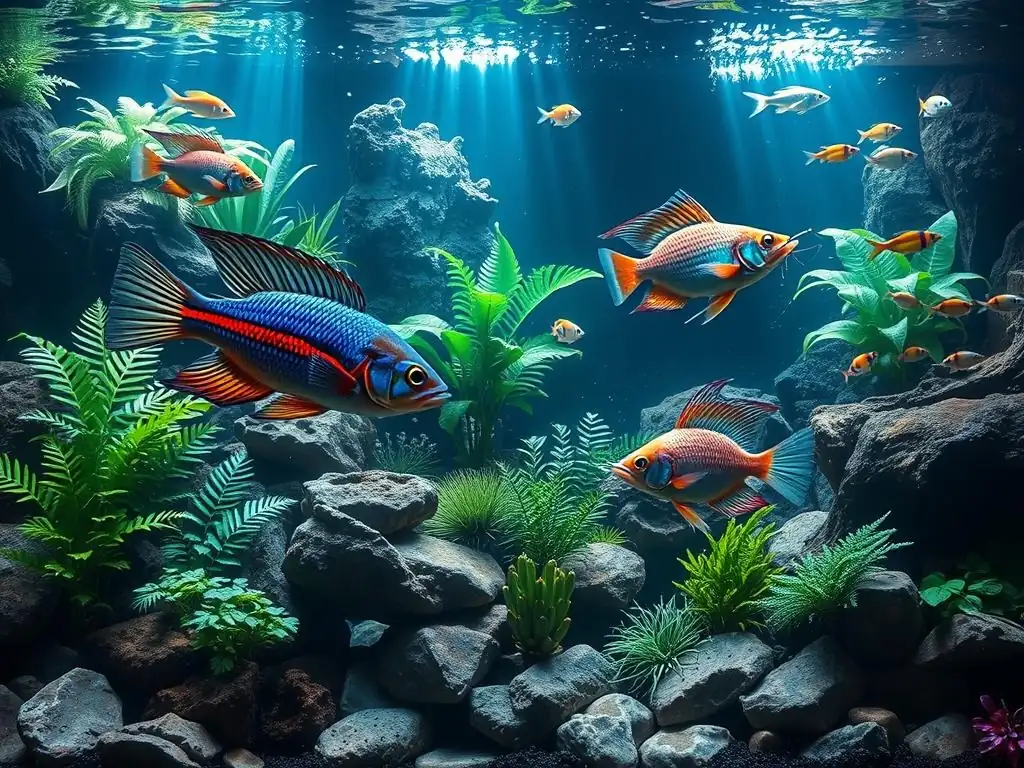
Ever wondered what happens when the vibrant Swordtail meets the playful Variatus? Prepare to unlock the secrets of these fascinating hybrids! Our detailed Swordtail hybrid care guide dives deep into everything you need to know to keep these unique fish thriving. Intrigued? Let's explore their specific needs and ensure your hybrid is the king (or queen) of its freshwater castle!
- Care for Swordtail Variatus Hybrids
- Understanding Swordtail Variatus Hybrids
- Essential Tank Setup
- Feeding: A Nutritional Guide
- Maintaining Water Quality
- Common Health Issues and Treatment
- Breeding: Considerations and Challenges
- Choosing Tank Mates
- Troubleshooting Common Problems
- Advanced Care Tips
-
Frequently Asked Questions
- What exactly is a SwordtailVariatus hybrid, and why is its care different?
- Are SwordtailVariatus hybrids more prone to specific diseases?
- What are the ideal water parameters for a SwordtailVariatus hybrid aquarium?
- What type of food is best for SwordtailVariatus hybrids?
- How can I prevent aggression between SwordtailVariatus hybrids and other fish in the tank?
- Final Reflection: The Enduring Appeal of Hybrid Creation
- Nurture Your Hybrids: Unlock Their Full Potential!
Care for Swordtail Variatus Hybrids
Understanding Swordtail Variatus Hybrids
What are Swordtail Variatus Hybrids?
Swordtail Variatus Hybrids are fascinating and increasingly popular aquarium fish, resulting from the cross-breeding of two distinct species: the Green Swordtail ( Xiphophorus hellerii) and the Variatus Platy ( Xiphophorus variatus). These hybrids are typically bred for their unique and often unpredictable color patterns and fin shapes, combining traits from both parent species. While purebred Swordtails are known for their slender bodies and prominent caudal "sword," and Variatus Platies for their more compact build and diverse colorations, the hybrids offer a blend of these characteristics, making each individual potentially unique.
The primary motivation behind creating these hybrids often lies in line breeding to produce novel color morphs and fin variations that are not commonly found in purebred lines. For instance, breeders might aim for a "Pineapple" or "Sunset" coloration with a slightly elongated caudal fin, which becomes a signature trait of the hybrid. These crosses are generally fertile, meaning they can reproduce, though their offspring often exhibit even greater genetic variability in subsequent generations, leading to a wide array of appearances within a single batch of fry.
Identifying Characteristics
Identifying Swordtail Variatus Hybrids can be challenging due to their diverse genetic makeup, but they generally exhibit a combination of features from both parent species. Their body shape typically falls between the elongated form of a pure Swordtail and the more rounded, compact body of a Variatus Platy. While male purebred Swordtails are easily recognizable by their pronounced caudal fin extension (the "sword"), male hybrids may develop a smaller, less defined sword, or none at all, sometimes displaying only a pointed gonopodium like a Variatus Platy.
Coloration is perhaps the most variable characteristic, with hybrids often displaying a vibrant spectrum of reds, oranges, yellows, and blacks, frequently in mottled or calico patterns. These colors can be more intense or uniquely distributed compared to their parent species. For example, a hybrid might exhibit the vibrant orange of a Sunset Platy combined with the black spotting pattern seen in some Swordtail varieties. Fin shapes also vary, with some hybrids developing lyretail or hi-fin dorsal fins, adding to their aesthetic appeal and making a comprehensive Swordtail hybrid care guide essential for enthusiasts.
Essential Tank Setup
Tank Size Recommendations
When setting up an aquarium for Swordtail Variatus Hybrids, tank size is a critical consideration for their well-being and to prevent aggression. A minimum of a 20-gallon long tank (approximately 30x12x12 inches or 76x30x30 cm) is recommended for a small group of 3-5 individuals. This provides sufficient swimming space and helps dilute aggression, especially between males or from males to females, which is a common issue with livebearers.
However, a 30-gallon or even a 40-gallon breeder tank (approximately 36x18x16 inches or 91x46x41 cm) is significantly more beneficial. Larger tanks offer increased water volume, which contributes to greater stability in water parameters and reduces the frequency of necessary water changes, simplifying the Swordtail hybrid care guide routine. More space also allows for a larger group of fish, particularly a higher ratio of females to males (at least 3:1), which can further mitigate male harassment and stress on individual females.
Water Parameters: Maintaining Optimal Conditions
Maintaining stable and appropriate water parameters is paramount for the health and longevity of Swordtail Variatus Hybrids. These fish, like their parent species, thrive in slightly alkaline to neutral water with moderate hardness. Consistency is key; sudden fluctuations in pH or temperature can cause significant stress, weakening their immune systems and making them susceptible to disease. Regular testing of the water for ammonia, nitrite, nitrate, and pH is crucial to monitor these parameters and make timely adjustments.
Ideal conditions for a successful Swordtail hybrid care guide include a temperature range of 72-78°F (22-26°C) and a pH between 7.0 and 8.0. The general hardness (GH) should ideally be in the range of 10-25 dGH (175-450 ppm), and carbonate hardness (KH) between 5-15 dKH (90-270 ppm). For instance, a stable temperature of 75°F (24°C) and a pH of 7.5 are often found to be optimal, promoting vibrant coloration and active behavior.
Temperature and pH Levels
Temperature and pH are two of the most critical water parameters for Swordtail Variatus Hybrids, directly impacting their metabolism, immune system, and overall comfort. A consistent temperature between 72-78°F (22-26°C) is ideal, as significant drops or spikes can lead to thermal shock and increased susceptibility to common diseases like Ich. While they can tolerate a slightly wider range, maintaining a stable temperature, perhaps at 75°F (24°C), reduces stress and optimizes their biological functions.
Similarly, the pH level, which measures the acidity or alkalinity of the water, should be kept stable within the range of 7.0 to 8.0. These hybrids prefer slightly alkaline conditions, reflecting their natural habitat. Fluctuations in pH can be more detrimental than a slightly off but stable reading.
For example, a sudden drop in pH from 7.5 to 6.5 can cause severe stress and even death, whereas a consistent pH of 7.0, though at the lower end of their preferred range, might be tolerated better than wide swings. Regular testing, ideally weekly, ensures these vital parameters remain within the safe zone.
Substrate and Decoration Ideas
The choice of substrate and decorations plays a vital role in creating a comfortable and stimulating environment for Swordtail Variatus Hybrids. A fine gravel or sand substrate is generally preferred, as it is easy to clean and gentle on the fish's barbels if they occasionally forage at the bottom. Darker colored substrates can also help to enhance the vibrant coloration of your hybrids, making their reds, oranges, and yellows appear more striking.
Beyond the substrate, incorporating a variety of decorations is essential. Live plants, driftwood, and rocks not only add aesthetic appeal but also provide crucial hiding spots and territories. For instance, dense planting along the back and sides of the tank offers refuge for females escaping persistent males, or for any fish feeling stressed. This naturalistic approach contributes significantly to a successful Swordtail hybrid care guide by reducing stress and encouraging natural behaviors.
Creating a Natural Habitat
Creating a natural habitat for your Swordtail Variatus Hybrids involves more than just placing random decorations; it means designing an environment that mimics their natural riverine or stream habitats. This typically includes a mix of open swimming areas and densely planted zones. Fast-growing plants like Hornwort, Java Fern, Anubias, and various stem plants (e.g., Water Wisteria) are excellent choices as they provide ample cover and help to maintain water quality by absorbing nitrates.
A well-designed aquascape might feature a large piece of driftwood or several smooth rocks as central elements, surrounded by a lush backdrop of plants. Approximately 60-70% plant coverage, particularly in the mid-ground and background, offers security and exploration opportunities for the fish. Such an environment not only reduces stress but also encourages natural foraging behaviors and can even enhance breeding success by providing safe havens for fry, making it a cornerstone of effective Swordtail hybrid care guide practices.
Feeding: A Nutritional Guide
Diet and Nutrition
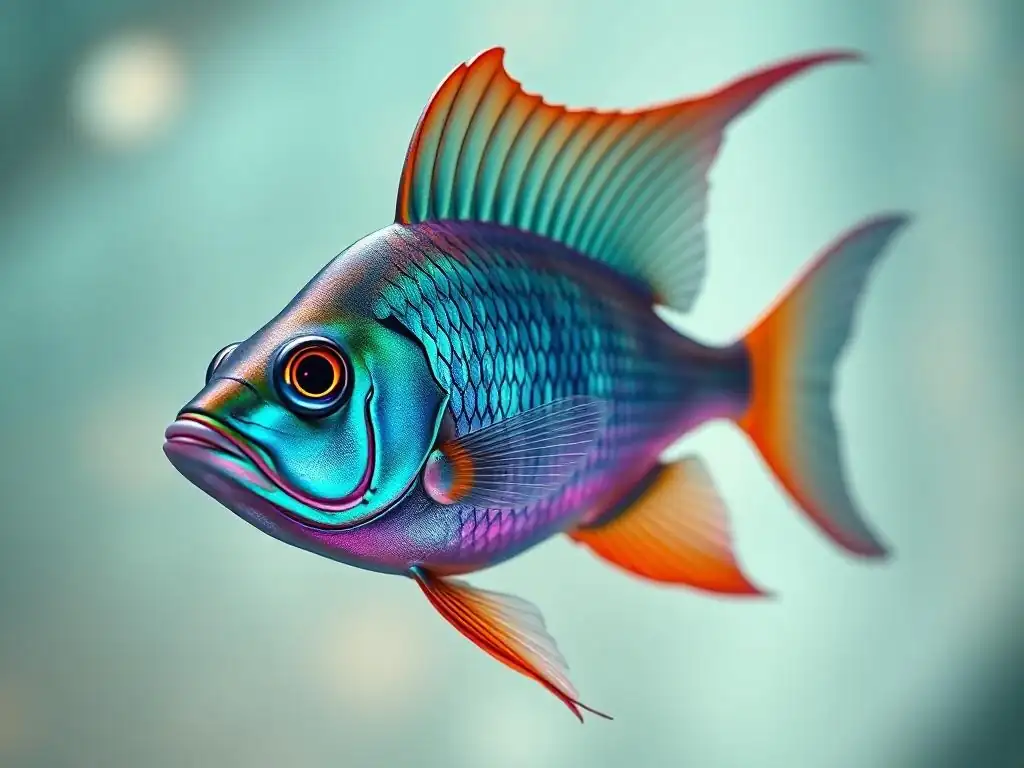
Swordtail Variatus Hybrids are omnivorous and require a varied and balanced diet to thrive, ensuring vibrant colors and robust health. Their primary diet should consist of high-quality flake food or small pellets specifically formulated for tropical fish. These staple foods provide essential vitamins, minerals, and protein necessary for their daily energy and growth.
However, relying solely on dry foods is not sufficient. Supplementing their diet with live or frozen foods is crucial for optimal nutrition. Foods such as bloodworms, brine shrimp, daphnia, and mosquito larvae provide high protein content and stimulate their natural foraging instincts. Additionally, incorporating vegetable matter like spirulina flakes, blanched spinach, or zucchini slices a few times a week ensures they receive necessary fiber and plant-based nutrients, which are vital for their digestive health and overall vitality, making it a key component of a comprehensive Swordtail hybrid care guide.
Feeding Frequency and Portion Control
Proper feeding frequency and portion control are vital to prevent overfeeding, which can lead to cloudy water, poor water quality, and health issues for your Swordtail Variatus Hybrids. It is generally recommended to feed them two to three times daily, offering only an amount they can completely consume within two to three minutes. This ensures that all food is eaten and does not decompose in the tank, contributing to elevated ammonia and nitrite levels.
For a small group of 5-6 hybrids in a 20-gallon tank, a small pinch of flake food, roughly the size of a pea, per feeding is often sufficient. If you notice food settling on the bottom after a few minutes, you are likely overfeeding. Consistent overfeeding can not only pollute the water but also lead to internal health problems such as fatty liver disease in the fish. Adjusting portions based on the number and size of your fish, and their activity levels, is a crucial aspect of responsible Swordtail hybrid care guide practices.
Supplementing the Diet
Supplementing the diet of Swordtail Variatus Hybrids goes beyond just providing basic nutrition; it actively enhances their coloration, boosts their immune system, and promotes natural behaviors. Live or frozen foods like newly hatched brine shrimp or chopped bloodworms are excellent sources of protein and essential fatty acids, which are particularly beneficial for growing fry and breeding adults. These foods also provide mental stimulation as the fish actively hunt and consume them.
Furthermore, integrating vegetable matter is indispensable. Spirulina flakes, blanched and finely chopped spinach, or small pieces of zucchini can be offered once or twice a week. These plant-based foods aid digestion and provide essential vitamins and minerals that might be less abundant in animal-based proteins. For instance, aquarists often observe a noticeable intensification of red and orange hues in their Swordtail Variatus Hybrids when their diet regularly includes foods rich in astaxanthin, a natural carotenoid found in krill or specialized color-enhancing flakes, proving the value of a diverse diet in any Swordtail hybrid care guide.
Maintaining Water Quality
Regular Water Changes
Regular water changes are the single most important maintenance task for ensuring the long-term health and vitality of Swordtail Variatus Hybrids. These fish, being livebearers, have a relatively high bioload, meaning they produce a significant amount of waste. Over time, fish waste, uneaten food, and decaying plant matter break down into nitrates, which, while less toxic than ammonia or nitrite, can accumulate to harmful levels if not removed.
A routine of performing a 25-30% water change weekly is highly recommended for most tanks. For example, in a 20-gallon tank housing 4-5 Swordtail Variatus Hybrids, this would mean replacing 5-6 gallons of water. This practice effectively dilutes accumulated nitrates, replenishes essential trace minerals, and removes other dissolved organic compounds that can contribute to poor water quality and stress, making it an indispensable part of any effective Swordtail hybrid care guide.
Filtration and Aeration
Effective filtration and adequate aeration are foundational elements of a healthy aquarium environment for Swordtail Variatus Hybrids. A robust filtration system, typically a hang-on-back (HOB) filter or an internal filter, should be employed to provide mechanical, biological, and chemical filtration. Mechanical filtration removes particulate matter, keeping the water clear; biological filtration converts toxic ammonia and nitrite into less harmful nitrates; and chemical filtration (e.g., activated carbon) removes odors, discolorations, and certain toxins.
In addition to filtration, proper aeration ensures that the water is sufficiently oxygenated. While the filter's outflow can provide some surface agitation, an air stone connected to an air pump is often beneficial, especially in warmer tanks or those with dense planting, as warm water holds less dissolved oxygen. An air stone can increase dissolved oxygen levels by 15-20%, which is crucial for the respiratory health of Swordtail Variatus Hybrids and contributes to a thriving ecosystem as detailed in a comprehensive Swordtail hybrid care guide.
Monitoring Water Chemistry
Consistent monitoring of water chemistry is paramount for proactive aquarium management and the well-being of your Swordtail Variatus Hybrids. Regular testing for ammonia, nitrite, nitrate, and pH levels allows you to detect potential problems before they escalate into serious health issues. Ammonia and nitrite should always read 0 ppm in a cycled tank, indicating a healthy biological filter.
Nitrates, the end product of the nitrogen cycle, should ideally be kept below 20 ppm, and certainly no higher than 40 ppm. Liquid test kits are generally more accurate and reliable than test strips for these measurements. Establishing a routine of testing your water parameters weekly or bi-weekly provides crucial data, enabling you to make informed decisions about water changes, feeding habits, and filter maintenance. This meticulous approach to water chemistry is a hallmark of any successful Swordtail hybrid care guide.
Common Health Issues and Treatment
Recognizing Signs of Illness
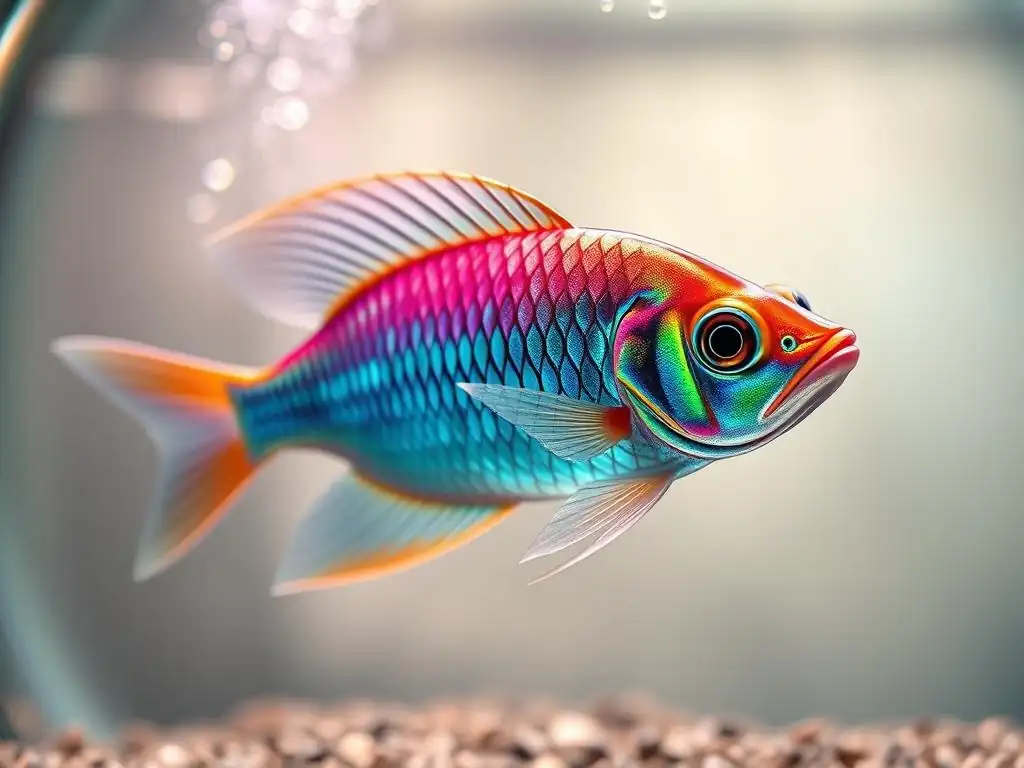
Early recognition of illness is crucial for successful treatment and preventing the spread of disease among your Swordtail Variatus Hybrids. Healthy fish are typically active, display vibrant coloration, and exhibit a good appetite. Any deviation from these normal behaviors should prompt immediate investigation. Common behavioral signs of illness include lethargy, constant hiding, erratic swimming, rubbing against tank decorations, or clamped fins (fins held tightly against the body).
Physical symptoms can also be indicative of health problems. Look for white spots resembling salt grains (Ich), cottony growths (fungus), frayed or discolored fins (fin rot), bloating, sunken bellies, or cloudy eyes. For instance, a fish that isolates itself from the group and shows disinterest in food for more than 24 hours is often experiencing stress or the onset of disease. Prompt action based on these observations is a critical component of a proactive Swordtail hybrid care guide.
Treating Common Diseases
When a disease is identified, prompt and appropriate treatment is essential. It is highly recommended to move affected fish to a separate quarantine tank, if possible, to prevent the spread of the illness to healthy tank mates and to allow for targeted medication without impacting the main tank's beneficial bacteria. Before administering any medication, ensure an accurate diagnosis, as incorrect treatments can be ineffective or even harmful.
Maintaining pristine water quality in the treatment tank is just as important as the medication itself. Perform daily small water changes (10-20%) and ensure adequate aeration. Always follow the manufacturer's instructions for dosage and duration of treatment, and never overdose. A well-stocked fishkeeping first-aid kit with general medications for common ailments is a valuable asset for any aquarist following a comprehensive Swordtail hybrid care guide.
Ich (White Spot Disease) Treatment
Ich, caused by the parasite Ichthyophthirius multifiliis, is one of the most common and recognizable diseases in freshwater aquariums, presenting as small white spots resembling salt grains on the fish's body and fins. This parasite embeds itself in the fish's skin, feeding on its tissues before dropping off to reproduce. Effective treatment typically involves a multi-pronged approach.
First, gradually raise the water temperature to 82-84°F (28-29°C) over 24 hours, as the higher temperature speeds up the parasite's life cycle, making it more vulnerable to treatment during its free-swimming stage. Concurrently, add aquarium salt (non-iodized) at a concentration of 1-2 tablespoons per 5 gallons (19 liters) of water, ensuring it dissolves completely.
Finally, use an Ich-specific medication containing malachite green or formalin, following the product's instructions carefully. A 10-day treatment cycle is typically recommended, with daily gravel vacuuming and 25% water changes every 2-3 days, followed by re-dosing to eliminate the parasite effectively, a vital step in any Swordtail hybrid care guide.
Fin Rot Prevention and Cure
Fin rot is a bacterial infection that causes the fins of fish to appear frayed, ragged, or discolored, often with a milky or bloody edge. It is primarily caused by poor water quality, stress, or physical injury, which weaken the fish's immune system, allowing opportunistic bacteria to take hold. Prevention is largely about maintaining excellent water quality and a stress-free environment.
For mild cases, significantly improving water quality is often sufficient for recovery. Perform daily 30-50% water changes for 3-5 days, ensuring ammonia and nitrite are at 0 ppm and nitrates are below 20 ppm. For more severe cases where the fins are significantly damaged or the infection is progressing, an antibacterial medication such as furan-2 or erythromycin may be necessary.
Always complete the full course of medication, typically 5-7 days, even if symptoms improve, to ensure the infection is fully eradicated. Maintaining optimal water parameters is the cornerstone of preventing and treating fin rot, as emphasized in a thorough Swordtail hybrid care guide.
Preventing Health Problems
Preventing health problems is always preferable to treating them, and a proactive approach is key to the long-term success of your Swordtail Variatus Hybrids. One of the most effective preventive measures is to quarantine all new fish in a separate tank for at least 2-3 weeks before introducing them to your main display aquarium. This allows you to observe them for any signs of illness and treat them in isolation, preventing the introduction of pathogens into your established community.
Beyond quarantine, maintaining stable and pristine water parameters is paramount. Regular water changes, effective filtration, and consistent monitoring of water chemistry (ammonia, nitrite, nitrate, pH) significantly reduce stress and bolster the fish's immune system. Avoiding overstocking your tank and providing a varied, high-quality diet also contribute immensely to their overall health and resilience. A well-executed Swordtail hybrid care guide prioritizes these preventive measures to ensure a thriving and disease-free environment.
Breeding: Considerations and Challenges
Is Breeding Recommended?
The question of whether to intentionally breed Swordtail Variatus Hybrids is complex and depends heavily on the aquarist's goals. While these hybrids are livebearers and can readily reproduce in a home aquarium, the genetic outcomes are often highly unpredictable. Unlike purebred lines where traits are more stable, hybrid offspring (F2 generation and beyond) can exhibit a wide range of characteristics, often with diminished coloration, less desirable fin shapes, or even reduced vitality compared to their F1 parents or purebred ancestors.
For hobbyists interested in stable genetic lines or specific aesthetic traits, intentional breeding of these hybrids is generally not recommended, as it can lead to a tank full of fish with inconsistent appearances and potentially poorer health. However, for those interested in the fascinating variability of genetics or simply enjoying the natural process of livebearer reproduction, allowing them to breed can be an intriguing experience. Responsible aquarists typically consider the capacity to house or rehome numerous offspring before encouraging reproduction, a crucial aspect of any comprehensive Swordtail hybrid care guide.
Understanding the Genetics of Hybrid Breeding
Understanding the genetics of hybrid breeding reveals why the offspring of Swordtail Variatus Hybrids can be so varied. When Xiphophorus hellerii (Swordtail) and Xiphophorus variatus (Variatus Platy) cross, the first generation (F1) offspring typically display a mix of traits from both parents. For instance, some F1 hybrids might have a slightly elongated body and some sword development, while others might lean more towards the compact shape of a Variatus Platy.
The real genetic variability becomes apparent in subsequent generations (F2, F3, etc.) when F1 hybrids breed among themselves. Due to the independent assortment of genes from two distinct species, the offspring can express a vast array of colors, patterns, fin shapes, and sizes, often in combinations not seen in either parent.
For example, a single brood might contain fish ranging from dull grey to vibrant orange, with some exhibiting a small sword, others a lyretail, and still others standard fins. This unpredictable genetic segregation makes it challenging to "line breed" consistent traits in hybrid populations, a key challenge discussed in any advanced Swordtail hybrid care guide.
Raising Fry
Raising Swordtail Variatus Hybrid fry requires specific attention to ensure their survival and healthy development. These livebearer fry are born fully formed and immediately capable of swimming and eating, but they are very small and vulnerable. To maximize their survival rate, it's often advisable to move pregnant females to a separate breeding box or a dedicated breeding tank (minimum 5 gallons) with plenty of hiding spots for the fry, such as dense floating plants like Guppy Grass or Hornwort.
Once born, the fry require frequent feedings of high-protein, small-particle foods throughout the day, ideally 3-5 times. Excellent options include finely crushed high-quality flake food, specialized fry food, or newly hatched brine shrimp. Newly hatched brine shrimp, in particular, provide essential amino acids and stimulate rapid growth. Maintaining pristine water quality in the fry tank through small, frequent water changes (e.g., 10-15% daily) and ensuring gentle filtration (like a sponge filter) is crucial, as fry are highly sensitive to ammonia and nitrite, making it a critical element of successful Swordtail hybrid care guide practices.
Choosing Tank Mates
Compatible Tank Mates
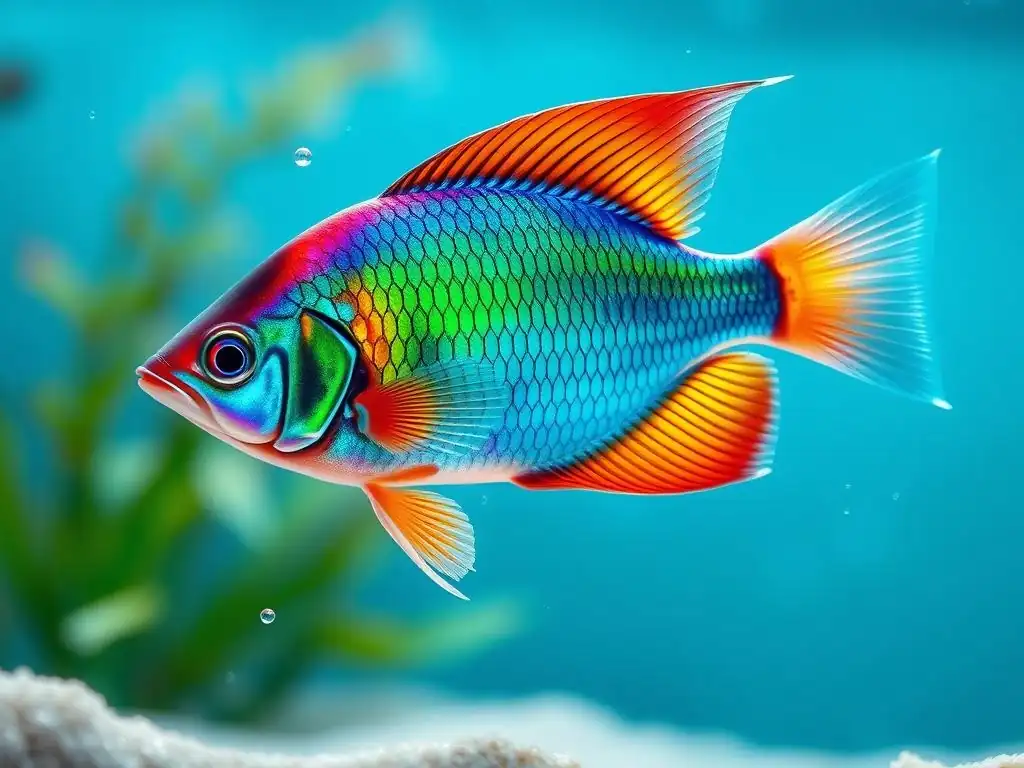
Choosing compatible tank mates is crucial for the peaceful coexistence and well-being of your Swordtail Variatus Hybrids. These hybrids are generally peaceful community fish, making them suitable for a wide range of similarly tempered species. Ideal tank mates are those that are non-aggressive, roughly the same size, and share similar water parameter requirements.
Excellent choices include other peaceful livebearers like Platies, Mollies (ensure sufficient space for mollies), and Guppies, provided you are prepared for potential interbreeding if purebred lines are also present. Small, peaceful schooling fish such as Neon Tetras, Cardinal Tetras, Rummy Nose Tetras, and Harlequin Rasboras also make great companions, as they typically occupy different water columns and do not compete directly for food or space.
Bottom dwellers like Corydoras catfish (e.g., Panda Corydoras or Bronze Corydoras) are also excellent additions, as they help keep the substrate clean without bothering the hybrids, contributing positively to a balanced Swordtail hybrid care guide.
Avoiding Aggressive Tank Mates
To ensure a stress-free environment for your Swordtail Variatus Hybrids, it is imperative to avoid tank mates that are aggressive, fin-nippers, or grow to a size that could pose a predatory threat. Species known for their aggressive tendencies, such as many types of Cichlids (e.g., Convict Cichlids, Oscars, or even some larger Kribensis varieties), should be entirely avoided, as they can easily injure or kill the smaller, more docile hybrids.
Similarly, fin-nipping species like Tiger Barbs, while often popular, can be problematic. Although some aquarists successfully keep them in large, heavily planted tanks, Tiger Barbs are notorious for nipping the flowing fins that some Swordtail Variatus Hybrids may develop, leading to stress, injury, and potential secondary infections like fin rot. Larger, fast-moving fish that might outcompete the hybrids for food or create a chaotic environment should also be avoided. Prioritizing peaceful tank mates is a fundamental rule in any comprehensive Swordtail hybrid care guide.
Troubleshooting Common Problems
Addressing Behavioral Issues
Behavioral issues, particularly aggression, are common challenges when keeping Swordtail Variatus Hybrids, especially among males or from males towards females. Male Swordtail Variatus Hybrids can become territorial and harass females relentlessly if there isn't a sufficient female-to-male ratio. This constant chasing can cause significant stress to females, leading to illness or even death.
To address this, maintain a ratio of at least one male to three or more females. For example, in a 20-gallon tank, one male with three females is a good starting point. Providing ample hiding spots with dense planting and decorations also allows harassed females to escape. If aggression persists, consider upgrading to a larger tank to disperse the aggression or, as a last resort, separating the most aggressive male. Observing their interactions closely and intervening early is key to maintaining a peaceful environment, a vital piece of advice in any Swordtail hybrid care guide.
Dealing with Algae Growth
Algae growth is a common issue in aquariums and, while not directly harmful to Swordtail Variatus Hybrids, indicates an imbalance in the tank's ecosystem. Excessive algae are typically caused by too much light, overfeeding, or high nutrient levels (primarily nitrates and phosphates). Green algae on glass or plants, or stringy green algae, are common culprits.
To combat algae, first, reduce the duration of your tank's lighting period; 8-10 hours per day is usually sufficient. Avoid overfeeding, as uneaten food breaks down into nutrients that fuel algae. Perform regular 25-30% weekly water changes to export nitrates and phosphates.
Introducing algae-eating invertebrates like Nerite Snails or a small group of Otocinclus catfish (e.g., 3-4 Otocinclus in a 20-gallon tank) can also help control soft algae. For instance, a group of three Otocinclus can effectively manage up to 50% of soft green algae growth in a moderately sized tank within a few days, complementing a thorough Swordtail hybrid care guide.
Cloudy Water Solutions
Cloudy water is a common and often alarming problem for aquarists, but it usually indicates an underlying issue that can be resolved with proper intervention. The type of cloudiness can often point to its cause: milky or hazy cloudiness typically suggests a bacterial bloom, green cloudiness indicates an algae bloom, and white particulate cloudiness points to suspended debris.
A bacterial bloom is most common in new tanks (new tank syndrome) or after significant disturbances, overfeeding, or a dead fish. It occurs when beneficial bacteria rapidly multiply in the water column due to an excess of nutrients. To resolve this, perform a 25-30% water change, ensure your filter is clean and functioning optimally (e.g., checking that filter media isn't clogged), and avoid overfeeding.
For instance, a bacterial bloom often clears within 24-48 hours after a significant water change and ensuring proper filtration. If the water is green, address it as an algae bloom, which requires different measures like light reduction and potentially a blackout period, all part of a comprehensive Swordtail hybrid care guide.
Advanced Care Tips
Enhancing Coloration
Enhancing the vibrant coloration of your Swordtail Variatus Hybrids is a rewarding aspect of advanced care, primarily achieved through diet and optimal water quality. While genetics play a significant role, the intensity and richness of their reds, oranges, and yellows can be greatly improved by feeding specific color-enhancing foods. Look for flakes or pellets that list natural carotenoids like astaxanthin or spirulina as key ingredients.
Regularly supplementing their diet with live or frozen foods such as bloodworms and brine shrimp also contributes to robust health and vibrant hues. For example, some aquarists report a noticeable intensification of red pigments within 3-4 weeks of consistently feeding astaxanthin-rich foods. Furthermore, maintaining pristine water conditions, with nitrates consistently below 10 ppm, reduces stress, allowing the fish to display their full genetic potential in terms of color. A dark substrate can also help their colors pop, making them a stunning centerpiece in any well-executed Swordtail hybrid care guide.
Promoting Healthy Growth and Longevity
Promoting healthy growth and maximizing the longevity of your Swordtail Variatus Hybrids involves a holistic approach that goes beyond basic maintenance. These fish, under ideal conditions, can live for 3-5 years, with some individuals potentially exceeding this lifespan. Consistent and stable water parameters are paramount; sudden swings in temperature or pH can cause chronic stress that shortens their lives.
Providing a spacious tank (e.g., a 30-gallon or larger for a small group) with ample swimming room and numerous hiding spots significantly reduces stress, allowing them to grow to their full potential, often reaching around 3 inches (7.5 cm) for males. A varied, high-quality diet that includes both protein-rich and vegetable-based foods, offered multiple times a day in small portions, fuels optimal growth and strengthens their immune system.
For instance, weekly 25% water changes combined with a diet supplemented with live foods 2-3 times a week significantly contribute to their robust health and extended lifespan, crucial elements of a successful Swordtail hybrid care guide.
Advanced Aquascaping
Advanced aquascaping is not just about aesthetics; it's about creating a highly stimulating and naturalistic environment that promotes the well-being and natural behaviors of your Swordtail Variatus Hybrids. Moving beyond basic plant arrangements, advanced aquascaping involves thoughtful design principles like the rule of thirds, focal points, and creating depth using hardscaping elements such as driftwood and rocks, combined with diverse plant species.
For Swordtail Variatus Hybrids, an aquascape that incorporates distinct zones—dense planting for cover, open swimming areas, and varying heights of decor—can significantly reduce stress and encourage natural foraging and schooling behaviors. For example, a "riparian zone" layout with emergent plants or a "nature aquarium" style featuring intricate driftwood roots can mimic their natural riverine habitats. Such detailed planning in tank design not only enhances the visual appeal of the aquarium but also provides mental stimulation and secure territories for the fish, enriching their lives and elevating the effectiveness of any Swordtail hybrid care guide.
Frequently Asked Questions
What exactly is a SwordtailVariatus hybrid, and why is its care different?
A SwordtailVariatus hybrid is a crossbreed between a Swordtail (Xiphophorus hellerii) and a Variatus Platy (Xiphophorus variatus). Their care differs because they can be more sensitive to water parameters and may exhibit traits from both parent species.
Are SwordtailVariatus hybrids more prone to specific diseases?
While not inherently more susceptible, they can be more vulnerable if their environment is unstable. Maintaining pristine water quality is vital to prevent common freshwater diseases.
What are the ideal water parameters for a SwordtailVariatus hybrid aquarium?
They thrive in water with a temperature of 72-78°F, a pH between 6.8 and 7.8, and moderate water hardness. Regular water changes are crucial for maintaining these stable conditions.
What type of food is best for SwordtailVariatus hybrids?
They are omnivores and require a varied diet. Offer them high-quality flake food supplemented with live or frozen foods like brine shrimp and bloodworms for optimal health and vibrant coloration.
How can I prevent aggression between SwordtailVariatus hybrids and other fish in the tank?
Provide ample space and hiding places with plants and decorations. Avoid keeping them with overly aggressive tank mates and ensure the tank is not overcrowded to minimize stress and aggression.
Okay, here's a final reflection designed to close your article "Care for Swordtail Variatus Hybrids: What You Need to Know," optimized for the keyword "Swordtail hybrid care guide" and following the structure you outlined.
Final Reflection: The Enduring Appeal of Hybrid Creation
The information presented in this Swordtail hybrid care guide isn't just about maintaining the health of these fascinating fish; it's about understanding the delicate balance of genetics and the responsibility that comes with creating new life. In a world increasingly focused on biodiversity and conservation, recognizing the specific needs of these hybrids underscores the importance of informed and ethical practices within the aquarium hobby.
The creation and care of Swordtail variatus hybrids reflect a broader human fascination with manipulating nature, a drive that has both enriched and challenged our understanding of the natural world. My own experience observing these vibrant fish has instilled a deeper appreciation for the complexities of genetics and the dedication required to provide them with optimal care. The beauty of hybrid creation lies not just in the novelty of the result, but in the understanding and responsibility we bring to the process.
This sentiment underscores the ongoing need for accessible and accurate information, ensuring the well-being of these unique creatures.
As you embark on your journey with Swordtail variatus hybrids, remember that knowledge is your greatest tool. Let this guide serve as a foundation, but never cease to learn, observe, and adapt your care practices to the individual needs of your fish. By embracing a mindful and informed approach, you can contribute to the thriving of these captivating hybrids and deepen your connection with the wonders of the aquatic world.
Nurture Your Hybrids: Unlock Their Full Potential!
Thanks for diving into the world of swordtail variatus hybrids! We hope you've gained valuable insights into caring for these unique fish. Now it's time to put that knowledge into action and truly nurture your aquatic companions.
Here are a few things you can do next:
- Start by re-evaluating your tank setup. Is it optimized for the specific needs of your hybrid fish, including space, hiding places, and water flow?
- Explore the genetic lineage of your hybrids further! Delve into selective breeding techniques to discover how you can influence future generations' traits.
- Share your hybrid care success stories (and challenges!) with other aquarists on online forums. You might just inspire someone!
What's one small change you can make in your tank today to better support your swordtail variatus hybrids?