
Apistogramma Cacatuoides: The Cockatoo Dwarf Cichlid's Fiery Charm

Welcome to Aquarium Mastery!
Intrigued by the vibrant beauty and fascinating behaviors of freshwater fish? You've come to the right place! Dive in and discover the secrets to successfully keeping Apistogramma Cacatuoides, the captivating Cockatoo Dwarf Cichlid. This comprehensive guide unlocks the key to their fiery charm, covering everything from optimal tank conditions to breeding secrets. Ready to master the art of Apistogramma care and add a splash of personality to your aquarium? Let's explore!
- Understanding the Allure of the Cockatoo Dwarf Cichlid: Apistogramma Cacatuoides
- Apistogramma Cacatuoides Care Guide: Essential Information
- Breeding Apistogramma Cacatuoides: A Step-by-Step Guide
- Apistogramma Cacatuoides Health and Disease Prevention
- Apistogramma Cacatuoides Varieties and Color Morphs
- Troubleshooting Common Apistogramma Cacatuoides Issues
- Conclusion: Mastering Apistogramma Cacatuoides Care
- Frequently Asked Questions
- Final Reflection: Embracing the Cacatuoides' Legacy
- Unleash the Color: Begin Your Apisto Adventure!
Understanding the Allure of the Cockatoo Dwarf Cichlid: Apistogramma Cacatuoides
Introduction to Apistogramma Cacatuoides: A Captivating Dwarf Cichlid
The Apistogramma Cacatuoides, commonly known as the Cockatoo Dwarf Cichlid, originates from the slow-moving, leaf-littered waters of the Amazon basin, primarily found in countries like Peru, Colombia, and Brazil. These captivating fish inhabit clearwater and blackwater streams, where they thrive amidst dense vegetation and submerged roots. Their striking appearance, characterized by elaborate finnage and vibrant coloration, has made them a cornerstone species for freshwater aquarists globally.
Males typically reach a size of up to 3 inches (approximately 7.5 cm), while females remain smaller, usually between 1.5 to 2 inches (3.8-5 cm). Despite being cichlids, their temperament is generally peaceful, though males can exhibit territorial behavior, especially during breeding. This combination of manageable size, stunning aesthetics, and intriguing social dynamics makes them an ideal centerpiece for smaller to medium-sized freshwater aquariums, prompting many to seek a comprehensive Apistogramma Cacatuoides care guide.
Why Choose Apistogramma Cacatuoides for Your Freshwater Aquarium?
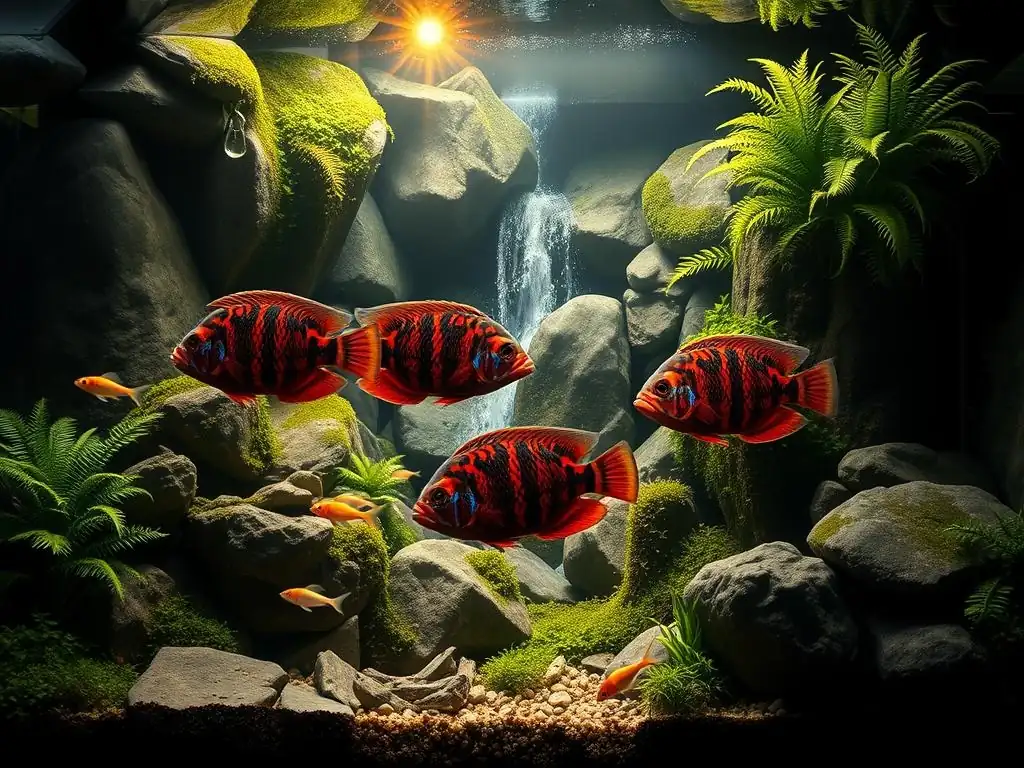
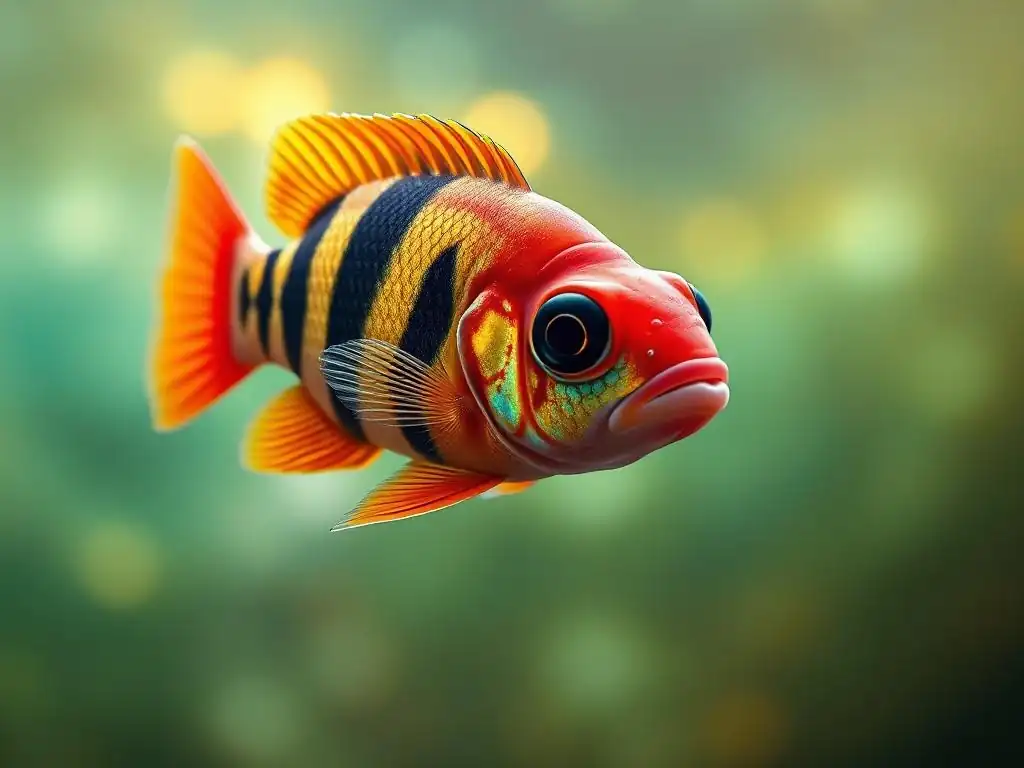
One of the primary reasons aquarists are drawn to Apistogramma Cacatuoides is their breathtaking coloration and unique fin shapes. Males, in particular, display a magnificent dorsal fin reminiscent of a cockatoo's crest, often adorned with fiery reds, oranges, and yellows. This vibrant display, especially prominent in selectively bred morphs like the "Double Red" or "Triple Red," adds an unparalleled splash of color and elegance to any planted aquarium, far surpassing the muted tones of many common community fish.
Beyond their visual appeal, Apistogramma Cacatuoides offer engaging behaviors that enrich the aquarium experience. They are known for their inquisitive nature, exploring their environment and interacting subtly with tank mates. Their relatively small size means they can be comfortably housed in tanks as small as 20 gallons for a breeding pair, making them accessible even to those with limited space. Observing their meticulous parental care, where the female diligently guards her eggs and fry, provides a truly rewarding experience for any dedicated aquarist following an Apistogramma Cacatuoides care guide.
Apistogramma Cacatuoides Care Guide: Essential Information
Tank Setup for Optimal Apistogramma Cacatuoides Health
Tank Size Recommendations for Cockatoo Cichlids
For a single pair of Apistogramma Cacatuoides, a minimum tank size of 20 gallons (approximately 24x12x16 inches or 60x30x40 cm) is recommended. The longer footprint of a 20-gallon long tank is preferable to a taller tank of the same volume, as it provides more horizontal swimming space and allows the pair to establish distinct territories. This is crucial for reducing stress and preventing aggression, especially during breeding periods.
If you plan to keep a trio (one male and two females) or a small group, a larger tank, such as a 30-gallon breeder (approximately 36x18x12 inches or 90x45x30 cm), is highly advisable. This increased volume offers ample space for each female to claim her own territory, minimizing conflict and providing a more stable environment for the fish. Larger tanks also offer greater stability in water parameters, which is a key factor in any successful Apistogramma Cacatuoides care guide.
Substrate and Decor for Apistogramma Cacatuoides: Mimicking Their Natural Habitat
The ideal substrate for Apistogramma Cacatuoides is fine, soft sand, such as CaribSea Super Naturals or Estes Marine Sand. These fish naturally sift through the substrate in search of food, and a fine sand substrate prevents damage to their delicate barbels and gills. Coarse gravel should be avoided, as it can injure them and trap detritus more easily.
To mimic their natural habitat and provide essential hiding spots, the aquarium should be heavily decorated with driftwood, rocks, and an abundance of live plants. Specific types of decor like coconut shells, terracotta pots, or purpose-built cichlid caves are excellent for providing secure spawning sites and retreats for females. Additionally, incorporating Indian almond leaves or oak leaves will release tannins, creating beneficial blackwater conditions and providing a natural source of biofilm for grazing, further enhancing the environment as part of a comprehensive Apistogramma Cacatuoides care guide.
Water Parameters: Achieving Ideal Conditions for Apistogramma Cacatuoides
Maintaining precise and stable water parameters is paramount for the health and longevity of Apistogramma Cacatuoides. They thrive in soft, acidic to neutral water with a pH range of 6.0 to 7.0 and a general hardness (GH) between 2 to 10 dGH. The optimal temperature range for these cichlids is 75-82°F (24-28°C). Consistent parameters help prevent stress and susceptibility to diseases.
To achieve these conditions, many aquarists use reverse osmosis (RO) water remineralized to the desired GH, or incorporate driftwood and peat filtration to naturally lower pH and soften water. Regular weekly water changes of 25-30% are vital to keep nitrates below 20 ppm and ensure ammonia and nitrites remain at undetectable levels (0 ppm). Monitoring water quality with reliable liquid test kits is an indispensable part of any Apistogramma Cacatuoides care guide.
Apistogramma Cacatuoides Diet and Feeding Habits
What to Feed Your Cockatoo Dwarf Cichlid: A Balanced Diet
Apistogramma Cacatuoides are omnivores with a strong preference for carnivorous foods. A high-quality diet is crucial for their vibrant coloration, health, and breeding readiness. Their staple diet should consist of premium flake or pellet foods specifically formulated for cichlids, which provide essential vitamins and minerals.
To supplement their primary diet and mimic their natural feeding habits, it is highly recommended to offer a variety of live or frozen foods. Excellent choices include brine shrimp, daphnia, bloodworms, and blackworms. For example, feeding frozen bloodworms 2-3 times a week and live daphnia once a week alongside daily high-quality flakes will significantly enhance their condition and encourage breeding. This varied diet is a critical component of any effective Apistogramma Cacatuoides care guide.
Feeding Schedule and Amounts: Preventing Overfeeding
When feeding Apistogramma Cacatuoides, it is best to offer small portions 2-3 times per day. The key is to provide only what they can consume within 2-3 minutes. Overfeeding is a common mistake that can lead to a host of problems, including poor water quality due to uneaten food decaying, and health issues for the fish such as bloat or fatty liver disease.
Any uneaten food should be promptly removed from the tank to prevent it from fouling the water and causing dangerous ammonia or nitrite spikes. Observing your fish during feeding will help you gauge the appropriate amount; if they appear bloated or food remains after a few minutes, reduce the quantity for subsequent feedings. Adhering to a strict feeding regimen is a cornerstone of responsible Apistogramma Cacatuoides care.
Apistogramma Cacatuoides Tank Mates: Choosing Compatible Species
Ideal Tank Mates for Peaceful Community Aquariums
Choosing appropriate tank mates is crucial for a harmonious Apistogramma Cacatuoides setup. Ideal companions are peaceful, mid to top-dwelling fish that will not compete for the bottom territory that Apistogramma Cacatuoides claim. Excellent choices include small schooling tetras such as Neon Tetras, Cardinal Tetras, or Ember Tetras, which add movement and color to the upper water column without bothering the cichlids.
Other suitable tank mates include various species of rasboras (e.g., Harlequin Rasboras, Chili Rasboras) and peaceful bottom dwellers like Corydoras catfish (e.g., Panda Corydoras, Pygmy Corydoras), which occupy different niches and generally coexist well. For instance, a 30-gallon tank could comfortably house a pair of Apistogramma Cacatuoides alongside 10-15 Neon Tetras and a school of 6-8 Corydoras pygmaeus, creating a vibrant and balanced community. This thoughtful selection is a vital part of any Apistogramma Cacatuoides care guide.
Fish to Avoid: Preventing Aggression and Stress
To ensure the well-being of your Apistogramma Cacatuoides, it is important to avoid certain types of fish as tank mates. Large, aggressive, or fin-nipping species, such as Tiger Barbs, larger cichlids (like Oscars or Jack Dempseys), or even some semi-aggressive gouramis, can cause significant stress, injure their delicate fins, or outcompete them for food.
Additionally, housing Apistogramma Cacatuoides with other bottom-dwelling cichlids, even other Apistogramma species or Rams, is generally not recommended unless the tank is exceptionally large (e.g., 100+ gallons) and heavily furnished with multiple distinct territories. In smaller tanks, such pairings almost invariably lead to intense territorial disputes and chronic stress, which can severely impact the health and lifespan of all involved fish.
Breeding Apistogramma Cacatuoides: A Step-by-Step Guide
Creating Breeding Conditions for Cockatoo Cichlids
To encourage Apistogramma Cacatuoides to breed, it is essential to simulate the conditions of their natural rainy season habitat. This involves gradually lowering the pH to a slightly more acidic range, typically between 5.5 and 6.5, and softening the water to a general hardness (GH) of 1-5 dGH. A slight increase in temperature to 78-80°F (26-27°C) can also serve as a trigger, along with an increase in the frequency of small, daily water changes using aged or RO water.
Providing ample spawning sites is equally critical. These cave-spawners prefer small, enclosed spaces such as terracotta pots turned on their side, coconut shells, or specialized cichlid breeding caves. Ensuring the tank is well-planted with dense vegetation offers additional cover for the female and, later, for the newly hatched fry, providing the security needed for a successful breeding attempt as outlined in this Apistogramma Cacatuoides care guide.
Identifying Male and Female Apistogramma Cacatuoides
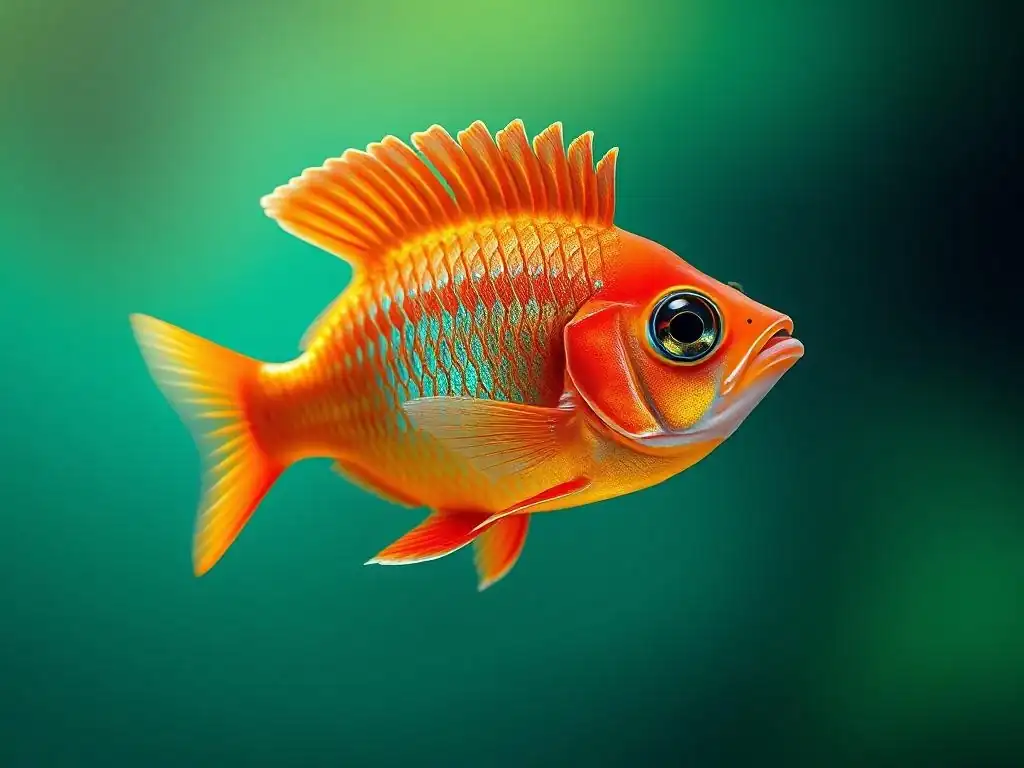
Distinguishing between male and female Apistogramma Cacatuoides is relatively straightforward, especially as they mature. Males are significantly larger, typically reaching up to 3 inches in length, and possess much more elaborate and elongated fins, particularly the dorsal and caudal fins, which often exhibit a distinctive lyre shape. Their coloration is also far more vibrant and intense, especially when they are displaying during breeding periods.
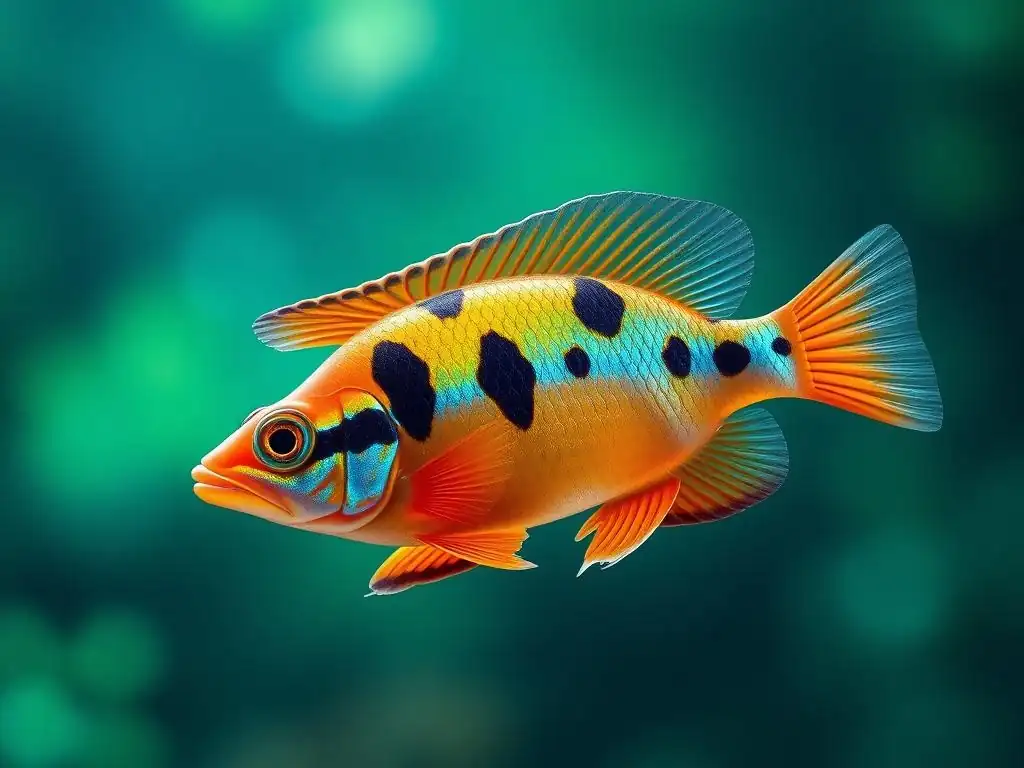
Females, on the other hand, are considerably smaller, usually growing to about 1.5 to 2 inches. Their fins are less developed and more rounded, and their overall coloration is more subdued, often a yellowish-brown with distinct black markings. During breeding, however, their yellow coloration intensifies dramatically, and a prominent black spot often appears on their flanks, signaling their readiness to spawn.
The Spawning Process: Observing the Cockatoo Cichlid's Breeding Behavior
Once breeding conditions are met, the male Apistogramma Cacatuoides will begin to court the female with elaborate fin displays and attempts to lead her to a chosen spawning site. If the female is receptive, she will follow him into a cave or other enclosed space, where she will typically lay between 50 to 150 eggs, though clutches of 80-120 are common, adhering them to the ceiling or walls of the chosen cave.
Following the egg laying, the female takes on the primary role of guarding the eggs, diligently fanning them with her fins to ensure proper oxygenation and prevent fungal growth. The male usually patrols the perimeter of the territory, defending it from perceived threats. At an optimal temperature of 78°F (26°C), the eggs typically hatch within 3-4 days, marking the beginning of the fry's journey.
Raising Apistogramma Cacatuoides Fry: From Hatching to Independence
Feeding the Fry: First Foods for Growing Fry
Apistogramma Cacatuoides fry become free-swimming approximately 4-7 days after hatching, at which point they will need their first foods. Their initial diet should consist of extremely small live foods such as infusoria or commercially available liquid fry food, which are small enough for their tiny mouths. After a few days of consuming these initial foods, they can be transitioned to newly hatched brine shrimp nauplii, which are highly nutritious and stimulate rapid growth.
It is crucial to feed the fry small amounts multiple times a day, ideally 4-6 times, to support their rapid development. As they grow larger, typically after 2-3 weeks, they can gradually be introduced to finely crushed flake food and micro pellets. Consistent and appropriate feeding is paramount for the survival and healthy growth of the fry, a crucial aspect of this Apistogramma Cacatuoides care guide.
Maintaining Water Quality in the Fry Tank
Maintaining impeccable water quality is arguably the most critical factor for the survival and healthy development of Apistogramma Cacatuoides fry. Their delicate systems are highly sensitive to even minor fluctuations in parameters or the presence of pollutants. It is essential to perform small, daily water changes, typically 10-15% of the tank volume, using aged and temperature-matched water to prevent shock.
To ensure gentle aeration without creating strong currents that could stress the tiny fry, a sponge filter or a small air stone with minimal air flow is recommended. Avoid using powerful filters that could inadvertently suck up the fry. Regularly siphoning any uneaten food or detritus from the bottom of the tank will also prevent the buildup of harmful ammonia and nitrites, ensuring a pristine environment for their growth.
Apistogramma Cacatuoides Health and Disease Prevention
Common Diseases Affecting Cockatoo Dwarf Cichlids
Identifying Symptoms of Illness in Apistogramma Cacatuoides
Like all aquarium fish, Apistogramma Cacatuoides can be susceptible to various diseases, often triggered by poor water quality or stress. Common symptoms of illness include lethargy, loss of appetite, clamped fins, or abnormal swimming patterns such as darting or rubbing against tank decor. Faded or dulled colors, white spots resembling salt grains (Ich), or fuzzy white growths (fungus) are also clear indicators of health issues.
More specific conditions, such as "Hole-in-the-Head" disease, often manifest as pitting or lesions on the head and along the lateral line, suggesting a nutritional deficiency or environmental stressor. Bloating, accompanied by stringy white feces, can point towards internal bacterial infections or parasitic infestations. Daily observation for these subtle changes is crucial for early detection and successful intervention, which is a key aspect of any Apistogramma Cacatuoides care guide.
Preventing Diseases: Maintaining a Healthy Aquarium Environment
The most effective strategy for preventing diseases in Apistogramma Cacatuoides is to maintain consistently excellent water quality. This involves performing regular weekly water changes of 25-30%, ensuring proper filtration, and avoiding common pitfalls like overfeeding and overcrowding. Quarantining all new fish for a period of 2-4 weeks in a separate tank before introducing them to the main display aquarium is a non-negotiable step to prevent the introduction of pathogens.
A balanced and varied diet, rich in essential nutrients, plays a significant role in bolstering their immune system. Furthermore, maintaining stable water temperatures and avoiding sudden fluctuations is vital, as temperature swings can cause stress. Providing ample hiding spots and ensuring compatible tank mates also contributes to a low-stress environment, which is paramount for their long-term health and resilience.
Treatment Options for Sick Apistogramma Cacatuoides
Should your Apistogramma Cacatuoides exhibit symptoms of illness, prompt and appropriate treatment is necessary. For common parasitic infections like Ich (white spot disease), gradually raising the tank temperature to 82-84°F (28-29°C) in conjunction with an Ich medication, such as those containing malachite green or formalin, is often effective. Bacterial infections may require broad-spectrum antibiotics, ideally administered in a dedicated hospital tank to avoid affecting beneficial bacteria in the main aquarium.
Always adhere strictly to the medication instructions regarding dosage and duration. During treatment, ensure adequate aeration, as some medications can reduce oxygen levels. After the treatment course is complete, perform several large water changes and use activated carbon in the filter to remove medication residues. For complex or persistent health issues, consulting with an experienced aquarist or an aquatic veterinarian is highly recommended for tailored Apistogramma Cacatuoides care.
Apistogramma Cacatuoides Varieties and Color Morphs
Exploring Different Color Variations of Cockatoo Cichlids
While wild-caught Apistogramma Cacatuoides exhibit beautiful, yet somewhat muted, color palettes primarily composed of yellow and brown tones with distinctive black markings and subtle red or orange highlights on their fins, selective breeding in captivity has led to a stunning diversification of color morphs. These captive-bred varieties showcase the incredible genetic potential of the species.
Through careful genetic selection by breeders, specific pigments have been enhanced and spread across the fish's body and fins, resulting in more intense and widespread red, orange, and yellow coloration. This focused breeding has created a demand for these vibrant morphs among aquarists eager to display the most striking examples of Apistogramma Cacatuoides in their home aquariums, making them a focal point of any comprehensive Apistogramma Cacatuoides care guide.
Double Red Apistogramma Cacatuoides: Characteristics and Care
The "Double Red" Apistogramma Cacatuoides is a highly popular and visually striking color morph, characterized by its intense red coloration predominantly displayed on both the dorsal and caudal (tail) fins. This vibrant red often extends into the anal fin as well, creating a captivating contrast against the fish's body, which typically retains its more natural yellow or orange base with black markings.
Despite their enhanced coloration, the Double Red morph shares identical care requirements with the wild type Apistogramma Cacatuoides regarding water parameters, diet, and tank setup. Their brilliant red hues are primarily a genetic trait, but maintaining pristine water conditions and providing a high-quality diet rich in color-enhancing foods (like spirulina or astaxanthin-fortified flakes) can further intensify and sustain their magnificent coloration.
Taking the selective breeding a step further, the "Triple Red" Apistogramma Cacatuoides is arguably the most sought-after and visually stunning morph. In addition to the extensive red coloration on the dorsal and caudal fins seen in the Double Red, the Triple Red morph exhibits significant red or orange pigment bleeding into the body scales, particularly on the flanks and sometimes even on the operculum (gill plate).
These fish are truly living jewels, showcasing an almost fiery appearance that makes them stand out dramatically in any aquarium. Like other morphs, their care is consistent with the general Apistogramma Cacatuoides care guide. To ensure their full color potential is realized and maintained, it is crucial to provide an optimal environment with stable, soft, acidic water, a varied diet, and minimal stress factors.
Troubleshooting Common Apistogramma Cacatuoides Issues
Aggression Problems: Addressing Territoriality in the Aquarium
Aggression in Apistogramma Cacatuoides, while generally peaceful, can arise, particularly between males in inadequate space or during breeding periods. If you observe excessive chasing or fin nipping, first assess your tank size; a 20-gallon long tank is minimal for a pair, and a 30-gallon or larger is necessary for a trio or multiple females with one male. Ensure there are plenty of visual breaks and hiding spots.
To mitigate aggression, rearrange the tank decor significantly to disrupt established territories and create new ones. Adding more caves, driftwood, or dense plant groupings can provide crucial refuges for subordinate fish or stressed females. If aggression persists, especially between two males in a smaller setup, consider separating them or upgrading to a much larger tank (e.g., 50+ gallons) to allow for multiple distinct territories.
Water Quality Issues: Maintaining Stable Parameters
One of the most common issues in Apistogramma Cacatuoides care is fluctuating or poor water quality, which can manifest as unstable pH, high nitrate levels (above 20 ppm), or the presence of ammonia/nitrite. Regular weekly water testing using a reliable liquid test kit is essential to monitor these parameters. Address high nitrates by increasing the frequency or volume of water changes, for instance, performing 50% weekly changes instead of 25%.
If pH is unstable or too high, consider incorporating peat into your filter or using RO water mixed with appropriate buffers to maintain the desired soft, acidic conditions. A sudden spike in ammonia or nitrite indicates an uncycled tank or a filter crash; immediate large water changes (50-75%) and the addition of a beneficial bacteria supplement are critical in such emergencies. Consistency in water parameter management is paramount for their health.
Hole-in-the-Head Disease: Causes and Solutions
Hole-in-the-Head disease (HITH), characterized by pitting and lesions on the head and along the lateral line system, is a concerning issue for cichlids, including Apistogramma Cacatuoides. This condition is often linked to chronic poor water quality, nutritional deficiencies (particularly a lack of essential vitamins and minerals), and prolonged stress. It's thought to be exacerbated by the presence of Hexamita parasites.
Treatment involves a multi-pronged approach. Immediately improve water quality through frequent, large water changes (e.g., 50% daily for several days) and ensure proper filtration. Supplement the fish's diet with vitamin-enriched foods, such as specialized cichlid pellets soaked in liquid vitamins, or offer live foods dusted with supplements. Medications containing metronidazole, administered either through medicated food or as a bath in a hospital tank, can also be highly effective in eliminating the underlying parasitic cause.
Conclusion: Mastering Apistogramma Cacatuoides Care
The Rewards of Keeping Cockatoo Dwarf Cichlids
Mastering Apistogramma Cacatuoides care offers an incredibly rewarding experience for any dedicated aquarist. Their vibrant colors, especially the dazzling red and orange morphs, transform an ordinary aquarium into a living work of art. Beyond their aesthetic appeal, their engaging behaviors, from intricate social interactions within their small territories to the diligent parental care exhibited by the female, provide endless fascination.
Successfully maintaining a healthy and thriving Apistogramma Cacatuoides setup, observing their natural behaviors, and perhaps even guiding them through the breeding process, deepens an aquarist's understanding of freshwater ecosystems and fish husbandry. These charismatic dwarf cichlids truly embody the beauty and complexity of the aquatic world, bringing immense satisfaction to those who commit to their proper care.
Resources for Further Learning about Apistogramma Cacatuoides
While this Apistogramma Cacatuoides care guide provides a comprehensive foundation, the world of dwarf cichlids is vast and full of nuances. For aquarists seeking to expand their knowledge further, a wealth of resources is available. Specialized online forums and communities dedicated to dwarf cichlids are excellent platforms for asking questions, sharing experiences, and learning from seasoned enthusiasts who often have years of practical experience.
Reputable books on cichlid keeping, freshwater aquariums, and fish health offer in-depth scientific information on species-specific care, advanced breeding techniques, and detailed disease diagnostics and treatments. Additionally, attending local aquarium club meetings or events can provide invaluable networking opportunities, allowing you to connect with fellow aquarists and gain practical insights specific to your region and fish-keeping goals.
Frequently Asked Questions
What are the ideal water parameters for Apistogramma Cacatuoides?
Apistogramma Cacatuoides thrive in soft, acidic water. Aim for a pH between 6.0 and 7.0 and a temperature between 75-82°F (24-28°C). Maintaining stable water conditions is crucial.
What type of aquarium setup is best for Apistogramma Cacatuoides?
A well-planted aquarium with plenty of hiding places is ideal. Include driftwood, caves, and leaf litter to mimic their natural habitat. A minimum tank size of 20 gallons is recommended for a pair.
What do Apistogramma Cacatuoides eat?
They are omnivores and readily accept a variety of foods. Offer a balanced diet of high-quality flake food, frozen foods (like bloodworms and brine shrimp), and live foods. Varying their diet promotes optimal health and coloration.
Are Apistogramma Cacatuoides difficult to breed?
With the right conditions, they can be relatively easy to breed. Provide soft, acidic water and plenty of hiding places. The female will typically lay her eggs in a cave and care for the fry.
What tank mates are suitable for Apistogramma Cacatuoides?
Choose peaceful, small to medium-sized fish that won't outcompete them for food. Tetras, rasboras, and Corydoras catfish are generally good choices. Avoid aggressive or boisterous species.
Final Reflection: Embracing the Cacatuoides' Legacy
The journey through the world of Apistogramma cacatuoides reveals more than just the intricacies of fishkeeping; it highlights the profound connection between humans and the natural world. Understanding their needs, from water parameters to social dynamics, underscores our responsibility to provide enriching environments for all living creatures, both within our homes and in the wild. This understanding extends beyond the aquarium, reminding us of the delicate balance within ecosystems and the importance of conservation efforts.
This captivating species has not only enriched the aquascaping hobby but has also subtly influenced our perception of beauty and resilience in miniature form. Witnessing their vibrant colors and complex behaviors is a constant reminder of the wonders hidden within seemingly small packages. In every walk with nature, one receives far more than he seeks.
- John Muir. This quote perfectly encapsulates the rewarding experience of keeping Apistogramma cacatuoides, a journey that offers continuous learning and a deeper appreciation for the natural world.
Now, as you close this care guide, consider the lessons learned about the Apistogramma cacatuoides. Let their vibrant spirit inspire you to cultivate your own environments, both internal and external, with the same care and attention to detail. Embrace the challenge of nurturing life, and you'll find that the rewards extend far beyond the confines of your aquarium. Let the fiery charm of the Cockatoo Dwarf Cichlid ignite your passion for understanding and protecting the delicate beauty that surrounds us.
Unleash the Color: Begin Your Apisto Adventure!
Thank you for diving into the fascinating world of Apistogramma cacatuoides! We hope you've found inspiration and valuable insights to enhance your aquascaping journey. Now, it's time to transform knowledge into action and bring the vibrant charm of Cockatoo Cichlids into your own aquarium.
- Begin planning your Apistogramma biotope today: Research suitable tank mates, create a natural habitat with driftwood and leaf litter, and prepare your water parameters for optimal health.
- Share your newfound Apisto enthusiasm! Connect with fellow aquarists in online forums or local clubs and exchange tips and experiences.
- Surprise your tank – add a handful of Indian Almond Leaves to introduce tannins and mimic their natural habitat, promoting vibrant colors and breeding behavior.
What unique element will you introduce to your Apistogramma cacatuoides tank to showcase their fiery charm?