
Choosing the Right Substrate for Your CardinalfishFriendly Habitat

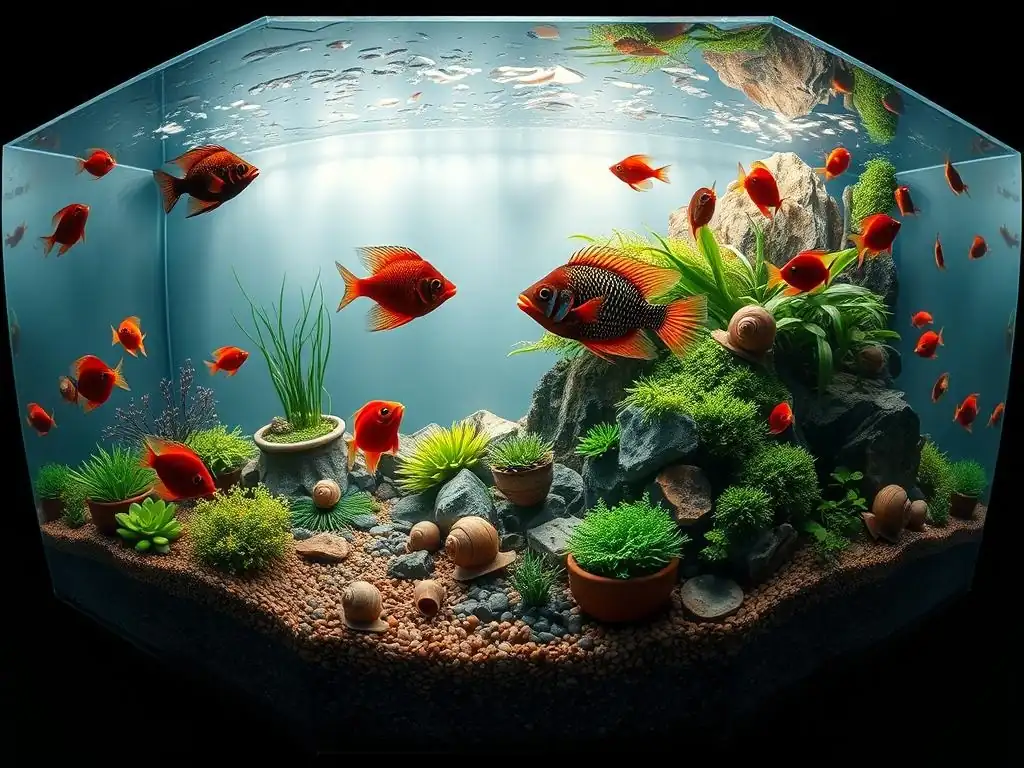
Welcome to Aquarium Mastery!
Ever wondered if your cardinalfish are truly thriving? The secret might be beneath their fins! Dive into our comprehensive guide on Cardinalfish substrate layering tips and discover how the right foundation can unlock a vibrant and healthy environment for your finned friends. Let's explore the depths of saltwater aquarium perfection, one layer at a time…
- Understanding the Importance of Substrate in Cardinalfish Aquariums
- Cardinalfish Substrate Layering Tips: A Comprehensive Guide
- Cardinalfish-Specific Substrate Requirements: Key Considerations
- Best Practices for Cardinalfish Substrate Installation and Maintenance
- Troubleshooting Common Substrate Issues in Cardinalfish Aquariums
- Cardinalfish Substrate and Tank Mates: Compatibility Considerations
- Advanced Cardinalfish Substrate Layering Tips for Experienced Aquarists
- Conclusion: Creating the Perfect Substrate Environment for Your Cardinalfish
-
Frequently Asked Questions
- ### What type of substrate is generally best for Cardinalfish?
- ### How deep should the substrate layer be in a Cardinalfish aquarium?
- ### Should I use a single type of substrate or a layered approach for Cardinalfish?
- ### Are there any substrates I should specifically avoid when keeping Cardinalfish?
- ### How often should I clean the substrate in my Cardinalfish aquarium?
- Final Reflection: Cultivating Harmony Beneath the Waves
- Dive Deeper: Craft Your Cardinalfish Paradise!
Understanding the Importance of Substrate in Cardinalfish Aquariums
Cardinalfish Substrate: More Than Just Decoration
The substrate in a cardinalfish aquarium serves far more than just an aesthetic purpose; it is a fundamental component of a healthy and thriving habitat. For cardinalfish, particularly species like the Banggai Cardinalfish (Pterapogon kauderni) or Pajama Cardinalfish (Sphaeramia nematoptera), a suitable substrate provides psychological comfort, mimicking their natural reef environments where they might seek refuge among rocks and crevices, even if they are primarily mid-water dwellers. A well-chosen substrate helps to reduce stress, encouraging natural behaviors such as schooling, foraging, and even breeding in some species, where males might hover near the substrate while mouthbrooding eggs.
Beyond behavioral benefits, the substrate contributes significantly to the overall visual appeal and naturalistic feel of the aquarium, making it a more calming and authentic environment for its inhabitants. It anchors aquascaping elements like live rock and corals, creating the intricate structures that cardinalfish often school around or retreat into. The visual coherence created by a natural-looking substrate, such as fine aragonite sand, enhances the perception of a true slice of the ocean, which is crucial for both the fish’s well-being and the aquarist’s enjoyment.
How Substrate Impacts Water Quality in Cardinalfish Tanks
The chosen substrate directly impacts the critical water parameters essential for cardinalfish health. In most reef setups where cardinalfish thrive, aragonite sand is the preferred choice due to its calcium carbonate composition. This material actively helps to buffer the water, maintaining a stable pH range, typically between 8.1 and 8.4, which is vital for all saltwater inhabitants. It also continuously dissolves, albeit slowly, releasing calcium and alkalinity into the water column, two components crucial for the growth of corals and coralline algae, and indirectly benefiting cardinalfish by supporting a healthy reef ecosystem.
Conversely, an unsuitable or poorly maintained substrate can quickly degrade water quality. If detritus, uneaten food, and fish waste are allowed to accumulate within the substrate layers, they break down, leading to elevated levels of nitrates and phosphates. For cardinalfish, which are sensitive to poor water conditions, high nutrient levels can lead to stress, disease, and a compromised immune system. Regular maintenance and careful selection of substrate grain size are essential to prevent these issues and ensure pristine water quality.
The Role of Substrate in Biological Filtration for Cardinalfish
Substrate plays a pivotal role in the biological filtration of a cardinalfish aquarium, providing an immense surface area for beneficial nitrifying bacteria to colonize. These aerobic bacteria, primarily Nitrosomonas and Nitrobacter, are responsible for the critical process of nitrification, converting toxic ammonia (from fish waste and decaying matter) into less toxic nitrite, and then into relatively harmless nitrate. A healthy, well-aerated substrate bed, even a shallow one of 1-2 inches, can host billions of these microorganisms, effectively processing a significant portion of the tank's nitrogenous waste.
Furthermore, in specific "Cardinalfish substrate layering tips" involving deeper sand beds (typically 4-6 inches or more), the substrate can facilitate anaerobic denitrification. In these oxygen-depleted zones, a different group of bacteria converts nitrates into harmless nitrogen gas, which then off-gasses from the water. While beneficial for nitrate reduction, deep sand beds require careful management to prevent the formation of highly toxic hydrogen sulfide gas, which can be detrimental to cardinalfish and other tank inhabitants if released into the water column.
Cardinalfish Substrate Layering Tips: A Comprehensive Guide
Planning Your Cardinalfish Substrate Layer: Depth and Coverage
When planning your cardinalfish substrate layer, depth and coverage are critical considerations that impact both aesthetics and biological function. For most cardinalfish reef tanks, a substrate depth of 1 to 2 inches (approximately 2.5 to 5 cm) is often recommended. This shallow depth provides adequate surface area for beneficial aerobic bacteria, offers a natural look, and is relatively easy to maintain, minimizing the risk of detritus accumulation and the formation of harmful anaerobic zones. It also allows for efficient vacuuming during routine maintenance, which is an important aspect of "Cardinalfish substrate layering tips" for nutrient control.
However, some aquarists might opt for a deep sand bed (DSB) ranging from 4 to 6 inches (10 to 15 cm) or more, specifically for enhanced denitrification. While a DSB can be highly effective at reducing nitrates, it requires careful establishment and minimal disturbance to function properly. For cardinalfish, which typically do not burrow extensively, the primary benefit of a DSB is water quality, but the risks associated with disturbed anaerobic zones must be carefully weighed. Ensuring even coverage across the entire tank floor is also important for a uniform appearance and consistent biological activity.
Choosing the Right Substrate Materials for Cardinalfish
Aragonite Sand: A Popular Choice for Cardinalfish Tanks
Aragonite sand is by far the most popular and recommended substrate for cardinalfish aquariums, largely due to its natural buffering capabilities. Composed primarily of calcium carbonate (CaCO₃), aragonite naturally helps to maintain stable pH levels within the ideal range for saltwater tanks (8.1-8.4) by slowly dissolving and releasing carbonates and calcium ions. This continuous buffering action is crucial for cardinalfish, which thrive in stable reef parameters, and also supports the growth of corals and coralline algae that often accompany cardinalfish in a reef setup.
Available in various grain sizes, from fine oolitic sand (around 0.2-0.5 mm) to coarser grades (1-2 mm), aragonite sand offers aesthetic versatility while providing excellent surface area for beneficial bacteria. Its natural white to off-white coloration brightens the tank and creates a clean, vibrant backdrop for the colorful cardinalfish. When considering "Cardinalfish substrate layering tips," aragonite's chemical benefits make it a foundational choice for long-term water quality stability.
Live Sand: Benefits for Cardinalfish and Reef Ecosystems
Live sand is a pre-packaged substrate that comes inoculated with beneficial bacteria and microscopic organisms, offering significant advantages for new cardinalfish aquariums. By introducing a diverse population of nitrifying bacteria from day one, live sand can significantly accelerate the cycling process, often reducing the time it takes for a tank to become biologically stable enough for fish. This rapid establishment of biological filtration is incredibly beneficial for cardinalfish, which are sensitive to ammonia and nitrite spikes during the initial cycling phase.
Beyond immediate bacterial benefits, live sand also contains a variety of desirable micro-fauna, such as copepods, amphipods, and various worms. These organisms contribute to the tank's biodiversity, act as part of the natural clean-up crew by consuming detritus, and can even serve as a supplemental food source for some cardinalfish species or their tank mates. When implementing "Cardinalfish substrate layering tips," incorporating live sand can provide a robust start to your reef ecosystem.
Crushed Coral: Considerations for Cardinalfish Compatibility
Crushed coral is another calcium carbonate-based substrate that can provide buffering capabilities similar to aragonite. However, it is generally less recommended for cardinalfish tanks due to its coarser, often sharp, and irregular grain size. While it offers excellent surface area for biological filtration and can contribute to stable water parameters, its rough texture poses several potential drawbacks.
The primary concern with crushed coral for cardinalfish is the risk of injury. Delicate fins and bodies of cardinalfish, especially if they dart or brush against the substrate, can be easily scratched or damaged by the sharp edges. Furthermore, its larger, more irregular pieces tend to trap detritus and uneaten food more readily than fine sand, leading to nutrient accumulation and potentially fostering anaerobic zones if not meticulously cleaned. While it was once a common choice, modern "Cardinalfish substrate layering tips" typically favor finer, smoother options like aragonite sand for the safety and health of the fish.
Substrate Alternatives: Bare Bottom vs. Specialized Substrates for Cardinalfish
While a sand bed is generally preferred for cardinalfish for aesthetic and biological reasons, bare-bottom tanks are a viable alternative, particularly in high-bioload systems or for aquarists prioritizing ease of cleaning. In a bare-bottom setup, there is no substrate to trap detritus, making nutrient export through siphoning and water changes exceptionally efficient.
This can be beneficial for maintaining ultra-low nutrient levels, which are critical for sensitive corals and indirectly benefit cardinalfish by ensuring pristine water quality. However, bare-bottom tanks lack the natural aesthetic and psychological comfort that a substrate provides for fish, and they require alternative methods for biological filtration, such as increased live rock, sumps, or refugiums.
Specialized substrates, such as fine oolitic sand (which is a very fine grade of aragonite), might be considered for specific aesthetic preferences or for tanks housing delicate bottom-dwelling invertebrates. However, for cardinalfish, which are primarily mid-water swimmers, the extreme fineness of oolitic sand can sometimes lead to it being easily disturbed by water flow, creating cloudy conditions. Ultimately, when considering "Cardinalfish substrate layering tips," the best alternative should be evaluated based on the specific needs of the entire aquarium ecosystem and the aquarist's maintenance preferences.
Cardinalfish-Specific Substrate Requirements: Key Considerations
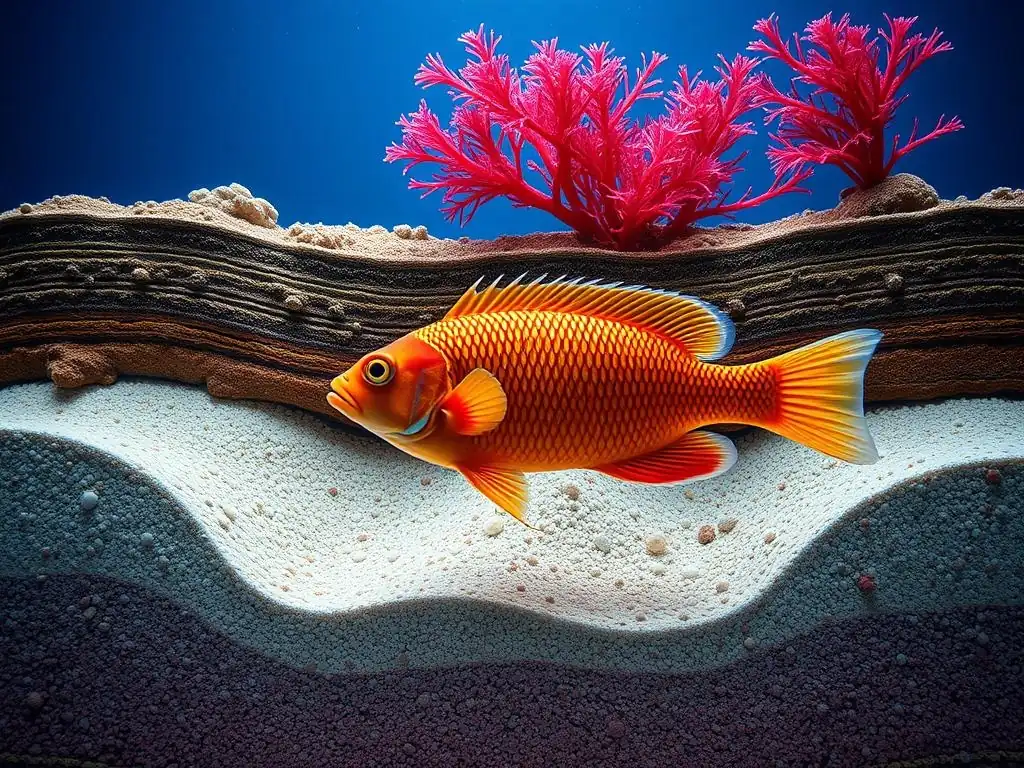
Cardinalfish Behavior and Substrate Interaction
While many cardinalfish species, like the popular Pajama Cardinalfish or the Blue-eyed Cardinalfish, are primarily mid-water schooling fish, their interaction with the substrate is still a crucial aspect of their overall well-being. They may not actively burrow or sift through the sand, but a clean, natural-looking substrate provides a sense of security and stability within their environment. For instance, Banggai Cardinalfish males, known for their mouthbrooding behavior, will often hover near the substrate or live rock during spawning and brooding, appreciating a stable, non-abrasive surface beneath them.
The presence of a suitable substrate also directly influences the availability of micro-fauna, such as copepods and amphipods, which can inhabit the sand bed. While cardinalfish are not primary detritivores, these tiny organisms contribute to the overall health of the reef ecosystem and can occasionally serve as a supplemental food source for the fish, encouraging natural foraging behaviors. A well-maintained substrate ensures that the entire tank environment is conducive to the cardinalfish's natural instincts and reduces stress.
Substrate Grain Size: Preventing Injury to Cardinalfish
The grain size of your chosen substrate is a critical factor in preventing injury to cardinalfish. Fine to medium-grained aragonite sand, typically ranging from 0.5 mm to 2 mm, is highly recommended. This smooth, uniform texture minimizes the risk of abrasion or laceration to the cardinalfish's delicate fins and scales, especially if they dart suddenly or are startled and brush against the bottom. Coarser substrates, such as crushed coral, with their sharp, irregular edges, pose a significant risk of physical damage, which can lead to secondary bacterial infections or fin rot.
Beyond direct injury, the appropriate grain size also impacts water clarity and detritus management. Finer sands are less likely to trap large quantities of detritus within their layers, making them easier to clean and reducing the potential for nutrient buildup. When implementing "Cardinalfish substrate layering tips," prioritizing a smooth, non-abrasive grain size ensures the physical safety and long-term health of your cardinalfish.
Maintaining Optimal Substrate Conditions for Cardinalfish Health
Maintaining optimal substrate conditions is paramount for the long-term health and vibrancy of cardinalfish. This involves a proactive approach to prevent the accumulation of organic waste, which can rapidly degrade water quality. Regular, gentle vacuuming of the substrate surface, typically weekly or bi-weekly depending on the bioload, is essential to remove uneaten food, fish waste, and decaying organic matter before it breaks down into harmful nitrates and phosphates. This practice helps to keep nutrient levels low, which is crucial for cardinalfish and for minimizing nuisance algae growth.
Furthermore, ensuring adequate water flow across the substrate surface helps to prevent dead spots where detritus can settle and anaerobic conditions might develop. Strategically placed powerheads or return nozzles can create gentle currents that keep particles suspended for removal by filtration or encourage them to settle in areas easily accessible for siphoning. Consistent monitoring of water parameters, especially pH, alkalinity, and calcium, is also vital, as the substrate actively contributes to their stability, directly impacting the well-being of your cardinalfish.
Best Practices for Cardinalfish Substrate Installation and Maintenance
Preparing Your Substrate Before Introducing Cardinalfish
Proper preparation of your substrate before installation is a crucial step in ensuring a healthy and clear cardinalfish aquarium. For dry aragonite sand, thorough rinsing is essential to remove fine dust particles and any manufacturing residues. This typically involves placing small batches of sand in a clean bucket and rinsing them under running tap water until the water runs completely clear, usually requiring multiple rinses. Failing to rinse adequately will result in cloudy water for days or even weeks after filling the tank, stressing your cardinalfish and making observation difficult.
If using live sand, the rinsing process should be minimal or avoided altogether. Live sand comes pre-packed with beneficial bacteria and micro-organisms, and excessive rinsing can wash away these valuable inhabitants. Instead, gently open the bag and slowly add the live sand to the aquarium, minimizing disturbance. This careful approach to "Cardinalfish substrate layering tips" ensures that the substrate is clean and ready to contribute positively to your aquarium's environment from the very beginning.
Cardinalfish Substrate Layering Techniques: Step-by-Step
Implementing effective "Cardinalfish substrate layering tips" during installation ensures both aesthetic appeal and functional integrity. Begin by placing a clean plastic bag or a flat plate on the bottom of the empty tank. This acts as a buffer when adding the substrate, preventing it from scratching the glass and distributing the weight evenly. Carefully pour the rinsed dry sand or live sand onto the bag/plate, allowing it to spread across the tank bottom.
Once all the substrate is in, gently remove the bag or plate. Then, using a clean plastic scraper or your hand, carefully spread the substrate evenly across the entire tank floor to achieve your desired depth. Avoid creating steep slopes that might collapse over time.
If integrating live rock, place the rock directly on the bare bottom glass before adding the substrate. This prevents rock slides that could injure cardinalfish or crack the tank if the sand shifts underneath. Finally, when filling the tank with saltwater, continue to place the plastic bag or plate on top of the substrate and pour water onto it to minimize disturbance and prevent the sand from clouding the water.
Regular Substrate Maintenance: Keeping Your Cardinalfish Aquarium Healthy
Vacuuming the Substrate: Removing Detritus and Waste
Regular vacuuming of the substrate is one of the most vital "Cardinalfish substrate layering tips" for maintaining a healthy aquarium environment. This process involves using a gravel vacuum or a specialized sand vacuum attachment to gently siphon the top layer of the substrate, removing accumulated detritus, uneaten food, and fish waste. For cardinalfish tanks, which benefit from low nutrient levels, vacuuming should ideally be performed weekly or bi-weekly, depending on the tank's bioload and feeding schedule.
When vacuuming, focus on areas where detritus tends to accumulate, such as under live rock structures or in low-flow zones. Be careful not to disturb the deeper layers of the sand bed excessively, especially in established deep sand beds, as this can release trapped hydrogen sulfide gas. Consistent substrate vacuuming significantly reduces the organic load in the tank, preventing the buildup of nitrates and phosphates, which can otherwise lead to nuisance algae outbreaks and stress for your cardinalfish.
Maintaining Proper Water Flow Around the Substrate
Adequate water flow is crucial for maintaining a healthy substrate in a cardinalfish aquarium. Proper flow prevents the accumulation of detritus on the substrate surface, which can quickly break down and contribute to nutrient issues. Strategically placed powerheads or the return nozzles from your filtration system should create gentle, turbulent flow across the entire sand bed, ensuring that uneaten food and waste particles remain suspended in the water column until they can be removed by mechanical filtration (e.g., filter socks or sponges).
Beyond detritus removal, good water flow also ensures that the upper layers of the substrate remain oxygenated. This promotes the proliferation of aerobic nitrifying bacteria, which are essential for converting toxic ammonia and nitrite into less harmful nitrate. Without sufficient flow, dead spots can form, leading to anaerobic conditions, which are detrimental to beneficial bacteria and can foster the growth of undesirable organisms. Incorporating flow into your "Cardinalfish substrate layering tips" strategy is vital for overall tank health.
Monitoring Substrate Chemistry: pH, Alkalinity, and Calcium Levels
For cardinalfish inhabiting reef aquariums, where aragonite substrate is commonly used, monitoring substrate chemistry indirectly translates to monitoring the overall water chemistry. Aragonite sand actively participates in buffering the water, helping to stabilize pH (ideally 8.1-8.4), alkalinity (8-12 dKH), and calcium levels (400-450 ppm). These parameters are not only critical for the growth and health of corals and coralline algae but also for the long-term well-being of cardinalfish, as stable conditions reduce stress and support their physiological functions.
Regular testing of these parameters, typically weekly or bi-weekly using reliable test kits, allows aquarists to track the substrate's contribution to water stability. If alkalinity or calcium levels begin to drop, it might indicate that the buffering capacity of the substrate is being utilized, or that supplementation is needed. Conversely, if these levels are consistently high, it confirms the substrate's active role. Understanding and monitoring this interplay is a key "Cardinalfish substrate layering tips" component for a thriving reef environment.
Troubleshooting Common Substrate Issues in Cardinalfish Aquariums
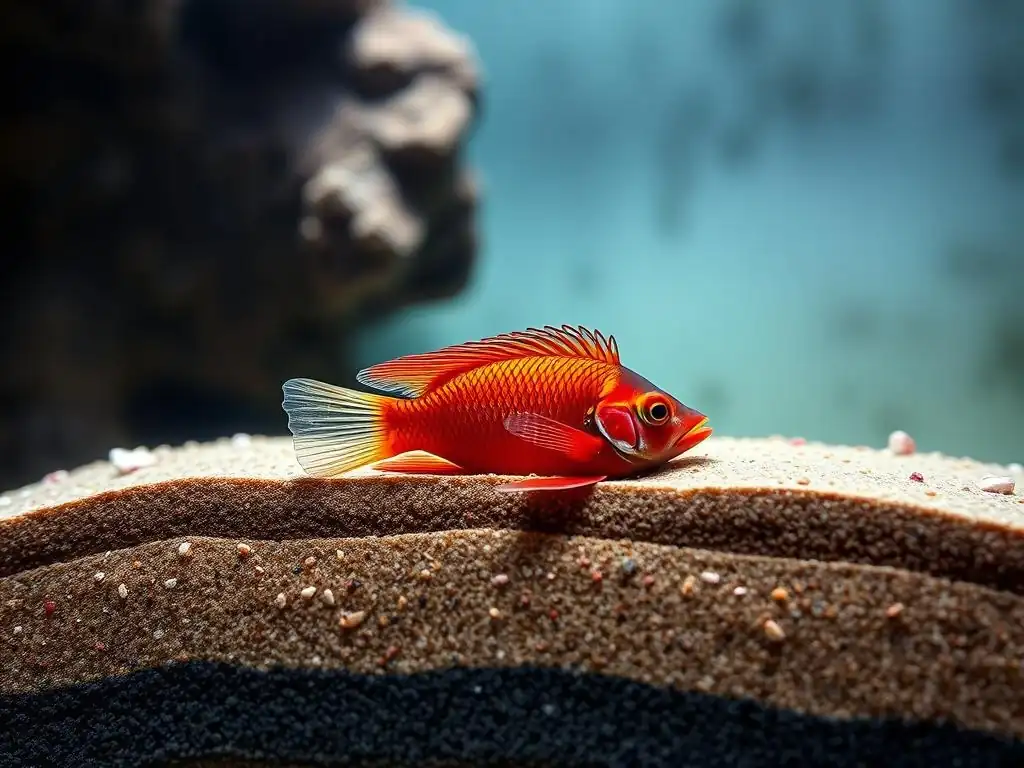
Algae Growth on Substrate: Causes and Solutions
Algae growth on the substrate, often appearing as green, brown, or even red (cyanobacteria) films, is a common issue in cardinalfish aquariums and typically signals an imbalance in water parameters. The primary causes are excess nutrients, particularly nitrates (above 10-20 ppm) and phosphates (above 0.03 ppm), often stemming from overfeeding, insufficient water changes, or decaying organic matter. Too much light intensity or duration can also fuel algae blooms.
To combat algae, several "Cardinalfish substrate layering tips" for troubleshooting can be applied. First, address the root cause: reduce feeding, increase the frequency or volume of water changes (e.g., 20% weekly), and ensure efficient removal of detritus through regular substrate vacuuming. Adjust lighting schedules (8-10 hours max) and intensity. Introducing a clean-up crew, such as Nassarius snails or Astrea snails, can help consume some types of algae, but they are a supplement to, not a replacement for, nutrient control.
Substrate Compaction: Prevention and Remedies
Substrate compaction occurs when fine sand particles settle tightly together, reducing water flow through the bed and creating areas where detritus can become trapped, potentially leading to anaerobic zones. This is more common with very fine sand grades or in tanks with insufficient water flow across the substrate surface. Compacted areas can restrict the movement of beneficial organisms that help aerate the sand.
Prevention is key: ensure adequate water flow across the entire substrate surface to keep particles from settling too densely. Introducing substrate-sifting invertebrates, such as Nassarius snails or certain types of conchs (e.g., Queen Conchs), can naturally aerate the top few inches of the sand bed as they forage for food. For existing compaction, very gentle stirring of the top inch or two of the sand with a plastic rod can help, but this should be done cautiously to avoid releasing any trapped gases, especially in deeper beds. These "Cardinalfish substrate layering tips" help maintain a healthy, permeable substrate.
Anaerobic Zones in Substrate: Identification and Mitigation
Anaerobic zones are areas within the substrate where oxygen levels are depleted, leading to the proliferation of anaerobic bacteria. These bacteria can produce hydrogen sulfide gas, identifiable by a rotten egg smell, and black discoloration of the sand. Hydrogen sulfide is highly toxic to cardinalfish and other aquarium inhabitants, and its sudden release into the water column (e.g., by disturbing a deep, unmanaged anaerobic pocket) can be fatal.
Identification involves noticing black patches in the sand, particularly in deeper, undisturbed areas, and detecting the characteristic odor if the sand is stirred. Mitigation strategies include ensuring proper water flow to keep the upper layers oxygenated and avoiding excessively deep sand beds unless specifically managed as a deep sand bed (DSB) designed for denitrification. For DSBs, careful, minimal disturbance is crucial. Introducing various types of burrowing worms or specific snails (e.g., large Nassarius snails) can help aerate the sand and prevent large anaerobic pockets from forming. These are critical "Cardinalfish substrate layering tips" for safety.
Cardinalfish Substrate and Tank Mates: Compatibility Considerations
Choosing Substrate That Benefits Other Inhabitants
When selecting substrate for your cardinalfish aquarium, it's essential to consider its compatibility with other potential tank inhabitants, especially in a reef setting. Aragonite sand, which is highly recommended for cardinalfish, also provides significant benefits for corals, clams, and other invertebrates that require stable calcium and alkalinity levels for skeletal growth. Its buffering capacity helps maintain the ideal water chemistry for these calcifying organisms, creating a more robust and thriving reef ecosystem.
Furthermore, a clean, well-maintained sand bed indirectly benefits all tank inhabitants by contributing to stable water quality. Many beneficial micro-organisms that reside in the substrate form the base of the food web for other invertebrates and some fish. By choosing a substrate that promotes overall reef health, such as fine aragonite sand, you create a more harmonious environment for cardinalfish alongside their diverse tank mates, aligning with comprehensive "Cardinalfish substrate layering tips."
Avoiding Substrate Conflicts Between Cardinalfish and Other Species
While cardinalfish generally do not interact aggressively with the substrate, certain tank mates might. When planning your "Cardinalfish substrate layering tips," consider potential conflicts with other species that actively burrow or sift through the sand. For instance, certain gobies (e.g., Watchman Gobies) or pistol shrimp are known for their extensive burrowing activities, which can constantly stir up the substrate, leading to cloudy water, detritus suspension, and potential stress for mid-water dwelling cardinalfish.
If you plan to include active burrowers, consider a coarser sand grade or ensure your filtration can handle increased turbidity. Alternatively, select tank mates that are less disruptive to the substrate, allowing the sand bed to function optimally for biological filtration and maintain clarity, which is visually appealing and healthier for all inhabitants, including your cardinalfish.
Substrate and Invertebrates: Ensuring a Balanced Ecosystem
The substrate is a vital habitat for a diverse array of invertebrates that contribute significantly to the health and balance of a cardinalfish aquarium. A well-established sand bed hosts beneficial micro-fauna such as copepods, amphipods, and various types of worms (e.g., spaghetti worms, bristle worms). These organisms act as part of the natural clean-up crew, consuming detritus, aerating the sand, and converting waste into less harmful forms.
Introducing suitable substrate-dwelling invertebrates, such as Nassarius snails (which burrow through the sand seeking detritus) or various conch species, can help keep the sand bed clean and prevent compaction. These invertebrates are an integral part of maintaining a balanced ecosystem, indirectly benefiting cardinalfish by ensuring pristine water quality and a healthy living environment. When considering "Cardinalfish substrate layering tips," remember that the substrate is a living component of the reef, teeming with life that supports the entire tank.
Advanced Cardinalfish Substrate Layering Tips for Experienced Aquarists
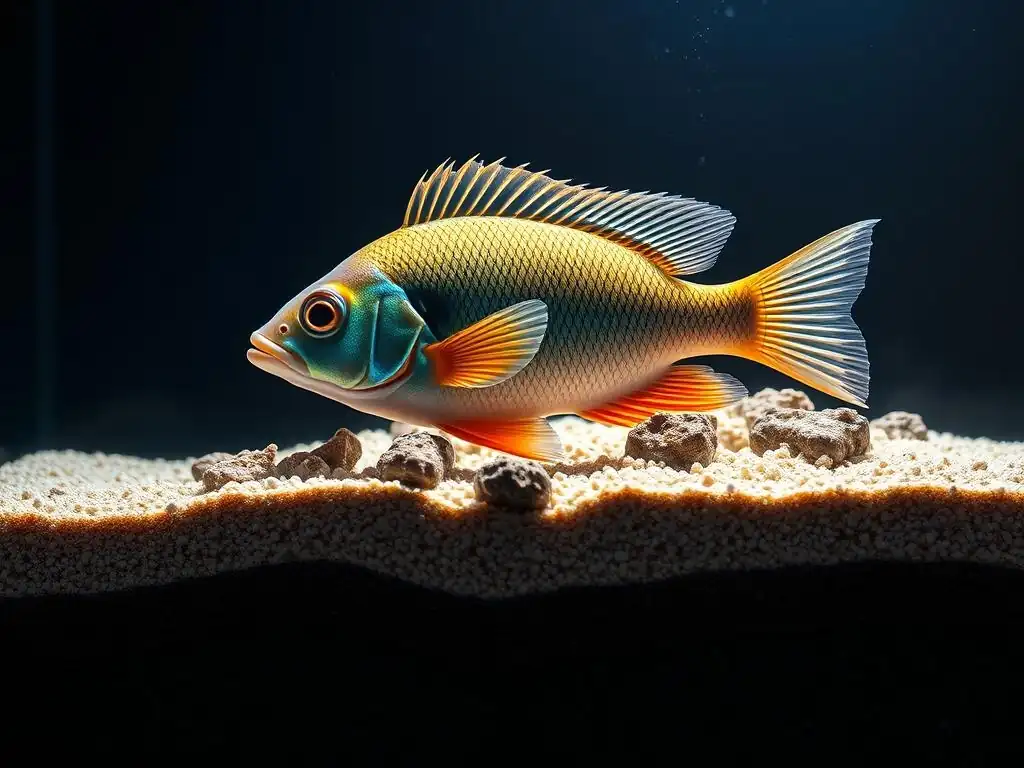
Deep Sand Beds: Benefits and Challenges for Cardinalfish Aquariums
For experienced aquarists seeking advanced "Cardinalfish substrate layering tips," deep sand beds (DSBs) offer a powerful method for enhanced biological filtration. A DSB typically consists of 4 to 6 inches (10-15 cm) or more of fine aragonite sand. The primary benefit of a DSB is its ability to facilitate anaerobic denitrification in its oxygen-depleted lower layers. Here, specialized bacteria convert nitrates into harmless nitrogen gas, which then off-gasses from the water, significantly reducing nitrate levels without constant water changes.
However, DSBs come with significant challenges. They require careful initial setup and should remain largely undisturbed to prevent the release of toxic hydrogen sulfide gas from anaerobic pockets. Establishing a healthy DSB can take several months, and if not properly managed, it can become a source of problems rather than solutions. Aquarists considering a DSB for their cardinalfish tank must be committed to long-term monitoring and minimal intervention, understanding the delicate balance required for its success.
Using Refugiums with Substrate for Enhanced Filtration
Another advanced "Cardinalfish substrate layering tips" strategy involves integrating a refugium with a dedicated sand bed. A refugium is a separate compartment, typically in the sump, that houses a sand bed (often 4-6 inches deep) and macroalgae (like Chaetomorpha or Caulerpa). This off-tank sand bed functions as an additional biological filter, particularly for denitrification, without the risks associated with a DSB in the main display tank.
The refugium provides a safe haven for beneficial micro-fauna (copepods, amphipods) to breed without predation from fish in the main display. These organisms then periodically enter the main tank, providing a natural food source for cardinalfish and other inhabitants, enhancing the overall biodiversity and stability of the system. The macroalgae within the refugium also actively absorb nitrates and phosphates, further improving water quality for sensitive cardinalfish.
Experimenting with Different Substrate Combinations for Optimal Results
For the truly experienced aquarist, experimenting with different "Cardinalfish substrate layering tips" and combinations can lead to highly customized and optimal results. This might involve layering different grain sizes – for example, a coarser aragonite base for stability and flow, topped with a finer oolitic sand for aesthetics and specific micro-fauna. Some might also consider incorporating specialized substrate additives designed to enhance buffering or provide trace elements, though this requires careful research and monitoring.
However, any experimentation should be approached with caution and a thorough understanding of the potential impacts on water chemistry and tank inhabitants. Always introduce changes gradually and monitor your cardinalfish and water parameters closely. The goal is to achieve a substrate configuration that not only looks appealing but also consistently supports the health, stability, and natural behaviors of your cardinalfish and the entire reef ecosystem.
Conclusion: Creating the Perfect Substrate Environment for Your Cardinalfish
Choosing and maintaining the right substrate is a foundational element in creating a thriving habitat for your cardinalfish. It goes far beyond mere aesthetics, playing critical roles in water quality, biological filtration, and even the psychological well-being of these beautiful schooling fish. From selecting the ideal aragonite sand with appropriate grain size to implementing effective "Cardinalfish substrate layering tips" and consistent maintenance routines, every decision contributes to the overall health and stability of your aquarium.
By understanding how substrate impacts vital parameters like pH, alkalinity, and calcium, and by diligently preventing issues like detritus accumulation or anaerobic zones, you ensure a pristine and secure environment. Whether you opt for a shallow, easy-to-maintain sand bed or delve into the complexities of a deep sand bed or refugium, a well-managed substrate is indispensable for the long-term success of your cardinalfish aquarium. Invest the time and effort into this crucial component, and you will be rewarded with vibrant, healthy cardinalfish that flourish in their carefully crafted home.
Frequently Asked Questions
### What type of substrate is generally best for Cardinalfish?
Cardinalfish generally thrive with a fine substrate like sand or small gravel. Avoid anything too coarse, as it can injure their delicate barbels while they sift for food. Aragonite sand is a popular choice.
### How deep should the substrate layer be in a Cardinalfish aquarium?
A substrate layer of around 1-2 inches is typically sufficient. This provides enough space for beneficial bacteria to colonize and helps maintain a healthy water quality. Don't make it too deep to prevent anaerobic pockets.
### Should I use a single type of substrate or a layered approach for Cardinalfish?
A layered approach can be beneficial. You can start with a base layer for nutrient enrichment (if you have plants), followed by a layer of fine sand or gravel that the Cardinalfish can easily sift through. This mimics their natural environment.
### Are there any substrates I should specifically avoid when keeping Cardinalfish?
Avoid substrates with sharp edges or large, jagged pieces. Also, be wary of substrates that drastically alter water parameters, unless you know how to manage them. Crushed coral can increase pH and is usually not needed.
### How often should I clean the substrate in my Cardinalfish aquarium?
Regularly vacuum the substrate during water changes, typically every 1-2 weeks. This removes accumulated detritus and uneaten food, helping to prevent the buildup of harmful substances and maintain a healthy environment for your Cardinalfish.
Final Reflection: Cultivating Harmony Beneath the Waves
The journey of creating a thriving Cardinalfish habitat, as we've explored, hinges significantly on the seemingly simple act of choosing the right substrate. This foundation, often overlooked, is in reality the cornerstone of a healthy and balanced ecosystem. The principles of substrate layering, carefully considered and meticulously applied, directly impact the well-being of these captivating creatures and the stability of their aquatic world.
The impact of responsible reef keeping, including thoughtful substrate selection, extends far beyond the confines of our aquariums. It's a microcosm reflecting our broader relationship with the natural world, a constant reminder of the delicate balance we must strive to maintain. In the end, we will conserve only what we love; we will love only what we understand; and we will understand only what we are taught.
- Baba Dioum. This quote resonates deeply, urging us to learn, appreciate, and protect the fragile beauty of our oceans, starting with the small ecosystems we create in our own homes.
As you consider the information shared and the Cardinalfish-friendly habitats you might cultivate, remember that every decision, every layer of substrate, contributes to a larger narrative. Let this knowledge inspire you to approach your aquarium with intention and care, not just as a hobby, but as an opportunity to connect with nature and contribute to a more sustainable future. Embrace the challenge, experiment with confidence, and witness the vibrant tapestry of life that unfolds when you choose to build a truly harmonious underwater world.
Dive Deeper: Craft Your Cardinalfish Paradise!
Thanks for exploring the fascinating world of cardinalfish with us! We hope you’ve gained valuable insights into creating the ideal habitat for these captivating creatures. Now, let's turn that knowledge into action!
Here are a few things you can do to further your understanding and create a thriving environment for your future or current cardinalfish:
- Start small: Plan your aquarium carefully. Research the specific needs of the cardinalfish species you’re interested in. Consider a test substrate sample from your local fish store to observe its effect on water parameters before committing to the entire tank.
- Explore further. Share your newfound knowledge! Educate fellow aquarium enthusiasts about the importance of substrate selection for cardinalfish health by sharing this article on social media.
- Expand the community. Ask your local aquarium shop for recommendations and insight into what local hobbyist are using to breed cardinalfish.
What unique substrate mix are you considering for your cardinalfish aquarium, and what benefits do you hope it will provide?