
Taming the Beast: How to Safely Grow Caulerpa & Prevent Asexual Reproduction Catastrophes

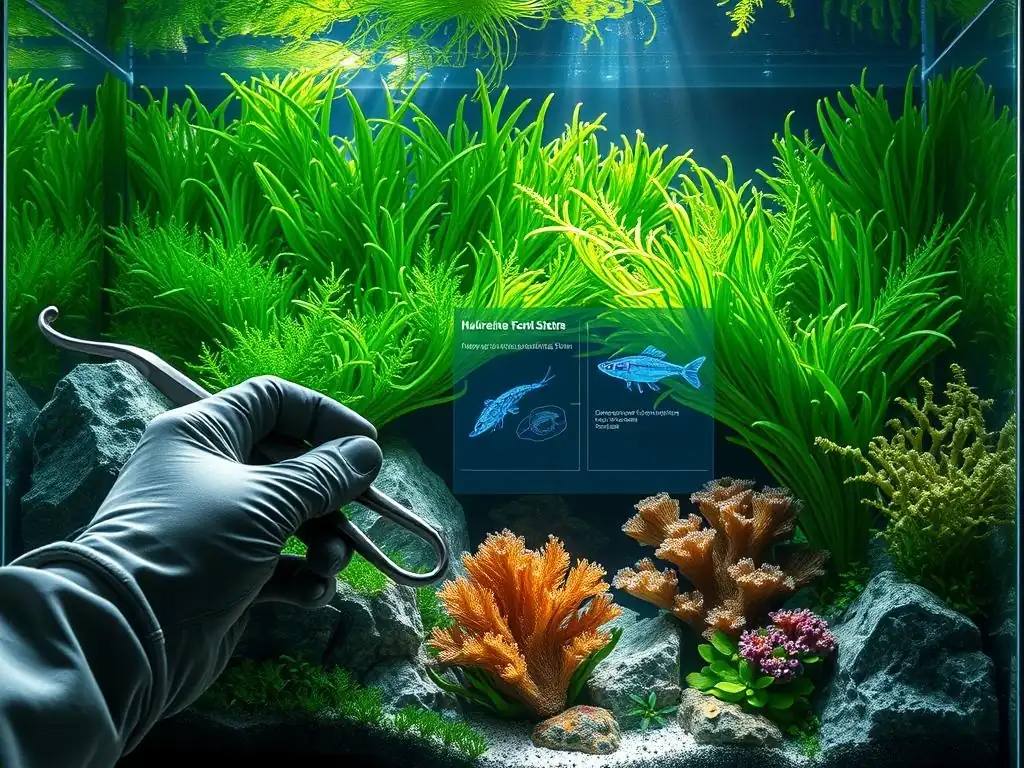
Welcome to Aquarium Mastery!
Curious about the vibrant world of Caulerpa but worried about its notorious reputation? You've come to the right place. We delve deep into the art of safely cultivating this fascinating macroalgae, offering expert advice and practical techniques to help you master Caulerpa growth control methods and prevent potential aquarium disasters. Ready to unlock the secrets to a thriving and balanced aquatic ecosystem? Let's dive in!
- Introduction: Understanding Caulerpa's Potential & Peril in Saltwater Aquariums
- What is Caulerpa and Why Keep it in a Saltwater Tank?
- Understanding Caulerpa Growth Patterns: Asexual Reproduction and Fragmentation
- Caulerpa Growth Control Methods: Strategies for Safe Cultivation
- Implementing Effective Caulerpa Growth Control Techniques
- Preventing Asexual Reproduction Catastrophes: Stabilizing Your Caulerpa Population
- Dealing with a Caulerpa Outbreak: Remedial Actions
- Best Practices for Caulerpa Care: Ensuring Healthy Growth and Preventing Problems
- Conclusion: Mastering Caulerpa Growth for a Thriving Reef Aquarium.
-
Frequently Asked Questions
- How can I safely introduce Caulerpa into my saltwater aquarium?
- What are some effective methods for controlling Caulerpa growth and preventing asexual reproduction?
- What are the risks associated with uncontrolled Caulerpa growth in a saltwater aquarium?
- Can I completely eradicate Caulerpa once it has taken over my aquarium?
- What water parameters should I monitor to prevent Caulerpa from experiencing a "sexual event"?
- Final Reflection: Cultivating Responsibility in Reefkeeping
- Unlock Caulerpa Confidence: Grow Safely!
Introduction: Understanding Caulerpa's Potential & Peril in Saltwater Aquariums
Caulerpa, a genus of green macroalgae, holds a unique and often debated position in the saltwater aquarium hobby. Revered by some for its robust nutrient export capabilities and aesthetic appeal, it is equally feared by others for its aggressive growth and notorious tendency for asexual reproduction, which can lead to devastating tank crashes. Successfully integrating Caulerpa into a reef system requires a deep understanding of its biology and meticulous Caulerpa growth control methods.
This article will delve into the dual nature of Caulerpa, exploring its benefits while thoroughly outlining the risks associated with its uncontrolled proliferation. We will provide comprehensive strategies for safe cultivation, focusing on proactive Caulerpa growth control methods and preventative measures to avert catastrophic spawning events. By mastering these techniques, aquarists can harness Caulerpa's advantages without succumbing to its potential perils, ensuring a stable and thriving reef environment.
What is Caulerpa and Why Keep it in a Saltwater Tank?
Benefits of Caulerpa Macroalgae in Reef Aquariums
Caulerpa species are highly valued in many reef aquariums primarily for their exceptional ability to perform nutrient export. Like terrestrial plants, Caulerpa absorbs excess nitrates and phosphates from the water column, effectively reducing these parameters which, in high concentrations (e.g., nitrates consistently above 10 ppm or phosphates above 0.05 ppm), can fuel undesirable nuisance algae growth and harm sensitive corals. By actively growing and being regularly harvested, Caulerpa acts as a natural filter, helping to maintain pristine water quality essential for a vibrant reef tank.
Beyond nutrient removal, Caulerpa also serves as a vital component in creating a balanced ecosystem within the aquarium. Its dense structure provides excellent refuge and foraging grounds for beneficial microfauna such as copepods and amphipods. These small crustaceans are crucial for a healthy reef, serving as a natural food source for many corals, mandarinfish, and other small predatory invertebrates, thereby enhancing the biodiversity and stability of the entire system.
Potential Problems: The Risks of Uncontrolled Caulerpa Growth
Despite its benefits, Caulerpa carries significant risks if its growth is not rigorously managed. Its rapid proliferation can quickly turn it from an asset into an aggressive invasive species within the confines of an aquarium. Uncontrolled Caulerpa can outcompete and smother corals, desirable coralline algae, and other sessile invertebrates by blocking light and physically growing over them, leading to their decline or even death. This aggressive spread necessitates robust Caulerpa growth control methods.
The most severe risk associated with Caulerpa is its potential for a "spawning" or asexual reproduction event. When stressed by factors such as sudden changes in light cycles, nutrient depletion, temperature fluctuations (e.g., a rapid drop of 2-3°F), or physical damage, Caulerpa can release its entire cellular contents—including chlorophyll, nutrients, and reproductive spores—into the water.
This phenomenon results in a milky, foul-smelling cloud that can cause a massive and rapid spike in ammonia, nitrite, and phosphate, simultaneously depleting oxygen levels. Such an event can be lethal to fish and invertebrates, potentially leading to a complete system crash within hours if not addressed immediately.
Understanding Caulerpa Growth Patterns: Asexual Reproduction and Fragmentation
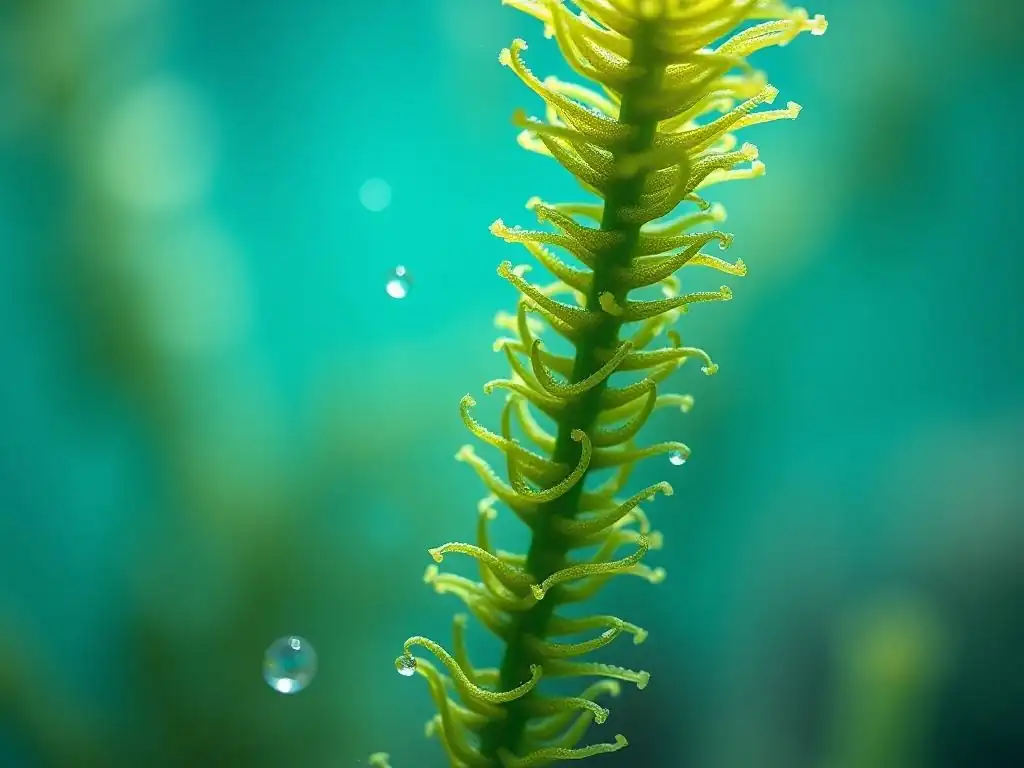
Caulerpa's unique biology, particularly its coenocytic structure (a single, multinucleated cell), dictates its distinctive growth and reproductive patterns. Unlike most plants composed of many individual cells, Caulerpa functions as one large, continuous cell, making it susceptible to rapid, all-or-nothing reproductive events. Understanding these processes is fundamental to implementing effective Caulerpa growth control methods.
How Caulerpa Reproduces: The Asexual Reproduction Process Explained
The primary concern for aquarists regarding Caulerpa reproduction is its asexual "spawning" event, technically known as holocarpy. This process occurs when the entire thallus (the plant body) transforms into a reproductive structure, releasing its protoplasm, which contains gametes, into the water column. This is often triggered by environmental stressors, such as an abrupt shift in the photoperiod (e.g., a sudden 4-hour extension or reduction of light), prolonged nutrient starvation, or significant temperature swings (e.g., a 4°F change within 24 hours).
The plant rapidly degenerates, turning pale or white within minutes, and a milky green cloud permeates the water. This release of organic matter leads to an immediate and dramatic increase in dissolved organic carbon, ammonia, and phosphate, often pushing parameters to dangerous levels (e.g., ammonia from 0 ppm to 1 ppm, phosphates from 0.03 ppm to 0.5 ppm) and causing rapid oxygen depletion.
Identifying the Signs of Caulerpa Fragmentation and Spawning Events
Identifying the early signs of Caulerpa distress or fragmentation is crucial for proactive Caulerpa growth control. Fragmentation, where small pieces of the alga break off and establish new colonies, is a common mode of spread. Look for detached fronds floating in the water or small, new growths appearing in unexpected areas of the display tank. This is particularly common with species like Caulerpa racemosa which has delicate, branching structures.
Signs of an impending or active spawning event are more dramatic and require immediate action. These include a sudden, widespread bleaching or whitening of the Caulerpa colony, a rapid loss of turgor (the plant appears deflated or limp), and the release of a visible, milky green cloud into the water column.
A distinct, pungent odor, often described as "grassy" or "swampy," may also become noticeable. Furthermore, a sudden drop in the tank's pH (e.g., from 8.2 to 7.8) and an unexpected rise in ammonia or nitrite levels are strong indicators that a spawning event has occurred, signaling an urgent need for intervention and the application of emergency Caulerpa growth control methods.
Caulerpa Growth Control Methods: Strategies for Safe Cultivation
Effective Caulerpa growth control methods are paramount to harnessing its benefits without succumbing to its invasive nature or the risks of asexual reproduction. The most successful strategies involve either isolating the macroalgae in a dedicated system or implementing strict management within the display tank, coupled with vigilant monitoring.
Establishing a Dedicated Caulerpa Refugium: The Safest Approach
The most recommended and safest method for cultivating Caulerpa is within a dedicated refugium. A refugium is a separate, often smaller, compartment plumbed into the main aquarium system but isolated from the display tank. This setup allows Caulerpa to grow vigorously and perform nutrient export without the risk of overgrowing corals or spawning directly into the main display. This isolation provides superior Caulerpa growth control and minimizes the impact of any potential asexual reproduction event, as the nutrient spike would be largely contained within the refugium.
A typical refugium for a 100-gallon display tank might range from 10 to 30 gallons in volume, providing ample space for significant Caulerpa biomass. This method also creates a protected environment for the proliferation of beneficial microfauna, such as copepods and amphipods, which can then be passively introduced into the main tank as a continuous food source for fish and corals.
Refugium Design for Optimal Caulerpa Growth and Containment
Refugium Size and Water Flow Considerations
When designing a refugium for Caulerpa, size and water flow are critical for both optimal growth and effective Caulerpa growth control. A refugium should ideally be at least 10-20% the volume of your main display tank to house a sufficient biomass for effective nutrient export. For example, a 15-gallon refugium might be suitable for a 75-gallon display.
Water flow through the refugium should be moderate and laminar, typically circulating the refugium's volume 1 to 3 times per hour. Excessive flow (e.g., greater than 5 times per hour) can physically damage Caulerpa, leading to fragmentation, while insufficient flow can result in detritus accumulation and nutrient dead zones. Implementing baffles within the refugium is also crucial to prevent Caulerpa fragments from washing into the main display, ensuring successful Caulerpa growth control.
Lighting for Caulerpa Growth in the Refugium
Proper lighting is essential for robust Caulerpa growth and efficient nutrient uptake within the refugium. Caulerpa thrives under a specific light spectrum, typically favoring full-spectrum white light (around 6500 Kelvin) or LEDs with a strong emphasis on red and blue wavelengths, which are highly photosynthetically active. A PAR (Photosynthetically Active Radiation) value between 50 and 100 µmol/m²/s is generally sufficient for healthy growth.
Crucially, a reverse daylight photoperiod is highly recommended: the refugium lights should be on when the display tank lights are off (e.g., 10-12 hours on during the night). This strategy not only helps stabilize the tank's pH by continuing photosynthesis and oxygen production during the dark cycle but also significantly reduces the likelihood of a Caulerpa spawning event, as it provides consistent light and minimizes stress from light cycle changes.
In-Tank Caulerpa Cultivation: Precautions and Best Practices
While a refugium is the safest approach, some aquarists opt for in-tank Caulerpa cultivation, often for aesthetic reasons. This method demands extreme vigilance and stringent Caulerpa growth control methods to prevent an outbreak. It is generally not recommended for novice aquarists due to the inherent risks. If chosen, careful species selection and diligent management are non-negotiable to ensure the algae remains a beneficial addition rather than a destructive force.
Selecting the Right Caulerpa Species for Your Tank
The choice of Caulerpa species is paramount for in-tank cultivation, as some are far more aggressive and prone to spawning than others. Caulerpa prolifera is often considered one of the safer choices due to its slower growth rate and somewhat lower propensity for sudden spawning events compared to its more notorious relatives. Its blade-like fronds are relatively easy to prune and manage.
Caulerpa racemosa, with its grape-like clusters, is also popular but can be more aggressive and prone to fragmentation if not handled carefully. Species like Caulerpa taxifolia are highly invasive, often restricted by law, and should be strictly avoided in any aquarium setting due to their extreme resilience and invasive nature. Selecting a less aggressive species is a foundational step in effective Caulerpa growth control.
Limiting Caulerpa's Spread Within the Display Tank
To contain Caulerpa within the display tank, physical barriers and meticulous manual intervention are essential. One effective strategy is to cultivate the Caulerpa on an isolated piece of live rock or in a small, designated area, ensuring it does not touch the main rock structure or substrate from which it could spread rapidly. Some aquarists even place Caulerpa within a mesh container or a small, self-contained "algae reactor" directly in the sump to prevent its roots (rhizoids) from attaching to other surfaces.
Regular, almost daily, inspection is critical; any small runners or fragments attempting to spread beyond the designated area must be immediately and carefully removed. This proactive and consistent approach to Caulerpa growth control is the only way to manage in-tank cultivation without risking an overwhelming infestation.
Implementing Effective Caulerpa Growth Control Techniques
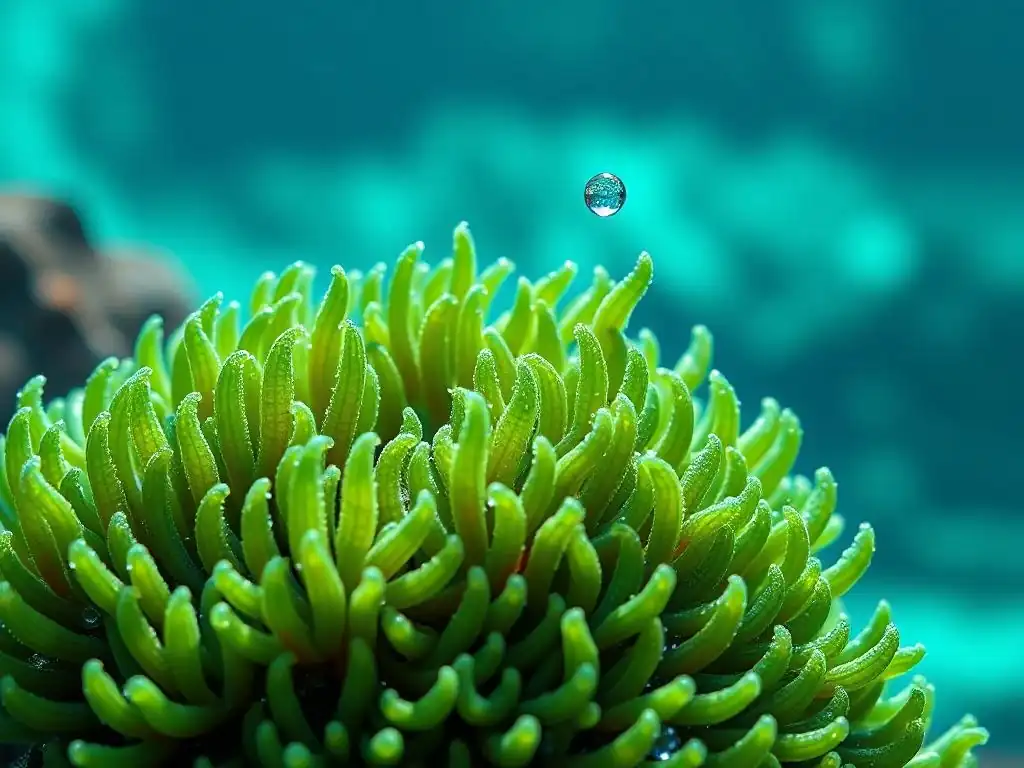
Beyond careful placement, active management is crucial for maintaining Caulerpa as a beneficial component of your reef system. Regular pruning, mechanical removal, and the strategic use of biological controls are key Caulerpa growth control methods that prevent overgrowth and reduce the risk of catastrophic events.
Regular Pruning and Harvesting: A Key to Maintaining Control
Regular pruning and harvesting are perhaps the most vital Caulerpa growth control methods. This practice not only prevents the algae from overgrowing but also mitigates the risk of a spawning event, which can be triggered by nutrient depletion in an overgrown, unharvested colony. It is recommended to prune approximately 20-30% of the Caulerpa biomass every one to two weeks, depending on its growth rate.
When pruning, use sharp, clean scissors (e.g., aquascaping shears) to make precise cuts. It is crucial to remove the harvested material from the tank immediately to prevent it from decaying and releasing absorbed nutrients back into the water, thereby negating the primary benefit of Caulerpa. Consistent pruning ensures stable nutrient export and prevents the algae from reaching a "stressed" state that could lead to spawning.
Mechanical Removal of Caulerpa: Tools and Techniques
Mechanical removal is a direct and effective Caulerpa growth control method, especially when dealing with unwanted spread or small outbreaks. For Caulerpa growing on rockwork or substrate, long-handled tweezers or forceps are invaluable for carefully plucking out individual strands or small clusters. When removing larger mats, use aquascaping scissors to cut the Caulerpa at its base, then gently pull it away.
The key is to be meticulous and avoid leaving small fragments behind, as these can quickly re-establish themselves and lead to new growth. Immediately after removal, use a net or siphon to collect all detached Caulerpa pieces from the water column before they can settle elsewhere or begin to decay. This immediate cleanup is critical to prevent reseeding and maintain effective Caulerpa growth control.
Biological Control: Herbivores That Eat Caulerpa
While not a complete solution, certain herbivorous marine animals can assist in Caulerpa growth control by grazing on the algae. It's important to note that their effectiveness varies by species and individual appetite, and they may not consume all types of Caulerpa. Relying solely on biological control is often insufficient for robust Caulerpa management.
Emerald Crabs (Mithrax sculptus)
Emerald Crabs are popular additions to reef tanks due to their omnivorous diet, which often includes various types of nuisance algae and detritus. They are known to graze on some species of Caulerpa, particularly the softer varieties, making them a useful component in Caulerpa growth control. These crabs typically remain small, reaching about 2 inches in leg span, making them suitable for tanks as small as 20 gallons.
While generally peaceful, individual crabs can sometimes become opportunistic, occasionally nipping at corals or other invertebrates if their primary food sources are scarce. Introducing one or two crabs per 30-50 gallons can provide a supplemental layer of algae control.
Foxface Rabbitfish (Siganus vulpinus)
Foxface Rabbitfish are excellent algae eaters and can be very effective at controlling Caulerpa growth, especially in larger systems. Their diet consists primarily of marine algae, and they are known to graze persistently on various macroalgae, including many Caulerpa species. Foxface Rabbitfish are relatively large fish, often growing up to 9-10 inches, and therefore require spacious aquariums, typically 75-100 gallons or more.
They are generally peaceful community fish, but aquarists must exercise caution as they possess venomous dorsal spines that can deliver a painful sting if handled carelessly. Their continuous grazing can significantly reduce Caulerpa biomass and act as a strong Caulerpa growth control measure.
Preventing Asexual Reproduction Catastrophes: Stabilizing Your Caulerpa Population
Preventing a Caulerpa asexual reproduction event is paramount to maintaining a healthy reef tank. This largely hinges on providing a stable environment and avoiding sudden stressors. Consistent water parameters, appropriate flow, and a vigilant approach to tank maintenance are key Caulerpa growth control methods that minimize the risk of a catastrophic spawning.
Monitoring Water Parameters: Nitrates, Phosphates, and Their Impact on Caulerpa
Stable and consistent water parameters are crucial for preventing Caulerpa from spawning. While Caulerpa thrives on nitrates and phosphates, sudden and drastic fluctuations in these nutrient levels can act as a significant stressor, potentially triggering an asexual reproduction event. For instance, a rapid drop in nitrates from 10 ppm to near zero, or phosphates from 0.1 ppm to undetectable levels, can signal nutrient starvation to the Caulerpa, prompting it to release its contents.
Therefore, regular monitoring (e.g., weekly tests for nitrates and phosphates) and maintaining these parameters within a stable, low but not zero range (e.g., nitrates below 10 ppm, phosphates below 0.05 ppm) are essential Caulerpa growth control methods. Avoid aggressive nutrient removal techniques that cause abrupt shifts, such as large water changes or excessive dosing of carbon sources, unless carefully managed.
Maintaining Proper Water Flow to Prevent Fragmentation
Consistent and appropriate water flow within the Caulerpa cultivation area plays a critical role in preventing fragmentation, which can lead to unwanted spread and potentially stress the plant. Strong, direct blasts of water or highly turbulent conditions can physically damage the delicate fronds of Caulerpa, causing pieces to break off. These fragments can then circulate throughout the system and potentially attach to new surfaces in the display tank, initiating new, unwanted colonies.
Conversely, areas of extremely low flow can lead to detritus accumulation around the Caulerpa, stressing the plant. Maintaining a moderate, laminar flow (e.g., 1-3 times the refugium volume per hour) ensures that nutrients are delivered consistently without causing physical damage, thereby enhancing Caulerpa growth control and minimizing the risk of fragmentation.
Avoiding Sudden Changes in Water Chemistry
Sudden and significant changes in critical water chemistry parameters are among the most common triggers for Caulerpa asexual reproduction. Maintaining stability across the board is a fundamental Caulerpa growth control method. For instance, large temperature swings (e.g., a drop or rise of more than 2°F within a few hours) can shock the algae.
Similarly, abrupt changes in salinity (e.g., from 1.025 to 1.020 specific gravity) or pH (e.g., a sudden drop from 8.2 to 7.8) can induce stress. Even inconsistent lighting schedules, such as unexpected power outages or sudden changes in photoperiod duration (e.g., shortening a 12-hour cycle to 8 hours), can signal stress. Implement stable heating, consistent top-off systems, and reliable lighting timers to ensure minimal fluctuations, thus greatly reducing the risk of a catastrophic spawning event and maintaining effective Caulerpa growth control.
Dealing with a Caulerpa Outbreak: Remedial Actions
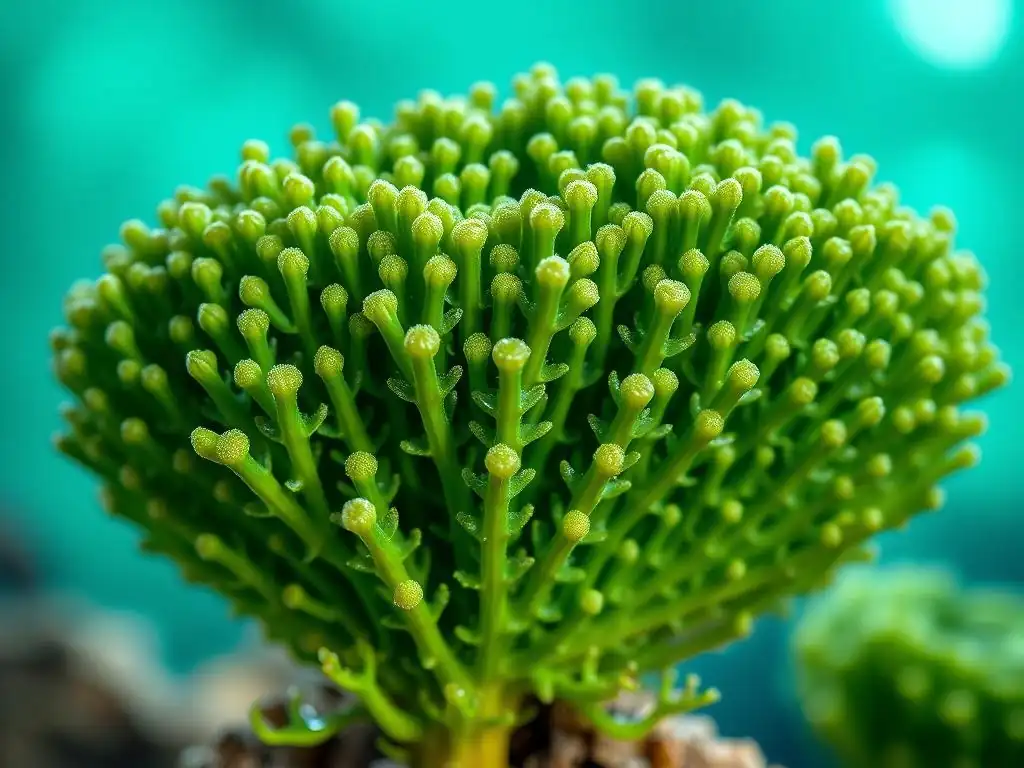
Despite best efforts in Caulerpa growth control, an outbreak or a spawning event can sometimes occur. Immediate and decisive remedial actions are crucial to mitigate damage and prevent a complete system crash. The approach taken depends on the severity and nature of the outbreak, ranging from manual removal to extreme measures like a complete system reset.
Manual Removal of Caulerpa from the Display Tank
Upon discovering a Caulerpa outbreak in the display tank, manual removal is the immediate and most effective first line of defense. Using long tweezers or aquascaping scissors, meticulously pull or cut every visible strand of Caulerpa from rocks, substrate, and equipment. This process requires extreme patience and precision, as even tiny fragments left behind can quickly re-establish and grow into new colonies.
As soon as the Caulerpa is removed, it is imperative to siphon it out of the tank immediately to prevent any liberated fragments from re-attaching or decaying within the system. For a widespread outbreak, this might involve removing significant portions of live rock to access and clean thoroughly. This diligent manual Caulerpa growth control is vital for containing the spread.
Chemical Treatments (Use with Extreme Caution!)
Chemical treatments for Caulerpa are generally not recommended for reef aquariums due to their high risk to corals, invertebrates, and beneficial bacteria. They should only be considered as a last resort in specific, isolated scenarios, and never without fully understanding the potential devastating side effects. The collateral damage often outweighs the benefits of eliminating the Caulerpa.
Copper-Based Treatments: Risks to Invertebrates
Copper-based treatments, commonly used to treat parasitic infections in fish, are highly effective at killing macroalgae like Caulerpa. However, they are profoundly toxic to all invertebrates, including corals, anemones, shrimp, snails, and beneficial copepods. Even trace amounts of copper can be lethal to these organisms.
Furthermore, copper can bind to the porous surfaces of live rock and substrate, permanently contaminating them and making the tank unsuitable for sensitive invertebrates for years, even after the copper has been removed from the water column. Therefore, copper treatments should only be considered in fish-only systems or in a completely isolated quarantine tank dedicated solely to Caulerpa eradication, never in a mixed reef environment. This method is an extreme measure for Caulerpa growth control.
Complete System Reset: A Last Resort Solution
In cases of a severe, uncontrollable Caulerpa infestation, particularly after a major spawning event that has compromised water quality beyond recovery or when the algae has completely overtaken the display, a complete system reset may be the only viable solution. This extreme measure involves draining the entire tank, removing all live rock, substrate, and equipment. The live rock can then be "cooked" (left in darkness with circulation to kill off all life) or bleached to completely eradicate any remaining Caulerpa spores or fragments.
The tank itself and all equipment must be thoroughly cleaned and sterilized. While drastic and time-consuming (often taking weeks to months to re-establish a stable biological filter), a full system reset ensures complete Caulerpa eradication and allows the aquarist to restart with proper Caulerpa growth control measures from day one.
Best Practices for Caulerpa Care: Ensuring Healthy Growth and Preventing Problems
Cultivating Caulerpa successfully involves not just managing its growth, but also ensuring its overall health. Proactive care and diligent observation are integral Caulerpa growth control methods that contribute to a stable and thriving reef environment, minimizing the chances of unwanted outbreaks or catastrophic events.
Quarantine New Caulerpa Before Introducing it to Your System
Quarantining new Caulerpa additions is a crucial, yet often overlooked, best practice for effective Caulerpa growth control and overall system health. Before introducing any new macroalgae to your main display or refugium, place it in a separate quarantine tank for at least two to three weeks. During this period, meticulously inspect the Caulerpa for any signs of unwanted hitchhikers, such as nuisance algae (e.g., Bryopsis, hair algae), pests (e.g., Aiptasia anemones, flatworms), or parasites.
This isolation also allows you to observe the Caulerpa's behavior and health, ensuring it is stable and not showing any signs of stress that might lead to an immediate spawning event upon introduction. A brief freshwater dip (e.g., 30-60 seconds, with extreme caution) can sometimes be used to dislodge pests, but research the specific Caulerpa species' tolerance first.
Regularly Inspect Your Caulerpa for Signs of Stress or Disease
Consistent visual inspection of your Caulerpa colony is a vital Caulerpa growth control method. Healthy Caulerpa should appear vibrant green, turgid, and exhibit consistent growth. Any deviation from this indicates stress or potential problems. Look for signs such as bleaching (loss of green color, turning pale or white), yellowing, a sudden loss of turgor (the plant appearing limp or deflated), or the presence of necrotic (dead) spots.
These symptoms can be precursors to a spawning event or indicate underlying issues with water parameters, lighting, or flow. If stress signs are observed, immediately check your water parameters (nitrates, phosphates, temperature, salinity), assess lighting and flow, and consider a small harvest to alleviate density. Prompt identification and action can prevent a full-blown catastrophe.
Document Your Caulerpa Growth Control Methods
Maintaining a detailed log of your Caulerpa care and Caulerpa growth control methods is an incredibly valuable practice. Document key information such as:
- Harvesting Dates and Amounts: Note when you prune and approximately how much biomass (e.g., "1 cup") you remove.
- Water Parameters: Record weekly or bi-weekly readings of nitrates, phosphates, temperature, salinity, and pH.
- Growth Observations: Note any unusual growth spurts, slow growth, or signs of stress (bleaching, wilting).
- Equipment Changes: Document any changes to lighting (e.g., bulb replacement, photoperiod adjustments) or flow (e.g., pump maintenance, powerhead additions).
- Spawning Events: If a spawning occurs, record the date, observed symptoms, and the actions taken.
This comprehensive documentation allows you to identify patterns, correlate tank conditions with Caulerpa behavior, and refine your Caulerpa growth control strategy over time, ultimately leading to more predictable and successful cultivation.
Conclusion: Mastering Caulerpa Growth for a Thriving Reef Aquarium.
Frequently Asked Questions
How can I safely introduce Caulerpa into my saltwater aquarium?
Introducing Caulerpa requires careful planning. Start with a small amount in a controlled area, like a refugium, to monitor its growth and prevent it from overrunning your display tank.
What are some effective methods for controlling Caulerpa growth and preventing asexual reproduction?
Effective methods include regular pruning, maintaining proper nutrient levels (low nitrates and phosphates), and introducing Caulerpa-eating invertebrates.
What are the risks associated with uncontrolled Caulerpa growth in a saltwater aquarium?
Uncontrolled Caulerpa can quickly outcompete other organisms, consume vital nutrients, and potentially "go sexual," releasing toxins and causing a tank crash.
Can I completely eradicate Caulerpa once it has taken over my aquarium?
Eradication can be difficult but possible. Methods include manual removal, chemical treatments (use with caution), and even completely restarting the tank in severe cases.
What water parameters should I monitor to prevent Caulerpa from experiencing a "sexual event"?
Maintaining stable and appropriate water parameters is crucial. This includes monitoring temperature, salinity, nitrates, and phosphates to prevent the sudden stress that can trigger asexual reproduction.
Final Reflection: Cultivating Responsibility in Reefkeeping
The insights shared throughout this article highlight the crucial need for responsible stewardship in the reefkeeping hobby. Understanding and implementing effective Caulerpa growth control methods is not merely about aesthetics or convenience; it's about safeguarding the delicate balance of our home aquariums and, by extension, contributing to the preservation of natural marine ecosystems. The potential for Caulerpa to become an invasive pest underscores the importance of informed decision-making and proactive management.
This journey into the world of Caulerpa has underscored the interconnectedness of our actions within the reefkeeping community. The responsibility we bear as hobbyists extends beyond the confines of our tanks, impacting the broader environment. We are tied to the ocean. And when we go back to the sea, whether it is to sail or to watch it, we are going back from whence we came.
- John F. Kennedy. This quote resonates deeply, reminding us that our connection to the ocean demands respect and careful consideration in all our interactions with its inhabitants, even within the controlled environment of our aquariums.
Now, armed with knowledge of Caulerpa growth control methods, I invite you to reflect on your own practices. How can you contribute to a more sustainable and responsible reefkeeping future? Consider the long-term implications of your choices and embrace the challenge of cultivating not only vibrant reefs, but also a deep sense of responsibility towards the delicate ecosystems we strive to replicate. Let's work together to ensure that the beauty of our underwater worlds is preserved for generations to come.
Unlock Caulerpa Confidence: Grow Safely!
Thank you for diving into the world of Caulerpa with us! We hope you've gained valuable insights into its growth and how to prevent those dreaded asexual reproduction events. Now, let's turn that knowledge into action!
Here are some steps you can take to become a Caulerpa cultivation master:
- Implement a weekly pruning schedule to actively control growth and prevent overcrowding, making this your #1 priority to avoid issues.
- Explore the benefits of a refugium to provide a dedicated and controlled environment for Caulerpa growth.
- Share this article with fellow reefing enthusiasts to spread awareness about responsible Caulerpa care!
What innovative method will you try first to prevent Caulerpa from going sexual in your tank?