
Is Your Chaeto Dying? Troubleshooting Common Problems & Reviving Your Macroalgae

Welcome to Aquarium Mastery!
Is your Chaetomorpha turning from a vibrant green to a sickly brown? Don't panic! We understand the frustration of a dying Chaeto ball. This article dives deep into Chaeto dying troubleshooting solutions, providing practical advice and proven methods to revive your macroalgae and restore balance to your aquarium. Curious to know why your Chaeto is struggling and how to bring it back to life? Let's explore the secrets to a thriving macroalgae refugium!
- Understanding Chaeto: The Foundation of a Healthy Saltwater Aquarium
-
Common Causes of Chaeto Dying: A Troubleshooting Guide
- Insufficient Lighting: A Primary Culprit for Chaeto Die-Off
- Nutrient Imbalances: Too Much or Too Little?
- Lack of Flow: Preventing Chaeto from Thriving
- Iron Deficiency: A Critical Nutrient for Chaeto Health
- Incompatible Tank Mates: Grazers and Predators
- Water Quality Issues: Ammonia, Nitrite, and pH Fluctuations
- Temperature Fluctuations: Stressing Your Macroalgae
-
Reviving Dying Chaeto: Practical Solutions and Steps
- Assessing the Damage: How Much Chaeto is Affected?
- Immediate Actions: Steps to Take When Chaeto Starts Dying
- Nutrient Adjustments: Fine-Tuning Nitrate and Phosphate Levels
- Lighting Upgrades: Providing Adequate Illumination
- Iron Supplementation: A Controlled Approach
- Improving Water Flow: Maximizing Nutrient Uptake
- Regular Water Changes: Maintaining Water Quality
- Quarantine and Treatment: Addressing Potential Diseases
- Preventing Chaeto Die-Off: Long-Term Care and Maintenance
- Advanced Chaeto Care: Optimizing Growth and Efficiency
- Conclusion: Mastering Chaeto Care for a Thriving Reef Aquarium.
-
Frequently Asked Questions
- What are the most common signs that my Chaeto is dying?
- What are the primary causes of Chaeto dying in a saltwater aquarium?
- How does nutrient imbalance contribute to Chaeto death?
- What type of lighting is ideal for preventing Chaeto from dying?
- Besides lighting and nutrients, what other factors can affect Chaeto survival?
- Final Reflection: The Resilient Dance of Life and Reef
- Revive Your Reef: Breathe New Life Into Your Chaeto!
Understanding Chaeto: The Foundation of a Healthy Saltwater Aquarium
What is Chaetomorpha and Why is it Important?
Chaetomorpha, commonly known as Chaeto, is a highly valued species of macroalgae in the saltwater aquarium hobby. It is a filamentous, non-calcifying green algae characterized by its tangled, spaghetti-like appearance. Unlike some other macroalgae, Chaeto is non-invasive and does not typically attach to rocks or substrate, making it easy to manage and harvest. Its robust nature and rapid growth under optimal conditions make it an ideal candidate for nutrient export in reef tanks.
The primary importance of Chaeto lies in its exceptional ability to absorb excess nitrates and phosphates from the aquarium water. These nutrients, if left unchecked, can fuel the growth of undesirable nuisance algae, which can quickly overrun a reef tank and harm sensitive corals. By actively growing and consuming these compounds, Chaeto acts as a natural biological filter, maintaining cleaner water parameters and contributing to a more stable and healthy ecosystem.
The Role of Chaeto in Nutrient Export for Saltwater Tanks
Chaeto serves as a highly efficient mechanism for nutrient export, directly competing with nuisance algae for available nitrates and phosphates. As the Chaeto grows, it incorporates these undesirable nutrients into its biomass. Regular harvesting of a portion of the Chaeto ball physically removes these absorbed nutrients from the aquarium system, effectively lowering their concentrations. This process is far more direct and sustainable than relying solely on chemical filtration or frequent large water changes to manage nutrient levels.
For instance, a healthy, actively growing baseball-sized clump of Chaeto in a well-lit refugium can effectively remove several milligrams of nitrate and tens of micrograms of phosphate daily, significantly impacting overall water quality. This consistent nutrient removal helps to prevent common issues such as brown diatom blooms, green hair algae outbreaks, and cyanobacteria, which are often symptoms of high nutrient loads. Integrating Chaeto into a sump or refugium provides a robust, natural solution for managing water chemistry and is a cornerstone of proactive "Chaeto dying troubleshooting solutions" by preventing issues before they arise.
Healthy Chaeto vs. Unhealthy Chaeto: Identifying the Signs
Distinguishing between healthy and unhealthy Chaeto is crucial for early intervention and effective "Chaeto dying troubleshooting solutions." Healthy Chaeto exhibits a vibrant, bright green color and a dense, tangled structure. It should feel robust and firm to the touch, indicating active growth and strong cellular integrity. You'll observe consistent, noticeable growth over time, often requiring trimming every few weeks to prevent it from outgrowing its space. A gentle, earthy, or oceanic scent is normal when handling healthy Chaeto.
Conversely, unhealthy Chaeto displays several tell-tale signs of distress. These include a pale green, yellowish, or even brown discoloration, indicating a lack of chlorophyll or nutrient deficiency. The strands may become brittle, slimy, or begin to disintegrate, releasing trapped detritus and nutrients back into the water. A significant slowdown or complete cessation of growth is another clear indicator of problems. Furthermore, a foul, rotting, or sulfurous smell emanating from the Chaeto is a strong sign of severe die-back and decomposition, demanding immediate attention to identify the root cause.
Common Causes of Chaeto Dying: A Troubleshooting Guide
Insufficient Lighting: A Primary Culprit for Chaeto Die-Off
Identifying Lighting Issues Affecting Chaeto Growth
One of the most frequent reasons for Chaeto decline is inadequate lighting. Symptoms of insufficient illumination include pale green or yellowish strands, stringy and sparse growth, and a noticeable lack of density in the Chaeto mass. Over time, the algae may turn brown and begin to disintegrate, releasing accumulated nutrients back into the water column. This occurs because Chaeto, like all photosynthetic organisms, requires specific light intensity and spectrum to properly carry out photosynthesis and absorb nutrients.
Chaeto generally thrives under a full spectrum light with a strong emphasis on the red (around 660nm) and blue (around 450nm) wavelengths, often provided by dedicated refugium LED lights or older 6500K to 10000K daylight bulbs. A PAR (Photosynthetically Active Radiation) value between 50-100 μmol/m²/s at the depth of the Chaeto ball is typically ideal, though it can tolerate lower levels down to 20-30 μmol/m²/s with reduced growth. If your refugium light is old, too weak, or has an incorrect spectrum, it's a prime suspect when seeking "Chaeto dying troubleshooting solutions."
Best Lighting Practices for Optimal Chaeto Health
To ensure optimal Chaeto health and robust growth, providing a dedicated light source specifically designed for refugiums is highly recommended. These lights, such as the Kessil H380 or AI Prime Fuge, are engineered to deliver the precise spectrum and intensity that macroalgae need. A consistent photoperiod of 12 to 18 hours per day is crucial; many aquarists opt for a reverse photoperiod, running the refugium light when the main display tank lights are off. This helps to stabilize the aquarium's pH by having the Chaeto absorb CO2 during the night, counteracting the natural pH drop from respiration.
Position the light directly above the Chaeto, ensuring even coverage without hotspots. For a typical 20-gallon refugium, a 20-watt LED light with a balanced red/blue spectrum is often sufficient to promote vigorous growth. Regularly check that the light is functioning correctly and is free from salt creep or debris that could impede its output. Consistent, appropriate illumination is not just a solution for "Chaeto dying troubleshooting," but a fundamental preventative measure.
Nutrient Imbalances: Too Much or Too Little?
Understanding Nitrate and Phosphate Levels in Relation to Chaeto
Chaeto requires both nitrates and phosphates to grow, but the levels must be within an optimal range. Ideally, nitrates should be maintained between 1-10 ppm and phosphates between 0.03-0.1 ppm for vigorous Chaeto growth. If nutrient levels drop too low, particularly in ultra-low nutrient systems (ULNS) achieved through aggressive skimming or carbon dosing, Chaeto can starve. Symptoms of nutrient starvation include pale, translucent strands, stunted growth, and eventual die-back as the algae consumes its internal reserves.
Conversely, while Chaeto thrives on nutrients, excessively high levels can also pose problems. Extremely high nitrates (e.g., above 50 ppm) or phosphates (e.g., above 0.5 ppm) can sometimes overwhelm the Chaeto's ability to process them efficiently, or they might promote the growth of faster-growing nuisance algae that outcompete the Chaeto. In some cases, a sudden significant drop in nutrient levels after a period of very high levels can shock the Chaeto, leading to die-off. Understanding these dynamics is key to effective "Chaeto dying troubleshooting solutions."
Adjusting Nutrient Levels to Encourage Chaeto Growth
If water tests reveal nutrient levels are too low, a controlled approach to increasing them is necessary. This can involve slightly increasing feeding amounts, ensuring all food is consumed, or even carefully dosing a reputable nitrate or phosphate supplement. For example, starting with 0.5 mL of a liquid nitrate solution per 50 gallons daily, and monitoring levels every few days, can help bring parameters into the optimal range. The goal is to provide just enough nutrients to fuel Chaeto growth without promoting nuisance algae in the display tank.
If nutrient levels are excessively high, focus on consistent water changes (e.g., 20% weekly for a few weeks) to dilute pollutants. Ensure your protein skimmer is operating efficiently, and consider temporarily reducing feeding. While Chaeto itself will work to reduce high nutrients, it needs to be healthy to do so. If the existing Chaeto is dying due to other factors, it will only exacerbate the high nutrient problem. The key to successful "Chaeto dying troubleshooting solutions" in this context is finding and maintaining the right balance.
Lack of Flow: Preventing Chaeto from Thriving
The Importance of Water Circulation for Chaeto
Adequate water flow through the Chaeto mass is often an overlooked but critical factor in its health. Flow serves multiple vital functions: it continuously delivers fresh, nutrient-rich water to the Chaeto strands, allowing for efficient nutrient uptake. Equally important, it helps to prevent detritus and waste particles from settling and accumulating within the dense Chaeto ball. Stagnant areas within the Chaeto can become anaerobic, leading to decomposition, nutrient release, and the death of the algae from the inside out. A gentle tumbling or rotation of the Chaeto ball is ideal, ensuring all parts are exposed to circulating water.
Without proper flow, the Chaeto can become a detritus trap, which then becomes a source of pollution rather than a solution. This trapped detritus can suffocate the algae, block light penetration to inner strands, and create localized pockets of poor water quality. For instance, a refugium with a flow rate of at least 1-3 times its volume per hour is generally recommended. This ensures that the water is adequately exchanged and that the Chaeto receives a constant supply of nutrients while effectively exporting waste.
Improving Water Flow in Your Refugium or Sump
To improve water flow for your Chaeto, first assess the current circulation in your refugium or sump. If the Chaeto ball is sitting motionless or only moving slightly, it likely needs more flow. A small, low-wattage powerhead, such as one rated for 200-400 GPH, can be strategically placed to create a gentle, tumbling motion of the Chaeto. Ensure the powerhead is positioned so that its output washes over and through the entire Chaeto mass, rather than just pushing it to one side.
Alternatively, you might be able to adjust the existing return pump flow into the refugium chamber to achieve better circulation. Some sumps have dedicated Chaeto chambers with specific baffling to encourage water to flow through the algae. Regularly clean any pumps or plumbing lines leading to the refugium to ensure optimal flow rates are maintained. Addressing inadequate flow is a straightforward yet impactful step in "Chaeto dying troubleshooting solutions."
Iron Deficiency: A Critical Nutrient for Chaeto Health
Recognizing Iron Deficiency Symptoms in Chaeto
Iron is a vital micronutrient for all photosynthetic organisms, including Chaeto, as it is essential for chlorophyll production and various metabolic processes. An iron deficiency in Chaeto often manifests as a distinct yellowing or bleaching of the algae, particularly noticeable in newer growth. The vibrant green color fades, and the strands may appear pale and weak. Growth will slow significantly, and in severe cases, parts of the Chaeto may begin to disintegrate. This symptom can sometimes be confused with light deficiency, but if lighting is adequate, iron is a strong suspect.
While iron is present in most salt mixes, it can be quickly depleted by biological processes and absorption by other tank inhabitants or filtration media. Reef tanks with a heavy bioload, aggressive protein skimming, or the use of certain carbon types can further reduce bioavailable iron. Therefore, if your Chaeto is showing signs of yellowing despite adequate light and other major nutrients, an iron deficiency is a highly probable cause requiring specific "Chaeto dying troubleshooting solutions."
Supplementing Iron for Enhanced Chaeto Growth
If an iron deficiency is suspected, supplementing with a high-quality, reef-safe liquid iron product formulated for marine aquariums is recommended. Products like Seachem Flourish Iron or Brightwell Aquatics Florin-Fe are designed to provide bioavailable iron without introducing harmful contaminants. Always follow the manufacturer's dosing instructions carefully, as overdosing can be detrimental to corals and other invertebrates. A common starting dose might be 1 drop per 10 gallons every other day for a week, then adjusting based on observations.
It's advisable to start with a conservative dose and gradually increase if needed, observing the Chaeto's response over several days. While specific iron test kits are available, they can be difficult to use accurately for hobbyists. Therefore, visual observation of Chaeto health is often the primary guide. Consistent, careful iron supplementation can significantly boost Chaeto growth and restore its vibrant green color, making it a powerful component of "Chaeto dying troubleshooting solutions."
Incompatible Tank Mates: Grazers and Predators
Identifying Fish and Invertebrates That May Damage Chaeto
While Chaeto is generally considered unpalatable to most reef tank inhabitants, certain fish and invertebrates are known herbivores that may graze on macroalgae, including Chaeto. If your Chaeto is in the main display tank, or if you have a sump design that allows access, it could be at risk. Common culprits include certain species of Tangs (e.g., Yellow Tangs, Blue Tangs, often when other algae sources are scarce), some Angelfish, and Foxface Lo. Larger hermit crabs, sea urchins, and even some snails (especially if other food sources are depleted) might also occasionally pick at Chaeto.
The damage typically appears as eaten-away sections, shredded strands, or a general reduction in the Chaeto mass without any other obvious signs of die-off. If you notice your Chaeto diminishing without browning or yellowing, and you have known herbivores in your system, they are likely the cause. This particular issue requires a different set of "Chaeto dying troubleshooting solutions" compared to nutrient or light problems.
Protecting Your Chaeto from Unwanted Grazing
The most effective way to protect your Chaeto from incompatible tank mates is to house it in a dedicated refugium or a sump chamber that is inaccessible to grazing fish and invertebrates. A refugium provides a safe, isolated environment where the Chaeto can grow undisturbed, maximizing its nutrient export capabilities. Ensure that the design of your sump or refugium prevents fish from jumping or swimming into the Chaeto section.
If a refugium is not an option and you must keep Chaeto in the main display, consider placing it in an area with strong flow or within a protective mesh container that allows water circulation but prevents grazing. However, this is often a less efficient setup for nutrient export. Ultimately, selecting tank mates known to be reef-safe and not prone to grazing on macroalgae is the best long-term prevention strategy for this specific "Chaeto dying troubleshooting" scenario.
Water Quality Issues: Ammonia, Nitrite, and pH Fluctuations
Maintaining Stable Water Parameters for Chaeto
Chaeto, like all living organisms in a reef aquarium, thrives on stable water parameters. While it is robust, it can become stressed and begin to die off if exposed to sudden or prolonged fluctuations in critical water quality parameters. Ammonia (NH3/NH4+) and nitrite (NO2-) are highly toxic compounds that indicate an incomplete nitrogen cycle or a significant decaying organic load. Even at low levels, they can inhibit Chaeto growth and cause damage. Optimal pH for Chaeto is typically between 8.0 and 8.4, consistent with most reef aquariums. Significant deviations outside this range can stress the algae.
Beyond these, stable salinity (1.024-1.026 specific gravity) and alkalinity (7-12 dKH) are also crucial. While Chaeto is somewhat tolerant, dramatic swings can impact its cellular function and nutrient uptake efficiency. Regular testing of these core parameters is fundamental to maintaining a healthy environment for your Chaeto and preventing the need for extensive "Chaeto dying troubleshooting solutions."
Addressing Ammonia or Nitrite Spikes Affecting Chaeto
If water tests reveal detectable levels of ammonia or nitrite, immediate action is required, as these indicate a severe problem within the nitrogen cycle that affects all tank inhabitants, including Chaeto. The first step is to identify and remove the source of the spike, which could be a dead fish, uneaten food, or decaying organic matter. Following this, perform a large water change, typically 25-50%, to rapidly dilute the toxins. Use a reputable water conditioner to neutralize chlorine and chloramines in the new water.
Monitor parameters closely after the water change and continue with smaller, frequent water changes if levels persist. While Chaeto can consume some nitrate, it cannot effectively process ammonia or nitrite, and it will suffer alongside your fish and corals. Addressing these fundamental water quality issues is paramount for the survival and recovery of your Chaeto, forming a critical part of any "Chaeto dying troubleshooting solutions" strategy.
Temperature Fluctuations: Stressing Your Macroalgae
Optimal Temperature Ranges for Chaeto Growth
Temperature is a fundamental environmental parameter that directly impacts the metabolic rate and overall health of Chaeto. For optimal growth and vitality, Chaeto generally thrives within the typical reef aquarium temperature range of 72-78°F (22-26°C). While it can tolerate slight deviations for short periods, prolonged exposure to temperatures outside this range, or rapid, significant temperature swings, can induce stress, inhibit growth, and ultimately lead to die-off.
Temperatures consistently above 80°F (27°C) can lead to increased respiration rates, potentially consuming more energy than photosynthesis can produce, while very low temperatures can severely slow down metabolic processes. Both scenarios hinder the Chaeto's ability to absorb nutrients efficiently and can cause it to become pale, brittle, and eventually disintegrate. Maintaining a stable temperature is as important for Chaeto as it is for corals and fish, making it a key consideration in "Chaeto dying troubleshooting solutions."
Stabilizing Water Temperature for Chaeto Health
To ensure stable water temperature for your Chaeto, especially if it's housed in a dedicated refugium that might not benefit from the main tank's heating, use a reliable aquarium heater with an accurate thermostat. Position the heater in an area with good flow to ensure even heat distribution. Regularly check the temperature with a separate, calibrated thermometer to verify accuracy.
Avoid placing the aquarium or sump in direct sunlight or near heat sources that could cause rapid temperature swings. During warmer months, consider using a chiller if ambient room temperatures consistently push your tank temperature above the optimal range. Ensuring a stable temperature, with fluctuations no more than 2-3°F over a 24-hour period, will significantly reduce stress on your Chaeto and contribute to its long-term health, often preventing the need for "Chaeto dying troubleshooting solutions" in the first place.
Reviving Dying Chaeto: Practical Solutions and Steps
Assessing the Damage: How Much Chaeto is Affected?
When you notice signs of Chaeto dying, the first crucial step is to assess the extent of the damage. Carefully remove the Chaeto ball from your refugium or sump. Visually inspect the entire clump, noting the proportion of healthy, vibrant green strands versus those that are pale, yellowing, brown, slimy, or disintegrating. Healthy sections will feel firm and tangled, while unhealthy parts will be brittle or mushy.
It is essential to manually remove any visibly dead or decaying portions of the Chaeto. These decaying parts can release trapped nutrients and pollutants back into the water, exacerbating water quality issues and potentially harming other tank inhabitants. By pruning the affected areas, you prevent further degradation and allow the healthy sections to recover and grow more efficiently. This immediate assessment and removal of compromised biomass is a critical initial step in any "Chaeto dying troubleshooting solutions" effort.
Immediate Actions: Steps to Take When Chaeto Starts Dying
Once you've assessed the damage and removed any decaying portions, take immediate actions to stabilize the environment. First, perform comprehensive water tests for nitrates, phosphates, salinity, temperature, and pH. These are the most common culprits, and knowing their exact levels will guide your next steps. If any parameter is critically off (e.g., ammonia or nitrite detected, or extreme pH/temperature), address those first with immediate water changes.
Next, verify your refugium lighting. Ensure it's on, functioning properly, and set to the correct photoperiod (12-18 hours). Check the light fixture itself for any signs of failure or diminished output. Finally, evaluate water flow through the Chaeto. If it's stagnant, gently agitate the Chaeto ball or adjust your pumps to ensure a gentle tumble. These immediate checks provide a rapid response framework for "Chaeto dying troubleshooting solutions."
Nutrient Adjustments: Fine-Tuning Nitrate and Phosphate Levels
Based on your water test results, fine-tune your nutrient levels. If nitrates and phosphates are too low (e.g., nitrates below 1 ppm, phosphates below 0.03 ppm), your Chaeto is likely starving. In this scenario, consider carefully dosing a reef-safe nitrate or phosphate solution. Start with a very small amount, perhaps 0.5-1 mL per 50 gallons daily, and retest every few days until desired levels (nitrates 1-10 ppm, phosphates 0.03-0.1 ppm) are achieved. Alternatively, a slight increase in feeding frequency or amount can slowly raise nutrient levels.
Conversely, if nutrient levels are excessively high (e.g., nitrates above 20 ppm, phosphates above 0.2 ppm), perform a series of larger water changes (e.g., 20% every few days for a week or two) to bring them down. Ensure your protein skimmer is operating at peak efficiency. While Chaeto consumes nutrients, it performs best when not overwhelmed by extreme concentrations. Achieving the right nutrient balance is paramount for successful "Chaeto dying troubleshooting solutions."
Lighting Upgrades: Providing Adequate Illumination
If insufficient lighting was identified as a cause, upgrading your refugium light is a crucial step. Replace old, inefficient bulbs with a dedicated LED refugium light designed to provide the specific spectrums (red and blue) that macroalgae thrive on. Options like the Kessil H380 or AI Prime Fuge are excellent choices, offering adjustable intensity and optimal spectrums. Ensure the light provides adequate PAR values, generally between 50-100 μmol/m²/s, at the depth of your Chaeto.
Also, confirm your light's photoperiod is set correctly, ideally for 12-18 hours. A common practice is a reverse photoperiod, where the refugium light is on when the main display lights are off, which helps stabilize pH. Proper and consistent illumination is fundamental for Chaeto's photosynthetic processes, directly impacting its ability to absorb nutrients and recover. This is a direct and effective "Chaeto dying troubleshooting solution" when light is the limiting factor.
Iron Supplementation: A Controlled Approach
If your Chaeto exhibits symptoms of iron deficiency, such as widespread yellowing or pale new growth, controlled iron supplementation can facilitate its recovery. Use a reputable reef-safe liquid iron supplement, such as those from Seachem or Brightwell Aquatics. Always adhere strictly to the manufacturer's dosing guidelines, as excessive iron can be detrimental to other aquarium inhabitants, particularly corals.
A conservative starting dose, for example, 1 drop per 10 gallons every other day for a week, is prudent. Observe the Chaeto for signs of improvement, such as a return to a vibrant green color and renewed growth. If no improvement is seen after a week, you may incrementally increase the dose, but always proceed with caution. This targeted approach to nutrient supplementation is a key "Chaeto dying troubleshooting solution" for specific micronutrient deficiencies.
Improving Water Flow: Maximizing Nutrient Uptake
Stagnant water within the refugium or around the Chaeto ball can lead to detritus accumulation, anaerobic spots, and reduced nutrient delivery. To improve water flow, assess if your existing return pump provides sufficient circulation through the Chaeto chamber. If not, consider adding a small, low-wattage powerhead (e.g., 200-400 GPH) directly into the refugium.
Position the powerhead to create a gentle, tumbling motion for the Chaeto. This ensures that fresh, nutrient-rich water constantly bathes all parts of the algae, preventing detritus from settling and maximizing nutrient uptake efficiency. A healthy tumble also helps to dislodge any trapped debris. Optimal water flow is crucial for the physical health and metabolic function of Chaeto, making it an essential component of "Chaeto dying troubleshooting solutions."
Regular Water Changes: Maintaining Water Quality
While Chaeto actively removes nitrates and phosphates, regular water changes remain a cornerstone of overall aquarium health and a vital part of "Chaeto dying troubleshooting solutions." Consistent water changes (e.g., 10-20% bi-weekly or monthly, depending on tank size and bioload) help to replenish essential trace elements that Chaeto and other inhabitants consume, and they dilute any accumulated pollutants or organic waste that Chaeto might not fully process.
Fresh saltwater also provides a stable environment, minimizing parameter swings that can stress macroalgae. If your Chaeto is dying due to overall poor water quality or parameter instability, increasing the frequency or volume of water changes can significantly aid in its recovery by providing a cleaner, more stable foundation for growth.
Quarantine and Treatment: Addressing Potential Diseases
While Chaeto doesn't typically contract "diseases" in the same way fish do, severe die-off accompanied by a foul smell can sometimes indicate a bacterial bloom or other microbial issue affecting the algae. If a large portion of your Chaeto is rapidly deteriorating and emitting a strong, unpleasant odor, it's crucial to remove the affected sections immediately to prevent further contamination of the water column.
Inspect the remaining healthy Chaeto for any visible pests, though this is rare. If you suspect an external contaminant or unusual pathogen, isolating the Chaeto in a separate container with fresh saltwater and appropriate lighting might be necessary to observe its recovery without risking the main display tank. While less common, addressing potential external factors is a valid consideration in comprehensive "Chaeto dying troubleshooting solutions."
Preventing Chaeto Die-Off: Long-Term Care and Maintenance
Consistent Water Parameter Monitoring
Proactive prevention is always better than reactive "Chaeto dying troubleshooting solutions." The most effective long-term strategy for preventing Chaeto die-off is consistent and diligent monitoring of your aquarium's water parameters. Regularly test for nitrates, phosphates, alkalinity, calcium, magnesium, pH, salinity, and temperature. Aim for stability within the optimal ranges (e.g., nitrates 1-10 ppm, phosphates 0.03-0.1 ppm, pH 8.0-8.4, salinity 1.024-1.026 SG, alkalinity 7-12 dKH).
Keeping a log of your test results allows you to identify trends and address potential issues before they become critical. For instance, a gradual decline in nitrates might indicate that your Chaeto is becoming nutrient-starved, prompting you to adjust feeding or consider dosing before any visible signs of stress appear. This consistent vigilance ensures that the Chaeto's environment remains conducive to healthy growth.
Regular Trimming and Pruning
Regular trimming and pruning are essential for maintaining a healthy and efficient Chaeto culture. As Chaeto grows, it can become very dense, especially in the center of the ball. This density can lead to stagnant areas, trapped detritus, and reduced light penetration to the inner strands, ultimately causing the core of the Chaeto to die off. To prevent this, aim to harvest 25-50% of the Chaeto biomass every 2-4 weeks, or whenever it fills about 75% of its designated refugium space.
Harvesting not only prevents the Chaeto from becoming overgrown and unhealthy but also physically removes the absorbed nitrates and phosphates from your system, ensuring continued nutrient export efficiency. This routine maintenance promotes new, vigorous growth and prevents the accumulation of dead organic matter within the Chaeto, which could otherwise necessitate "Chaeto dying troubleshooting solutions."
Maintaining Optimal Lighting Conditions
Maintaining optimal lighting conditions is crucial for the long-term health and efficiency of your Chaeto. Regularly inspect your refugium light to ensure it's free from salt creep or debris that could diminish its output. If using older fluorescent bulbs, replace them annually, as their intensity and spectrum degrade over time. LED refugium lights generally have a longer lifespan, but it's still wise to periodically check their performance and ensure they are providing sufficient PAR.
Consistency in the photoperiod is also key; ensure your light timer is functioning correctly and provides a stable 12-18 hours of illumination daily. Avoid sudden changes in light intensity or duration, as these can stress the Chaeto. By staying on top of your lighting, you provide the continuous energy source Chaeto needs to thrive, thereby preventing a common cause of Chaeto die-off.
Proper Nutrient Management
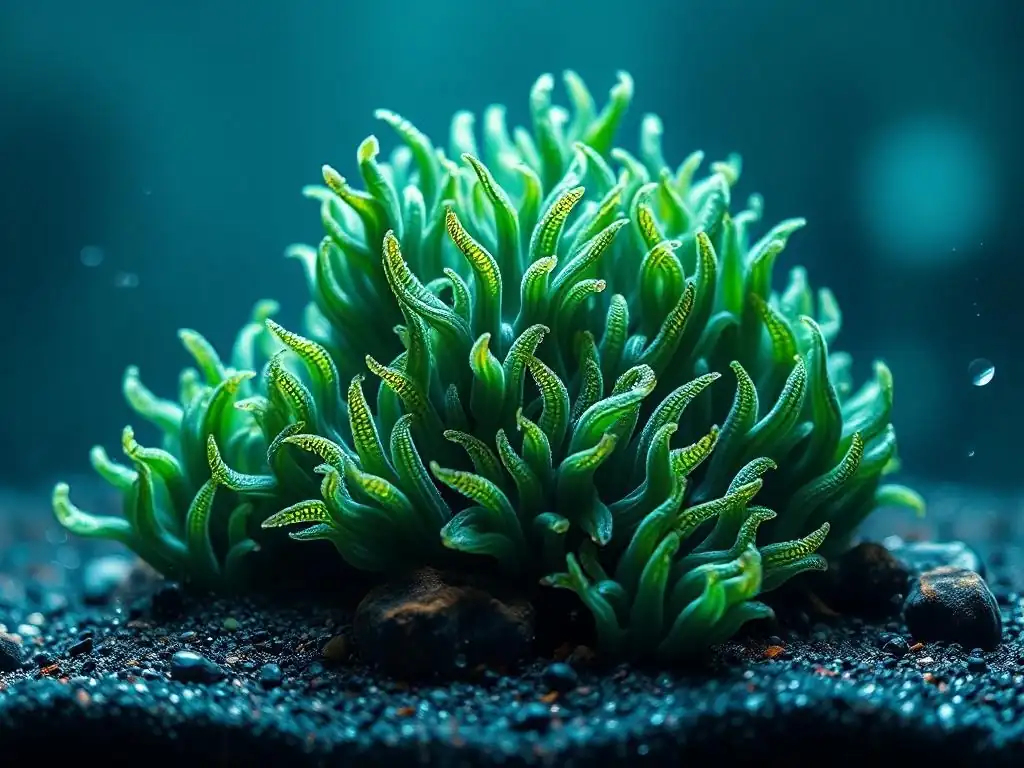
Effective nutrient management is perhaps the most critical aspect of preventing Chaeto die-off. This involves balancing the input of nutrients (from feeding, fish waste) with their export (through Chaeto growth, protein skimming, water changes). Avoid overfeeding your fish, as excess food quickly breaks down into nitrates and phosphates that can overwhelm your Chaeto or lead to nuisance algae blooms.
Regularly test your nitrate and phosphate levels to ensure they remain within the optimal range for Chaeto (e.g., nitrates 1-10 ppm, phosphates 0.03-0.1 ppm). If levels consistently trend low, consider slightly increasing feeding or carefully dosing a nitrate/phosphate supplement. If they trend high, increase water changes or harvest Chaeto more frequently. Proactive nutrient management prevents both starvation and overwhelming nutrient loads, significantly reducing the need for "Chaeto dying troubleshooting solutions."
Selecting Compatible Tank Mates
While Chaeto is primarily used in refugiums, if you choose to keep it in your main display tank, selecting compatible tank mates is crucial to prevent its premature demise. Research any new fish or invertebrate additions to ensure they are not known macroalgae grazers. Species like Tangs, some Angelfish, and certain crabs can view Chaeto as a food source, quickly decimating your beneficial algae.
If you already have grazers and want to incorporate Chaeto, housing it in a dedicated refugium is the safest and most effective solution. This ensures that the Chaeto can grow undisturbed, maximizing its nutrient export potential without the threat of being consumed. Careful planning of tank inhabitants is a simple yet effective preventative measure against this specific cause of Chaeto die-off.
Advanced Chaeto Care: Optimizing Growth and Efficiency
Utilizing a Dedicated Refugium for Chaeto
For serious aquarists looking to maximize Chaeto's benefits, utilizing a dedicated refugium is paramount. A refugium, typically a separate chamber in the sump or a hang-on-back unit, provides an isolated and stable environment for the Chaeto to grow without competition or predation from main tank inhabitants. This allows the Chaeto to reach its full potential in nutrient absorption.
A well-designed refugium often has specific baffling to ensure water flows efficiently through the Chaeto, preventing stagnant spots and maximizing nutrient delivery. Sizing is also important; a refugium volume of 10-20% of your main tank volume is often recommended for effective nutrient export. This dedicated space allows for optimal lighting, flow, and nutrient conditions specifically tailored for the Chaeto, making it a highly efficient and self-sustaining biological filter.
Implementing a Reverse Photoperiod
Implementing a reverse photoperiod for your refugium is an advanced yet highly beneficial practice for optimizing Chaeto's efficiency and overall tank stability. This means running your refugium lights during the hours when your main display tank lights are off (e.g., 12-18 hours during your tank's "night" cycle). During the day, when display lights are on, corals and other photosynthetic organisms consume CO2, causing pH to rise. At night, when these organisms respire, they release CO2, causing pH to drop.
By running the Chaeto light at night, the macroalgae actively consumes CO2 through photosynthesis, counteracting this natural nighttime pH drop. This helps to stabilize the aquarium's pH, minimizing daily fluctuations and creating a more stable environment for sensitive corals and fish. The reverse photoperiod also reduces competition for oxygen between the macroalgae and other photosynthetic organisms in the main tank during the day, further contributing to overall system health.
Carbon Dosing and its Impact on Chaeto
Carbon dosing (e.g., using vinegar, vodka, or biopellets) is a popular method for reducing nitrates and phosphates by promoting the growth of beneficial bacteria that consume these nutrients. While highly effective, it's crucial to understand its potential impact on Chaeto. Carbon dosing can drive nutrient levels to extremely low or even undetectable levels.
In such ultra-low nutrient systems (ULNS), Chaeto may struggle to thrive due to starvation. The bacteria promoted by carbon dosing directly compete with the Chaeto for the remaining trace amounts of nitrates and phosphates. If you are carbon dosing, monitor your nutrient levels very closely. You might find that your Chaeto growth slows significantly or even dies off if nutrients become too scarce. In these scenarios, you may need to reduce or cease carbon dosing, or consider supplementing nutrients specifically for the Chaeto, as part of your "Chaeto dying troubleshooting solutions" if you want to maintain both methods.
Conclusion: Mastering Chaeto Care for a Thriving Reef Aquarium.
Frequently Asked Questions
What are the most common signs that my Chaeto is dying?
The most common signs include bleaching, disintegration, and a change in color from vibrant green to pale yellow or brown. These signs often indicate underlying issues with your aquarium's conditions.
What are the primary causes of Chaeto dying in a saltwater aquarium?
The primary causes are usually related to poor water quality, insufficient lighting, and nutrient imbalances. Addressing these factors is crucial for Chaeto health.
How does nutrient imbalance contribute to Chaeto death?
Chaeto needs a balance of nutrients like nitrate and phosphate. Too little or too much of either can lead to nutrient deficiencies or algae outbreaks, stressing the Chaeto and causing it to die.
What type of lighting is ideal for preventing Chaeto from dying?
Chaeto thrives under moderate to high intensity lighting, typically provided by LED grow lights specifically designed for macroalgae. Ensure your light source provides the correct spectrum for optimal growth.
Besides lighting and nutrients, what other factors can affect Chaeto survival?
Other factors include water flow, temperature, and the presence of certain chemicals or medications in the aquarium water. Maintaining stable and suitable conditions is vital.
Final Reflection: The Resilient Dance of Life and Reef
The journey through troubleshooting dying Chaetomorpha, or Chaeto, is more than just a guide to saving a macroalgae; it's a microcosm of the larger ecological dance within our aquariums and, by extension, our planet. Understanding the delicate balance required for Chaeto to thrive mirrors the broader need for attentiveness and proactive care in all ecosystems. The lessons learned in diagnosing and rectifying issues like nutrient imbalances, inadequate lighting, or poor water flow are directly applicable to fostering resilience in any environment, reminding us that even the smallest organisms play a crucial role in the overall health of the system.
This exploration has deeply resonated with me, highlighting the interconnectedness of life within our reef tanks and the importance of our role as stewards. The fragility of Chaeto, often overlooked, serves as a potent reminder of the delicate balance we must strive to maintain, not just in our aquariums, but in the world around us. The ultimate test of a moral society is the kind of world that it leaves to its children.
This quote, though broad, perfectly encapsulates our responsibility to create thriving ecosystems, both large and small, for future generations.
Now, armed with the knowledge to diagnose and revive your Chaeto, I encourage you to extend this mindful approach beyond your aquarium. Consider the lessons learned about balance, observation, and proactive intervention. How can you apply these principles to other areas of your life, to your community, or even to the larger environmental challenges we face? Embrace the spirit of the reef keeper: be observant, be proactive, and be a champion for life, in all its resilient and interconnected forms.
Revive Your Reef: Breathe New Life Into Your Chaeto!
Thank you for diving into the world of chaeto! We hope you've gained valuable insights into keeping your macroalgae thriving. Now, let's put that knowledge into action and create an even healthier reef environment.
Here's how you can get started:
- Immediately adjust your lighting schedule based on the diagnostic tips – even a small tweak can make a big difference!
- Share this article with fellow reefers in your online community – help them conquer chaeto woes too!
- Experiment with different flow rates around your chaeto using a small powerhead – you might be surprised at the impact.
Ready to see your chaeto flourish? What specific adjustment will you make first to breathe new life into your refugium?