
Soft Water Secrets: Achieving Ideal Conditions for Delicate Dwarf Cichlids

Welcome to Aquarium Mastery!
Are you captivated by the vibrant colors and unique personalities of dwarf cichlids, but unsure how to provide the ideal environment for these delicate beauties? Dive into our "Soft Water Secrets" and unlock the key to thriving dwarf cichlids in your aquarium. Discover the crucial factors that influence their health and happiness, and prepare to be amazed by the difference the right water conditions can make. Curious to learn more? Let's begin!
- Understanding the Importance of Soft Water for Dwarf Cichlids
- Measuring and Testing Water Hardness for Dwarf Cichlids
- Methods for Softening Aquarium Water: A Comprehensive Guide
- Maintaining Stable Soft Water Parameters for Dwarf Cichlids
- Dwarf Cichlid Species and Their Specific Soft Water Requirements
- Troubleshooting Common Issues in Soft Water Dwarf Cichlid Tanks
- Creating the Ideal Soft Water Aquarium for Your Dwarf Cichlids: A Summary
-
Frequently Asked Questions
- How crucial is soft water for dwarf cichlids?
- What specific water parameters should I target for dwarf cichlids?
- How can I safely soften my aquarium water?
- What are the signs that my dwarf cichlids are suffering from hard water stress?
- Can I keep dwarf cichlids in moderately hard water if I acclimate them slowly?
- Final Reflection: Embracing the Delicate Balance
- Nurture Your Cichlids: Design the Perfect Soft Water Habitat!
Understanding the Importance of Soft Water for Dwarf Cichlids
Why Soft Water is Crucial for Dwarf Cichlid Health and Breeding
For delicate dwarf cichlids, water hardness is not merely a preference but a critical factor influencing their overall health, vitality, and reproductive success. Hard water, characterized by high concentrations of dissolved minerals like calcium and magnesium, can put significant physiological stress on these fish. Their internal systems, particularly osmoregulation, are designed for low-mineral environments, and constantly expelling excess minerals from hard water can lead to chronic stress, weakened immune systems, and a shortened lifespan. This often manifests as faded coloration, lethargy, and increased susceptibility to common aquarium diseases.
Beyond general health, optimal water hardness is indispensable for successful breeding. Many dwarf cichlid species, such as Mikrogeophagus ramirezi (Ram Cichlids) and various Apistogramma species, will simply not spawn or their eggs will not hatch in hard water. High mineral content can harden eggshells, preventing fertilization or the emergence of fry.
For instance, in moderately hard water (above 10 dGH), the hatching rate for Ram Cichlid eggs can drop below 20%, whereas in ideal soft water conditions (1-4 dGH), success rates can soar to over 80%. Providing the precise dwarf cichlid soft water environment is therefore foundational for any aquarist hoping to breed these captivating fish.
The Natural Habitat Connection: Replicating Soft Water Environments for Apistos and Rams
The preference of dwarf cichlids for soft water is deeply rooted in their natural origins. The vast majority of species popular in the aquarium hobby, including all Apistogramma and Mikrogeophagus species, hail from the immense river systems of South America, primarily the Amazon and Orinoco basins. These regions are characterized by "blackwater" or "clearwater" rivers, which are notoriously low in dissolved minerals. For example, the Rio Negro, a major tributary of the Amazon, is famous for its extremely soft water, often registering a General Hardness (GH) of less than 1 dGH and a pH between 4.0 and 5.5.
Replicating these natural dwarf cichlid soft water conditions in the home aquarium is paramount for their well-being. When kept in water that closely mimics their ancestral homes, these fish exhibit more natural behaviors, including elaborate courtship rituals and attentive parental care. Their vibrant colors, often muted in suboptimal conditions, truly come alive, showcasing the stunning biodiversity of their wild counterparts. This dedication to naturalistic water parameters not only promotes physical health but also contributes significantly to the psychological well-being of the fish, allowing them to thrive rather than merely survive.
Measuring and Testing Water Hardness for Dwarf Cichlids
Decoding Water Chemistry: Understanding GH and KH in Your Aquarium
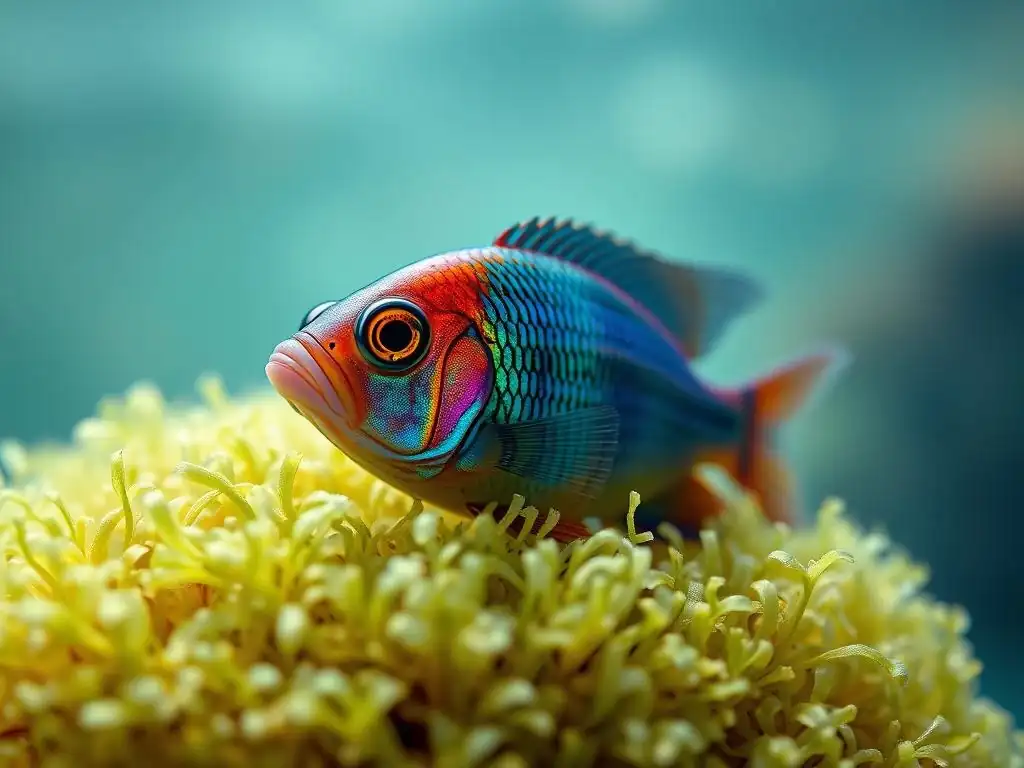
To effectively manage dwarf cichlid soft water, it's crucial to understand the two primary measures of water hardness: General Hardness (GH) and Carbonate Hardness (KH), also known as alkalinity. GH quantifies the concentration of dissolved bivalent metal ions, primarily calcium (Ca2+) and magnesium (Mg2+). These minerals directly impact a fish's osmoregulation, the process by which they maintain internal salt and water balance. For most sensitive dwarf cichlids, an ideal GH range is typically between 1 and 5 dGH (degrees of General Hardness), equivalent to approximately 18-90 parts per million (ppm).
KH, or alkalinity, measures the concentration of carbonate and bicarbonate ions, which act as crucial buffers against rapid pH fluctuations. While soft water implies low GH, it often also means low KH, making the water more susceptible to drastic pH swings. For dwarf cichlids, a KH range of 0-3 dKH (0-54 ppm) is commonly targeted. However, maintaining pH stability with such low buffering capacity requires diligent monitoring and careful management, as a sudden drop in pH (a "pH crash") can be fatal. Understanding both GH and KH is therefore essential for creating a stable and suitable environment.
Accurate Testing Methods: Choosing the Right Test Kit
Achieving and maintaining precise dwarf cichlid soft water parameters relies heavily on accurate and consistent water testing. While test strips offer convenience, their accuracy can be unreliable, often leading to misleading readings. For serious aquarists, liquid reagent test kits are the gold standard for measuring GH and KH. These kits involve adding drops of reagent to a water sample until a specific color change occurs, providing a much more precise and repeatable measurement. Reputable brands like API, Salifert, and Seachem offer reliable GH and KH titration kits that are widely used in the hobby.
When using liquid test kits, always follow the manufacturer's instructions meticulously. Ensure test tubes are clean and free of residues that could contaminate samples. Regular testing is paramount; monitoring GH and KH weekly, especially when establishing a new tank or making changes to your water softening regimen, is highly recommended. This proactive approach allows for timely adjustments, preventing stress to your delicate dwarf cichlids and ensuring their continued well-being in their carefully tailored soft water habitat.
Interpreting Your Results: What Your Water Hardness Readings Mean for Your Cichlids
Once you've performed your water hardness tests, interpreting the results is the next critical step in managing your dwarf cichlid soft water aquarium. For most Apistogramma species and Ram Cichlids, your GH readings should ideally fall within 1-5 dGH (18-90 ppm). If your readings are consistently higher, for example, 10 dGH or more, it indicates that your water is too hard and requires significant softening. Conversely, if your GH is consistently at 0 dGH, you might need to consider remineralization to ensure essential trace minerals are available for your fish and plants.
Your KH readings are equally important for pH stability. A target range of 0-3 dKH (0-54 ppm) is typical for soft water dwarf cichlid tanks. If your KH is consistently at 0 dKH, your aquarium is highly susceptible to pH crashes, which can be devastating for sensitive fish. While the goal is soft water, a complete absence of buffering capacity is a risk. Understanding these numbers allows you to make informed decisions about your water softening methods and remineralization strategies, ensuring a stable and healthy environment for your prized dwarf cichlids.
Methods for Softening Aquarium Water: A Comprehensive Guide
Reverse Osmosis (RO) Water: The Gold Standard for Soft Water Aquariums
Reverse Osmosis (RO) water is widely considered the most effective and precise method for achieving ideal dwarf cichlid soft water conditions. An RO system works by forcing tap water through a semi-permeable membrane that removes nearly all dissolved solids, including hardness minerals like calcium and magnesium, as well as chlorine, chloramines, heavy metals, and nitrates. This process typically removes 95-99% of impurities, yielding water that is virtually pure H2O. This purity provides aquarists with complete control over their water parameters, allowing them to build the exact water profile needed for sensitive species.
While highly effective, RO systems do have initial setup costs and produce wastewater (the concentrate that carries away the impurities). A typical RO system might have a rejection rate of 1:3 or 1:4, meaning for every gallon of pure RO water produced, 3 to 4 gallons of wastewater are sent down the drain.
Despite this, the consistency and purity of RO water make it an invaluable tool for dedicated aquarists, especially those keeping very delicate species or striving for optimal breeding conditions. It allows for the creation of a truly blank slate, ready to be precisely tailored for your dwarf cichlids.
Setting Up an RO System for Your Dwarf Cichlid Tank
Setting up an RO system for your dwarf cichlid soft water tank typically involves connecting the unit to a cold water line, often under a kitchen sink or to a utility sink faucet. A basic RO unit consists of pre-filters (usually a sediment filter to remove particulate matter and carbon block filters to remove chlorine and chloramines), the RO membrane itself, and sometimes a post-filter for final polishing. Units are rated by their Gallons Per Day (GPD) output, ranging from 50 GPD for smaller needs to 100 GPD or more for larger aquariums or multiple tanks.
Once installed, the pure RO water needs to be collected and stored in a clean, food-grade container, such as a 20-gallon plastic drum. It's crucial not to use RO water directly from the unit for water changes without proper preparation. The water should be allowed to reach room temperature and be aerated. For water changes, it is often mixed with a small percentage of dechlorinated tap water, or more commonly, remineralized to achieve the desired GH and KH levels before being added to the aquarium.
RO Water Considerations: Remineralization and pH Buffering
While RO water is ideal for its purity in achieving dwarf cichlid soft water, it is too pure to be used directly in an aquarium. It lacks essential minerals that fish need for osmoregulation, bone development, and overall health. Furthermore, pure RO water has virtually no buffering capacity (0 dKH), making its pH extremely unstable and prone to rapid fluctuations, which can be lethal to fish. Therefore, remineralization is a non-negotiable step when using RO water.
Specialized RO remineralizers, such as Seachem Equilibrium or SaltyShrimp GH/KH+, are designed to add back the necessary minerals without significantly increasing hardness beyond desired levels. These products typically contain calcium, magnesium, and potassium. For planted tanks, additional macronutrients may be required. By carefully adding these remineralizers, aquarists can precisely control their GH and KH, creating a stable and healthy soft water environment with a buffered pH (typically between 5.5 and 6.8) that is perfect for delicate dwarf cichlids.
Peat Moss Filtration: Naturally Softening Water for Cichlids
Peat moss is a natural and effective method for softening water and creating blackwater conditions, highly beneficial for many dwarf cichlid soft water species. As sphagnum peat moss breaks down in water, it releases humic acids and fulvic acids. These organic acids naturally lower the pH and chelate (bind to) calcium and magnesium ions, thereby reducing the General Hardness (GH). Beyond softening, peat filtration also imparts a characteristic tea-like stain to the water, mimicking the appearance of natural blackwater rivers found in the Amazon basin.
The benefits of peat extend beyond just water softening. The humic substances released by peat have mild antiseptic and anti-fungal properties, which can help reduce stress and improve the overall health and immunity of fish. They also enhance the vibrant, natural coloration of blackwater fish, allowing their true beauty to shine. For species like Apistogramma and Ram Cichlids, peat filtration helps create an environment that closely replicates their wild habitats, promoting natural behaviors and successful breeding.
Using Peat Pellets, Granules, and Extracts Effectively
Peat can be incorporated into an aquarium in several ways to achieve dwarf cichlid soft water. The most common methods involve using peat pellets or granules. These are typically placed in a mesh media bag and added to a canister filter, hang-on-back filter, or sump, allowing water to flow through them. This method provides controlled release of humic acids and allows for easy removal and replacement. The amount of peat used will depend on the initial hardness of your tap water and the desired level of softening and pH reduction.
Alternatively, liquid peat extracts are available, offering a more precise way to dose humic substances. These extracts allow for finer control over water parameters and can be particularly useful for fine-tuning pH and water tint without the physical presence of peat in the filter. Regardless of the form, it's crucial to monitor water parameters closely, especially pH, as peat can cause significant drops. Start with small amounts and gradually increase until desired conditions are met, replacing the peat every 2-4 weeks as its softening capacity diminishes.
The Benefits of Peat: Humic Substances and Blackwater Conditions
The humic substances released by peat moss are the key to its beneficial effects in a dwarf cichlid soft water aquarium. These complex organic compounds are abundant in the natural blackwater habitats of many South American cichlids. In the aquarium, they contribute to a stable, slightly acidic pH and help chelate heavy metals, making them less toxic to fish. The characteristic dark tint of blackwater also reduces light penetration, which can help calm shy species and reduce stress, encouraging more natural behavior.
Beyond the chemical and visual benefits, humic substances have documented health advantages for fish. They can enhance the fish's slime coat, providing an additional protective barrier against pathogens. Some research suggests they may even inhibit the growth of certain parasites and bacteria, contributing to a healthier environment. For species that naturally inhabit these conditions, the presence of humic and fulvic acids from peat is not just an aesthetic choice but a vital component for their long-term health and well-being.
Chemical Softeners: Ion Exchange Resins for Reducing Water Hardness
Chemical softeners, primarily ion exchange resins, offer another method for reducing water hardness and achieving dwarf cichlid soft water. These resins work by exchanging hardness-causing ions, such as calcium and magnesium, for other ions, typically sodium or hydrogen ions, which do not contribute to water hardness. They are generally available in granular form and are placed in a media bag within the aquarium filter, allowing water to flow through them.
Ion exchange resins can be effective for temporary hardness reduction or as a supplemental method in conjunction with other softening techniques. Some resins are designed to be rechargeable by soaking them in a salt solution, while others are single-use. They offer a quick way to lower GH, but their effects must be carefully monitored to prevent rapid fluctuations in water parameters, which can be detrimental to sensitive dwarf cichlids.
Choosing the Right Resin for Your Tank Size and Needs
When considering ion exchange resins for your dwarf cichlid soft water setup, it's important to choose the right type and quantity for your specific tank size and current water hardness. Different resins have varying capacities for hardness removal. For instance, some resins are designed for general hardness reduction, while others might specifically target certain ions. Always check the product specifications regarding the volume of water the resin can treat and its expected lifespan.
For larger tanks or particularly hard tap water, you may need a larger quantity of resin or more frequent regeneration/replacement. It is also crucial to ensure that the chosen resin is safe for aquarium use and does not release any harmful byproducts into the water. Some sodium-based resins can increase the sodium content of the water, which while generally harmless to most fish, could be a concern for extremely sensitive species or if used excessively. Always err on the side of caution and research thoroughly before introducing any chemical softener.
Careful Monitoring: Avoiding Fluctuations in Water Parameters
While ion exchange resins can be effective for creating dwarf cichlid soft water, they require careful monitoring to prevent undesirable fluctuations in water parameters. The primary risk is that the resin's capacity to remove hardness will deplete over time. If not replaced or regenerated promptly, water hardness can gradually creep back up, or worse, if too much resin is used or the water is softened too quickly, it can cause a sudden and drastic change in parameters.
Rapid shifts in GH or pH can cause severe stress and even death in delicate dwarf cichlids. Therefore, regular and consistent testing of your GH and KH levels is absolutely essential when using chemical softeners. This allows you to track the resin's effectiveness and replace or recharge it before it loses its capacity entirely. Proactive maintenance and vigilant monitoring are key to using resins safely and maintaining stable conditions for your fish.
Rainwater Harvesting: An Alternative Softening Method
Rainwater harvesting presents a natural and often free alternative for obtaining dwarf cichlid soft water. Rainwater is essentially distilled water, formed through evaporation and condensation, meaning it is naturally very soft, typically registering GH and KH values close to 0 dGH/dKH. This makes it an excellent base for creating the ideal conditions for sensitive dwarf cichlids, as it provides a pure, low-mineral starting point similar to RO water.
However, collecting rainwater requires careful consideration to ensure it's safe for aquarium use. It should be collected in clean, food-grade containers, avoiding contact with roofs that might be treated with chemicals (e.g., pesticides, moss inhibitors) or contain heavy metals (e.g., from old gutters or shingles). Runoff from areas with significant air pollution should also be avoided. Just like RO water, pure rainwater will need to be remineralized to provide essential minerals and buffering capacity before being introduced into the aquarium to prevent mineral deficiencies and pH instability.
Maintaining Stable Soft Water Parameters for Dwarf Cichlids
Regular Water Changes: The Key to Long-Term Stability
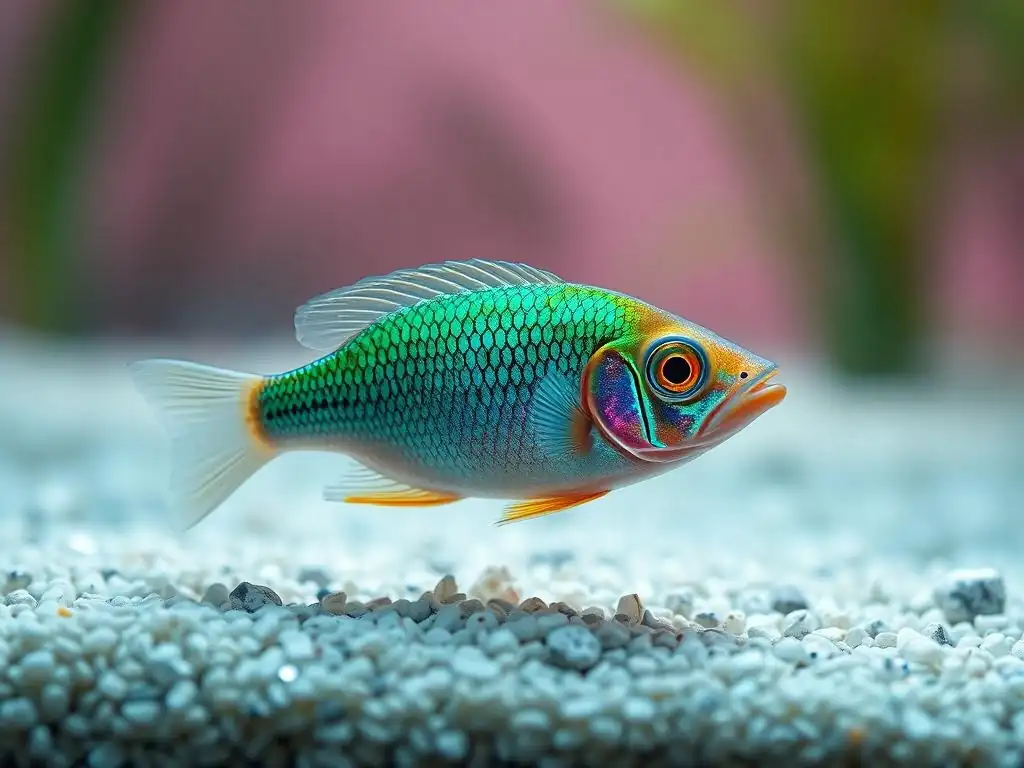
Even after achieving the initial dwarf cichlid soft water parameters, maintaining their stability over time is crucial. Despite your best efforts, minerals can slowly accumulate in the aquarium water from various sources, including fish waste, uneaten food, and even evaporation. When water evaporates, only the pure H2O leaves the tank, leaving behind all dissolved minerals, which concentrates the hardness over time. Therefore, regular water changes are the most effective way to dilute these accumulated substances and replenish essential trace elements.
For sensitive dwarf cichlids, a routine of 20-30% weekly water changes is commonly recommended. It is imperative that the new water used for changes is pre-prepared to match the desired soft water parameters of your tank (e.g., using remineralized RO water or pre-softened tap water). The new water should also be temperature-matched to the aquarium water to prevent temperature shock, which can be particularly stressful for delicate species. Consistent, carefully managed water changes are the cornerstone of long-term stability in a soft water aquarium.
Monitoring pH and Alkalinity: Preventing Drastic Swings
One of the significant challenges in maintaining dwarf cichlid soft water is the inherent instability of pH due to very low Carbonate Hardness (KH). With minimal buffering capacity, the pH of the water can fluctuate rapidly in response to various factors, such as the accumulation of organic acids from decaying matter, fish respiration (which produces CO2), or the use of CO2 injection for planted tanks. Sudden pH drops, often referred to as "pH crashes," can be highly detrimental and potentially fatal to sensitive dwarf cichlids.
To prevent such drastic swings, consistent monitoring of both pH and KH is essential, ideally on a weekly basis. Aim to maintain a KH of at least 1-2 dKH to provide some buffering capacity, even in very soft water. Strategies to enhance stability include performing regular, small water changes with properly buffered soft water, ensuring good aeration to off-gas excess CO2, and using natural buffers like driftwood, which slowly release humic acids that help stabilize pH at slightly acidic levels. Avoid adding large amounts of pH-altering chemicals, as these can cause more harm than good through rapid fluctuations.
Avoiding Hard Water Sources: Choosing the Right Tap Water Conditioner
For aquarists aiming for dwarf cichlid soft water, understanding your local tap water quality is paramount. Many municipal water supplies are naturally moderately to very hard, often registering GH values of 10 dGH or more. Using unsoftened tap water, even after dechlorinating it, for top-offs or water changes will inevitably increase the hardness of your aquarium over time, undermining your efforts to create a soft water environment.
When performing top-offs to replace evaporated water, always use pure Reverse Osmosis (RO) water or distilled water, as evaporation concentrates minerals. For water changes, use water that has already been softened to the desired parameters. When conditioning any tap water that might be used (e.g., for initial setup before softening), always choose a high-quality water conditioner that effectively neutralizes chlorine, chloramines, and heavy metals. Some conditioners also include ingredients that reduce fish stress or boost their slime coat, offering additional benefits for delicate dwarf cichlids.
Dwarf Cichlid Species and Their Specific Soft Water Requirements
Apistogramma Soft Water Needs: Tailoring Conditions for Different Species
The genus Apistogramma encompasses a vast array of dwarf cichlid species, most of which originate from the soft, acidic waters of the Amazon and Orinoco river basins. While general guidelines for dwarf cichlid soft water apply, the specific requirements can vary slightly between species. For instance, popular species like Apistogramma cacatuoides (Cockatoo Dwarf Cichlid) and Apistogramma agassizii thrive in water with a General Hardness (GH) of 1-5 dGH and a pH between 5.0 and 6.5. Their natural habitats often feature GH values well below 2 dGH.
However, some Apistogramma species, such as Apistogramma borellii (Umbrella Apisto), are slightly more adaptable and can tolerate GH levels up to 8 dGH, although they still prefer softer conditions for optimal health and breeding. Conversely, highly sensitive species like Apistogramma macmasteri or Apistogramma hongsloi often demand extremely soft water, with GH below 3 dGH and a pH closer to 5.0-6.0, especially when breeding. Researching the precise natural habitat parameters for your chosen Apistogramma species is crucial to tailor the soft water conditions to their specific needs, ensuring their vibrant coloration and successful reproduction.
Ram Cichlid (Mikrogeophagus ramirezi) Soft Water Preferences: Optimizing for Color and Health
Ram Cichlids, particularly the popular German Blue Rams ( Mikrogeophagus ramirezi), are renowned for their stunning coloration but also for their sensitivity to water parameters. They are perhaps the quintessential dwarf cichlid soft water species, demanding extremely soft and acidic conditions to truly thrive. Ideal parameters for Ram Cichlids are consistently cited as a General Hardness (GH) of 1-3 dGH, a Carbonate Hardness (KH) of 0-1 dKH, and a pH between 5.0 and 6.5. Deviations from these parameters can quickly lead to stress and health issues.
Keeping Ram Cichlids in hard or even moderately hard water (e.g., above 5 dGH) almost invariably results in stunted growth, dull coloration, and a significantly reduced lifespan, often just a few months compared to their potential 2-3 years. They become highly susceptible to common diseases like ich and bacterial infections. For aquarists dedicated to these beautiful fish, replicating their natural soft, acidic, and often blackwater habitats is not merely a recommendation but a necessity for their long-term health, vibrant display, and successful breeding. Wild-caught Rams are even more demanding of these precise conditions than their tank-bred counterparts.
Kribensis Cichlid (Pelvicachromis pulcher) Soft Water Tolerances: Balancing Conditions in a Community Tank
The Kribensis Cichlid ( Pelvicachromis pulcher) stands out among dwarf cichlids for its remarkable adaptability to a wider range of water parameters compared to its more sensitive cousins like Rams or many Apistogramma species. While they certainly appreciate soft, acidic water, Kribensis can tolerate conditions that would be detrimental to other dwarf cichlids. They can thrive in a General Hardness (GH) range of 5-15 dGH and a pH between 6.0 and 7.5, making them a more forgiving option for community tanks where extremely soft water might not be feasible for all inhabitants.
Despite their tolerance, Kribensis will still exhibit their best coloration and breeding behavior in softer, slightly acidic water, ideally around GH 5-8 dGH and pH 6.0-7.0. When planning a community tank that includes Kribensis alongside more delicate species, the water parameters should always be optimized for the most sensitive fish. This means that even with Kribensis, if you are keeping them with Apistos or Rams, a dwarf cichlid soft water setup remains the most appropriate choice to ensure the well-being of all tank inhabitants. Their hardiness makes them an excellent entry point for aquarists looking to keep dwarf cichlids.
Troubleshooting Common Issues in Soft Water Dwarf Cichlid Tanks
pH Crashes: Identifying and Preventing Sudden Drops in pH
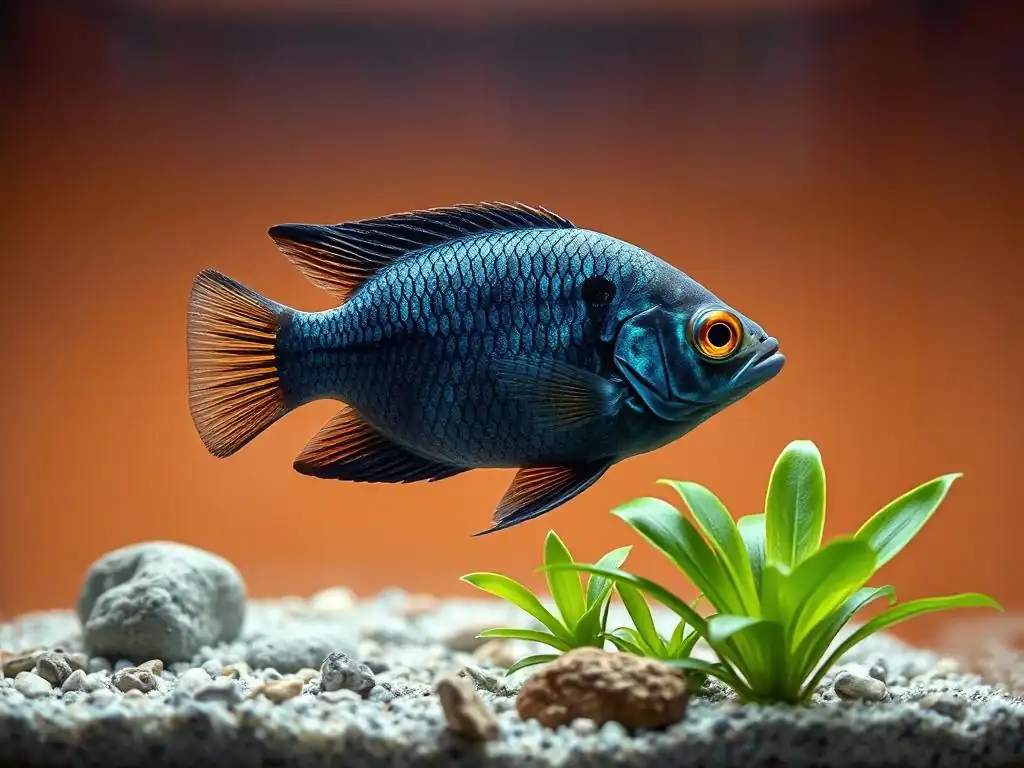
One of the most critical issues in dwarf cichlid soft water tanks is the risk of a pH crash, a sudden and drastic drop in pH that can be lethal to fish. The primary cause of pH crashes in soft water environments is very low Carbonate Hardness (KH), which means the water has little to no buffering capacity to resist changes in acidity. The accumulation of organic acids from decaying plant matter, uneaten food, fish waste, and even the natural release of carbon dioxide from fish respiration can rapidly deplete the minimal buffering, leading to a precipitous pH drop.
Preventing pH crashes requires diligent monitoring and proactive measures. Regularly test your KH levels, aiming for at least 1-2 dKH to provide a minimal buffer. Perform small, frequent water changes with properly prepared and buffered soft water to dilute accumulating organic acids.
Ensure good surface agitation and aeration to help off-gas excess CO2. In extreme cases of consistently zero KH, a very small amount of a GH/KH remineralizer can be added cautiously, or a tiny amount of crushed coral can be placed in the filter (removed once desired KH is reached) to slowly raise buffering capacity, but this must be done with extreme care to avoid overshooting desired parameters.
Soft Water Algae Problems: Managing Algae Growth in Low-Mineral Environments
While dwarf cichlid soft water setups might seem less prone to algae due to lower mineral content, certain types of algae can still thrive, and sometimes even flourish, if nutrient imbalances or excessive light are present. Common culprits include hair algae, staghorn algae, or even green spot algae, especially if there are deficiencies in specific trace minerals like potassium or an excess of nitrates and phosphates. The low buffering capacity of soft water can also make it challenging to maintain stable CO2 levels for planted tanks, which can contribute to algae growth if plants are not thriving.
Managing algae in a soft water tank involves a multi-faceted approach. Maintain consistent nutrient levels through appropriate fertilization for planted tanks and regular water changes to export excess nitrates and phosphates. Ensure your lighting duration is appropriate (typically 8-10 hours per day). Good water circulation is also vital to prevent dead spots where algae can accumulate. Introducing soft water-compatible algae eaters, such as Otocinclus catfish, can provide a natural control method. Addressing the root cause, whether it's nutrient imbalance, excessive light, or fluctuating CO2, is key to long-term algae control.
Mineral Deficiencies: Supplementing Essential Minerals in Soft Water
In extremely soft water setups, particularly those relying solely on Reverse Osmosis (RO) water or pure rainwater without proper remineralization, fish can develop mineral deficiencies. These essential minerals, such as calcium, magnesium, and potassium, are vital for various physiological processes, including bone development, osmoregulation, and nerve function. Symptoms of mineral deficiencies in fish can include stunted growth, lethargy, faded coloration, poor appetite, and a weakened immune system, making them more susceptible to disease. Plants in such setups will also show signs of nutrient deficiencies, such as yellowing leaves or stunted growth.
To prevent mineral deficiencies in a dwarf cichlid soft water aquarium, it is absolutely crucial to remineralize your RO or rainwater to the appropriate General Hardness (GH) levels (e.g., 1-5 dGH) suitable for your specific dwarf cichlid species. Use a high-quality RO remineralizer specifically formulated for freshwater aquariums, as these products provide a balanced spectrum of essential minerals.
For planted tanks, ensure you are also using a comprehensive liquid fertilizer that supplies all necessary macro and micronutrients that might be absent in ultra-soft water. Regular water testing will confirm that your remineralization efforts are maintaining stable and adequate mineral levels.
Creating the Ideal Soft Water Aquarium for Your Dwarf Cichlids: A Summary
Key Takeaways: The Essentials of Dwarf Cichlid Soft Water Care
The journey to successfully keeping and breeding delicate dwarf cichlids culminates in mastering the art of dwarf cichlid soft water management. It is unequivocally clear that providing a soft, acidic, and stable aquatic environment is not merely a preference but a fundamental requirement for their vibrant health, brilliant coloration, and prolific breeding. This approach directly replicates their natural habitats in the Amazon and Orinoco basins, minimizing stress and encouraging natural behaviors.
The core pillars of successful dwarf cichlid soft water care include understanding and accurately testing your GH and KH, then employing effective softening methods such as Reverse Osmosis (RO) water remineralization or peat filtration. Crucially, maintaining stability through regular, pre-prepared water changes and vigilant monitoring of pH and alkalinity is paramount. By adhering to these principles, aquarists can transform their tanks into thriving ecosystems where these captivating fish can flourish.
Next Steps: Continuing Your Education and Refining Your Techniques.
Creating an ideal dwarf cichlid soft water aquarium is an ongoing process of learning and refinement. While this guide provides a comprehensive foundation, the world of dwarf cichlids is vast, with each species potentially having nuanced requirements. Your next steps should involve delving deeper into the specific needs of your chosen dwarf cichlid species, researching their precise natural habitat parameters, and observing their behavior closely in your own setup.
Consider starting with a smaller, dedicated dwarf cichlid soft water tank to gain hands-on experience before scaling up to larger or more complex setups. Experiment cautiously with water softening methods and remineralization to fine-tune your parameters. Patience, consistent observation, and a commitment to continuous learning are the hallmarks of a successful aquarist. By embracing these principles, you will undoubtedly unlock the full potential of your delicate dwarf cichlids, enjoying their beauty and intriguing behaviors for years to come.
Frequently Asked Questions
How crucial is soft water for dwarf cichlids?
Soft water is extremely important for many dwarf cichlid species. They originate from environments with naturally low mineral content, and hard water can cause stress and health problems. Maintaining proper water parameters is key.
What specific water parameters should I target for dwarf cichlids?
Target a pH between 6.0 and 7.0 and a KH (carbonate hardness) below 4 dKH. The exact parameters will vary depending on the specific species. Always research your chosen species thoroughly!
How can I safely soften my aquarium water?
Several methods exist, including using reverse osmosis (RO) water, peat filtration, or commercially available water softening products. RO water is the most reliable but remember to remineralize it appropriately.
What are the signs that my dwarf cichlids are suffering from hard water stress?
Signs can include clamped fins, lethargy, loss of appetite, and increased susceptibility to disease. Monitor your fish closely for any changes in behavior or appearance.
Can I keep dwarf cichlids in moderately hard water if I acclimate them slowly?
While slow acclimation can help, it's not a substitute for truly soft water. Many species will still struggle to thrive and reproduce in harder conditions. Always strive for optimal conditions for long-term health.
Final Reflection: Embracing the Delicate Balance
The journey into understanding the specific needs of dwarf cichlids in soft water reveals more than just aquarium chemistry; it highlights the importance of meticulous observation and adaptation in all aspects of life. Just as these delicate creatures thrive in carefully controlled environments, so too do we flourish when we pay close attention to the subtle nuances of our surroundings and adjust our approach accordingly.
The dedication required to maintain ideal soft water conditions for dwarf cichlids mirrors the commitment needed to nurture any fragile ecosystem, whether it be a personal relationship or a global environment. This pursuit has deepened my appreciation for the interconnectedness of life and the profound impact even small changes can have. The care of one life is the care of all life.
This quote resonates deeply, reminding us that the attention we give to the smallest details can create ripples of positive change throughout the world.
Now, consider the lessons learned from the world of dwarf cichlids and their soft water requirements. How can you apply this same level of dedication and attention to detail in your own life? Take a moment to reflect on the delicate balances you maintain, the subtle adjustments you can make, and the positive impact you can create by embracing the responsibility of nurturing the fragile ecosystems around you. Let the pursuit of ideal conditions for these beautiful fish inspire you to cultivate a more harmonious and thriving world, one careful adjustment at a time.
Nurture Your Cichlids: Design the Perfect Soft Water Habitat!
Thank you for delving into the art of creating ideal soft water conditions for your delicate dwarf cichlids. Now, it's time to translate that knowledge into a thriving aquatic environment where they can truly flourish.
Here's how you can take the next steps:
- Start Small, Observe Closely: Begin by carefully adjusting the water parameters in your existing tank in small increments, meticulously monitoring your cichlids' behavior and water chemistry to ensure their well-being throughout the transition.
- Explore Alternative Methods: Research natural methods of softening water, such as using peat moss or driftwood, to discover which technique resonates best with your aquarium's ecosystem.
- Share your Experiences: Join our Aquarium Mastery community forum and post a photo of your dwarf cichlid setup, detailing the specific steps you've taken to achieve soft water conditions, inspiring others to create similar environments.
What's the first parameter you'll adjust to create the perfect soft water haven for your dwarf cichlids?