
Common Betta Tank Setup Mistakes to Avoid at All Costs

Welcome to Aquarium Mastery!
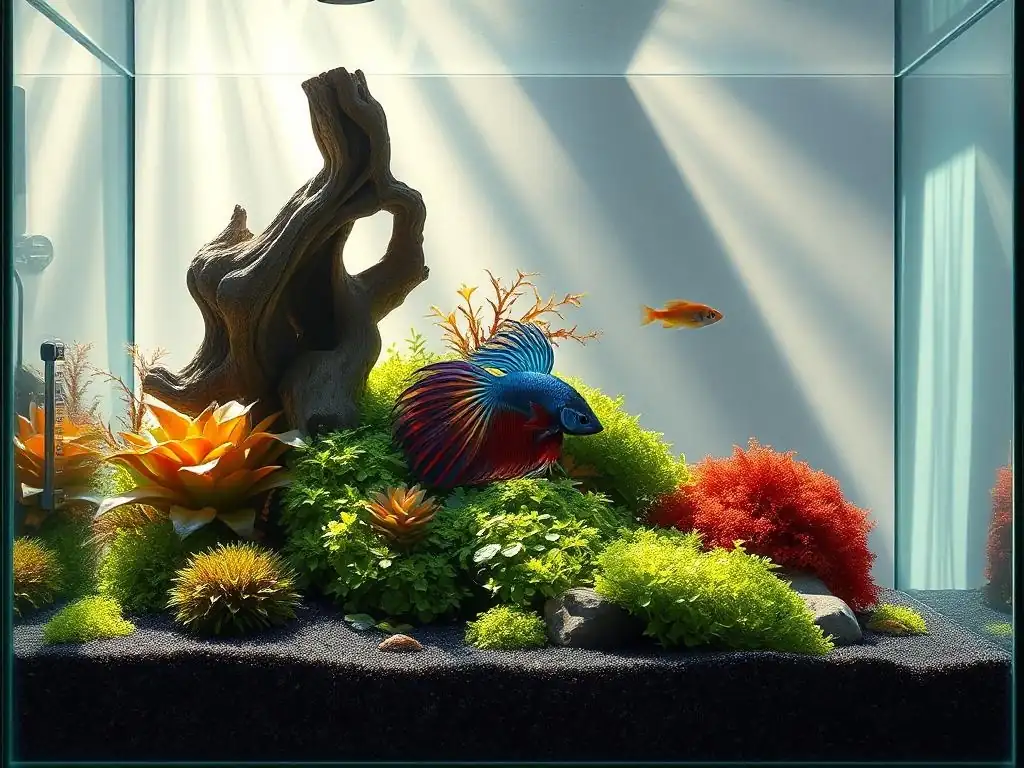
Dive into the fascinating world of aquariums with us! Building a thriving underwater ecosystem can be incredibly rewarding, but even the most experienced aquarists can encounter unexpected challenges. Are you ready to create the perfect home for your Betta? Before you take the plunge, let's explore some crucial aspects of Betta tank setup problems that can make or break your fish's happiness. Discover common pitfalls and how to avoid them, ensuring your Betta thrives in its new environment. Ready to unlock the secrets to a healthy and vibrant Betta tank? Let's get started!
- Introduction: Ensuring a Healthy Environment for Your Betta
- Mistake #1: Neglecting Tank Size Requirements for Betta Fish
- Mistake #2: Ignoring Water Parameters and Cycling Your Betta Tank
- Mistake #3: Choosing the Wrong Substrate and Decorations for Your Betta
- Mistake #4: Inadequate Water Filtration and Maintenance
- Mistake #5: Incorrect Water Temperature and Heating
- Mistake #6: Incompatible Tank Mates (or Overstocking)
- Mistake #7: Ignoring Plant Needs and Lighting
- Mistake #8: Overfeeding Your Betta
- Mistake #9: Neglecting Water Testing and Monitoring
- Conclusion: Creating a Thriving Habitat for Your Betta Fish
-
Frequently Asked Questions
- ### What is the most common mistake people make when setting up a Betta tank?
- ### Why is proper water temperature so crucial for a Betta tank?
- ### What type of filtration system is best for a Betta tank, and why is it important?
- ### Can I put a Betta in a community tank? What factors should I consider?
- ### What are the key signs that my Betta tank setup is causing problems for my fish?
- Final Reflection: Nurturing a Thriving Betta World
- Transform Your Betta's Life Today!
Introduction: Ensuring a Healthy Environment for Your Betta
Setting up an aquarium for a Betta fish, often admired for its vibrant colors and flowing fins, might seem straightforward. However, many aquarists, especially beginners, inadvertently make common errors that can severely impact their Betta's health and lifespan. These "Betta tank setup problems" range from incorrect tank sizing to neglecting crucial water parameters, leading to stress, disease, and unfortunately, premature death for these beautiful labyrinth fish.
Understanding and avoiding these prevalent mistakes is paramount to providing a thriving and enriching environment for your Betta. This article will delve into the most significant "Betta tank setup problems" and offer practical, actionable advice to ensure your aquatic companion enjoys a long, healthy, and vibrant life. By addressing these issues proactively, you can transform a simple tank into a true sanctuary.
Mistake #1: Neglecting Tank Size Requirements for Betta Fish
Why Small Bowls are Detrimental to Betta Health
The persistent myth that Bettas can thrive in tiny bowls or vases is one of the most damaging "Betta tank setup problems." Contrary to popular belief, small containers, often less than 2.5 gallons, offer an extremely unstable and unhealthy environment. Such limited water volume makes it impossible to maintain stable temperatures and consistent water parameters, leading to rapid fluctuations that severely stress the fish. For instance, a 1-gallon bowl can see ammonia levels spike to lethal concentrations (e.g., 2.0 ppm or higher) within a day of feeding, as there's insufficient water to dilute waste products effectively.
Furthermore, the lack of space in small bowls restricts a Betta's natural swimming behavior, leading to muscle atrophy and lethargy. The constant exposure to elevated toxins like ammonia and nitrite, combined with chronic stress, weakens their immune system, making them highly susceptible to common ailments such as fin rot, bacterial infections, and swim bladder disorders. These cramped conditions are a far cry from their natural habitats, which, while sometimes appearing as puddles during dry seasons, are typically vast rice paddies and slow-moving streams that offer immense space and biological stability.
The Ideal Tank Size for a Single Betta: Recommendations
For a single Betta fish, the absolute minimum recommended tank size is 5 gallons. A 5-gallon aquarium provides adequate space for a Betta to swim comfortably, establish a territory, and exhibit natural behaviors. More importantly, this volume allows for greater stability in water parameters, making it significantly easier to manage the nitrogen cycle and prevent toxic buildups. For example, a 5-gallon tank, when properly filtered and maintained, can keep nitrates below 20 ppm with weekly 25-30% water changes, whereas a 1-gallon bowl would require daily water changes to achieve similar results, which is impractical and stressful for the fish.
While 5 gallons is the minimum, a 10-gallon tank offers even greater benefits, including enhanced water stability, more room for decor and live plants, and the potential for carefully selected, peaceful tank mates (though this requires careful consideration). Larger tanks dilute waste more effectively and are less prone to rapid temperature swings, offering a more forgiving environment for both the fish and the aquarist. Investing in a larger tank from the outset is a proactive step to prevent many common "Betta tank setup problems."
Overcrowding: The Dangers of Keeping Bettas in Too-Small Tanks
Overcrowding, whether by attempting to house multiple Bettas (outside of a carefully managed female sorority in a very large tank) or adding incompatible tank mates to an undersized aquarium, exacerbates "Betta tank setup problems." In a small tank, adding even a single snail can increase the bioload significantly, accelerating the accumulation of ammonia and nitrite. For instance, in a 5-gallon tank, adding two small fish or several shrimp alongside a Betta can quickly push ammonia levels beyond safe limits if filtration and water changes are not perfectly managed.
The primary danger of overcrowding is the rapid deterioration of water quality. More inhabitants mean more waste, leading to higher concentrations of harmful compounds. This heightened bioload overwhelms the beneficial bacteria responsible for the nitrogen cycle, resulting in constant exposure to toxins. Furthermore, overcrowding intensifies stress and aggression among tank inhabitants. Bettas, even those considered peaceful, can become highly aggressive when confined to small spaces with other fish, leading to fin nipping, injuries, and chronic stress that compromises their immune system and shortens their lifespan.
Mistake #2: Ignoring Water Parameters and Cycling Your Betta Tank
The Importance of the Nitrogen Cycle for Betta Fish
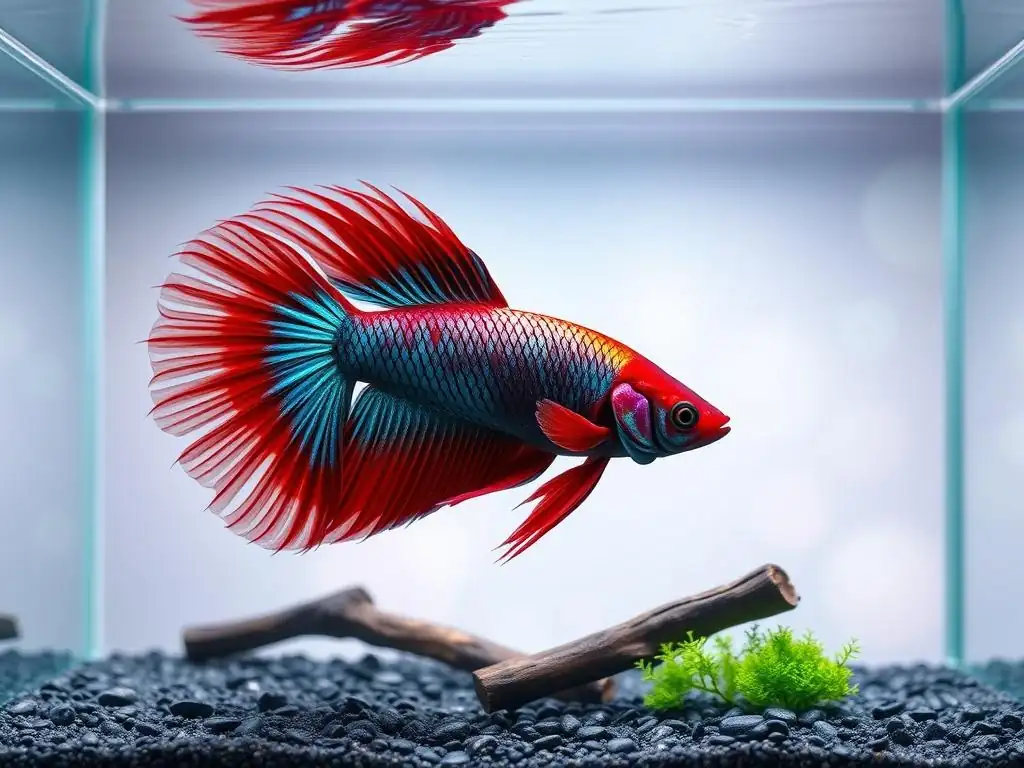
Understanding the nitrogen cycle is foundational to avoiding critical "Betta tank setup problems." This natural biological process converts highly toxic fish waste products into less harmful substances. When fish excrete waste and uneaten food decays, it releases ammonia (NH3), which is extremely toxic to fish, causing gill damage and internal organ failure even at low concentrations (e.g., 0.1 ppm). Specialized beneficial bacteria, primarily Nitrosomonas species, then convert ammonia into nitrite (NO2-), which is also highly toxic, interfering with oxygen uptake in fish blood.
Finally, another group of beneficial bacteria, mainly Nitrobacter species, converts nitrite into nitrate (NO3-). While nitrate is significantly less toxic than ammonia or nitrite, it can still be harmful in high concentrations (above 20 ppm) and must be managed through regular partial water changes. This cycle, once established, acts as the aquarium's natural waste processing plant, ensuring a safe and stable environment for your Betta. Without a fully cycled tank, your Betta is constantly exposed to deadly toxins.
Uncycled Tank Syndrome: A Common Killer of Betta Fish
"Uncycled tank syndrome," often referred to as "new tank syndrome," is a leading cause of death for newly acquired Bettas and a prevalent "Betta tank setup problem." This occurs when fish are introduced into an aquarium before the beneficial bacteria colonies necessary for the nitrogen cycle have had a chance to establish themselves. As soon as a fish is added, it begins producing ammonia. Without sufficient bacteria to process it, ammonia levels rapidly climb to dangerous, often lethal, concentrations.
Symptoms of uncycled tank syndrome in Bettas include lethargy, clamped fins, loss of appetite, gasping at the surface (due to gill damage), reddish gills, and rapid breathing. Within days, the fish can become severely ill or die. For example, a Betta introduced into an uncycled 5-gallon tank might show severe distress within 24-48 hours as ammonia spikes from 0 ppm to 1.0-2.0 ppm, levels that are acutely toxic. This critical oversight transforms what should be a welcoming home into a toxic death trap.
How to Properly Cycle Your Betta Tank: A Step-by-Step Guide
Properly cycling a Betta tank is a crucial step to prevent uncycled tank syndrome and related "Betta tank setup problems." The most recommended method is a "fishless cycle," which avoids exposing fish to toxic ammonia and nitrite spikes. This process typically takes 4-6 weeks, sometimes longer, depending on various factors like temperature and pH.
Here's a step-by-step guide:
- Set up the tank: Install the filter, heater, substrate, and decorations. Fill the tank with dechlorinated water and set the heater to 78-80°F (25.5-26.7°C).
- Add an ammonia source: This feeds the beneficial bacteria. You can use pure ammonia (without surfactants or dyes), aiming for a concentration of 2-4 ppm. Alternatively, add a pinch of fish food daily to decompose and produce ammonia.
- Monitor water parameters daily: Use a liquid test kit (e.g., API Freshwater Master Test Kit) to track ammonia, nitrite, and nitrate levels.
- Observe the cycle: Initially, ammonia levels will rise. Then, nitrite will appear as ammonia starts to convert. Finally, nitrate will rise as nitrite converts, and both ammonia and nitrite will drop back to zero.
- Cycle completion: The tank is fully cycled when you can dose ammonia to 2 ppm, and both ammonia and nitrite return to 0 ppm within 24 hours. At this point, perform a large (e.g., 50-75%) water change to lower nitrates before introducing your Betta. Patience during this phase is paramount for long-term Betta health.
Maintaining Stable Water Parameters: pH, Ammonia, Nitrite, and Nitrate Levels
Consistent monitoring and maintenance of water parameters are vital to avoiding ongoing "Betta tank setup problems." For Bettas, the optimal water parameters are:
- pH: 6.5-7.5 (slightly acidic to neutral). While Bettas can tolerate a range, stability is more important than hitting an exact number. Fluctuations of more than 0.2 units in a 24-hour period can be highly stressful.
- Ammonia (NH3): 0 ppm. Any detectable ammonia indicates a problem with the nitrogen cycle or overfeeding/overstocking.
- Nitrite (NO2-): 0 ppm. Like ammonia, any detectable nitrite is toxic.
- Nitrate (NO3-): Below 20 ppm (ideally below 10 ppm). High nitrates indicate a need for larger or more frequent water changes.
Regular weekly water testing, using a reliable liquid test kit, allows you to catch any shifts in parameters early. For example, if you find nitrates consistently at 40 ppm in your 5-gallon Betta tank, it signals that your weekly 25% water changes are insufficient, and you might need to increase them to 30-40% or perform them more frequently. Maintaining these stable conditions is crucial for preventing stress-related illnesses and ensuring your Betta's long-term well-being.
Mistake #3: Choosing the Wrong Substrate and Decorations for Your Betta
One often overlooked "Betta tank setup problem" involves the choice of substrate. Bettas possess long, delicate, flowing fins that are highly susceptible to damage from sharp or abrasive surfaces. Substrates composed of jagged gravel, crushed glass, or rough-edged stones can easily snag and tear these fins as the Betta swims or rests near the bottom. For instance, some brightly colored, plastic-coated gravels can have surprisingly sharp edges that are not immediately apparent, leading to micro-abrasions that become entry points for bacterial infections like fin rot.
Even coarse, natural gravel with sharp points can pose a risk. A Betta's fins are not merely decorative; they are crucial for balance and propulsion. Damage to these fins not only impairs their swimming ability but also causes chronic stress and can lead to severe health issues requiring medication. It's essential to carefully inspect any substrate for sharpness before introducing it to the tank by running your hand through it; if it feels rough or catches on your skin, it's likely too harsh for a Betta.
Unsafe Decorations: Potential Hazards for Your Betta
Just like substrates, many common aquarium decorations can present significant "Betta tank setup problems" if not carefully chosen. Decorations with sharp edges, rough textures, or small, enclosed spaces can cause physical harm to a Betta. Examples include:
- Plastic plants: Many inexpensive plastic plants have sharp, rigid seams that can easily tear a Betta's fins. A Betta attempting to rest on or swim through such a plant can suffer significant damage.
- Rough ceramic or resin ornaments: Ornaments designed to look like castles, shipwrecks, or other structures often have unglazed, rough patches or pointed edges that can abrade fins.
- Decorations with small holes or crevices: Bettas are curious and can attempt to squeeze into tight spaces. If a hole is too small, they can get stuck, leading to injury, panic, or even death from exhaustion or suffocation. A Betta has been known to get stuck in a small opening of a seemingly harmless resin log, resulting in severe fin damage and scale loss.
Before placing any decoration in a Betta tank, thoroughly inspect it. Run your fingers over every surface to ensure there are no sharp points, rough patches, or potential entrapment hazards. If you wouldn't comfortably rub it against your own skin, it's not safe for your Betta's delicate fins.
Best Substrates and Decorations for a Betta Tank: Creating a Natural Environment
To avoid these "Betta tank setup problems" and create a safe, stimulating environment, opt for smooth, non-abrasive substrates and carefully selected decorations.
- Recommended Substrates:
- Fine-grained sand: Such as pool filter sand or specialized aquarium sand, which is smooth and allows Bettas to sift through it without injury.
- Smooth, rounded gravel: Choose gravel with a grain size of 2-3 mm, ensuring all edges are tumbled and smooth.
- No substrate (bare bottom): This is the easiest to clean and eliminates substrate-related injury risks, though it offers less aesthetic appeal and no anchoring for plants.
- Recommended Decorations:
- Live plants: Anubias, Java Fern, Bucephalandra, Cryptocoryne, and Marimo Moss Balls are excellent choices. They provide natural hiding spots, improve water quality, and are soft on fins.
- Silk or soft silicone artificial plants: These mimic the look of live plants without the sharp edges of hard plastic.
- Smooth river stones or polished rocks: Ensure they are aquarium-safe and have no sharp points.
- Betta logs or leaf hammocks: These provide a natural resting spot near the surface, fulfilling a Betta's preference for lounging.
- Smooth driftwood: Ensure it has been properly cured and has no sharp splinters.
Creating a naturalistic environment with plenty of hiding spots and soft resting places significantly reduces stress and enhances your Betta's well-being, preventing common physical "Betta tank setup problems."
Mistake #4: Inadequate Water Filtration and Maintenance
Why Filtration is Crucial for Betta Tank Health
Ignoring proper filtration is a significant "Betta tank setup problem" that directly compromises water quality and Betta health. Filtration performs several vital functions:
- Mechanical Filtration: Removes physical debris like uneaten food, fish waste, and plant matter, keeping the water clear and preventing organic decay that produces ammonia.
- Biological Filtration: This is the most crucial aspect for Bettas. It provides a vast surface area for the beneficial bacteria responsible for the nitrogen cycle to colonize. Without adequate biological filtration, ammonia and nitrite will accumulate to toxic levels, even in a cycled tank, leading to stress, disease, and death.
- Chemical Filtration (Optional but beneficial): Media like activated carbon can remove odors, discoloration, and certain chemical pollutants, contributing to clearer, healthier water.
A well-functioning filter ensures a stable, clean environment, reducing stress on the Betta and preventing the buildup of harmful toxins that are often at the root of "Betta tank setup problems."
Choosing the Right Filter for Your Betta Tank: Sponge Filters, Hang-on-Back Filters
Selecting the appropriate filter is critical to avoid "Betta tank setup problems" related to water flow and filtration efficiency. Bettas prefer still or very slow-moving water, as their long fins make it difficult to swim against strong currents.
- Sponge Filters: These are often considered the best choice for Betta tanks, particularly for 5-10 gallon setups. They are powered by an air pump, creating a gentle flow that doesn't stress the Betta. Sponge filters provide excellent biological filtration due to their porous surface area and also offer some mechanical filtration. For example, a small sponge filter powered by a modest air pump is perfectly adequate for a 5-gallon Betta tank, ensuring effective biological filtration without creating turbulent water.
- Hang-on-Back (HOB) Filters: These are popular and effective for mechanical and biological filtration. However, many HOB filters can produce a strong current that is too powerful for a Betta. If using an HOB filter, choose one with an adjustable flow rate, or baffle the output with a piece of sponge or a plastic bottle to diffuse the current. Ensure the filter is rated for the tank size or slightly larger to provide ample filtration capacity.
Avoid internal power filters that create strong jets unless they have very low flow settings. The goal is efficient filtration without creating a "washing machine" effect that exhausts and stresses your Betta.
Regular Water Changes: Maintaining Water Quality and Removing Toxins
Even with a robust filtration system, regular partial water changes are absolutely essential to prevent "Betta tank setup problems" caused by accumulating nitrates and other dissolved organic compounds. Filtration removes solid waste and processes ammonia/nitrite, but it doesn't remove nitrates, which accumulate over time.
- Frequency and Volume: For a 5-gallon Betta tank, a 25-30% partial water change weekly is typically recommended. For a 10-gallon tank, 20-25% weekly might suffice, depending on bioload. Consistent water changes are far more beneficial than infrequent, large changes.
- Process: Use a gravel vacuum to siphon out old water and detritus from the substrate. Always replace the water with dechlorinated water that is temperature-matched to the tank (within 1-2 degrees Fahrenheit) to prevent temperature shock. For example, if your tank is 78°F, aim for replacement water between 77-79°F.
Regular water changes dilute nitrates, replenish essential trace minerals, and remove other dissolved pollutants that can stress fish and lead to algae blooms. Neglecting this simple maintenance task is a surefire way to encounter chronic "Betta tank setup problems" related to water quality.
Over-Cleaning Your Tank: Disrupting the Beneficial Bacteria
While regular maintenance is crucial, over-cleaning your Betta tank can paradoxically lead to "Betta tank setup problems" by disrupting the beneficial bacterial colonies. These bacteria, vital for the nitrogen cycle, primarily reside in the filter media and to a lesser extent on the substrate and tank surfaces.
- Filter Media: Never clean filter media with untreated tap water, as the chlorine will kill the beneficial bacteria. Instead, gently rinse filter sponges or media in old tank water removed during a water change. This removes accumulated gunk without destroying the bacterial colonies.
- Tank Surfaces: Avoid scrubbing all tank surfaces (glass, decorations, substrate) vigorously at the same time. If you need to clean algae from the glass, do it on a different day than a major filter cleaning.
- Substrate: While gravel vacuuming is important, avoid deep cleaning the entire substrate every single time, as some beneficial bacteria also colonize there. Clean sections of the substrate during successive water changes.
The goal is to maintain cleanliness without sterilizing the tank. A healthy aquarium is a living ecosystem, and disrupting its microbial balance can lead to ammonia and nitrite spikes, forcing your Betta to endure a mini-cycle and potentially suffer from "new tank syndrome" symptoms again.
Mistake #5: Incorrect Water Temperature and Heating
Bettas are Tropical Fish: Temperature Requirements
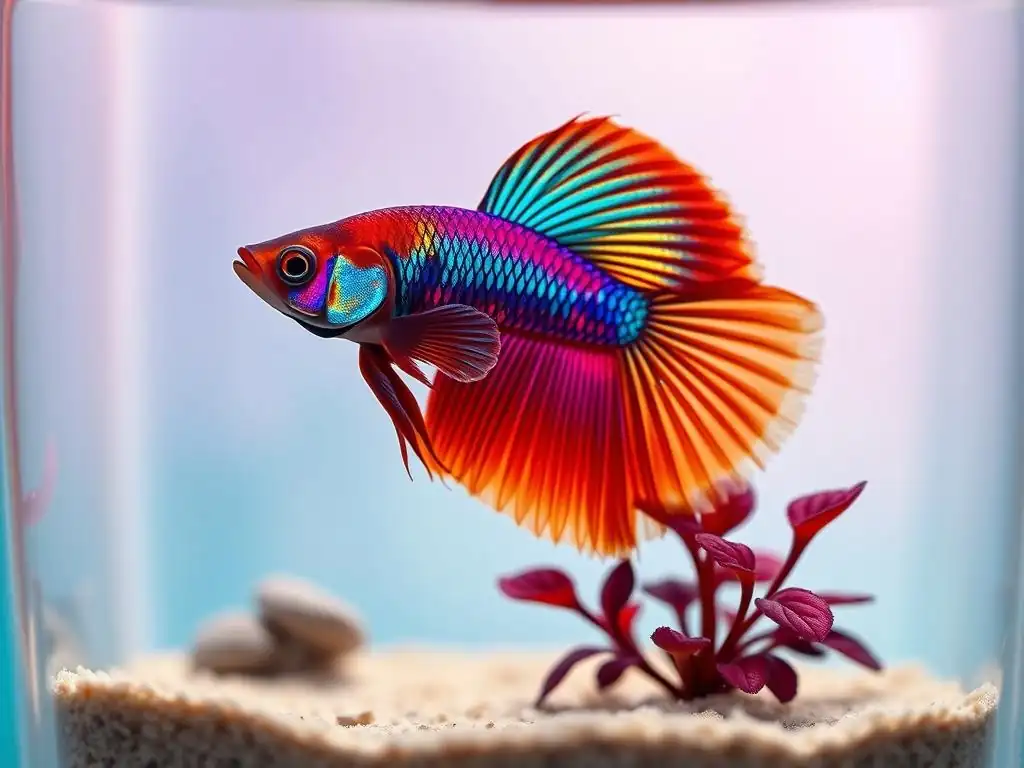
A fundamental "Betta tank setup problem" arises from misunderstanding their temperature needs. Bettas are tropical fish, native to the warm, stagnant waters of Southeast Asia (Thailand, Cambodia, Vietnam). In their natural habitat, water temperatures rarely drop below 75°F (24°C). Therefore, maintaining a consistent water temperature between 76-82°F (24-28°C) is absolutely critical for their health and well-being in an aquarium.
Their labyrinth organ allows them to breathe atmospheric oxygen, which is often misinterpreted as an ability to tolerate cold water. While they can survive in cooler temperatures for short periods, they will not thrive. Their metabolism slows down significantly in cold water, impacting digestion, immune function, and overall activity levels.
The Dangers of Cold Water: Weakening the Immune System
Exposure to consistently cold water (below 75°F / 24°C) is a major "Betta tank setup problem" that severely compromises a Betta's health. When a Betta is kept in cold water:
- Weakened Immune System: Their immune response is significantly suppressed, making them highly susceptible to common fish diseases such as Ich (white spot disease), fin rot, and fungal infections. For example, an Ich outbreak is far more likely in a tank consistently at 72°F than one at 78°F.
- Lethargy and Inactivity: They become sluggish, spend more time at the bottom, and lose their vibrant coloration. Their appetite may decrease, leading to malnutrition.
- Digestive Issues: Their metabolism slows, making it difficult to digest food properly, which can lead to bloating, constipation, and swim bladder problems.
Chronic exposure to low temperatures results in a stressed, unhealthy Betta prone to recurring illnesses and a significantly shortened lifespan.
Choosing the Right Heater for Your Betta Tank: Wattage and Placement
To prevent temperature-related "Betta tank setup problems," a reliable aquarium heater is indispensable.
- Heater Type: Always choose a fully submersible, adjustable heater. Submersible heaters ensure even heat distribution, and adjustability allows you to set the precise temperature.
- Wattage: A general rule of thumb is 5 watts per gallon for tanks up to 10 gallons. So, for a 5-gallon Betta tank, a 25-watt heater is typically sufficient. For a 10-gallon tank, a 50-watt heater is appropriate. In colder rooms, you might need slightly more wattage. Avoid very small "preset" heaters often marketed for Betta bowls, as they are frequently unreliable and struggle to maintain a stable temperature.
- Placement: Position the heater in an area of good water flow (e.g., near the filter output) to ensure heat is evenly distributed throughout the tank and prevent "hot spots" or "cold spots." Always ensure the heater is fully submerged as per the manufacturer's instructions to prevent damage or fire hazards.
Investing in a quality heater is a small cost compared to the potential vet bills or loss of your Betta due to improper temperature.
Monitoring Water Temperature: Using a Reliable Thermometer
Even with a quality heater, consistent monitoring of water temperature is crucial to confirm the heater is functioning correctly and maintaining the desired range. This helps prevent sudden temperature-related "Betta tank setup problems."
- Thermometer Type: Stick-on liquid crystal thermometers on the outside of the tank are convenient but can be inaccurate. Submersible glass thermometers or digital thermometers (with a probe inside the tank) offer more precise readings.
- Placement: Place the thermometer at the opposite end of the tank from the heater to get an accurate reading of the overall water temperature, not just the heated zone.
- Regular Checks: Check the temperature daily, especially during initial setup and after any room temperature changes.
A stable temperature, consistently within the optimal range of 76-82°F (24-28°C), is fundamental for a healthy and active Betta.
Mistake #6: Incompatible Tank Mates (or Overstocking)
Understanding Betta Temperament: Not Always Solitary
While male Bettas are famously aggressive towards other male Bettas (hence their "Siamese fighting fish" moniker), the common belief that they must be kept entirely alone is a significant oversimplification that leads to common "Betta tank setup problems." Betta temperament varies greatly from individual to individual. Some Bettas are highly aggressive and will indeed attack anything, while others are quite docile and can coexist peacefully with certain carefully chosen tank mates in an appropriately sized aquarium (typically 10 gallons or larger).
Female Bettas can sometimes be housed together in a "sorority" tank, but this requires a very large, heavily planted tank (20+ gallons minimum for 3-5 females) and careful monitoring, as aggression can still occur. Understanding your individual Betta's personality is key before considering any tank mates. Observing their reaction to their reflection or to pictures of other fish can offer some insight, though live interaction is the true test.
Choosing Compatible Tank Mates: Avoiding Fin-Nippers and Aggressors
If you choose to introduce tank mates, selecting compatible species is crucial to avoid "Betta tank setup problems" related to aggression and stress. The ideal tank mates for a Betta (in a 10+ gallon tank) should:
- Be peaceful and non-aggressive.
- Not be known fin-nippers (avoid most Barbs, some Tetras).
- Have short fins and dull coloration (to avoid triggering the Betta's aggression).
- Have similar water parameter requirements (tropical, warm water).
- Not be so small that the Betta views them as food (e.g., very tiny fry).
- Not be large enough to intimidate or injure the Betta.
- Prefer different areas of the tank (e.g., bottom dwellers).
Good examples of compatible tank mates (for 10+ gallon tanks):
- Snails: Nerite Snails, Mystery Snails. They are peaceful, clean algae, and don't bother Bettas.
- Otocinclus Catfish: Small, peaceful algae eaters that stay at the bottom.
- Dwarf Corydoras Catfish: Small, schooling bottom dwellers that are very peaceful.
- Amano Shrimp/Cherry Shrimp: Can be hit or miss; some Bettas will eat them, others ignore them.
- Small, peaceful schooling fish (in 20+ gallon tanks): Chili Rasboras, Ember Tetras, Pygmy Corydoras. These are fast enough to escape if needed and generally ignore Bettas.
Species to avoid: Guppies (flashy fins), most Barbs (nippy), Cichlids (aggressive), African Dwarf Frogs (slow eaters, competition), other male Bettas, and often female Bettas (unless in a sorority). Introducing incompatible tank mates inevitably leads to stress, injury, and a constant state of alert for your Betta.
Overstocking: The Dangers of Too Many Fish in a Betta Tank
Even with compatible species, overstocking is a common "Betta tank setup problem" that leads to severe consequences. Overstocking refers to having too many fish for the tank's volume and filtration capacity. This rapidly increases the bioload, causing:
- Rapid Toxin Buildup: More fish produce more waste, overwhelming the filter's biological capacity and leading to dangerous spikes in ammonia and nitrite. For example, adding 5 small schooling fish to a 10-gallon tank with a Betta can push the bioload beyond the filter's ability, resulting in chronic high nitrates or even ammonia/nitrite spikes if not managed with very frequent water changes.
- Increased Stress and Aggression: Even peaceful fish can become stressed and aggressive when confined to insufficient space. Competition for food, hiding spots, and territory increases.
- Higher Disease Risk: Stress weakens fish immune systems, making them more susceptible to disease. Overcrowding also facilitates rapid disease transmission.
A good rule of thumb for stocking is the "one inch of fish per gallon" rule, but this is a very rough guideline and often overestimates capacity for smaller tanks and larger fish. For Bettas, prioritize quality over quantity. A 10-gallon tank with just a Betta and a few snails or dwarf Corydoras is far healthier than a cramped tank with multiple species. Overstocking guarantees ongoing water quality issues and a stressful environment, leading to a host of "Betta tank setup problems."
Mistake #7: Ignoring Plant Needs and Lighting
Live Plants vs. Artificial Plants: Benefits for Bettas
The choice between live and artificial plants is another area where "Betta tank setup problems" can arise.
- Live Plants: Offer numerous benefits for Bettas and the overall tank ecosystem. They provide natural hiding spots and resting places, mimicking the dense vegetation found in their natural habitats, which reduces stress and encourages natural behaviors. Biologically, live plants absorb nitrates from the water, improving water quality and helping to control algae. They also oxygenate the water during the day, though this effect is minimal compared to surface agitation. Examples like Anubias (which can be attached to decor) or Java Fern (which can float or be tied) are soft, provide excellent cover, and are nearly impossible to harm a Betta's fins.
- Artificial Plants: While convenient and low-maintenance, plastic artificial plants are a common source of "Betta tank setup problems." Their sharp, rigid edges can easily tear a Betta's delicate fins, leading to injury and potential infection. If using artificial plants, always opt for silk or very soft silicone varieties that won't harm fins. Run your hand over them to check for sharpness.
Choosing live plants, or at least soft artificial ones, significantly enhances a Betta's comfort and safety.
Choosing the Right Plants for a Betta Tank: Low-Light Options
To avoid "Betta tank setup problems" with plant care, select species that thrive in low to moderate lighting and are easy to maintain, especially for beginners. Bettas prefer a densely planted environment that offers plenty of cover and places to explore.
- Excellent Low-Light Options:
- Anubias Nana/Barteri: Very hardy, slow-growing, and can be attached to driftwood or rocks (do not bury the rhizome).
- Java Fern: Another robust plant that can be attached to decor or allowed to float.
- Cryptocoryne species: Come in various sizes and colors, root feeders, and appreciate nutrient-rich substrate.
- Marimo Moss Balls: Actually a spherical algae, but excellent for absorbing nitrates and providing a soft, safe surface.
- Hornwort/Water Sprite: Fast-growing, can be floated or planted, great for nitrate absorption.
- Bucephalandra: Similar to Anubias, attaches to decor, slow-growing, and comes in many varieties.
These plants require minimal care, do not demand high-tech equipment (like CO2 injection), and are perfectly suited for a Betta's preferred environment, helping to prevent plant-related "Betta tank setup problems."
Lighting Requirements for Plant Growth and Betta Health
Proper lighting is crucial for both plant growth and Betta well-being, and incorrect lighting can lead to "Betta tank setup problems."
- For Plant Growth: Low-light plants generally require 6-10 hours of moderate intensity light per day. Too much light can lead to aggressive algae blooms, while too little light will stunt plant growth or cause them to melt. A simple LED aquarium light designed for planted tanks, set on a timer, is usually sufficient.
- For Betta Health: Bettas prefer subdued lighting. They are often found in naturally shaded, densely vegetated waters. Very strong, direct lighting can stress them, causing them to hide more often or appear dull in color. If your light is too intense, consider floating plants (like Dwarf Water Lettuce or Frogbit) to diffuse the light and provide additional cover.
Using a timer for your aquarium lights is highly recommended. A consistent light cycle (e.g., 8 hours on, 16 hours off) benefits both plants and fish, preventing stress and promoting healthy growth. Avoiding erratic lighting schedules is key to preventing common "Betta tank setup problems" related to environmental stress.
Mistake #8: Overfeeding Your Betta
The Dangers of Overfeeding: Obesity and Water Quality Issues
Overfeeding is one of the most common and detrimental "Betta tank setup problems" for both the fish and the aquarium environment. Bettas are opportunistic eaters and will often eat more than they need, leading to several health and water quality issues:
- Obesity and Digestive Problems: Excess food leads to weight gain, which can manifest as a bloated appearance. This often results in swim bladder issues, where the Betta struggles to maintain buoyancy, swimming erratically or floating/sinking uncontrollably. Over time, chronic overfeeding can lead to fatty liver disease and other internal organ damage.
- Poor Water Quality: Uneaten food decays rapidly in the water, releasing ammonia and nitrites. This directly contributes to ammonia spikes, cloudy water, and an unpleasant odor. Even if the tank is cycled, the sudden influx of organic waste from overfeeding can overwhelm the beneficial bacteria, leading to a mini-cycle and elevated toxins. For example, just a few extra pellets daily in a 5-gallon tank can cause nitrates to climb from 10 ppm to 40 ppm within a week, even with regular water changes.
- Algae Blooms: The excess nutrients from decaying food also fuel unsightly algae growth on tank glass and decorations, making the tank look dirty.
Understanding that a Betta's stomach is only about the size of its eye helps visualize just how little food they actually need.
Proper Betta Feeding Schedule: How Much and How Often
To prevent overfeeding "Betta tank setup problems," establishing a proper feeding schedule and portion size is crucial.
- Portion Size: For most high-quality Betta pellets (approx. 1mm in size), 2-3 pellets per feeding is sufficient. If using flakes, a small pinch that the Betta can consume within 2 minutes is appropriate.
- Frequency: Feed your Betta 1-2 times per day. Some aquarists prefer feeding once daily to ensure complete digestion.
- Fasting Day: Consider adding one "fasting day" per week. This allows the Betta's digestive system to clear out, preventing constipation and bloating. For instance, you might feed Monday through Saturday and fast on Sunday.
Always remove any uneaten food after 2-3 minutes using a small net or siphon to prevent it from decaying and fouling the water. This simple practice significantly reduces the risk of water quality issues and keeps your Betta healthy.
Choosing the Right Betta Food: Pellets, Flakes, and Live Foods
The type of food also plays a role in preventing "Betta tank setup problems." Bettas are carnivores with specific dietary needs.
- High-Quality Betta Pellets: These should form the staple of their diet. Look for pellets specifically formulated for Bettas, with a high protein content (35-40% or more), often with ingredients like fish meal, shrimp meal, or spirulina. Brands like Hikari Betta Bio-Gold or New Life Spectrum Betta Formula are good examples. Avoid generic tropical flakes, which often lack the necessary protein and nutrients for Bettas.
- Frozen/Freeze-Dried Foods: These are excellent supplements and treats.
- Frozen Bloodworms, Brine Shrimp, Daphnia: Thaw a small portion before feeding. These are highly palatable and provide essential nutrients. Daphnia is particularly good for aiding digestion and preventing constipation.
- Freeze-dried Bloodworms/Brine Shrimp: Can be fed occasionally, but soak them in tank water for a few minutes before feeding to prevent bloating, as they expand in the Betta's stomach.
- Live Foods: If available and safe, live foods like mosquito larvae, daphnia, or small brine shrimp are excellent for nutrition and provide enrichment. However, ensure they are sourced from clean environments to avoid introducing parasites or diseases.
A varied diet of high-quality pellets supplemented with frozen or freeze-dried options ensures your Betta receives all necessary nutrients, promoting vibrant coloration, strong immunity, and preventing diet-related "Betta tank setup problems."
Mistake #9: Neglecting Water Testing and Monitoring
The Importance of Regular Water Testing: Catching Problems Early
Neglecting regular water testing is a critical "Betta tank setup problem" that leaves aquarists blind to invisible threats. Water parameters can fluctuate rapidly, especially in smaller tanks, and fish often don't show symptoms until they are severely stressed or ill. By the time a Betta exhibits signs of distress (e.g., clamped fins, gasping, lethargy), the water quality has likely been toxic for some time, making recovery more difficult.
Regular water testing provides objective data about your tank's health. It allows you to:
- Confirm Cycle Stability: Ensure your nitrogen cycle is functioning correctly.
- Detect Issues Early: Catch ammonia or nitrite spikes before they harm your fish.
- Assess Maintenance Effectiveness: Determine if your water change schedule is sufficient for nitrate control.
- Troubleshoot Problems: If your Betta looks unwell, water test results are the first diagnostic tool. For example, if your Betta is lethargic and you test your water to find ammonia at 0.5 ppm, you immediately know the cause and can take corrective action like a large water change.
This proactive approach is essential for preventing chronic "Betta tank setup problems" and ensuring a consistently healthy environment.
Essential Water Testing Kits: Ammonia, Nitrite, Nitrate, and pH
To effectively monitor your Betta tank, you need a reliable water testing kit that measures the key parameters.
- Liquid Test Kits: These are highly recommended over test strips for their superior accuracy and reliability. The API Freshwater Master Test Kit is a popular and cost-effective option that includes tests for:
- Ammonia (NH3/NH4+): Crucial for detecting fish waste buildup. Should always be 0 ppm.
- Nitrite (NO2-): Indicates the second stage of the nitrogen cycle. Should always be 0 ppm.
- Nitrate (NO3-): The final product of the nitrogen cycle. Should be kept below 20 ppm, ideally below 10 ppm.
- pH: Measures the acidity or alkalinity of the water. Aim for 6.5-7.5 for Bettas, but stability is more important than an exact number.
- Frequency: Test your water weekly, especially in smaller tanks or if you notice any changes in your Betta's behavior. During the cycling process, daily testing is required.
Investing in a quality liquid test kit is a fundamental step in responsible Betta care, providing the necessary tools to avoid major "Betta tank setup problems."
Interpreting Water Test Results: Taking Corrective Action
Knowing how to interpret your water test results and take appropriate action is critical to resolving "Betta tank setup problems."
- Ammonia or Nitrite > 0 ppm: This is an emergency. Immediately perform a large (e.g., 50%) partial water change. Re-test after a few hours. Investigate the cause: Is the tank uncycled? Overfed? Overstocked? Has the filter been cleaned too aggressively? Use a detoxifying water conditioner if necessary.
- High Nitrate (>20 ppm): Indicates that your water change routine is insufficient. Increase the frequency or volume of your weekly water changes. For example, if nitrates are consistently at 40 ppm after a weekly 25% change, consider doing a 30-40% change or adding a second smaller change mid-week.
- pH Fluctuations: While Bettas tolerate a range, rapid pH swings are stressful. If your pH is unstable, check your water source, substrate, or decorations for anything that might be buffering the water. Avoid using chemicals to drastically alter pH, as this can cause even more stress. Stability is key.
Regular monitoring and prompt action based on test results are the best defense against the silent killers of poor water quality, transforming potential "Betta tank setup problems" into manageable situations.
Conclusion: Creating a Thriving Habitat for Your Betta Fish
Providing a healthy and enriching environment for your Betta fish requires diligence and an understanding of their specific needs. By proactively avoiding the common "Betta tank setup problems" discussed—such as neglecting proper tank size, ignoring the nitrogen cycle, choosing unsafe decor, overlooking adequate filtration, mismanaging temperature, introducing incompatible tank mates, neglecting plant needs, overfeeding, and failing to monitor water parameters—you lay the groundwork for a thriving aquatic habitat.
A well-maintained 5-gallon (or larger) tank with stable water parameters, gentle filtration, appropriate heating, and safe, enriching decorations is not just a container; it's a sanctuary where your Betta can display its natural behaviors, vibrant colors, and unique personality. Continuous learning, regular observation, and consistent care will ensure your Betta lives a long, healthy, and happy life, free from the preventable "Betta tank setup problems" that plague many unprepared aquarists.
Frequently Asked Questions
### What is the most common mistake people make when setting up a Betta tank?
The most common mistake is using a tank that is too small. Bettas need at least 5 gallons to thrive, and smaller tanks can lead to stress and health problems.
### Why is proper water temperature so crucial for a Betta tank?
Bettas are tropical fish and require a stable water temperature between 78-82°F. Fluctuations or temperatures outside this range can weaken their immune system and make them susceptible to disease.
### What type of filtration system is best for a Betta tank, and why is it important?
A gentle filter is best, as Bettas don't like strong currents. Filtration is crucial for removing harmful toxins like ammonia and nitrites, maintaining a healthy environment.
### Can I put a Betta in a community tank? What factors should I consider?
While possible, it requires careful consideration. Tank mates must be peaceful and non-aggressive, and the tank needs to be large enough to prevent overcrowding and territorial disputes.
### What are the key signs that my Betta tank setup is causing problems for my fish?
Signs include lethargy, fin clamping, loss of appetite, and changes in color. These indicate stress or illness potentially caused by poor water quality or an unsuitable environment.
Final Reflection: Nurturing a Thriving Betta World
The journey to creating a flourishing environment for a Betta fish is paved with good intentions, but often riddled with easily avoidable pitfalls. Understanding these common Betta tank setup problems is not just about keeping a fish alive; it's about providing a life of quality, enrichment, and genuine well-being. The information shared in this article serves as a crucial guide, empowering aquarists to move beyond mere survival and towards creating a vibrant, thriving ecosystem for their finned companions.
The impact of proper Betta care extends far beyond the confines of a single tank. It reflects our broader responsibility to treat all living creatures with respect and understanding. By learning to avoid these common mistakes, we contribute to a culture of informed and compassionate pet ownership. The greatness of a nation and its moral progress can be judged by the way its animals are treated.
- Mahatma Gandhi. This quote resonates deeply when considering the delicate balance within a Betta's world and our role in maintaining it.
Now, armed with this knowledge, I urge you to reflect on your own approach to Betta care. Are you truly providing the best possible environment for your fish? Take the time to reassess your setup, address any shortcomings, and commit to continuous learning. Embrace the opportunity to create a haven where your Betta can thrive, showcasing its beauty and personality to the fullest. Your dedication will not only enrich the life of your fish but also deepen your own appreciation for the wonders of the aquatic world.
Transform Your Betta's Life Today!
Thank you for diving into the world of Betta care with us! We hope you've gained valuable insights into creating a thriving environment for your finned friend. Now, let's put that knowledge into action!
Here's how you can take the next steps:
- Immediately review your current Betta tank setup, paying close attention to temperature, filtration, and decor for any potential hazards.
- Share this article with fellow Betta enthusiasts and start a discussion on best practices. Let's learn from each other!
- Consider adding a live plant to your Betta's tank to enhance water quality and provide enrichment.
What specific changes will you make to your Betta's tank this week to ensure their long-term happiness and health?