
Moray Eels in the Home Aquarium: A Comprehensive Care & Species Guide

Welcome to Aquarium Mastery!
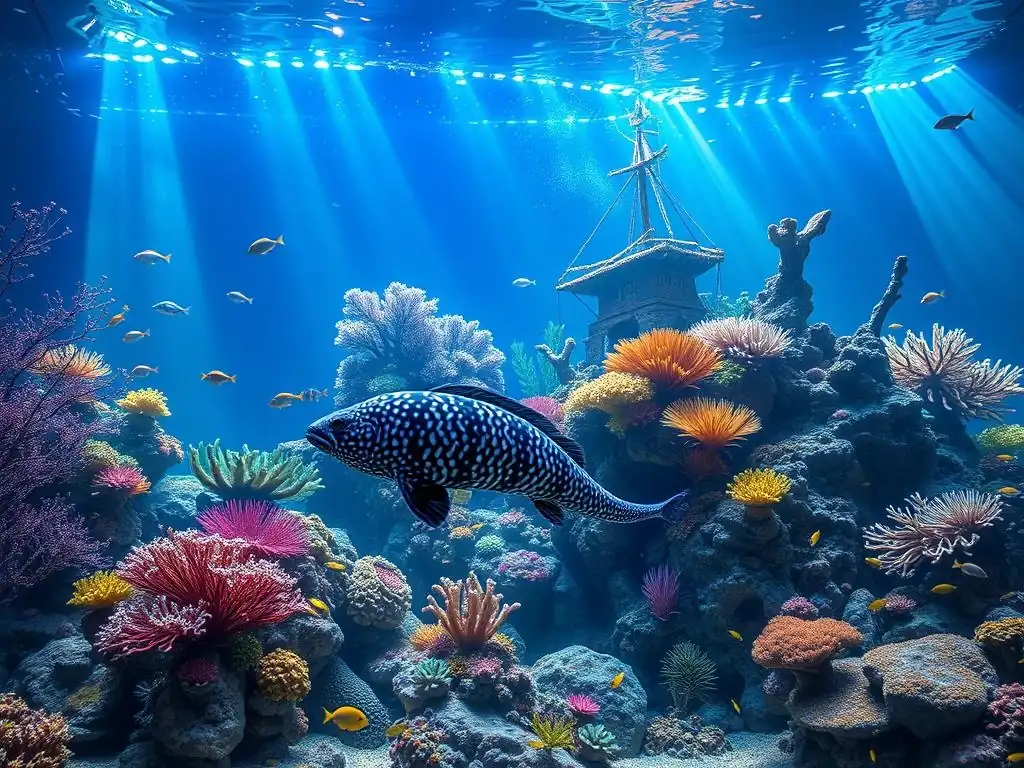
Curious about keeping one of the ocean's most fascinating creatures? Dive into our comprehensive Moray Eel Care Guide and uncover the secrets to successfully housing these captivating predators in your own saltwater aquarium. Prepare to be amazed as we unravel everything from species selection and tank setup to feeding habits and potential health concerns. Are you ready to become a moray eel master? Let's begin!
- Introduction to Moray Eels for Home Aquariums
- Selecting the Right Moray Eel Species for Your Tank
- Setting Up the Ideal Moray Eel Aquarium
- Moray Eel Care: Feeding and Water Quality
- Moray Eel Tank Mates: Compatibility and Considerations
- Common Moray Eel Diseases and Health Problems
- Breeding Moray Eels in Captivity: Challenges and Possibilities
- Advanced Moray Eel Care: Tips and Tricks for Experienced Keepers
- Conclusion: The Rewarding Challenge of Keeping Moray Eels
-
Frequently Asked Questions
- How difficult is it to care for a Moray Eel in a home aquarium?
- What size tank is typically recommended for keeping a Moray Eel?
- What type of filtration system is best for a Moray Eel aquarium?
- What kind of diet do Moray Eels require in captivity?
- Are Moray Eels compatible with other fish in a home aquarium?
- Final Reflection: Embracing the Enigmatic Moray
- Dive Deeper: Unleash Your Inner Moray Keeper!
Introduction to Moray Eels for Home Aquariums
The Allure of Moray Eels in Saltwater Aquariums
Moray eels, with their serpentine bodies, striking patterns, and often intense gaze, are among the most captivating and enigmatic inhabitants for the advanced saltwater aquarium. Unlike typical fish, their unique appearance and predatory grace add a dramatic flair, transforming a standard reef tank into a dynamic aquatic landscape. The challenge of providing specialized Moray eel care guide conditions and observing their secretive behaviors often appeals to aquarists seeking a truly distinctive and rewarding experience.
These fascinating creatures are not merely pets but apex predators that command respect and require a dedicated approach to husbandry. Their ability to navigate intricate rockwork and their powerful, yet often docile, presence can make them the undisputed centerpiece of a large display tank. Successfully maintaining a moray eel is a testament to an aquarist's skill and commitment, showcasing a deep understanding of advanced saltwater aquarium principles.
Understanding Moray Eel Biology and Behavior
Moray eels are a diverse family (Muraenidae) of eels, comprising over 200 species found in tropical and temperate waters worldwide. They are typically nocturnal or crepuscular, spending daylight hours hidden within rock crevices, caves, and coral formations, emerging at night to hunt. Their poor eyesight is compensated by an exceptional sense of smell, which they use to detect prey from a distance, making them highly effective ambush predators in their natural reef environments.
In captivity, moray eels exhibit similar behaviors, often preferring to remain hidden during peak lighting hours but becoming more active as the lights dim. They are highly territorial, especially regarding their preferred hiding spots, but aggression towards tank mates is often limited to what they perceive as food. Many species can live for significant periods in well-maintained aquariums, with some larger morays potentially exceeding 20 years with optimal Moray eel care guide practices.
Is a Moray Eel Right for Your Aquarium? Considerations Before Getting One
Before considering a moray eel, it's crucial to understand the significant commitment involved. These are not beginner fish. They require substantial tank sizes, often ranging from 50 gallons for smaller species to several hundred gallons for larger ones, necessitating a significant investment in equipment and space. Their specialized carnivorous diet and the need for pristine water quality also add to the ongoing maintenance demands, making them a long-term responsibility.
Furthermore, potential risks must be acknowledged. While generally not aggressive towards their human keepers, morays possess powerful jaws and sharp teeth, and accidental bites can occur during feeding if proper precautions (like using feeding tongs) are not taken. Their predatory nature means careful consideration of tank mates is essential, as anything small enough to fit in their mouth will likely be viewed as a meal. A comprehensive Moray eel care guide emphasizes that these are animals for the dedicated and well-prepared aquarist.
Selecting the Right Moray Eel Species for Your Tank
Popular Moray Eel Species for Beginner Aquarists
Snowflake Moray Eel (Echidna nebulosa): A Beginner-Friendly Choice
The Snowflake Moray Eel is perhaps the most commonly kept and recommended moray for new eel enthusiasts, often appearing in any foundational Moray eel care guide. Characterized by its striking white body adorned with black and yellow blotches, it typically reaches an adult size of 24 to 30 inches (approximately 60 to 75 cm) in captivity. Its hardiness and relatively docile temperament, especially compared to larger moray species, make it a more manageable option for aquarists transitioning into eel keeping.
This species primarily preys on crustaceans in the wild, which translates to a diet of shrimp, krill, and squid in the home aquarium. While it can consume small fish, it's less likely to actively hunt them compared to piscivorous morays. A minimum tank size of 50 to 75 gallons (190 to 285 liters) is generally recommended to provide ample space and stability for a Snowflake Moray, allowing for a good rock structure with numerous hiding spots.
Golden Dwarf Moray Eel (Gymnothorax melatremus): Small and Docile
For aquarists with smaller tanks who are still captivated by the idea of keeping a moray, the Golden Dwarf Moray Eel offers a unique solution. This diminutive species rarely exceeds 10 to 14 inches (25 to 35 cm) in length, making it one of the smallest morays available to the hobby. Its vibrant golden-yellow coloration is a striking feature, and its reclusive, non-aggressive nature makes it a surprisingly peaceful inhabitant for appropriate setups.
A tank as small as 30 gallons (approximately 115 liters) can potentially house a Golden Dwarf Moray, provided it offers abundant rockwork and secure hiding places. Their diet consists of very small invertebrates and tiny fish, often accepting frozen mysis shrimp, chopped squid, or small pieces of silverside. This species requires a specialized Moray eel care guide approach due to its size and delicate nature, but it opens the door to moray keeping for those with limited space.
Advanced Moray Eel Species for Experienced Aquarists
Tessellata Eel (Echidna polyzona): A Bold and Beautiful Predator
The Tessellata Eel, also known as the Bar-tail Moray, is a magnificent but demanding species best suited for highly experienced aquarists. It boasts a dramatic pattern of dark brown or black bands against a lighter background and can grow to an impressive size, often reaching 3 feet (90 cm) in home aquariums, with some individuals reported to exceed 5 feet (150 cm) in very large systems. Its robust build and powerful predatory instincts necessitate a significant commitment.
Due to its considerable adult size and strong predatory drive, a Tessellata Eel requires a very large aquarium, typically a minimum of 180 to 250 gallons (680 to 950 liters) or more, to thrive. It will readily consume any fish or invertebrate small enough to fit into its mouth, making tank mate selection extremely challenging. This species demands an advanced understanding of Moray eel care guide principles, particularly regarding diet, water quality, and tank security.
Barred Moray Eel (Echidna delicatula): A Rare and Delicate Species
The Barred Moray Eel, sometimes confused with the Tessellata but generally more subtly patterned and delicate, is a rare find in the aquarium trade and represents a significant challenge for even advanced hobbyists. Typically reaching lengths of 2 to 3 feet (60 to 90 cm), its slender body is adorned with faint vertical bars, giving it a more understated beauty. Its rarity often means less specific information is available, requiring the keeper to adapt general Moray eel care guide principles with careful observation.
This species is known to be more sensitive to water quality fluctuations and stress than other common morays, demanding pristine conditions and a very stable environment. Its diet can be varied, including small fish and crustaceans, but it may be more reluctant to feed initially in captivity. Maintaining a Barred Moray requires meticulous attention to detail, a spacious tank (likely 100+ gallons / 380+ liters), and a deep understanding of marine fish health and behavior.
Factors to Consider When Choosing a Moray Eel Species
Size and Growth Rate of Different Moray Eels
The ultimate adult size of a moray eel is arguably the most critical factor when selecting a species. Many hobbyists underestimate how quickly a small juvenile eel can grow into a formidable predator. For instance, a young Snowflake Moray, initially 6-8 inches, can reach its full 2-3 foot length within a few years with proper feeding. In contrast, a Green Moray (Gymnothorax funebris), though not typically a home aquarium species, can exceed 6 feet, highlighting the vast difference between species. Always research the maximum potential size before purchase to ensure long-term housing viability.
Beyond the maximum size, understanding the growth rate helps in planning for future tank upgrades. A rapidly growing species will necessitate a larger tank much sooner than a slow-growing one. Investing in a sufficiently large tank from the outset, based on the adult size of the chosen species, is a fundamental aspect of responsible Moray eel care guide planning, preventing the need for costly and stressful rehoming.
Temperament and Compatibility with Other Tank Mates
Moray eels exhibit a range of temperaments, from the relatively docile Snowflake and Golden Dwarf to the more overtly predatory Tessellata. However, it's crucial to remember that all morays are opportunistic predators. The universal rule of "if it fits in their mouth, it's food" applies. Therefore, tank mates must be carefully chosen to be significantly larger than the moray's mouth, or possess defensive mechanisms that deter predation.
Even smaller, "docile" morays like the Snowflake will consume crustaceans and small fish. Large, robust fish species, such as adult tangs (e.g., Yellow Tangs typically grow to 8 inches), large angelfish (e.g., Emperor Angelfish up to 15 inches), or triggers, are often compatible. However, invertebrates like ornamental shrimp or crabs are almost always at risk. A comprehensive Moray eel care guide emphasizes that diligent observation of interactions is vital, especially during feeding times, to ensure harmony.
Specific Dietary Needs of Various Moray Eel Species
While most moray eels are carnivorous, their natural diets vary, influencing their captive feeding requirements. Species like the Snowflake Moray (Echidna nebulosa) are primarily durophagous, meaning they specialize in crushing hard-shelled prey like crabs and shrimp. Other species, particularly the larger ones, are primarily piscivores, preferring fish. Understanding these distinctions is key to providing a nutritionally complete diet.
A varied diet is paramount for the long-term health of any moray eel. Relying on a single food item can lead to nutritional deficiencies. A good Moray eel care guide recommends offering a mix of high-quality frozen foods such as silversides, squid, shrimp, krill, and occasional pieces of lean fish like salmon or cod. For durophagous species, offering whole, unshelled shrimp or small crab pieces can help maintain dental health.
Setting Up the Ideal Moray Eel Aquarium
Tank Size Requirements for Moray Eels
Minimum Tank Dimensions for Different Moray Eel Species
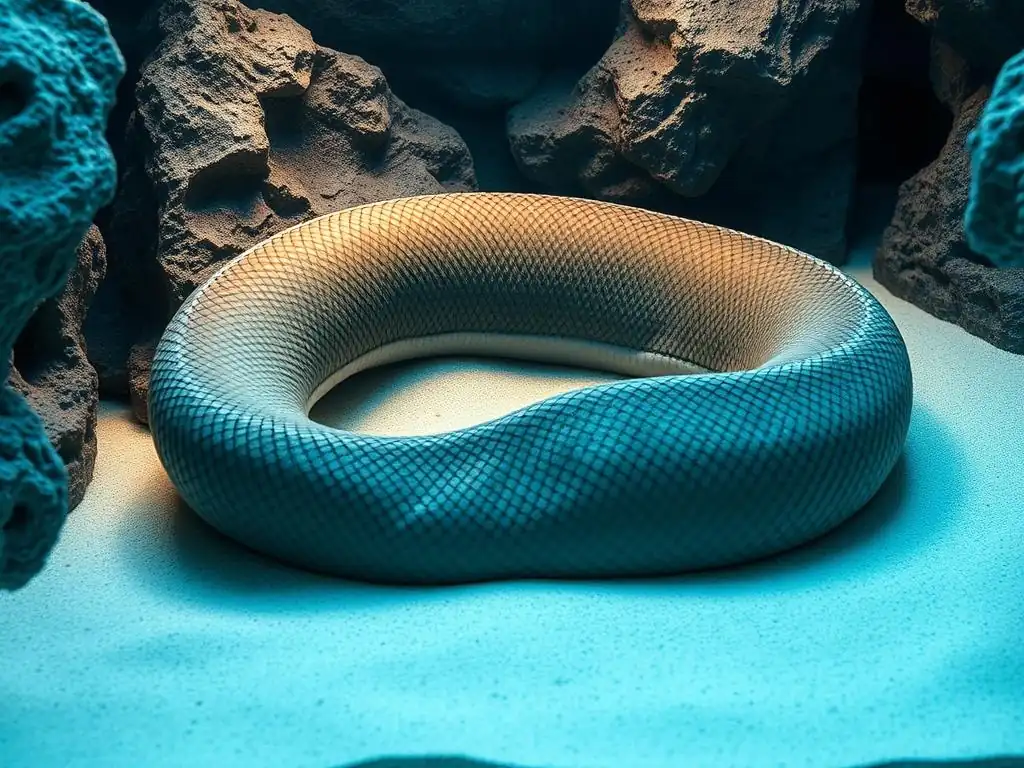
Establishing the appropriate tank size is arguably the most critical decision in Moray eel care guide setup. For the smaller Golden Dwarf Moray, a minimum of 30 gallons (approximately 115 liters) can suffice due to its maximum length of 14 inches. Medium-sized species like the Snowflake Moray, reaching 24-30 inches, require a tank of at least 50-75 gallons (190-285 liters). For larger, more active species such as the Tessellata Eel, which can exceed 3 feet, a substantial tank of 180-250 gallons (680-950 liters) or more is an absolute necessity to ensure their long-term well-being and provide adequate territory.
These minimums are not just about volume but also about footprint. A longer, wider tank is often more beneficial than a tall, narrow one, as morays are primarily bottom-dwellers and require horizontal space to navigate and establish territories. Providing sufficient space from the outset reduces stress, minimizes aggression, and contributes significantly to the eel's overall health and longevity.
The Importance of Adequate Swimming Space
Even though moray eels are often perceived as reclusive, spending much of their time hidden in rockwork, they still require ample swimming space. This is particularly true for active species or during feeding times when they emerge to hunt. Confined spaces can lead to chronic stress, stunted growth, and behavioral issues such as aggression or excessive lethargy. An eel that cannot fully extend its body or navigate comfortably through its environment will not thrive.
Adequate swimming space also directly correlates with water volume, which is crucial for maintaining stable water parameters. A larger volume of water dilutes waste products more effectively, making it easier to manage the significant bioload produced by a predatory eel. This stability is a cornerstone of any effective Moray eel care guide, contributing to a healthier and more resilient aquatic environment for the eel and its tank mates.
Essential Equipment for a Moray Eel Tank
Filtration Systems: Keeping the Water Clean and Healthy
Moray eels, being large carnivorous predators, produce a substantial amount of waste. Therefore, a robust and efficient filtration system is non-negotiable for their well-being. A combination of mechanical, biological, and chemical filtration is ideal. Large canister filters, wet/dry filters, or sumps equipped with powerful return pumps and ample biological media (e.g., bio-balls, ceramic rings) are highly recommended. These systems effectively remove particulate matter, convert toxic ammonia and nitrite into less harmful nitrate, and absorb undesirable compounds.
Regular maintenance of these filters, including rinsing filter socks or sponges weekly and cleaning media as needed, is crucial to prevent nitrate buildup and ensure optimal performance. Inadequate filtration can quickly lead to poor water quality, which is a primary cause of stress and disease in moray eels. A well-designed filtration system is a cornerstone of a successful Moray eel care guide.
Protein Skimmers: Removing Organic Waste
A high-quality protein skimmer is an indispensable piece of equipment for any moray eel aquarium. Protein skimmers work by using fine air bubbles to remove dissolved organic compounds (DOCs) from the water column before they can break down into nitrates and other undesirable substances. Given the messy eating habits and high bioload of moray eels, DOCs accumulate rapidly, and a skimmer effectively "skims" these pollutants out of the water.
An oversized protein skimmer, rated for a tank volume 1.5 to 2 times the actual tank size, is often recommended to ensure maximum efficiency. Consistent operation and regular cleaning of the skimmer cup (daily or every few days) will significantly contribute to pristine water quality, reducing the frequency of large water changes and maintaining the stable environment crucial for proper Moray eel care guide practices.
Lighting: Creating a Natural Environment
Unlike many corals or photosynthetic invertebrates, moray eels do not have specific lighting requirements beyond what is needed for viewing and for any other inhabitants in the tank. As primarily nocturnal or crepuscular creatures, intense lighting can even be stressful for them. Standard LED or fluorescent lighting that provides a natural day/night cycle is perfectly adequate. Aim for a photoperiod of 8-10 hours of light per day.
Consider incorporating a dim "moonlight" setting or blue LEDs for nighttime viewing. This simulates the natural lunar cycle and allows for observation of the eel's more active behaviors after dark without disturbing them with bright lights. This subtle addition can enhance the aesthetic appeal of the tank and provide a more natural environment for the eel, aligning with a thoughtful Moray eel care guide.
Heaters and Thermostats: Maintaining Optimal Water Temperature
Maintaining a stable water temperature is vital for the health of moray eels, as they are sensitive to fluctuations. The ideal temperature range for most captive moray species is typically between 74-78°F (23-26°C). Reliable heaters equipped with accurate thermostats are essential to keep the temperature within this narrow range, preventing stress and susceptibility to disease.
For larger tanks, or as a safety measure, it is often recommended to use two smaller heaters rather than a single large one. This provides redundancy; if one heater fails, the other can help maintain temperature, preventing a catastrophic drop. Always use an external thermometer to verify the heater's thermostat reading. Consistent temperature control is a non-negotiable aspect of any comprehensive Moray eel care guide.
Creating a Secure and Enriching Environment
Rockwork and Hiding Places: Providing Shelter and Security
Moray eels are masters of concealment and require an abundance of secure hiding places within the aquarium. This is perhaps the most critical aspect of creating an enriching environment for them. Provide numerous caves, crevices, and tunnels using stable, interlocking live rock or aquarium-safe ceramic structures. The openings should be just large enough for the eel to comfortably fit through, providing a sense of security.
Aim for multiple hiding spots distributed throughout the tank, allowing the eel to choose its preferred location and retreat from light or perceived threats. Ensure all rock structures are extremely stable and cannot be dislodged by a powerful eel, as collapses can cause injury or even death. A well-designed rockscape is fundamental to a successful Moray eel care guide and helps reduce stress and promote natural behavior.
Substrate: Choosing the Right Material
The choice of substrate for a moray eel tank is important for their comfort and safety. A fine sand bed or crushed coral is generally suitable. Avoid very coarse or sharp substrates like large gravel or jagged coral rubble, as these can potentially abrade or injure the eel's delicate skin, especially during burrowing or when they rub against the bottom. A smooth, soft substrate material is preferable.
Morays often root around in the substrate, searching for food or simply exploring. A depth of 2-3 inches (5-7.5 cm) of sand or fine crushed coral provides enough material for this natural behavior without creating deep anaerobic pockets. While not strictly necessary for all species, a suitable substrate contributes to a more natural and comfortable environment for the eel.
Avoiding Escape: Secure Tank Lids Are Crucial
Moray eels are legendary escape artists, and preventing their escape is paramount for their safety and the peace of mind of the aquarist. They are incredibly strong and can squeeze through seemingly impossible openings, even gaps as small as a quarter-inch (0.6 cm). A heavy, tight-fitting lid that covers every single opening in the tank is absolutely non-negotiable.
Check every potential escape route: filter cutouts, heater cord openings, return lines, and even small gaps around lighting fixtures. Use mesh netting, egg crate, or custom-cut acrylic to seal any and all crevices. A moray eel will relentlessly test its boundaries, and a minor oversight can lead to a tragic outcome. Lid security is arguably the most critical safety instruction in any Moray eel care guide.
Moray Eel Care: Feeding and Water Quality
Moray Eel Diet and Feeding Habits
What Do Moray Eels Eat? Understanding Their Natural Diet
Moray eels are obligate carnivores, meaning their diet consists entirely of animal matter. In their natural habitats, their diet varies by species but generally includes a range of marine organisms. Many smaller morays, such as the Snowflake Moray, primarily feed on crustaceans like crabs and shrimp. Larger species, like the Tessellata, are more piscivorous, preying on fish. Some also consume cephalopods such as squid and octopus. To ensure optimal health in captivity, it is crucial to replicate this varied carnivorous diet as closely as possible, making it a central component of Moray eel care guide principles.
A monotonous diet can lead to nutritional deficiencies over time. Therefore, offering a diverse array of appropriate foods is essential. This variety ensures that the eel receives all necessary vitamins, minerals, and amino acids required for proper growth, immune function, and overall vitality.
Preparing and Offering Food: Frozen vs. Live Foods
For the health and safety of both the eel and the aquarist, it is strongly recommended to feed moray eels high-quality frozen, defrosted meaty foods rather than live foods. Live feeder fish or crustaceans can introduce diseases and parasites into the aquarium, and they often lack nutritional value. Acceptable frozen food options include silversides, squid, shrimp, krill, and small pieces of lean fish such as salmon or cod. Ensure all frozen foods are thoroughly defrosted before offering.
When feeding, always use long feeding tongs to present the food. This not only keeps your hands safely out of the tank, preventing accidental bites (which, while rare, can be severe due to their powerful jaws and sharp teeth), but also allows for target feeding, ensuring the eel gets its share and preventing food from being snatched by other tank mates. This practice is a crucial safety and husbandry tip in any Moray eel care guide.
Feeding Frequency and Portion Sizes
The feeding frequency for moray eels depends on their size, species, and metabolism. Generally, adult morays do not need to be fed daily. For most species, feeding 2-3 times per week is adequate. Younger, growing eels may benefit from more frequent feedings, perhaps every other day. The key is to observe the eel's body condition; a healthy eel should have a slightly rounded belly after feeding, but not appear bloated.
Portion sizes should be carefully managed to avoid overfeeding, which can lead to obesity and rapid deterioration of water quality due to uneaten food and increased waste production. Offer an amount that the eel can consume within a few minutes. If food remains uneaten, reduce the portion size or frequency for the next feeding. Adjustments to the feeding schedule are an ongoing part of diligent Moray eel care guide maintenance.
Maintaining Optimal Water Quality for Moray Eels
Regular Water Changes: The Key to a Healthy Tank
Maintaining pristine water quality is paramount for the health and longevity of moray eels. As large, predatory fish with significant bioloads, they produce a considerable amount of waste. Regular partial water changes are the most effective way to dilute and remove accumulated nitrates, replenish essential trace elements, and maintain overall water stability. A typical regimen involves changing 20-25% of the tank water every 2-4 weeks, or smaller, more frequent changes (e.g., 10-15% weekly) for heavily stocked or larger systems.
Always use properly mixed and conditioned saltwater that matches the existing tank's salinity and temperature as closely as possible to avoid shocking the eel. Consistency in water change schedules and parameters is vital, as sudden shifts can cause significant stress to these sensitive creatures. This consistent approach is a fundamental pillar of any successful Moray eel care guide.
Monitoring Water Parameters: Ammonia, Nitrite, Nitrate, and pH
Diligent monitoring of key water parameters is essential for any saltwater aquarium, and especially so for a moray eel tank. Ammonia and nitrite, highly toxic to marine life, should always be undetectable (0 ppm). Nitrates, the end product of the nitrogen cycle, should be kept as low as possible, ideally below 20 ppm, and certainly no higher than 40 ppm. The pH level should remain stable between 8.1 and 8.4.
Regular testing, ideally weekly or bi-weekly, allows aquarists to identify potential issues before they become critical. Even a slight increase in ammonia (e.g., 0.25 ppm) can cause severe stress and gill damage to an eel. Consistent parameter monitoring ensures a stable and healthy environment, preventing common ailments and contributing significantly to long-term Moray eel care guide success.
Dealing with Common Water Quality Issues
Despite best efforts, water quality issues can occasionally arise. If nitrate levels begin to climb above acceptable ranges, several steps can be taken: increase the frequency or volume of water changes, reduce feeding amounts, ensure the protein skimmer is operating optimally, and consider adding nitrate-reducing media to your filtration system. High nitrates indicate an accumulation of organic waste.
Sudden pH swings are also problematic and often indicate insufficient alkalinity or buffering capacity. Regular water changes help replenish buffers, but if pH remains unstable, a quality marine buffer additive can be used cautiously. It's important to remember that rapid changes in any parameter are often more harmful than stable, slightly off parameters. Understanding how to diagnose and address these issues is a crucial part of advanced Moray eel care guide knowledge.
Moray Eel Tank Mates: Compatibility and Considerations
Choosing Compatible Tank Mates for Moray Eels
Fish Species That Can Coexist with Moray Eels
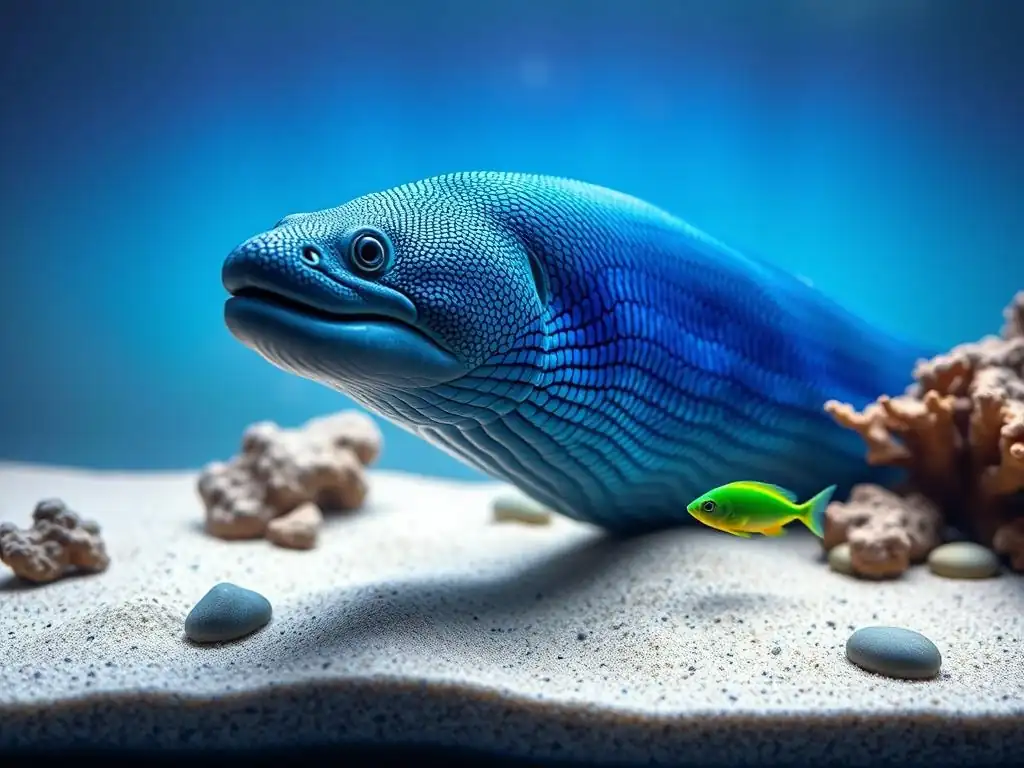
When selecting tank mates for moray eels, the primary rule is size and temperament. Choose fish species that are significantly too large to be considered prey by the moray. This generally means fish that are at least 1.5 to 2 times the length of the moray's head, and ideally, robust and fast-moving. Examples of potentially compatible fish include larger tangs (e.g., Yellow Tangs, Blue Tangs that reach 8-10 inches), adult angelfish (e.g., Emperor Angelfish up to 15 inches), triggers, large groupers, or puffers.
It's often beneficial to introduce these larger, more established fish into the tank before the moray eel, allowing them to claim territories. Alternatively, introducing them simultaneously in a very large, well-aquascaped system can sometimes work. Remember that even "compatible" fish can occasionally become prey if they are sick, injured, or if the eel is particularly hungry. A thorough Moray eel care guide emphasizes constant vigilance.
Invertebrates and Moray Eels: A Risky Combination
The compatibility of moray eels with invertebrates is generally very low. Most crustaceans, such as ornamental shrimp (e.g., Peppermint Shrimp, Skunk Cleaner Shrimp) and crabs, are natural prey items for many moray species, especially those with a durophagous diet like the Snowflake Moray. Even larger crabs or lobsters can be at risk, as a determined eel can often find a way to get to them.
While corals and other sessile invertebrates (e.g., anemones, soft corals) are not typically consumed by morays, they can be disturbed or knocked over by a large, powerful eel navigating through the rockwork. Small, delicate invertebrates or those that attach to the substrate might also be inadvertently uprooted or damaged. Therefore, a moray eel tank is usually not suitable for a diverse reef setup, a key consideration for a comprehensive Moray eel care guide.
Understanding Aggression and Territoriality
Minimizing Aggression: Providing Adequate Space and Hiding Places
Aggression in moray eels, especially towards tank mates, is often a result of perceived threats, hunger, or insufficient space and hiding places. To minimize aggression, it is crucial to provide a tank that meets or exceeds the minimum size requirements for your chosen species, ensuring ample room for all inhabitants. More importantly, create a complex rockscape with numerous secure caves, crevices, and tunnels, allowing the moray to establish its own territory and feel secure.
When introducing new tank mates, or the eel itself, consider the order of introduction. Introducing the moray last, or simultaneously with other large, robust fish in a very spacious tank, can prevent it from establishing sole dominance over all hiding spots. A well-designed environment, as detailed in any good Moray eel care guide, significantly reduces stress and potential conflicts.
Observing Tank Mate Interactions: Identifying Potential Problems
Diligent observation of all tank inhabitants, especially during and after feeding times, is essential. This is when predatory instincts are highest, and any underlying aggression or territoriality is most likely to manifest. Look for signs of stress in tank mates, such as constant hiding, fin nipping, faded coloration, or rapid breathing. Observe if the moray consistently harasses or attempts to consume a specific tank mate.
Be prepared to intervene if aggression becomes a persistent issue. This may involve rehoming the stressed tank mate or, in extreme cases, the moray eel itself. While morays can coexist with appropriate tank mates, their predatory nature means that a certain level of risk always exists. Proactive monitoring and a willingness to adapt are crucial for successful Moray eel care guide implementation.
Common Moray Eel Diseases and Health Problems
Identifying Signs of Illness in Moray Eels
Common Symptoms: Loss of Appetite, Cloudy Eyes, and Skin Lesions
Identifying illness in moray eels can be challenging due to their reclusive nature, but keen observation is key. A primary indicator of illness is a sudden and persistent loss of appetite, especially if the eel normally feeds readily. Cloudy eyes can signal poor water quality, a bacterial infection, or even a physical injury. Keep an eye out for any unusual swimming patterns, lethargy, or excessive hiding beyond their normal behavior.
Skin lesions, open sores, red patches, or unusual growths on the body or fins are clear signs of potential bacterial or fungal infections. Gaping or labored breathing can indicate gill parasites, bacterial gill disease, or even insufficient oxygen in the water. Early detection of these symptoms, as emphasized in a thorough Moray eel care guide, significantly improves the chances of successful treatment.
Treating Common Moray Eel Diseases
Ich (White Spot Disease): Causes, Symptoms, and Treatment
Ichthyophthirius multifiliis, commonly known as Ich or white spot disease, is a prevalent parasitic infection in marine aquariums, often affecting moray eels. It typically manifests as small, white spots resembling grains of salt on the body and fins. Ich outbreaks are frequently triggered by stress factors such as poor water quality, sudden temperature fluctuations, or the introduction of new, unquarantined fish.
Treatment for Ich in a moray eel typically involves moving the infected eel to a separate quarantine tank. Common treatment methods include hyposalinity (gradually reducing the salinity of the water to 1.010-1.012 for several weeks) or carefully dosed copper-based medications. It is crucial to note that eels can be sensitive to certain medications, so precise dosing and careful monitoring are essential. Always consult a reliable Moray eel care guide or a marine veterinarian for specific treatment protocols.
Bacterial Infections: Prevention and Treatment Options
Bacterial infections are common health issues for moray eels, often arising as secondary infections due to poor water quality, physical injury, or chronic stress. Symptoms can include fin rot, cloudy eyes, ulcers, red streaks on the body, or general lethargy. Prevention is primarily achieved through maintaining pristine water conditions, a balanced diet, and minimizing stress factors in the aquarium.
Treatment typically requires the use of broad-spectrum antibiotics. These medications should almost always be administered in a separate quarantine tank to avoid harming the main display tank's biological filter and any sensitive invertebrates. Consult a marine veterinarian or a reputable Moray eel care guide for appropriate antibiotic choices and dosages, as incorrect treatment can be more harmful than the disease itself.
Parasitic Infections: Diagnosis and Management
Beyond Ich, moray eels can be susceptible to other parasitic infections, both external (like flukes) and internal (like intestinal worms). External parasites might cause excessive scratching, visible lesions, or increased mucus production. Internal parasites can lead to weight loss despite regular feeding, lethargy, or abnormal fecal matter. Diagnosis often requires a microscopic examination of skin scrapes or fecal samples.
Management of parasitic infections varies depending on the specific parasite. Medications such as praziquantel are often effective against flukes, while metronidazole or other anti-parasitic drugs may be used for internal worms. As with bacterial infections, treatment should ideally occur in a quarantine tank, following strict dosage instructions. Adhering to a comprehensive Moray eel care guide that emphasizes prevention and early diagnosis is the best defense.
Quarantine Procedures for New Moray Eels
Implementing a strict quarantine procedure for all new moray eels is perhaps the single most critical step in preventing the introduction of diseases into your main display tank. A new eel should be housed in a separate quarantine tank for a minimum of 4-6 weeks before being introduced to the main system. This tank should be fully cycled and equipped with a heater, filter, and appropriate hiding places.
During the quarantine period, closely observe the eel for any signs of illness, such as those mentioned above. This is the ideal time to treat any existing conditions without risking the health of your established tank inhabitants. It also allows the eel to acclimate to captive foods and recover from the stress of transport. This proactive approach, a cornerstone of any responsible Moray eel care guide, significantly reduces the risk of devastating disease outbreaks in your display aquarium.
Breeding Moray Eels in Captivity: Challenges and Possibilities
The Difficulty of Breeding Moray Eels in Home Aquariums
Successfully breeding moray eels in a typical home aquarium setting is exceptionally rare, bordering on unachieved for most species. This is primarily due to the immense challenges involved in replicating their natural reproductive behaviors and environmental conditions, as well as managing their complex larval stages. Unlike many popular aquarium fish, morays do not typically exhibit pair bonding or easy spawning in confined spaces.
Their large size, specific dietary needs, and often aggressive nature make housing a breeding pair or group impractical for all but the largest public aquariums or specialized research facilities. The sheer volume of water, intricate filtration, and precise environmental controls required are far beyond the scope of a standard home setup, making captive breeding a distant aspiration for the average aquarist.
Understanding Moray Eel Reproduction in the Wild
In their natural marine environments, moray eels typically engage in pelagic spawning. This means that during specific seasons or lunar cycles, male and female eels release their eggs and sperm directly into the open water column, where fertilization occurs. The fertilized eggs then drift as part of the plankton. This process requires vast amounts of space and specific oceanic cues that are impossible to replicate in a closed system.
Following fertilization, moray eel larvae undergo a prolonged and complex development phase known as the leptocephalus stage. These larvae are transparent, leaf-shaped, and drift in ocean currents for months, or even years, feeding on marine snow and other microscopic particles, before undergoing metamorphosis into juvenile eels. This extended larval period, requiring highly specific and difficult-to-provide planktonic food sources, is a major biological hurdle for any attempt at captive breeding.
Creating Optimal Conditions for Spawning (If Possible)
While breeding moray eels in home aquariums remains largely theoretical, any attempt to encourage spawning would necessitate creating an environment that mimics their natural habitat on an unprecedented scale. This would include an extremely large, species-specific system with precise control over temperature, salinity, water flow, and potentially even lunar cycles to trigger natural spawning behaviors.
Focus would also be placed on providing optimal nutrition for potential breeding pairs, ensuring they are in peak physical condition. However, even with these extreme measures, success would likely be limited to large public aquariums with dedicated research programs, where the resources and expertise exist to address the intricate biological and environmental requirements. For the home aquarist, the Moray eel care guide remains focused on husbandry, not reproduction.
Advanced Moray Eel Care: Tips and Tricks for Experienced Keepers
Target Feeding and Interaction with Your Moray Eel
For experienced keepers, target feeding becomes a refined art, enhancing both the eel's well-being and the keeper's interaction. Using long feeding tongs to offer food directly to your moray ensures that it receives its full portion, preventing other tank mates from stealing food and allowing for precise portion control. This method also enables close observation of the eel's appetite and feeding response, which are key indicators of its health.
With patience and consistency, some moray eels can even be trained to recognize their keeper and respond to feeding cues. While direct handling should always be avoided due to the risk of bites, this level of interaction can create a unique bond. It allows for a more intimate understanding of the eel's individual personality and dietary preferences, a hallmark of advanced Moray eel care guide practice.
Maintaining a Healthy Weight for Your Moray Eel
Maintaining a healthy weight is crucial for the long-term health of your moray eel. A healthy eel should have a slightly rounded, but not bloated, belly after feeding. A consistently sunken or thin appearance indicates underfeeding or a potential underlying health issue, while a perpetually bloated look suggests overfeeding or digestive problems. Regular, subtle adjustments to feeding frequency and portion sizes are often necessary.
Consider the eel's activity level and growth rate when assessing its weight. A young, growing eel will naturally require more food than a fully grown, sedentary one. Observing their body condition over time, perhaps by briefly noting their girth after each feeding, allows for fine-tuning their diet, ensuring they receive adequate nutrition without becoming obese. This nuanced approach is a critical aspect of advanced Moray eel care guide management.
Understanding and Addressing Potential Behavioral Issues
Moray eels, despite their often reclusive nature, can exhibit a range of behaviors. While excessive hiding is normal during the day, constant hiding even during feeding times, or frantic pacing along the tank glass, can indicate stress. Refusal to eat, a significant behavioral issue, warrants immediate investigation of water quality, offering different food types, and checking for signs of illness.
Aggression towards tank mates, though often linked to size incompatibility, can also stem from insufficient hiding places or perceived territorial threats. If an eel consistently harasses or attempts to consume a tank mate, even if unsuccessful, re-evaluating tank mate compatibility or considering rehoming one of the fish may be necessary. Understanding these nuances and responding proactively is a mark of an experienced Moray eel care guide practitioner.
Conclusion: The Rewarding Challenge of Keeping Moray Eels
Keeping moray eels in a home aquarium is a truly captivating, yet demanding, endeavor. These unique predators require a significant commitment, particularly concerning substantial tank sizes, meticulous water quality management, and a specialized feeding regimen. They are not suitable for the casual aquarist but offer an unparalleled experience for those willing to meet their specific needs.
However, for the dedicated and well-prepared aquarist, the rewards are immense. With proper planning, consistent care, and a steadfast adherence to a comprehensive Moray eel care guide, these magnificent creatures can thrive for many years, becoming the undisputed, awe-inspiring centerpiece of a saltwater aquarium. Their intriguing behaviors and striking appearance make them a truly unique and fulfilling challenge for the advanced hobbyist.
Frequently Asked Questions
How difficult is it to care for a Moray Eel in a home aquarium?
Moray Eel care can be challenging for beginners. They require specific tank parameters, a secure environment to prevent escapes, and a diet of primarily meaty foods. Research and dedication are crucial.
What size tank is typically recommended for keeping a Moray Eel?
Tank size depends on the species, but generally, a minimum of 180 gallons is recommended for smaller moray species. Larger species will need significantly larger tanks to thrive.
What type of filtration system is best for a Moray Eel aquarium?
A robust filtration system is essential to maintain water quality. This typically includes a protein skimmer, sump, and biological filtration to handle the heavy bioload produced by Moray Eels.
What kind of diet do Moray Eels require in captivity?
Moray Eels are carnivorous and require a diet of meaty foods such as fish, shrimp, and squid. It's important to offer a varied diet and avoid overfeeding to maintain their health.
Are Moray Eels compatible with other fish in a home aquarium?
Moray Eel compatibility varies depending on the species and temperament. Generally, keeping them with larger, non-aggressive fish is best, as they may prey on smaller tankmates. Careful species selection is key.
Okay, here's a final reflection designed to close your "Moray Eels in the Home Aquarium: A Comprehensive Care & Species Guide" article, optimized for emotional connection and a lasting impression:
Final Reflection: Embracing the Enigmatic Moray
The journey into the world of moray eels, as we've explored, is not merely about aquarium keeping; it's about understanding and respecting a creature of immense power and subtle beauty. The responsibility of providing proper care for these complex animals underscores a broader commitment to ethical aquarium practices and the preservation of marine biodiversity. Ignoring this responsibility can have devastating consequences, both for the individual eel and the perception of our hobby.
This exploration has, I hope, illuminated the intricacies of moray eel husbandry, moving beyond simple maintenance to a deeper appreciation of their unique needs. The dedication required to successfully keep a moray eel reflects a commitment to lifelong learning and a profound respect for the natural world. In the end, we will conserve only what we love; we will love only what we understand; and we will understand only what we are taught.
- Baba Dioum. This quote resonates deeply when considering the care of these often misunderstood creatures.
Now, as you embark on your own journey, whether as a seasoned aquarist or a curious newcomer, remember that the knowledge shared here is a starting point, not an endpoint. Let this guide inspire you to delve deeper, to question assumptions, and to continuously refine your understanding of these magnificent animals. Consider how you can contribute to responsible aquarium keeping and the conservation of marine ecosystems. The future of these creatures, and indeed the health of our oceans, rests in our hands.
Dive Deeper: Unleash Your Inner Moray Keeper!
Thank you for exploring the fascinating world of moray eels with us! We hope this guide has illuminated the path to successfully keeping these captivating creatures. Now, it's time to translate knowledge into action.
Here are a few steps you can take right now to continue your moray eel journey:
- Start Planning Your Perfect Moray Habitat: Research appropriate tank sizes, filtration systems, and aquascaping designs to create an environment where your moray can truly thrive.
- Share this guide with fellow aquarium enthusiasts to spread the word about responsible moray eel keeping.
- Consider joining an online forum dedicated to marine aquariums. Share your experiences, ask questions, and learn from other experienced keepers.
What specific challenge are you most excited to tackle when setting up a moray eel aquarium, and how will you ensure its success?