
Help! My "ReefSafe" Fish is Eating My Corals! What Now?

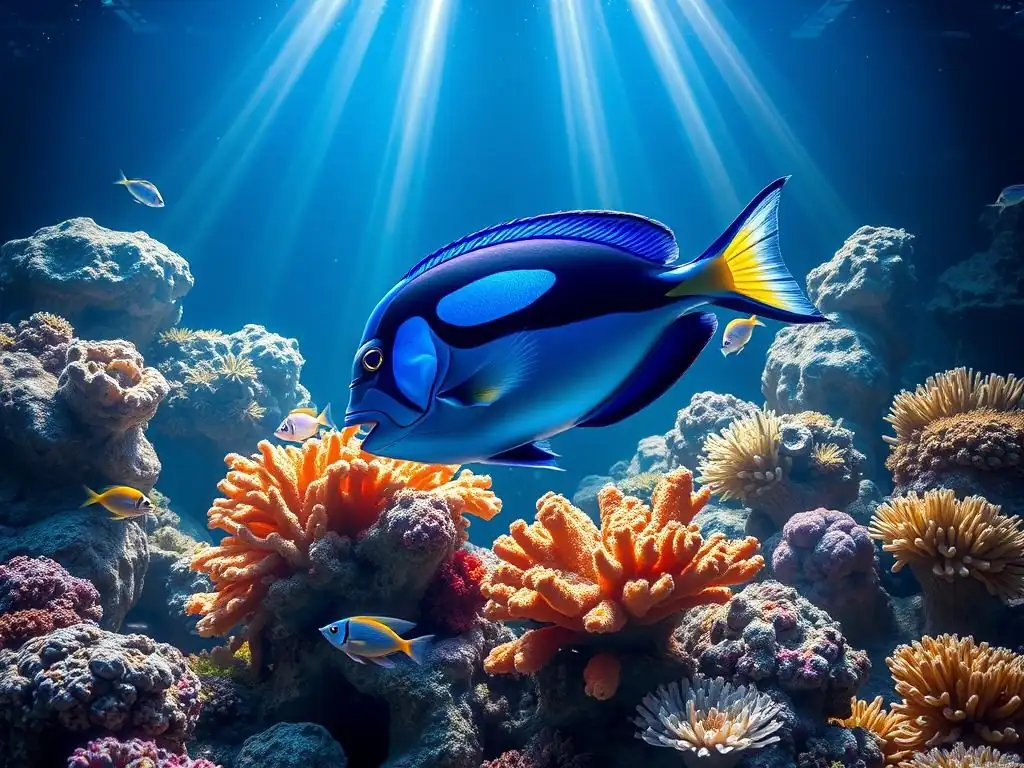
Welcome to Aquarium Mastery!
Ever felt that sinking feeling when your so-called " ReefSafe" fish starts eyeing your prized corals like a midnight snack? You're not alone! This article dives deep into why this happens and, more importantly, what you can do about it. Prepare to uncover the secrets of identifying coral-nipping culprits and strategies for creating a harmonious reef environment. Ready to save your corals? Let's begin!
- Understanding Reef-Safe Fish and Coral Compatibility
- Identifying the Culprit: Which Fish Species are Common Coral Nibblers?
- Addressing the Problem: Solutions When Reef-Safe Fish are Eating Corals
- Preventing Future Problems: Choosing Truly Reef-Safe Fish
- Long-Term Reef Tank Management: Maintaining a Balanced Ecosystem
-
Frequently Asked Questions
- My supposedly "Reef Safe" fish is eating my corals. Why is this happening?
- How can I identify which fish is the culprit eating my corals?
- Is it possible to correct the behavior of a fish eating my corals?
- If I have to remove the fish, what are my options?
- What are truly safe alternatives to fish that won't eat my corals?
- Final Reflection: The Unforeseen Consequences of Good Intentions
- Unleash Your Inner Reef Guardian!
Understanding Reef-Safe Fish and Coral Compatibility
What Does "Reef-Safe" Really Mean? Defining Reef Compatibility
The term "reef-safe" in the aquarium hobby generally implies that a particular fish species will not actively prey upon or harm corals, clams, or other sessile invertebrates within a reef tank environment. It suggests a compatibility that allows the fish to coexist peacefully with the delicate ecosystem of a coral reef. However, this designation is often a generalization, not an absolute guarantee, as individual fish personalities, tank conditions, and the specific needs of both fish and corals can significantly influence behavior.
Defining true reef compatibility involves understanding that a fish's behavior can be influenced by various factors beyond its species' general reputation. Tank size, the availability of appropriate food sources, the presence of aggressive tank mates, and even the type and health of the corals themselves can all play a role. Therefore, while a fish might be broadly categorized as "reef-safe," a "ReefSafe fish eating corals" situation can still arise due to these complex interactions within a live, evolving ecosystem.
Why "Reef-Safe" Fish Sometimes Eat Corals: Factors and Considerations
Even fish typically considered "reef-safe" can develop a propensity for nipping or consuming corals due to a variety of underlying factors. One primary reason is nutritional deficiency or insufficient feeding; a hungry fish, regardless of its typical diet, may turn to readily available coral polyps as an alternative food source. Stress from poor water quality, overcrowding, or aggressive tank mates can also lead to abnormal behaviors, including coral nipping, as the fish seeks comfort or expresses agitation.
Furthermore, some fish may simply be exhibiting natural instincts, even if such behavior is rare for their species, or they might mistake coral polyps for natural food items. For instance, a tang that is primarily herbivorous might occasionally nip at the fleshy polyps of large polyp stony (LPS) corals if its algae intake is insufficient, or if it perceives the polyps as a form of macroalgae.
Similarly, a dwarf angelfish, while generally considered safe, might develop a taste for certain SPS (small polyp stony) polyps or clam mantles out of curiosity or boredom, illustrating how a "ReefSafe fish eating corals" situation can be a frustrating and unexpected challenge.
Identifying the Culprit: Which Fish Species are Common Coral Nibblers?
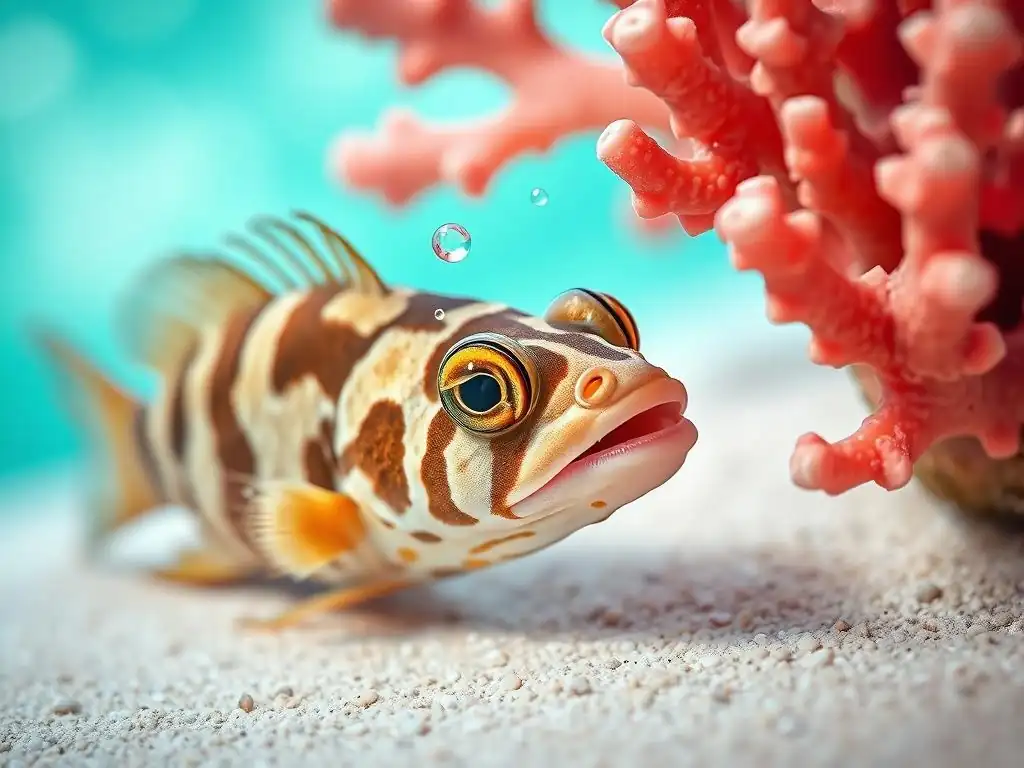
Common "Reef-Safe" Fish Known to Eat Corals
Butterflyfish: When Reef-Safe Isn't Safe
While many butterflyfish species are notorious coral predators, some, like the Longnose Butterflyfish ( Forcipiger flavissimus), are often marketed as "reef-safe." However, even these seemingly benign species can become problematic. Their long snouts are perfectly adapted for probing crevices and picking at polyps, and if their specific dietary needs are not met, or if they are underfed, they may turn to corals.
Even a well-fed Longnose Butterflyfish might occasionally nip at soft corals such as zoanthids, palythoa, or even certain large polyp stony (LPS) corals like Acanthastrea or Blastomussa. This behavior is often exploratory initially but can quickly become habitual, leading to significant tissue damage. The frustration of discovering a "ReefSafe fish eating corals" is particularly acute when the fish in question was specifically chosen for its supposed compatibility.
Angelfish: A Potential Coral Predation Risk
Many large angelfish, such as the Emperor Angelfish ( Pomacanthus imperator) or Queen Angelfish ( Holacanthus ciliaris), are widely known to be non-reef-safe due to their diet of sponges and tunicates, which often leads them to nip at corals. However, smaller dwarf angelfish from the Centropyge genus, including popular choices like the Flame Angelfish ( Centropyge loricula) and Coral Beauty Angelfish ( Centropyge bispinosa), are frequently labeled as "reef-safe."
Despite their reputation, dwarf angelfish are opportunistic omnivores and can, and often do, nip at a variety of corals. They are particularly prone to nipping at the polyps of SPS corals, clam mantles, and certain soft corals like zoanthids, Discosoma mushrooms, and Ricordea mushrooms. This behavior can be sporadic or consistent, and while it might not immediately kill a coral, persistent nipping can lead to tissue recession, stress, and eventual demise. This makes them a common source of the "ReefSafe fish eating corals" conundrum.
Tangs: Herbivores with a Coral Appetite?
Tangs, or surgeonfish, are predominantly herbivorous, primarily grazing on algae, which makes them seem like ideal candidates for a reef tank to help control nuisance algae. Most species, such as the Yellow Tang ( Zebrasoma flavescens) or Blue Tang ( Paracanthurus hepatus), are generally considered reef-safe. However, even these dedicated herbivores can occasionally develop a taste for coral polyps.
This usually occurs when their primary food source—algae—is scarce, or if they are underfed. Certain tangs, particularly those known for more aggressive grazing, might sample corals, mistaking them for a form of vegetation. They are more likely to nip at fleshy LPS corals like Acanthastrea, Blastomussa, or even the tips of SPS corals. While not their primary diet, such behavior can cause noticeable damage, especially to smaller colonies, leading to an unexpected "ReefSafe fish eating corals" situation.
Observing Your Fish: Identifying the Coral-Eating Behavior
Identifying which fish is the culprit when a "ReefSafe fish eating corals" problem arises requires diligent and patient observation. Coral damage, such as missing polyps, retracted tissue that doesn't expand, or visible bite marks, is the primary clue. However, catching the fish in the act can be challenging, as they often nip subtly or when they feel unobserved.
To pinpoint the offender, spend time watching your tank during various periods: shortly after feeding, before the lights dim for the night, and especially in the early morning hours when some fish are most active. Look for direct nipping, where a fish approaches a coral and makes a quick "pecking" motion. If you have a red light or moonlight setting, use it to observe nocturnal activity, as some fish may nip more freely in lower light conditions. Consistent targeting of specific coral species or areas of the tank can help narrow down the possibilities.
Addressing the Problem: Solutions When Reef-Safe Fish are Eating Corals
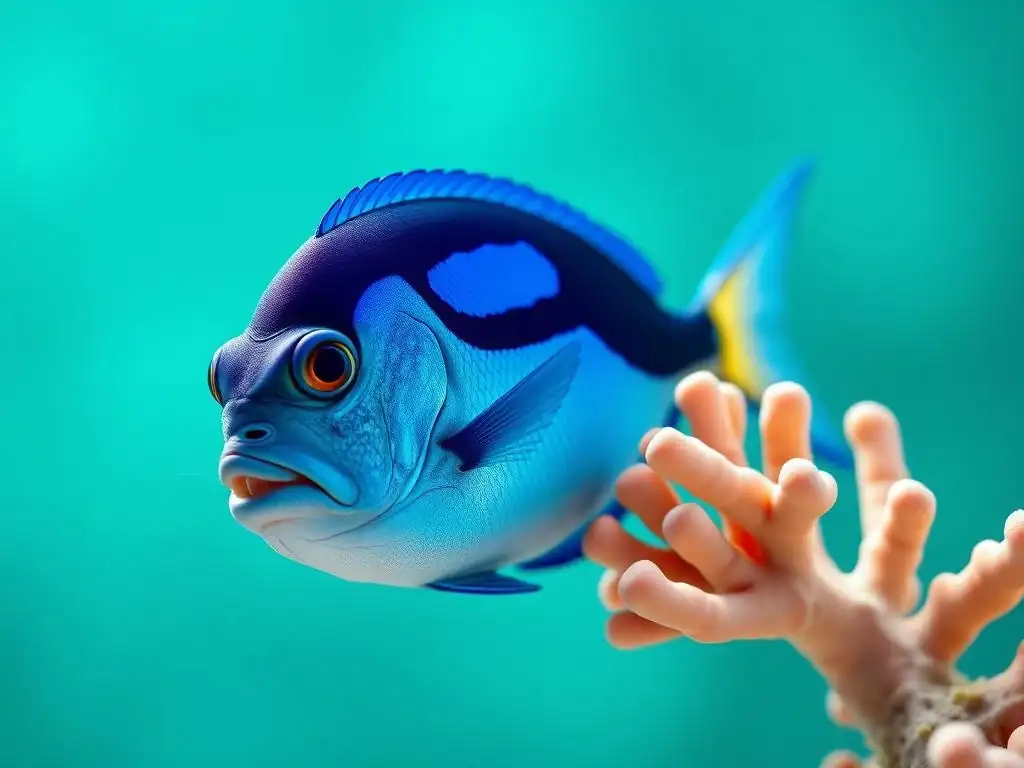
Re-Homing the Coral-Eating Fish: A Last Resort?
When a "ReefSafe fish eating corals" problem persists despite other interventions, re-homing the offending fish often becomes the most effective, albeit difficult, solution. This decision prioritizes the long-term health and stability of your coral reef ecosystem over the presence of a single problematic inhabitant. Options for re-homing include trading the fish with a local fish store, offering it to another aquarist through local reef club forums, or selling it online.
The act of catching a fish in a mature reef tank, filled with intricate rockwork and corals, can be challenging. Specialized fish traps, often clear acrylic boxes with a one-way entrance or a bait chamber, can be effective but require patience. Alternatively, a large net and careful maneuvering may be necessary, sometimes requiring the removal of certain rock pieces. While emotionally taxing, removing the fish is often the only way to prevent further, irreversible damage to your valuable coral collection.
Coral Placement Strategies: Protecting Vulnerable Corals
Strategic coral placement can serve as an effective defense mechanism when dealing with a "ReefSafe fish eating corals" scenario. By understanding which corals are most vulnerable to nipping and which areas of the tank are frequently patrolled by the problematic fish, you can arrange your aquascape to minimize damage. Some corals are inherently more resilient or less palatable to certain fish, while others are highly susceptible.
Consider placing more delicate or highly prized corals in areas that are less accessible to the fish, such as higher shelves of rockwork, or within crevices that provide some physical protection. Conversely, more robust or fast-growing corals that can tolerate some minor nipping might be placed in more exposed areas. This method aims to reduce the opportunity for the fish to interact with and damage your most vulnerable coral colonies.
Creating a Coral Safe Zone: Using Egg Crate or Acrylic Barriers
For specific, highly targeted corals, creating a physical barrier can be an effective temporary or semi-permanent solution. Egg crate (light diffuser panels) can be cut and shaped to form a protective cage around individual coral colonies, preventing the fish from directly accessing the polyps while still allowing adequate water flow and light penetration. Similarly, clear acrylic sheets or fine mesh can be used to construct custom barriers.
These barriers serve as a deterrent, buying time for the coral to recover from previous nipping or for you to implement other solutions, such as dietary adjustments or, ultimately, re-homing the fish. While they might slightly detract from the aesthetic of the tank, they are invaluable tools for protecting prized or recovering corals when a "ReefSafe fish eating corals" problem is actively damaging your reef.
Fragging and Relocation: Moving Corals to Higher Flow Areas
If a specific coral colony is repeatedly targeted by a "ReefSafe fish eating corals," fragging a portion of it can save at least part of the colony. The fragged piece can then be moved to a separate frag tank for recovery or placed in a less accessible area of the main display. This allows you to preserve the genetics of the coral even if the original colony is lost.
Relocating corals to different areas of the tank can also be beneficial. Some fish prefer to graze in calmer, lower-flow areas, or on specific surfaces. Moving a targeted coral to a higher flow region, or to a spot that is less frequented by the nipping fish, might make it less appealing or harder for the fish to consistently target. This simple adjustment can sometimes be enough to break the fish's habit.
Dietary Adjustments: Satisfying the Fish's Nutritional Needs
One of the most common reasons a "ReefSafe fish eating corals" problem develops is inadequate feeding or an improper diet. A fish that is constantly hungry or not receiving the necessary nutrients from its regular food sources is more likely to seek out alternative food, including coral polyps. Therefore, adjusting your feeding regimen and the types of food offered can often mitigate or resolve the issue.
It is crucial to provide a varied and species-appropriate diet. Many "reef-safe" fish, even if primarily carnivorous or herbivorous, benefit from a diverse range of foods to meet all their nutritional requirements. A well-fed fish is generally less inclined to nip at corals out of hunger or boredom, making dietary adjustments a critical first step in addressing unwanted coral predation.
Providing Alternative Food Sources: Offering Nori, Spirulina Flakes, and Frozen Mysis Shrimp
To divert a fish's attention from corals, offer a variety of alternative food sources that closely mimic their natural diet or provide ample nutrition. For herbivorous fish like tangs, high-quality dried seaweed (nori), spirulina flakes, or algae wafers clipped to the tank glass can provide continuous grazing opportunities. These options satisfy their natural urge to graze and provide essential plant-based nutrients.
For omnivorous or carnivorous species, such as dwarf angelfish or certain butterflyfish, offering nutrient-rich frozen foods like mysis shrimp, gut-loaded brine shrimp, or high-quality pellet foods can be highly effective. Ensure the food is readily available and palatable. For example, mysis shrimp are packed with protein and fatty acids, making them a desirable food source that can satiate a fish's hunger and reduce its interest in coral polyps.
Increasing Feeding Frequency: Feeding 3-4 Times Daily
Increasing the frequency of feedings, rather than simply increasing the quantity at each feeding, can significantly reduce the likelihood of a "ReefSafe fish eating corals" out of hunger. By providing smaller meals 3-4 times daily, you ensure that fish are consistently satiated throughout the day, minimizing the periods when they might feel compelled to seek out alternative food sources like coral polyps.
While increasing frequency, it is vital to avoid overfeeding, which can lead to rapid degradation of water quality. Focus on providing small, targeted amounts of food that can be consumed quickly by the fish. This strategy helps maintain a consistent level of satiation, reducing boredom and hunger-driven nipping, and promotes healthier fish that are less likely to develop problematic behaviors.
Monitoring Water Parameters: Maintaining a Healthy Reef Environment
The overall health of your reef environment, largely dictated by stable water parameters, plays a significant role in both coral health and fish behavior. Poor or fluctuating water quality (e.g., high nitrates, low alkalinity, unstable pH, or inconsistent salinity) can stress fish, leading to aberrant behaviors such as coral nipping. A stressed fish is more likely to act out of character.
Similarly, corals under stress from unstable water parameters are more vulnerable to nipping and less capable of regenerating damaged tissue. Maintaining stable and optimal water parameters is therefore crucial for mitigating a "ReefSafe fish eating corals" issue. This includes consistent salinity (1.025-1.026), alkalinity (8-10 dKH), calcium (400-450 ppm), magnesium (1300-1400 ppm), and keeping nitrates below 10 ppm and phosphates below 0.03 ppm.
The Importance of Water Quality in Coral Health and Fish Behavior
Stable and optimal water quality is paramount for both the resilience of your corals and the well-being of your fish. When water parameters are consistent and within the ideal range for a reef environment, both corals and fish experience less physiological stress. Healthy corals are more robust, better able to withstand minor nips, and can regenerate damaged tissue more effectively.
For fish, a stable environment reduces stress-induced behaviors. A fish that is not stressed by fluctuating parameters, nutrient imbalances, or toxins is less likely to develop problematic habits like coral nipping. For instance, a sudden spike in nitrates from 5 ppm to 20 ppm might stress a Flame Angelfish, causing it to begin nipping at LPS corals it previously ignored. Regular water testing, consistent water changes (e.g., 10% bi-weekly), and effective nutrient export methods (like protein skimming and refugiums) are essential foundations for a healthy, balanced reef ecosystem.
Preventing Future Problems: Choosing Truly Reef-Safe Fish
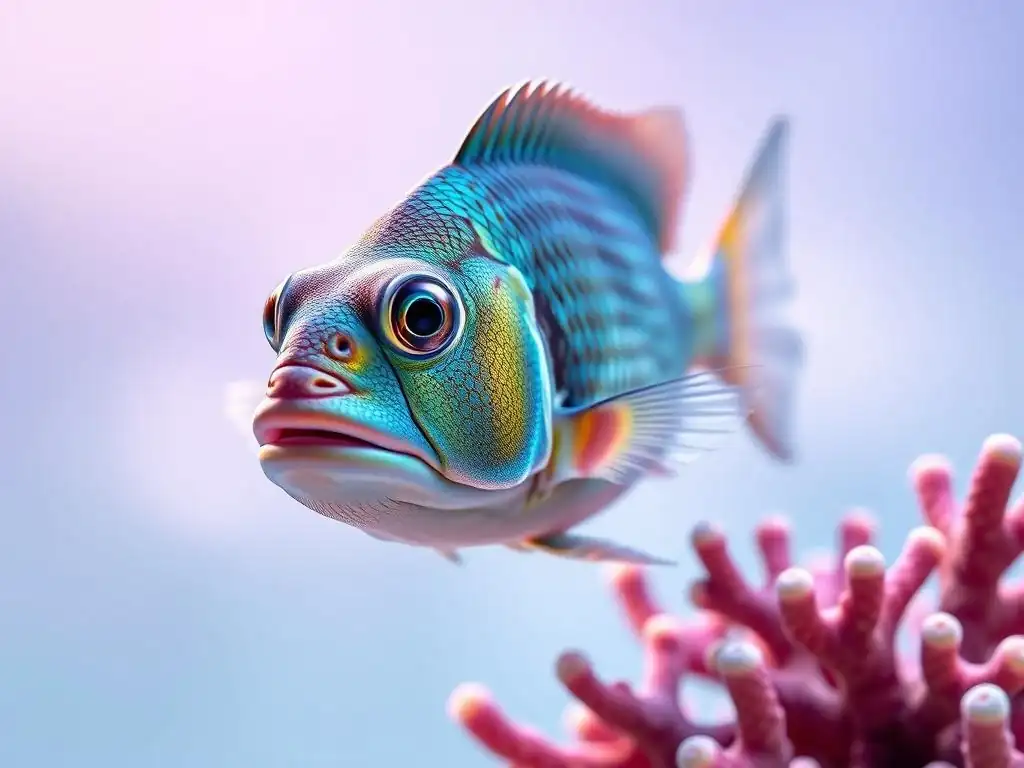
Researching Fish Species Before Introduction: Due Diligence is Key
The most effective way to prevent a "ReefSafe fish eating corals" problem is to conduct thorough research before introducing any new fish to your reef tank. Do not rely solely on the "reef-safe" label provided by a fish store. Instead, utilize multiple reputable sources such as online fish profiles, dedicated reefkeeping forums, and comprehensive aquarium books to understand the specific dietary needs, adult size, temperament, and known compatibility issues of any species you consider.
Pay close attention to nuances in their dietary preferences; for example, some fish might be generally herbivorous but known to occasionally pick at specific coral types. Researching potential adult size is also crucial, as a fish that is "reef-safe" when small might become problematic or too large for your tank as it matures. Due diligence in research is the first and most critical line of defense against future coral predation.
Quarantine Procedures: Observing Fish Behavior Before Adding to the Reef Tank
Implementing a robust quarantine (QT) procedure for all new fish is an indispensable step in preventing a "ReefSafe fish eating corals" scenario. A separate quarantine tank allows you to observe the new fish's health, temperament, and most importantly, its feeding habits and any potential undesirable behaviors, in isolation from your main display tank.
During the 4-6 week quarantine period, you can introduce a small, inexpensive coral frag or even a piece of PVC pipe to simulate tank structure. Observe if the fish exhibits any nipping or picking at these items. This allows you to identify a potential "ReefSafe fish eating corals" issue before it impacts your valuable and established reef system. Any problematic behavior detected in QT can then be addressed, or the fish can be re-homed, without risking your main display.
Compatibility Charts and Expert Advice: Utilizing Resources for Informed Decisions
Beyond individual species research, leveraging established compatibility charts and seeking expert advice can significantly aid in making informed decisions about new fish introductions. Many reputable aquarium websites and books offer detailed compatibility charts that categorize fish based on their general reef-safe status and interactions with various invertebrates. These charts can serve as a valuable starting point for narrowing down your choices.
Furthermore, engaging with experienced aquarists, whether through local reef clubs, online communities, or reputable local fish store owners, provides access to real-world experiences and nuanced insights. An experienced hobbyist might share specific anecdotes about a "ReefSafe fish eating corals" despite its general classification, offering practical advice that goes beyond textbook knowledge. This collective wisdom is invaluable for avoiding costly mistakes and maintaining a harmonious reef.
Long-Term Reef Tank Management: Maintaining a Balanced Ecosystem
Regular Observation and Monitoring: Keeping an Eye on Fish and Coral Interactions
Long-term success in reefkeeping hinges on consistent and diligent observation and monitoring of your tank. A reef aquarium is a dynamic, living ecosystem where fish behavior can evolve over time due to factors such as maturity, changes in tank inhabitants, or environmental shifts. Therefore, what was once a "reef-safe" fish might, unexpectedly, begin exhibiting problematic coral-nipping behavior.
Regularly inspect your corals for any subtle changes in appearance, such as retracted polyps, tissue recession, or new bite marks. Pay attention to how your fish interact with different coral species and with each other. Early detection of any undesirable behavior, even minor nips, is crucial for mitigating damage and addressing a "ReefSafe fish eating corals" situation before it escalates into a significant problem.
Adapting to Changes: Adjusting Strategies as the Reef Ecosystem Evolves
A successful reef aquarist must be prepared to adapt strategies as the tank's ecosystem evolves. As corals grow and mature, fish age, or new inhabitants are introduced, the delicate balance of the tank can shift. A fish that was perfectly "reef-safe" for years might suddenly develop a taste for a particular coral, or a new coral addition might become a target for an existing fish.
Be prepared to adjust your feeding regimen, coral placement, or even consider re-homing a fish if a "ReefSafe fish eating corals" problem becomes persistent. For instance, if a soft coral expands into an area frequented by a potentially problematic fish, it might suddenly become a target. Flexibility and a willingness to make necessary changes are vital for maintaining a thriving and healthy reef environment in the face of evolving dynamics.
The Importance of a Diverse and Established Reef Environment
A diverse and well-established reef environment often contributes significantly to the overall stability and health of the tank, which in turn can reduce the likelihood of a "ReefSafe fish eating corals" situation. A mature tank with ample live rock provides numerous hiding spots, territories, and grazing surfaces, reducing stress and aggression among fish, which can sometimes manifest as coral nipping.
Furthermore, a healthy and diverse microfauna population, including copepods and amphipods, provides natural grazing opportunities and live food sources for many fish. This natural food supply can help keep fish satiated and engaged, potentially diverting their attention away from corals. A well-established tank also tends to have more stable water parameters and a robust biological filtration system, fostering a natural balance that discourages problematic behaviors and enhances the resilience of both fish and corals.
Frequently Asked Questions
My supposedly "Reef Safe" fish is eating my corals. Why is this happening?
Even labeled "Reef Safe", fish can sometimes nip at corals. This can be due to individual fish behavior, a lack of sufficient food, or misidentification of the fish's diet.
How can I identify which fish is the culprit eating my corals?
Carefully observe your aquarium, especially during feeding times. Look for fish actively nipping at corals. You can also use a coral-safe camera to capture video evidence.
Is it possible to correct the behavior of a fish eating my corals?
Sometimes, increasing the fish's food supply, especially with algae-based foods, can deter coral nipping. However, often the best solution is to remove the offending fish.
If I have to remove the fish, what are my options?
You can try to rehome the fish to another aquarium that doesn't contain corals. Alternatively, consider trading it with a local fish store for a different species.
What are truly safe alternatives to fish that won't eat my corals?
Consider invertebrates like snails, crabs, and shrimp, which are typically reef-safe and beneficial for the ecosystem. Thoroughly research any animal before adding it to your reef tank.
Final Reflection: The Unforeseen Consequences of Good Intentions
The information presented throughout this article highlights a crucial, often overlooked aspect of reef keeping: the inherent unpredictability of biological systems. While we strive to create harmonious ecosystems within our tanks, the reality is that even fish labeled "ReefSafe" can exhibit unexpected behaviors, leading to the unfortunate consumption of our prized corals. This underscores the importance of diligent observation and proactive management in maintaining a healthy and thriving reef environment.
This experience serves as a potent reminder that our actions, even those driven by the best intentions, can have unforeseen consequences. The delicate balance of a reef ecosystem, whether natural or artificial, demands constant vigilance and a willingness to adapt our strategies as needed. The only constant in life is change.
This ancient wisdom rings especially true in the dynamic world of reef keeping, where we must be prepared to adjust our approaches based on the ever-evolving interactions within our tanks.
Ultimately, the journey of reef keeping is one of continuous learning and adaptation. Let this article serve as a catalyst for deeper reflection on your own practices. Are you truly observing your fish and corals closely? Are you prepared to make difficult decisions when necessary? Let us all strive to be more informed, more attentive, and more responsible stewards of these miniature underwater worlds, ensuring the long-term health and beauty of our reefs.
Unleash Your Inner Reef Guardian!
Thank you for diving into the world of reef keeping with us! Now that you're equipped with the knowledge to identify coral-nipping culprits, let's transform that knowledge into action.
Here's how to take the next steps:
- Immediately rehome or quarantine the fish. This is critical to saving your corals and preventing further damage. Consider donating the fish to another hobbyist with a fish-only tank or setting up a quarantine tank for observation.
- Explore alternative feeding strategies. Try offering a wider variety of foods, including algae wafers, nori, and meaty options, to see if you can redirect your fish's appetite.
- Join the Aquarium Mastery community! Share your experiences and solutions with other reef keepers, and learn from their successes and challenges.
What innovative solutions have you used to curb coral nipping behaviors in your reef tank?