
The Ideal Nano Goby Tank Setup: Creating the Perfect MicroHabitat

Welcome to Aquarium Mastery!
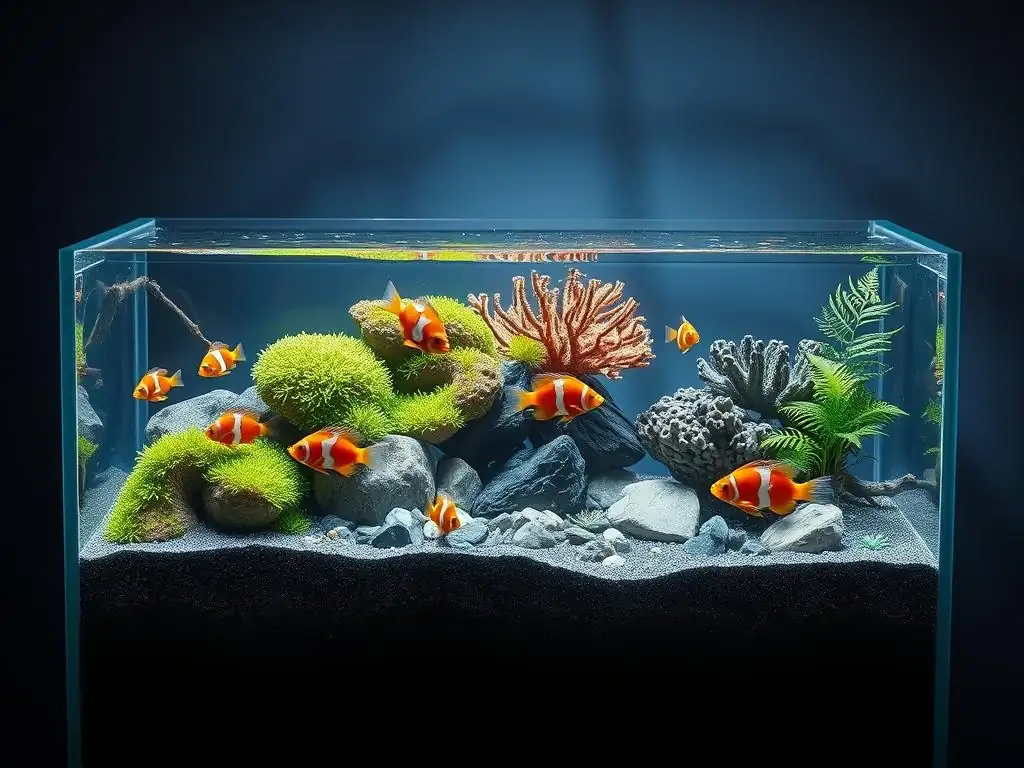
Ever wondered if you could create a thriving underwater world in a nano space? Dive in and discover the secrets to a captivating Nano Goby Tank Setup! We'll guide you through crafting the perfect microhabitat for these charming saltwater fish, revealing everything you need to know about creating a vibrant and healthy environment. Get ready to unlock the potential of your small aquarium and witness the fascinating lives of nano gobies. Curious to know more? Keep reading to find out how!
- Understanding Nano Gobies and Their Needs
- Planning Your Nano Goby Tank Setup
-
Setting Up Your Nano Goby Tank: A Step-by-Step Guide
- Step 1: Preparing the Aquarium - Cleaning and Leak Testing
- Step 2: Substrate Selection for Nano Gobies - Sand, Gravel, or Bare Bottom?
- Step 3: Aquascaping Your Nano Goby Tank - Creating Hiding Places and Territories
- Step 4: Setting Up Filtration and Water Circulation for Nano Gobies
- Step 5: Lighting for Nano Gobies and Corals (If Applicable)
- Step 6: Setting Up Heating and Maintaining Temperature Stability
- Step 7: Cycling Your Nano Goby Tank: Establishing Biological Filtration
- Water Chemistry and Maintenance for Nano Gobies
- Selecting the Right Tank Mates for Nano Gobies
- Feeding Your Nano Gobies: Ensuring Proper Nutrition
- Maintaining a Healthy Nano Goby Environment
- Troubleshooting Common Nano Goby Tank Issues
- Enjoying Your Thriving Nano Goby Tank
- Frequently Asked Questions
- Final Reflection: Cultivating Miniature Ecosystems
- Unleash Your Nano Reef Potential!
Understanding Nano Gobies and Their Needs
What are Nano Gobies? Exploring Their Size and Temperament
Nano gobies represent a fascinating group of small, often vibrant, saltwater fish that typically inhabit the lower strata of reef environments. These diminutive species are characterized by their petite size, with most adults rarely exceeding 2 inches in length. For instance, popular choices like the Trimma gobies ( Trimma cana or Trimma rubromaculata) often mature at around 1.5 inches, while the even tinier Eviota gobies ( Eviota pellucida) can be as small as 1 inch. Their small stature makes them ideal inhabitants for compact aquarium setups, often referred to as nano goby tank setups.
Despite their small size, nano gobies display a diverse range of temperaments and behaviors. Many species are peaceful and shy, preferring to perch on rocks or burrow into the substrate, such as the Diamond Watchman Goby ( Valenciennea puellaris), which sifts sand, or the various shrimp gobies that form symbiotic relationships with pistol shrimp. While generally non-aggressive towards other fish species, some gobies may exhibit territorial behavior towards conspecifics or similar-looking fish, especially in smaller confines. Understanding these behavioral nuances is crucial for successful integration into a community tank.
Why Choose Nano Gobies for Your Saltwater Aquarium?
Choosing nano gobies for a saltwater aquarium, particularly a nano goby tank setup, offers several distinct advantages. Their compact size makes them perfect candidates for smaller aquariums, ranging from 5 to 20 gallons, where larger fish would quickly outgrow the space or contribute to excessive bioload. This allows aquarists with limited space to enjoy the beauty and complexity of a marine ecosystem. Furthermore, many nano goby species boast striking colors and unique patterns, adding significant visual appeal to a microhabitat despite their small stature.
Beyond their aesthetic appeal and suitability for smaller tanks, nano gobies exhibit captivating behaviors that can be incredibly rewarding to observe. From the methodical sand-sifting of certain species to the curious peering of perching gobies from their rocky hideouts, their daily activities provide endless entertainment. Their relatively low bioload also makes them easier to manage in terms of water quality, provided the tank is properly maintained. This combination of manageable size, vibrant appearance, and engaging behavior makes them a top choice for both novice and experienced nano reef enthusiasts.
Essential Considerations for Nano Goby Tank Size
The ideal tank size for a nano goby tank setup is a critical consideration to ensure the well-being and longevity of these delicate fish. While a single, very small nano goby species like an Eviota or Trimma might survive in a 5-gallon tank, a minimum of 10 gallons is generally recommended for a single specimen to provide more stable water parameters and adequate swimming/territorial space. For a pair or a small group of compatible nano gobies, a tank of 15 to 20 gallons or larger is often necessary to prevent aggression and allow each fish sufficient territory.
It's important to remember that smaller tanks, while space-efficient, are inherently less stable regarding water parameters. Temperature fluctuations, salinity shifts, and nutrient spikes can occur more rapidly in a 10-gallon system compared to a 30-gallon one. Therefore, precise control over the nano goby tank setup's environment, including diligent monitoring and maintenance, becomes paramount. Adequate horizontal swimming space and ample hiding spots are often more beneficial than sheer vertical height for these bottom-dwelling or perching fish.
Planning Your Nano Goby Tank Setup
Choosing the Right Nano Aquarium: Size and Dimensions
When planning your nano goby tank setup, selecting the right aquarium size and dimensions is paramount. As discussed, a 10-gallon tank is a good starting point for a single nano goby, while 15-20 gallons provides more flexibility for a pair or small community.
Consider the physical dimensions: a tank with a larger footprint (length and width) is often more beneficial for nano gobies than a tall, narrow tank. For example, a standard 10-gallon tank (approximately 20 inches long by 10 inches wide) offers more bottom surface area for a goby to establish territory and forage than a 10-gallon "column" tank.
The material of the aquarium also plays a role in your nano goby tank setup. Glass aquariums are durable, scratch-resistant, and generally more affordable, making them a popular choice. Acrylic tanks, while lighter and more impact-resistant, are prone to scratching and can be more expensive. For the typical small sizes used in nano goby setups, either material can work effectively, but glass is often preferred for its clarity and resistance to minor abrasions during maintenance.
Selecting a Suitable Location for Your Nano Goby Tank
The placement of your nano goby tank setup is crucial for both the aquarium's health and your enjoyment. Choose a location that is stable, level, and capable of supporting the full weight of the tank, water, and equipment. A full 10-gallon tank can weigh over 100 pounds, so a sturdy stand or furniture designed for aquariums is essential. Ensure the area is away from direct sunlight, which can lead to excessive algae growth and rapid temperature fluctuations, stressing your nano gobies.
Furthermore, avoid placing the tank near heat sources like radiators, air conditioning vents, or drafty windows, as these can cause significant and rapid temperature swings that are detrimental to delicate marine life. Proximity to electrical outlets is also important for powering equipment, but always ensure a drip loop is created for all power cords to prevent water from traveling down the cord into the outlet. Easy access for routine maintenance, such as water changes and feeding, should also factor into your chosen location for the nano goby tank setup.
Essential Equipment for a Thriving Nano Goby Environment
Setting up a thriving nano goby tank requires a selection of essential equipment to maintain stable and healthy conditions. Beyond the aquarium itself, a sturdy stand capable of supporting the tank's weight is crucial. Lighting is necessary for observation and, if you plan to keep corals, specific reef-capable LED lights are required to support their photosynthetic needs. For a fish-only nano goby tank setup, a basic LED light will suffice to illuminate the tank.
Temperature stability is vital, so a submersible heater with a reliable thermostat is indispensable. For a 10-gallon tank, a 50-watt heater is typically sufficient. Filtration is also key; options include hang-on-back (HOB) filters with biological media, small internal filters, or even a mini-sump system for more advanced setups.
A small powerhead or wavemaker is often needed to provide adequate water circulation, preventing dead spots and ensuring proper gas exchange. Finally, essential monitoring tools like a thermometer, a refractometer or hydrometer for salinity, and a comprehensive set of liquid-based water test kits (ammonia, nitrite, nitrate, pH, alkalinity, calcium) are vital for regular parameter checks in your nano goby tank setup.
Setting Up Your Nano Goby Tank: A Step-by-Step Guide
Step 1: Preparing the Aquarium - Cleaning and Leak Testing
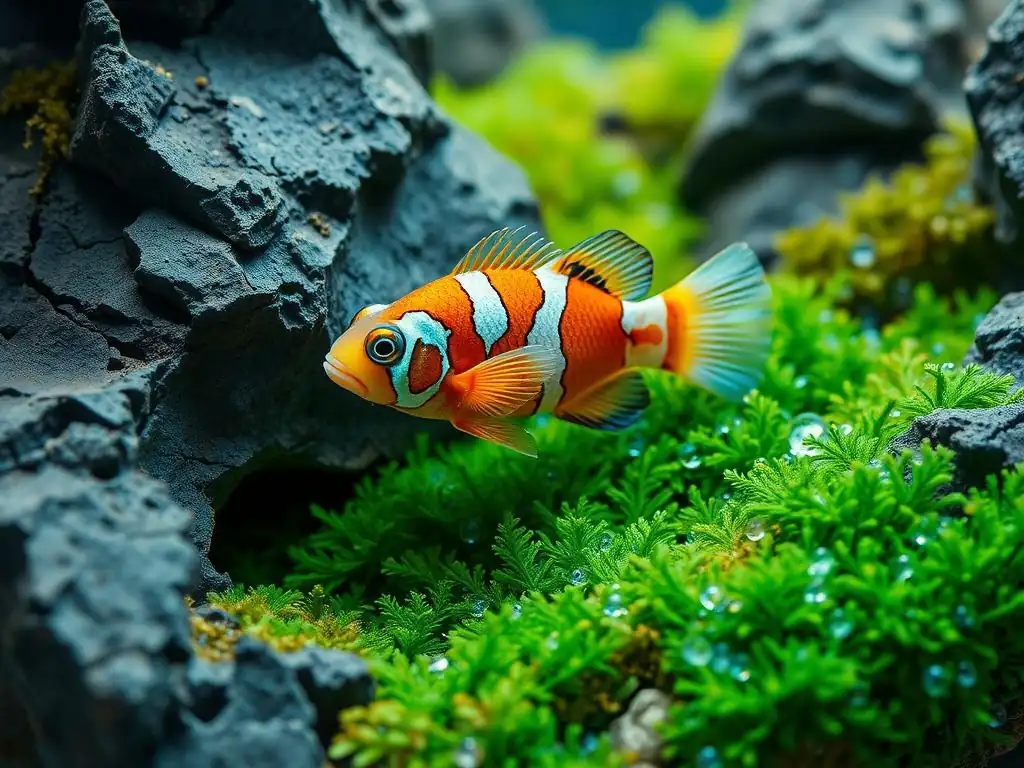
Before introducing any inhabitants, the first step in your nano goby tank setup is to thoroughly prepare the aquarium. Begin by cleaning the tank with plain water only; avoid using any soaps, detergents, or chemical cleaners, as their residues can be highly toxic to marine life. A clean, new sponge or cloth dedicated solely to aquarium use can help remove any dust or manufacturing residues. Rinse the tank multiple times to ensure all impurities are gone.
After cleaning, it is highly recommended to perform a leak test, especially for new or used tanks. Fill the aquarium with freshwater and let it sit for at least 24 hours, observing closely for any signs of leaks around the seams. Place the tank on a level surface, perhaps on a towel or in a bathtub, to contain any potential spills. Addressing any leaks at this stage, before committing to a full nano goby tank setup, will save significant headaches and potential damage later on.
Step 2: Substrate Selection for Nano Gobies - Sand, Gravel, or Bare Bottom?
The choice of substrate is a critical decision in a nano goby tank setup, as it directly impacts the well-being of your gobies, especially burrowing species. For most nano gobies, particularly those that sift sand or create burrows (e.g., Diamond Watchman Gobies, Pistol Shrimp Gobies), a fine sand bed is highly recommended. Live sand, or aragonite sand with a grain size of 0.5mm to 2mm, is ideal, providing a natural environment for foraging and burrowing without damaging delicate fins or mouths. A sand bed depth of 2-4 inches is generally sufficient for most burrowing species.
While some aquarists opt for a bare-bottom tank to simplify cleaning and nutrient export, this setup is generally not ideal for nano gobies, as it deprives them of their natural digging and sifting behaviors. Gravel is also typically unsuitable, as its coarser texture can injure delicate gobies. For a successful nano goby tank setup, particularly one that mimics their natural habitat, a soft, fine sand substrate is the superior choice, promoting natural behavior and providing a sense of security for these small fish.
Step 3: Aquascaping Your Nano Goby Tank - Creating Hiding Places and Territories
Aquascaping is not just about aesthetics; it's fundamental to the success of your nano goby tank setup, providing essential structure for your fish. The primary goal is to create numerous hiding places, crevices, and stable rock formations that offer security and define territories. Live rock is the preferred choice for marine aquascaping due to its porous nature, which provides extensive surface area for beneficial bacteria, contributing significantly to biological filtration. Aim for a structure that offers caves, overhangs, and small nooks where gobies can retreat, rest, and feel safe from perceived threats.
Consider the natural behaviors of your chosen nano goby species when designing your aquascape. Perching gobies will appreciate elevated flat surfaces, while burrowing gobies need stable rock structures that extend to the substrate, allowing them to dig safely underneath without the risk of collapse. Use reef-safe epoxy or super glue to secure rockwork, especially in smaller tanks, to prevent shifts that could injure fish or damage equipment. A well-thought-out aquascape dramatically reduces stress and encourages natural behavior in your nano goby tank setup.
Rock Placement for Nano Goby Security and Exploration
Strategic rock placement is vital for creating a secure and stimulating environment within your nano goby tank setup. Arrange the live rock to form multiple pathways, archways, and isolated caves. This not only provides numerous hiding spots but also creates distinct territories, which can be particularly important if you plan to keep multiple gobies or other small fish. Ensure that the rockwork is stable and rests directly on the bottom glass of the aquarium, rather than on the sand bed, to prevent potential collapses if burrowing gobies undermine the substrate.
Leave ample open sand areas in front of the rockwork, especially if you have sand-sifting or burrowing gobies. This allows them space to perform their natural behaviors without obstructions. Varying the height and depth of your rock structures adds visual interest and provides different vantage points for perching gobies. A well-structured aquascape in your nano goby tank setup mimics a natural reef, encouraging exploration and reducing stress for your small inhabitants.
Incorporating Caves and Shelters for Nano Goby Comfort
Caves and shelters are indispensable elements for the comfort and security of nano gobies in their tank setup. Many goby species are naturally shy and require safe havens to retreat to when startled or during rest periods. These enclosed spaces provide a sense of security, mimicking the crevices and holes they would inhabit in their natural reef environment. You can create these shelters using live rock, ceramic caves, or even small PVC pipes disguised within the aquascape.
Ensure that the entrances to these caves are appropriately sized for your nano gobies, allowing them easy access while keeping larger, potential predators out (though in a nano goby tank setup, tank mates should be carefully selected to avoid predators anyway). Multiple hiding spots are beneficial, as it allows each goby to establish its own territory and reduces competition for prime real estate. Providing ample, secure shelters significantly reduces stress levels and promotes natural behavior, leading to healthier and more active nano gobies.
Step 4: Setting Up Filtration and Water Circulation for Nano Gobies
Effective filtration and water circulation are cornerstones of a healthy nano goby tank setup. Filtration removes waste products and maintains water clarity, while proper water flow ensures oxygenation, nutrient distribution, and prevents detritus buildup. For nano tanks, finding the right balance is key: too little flow can lead to stagnant areas and poor gas exchange, while excessive flow can stress small gobies and blow them around the tank.
When establishing your nano goby tank setup, aim for gentle yet consistent water movement throughout the entire aquarium. This helps replicate the natural currents of a reef environment, providing oxygen and carrying food particles to your gobies. The specific equipment will depend on your tank size and inhabitants, but the principle of maintaining pristine water quality and adequate flow remains constant for the well-being of your delicate nano gobies.
Choosing the Right Filter for Your Nano Goby Tank
Selecting the appropriate filter for your nano goby tank setup is crucial for maintaining pristine water quality. For tanks under 20 gallons, several options are viable. Hang-on-back (HOB) filters are popular due to their ease of installation and maintenance; look for models that allow customization of media, such as adding biological ceramic rings or live rock rubble. Small internal filters can also work, often combining mechanical and biological filtration in a compact unit.
For more advanced nano goby tank setups, a small sump can provide superior filtration capacity, allowing for a protein skimmer, refugium, and a larger volume of biological media, thus improving water stability. However, sumps require more space and plumbing. The key is to choose a filter that provides adequate mechanical filtration to remove particulate matter, chemical filtration (like activated carbon) to remove dissolved organics, and robust biological filtration to process ammonia and nitrite into less toxic nitrate. Over-filtering is generally preferable in a nano system.
Maintaining Optimal Water Flow for a Healthy Environment
Optimal water flow is essential in a nano goby tank setup to mimic their natural habitat and support overall tank health. A good flow pattern prevents the accumulation of detritus and waste in dead spots, ensures even distribution of temperature and dissolved oxygen, and aids in the health of any corals you might keep. For a 10-20 gallon nano goby tank, a small powerhead or wavemaker with a flow rate of approximately 200-400 gallons per hour (GPH) is often sufficient.
Position the powerhead strategically to create gentle, turbulent flow without directly blasting your gobies. Aim for indirect flow that circulates around rockwork and across the sand bed. Many nano gobies, especially those that perch or burrow, prefer calmer areas to rest, so ensure there are some zones with reduced flow. Regularly check and clean your powerheads to maintain consistent performance and prevent flow reduction in your nano goby tank setup.
Step 5: Lighting for Nano Gobies and Corals (If Applicable)
Lighting in a nano goby tank setup serves both aesthetic and biological functions. For a fish-only nano goby tank, a basic LED light fixture that provides sufficient illumination for viewing your fish and supporting minimal algae growth on live rock is adequate. These lights typically offer a spectrum that highlights the vibrant colors of your gobies and the aquascape. The intensity can be relatively low, as the primary purpose is observation.
If your nano goby tank setup includes corals, especially photosynthetic ones, the lighting requirements become much more stringent. Coral-specific LED fixtures are necessary, offering a broad spectrum (including blue and actinic wavelengths) and sufficient intensity (PAR) to support coral photosynthesis. Research the specific lighting needs of your chosen corals (e.g., soft corals like zoanthids have lower light demands than SPS corals like Acropora). A timer should always be used to maintain a consistent photoperiod, typically 8-10 hours per day, to prevent algae outbreaks and ensure a stable environment for both gobies and corals.
Selecting the Appropriate Light Spectrum and Intensity
When selecting lighting for your nano goby tank setup, the spectrum and intensity are key considerations. For a fish-only system, a light with a color temperature around 10,000K to 14,000K provides a crisp, bright white light that enhances the natural colors of your gobies and rockwork. The intensity should be moderate, enough to illuminate the tank without promoting excessive nuisance algae. Many entry-level LED fixtures designed for nano tanks offer adjustable brightness, allowing you to fine-tune the output.
If your nano goby tank setup is a reef system with corals, a more advanced LED fixture is required. These lights typically offer multiple channels (e.g., white, blue, UV, red) that can be individually controlled to achieve the ideal spectrum for coral growth and coloration. A spectrum rich in blue (450-470nm) and actinic (420nm) wavelengths is crucial for coral photosynthesis.
The intensity, measured in Photosynthetically Active Radiation (PAR), must match the specific needs of your corals; for instance, LPS corals may thrive under PAR values of 50-150, while SPS corals often require 200-400 PAR. Always consider the light spread and ensure even coverage across the entire tank.
Lighting Schedules for a Balanced Nano Goby Ecosystem
Establishing a consistent lighting schedule is vital for a balanced nano goby tank setup. Marine ecosystems thrive on predictable cycles, and an erratic light schedule can stress your fish and promote nuisance algae growth. For most reef tanks, a photoperiod of 8 to 10 hours per day is generally recommended. This duration provides ample light for coral photosynthesis (if applicable) and fish activity without overstimulating algae.
Many modern LED lights for nano goby tank setups come with built-in timers or can be connected to external digital timers, allowing for precise control. Consider a gradual ramp-up and ramp-down feature (sunrise/sunset simulation) if your light fixture supports it, as this mimics natural light transitions and reduces stress on the inhabitants. Maintaining a stable and predictable lighting routine contributes significantly to the overall health and stability of your nano goby environment.
Step 6: Setting Up Heating and Maintaining Temperature Stability
Maintaining a stable and appropriate temperature is paramount for the health of your nano gobies and all other marine life in your tank setup. Tropical marine fish, including nano gobies, thrive within a narrow temperature range, typically between 76°F and 80°F (24.4°C - 26.7°C). Fluctuations outside this range, or rapid swings, can severely stress the fish, weaken their immune systems, and make them susceptible to disease.
To achieve this stability, a reliable submersible aquarium heater with an accurate thermostat is essential. For a 10-gallon nano goby tank setup, a 50-watt heater is usually sufficient. For larger nano tanks (15-20 gallons), a 75-100 watt heater might be more appropriate. Always use a separate, accurate thermometer (digital or glass) to verify the heater's thermostat readings, as built-in thermostats can sometimes be inaccurate. Place the heater in an area with good water flow to ensure even heat distribution throughout the tank.
Step 7: Cycling Your Nano Goby Tank: Establishing Biological Filtration
Cycling is arguably the most critical step in establishing a new nano goby tank setup and must not be rushed. This process involves establishing the nitrogen cycle, a biological filtration system where beneficial bacteria convert toxic ammonia (from fish waste, uneaten food) into less toxic nitrite, and then into even less toxic nitrate. Without a fully cycled tank, ammonia and nitrite levels will quickly spike to lethal concentrations once fish are introduced.
There are several methods for cycling, but the most common is the "fishless cycle," which is highly recommended for a nano goby tank setup. This involves adding an ammonia source (e.g., pure ammonia solution or a small piece of decaying shrimp) to the tank and allowing the bacteria colonies to grow. The process typically takes 4-6 weeks, during which you'll regularly test for ammonia, nitrite, and nitrate.
The tank is considered fully cycled when ammonia and nitrite levels consistently read zero for several days, and nitrate levels begin to rise. Only after this critical phase is complete should you consider adding your first nano gobies.
Water Chemistry and Maintenance for Nano Gobies
Understanding Key Water Parameters for Nano Gobies
Maintaining precise water parameters is fundamental to the health and longevity of nano gobies in their tank setup. The marine environment is delicate, and even slight deviations from optimal ranges can cause significant stress. Regular testing is not just a recommendation; it's a necessity. Key parameters include salinity, which should be kept stable at 1.025-1.026 specific gravity (or 35 ppt), mirroring natural seawater. pH levels should consistently range from 8.0 to 8.4, critical for coral health if applicable, and overall fish well-being.
Most critically, ammonia and nitrite must always be undetectable (0 ppm) in a cycled nano goby tank setup, as even trace amounts are highly toxic to fish. Nitrate, the end product of the nitrogen cycle, should be kept as low as possible, ideally below 10-20 ppm for fish-only tanks and even lower (below 5 ppm) for reef systems. Regular monitoring of these parameters provides early warnings of potential issues, allowing for corrective actions before problems escalate and impact your nano gobies.
Salinity, pH, Ammonia, Nitrite, and Nitrate Levels
For a thriving nano goby tank setup, precise control over salinity, pH, ammonia, nitrite, and nitrate levels is non-negotiable. Salinity, the measure of dissolved salts, should be maintained within a specific gravity range of 1.025 to 1.026. This is crucial for osmoregulation in marine fish; deviations can lead to osmotic shock. Use a refractometer for accurate measurements, calibrating it regularly. pH, a measure of acidity/alkalinity, should ideally be stable between 8.0 and 8.4. Fluctuations can stress fish and inhibit coral calcification.
Ammonia and nitrite are highly toxic waste products that must always be at 0 ppm in a established nano goby tank setup. Any detectable levels indicate an issue with biological filtration or overstocking and require immediate attention, such as a water change. Nitrate, while less toxic than ammonia or nitrite, should be kept below 20 ppm for fish-only tanks and ideally below 5 ppm for reef tanks. High nitrates can lead to excessive algae growth and long-term stress for inhabitants. Regular testing with reliable liquid test kits is essential to monitor these critical parameters.
Regular Water Changes and Maintenance Schedule
Regular water changes are the single most effective maintenance practice for a nano goby tank setup. They replenish essential trace elements, remove accumulated nitrates and other dissolved organic compounds that filtration alone cannot fully handle, and help maintain stable water chemistry. For most nano tanks, a weekly water change of 10-20% of the total tank volume is a good starting point. The exact frequency and volume may vary depending on bioload, feeding habits, and nitrate levels.
Beyond water changes, a consistent maintenance schedule is crucial. This includes daily checks for equipment function and fish behavior, weekly or bi-weekly cleaning of glass/acrylic surfaces to remove algae, and routine cleaning or replacement of filter media. For example, filter socks should be changed every few days, and activated carbon replaced every 2-4 weeks. Adhering to a strict maintenance regimen ensures a healthy and stable environment for your nano gobies and contributes significantly to the long-term success of your nano goby tank setup.
Choosing the Right Salt Mix for Your Nano Goby Tank
The quality of your salt mix directly impacts the health of your nano gobies and the overall stability of your tank. Not all salt mixes are created equal; some are formulated specifically for fish-only tanks, while others are designed to support a full reef ecosystem with corals. For a nano goby tank setup, especially one that might eventually house corals, choosing a high-quality, synthetic reef salt mix is recommended. These mixes contain not only sodium chloride but also balanced levels of essential elements like calcium, alkalinity, and magnesium, which are crucial for coral growth and maintaining stable pH.
Look for salt mixes that dissolve clearly and quickly, with minimal precipitation. Reputable brands that consistently produce high-quality, consistent batches are preferable. Always mix your saltwater outside the display tank, using an appropriately sized container and a powerhead for circulation, allowing it to mix for at least 24 hours to ensure all elements are fully dissolved and the salinity is stable. Heating the new saltwater to match the tank's temperature before adding it to your nano goby tank setup minimizes temperature shock during water changes.
Testing Water Parameters and Troubleshooting Common Issues
Regular and accurate testing of water parameters is the cornerstone of successful nano goby tank setup maintenance. A comprehensive set of liquid test kits for ammonia, nitrite, nitrate, pH, alkalinity, and calcium (if keeping corals) is indispensable. Test at least weekly, or more frequently if you observe any signs of distress in your fish or notice unusual algae growth. Keeping a log of your test results can help identify trends and diagnose issues early.
When parameters deviate from the ideal range, troubleshooting involves identifying the cause and taking corrective action. For example, elevated ammonia or nitrite in a cycled tank usually indicates overfeeding, overstocking, or a dead animal; a partial water change and reduction in feeding are immediate steps. High nitrates can often be addressed with more frequent or larger water changes, reduced feeding, or adding nitrate-reducing media. Algae blooms might point to excess nutrients (nitrate/phosphate) or excessive lighting. Proactive testing and swift, informed responses are key to maintaining a healthy nano goby tank setup.
Selecting the Right Tank Mates for Nano Gobies
Compatible Fish Species for a Nano Goby Tank
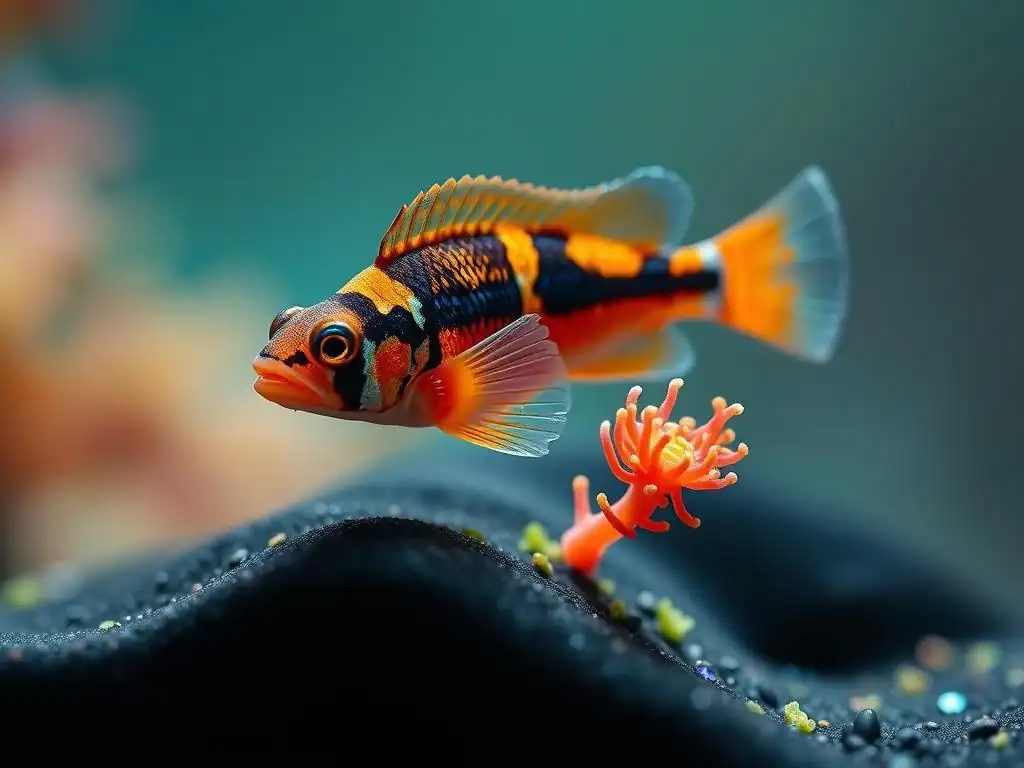
Selecting appropriate tank mates is crucial for the harmony and well-being of your nano gobies in their tank setup. Due to their small size and often shy nature, nano gobies thrive best with other peaceful, similarly sized fish that will not outcompete them for food or territory. Excellent choices include other small, peaceful gobies (ensuring they are not territorial with each other, e.g., certain Trimma or Eviota species), small dartfish ( Nemateleotris magnifica or dekoras), or tiny blennies like the Tailspot Blenny ( Salarias fasciatus).
Avoid any aggressive or overly boisterous fish species that could intimidate or injure your nano gobies. Also, be mindful of fish that grow too large for a nano goby tank setup, as even initially small fish can quickly overgrow the space and increase bioload beyond the tank's capacity. Always introduce new fish slowly and observe interactions carefully to ensure compatibility. A well-chosen community enhances the visual appeal and ecological balance of your nano goby environment.
Invertebrates That Thrive with Nano Gobies
Many invertebrates make excellent additions to a nano goby tank setup, contributing to tank cleanliness and adding visual interest. Cleaner shrimp species, such as Peppermint Shrimp ( Lysmata wurdemanni) or Skunk Cleaner Shrimp ( Lysmata amboinensis), are popular choices that can help control pests like Aiptasia and often establish cleaning stations for fish. Various types of snails, like Nassarius Snails ( Nassarius vibex) for sand sifting or Astrea Snails ( Astrea tecta) for algae grazing, are invaluable members of the clean-up crew.
Hermit crabs (e.g., Blue Leg or Red Leg Hermit Crabs) can also be beneficial algae eaters and detritivores, but ensure they have plenty of appropriately sized empty shells to prevent them from preying on snails. Small, peaceful starfish, such as Fromia species, can also be considered. Avoid large, predatory invertebrates or those known to bother small fish. The right mix of invertebrates helps maintain a healthy ecosystem in your nano goby tank setup by performing essential cleanup duties.
Fish to Avoid When Keeping Nano Gobies
When establishing a nano goby tank setup, it is critical to avoid certain fish species that pose a threat or are otherwise incompatible with the peaceful, diminutive nature of nano gobies. Any large, predatory, or aggressive fish species should be strictly excluded. This includes common marine aquarium fish like Lionfish, Groupers, large Angelfish, or Triggers, which would view nano gobies as food. Even seemingly innocent fish like Damselfish can become highly aggressive and territorial in a small tank, harassing and stressing out smaller, shyer gobies.
Furthermore, avoid fast-swimming or boisterous fish that might outcompete nano gobies for food during feeding times, leading to malnourishment. Fish that require very different water parameters or feeding habits than nano gobies should also be avoided. The success of your nano goby tank setup relies heavily on creating a serene environment where these small fish feel secure, so careful selection of tank mates is paramount to prevent stress, injury, or even death.
Feeding Your Nano Gobies: Ensuring Proper Nutrition
What Do Nano Gobies Eat? Diet and Nutritional Needs
Understanding the dietary needs of nano gobies is crucial for their long-term health and vitality in a nano goby tank setup. Most nano gobies are carnivorous micro-predators, feeding on small invertebrates, copepods, amphipods, and other zooplankton in their natural reef habitats. Their diet should therefore primarily consist of small, meaty foods. Some species, like the Diamond Watchman Goby, are sand-sifters that primarily consume detritus and small organisms found within the substrate.
A varied diet is key to providing all necessary nutrients and preventing deficiencies. While some gobies might pick at algae, it should not be their primary food source. Providing a diverse range of high-quality, protein-rich foods ensures that your nano gobies receive the essential amino acids, vitamins, and minerals they need to thrive, maintain vibrant coloration, and exhibit natural behaviors within their nano goby tank setup.
Recommended Foods for Nano Gobies - Live, Frozen, and Prepared
To meet the nutritional needs of your nano gobies in their tank setup, offer a variety of live, frozen, and high-quality prepared foods. Live foods are often the most readily accepted and can trigger natural hunting instincts; excellent choices include live brine shrimp, copepods (e.g., Tisbe or Copepod species), and baby mysis shrimp. These provide essential fatty acids and can be a great way to acclimate new or finicky eaters.
Frozen foods are a staple for most nano goby tank setups due to their convenience and nutritional value. Frozen mysis shrimp, enriched brine shrimp, cyclops, and finely chopped krill or fish flesh are all excellent options. Ensure the food is thawed thoroughly before feeding. High-quality prepared foods, such as small-pellet or flake foods designed for marine carnivores, can also be offered, but they should supplement, not replace, the live and frozen options. Always choose foods that are appropriately sized for your goby's small mouth.
Feeding Schedules and Techniques for Nano Gobies
Establishing a consistent feeding schedule and employing proper techniques are vital for ensuring your nano gobies receive adequate nutrition without polluting their tank setup. Due to their small size and high metabolism, nano gobies generally benefit from multiple small feedings throughout the day, rather than one large meal. Two to three small feedings daily are often ideal, allowing them to graze naturally without leaving excessive uneaten food to foul the water.
When feeding, turn off powerheads or wavemakers temporarily to prevent food from being immediately swept into the overflow or filtration, ensuring your gobies have ample time to consume it. Target feeding, using a pipette or turkey baster to deliver food directly to shy gobies or specific areas, can be highly effective, especially in a community nano goby tank setup. Observe your gobies during feeding to ensure all individuals are getting enough food and adjust quantities accordingly to prevent overfeeding, which can lead to poor water quality and health issues.
Maintaining a Healthy Nano Goby Environment
Recognizing Signs of Illness in Nano Gobies
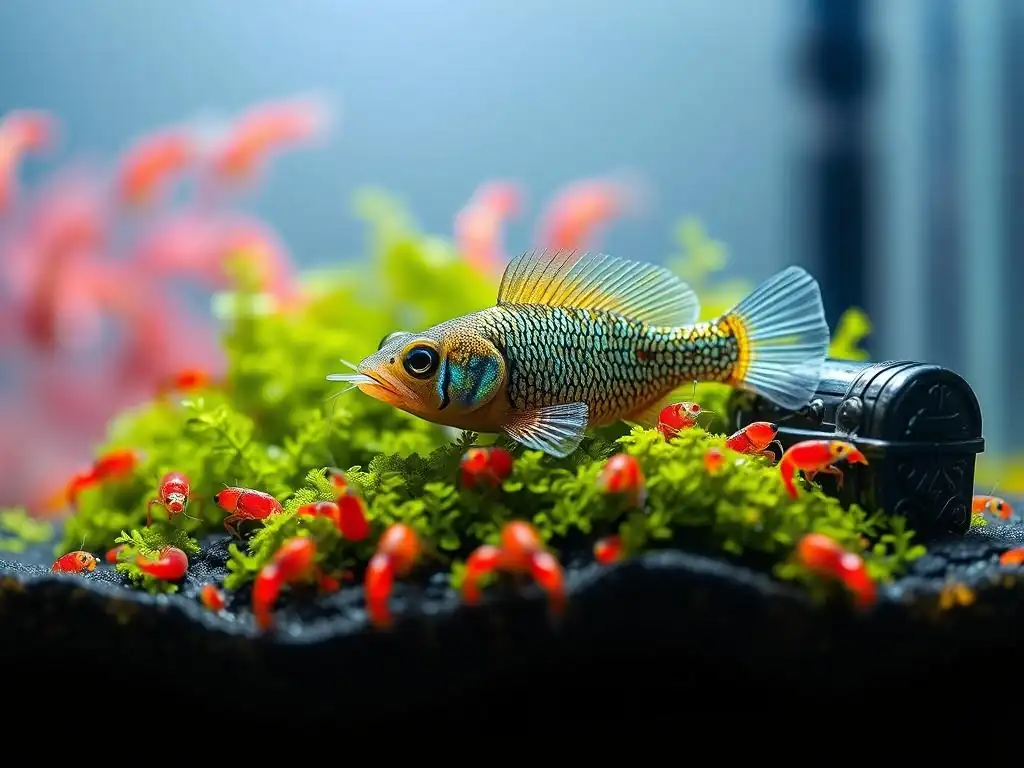
Early recognition of illness is crucial for prompt treatment and recovery in your nano goby tank setup. Familiarize yourself with the normal appearance and behavior of your gobies. Healthy nano gobies will exhibit clear eyes, vibrant coloration, intact fins, and active swimming or perching. They should also show a healthy appetite and respond to feeding cues.
Signs of illness can include clamped fins, faded or dull coloration, rapid or labored breathing, white spots (Ich), fuzzy patches (fungus), lesions, or abnormal growths. Behavioral changes suching as lethargy, hiding excessively, scratching against rocks (flashing), or refusing to eat are also strong indicators of distress or disease. Any deviation from normal behavior or appearance in your nano goby tank setup warrants immediate investigation and, if necessary, quarantine and treatment.
Common Nano Goby Diseases and Treatments
Nano gobies, like all fish, can be susceptible to various diseases, particularly if stressed by poor water quality or aggressive tank mates in their tank setup. Common ailments include marine Ich (Cryptocaryon irritans), characterized by tiny white spots resembling salt grains on the body and fins. Other parasitic infections might include velvet (Amyloodinium ocellatum), which appears as a fine, dusty coating. Bacterial infections can manifest as fin rot, cloudy eyes, or internal swelling.
Treatment for these diseases often involves moving the affected fish to a separate quarantine tank to avoid medicating the main nano goby tank setup, which can harm corals and beneficial bacteria. Copper-based medications are effective for Ich and velvet, while broad-spectrum antibiotics are used for bacterial infections. Always follow medication instructions carefully and ensure proper dosage for the small volume of a nano tank. Prevention through stable water parameters, proper nutrition, and low stress is always the best approach.
Preventing Common Problems in a Nano Goby Aquarium
Preventing common problems is far more effective than treating them in a nano goby tank setup. The cornerstone of prevention is maintaining stable and pristine water quality. This means consistent water changes, diligent testing of parameters, and appropriate filtration. Avoid overfeeding, as uneaten food quickly degrades water quality and contributes to nutrient buildup, which can fuel nuisance algae and stress fish.
Quarantining all new fish and invertebrates for at least 3-4 weeks before introducing them to your main nano goby tank setup is a critical preventative measure. This allows you to observe new arrivals for signs of disease and treat them in isolation, preventing the introduction of pathogens to your established system. Proper aquascaping that provides ample hiding spots and reducing stress by selecting compatible tank mates also plays a significant role in fostering a resilient and healthy environment for your nano gobies.
Troubleshooting Common Nano Goby Tank Issues
Dealing with Algae Blooms in a Nano Goby Tank
Algae blooms are a common, albeit frustrating, issue in many nano goby tank setups, often indicating an imbalance in the ecosystem. Green algae on glass, brown diatoms on sand, or hair algae on rocks are typically caused by excess nutrients (nitrate and phosphate) in the water combined with too much light. The first step in addressing an algae bloom is to identify the source of the excess nutrients. This could be overfeeding, insufficient water changes, decaying organic matter, or phosphate leaching from rock or substrate.
To combat algae blooms, increase the frequency or volume of water changes, reduce feeding, and ensure all uneaten food is removed. Consider adding a small amount of phosphate-removing media to your filter. Adjust your lighting schedule by reducing the photoperiod (e.g., from 10 hours to 8 hours) or decreasing light intensity. Introducing a clean-up crew of algae-eating snails (e.g., Turbo Snails, Astrea Snails) and hermit crabs can also help control minor outbreaks in your nano goby tank setup.
Addressing Cyanobacteria Outbreaks
Cyanobacteria, often called "red slime algae" or "blue-green algae," is a persistent and unsightly problem that can plague a nano goby tank setup. Despite its name, it's a type of photosynthetic bacteria, not true algae. It appears as a dark red, purple, or even blue-green slimy mat that spreads rapidly over sand, rocks, and equipment. Cyanobacteria thrives in low flow areas with high nutrient levels (especially nitrates and phosphates) and sometimes in tanks with an imbalance of the nitrogen cycle.
Treatment involves a multi-pronged approach. Manually siphon out as much cyanobacteria as possible during water changes. Increase water flow in affected areas by repositioning powerheads or adding a small circulation pump. Ensure your filtration is efficient and consider using phosphate-removing media. Reducing feeding and performing more frequent small water changes can also help. In severe cases, a complete blackout of the tank for 3-4 days (no light, no feeding) can be effective, but this should be done cautiously, especially if you have sensitive corals in your nano goby tank setup.
Maintaining Water Quality and Stability
Maintaining consistent water quality and stability is the single most critical factor for the long-term success of any nano goby tank setup. Small water volumes are inherently less stable than larger ones, meaning changes in parameters can occur more rapidly and have a more pronounced effect. Regular monitoring of salinity, temperature, pH, ammonia, nitrite, and nitrate levels is non-negotiable. Aim for minimal fluctuations in these parameters.
To ensure stability, implement a consistent maintenance schedule including routine water changes and filter cleaning. Avoid sudden large changes in temperature or salinity. Use high-quality salt mix and RO/DI water for all top-offs and water changes. Overfeeding is a common culprit for poor water quality, so feed sparingly. A stable environment minimizes stress on your nano gobies, strengthening their immune systems and allowing them to thrive in their carefully crafted microhabitat.
Enjoying Your Thriving Nano Goby Tank
Observing and Appreciating Your Nano Gobies' Behavior
One of the most rewarding aspects of a well-maintained nano goby tank setup is the opportunity to observe and appreciate the unique behaviors of these fascinating fish. Spend time watching them. Notice how the Diamond Watchman Goby meticulously sifts through the sand, spitting out debris, or how a symbiotic goby shares its burrow with a pistol shrimp, acting as a watchful sentinel. Observe the perching habits of Trimma or Eviota gobies as they survey their territory from a rock.
Each species has its own charm, from the darting movements of a Neon Goby to the shy retreats of a Clown Goby into a coral branch. Their small size allows for intricate observation of their social interactions, feeding habits, and territorial displays within the confines of your nano goby tank setup. This close connection to the miniature marine world offers a unique and calming experience for any aquarist.
The Joys of a Well-Maintained Nano Reef Ecosystem
The ultimate joy of a nano goby tank setup lies in the creation and maintenance of a thriving, miniature reef ecosystem. When all elements come together – stable water parameters, a healthy cleanup crew, vibrant corals (if included), and active, colorful nano gobies – the result is a dynamic and captivating slice of the ocean in your home. This microcosm demonstrates the intricate balance of marine life and the profound impact of diligent husbandry.
A well-maintained nano reef is a source of continuous learning and aesthetic pleasure. It offers the satisfaction of seeing your efforts translate into a flourishing environment where delicate creatures thrive. The compact nature of a nano goby tank setup makes it accessible to many, proving that even a small space can host a spectacular and educational marine display, bringing the wonders of the ocean closer to you.
Frequently Asked Questions
What size tank is best for a Nano Goby?
The ideal tank size for a Nano Goby is typically between 5-10 gallons. This provides sufficient space for them to exhibit natural behaviors without being overwhelmed. A larger tank is okay, but not necessary.
What are the key elements of water chemistry in a Nano Goby tank?
Maintaining stable water parameters is crucial. Key elements include keeping ammonia and nitrite levels at zero and nitrates low, typically below 20 ppm, through regular water changes.
What type of substrate is recommended for a Nano Goby tank?
A fine sand substrate is generally recommended. This allows the gobies to sift through it naturally, searching for food, and helps prevent detritus buildup.
What kind of filtration is needed for a Nano Goby tank?
A gentle filter is preferred, as strong currents can stress these small fish. A sponge filter or a small hang-on-back filter with adjustable flow are good options.
What tank mates are suitable for Nano Gobies in a small tank?
Carefully consider tank mates, as overcrowding can be an issue. Invertebrates like small shrimp and snails are generally good choices, but avoid larger or aggressive fish.
Final Reflection: Cultivating Miniature Ecosystems
The journey of crafting the ideal nano goby tank setup, as we've explored, is more than just assembling equipment; it's about fostering a thriving, self-contained world. The principles of careful planning, mindful selection, and diligent maintenance, highlighted throughout this article, are increasingly relevant in a world grappling with environmental consciousness. As we become more aware of our impact on larger ecosystems, the lessons learned in creating a balanced microhabitat can inform our approach to broader environmental stewardship.
This pursuit of the perfect nano goby tank has profoundly influenced my understanding of the delicate balance within nature. It's a constant reminder that even the smallest actions can have significant consequences, both positive and negative. The dedication required to maintain a thriving nano tank mirrors the dedication needed to protect our planet. In nature, nothing exists alone.
- Rachel Carson. This quote perfectly encapsulates the interconnectedness we strive to achieve within our nano tanks, and the interconnectedness we must recognize in the wider world.
Now, I invite you to consider the principles we've discussed in the context of your own life. How can you apply the same level of care, attention, and dedication to nurturing other aspects of your world, whether it's your community, your relationships, or your own well-being? Embrace the challenge of creating your own miniature ecosystem, not just in a tank, but in every facet of your existence. Let the pursuit of the ideal nano goby tank setup inspire you to cultivate a more balanced, harmonious, and thriving world around you.
Unleash Your Nano Reef Potential!
Thank you for exploring the fascinating world of nano goby habitats! We hope this article has armed you with the knowledge to create a thriving underwater paradise. Now, let's turn that knowledge into action!
Here are some steps you can take to build your dream nano goby tank:
- Start Planning: Sketch out your ideal tank layout:, considering rock placement, coral locations, and hiding spots for your gobies.
- Research unique, sustainable coral frags that complement your goby's needs and create a vibrant reef ecosystem.
- Share your nano goby tank vision! What's one unconventional element you're considering adding to your microhabitat?