
Skeletor Eel (Echidna xanthospilos): Unique Markings & Detailed Care Guide

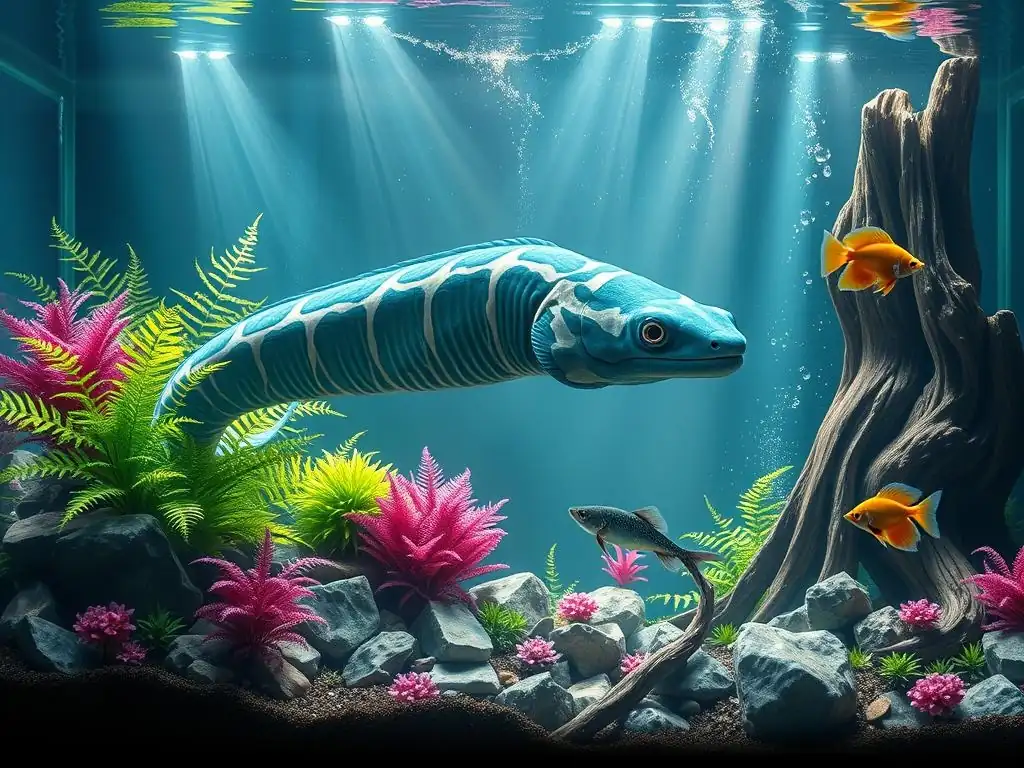
Welcome to Aquarium Mastery, fellow aquarist!
Intrigued by the unusual and captivating? Then you've come to the right place! Ever wondered if you have what it takes to care for the enigmatic Skeletor Eel? Our detailed Skeletor Eel Care Guide dives deep into everything you need to know about these fascinating creatures, from their unique markings to their specific needs. Get ready to unlock the secrets to successfully keeping this saltwater marvel, and discover if you're ready to master the challenge!
- Zebra Moray Eel (Gymnomuraena zebra): Care Guide & Unique Characteristics
- Introduction to the Zebra Moray Eel: A Striking Saltwater Addition
- Zebra Moray Eel Identification and Characteristics
- Zebra Moray Eel Care Guide: Essential Requirements for a Thriving Eel
- Zebra Moray Eel Tank Mates: Compatibility Considerations
- Zebra Moray Eel Health and Disease Prevention
- Breeding Zebra Moray Eels: Challenges and Possibilities
- Purchasing a Zebra Moray Eel: Selecting a Healthy Specimen
- Zebra Moray Eel: Pros and Cons of Ownership
- Conclusion: Mastering Zebra Moray Eel Care for a Rewarding Aquarium Experience
-
Frequently Asked Questions
- What are the key considerations for setting up a suitable habitat for a Skeletor Eel?
- What is the ideal diet for a Skeletor Eel and how often should they be fed?
- What water parameters are crucial for maintaining a healthy Skeletor Eel?
- What are some common health issues that affect Skeletor Eels and how can they be prevented?
- Are Skeletor Eels compatible with other fish species in a community aquarium?
- Final Reflection: Embracing the Unconventional Beauty
- Unleash Your Inner Aquarist: Start Your Skeletor Eel Journey!
Zebra Moray Eel (Gymnomuraena zebra): Care Guide & Unique Characteristics
Introduction to the Zebra Moray Eel: A Striking Saltwater Addition
Understanding the Allure of the Gymnomuraena zebra
The Zebra Moray Eel, scientifically known as Gymnomuraena zebra, is a fascinating and highly sought-after occupant for specialized saltwater aquariums. Unlike many of its more aggressive moray relatives, this species is renowned for its generally docile temperament and striking banded pattern, which resembles that of a zebra. Its unique aesthetic, characterized by alternating dark brown or black and white to yellowish bands, makes it a captivating centerpiece for aquarists looking for something truly distinctive.
Beyond its visual appeal, the Gymnomuraena zebra offers a unique behavioral dynamic to a large, well-established reef tank. They are primarily nocturnal, often found tucked into rockwork during the day, emerging at night to hunt for small crustaceans and invertebrates. Their relatively small size for a moray, typically reaching lengths of 2 to 3 feet in captivity, combined with their non-aggressive nature towards fish, contributes to their popularity among experienced hobbyists dedicated to providing a suitable environment for this unique creature.
Is the Zebra Moray Eel Right for Your Saltwater Aquarium?
Deciding whether a Zebra Moray Eel is a suitable addition to your saltwater aquarium requires careful consideration of its specific needs and your tank's existing setup. While they are less predatory on fish than other moray species, their specialized diet of crustaceans and their need for ample hiding spaces mean they are not suitable for every community tank. A mature, stable aquarium with a robust filtration system and plenty of live rock is essential for their long-term health.
Furthermore, the commitment to a Zebra Moray Eel care guide involves understanding their long lifespan, potentially exceeding 15 years in optimal conditions, and their requirement for consistent water quality. Owners must be prepared for their unique feeding habits, which often involve target feeding. For those willing to meet these specific demands, the Gymnomuraena zebra can be an incredibly rewarding and long-lived inhabitant, offering a glimpse into the mysterious world of reef predators without the typical aggression associated with larger morays.
Zebra Moray Eel Identification and Characteristics
Distinctive Markings: Recognizing the Zebra Moray Eel's Unique Pattern
The most striking feature of the Zebra Moray Eel is its highly distinctive striped pattern, which serves as its namesake. The body is typically dark brown to black, adorned with numerous narrow, cream-colored to yellowish-white bands that encircle its entire body. These bands are usually uniform in width and spacing, providing a clear visual contrast that makes the Gymnomuraena zebra easily identifiable among other moray species. Unlike some morays that may have mottled or spotted patterns, the Zebra Moray's stripes are crisp and well-defined.
This unique banding extends from behind its head all the way to the tip of its tail. While the primary coloration remains consistent, slight variations in the shade of brown/black and the intensity of the white/yellow bands can be observed between individuals.
The eyes are typically small and set within the dark bands, contributing to its somewhat cryptic appearance as it peeks from rock crevices. These markings are not only aesthetically pleasing but also likely serve as camouflage within the complex structures of coral reefs in their natural habitat, making a proper Zebra Moray Eel care guide emphasize suitable aquascaping.
Size and Lifespan of the Gymnomuraena zebra in Captivity
In their natural habitat, Zebra Moray Eels can reach lengths of up to 5 feet (approximately 150 cm), though specimens closer to 3 feet (90 cm) are more commonly encountered by divers. In the confines of a well-maintained home aquarium, they typically grow to a more manageable size, usually between 2 to 3.5 feet (60-105 cm). This makes them one of the smaller, more manageable moray species for larger private aquariums, contrasting with giants like the Green Moray that can exceed 8 feet.
The lifespan of a Gymnomuraena zebra in captivity can be remarkably long, often exceeding 15 years with proper care. There are anecdotal reports of individuals living for over 20 years in exceptionally stable and well-managed environments. This longevity underscores the significant commitment required for Zebra Moray Eel care, as it represents a long-term inhabitant for the dedicated aquarist. Providing optimal water quality, a species-appropriate diet, and minimal stress are crucial factors in ensuring a long and healthy life for this fascinating eel.
Zebra Moray Eel Behavior and Temperament in a Reef Tank
The Zebra Moray Eel is widely regarded as one of the most docile and reef-safe moray species, making it a popular choice for large, established reef aquariums. Unlike more predatory morays that might target fish, the Gymnomuraena zebra primarily feeds on crustaceans, mollusks, and echinoderms, such as crabs, shrimp, snails, and sea urchins. This dietary preference means they pose minimal threat to most fish tank mates, provided the fish are not small enough to be mistaken for their natural prey items, such as tiny gobies or blennies.
Their behavior is typically reclusive during the day, with the eel often found hidden within the rockwork, only occasionally poking its head out. As nocturnal hunters, they become more active after tank lights are off, meticulously exploring crevices for food. While generally peaceful, they can be shy and may take time to acclimate to their new surroundings.
When hand-feeding, caution is advised as, like all morays, they possess sharp teeth, though bites are rare and usually a result of mistaken identity for food. A comprehensive Zebra Moray Eel care guide will always stress the importance of secure tank lids due to their remarkable ability to escape.
Zebra Moray Eel Care Guide: Essential Requirements for a Thriving Eel
Setting Up the Ideal Zebra Moray Eel Tank Environment
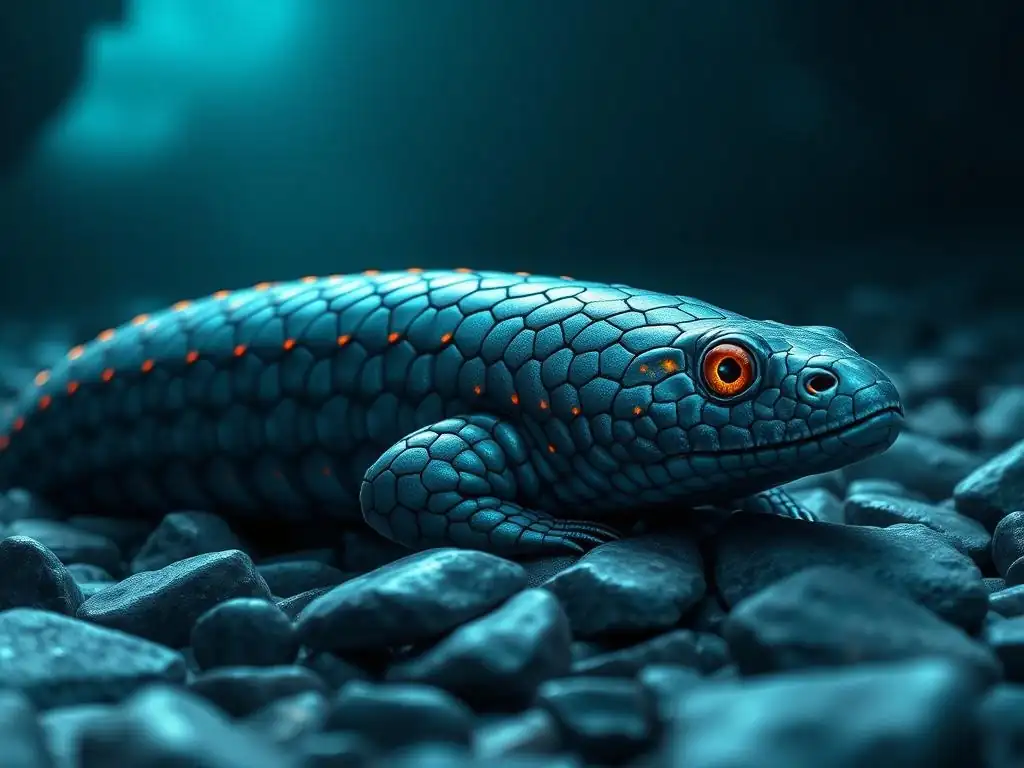
Establishing the correct environment is paramount for the long-term health and well-being of a Zebra Moray Eel. These eels require a stable, mature aquarium that mimics their natural reef habitat. This means not just adequate space but also a thoughtfully designed aquascape that caters to their need for security and exploration. Proper tank setup is the foundation of any effective Zebra Moray Eel care guide.
The tank should be meticulously planned before the eel's introduction, allowing for a fully cycled system and stable parameters. Consideration for their size, nocturnal habits, and escape artist tendencies must be integrated into the initial design. A secure lid is non-negotiable, as even the smallest gap can be an escape route for these incredibly agile creatures.
Tank Size Recommendations for Zebra Moray Eels
Given their potential adult size of 2 to 3.5 feet, a substantial aquarium is necessary for a single Zebra Moray Eel. The generally accepted minimum tank size for a fully grown Gymnomuraena zebra is 75 gallons, though a 100-gallon or larger tank is highly recommended to provide ample swimming space and environmental stability. For context, a 75-gallon tank typically measures around 48 inches long by 18 inches wide by 21 inches high, offering sufficient length for the eel to stretch and explore.
Larger tanks not only provide more room for the eel to navigate and hide but also contribute to greater water volume, which helps dilute waste products and maintain more stable water parameters. This stability is crucial for the health of all marine inhabitants, especially sensitive species like moray eels. When considering a Zebra Moray Eel care guide, always prioritize tank volume and footprint to ensure the eel has enough personal space and the system can handle its bioload.
Substrate and Aquascaping for Zebra Moray Eel Comfort
The substrate for a Zebra Moray Eel tank should ideally consist of fine to medium-grain sand or crushed coral. While they don't actively burrow like some other eel species, a soft substrate is beneficial for their overall comfort and for the various invertebrates they might hunt. The primary focus of aquascaping, however, should be on creating abundant hiding places and secure crevices using live rock.
These eels spend a significant portion of their day concealed within rockwork, emerging primarily at night. Therefore, the aquascape must include numerous caves, tunnels, and overhangs that are large enough for the eel to comfortably retreat into. Stacking rocks securely is critical to prevent collapses, which could injure the eel or damage the tank. Aim for a structure that offers multiple entry and exit points, allowing the eel to feel secure while also providing exploratory opportunities, a key element in a comprehensive Zebra Moray Eel care guide.
Maintaining Optimal Water Parameters for Gymnomuraena zebra
Maintaining precise and stable water parameters is a cornerstone of effective Zebra Moray Eel care. These eels are sensitive to fluctuations and poor water quality. The ideal specific gravity should be maintained between 1.020 and 1.025, mimicking natural ocean salinity. Temperature should be kept stable between 72°F and 78°F (22°C and 26°C), with minimal daily swings.
The pH level should consistently range from 8.1 to 8.4. Crucially, ammonia and nitrite levels must always be undetectable (0 ppm), and nitrates should be kept as low as possible, ideally below 20 ppm. Regular testing with reliable kits is essential to monitor these parameters. Achieving and maintaining these conditions requires robust filtration, consistent water changes, and careful stocking, all integral components of a successful Zebra Moray Eel care guide.
Zebra Moray Eel Diet and Feeding Habits
Understanding the natural diet and feeding habits of the Zebra Moray Eel is crucial for providing appropriate nutrition in captivity. Unlike many predatory morays, the Gymnomuraena zebra is primarily a molluscivore and crustacean specialist, meaning their diet in the wild consists largely of crabs, shrimp, snails, and occasionally small bivalves and echinoderms. This specialized diet influences how they should be fed in the aquarium.
A proper Zebra Moray Eel care guide emphasizes offering a varied diet to ensure complete nutrition. Monotony in feeding can lead to nutritional deficiencies over time, impacting the eel's health and vibrancy. Observing their natural hunting behaviors, such as stealthily navigating rockwork in search of prey, can also inform feeding techniques that encourage natural foraging.
What Do Zebra Moray Eels Eat? A Guide to Nutritional Needs
In captivity, the Zebra Moray Eel's diet should primarily consist of meaty foods that mimic their natural prey. High-quality frozen foods like silversides, krill, squid, and various types of shrimp (e.g., mysis, brine, ghost shrimp) are excellent staples. It's important to offer a variety of these items to ensure a balanced nutritional intake. Some aquarists also offer pieces of clam or mussel, which can be particularly enticing.
For optimal health, it's beneficial to soak frozen foods in a vitamin supplement (e.g., Selcon or Vita-Chem) before feeding. This helps to provide essential vitamins and fatty acids that might be lost during the freezing process. Avoid feeding only one type of food, as this can lead to deficiencies. For example, relying solely on silversides can lead to thiamine deficiency in the long run. A varied diet is a cornerstone of Zebra Moray Eel care guide principles.
Feeding Schedule and Techniques for Zebra Moray Eels
Zebra Moray Eels do not require daily feeding. For adult eels, feeding two to three times per week is generally sufficient. Younger or smaller eels may benefit from slightly more frequent feedings, perhaps every other day. Overfeeding can lead to poor water quality and health issues, so it's important to stick to a consistent, moderate schedule.
When feeding, it's often best to use a feeding stick or tongs to present the food directly to the eel. This prevents uneaten food from decaying in the tank and ensures the eel gets its share, especially in a community tank where faster fish might compete for food. Eels have a keen sense of smell and will typically emerge from their hiding spots when food is present. Target feeding also minimizes the risk of accidental bites, as they can sometimes mistake fingers for food. This direct approach is a key technique in any good Zebra Moray Eel care guide.
Preventing Overfeeding in Zebra Moray Eels
Overfeeding is a common mistake that can have detrimental effects on both the Zebra Moray Eel's health and the overall water quality of the aquarium. When an eel is overfed, it can lead to obesity, which stresses internal organs and reduces the eel's lifespan. Furthermore, uneaten food decays rapidly in a marine environment, leading to a spike in ammonia and nitrite, and an increase in nitrates, all of which are toxic to marine life.
To prevent overfeeding, observe the eel's response. Feed only what the eel can consume within a few minutes. If food is left uneaten, remove it promptly and reduce the portion size or frequency for the next feeding. A consistent feeding schedule, as outlined in a robust Zebra Moray Eel care guide, helps manage their appetite. For instance, feeding 2-3 small pieces of shrimp or squid every 2-3 days is often sufficient for an adult. It's better to slightly underfeed than to overfeed.
Water Quality and Maintenance for Zebra Moray Eel Health
Maintaining pristine water quality is arguably the most critical aspect of Zebra Moray Eel care. Eels, like most marine fish, are highly sensitive to pollutants and fluctuations in water parameters. A stable, clean environment is essential for preventing stress, disease, and ensuring their long-term vitality. This involves a combination of regular water changes, effective filtration, and diligent monitoring of water chemistry.
Poor water quality can manifest as lethargy, loss of appetite, and susceptibility to various infections, which can be difficult to treat in an eel. Therefore, proactive maintenance is far more effective than reactive treatment when it comes to the health of your Gymnomuraena zebra.
Regular Water Changes for a Healthy Zebra Moray Eel
Regular partial water changes are fundamental to maintaining excellent water quality for a Zebra Moray Eel. For a well-stocked aquarium, a weekly or bi-weekly water change of 10-20% of the tank's total volume is highly recommended. For example, in a 100-gallon tank, this would equate to changing 10-20 gallons of water. This practice helps to remove accumulated nitrates, phosphates, and other dissolved organic compounds that filtration alone cannot fully eliminate.
When performing water changes, ensure the new saltwater is properly mixed, temperature-matched to the aquarium, and has the correct specific gravity (1.020-1.025). Using dechlorinated RO/DI water for mixing salt is crucial to avoid introducing harmful chemicals. Consistent water changes reduce the overall bioload and contribute significantly to the stable environment a Zebra Moray Eel care guide emphasizes for long-term health.
Importance of Filtration for Zebra Moray Eel Aquariums
Robust and multi-stage filtration is indispensable for a Zebra Moray Eel aquarium. A combination of mechanical, biological, and chemical filtration is ideal. Mechanical filtration (e.g., filter socks, sponges) removes particulate matter, preventing it from breaking down and polluting the water. These media should be cleaned or replaced frequently, at least weekly, to avoid becoming nitrate factories.
Biological filtration, typically provided by live rock and a deep sand bed, is crucial for converting toxic ammonia and nitrite into less harmful nitrate through the nitrification cycle. A well-established biological filter is the backbone of a stable marine system. Chemical filtration, such as activated carbon or specialized nitrate/phosphate removers, helps to remove dissolved organic pollutants and maintain water clarity. A protein skimmer is also highly recommended, as it efficiently removes organic waste before it can break down, significantly reducing the bioload and improving oxygenation, both vital aspects of comprehensive Zebra Moray Eel care.
Monitoring Water Chemistry: Ammonia, Nitrite, and Nitrate Levels
Consistent monitoring of key water parameters is non-negotiable for Zebra Moray Eel care. Ammonia (NH3/NH4+) and nitrite (NO2-) are highly toxic to marine life and must always be at 0 ppm. Any detectable levels indicate an issue with the biological filtration or overstocking/overfeeding, requiring immediate corrective action such as a large water change.
Nitrate (NO3-), while less toxic than ammonia and nitrite, can still be harmful at high concentrations, leading to stress and algae blooms. Aim to keep nitrate levels below 20 ppm, ideally below 10 ppm. Regular testing (at least once a week) using reliable liquid test kits is essential. Keeping a log of test results can help identify trends and potential problems before they become critical. This proactive approach to water chemistry is a hallmark of responsible Zebra Moray Eel care.
Zebra Moray Eel Tank Mates: Compatibility Considerations
Choosing appropriate tank mates for a Zebra Moray Eel is a critical aspect of successful Zebra Moray Eel care, largely due to their unique dietary preferences and generally peaceful temperament. While they are not typically fish predators, their specialized diet means certain invertebrates are off-limits, and their size still dictates caution with very small fish. Compatibility hinges on understanding their natural behaviors and avoiding species that might stress or be consumed by the eel.
The goal is to create a harmonious environment where all inhabitants can thrive without undue stress or predation. This requires careful research and observation, as even the most docile eel can pose a threat if tank mates are chosen unwisely.
Choosing Suitable Tank Mates for Your Zebra Moray Eel
Given their primary diet of crustaceans and mollusks, Zebra Moray Eels are generally considered reef-safe with most fish. Suitable tank mates include larger, active fish that are too big to be mistaken for food and are not overly aggressive. Good choices include:
- Tang species: Yellow Tangs, Blue Tangs, Purple Tangs.
- Angelfish: Larger species like Emperor Angelfish or Queen Angelfish.
- Butterflyfish: Many species are compatible, provided they are not overly timid.
- Triggerfish: Less aggressive species like the Niger Triggerfish or Blue-Jaw Triggerfish (though monitor closely).
- Lionfish: Larger, established Lionfish can coexist, but ensure both are well-fed.
- Pufferfish: Certain species like the Dogface Puffer.
- Groupers: Smaller, non-aggressive species.
These fish are typically large enough to not be seen as prey and are robust enough to handle the eel's presence. A comprehensive Zebra Moray Eel care guide will always stress monitoring interactions closely, especially during feeding times, to ensure peace.
Fish to Avoid Keeping with Zebra Moray Eels
While generally peaceful, certain fish should be avoided as tank mates for a Zebra Moray Eel:
- Small, bottom-dwelling fish: Gobies, blennies, or other fish that spend a lot of time in rockwork or on the substrate might be mistaken for crustaceans, especially if they are small enough to fit into the eel's mouth.
- Invertebrates: This is the most crucial category. All crabs, shrimp, snails, and small mollusks (like clams or small conchs) will be seen as food and are highly likely to be consumed. Even larger ornamental shrimp like Skunk Cleaner Shrimp are at risk.
- Other eels: While some aquarists successfully keep multiple morays, it generally requires a much larger tank and very careful selection of species. Mixing morays can lead to territorial disputes or predation.
- Aggressive species: While the eel is not typically aggressive, overly aggressive fish that constantly nip or harass other tank mates can stress the eel.
A key part of Zebra Moray Eel care is understanding their natural diet; if it moves like a crab or shrimp, it's likely on the menu.
Observing Interactions: Monitoring Tank Mate Behavior
Even with careful selection, continuous observation of tank mate interactions is vital. When introducing a new fish or the eel itself, monitor for signs of stress, aggression, or predation. Watch during feeding times to ensure all inhabitants are getting enough food and that the eel isn't becoming overly aggressive due to hunger or competition.
Pay attention to subtle cues:
- Eel behavior: Is it constantly hiding, or is it exploring comfortably? Is it showing interest in tank mates in a predatory way (unlikely for fish, but possible if very small)?
- Fish behavior: Are other fish stressed, hiding more than usual, or showing signs of fin nipping or damage?
- Invertebrate population: If you have any "expendable" snails or crabs, monitor their numbers. A sudden disappearance is a clear sign the eel is hunting them.
Any significant change in behavior warrants investigation and potential re-evaluation of tank mate compatibility. This ongoing vigilance is a key component of successful Zebra Moray Eel care.
Zebra Moray Eel Health and Disease Prevention
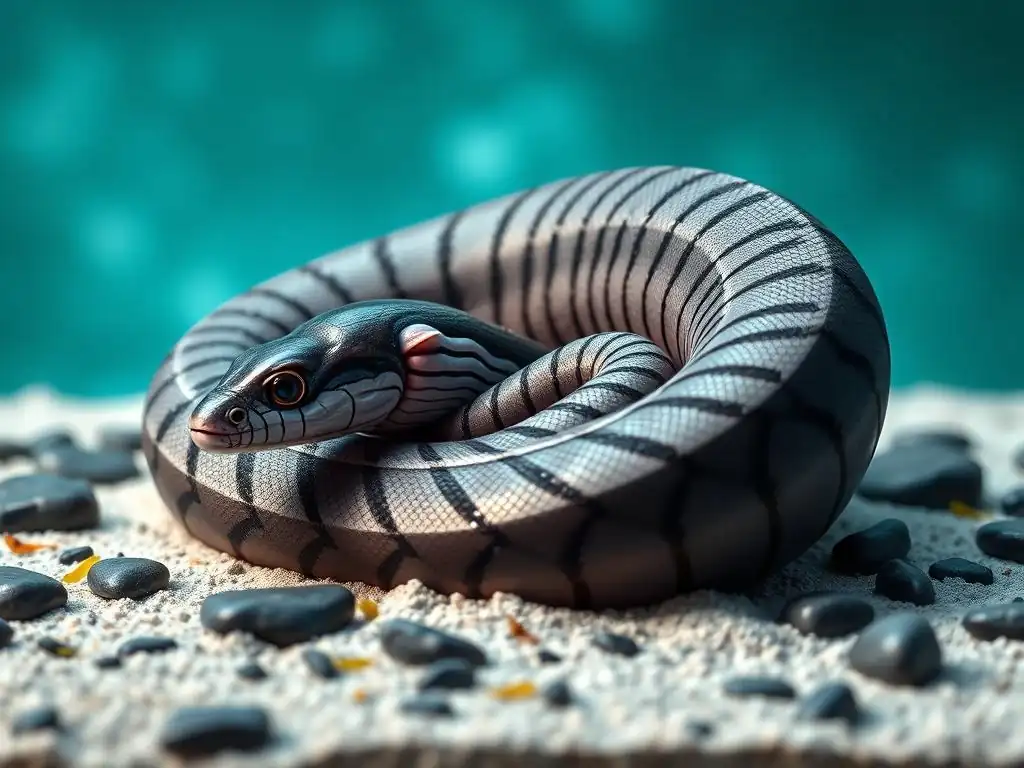
Maintaining the health of a Zebra Moray Eel is a cornerstone of responsible Zebra Moray Eel care. While generally hardy once established, they are susceptible to common marine ailments if water quality is poor or they are under stress. Prevention is always better than cure, as treating a large, reclusive eel can be challenging. Focus on maintaining pristine water conditions, providing a balanced diet, and minimizing stress to keep your Gymnomuraena zebra thriving.
Early detection of symptoms is crucial for successful treatment. Knowing what to look for and having a plan for quarantine procedures can make a significant difference in outcomes.
Common Diseases Affecting Zebra Moray Eels
Zebra Moray Eels can be affected by common marine fish diseases, though their thick, scaleless skin makes them less susceptible to external parasites like marine ich (Cryptocaryon irritans) than scaled fish. However, they are not immune.
- Bacterial Infections: These often manifest as cloudy eyes, fin rot, or red sores on the body. Poor water quality is a primary contributor.
- Fungal Infections: Less common but can appear as fuzzy white growths on the skin.
- Lymphocystis: A viral disease causing cauliflower-like growths, usually benign but aesthetically unpleasing.
- Internal Parasites: Can lead to lethargy, weight loss, and abnormal stool. Often introduced with live foods or wild-caught specimens.
- Lateral Line Erosion (HLLE): While not strictly a disease, it's a condition often linked to poor water quality, nutritional deficiencies, or activated carbon use, causing pitting along the lateral line.
A robust Zebra Moray Eel care guide emphasizes prevention through excellent husbandry to avoid these issues.
Recognizing Symptoms of Illness in Your Eel
Detecting illness in a reclusive, nocturnal creature like a Zebra Moray Eel requires keen observation. Early signs can be subtle:
- Behavioral Changes: Lethargy, increased hiding, refusal to eat, erratic swimming, or unusual activity during the day. An eel that normally emerges for food but suddenly doesn't is a red flag.
- Physical Signs:
- Skin: Discoloration, white spots (though rare for ich on eels), cloudy patches, lesions, or excessive mucus production.
- Eyes: Cloudiness, swelling, or sunken appearance.
- Gills: Rapid respiration, flared gills (though often hidden).
- Mouth: Sores or difficulty closing the mouth.
- Weight Loss: Noticeable thinning of the body.
- Breathing: Labored or rapid breathing can indicate gill issues or poor water oxygenation.
Any deviation from normal behavior or appearance should prompt immediate investigation of water parameters and a closer look at the eel.
Quarantine Procedures for New and Sick Zebra Moray Eels
Quarantine is a non-negotiable step for any new marine fish, including Zebra Moray Eels, and also essential for isolating sick individuals. A dedicated quarantine tank (QT) of at least 20-30 gallons is recommended, equipped with a heater, simple filtration (sponge filter), and PVC pipes or non-porous decorations for hiding. No substrate is ideal for easy cleaning.
For New Eels:
- Acclimation: Drip acclimate slowly over 1-2 hours to match salinity and pH.
- Observation: Keep the eel in QT for at least 4-6 weeks. During this time, observe for any signs of disease, ensure it's eating well, and allow it to destress.
- Treatment (if necessary): If any symptoms appear, treat in the QT without exposing your main display tank. Common treatments include freshwater dips for external parasites (brief, 5-10 minutes) or appropriate medications. Always research medication compatibility with eels, as some can be sensitive.
For Sick Eels:
- Isolation: Move the affected eel to the QT to prevent spread of disease and allow for targeted treatment without harming main tank invertebrates or beneficial bacteria.
- Diagnosis & Treatment: Identify the symptoms and apply appropriate medication. Monitor water parameters in the QT diligently.
A robust quarantine protocol is a fundamental practice in preventative Zebra Moray Eel care, safeguarding both the new inhabitant and your existing aquarium ecosystem.
Treating Common Zebra Moray Eel Ailments
Treating diseases in Zebra Moray Eels requires caution and specific knowledge, as their scaleless skin can be sensitive to certain medications. Always research the medication's compatibility with eels before use.
- Bacterial Infections: Often treated with broad-spectrum antibiotics, either administered in food or as a bath in the quarantine tank. Examples include Furan-2 or Maracyn. Follow dosage instructions precisely.
- Fungal Infections: Less common, but antifungal medications like Methylene Blue (used carefully in QT) can be effective.
- Parasites (External): While less common due to their skin, if suspected, freshwater dips can help. Praziquantel-based medications might be used for flukes, but always research eel compatibility. Copper-based medications, commonly used for Ich, are generally not recommended for eels due to their sensitivity. Hyposalinity (reducing specific gravity to 1.009-1.010 for 2-4 weeks) can treat Ich on scaled fish but is stressful for eels and should only be used with extreme caution and precise monitoring, if at all.
- Internal Parasites: Medicated foods containing Metronidazole or Praziquantel can be effective.
Always ensure excellent water quality in the treatment tank, as clean water aids recovery. Discontinue treatment once symptoms subside and observe for a few more days. Consult with experienced aquarists or a veterinary professional specializing in aquatic life if unsure.
Breeding Zebra Moray Eels: Challenges and Possibilities
The Difficulties of Breeding Gymnomuraena zebra in Captivity
Breeding Zebra Moray Eels (Gymnomuraena zebra) in a home aquarium setting is exceptionally rare and considered extremely challenging, if not virtually impossible for the average aquarist. There are no widely documented cases of successful captive breeding and rearing of Gymnomuraena zebra in private aquariums, and even public aquariums have had limited success with many moray species.
The primary difficulties stem from several factors:
- Sexual Dimorphism: It is very difficult to distinguish between male and female Zebra Moray Eels externally. This makes pairing a breeding couple a matter of chance.
- Spawning Requirements: Morays typically require specific environmental cues, large volumes of water, and complex social structures to induce spawning, conditions that are hard to replicate in a home tank.
- Larval Stage: Moray eels have a prolonged leptocephalus larval stage, which are transparent, leaf-like larvae that drift in the open ocean for months before metamorphosing into juvenile eels. Providing the specific planktonic food sources and environmental conditions required to sustain these delicate larvae is incredibly difficult, even for advanced aquaculture facilities.
- Egg Laying: While morays are egg-layers, the eggs are pelagic (free-floating), and their specific requirements for development are not well understood.
Due to these significant hurdles, the focus of Zebra Moray Eel care remains almost exclusively on husbandry for healthy adult specimens, rather than propagation. Any Gymnomuraena zebra available in the aquarium trade is almost certainly wild-caught.
Purchasing a Zebra Moray Eel: Selecting a Healthy Specimen
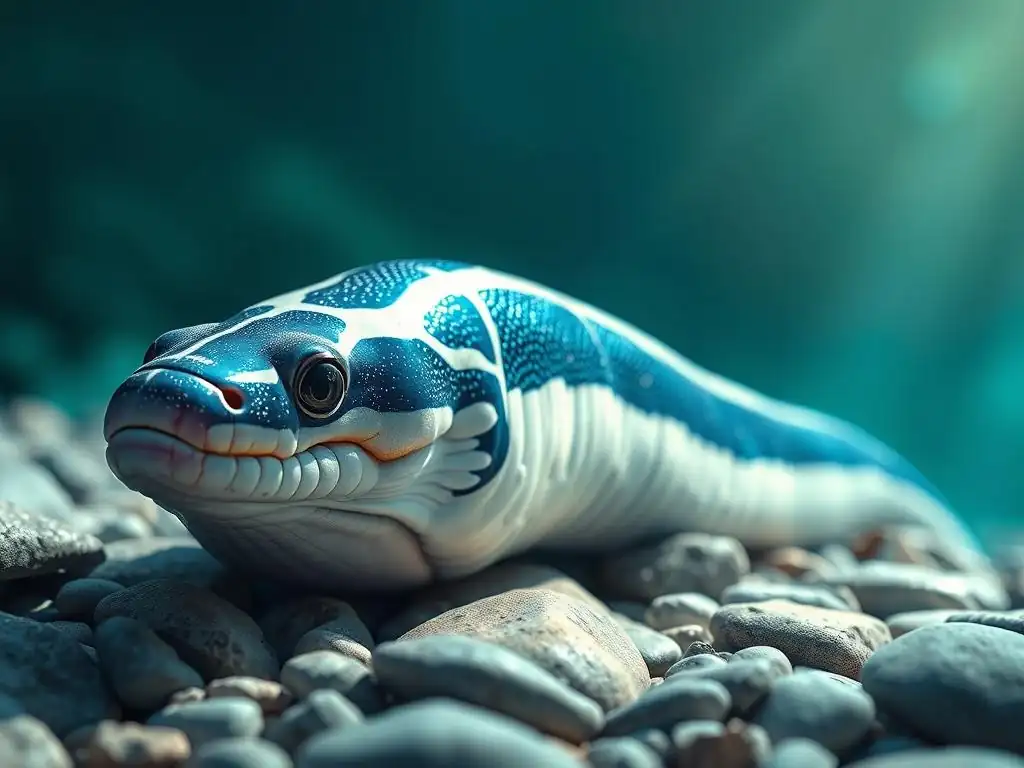
Acquiring a healthy Zebra Moray Eel is a crucial first step in ensuring its long-term well-being in your aquarium. A sick or stressed eel from the outset will struggle to adapt, regardless of how perfect your tank setup is. Therefore, meticulous selection from a reputable source and a proper acclimation process are vital components of responsible Zebra Moray Eel care.
Avoid impulse purchases and take the time to thoroughly inspect any potential specimen for signs of health or distress. This initial due diligence can save you significant time, money, and heartache in the long run.
Where to Buy Zebra Moray Eels: Reputable Sources
When purchasing a Zebra Moray Eel, it is paramount to buy from a reputable source. This typically includes:
- Specialized Local Fish Stores (LFS): Look for stores with knowledgeable staff, clean tanks, and a good track record for marine livestock. They should be able to provide information on the eel's origin, feeding habits, and history in their care.
- Online Retailers: Many reputable online vendors specialize in marine fish and can ship directly to your door. Research their reviews, guarantee policies, and shipping methods. Good online retailers will have robust quarantine protocols and ensure fish are properly conditioned before shipment.
- Public Aquarium Disposals/Trades: Occasionally, public aquariums may dispose of or trade healthy specimens. These are often well-acclimated and in excellent condition.
Avoid buying from sources with poorly maintained tanks, unresponsive staff, or those that cannot answer basic questions about the eel's care. A good source is a key component of starting proper Zebra Moray Eel care.
Assessing Health Before Purchase: What to Look For
Before committing to a purchase, carefully observe the Zebra Moray Eel for signs of good health:
- Activity Level: While often reclusive during the day, a healthy eel should respond to movement outside the tank or the presence of food. Avoid eels that are completely listless or constantly trying to escape.
- Body Condition: The eel should appear plump and well-fed, not emaciated or "pinched" behind the head. Its bands should be vibrant and well-defined.
- Skin: Look for any lesions, sores, cloudy patches, excessive mucus, or unusual growths. The skin should be smooth and intact.
- Eyes: Eyes should be clear, bright, and free of cloudiness or swelling.
- Breathing: Respiration should be calm and steady, not rapid or labored.
- No Obvious Injuries: Check for any cuts, abrasions, or deformities.
Ask the seller to observe the eel eating if possible. An eel that readily accepts food is a strong indicator of good health and easier acclimation. This visual inspection is a critical part of the Zebra Moray Eel care guide's initial steps.
Acclimation Process: Introducing Your New Zebra Moray Eel to Its Tank
Proper acclimation is crucial for minimizing stress and ensuring a smooth transition for your new Zebra Moray Eel into its quarantine tank or main display. A slow drip acclimation method is highly recommended:
- Dim Lights: Turn off the aquarium lights to reduce stress on the new arrival.
- Float Bag: Float the sealed bag in the aquarium for 15-20 minutes to equalize temperature.
- Transfer to Bucket: Carefully open the bag and transfer the eel (and the water from the bag) into a clean bucket large enough for the eel to lie flat.
- Drip Acclimation: Using airline tubing and a knot or valve, start a slow drip of water from your aquarium into the bucket. Aim for 1-2 drips per second.
- Monitor Salinity: Allow the water volume in the bucket to double or triple over 60-90 minutes. This slowly adjusts the eel to your tank's specific gravity, pH, and temperature.
- Transfer Eel: Once acclimated, gently net the eel (or guide it if it's too large for a net) and place it into your quarantine tank. Avoid adding the bag water to your tank.
- Provide Hiding: Ensure there are plenty of secure hiding spots for the eel to retreat into immediately.
This gradual method significantly reduces osmotic shock and stress, setting the foundation for successful Zebra Moray Eel care.
Zebra Moray Eel: Pros and Cons of Ownership
Before committing to keeping a Zebra Moray Eel, it's wise to weigh the advantages and potential challenges. While a rewarding species for the dedicated aquarist, they are not suitable for every tank or every hobbyist. Understanding both the positive aspects and the demands of Zebra Moray Eel care will help you make an informed decision.
This balanced perspective ensures that expectations are realistic and that the commitment required for this unique creature is fully appreciated.
Advantages of Keeping a Zebra Moray Eel
Keeping a Zebra Moray Eel offers several unique benefits for the advanced saltwater aquarist:
- Unique Aesthetics: Their striking black and white striped pattern makes them incredibly visually appealing and a true centerpiece in a large aquarium. They offer a distinctive look that stands out from typical fish.
- Docile Temperament: Compared to many other moray species, Gymnomuraena zebra is remarkably peaceful and generally non-aggressive towards fish tank mates. This makes them one of the few morays considered "reef-safe" with fish.
- Interesting Behavior: While primarily nocturnal, their emergence at night and their stealthy exploration of rockwork for food are fascinating to observe. They add a sense of mystery and intrigue to the aquarium.
- Long Lifespan: With proper Zebra Moray Eel care, these eels can live for 15-20 years or even longer, becoming a long-term companion for the dedicated hobbyist.
- Specialized Diet: Their preference for crustaceans means they are less likely to prey on fish, simplifying tank mate selection compared to piscivorous morays.
These advantages contribute to the rewarding experience of keeping a Gymnomuraena zebra for those prepared for their specific needs.
Potential Challenges of Zebra Moray Eel Care
Despite their unique appeal, there are several challenges associated with Zebra Moray Eel care:
- Large Tank Requirement: Their adult size necessitates a substantial aquarium (75-100+ gallons), limiting their suitability for smaller setups.
- Specialized Diet & Feeding: Their specific diet of crustaceans and mollusks means they may not readily accept flake or pellet foods. Target feeding with tongs is often required, which can be time-consuming and requires caution.
- Invertebrate Predation: They will actively hunt and consume ornamental shrimp, crabs, and snails, making them incompatible with a full invertebrate cleanup crew or expensive show invertebrates.
- Escape Artists: Moray eels are notorious for finding even the smallest gaps in tank lids and escaping. A tightly secured, heavy lid is absolutely essential, adding to the setup complexity.
- Reclusive Nature: While interesting, they spend a significant amount of time hidden within rockwork, especially during the day, meaning they may not always be visible.
- Longevity Commitment: Their long lifespan means a commitment of 15+ years, requiring consistent dedication to their care.
- Cost: Zebra Moray Eels themselves can be expensive, and the cost of a suitable large tank and robust equipment adds to the overall investment.
These challenges highlight that Zebra Moray Eel care is for dedicated hobbyists willing to meet their specific, long-term requirements.
Conclusion: Mastering Zebra Moray Eel Care for a Rewarding Aquarium Experience
Ensuring the Long-Term Health and Well-being of Your Gymnomuraena zebra
Mastering Zebra Moray Eel care is a journey that culminates in the rewarding experience of housing one of the ocean's most intriguing and aesthetically pleasing creatures. The key to their long-term health and well-being lies in a dedicated approach that prioritizes a stable, meticulously maintained environment, a species-appropriate diet, and careful tank mate selection. From providing ample, secure hiding spaces within a spacious aquarium to consistently monitoring water parameters and offering a varied, vitamin-enriched diet, every aspect of their care contributes to their vitality.
The commitment to a Gymnomuraena zebra is significant, spanning potentially two decades, but the unique behaviors and stunning appearance of this docile moray make it a truly exceptional addition to a well-planned marine aquarium. By adhering to the principles outlined in this Zebra Moray Eel care guide, aquarists can ensure their striped companion thrives, offering years of fascinating observation and contributing a piece of the vibrant reef ecosystem to their home.
Frequently Asked Questions
What are the key considerations for setting up a suitable habitat for a Skeletor Eel?
A suitable habitat requires a large tank (at least 125 gallons), plenty of rockwork for hiding, and a secure lid to prevent escapes, as they are known to be escape artists.
What is the ideal diet for a Skeletor Eel and how often should they be fed?
Skeletor Eels are carnivorous and prefer a diet of meaty foods such as crustaceans, small fish, and shrimp. They should be fed 2-3 times per week with appropriately sized portions.
What water parameters are crucial for maintaining a healthy Skeletor Eel?
Maintaining stable water parameters is vital, including a specific gravity of 1.020-1.025, a pH between 8.1-8.4, and a temperature range of 72-78°F (22-26°C).
What are some common health issues that affect Skeletor Eels and how can they be prevented?
Common issues include ich and bacterial infections, often stemming from poor water quality or stress. Prevention involves maintaining pristine water conditions and quarantining new additions.
Are Skeletor Eels compatible with other fish species in a community aquarium?
Skeletor Eels are generally not recommended for community tanks due to their predatory nature. They can be kept with other large, non-aggressive fish that cannot be easily eaten.
Final Reflection: Embracing the Unconventional Beauty
The preceding exploration of the Skeletor Eel, Echidna xanthospilos, underscores the captivating allure of the unconventional in the natural world. Its striking, skeletal-like markings remind us that beauty exists beyond the typical and expected, challenging our preconceived notions of what is aesthetically pleasing and prompting a deeper appreciation for the diversity of life on Earth.
This unique creature, and the dedication required for its care, serves as a microcosm for our broader relationship with the environment. It highlights the responsibility we bear to understand and protect even the most unusual and seemingly niche species. In the end, we will conserve only what we love; we will love only what we understand; and we will understand only what we are taught.
- Baba Dioum. This quote perfectly encapsulates the importance of education and awareness in fostering a genuine connection with the natural world, inspiring us to become better stewards of our planet.
Now, consider the lessons learned from delving into the intricacies of Skeletor Eel care. Let us extend that same curiosity, patience, and commitment to understanding and nurturing the unique aspects of our own lives and the lives of those around us. Embrace the unconventional, celebrate the different, and remember that true beauty often lies in the unexpected.
Unleash Your Inner Aquarist: Start Your Skeletor Eel Journey!
Thank you for diving into the fascinating world of the Skeletor Eel! We hope you've gained valuable insights into this unique creature and its captivating needs. Now, it's time to put that knowledge into action and elevate your aquarium experience.
Here's how you can take the next steps:
- Prioritize creating a meticulously planned habitat for a Skeletor Eel by researching tank mates, ideal water conditions, and secure hiding places. This is the cornerstone of their wellbeing!
- Delve deeper into the uncharted dietary habits of Skeletor Eels by experimenting with live and frozen foods to find what triggers their feeding response. You'll be amazed by what you discover!
- Share your newfound appreciation for this extraordinary eel with fellow aquarists by creating a post on social media showcasing their unique markings. Use #SkeletorEelObsessed to connect with other fans!
What unexpected challenge are you most prepared to tackle in keeping a Skeletor Eel?