
Matching Your Tank to Your Dream Fish: A Reverse Approach to Aquarium Selection

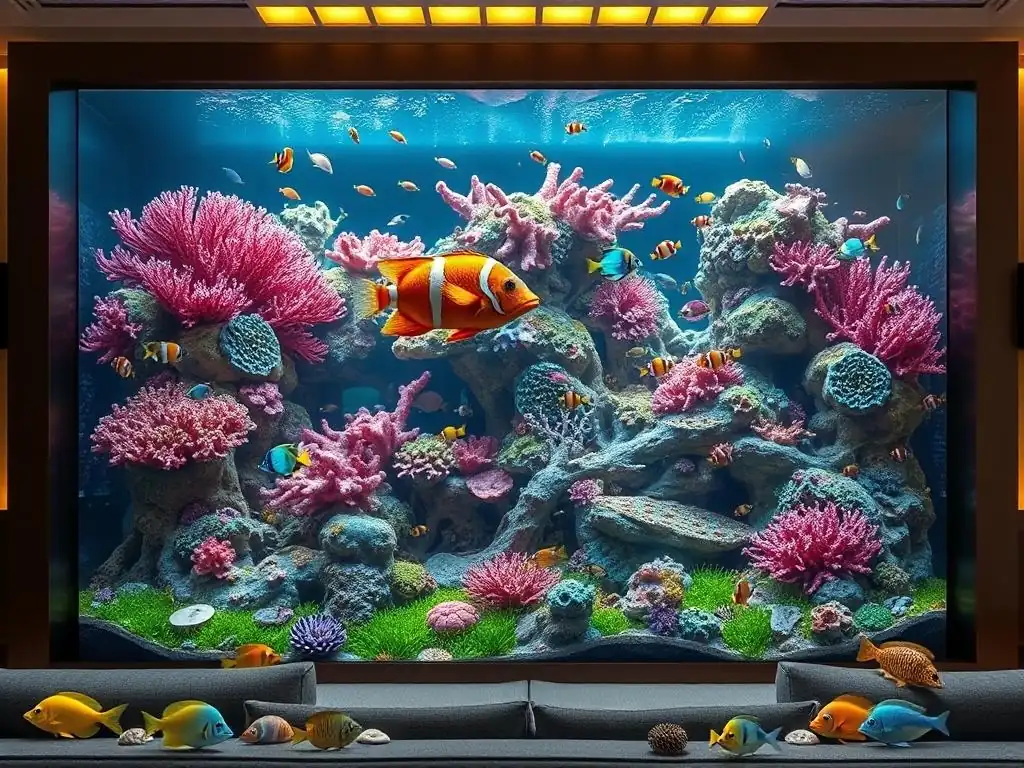
Welcome to Aquarium Mastery!
Ever wondered if you've been choosing your aquarium the wrong way around? Forget sticking to a standard size – what if you started with your dream saltwater fish in mind? Dive into our article on "Matching Your Tank to Your Dream Fish: A Reverse Approach to Aquarium Selection" and discover how to plan your saltwater fish tank setup for the ultimate aquatic harmony. Prepare to rethink everything you thought you knew about creating the perfect underwater world... are you ready to swim against the current?
- Introduction: Rethinking the Saltwater Fish Tank Setup Process
- Step 1: Researching Your Dream Saltwater Fish Species
- Step 2: Determining the Minimum Tank Size for Your Chosen Saltwater Fish
- Step 3: Selecting the Right Type of Saltwater Aquarium Tank
- Step 4: Planning Your Saltwater Aquarium Equipment Based on Fish Needs
- Step 5: Designing Your Saltwater Aquarium Aquascape to Suit Your Fish
- Step 6: Cycling Your Saltwater Tank and Gradual Acclimation of Fish
- Common Mistakes to Avoid When Choosing Fish Before Tank
- Conclusion: Building a Thriving Saltwater Aquarium Around Your Dream Fish
-
Frequently Asked Questions
- How does Aquarium Mastery recommend approaching a saltwater fish tank setup?
- What key factors should I consider when choosing a saltwater fish tank based on my desired fish?
- Where can I find information on the specific needs of different saltwater fish species?
- What are some common mistakes to avoid when setting up a saltwater fish tank for specific fish?
- Does Aquarium Mastery offer guidance on maintaining water chemistry in a saltwater fish tank setup?
- Final Reflection: Cultivating Underwater Dreams
- Unleash Your Inner Aquarist: Design Your Dreamscape Now!
Introduction: Rethinking the Saltwater Fish Tank Setup Process
Why Choose Fish First for Your Saltwater Aquarium?
Embarking on a saltwater fish tank setup can be an exhilarating journey, often beginning with the exciting prospect of vibrant marine life. The traditional approach typically involves selecting a tank size first, then attempting to fill it with fish that fit. However, a reverse approach—choosing your dream fish species before the tank—offers significant advantages, leading to a more successful and harmonious ecosystem. This method ensures that the environment is perfectly tailored to the inhabitants, fostering optimal health, natural behaviors, and a thriving display for years to come.
This fish-first philosophy minimizes common pitfalls such as overcrowding, species incompatibility, and inadequate environmental conditions. By prioritizing the specific needs of your desired marine species, you are effectively designing a bespoke habitat rather than merely filling a container. This proactive planning prevents stress-related diseases, aggression among tank mates, and the costly necessity of upgrading equipment or rehoming fish later on, making your saltwater fish tank setup a truly rewarding experience.
The Traditional Aquarium Setup vs. The Fish-Focused Approach
The conventional saltwater fish tank setup process often starts with the purchase of a tank based on available space or budget, followed by the selection of fish that are "small enough" or "look good" together. This can lead to unforeseen challenges as fish grow, exhibit natural territorial behaviors, or require very specific water parameters that the initial setup struggles to maintain. The result can be a constantly stressed environment, frequent fish losses, and a frustrating experience for the aquarist.
In contrast, the fish-focused approach begins with extensive research into the specific adult size, temperament, dietary needs, and environmental requirements of your chosen saltwater fish. Only after identifying these crucial details do you then select a tank of appropriate dimensions and capacity, along with the necessary filtration, lighting, and aquascaping elements. This ensures that every component of your saltwater fish tank setup is purposefully chosen to support the long-term well-being of your marine inhabitants, transforming it from a mere enclosure into a vibrant, living ecosystem.
Step 1: Researching Your Dream Saltwater Fish Species
Identifying Your Ideal Saltwater Fish: Size, Temperament, and Care Requirements
The cornerstone of a successful saltwater fish tank setup is thorough research into the specific species you envision. Begin by understanding their adult size; a juvenile Royal Tang might be 2 inches when purchased, but it can grow to 12 inches, requiring a minimum of 75-100 gallons for proper swimming space.
Temperament is equally vital: are they peaceful community fish like Ocellaris Clownfish, which are often compatible in pairs in tanks as small as 20-30 gallons, or are they territorial and potentially aggressive, such as certain Damselfish or Triggerfish, which may require larger tanks (e.g., 50+ gallons) and careful tank mate selection?
Beyond size and temperament, delve into their specific care needs. This includes their diet (herbivore, carnivore, omnivore), feeding frequency, preferred water flow (some prefer strong currents, others calm), and any unique behaviors like sand sifting or burrowing. For instance, a Mandarin Dragonet, while small, requires a mature tank with a thriving copepod population for sustenance, making it unsuitable for newly established saltwater fish tank setups. Comprehensive understanding at this stage prevents future compatibility issues and ensures you can meet their daily needs.
Understanding Species Compatibility: Avoiding Aggression and Predation in Your Saltwater Tank
One of the most common pitfalls in saltwater aquariums is the introduction of incompatible species, leading to stress, aggression, or even predation. It's crucial to research how your chosen fish interact with others in a community setting. For example, a Lionfish, while majestic, will prey on any fish small enough to fit into its mouth, making it incompatible with smaller species like Gobies or Damsels. Similarly, some Angelfish species can be aggressive towards similar-looking fish or even corals, while others, like the Flame Angelfish, are generally more peaceful but can still nip at certain corals.
To avoid these issues, consider the natural hierarchy and territoriality of marine fish. Introducing fish of similar sizes but differing temperaments can be problematic. For instance, a highly active and somewhat aggressive Tang might constantly stress a shy, docile Cardinalfish in a smaller tank. Planning your saltwater fish tank setup to include species that naturally coexist, or at least tolerate each other within adequate space and with sufficient hiding spots, is paramount. Always introduce more aggressive fish last, allowing more peaceful inhabitants to establish their territories first.
Considering Water Parameter Needs: Matching Fish to Suitable Water Chemistry
Every saltwater fish species has specific optimal ranges for water parameters, and maintaining these is critical for their health and longevity. Key parameters include salinity (typically 1.023-1.026 specific gravity), temperature (commonly 74-78°F or 23-26°C), pH (8.1-8.4), alkalinity (8-12 dKH), calcium (400-450 ppm), and magnesium (1200-1350 ppm). While many common tropical marine fish thrive in similar conditions, some, like certain deep-water species or those from specific regions, may have slightly different requirements.
Choosing fish that share similar water parameter needs simplifies maintenance and reduces the complexity of your saltwater fish tank setup. For example, if you plan to keep corals, your fish choices will naturally lean towards species that also thrive in stable, high-quality reef parameters. Attempting to house fish with vastly different requirements in the same tank can lead to chronic stress, weakened immune systems, and increased susceptibility to diseases like Ich or Marine Velvet. Ensuring your chosen species' water chemistry needs are alignable is a fundamental step in designing a thriving ecosystem.
Step 2: Determining the Minimum Tank Size for Your Chosen Saltwater Fish
Calculating Tank Volume Based on Adult Fish Size: A Practical Guide
While the "gallon per inch of fish" rule is often cited for freshwater, it is largely inadequate and misleading for a saltwater fish tank setup, especially for active or larger marine species. A more practical approach considers the adult size and activity level of your chosen fish.
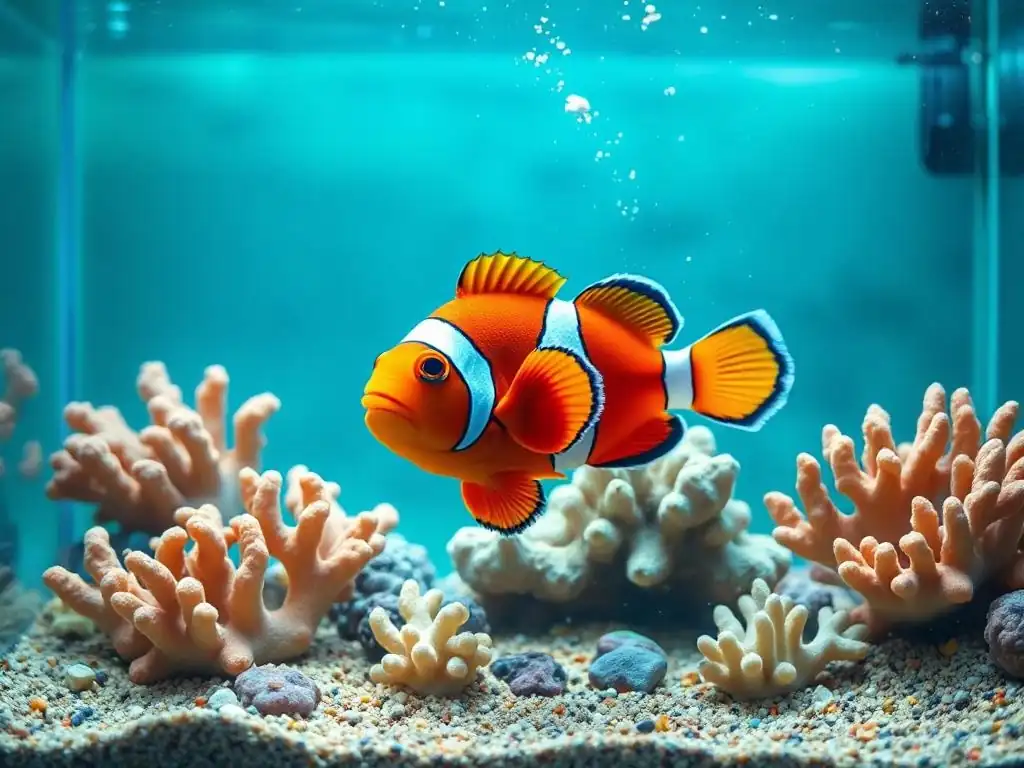
For instance, a single adult Ocellaris Clownfish, reaching about 3-4 inches, can thrive in a 20-gallon tank, but a pair would be more comfortable in 30 gallons or more. In contrast, an adult Yellow Tang, which can grow to 8-10 inches, requires a minimum of 70-75 gallons, and preferably 100 gallons or more, due to its constant swimming and need for open space.
For larger species like certain Angelfish (e.g., Emperor Angelfish reaching 15 inches), a tank of 180 gallons or larger is often the minimum recommended to allow for natural movement and reduce stress. It's crucial to always plan for the fish's full adult size, not its juvenile size at purchase. Underestimating this can lead to stunted growth, increased aggression, and significant stress for the fish, ultimately compromising the health and stability of your saltwater fish tank setup.
Incorporating Swimming Space and Territory Requirements for Happy Saltwater Fish
Tank volume alone isn't sufficient; the dimensions of the tank are equally critical for the well-being of your saltwater fish. Active swimmers, such as Tangs, Anthias, and some Wrasses, require ample linear swimming space. A 48-inch long, 75-gallon tank provides far more beneficial swimming room for these species than a taller, narrower 75-gallon tank. For example, a 75-gallon tank typically measures 48"L x 18"W x 21"H, offering good length, whereas a 75-gallon "tall" tank might be 36"L x 18"W x 25"H, significantly reducing swimming lanes.
Furthermore, many marine fish are territorial and need adequate space to establish their own areas, reducing conflict. Providing sufficient territory, often through well-structured live rock, helps minimize aggression, especially in multi-species saltwater fish tank setups. Species like Dottybacks or Damselfish are known for their territoriality, and a larger footprint allows for multiple distinct territories, thereby reducing stress and promoting more natural behaviors among your aquatic inhabitants.
Avoiding Overcrowding: The Importance of Adequate Space in a Saltwater Fish Tank Setup
Overcrowding is a primary cause of stress, disease, and poor water quality in any saltwater fish tank setup. When too many fish inhabit a confined space, their waste production overwhelms the biological filtration, leading to elevated ammonia, nitrite, and nitrate levels. This toxic environment directly impacts fish health, weakening their immune systems and making them susceptible to common diseases like Ich or Brooklynella.
Beyond water quality, overcrowding directly contributes to aggression and stunted growth. Fish become stressed due to constant competition for space, food, and hiding spots. This chronic stress can lead to "stunting," where the fish's internal organs continue to grow, but its external body does not, resulting in a shortened lifespan and poor quality of life. Therefore, adhering to conservative stocking levels and always planning for the adult size of your fish is non-negotiable for a truly healthy and thriving saltwater fish tank setup.
Step 3: Selecting the Right Type of Saltwater Aquarium Tank
Choosing Between Glass and Acrylic Tanks: Pros and Cons for Saltwater Fish
When planning your saltwater fish tank setup, a fundamental decision is choosing between glass and acrylic tanks, each with distinct advantages and disadvantages. Glass tanks are generally more affordable, highly resistant to scratching, and maintain their clarity over time without yellowing. However, they are significantly heavier, less impact-resistant (prone to shattering if dropped or hit hard), and limited in their design flexibility, typically only available in standard rectangular shapes. A 120-gallon glass tank can weigh over 1,200 pounds when full, requiring robust support.
Acrylic tanks, conversely, are much lighter (up to 50% lighter than glass), stronger, and more impact-resistant, making them less likely to shatter. They also offer superior insulation, helping maintain stable water temperatures, and can be custom-fabricated into various shapes and sizes, providing greater design freedom. The primary drawbacks are their higher cost (often 2-3 times more than glass) and their susceptibility to scratching, which can occur easily with abrasive cleaners or even certain magnetic algae scrapers. For very large saltwater fish tank setups (e.g., 200+ gallons), acrylic is often the preferred choice due to weight and structural integrity.
Standard vs. Custom Saltwater Fish Tanks: Weighing Your Options
Standard aquarium tanks are mass-produced in common sizes and dimensions (e.g., 20, 40, 75, 120, 180 gallons). They are readily available from most pet stores and online retailers, making them a cost-effective and convenient option for many aquarists. Their standardized nature also means that compatible equipment like sumps, stands, and lighting fixtures are easily found. For a typical saltwater fish tank setup for popular species like Clownfish, Damsels, or smaller Tangs, a standard tank often suffices.
Custom tanks, on the other hand, are built to specific dimensions and shapes, offering unparalleled flexibility to fit unique spaces or cater to highly specialized fish requirements. This might include extra-long tanks for active pelagic swimmers, unusually wide tanks for deep aquascaping, or unique L-shaped or cylindrical designs. While a custom saltwater fish tank setup provides the ultimate tailored environment, it comes with a significantly higher price tag and a longer lead time for manufacturing, often taking several weeks or months from order to delivery.
Evaluating Tank Dimensions: Length, Width, and Height Considerations for Specific Fish
The specific dimensions of your tank—length, width, and height—are often more crucial than overall volume for certain fish species. For active swimmers like Tangs or Anthias, tank length is paramount, allowing them ample space for horizontal swimming and establishing territories. A 6-foot long, 180-gallon tank (72"L x 24"W x 24"H) is far superior for these species than a 4-foot long, 120-gallon tank, even if the latter has significant height.
Tank width (front-to-back) is important for aquascaping, providing depth for rock structures and allowing fish to swim behind features. A wider tank also offers more surface area for gas exchange, which is beneficial for oxygenation. Height can be important for fish that utilize vertical space, such as certain Angelfish or Bannerfish, or for creating tall rock structures. However, excessive height can make maintenance more challenging and may not be necessary for bottom-dwelling or mid-water species. Carefully considering these dimensions ensures your saltwater fish tank setup truly accommodates the natural behaviors of your chosen inhabitants.
Step 4: Planning Your Saltwater Aquarium Equipment Based on Fish Needs
Filtration Systems: Choosing the Right Filter for Your Saltwater Fish Load
Effective filtration is the backbone of any healthy saltwater fish tank setup, especially when housing species with a high bioload or specific needs. A robust filtration system typically incorporates mechanical, biological, and chemical components. Mechanical filtration (e.g., filter socks, sponges) removes particulate matter, preventing it from breaking down into harmful compounds. Biological filtration (e.g., live rock, bio-balls, ceramic media) houses beneficial bacteria that convert toxic ammonia and nitrite into less harmful nitrate. Chemical filtration (e.g., activated carbon, GFO - granular ferric oxide) removes dissolved organic compounds, phosphates, and other pollutants that can degrade water quality.
For a saltwater setup, a protein skimmer is almost universally considered essential. This device removes organic waste before it decomposes, significantly reducing the bioload. For tanks with messy eaters or a high fish count, a larger, more efficient skimmer is critical. Sumps, external containers plumbed to the main tank, are also highly recommended as they increase total water volume, provide space for a skimmer, heaters, and other equipment, and can house a refugium for natural nutrient export. A 100-gallon tank with active Tangs might require a skimmer rated for 150-200 gallons to handle the bioload effectively.
Lighting Requirements: Matching Light Spectrum and Intensity to Fish Species
While lighting for a reef tank is primarily chosen for coral growth, lighting for a fish-only saltwater fish tank setup also plays a crucial role in the well-being and natural behavior of your fish. The spectrum and intensity of light can influence fish coloration, activity levels, and even their immune response. Some fish, like Cardinalfish or Squirrelfish, are naturally nocturnal or prefer dimly lit environments, and overly bright lighting can cause them stress. Others, such as Tangs or Angelfish, thrive under brighter conditions that mimic their natural shallow reef habitats.
Modern LED fixtures offer excellent control over spectrum and intensity, allowing aquarists to customize the lighting to suit their specific fish. A general full-spectrum white light with a blue component (e.g., 10,000K to 20,000K) is usually appropriate for most marine fish, enhancing their vibrant colors. Beyond aesthetics, proper lighting helps regulate the fish's circadian rhythm, promoting natural sleep-wake cycles. Even without corals, ensuring your lighting system is appropriate for your chosen fish species is a vital aspect of a well-designed saltwater fish tank setup.
Heating and Cooling: Maintaining Stable Temperatures for Optimal Fish Health
Temperature stability is paramount in a saltwater fish tank setup. Most tropical marine fish thrive within a narrow range, typically 74°F to 78°F (23-26°C). Fluctuations outside this range, even by a few degrees, can cause significant stress, weaken the fish's immune system, and make them highly susceptible to diseases. Therefore, reliable heating and, in some cases, cooling systems are indispensable.
For heating, it's often recommended to use two smaller heaters rather than one large one. For example, a 100-gallon tank might benefit from two 150-watt heaters, providing redundancy in case one fails and distributing heat more evenly. In warmer climates, or if your tank features high-output lighting or pumps that generate heat, a chiller may be necessary to prevent overheating, especially during summer months. Maintaining consistent water temperature is one of the most critical factors for the long-term health and vibrancy of your fish in any saltwater fish tank setup.
Step 5: Designing Your Saltwater Aquarium Aquascape to Suit Your Fish
Creating Natural Habitats: Replicating the Fish's Native Environment
Aquascaping in a saltwater fish tank setup is far more than just arranging rocks; it's about creating a functional and enriching habitat that closely mimics the fish's natural environment. Understanding where your chosen fish originate – be it a rocky reef, a sandy lagoon, or an area with dense seagrass – will guide your aquascape design. For instance, a Goby-Shrimp pair will thrive with a deep sand bed and stable rock structures that allow for burrowing. A Tang, being a constant grazer, benefits from rockwork that encourages algae growth and offers ample open swimming lanes.
By researching the natural behaviors of your fish, you can design an aquascape that supports their instincts. This might involve creating specific ledges for perching, overhangs for shade, or intricate cave systems for exploration and security. A well-designed aquascape reduces stress, encourages natural behaviors like foraging and territorial displays, and ultimately leads to healthier, happier fish in your saltwater fish tank setup.
Selecting Substrate and Decorations: Prioritizing Fish Safety and Well-being
The choice of substrate and decorations profoundly impacts the health and behavior of your saltwater fish. Live sand, typically 1-3 inches deep, is highly beneficial as it provides surface area for beneficial bacteria and can be a natural food source for sand-sifting species like certain Gobies or Wrasses. Some fish, such as specific Wrasses, require a deep sand bed (4+ inches) to bury themselves for sleep or protection. Crushed coral, while visually appealing, can trap detritus and nitrates if not regularly siphoned.
When selecting decorations, prioritize fish safety. All materials should be marine-safe, non-toxic, and free of sharp edges that could injure delicate fins or bodies. Live rock is highly recommended for saltwater fish tank setups, not only for its aesthetic appeal but also for its immense biological filtration capabilities and its ability to create natural caves, crevices, and swim-throughs. Aim for approximately 1 to 1.5 pounds of live rock per gallon to ensure adequate biological filtration and structural complexity.
Providing Hiding Places and Territories: Minimizing Stress and Aggression
Many saltwater fish, whether shy or territorial, require secure hiding places to feel safe and reduce stress. These safe zones are crucial for newly introduced fish to acclimate, for submissive fish to retreat from dominant tank mates, and for all fish to rest or hide when feeling threatened. Without adequate hiding spots, fish can become chronically stressed, leading to suppressed immune systems and increased susceptibility to disease.
An effective aquascape will incorporate numerous caves, overhangs, and crevices created from live rock. For instance, a Royal Gramma will almost immediately claim a small cave as its territory, and providing multiple such options can help diffuse aggression in a multi-species tank. Even highly active fish like Tangs benefit from areas they can retreat to if startled. Thoughtful placement of rockwork ensures that every fish in your saltwater fish tank setup has access to a secure personal space, promoting overall well-being and reducing inter-species conflict.
Step 6: Cycling Your Saltwater Tank and Gradual Acclimation of Fish
The Importance of a Fully Cycled Tank Before Introducing Saltwater Fish
The nitrogen cycle is the cornerstone of a healthy saltwater fish tank setup, and completing this cycle before introducing any fish is non-negotiable. This process establishes colonies of beneficial bacteria that convert highly toxic ammonia (produced by fish waste and decaying matter) into less toxic nitrite, and then into even less toxic nitrate. Introducing fish to an uncycled tank exposes them to lethal levels of ammonia and nitrite, leading to ammonia poisoning, severe stress, and almost certain death.
A typical saltwater tank cycle can take anywhere from 4 to 8 weeks, depending on the method used (e.g., live rock, live sand, or ammonia dosing). During this period, you must regularly test water parameters for ammonia, nitrite, and nitrate. The tank is considered fully cycled only when both ammonia and nitrite consistently read 0 ppm, and nitrates begin to rise. Patience during this phase is paramount, as it lays the foundation for a stable and thriving environment for your future saltwater fish.
Acclimating Your Fish to the New Environment: A Step-by-Step Guide
Once your saltwater fish tank setup is fully cycled, the process of introducing new fish requires careful acclimation to minimize stress and prevent osmotic shock. The drip acclimation method is highly recommended for saltwater fish due to their sensitivity to changes in salinity, temperature, and pH. This involves slowly introducing water from your display tank into the bag or container holding the new fish over an extended period (typically 30-60 minutes).
To perform drip acclimation: place the fish in a clean bucket or container with its original bag water. Use airline tubing to siphon water from your display tank into the bucket, regulating the flow to a slow drip (e.g., 2-3 drips per second). Once the volume of water in the bucket has roughly quadrupled, carefully net the fish and transfer it to the display tank, discarding the original bag water. Dimming the tank lights during and immediately after introduction can further reduce stress, ensuring a smoother transition for the new inhabitants into your saltwater fish tank setup.
Monitoring Water Parameters and Fish Behavior: Ensuring a Smooth Transition
After introducing new fish to your saltwater fish tank setup, continuous monitoring of both water parameters and fish behavior is crucial for ensuring a smooth transition and long-term success. For the first week, test ammonia, nitrite, nitrate, salinity, and temperature daily. Even in a cycled tank, the sudden increase in bioload from new fish can sometimes cause a mini-cycle or minor spikes in ammonia/nitrite, which should be addressed promptly with small water changes if necessary.
Observe your fish closely for any signs of stress or illness. These include clamped fins, rapid breathing, fading colors, scratching against rocks (flashing), or excessive hiding. Healthy fish should be active, curious, and eager to eat. Early detection of issues allows for prompt intervention, whether it's adjusting water parameters, addressing aggression, or initiating quarantine procedures. Consistent vigilance is key to maintaining a healthy and thriving saltwater fish tank setup.
Common Mistakes to Avoid When Choosing Fish Before Tank
Ignoring Fish Compatibility: Leading to Aggression and Predation
One of the most detrimental mistakes in a saltwater fish tank setup is failing to thoroughly research and respect fish compatibility. Introducing species with vastly different temperaments, such as highly aggressive Triggerfish with peaceful community fish like Clownfish, invariably leads to chronic stress, fin nipping, injuries, or even the death of less dominant inhabitants. Similarly, adding predatory fish like Lionfish or Groupers to a tank with smaller, more vulnerable species will result in predation, as these larger fish will consume anything they can fit in their mouths.
Even seemingly minor compatibility issues, like housing multiple male Damselfish in a smaller tank, can lead to relentless territorial aggression. The constant stress from incompatible tank mates weakens fish immune systems, making them highly susceptible to diseases. Always prioritize peaceful coexistence by selecting species known to be compatible, considering their adult size, dietary needs, and natural behaviors to ensure a harmonious saltwater fish tank setup.
Underestimating Adult Size: Resulting in Overcrowding
A common and costly error is underestimating the adult size of juvenile fish. Many popular marine species, such as Emperor Angelfish or various Tangs, are sold as small, seemingly manageable juveniles (e.g., 2-4 inches) but can grow significantly, reaching lengths of 10-15 inches or more within a few years. Failing to account for this growth leads to severe overcrowding in a saltwater fish tank setup that was initially deemed adequate.
Overcrowding has dire consequences: it rapidly degrades water quality due to excessive waste, stunts fish growth, increases susceptibility to disease, and escalates aggression as fish compete for limited space and resources. This often necessitates expensive tank upgrades or the difficult decision of rehoming fish. Always research the adult size of your desired species and plan your saltwater fish tank setup accordingly, providing ample space for their full-grown dimensions and activity levels.
Neglecting Water Parameter Requirements: Causing Stress and Disease
Marine fish are highly sensitive to water quality, and neglecting their specific water parameter requirements is a critical mistake that causes immense stress and leads to disease. While many tropical saltwater species thrive in similar conditions (salinity 1.023-1.026, temperature 74-78°F, pH 8.1-8.4), subtle differences or inconsistent maintenance can have severe impacts. For instance, a fish requiring stable, high alkalinity might suffer if housed with species tolerant of wider fluctuations, or if the aquarist fails to perform consistent water changes.
Chronic exposure to suboptimal water parameters, such as elevated nitrates or inconsistent salinity, compromises a fish's immune system, making it vulnerable to common saltwater diseases like Ich (Cryptocaryon irritans) or Velvet (Amyloodinium ocellatum). Regular testing for ammonia, nitrite, nitrate, salinity, and temperature is paramount. Ensuring that the chosen fish species' ideal water chemistry aligns with your ability to maintain those parameters is fundamental to a thriving and disease-free saltwater fish tank setup.
Conclusion: Building a Thriving Saltwater Aquarium Around Your Dream Fish
Frequently Asked Questions
How does Aquarium Mastery recommend approaching a saltwater fish tank setup?
Instead of choosing a tank and then the fish, Aquarium Mastery advocates a reverse approach. First, determine the dream fish you want, then select a tank that perfectly suits their needs.
What key factors should I consider when choosing a saltwater fish tank based on my desired fish?
Consider the adult size of your chosen fish, their swimming habits, and their social needs. These factors directly impact the minimum tank size and required aquascaping.
Where can I find information on the specific needs of different saltwater fish species?
Aquarium Mastery offers species profiles that detail the specific requirements of various saltwater fish. These profiles cover tank size, water parameters, and compatible tank mates.
What are some common mistakes to avoid when setting up a saltwater fish tank for specific fish?
Overcrowding and incompatible tank mates are common mistakes. Ensure adequate filtration and water flow for the bioload, and carefully research species compatibility before introducing new fish.
Does Aquarium Mastery offer guidance on maintaining water chemistry in a saltwater fish tank setup?
Yes, Aquarium Mastery provides detailed articles on water chemistry for saltwater aquariums. This includes instructions on testing water parameters, maintaining proper salinity, and performing regular water changes.
Okay, here's a final reflection designed to close your article "Matching Your Tank to Your Dream Fish: A Reverse Approach to Aquarium Selection," optimized for the keyword "Saltwater fish tank setup" and following your requested structure:
Final Reflection: Cultivating Underwater Dreams
The journey of creating a saltwater fish tank setup is more than just assembling equipment; it's about crafting a thriving ecosystem tailored to the specific needs of its inhabitants. The reverse approach, prioritizing the fish first, ensures that our aspirations for a vibrant underwater world are grounded in the realities of responsible aquascaping and animal welfare, leading to a more sustainable and fulfilling hobby.
This mindful approach profoundly impacts the cultural landscape of aquarium keeping. It shifts the focus from mere aesthetics to a deeper understanding and respect for marine life, fostering a community of informed and compassionate aquarists. The best aquarium is not the one with the most expensive equipment, but the one where the fish are happiest.
This sentiment underscores the importance of prioritizing the well-being of our aquatic companions above all else.
Now, as you embark on your own saltwater fish tank setup, remember that the most rewarding experiences come from thoughtful planning and a genuine commitment to the creatures you choose to care for. Let this "reverse approach" guide your decisions, ensuring that your dream tank becomes a reality that benefits both you and the captivating marine life within.
Unleash Your Inner Aquarist: Design Your Dreamscape Now!
Thank you for diving deep into the world of aquarium design! We hope you’ve found inspiration and a fresh perspective on how to choose your next aquatic adventure. Now, it's time to turn that knowledge into action and craft the perfect home for your future finned friends.
- First, list your top three dream fish species and research their ideal tank requirements (size, temperature, water parameters). This will be your guiding star!
- Share this reverse planning approach with fellow aquarium enthusiasts to spark their creativity and help them avoid common pitfalls.
- Visit your local aquarium store and ask about plants and hardscape that match the needs of your dream fish, creating a cohesive and thriving ecosystem from the start.
What's the first fish species on your dream list, and what size tank does it demand you provide?