
Glass vs. Acrylic Aquariums: Unveiling the Pros, Cons & Best Choice for Your Setup

Welcome to Aquarium Mastery!
Ever wondered if glass or acrylic is the right material for your dream aquarium? Before you dive in, explore our Acrylic Aquarium Beginner Guide and uncover the secrets to selecting the perfect tank. Discover the pros, cons, and hidden advantages of each material, and learn how to make an informed decision that will set you up for success. Ready to unveil the best choice for your underwater paradise? Let's get started!
- Saltwater vs. Freshwater Aquariums: Unveiling the Pros, Cons & Best Choice for Your Setup
- Introduction: Choosing the Right Aquarium Type for Beginners
- Freshwater Aquariums: A Classic Choice
- Saltwater Aquariums: A Modern Alternative
- Saltwater Aquarium Beginner Guide: Essential Considerations
- Saltwater vs. Freshwater: A Detailed Comparison Table
- Factors to Consider When Choosing Between Saltwater and Freshwater
- Which is Right for You? Saltwater vs. Freshwater Aquarium
- Maintaining Your Aquarium: Tips for Both Saltwater and Freshwater
- Conclusion: Making an Informed Decision About Your Aquarium Type
-
Frequently Asked Questions
- How does the clarity of acrylic aquariums compare to glass aquariums?
- What are the key differences in durability between acrylic and glass aquariums?
- Which material, acrylic or glass, is generally easier to repair if damaged?
- What are the weight differences between similarly sized acrylic and glass aquariums?
- How does the cost of acrylic aquariums compare to the cost of glass aquariums?
- Final Reflection: Clarity, Choice, and the Aquatic Dream
- Ignite Your Aquarium Adventure: Choose Your Perfect Tank!
Saltwater vs. Freshwater Aquariums: Unveiling the Pros, Cons & Best Choice for Your Setup
Introduction: Choosing the Right Aquarium Type for Beginners
Why Aquarium Type Matters: Saltwater vs. Freshwater
The decision between setting up a freshwater or saltwater aquarium is one of the most fundamental choices an aspiring aquarist will make. This choice profoundly impacts nearly every aspect of the hobby, from the initial setup cost and ongoing maintenance requirements to the types of fish and invertebrates you can keep, and even the overall aesthetic appeal of your aquatic display. Understanding these distinctions early on is crucial for long-term success and enjoyment, preventing common pitfalls and potential disappointment.
Each aquarium type represents a distinct ecological system, requiring different approaches to water chemistry, filtration, and livestock care. A 20-gallon freshwater tank, for instance, operates on vastly different principles and demands compared to a 20-gallon marine reef system. This foundational decision sets the trajectory for your entire aquarist journey, influencing your budget, time commitment, and the level of technical knowledge you'll need to acquire.
Setting the Stage: Understanding Your Aquarium Goals
Before diving into the specifics, it's essential to define your personal aquarium goals and assess your resources. Consider how much time you realistically have to dedicate to maintenance each week, your approximate budget for initial setup and ongoing expenses, and your desired level of challenge and engagement. Are you looking for a relatively low-maintenance, visually appealing display, or are you drawn to the intricacies of complex ecosystems and exotic marine life?
Your answers to these questions will significantly guide you toward the ideal aquarium type. For example, if your primary goal is to simply enjoy colorful fish with minimal fuss, a freshwater setup might be more suitable. Conversely, if you're fascinated by coral propagation and the diverse behaviors of marine species, and are prepared for a steeper learning curve, a saltwater aquarium could be your true calling.
Freshwater Aquariums: A Classic Choice
Advantages of Freshwater Aquariums
Cost-Effectiveness: Freshwater Aquariums Offer a Budget-Friendly Solution
Freshwater aquariums are widely recognized as the more economical option for both initial setup and long-term maintenance. A basic 20-gallon freshwater tank setup, including the tank, filter, heater, lighting, substrate, and decor, can typically range from $150 to $300. In contrast, a comparable 20-gallon saltwater setup often starts at $500 and can easily exceed $1,000 due to the need for specialized equipment like protein skimmers, high-output lighting for corals, and an RO/DI (Reverse Osmosis/Deionization) unit for water purification.
Ongoing costs also favor freshwater systems. Freshwater fish, such as guppies or neon tetras, often cost between $3 and $10 each, while common saltwater fish like clownfish or damselfish can range from $20 to $60 or more. The absence of expensive salt mix, calcium supplements, and specialized reef lighting significantly reduces recurring expenses, making freshwater a more accessible entry point into the hobby for budget-conscious individuals.
Ease of Maintenance: Simpler Water Chemistry and Care
Maintaining water chemistry in a freshwater aquarium is generally less demanding than in a saltwater environment. Freshwater fish typically thrive within a broader range of pH (e.g., 6.5-7.5) and temperature, and do not require precise salinity or alkalinity levels. This wider margin for error makes the hobby more forgiving for beginners. Routine tasks primarily involve weekly water changes (typically 25-30% of the tank volume), filter cleaning, and basic testing for ammonia, nitrite, and nitrate.
The equipment required for freshwater tanks is also less complex. A standard hang-on-back or canister filter, a submersible heater, and basic LED lighting are often sufficient. There's usually no need for protein skimmers, sumps, or advanced dosing systems that are standard in many saltwater setups, simplifying the overall maintenance routine and reducing the time commitment required each week.
Beginner-Friendly: Ideal for Novice Aquarists
Due to their lower cost and simpler maintenance requirements, freshwater aquariums are often recommended as the ideal starting point for novice aquarists. The learning curve is significantly gentler, allowing new hobbyists to comfortably grasp fundamental concepts such as the nitrogen cycle, proper feeding techniques, and basic fish health management without being overwhelmed by intricate water parameters or expensive equipment.
Many popular freshwater species, such as livebearers (guppies, mollies), tetras, and common plecos, are robust and adaptable, tolerating minor fluctuations in water conditions better than their marine counterparts. This resilience provides a valuable buffer for beginners as they gain experience, leading to higher success rates and a more positive introduction to the rewarding world of aquarium keeping.
Limited Species: Fewer Colorful and Exotic Fish Options
While freshwater aquariums offer a vast array of beautiful fish, the sheer diversity of vibrant colors, unique patterns, and exotic forms found in marine life is unparalleled. Freshwater species, though charming and varied, often lack the iridescent blues of a blue tang, the striking orange and white of a clownfish, or the intricate structures of live corals. The visual spectacle of a thriving reef tank, teeming with colorful fish, soft corals, and anemones, is a strong draw that freshwater systems cannot fully replicate.
For aquarists seeking truly unique and visually stunning inhabitants, the options in freshwater are comparatively more subdued. While there are exceptions like Discus fish or highly specialized planted tanks, the "wow" factor often associated with the most exotic marine creatures remains largely exclusive to saltwater environments, leading some enthusiasts to eventually transition to marine setups.
Less Complex Ecosystem: Simpler Biological Processes
Freshwater aquariums, particularly those focusing solely on fish, generally represent a simpler biological ecosystem compared to a well-established reef tank. While they certainly involve the nitrogen cycle and biological filtration, they typically lack the intricate symbiotic relationships and complex chemical balances found in a thriving marine reef. A reef tank actively cultivates corals, which are living animals with specific light, flow, and chemical requirements, alongside a diverse array of invertebrates and microfauna.
This simpler ecosystem can be seen as both an advantage (easier maintenance) and a disadvantage (less depth for those seeking a highly interactive and challenging biological system). Aquarists who enjoy delving into the nuances of water chemistry, coral propagation, and the delicate balance of a miniature ocean may find freshwater systems less stimulating in the long run.
Less Resilient to Change: Can be Sensitive to Parameter Fluctuations
Despite being generally more forgiving than saltwater tanks, freshwater aquariums can still be sensitive to rapid or extreme changes in water parameters. While they tolerate a wider range of conditions, sudden shifts in pH, temperature, or the introduction of contaminants can quickly stress or harm freshwater fish. For instance, a sudden drop in pH due to decaying organic matter or an unbuffered water source can lead to health issues for sensitive species like Discus or certain tetras.
Compared to a mature, well-established saltwater reef system, which often has significant buffering capacity and a robust biological filter, a freshwater tank might react more dramatically to neglect or sudden environmental disturbances. This means that while maintenance is simpler, consistency in care remains paramount to prevent acute problems and ensure the long-term health of the aquatic inhabitants.
Saltwater Aquariums: A Modern Alternative
Advantages of Saltwater Aquariums
Diverse Species: Vibrant Colors and Unique Marine Life
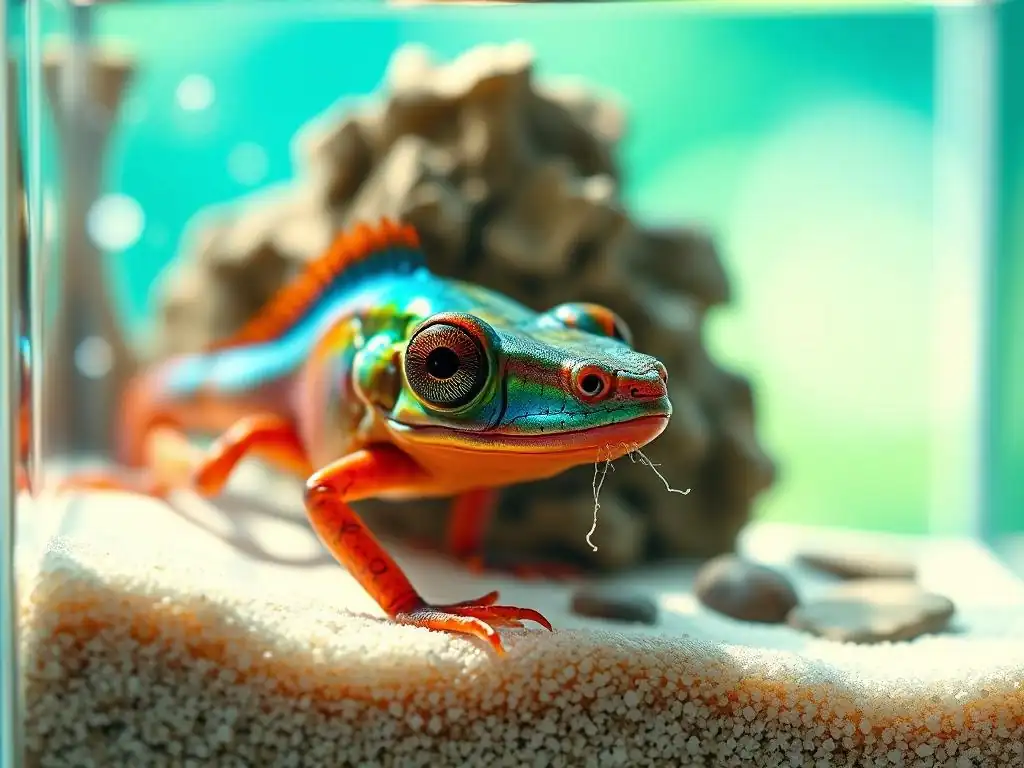
Saltwater aquariums are renowned for their unparalleled diversity of vibrant colors and unique marine life. The ocean hosts an astonishing array of fish, corals, and invertebrates, many of which exhibit brilliant hues and fascinating forms rarely seen in freshwater environments. Imagine the striking contrast of a bright orange Ocellaris Clownfish swimming among the swaying tentacles of a Bubble Tip Anemone, or the mesmerizing patterns of a Mandarin Dragonet exploring live rock.
Beyond fish, saltwater tanks offer the opportunity to cultivate corals, which are living animals that come in an incredible spectrum of shapes, sizes, and colors (e.g., the intricate branches of Acropora SPS corals or the flowing polyps of LPS corals like Hammers and Torches). Adding various invertebrates like cleaner shrimp, hermit crabs, and sea snails creates a dynamic, engaging ecosystem that is a true living art piece, constantly evolving and revealing new behaviors.
Complex Ecosystem: More Engaging and Challenging
The complexity of a saltwater aquarium, particularly a reef tank, is a major draw for many hobbyists. Replicating a miniature ocean ecosystem requires a deep understanding of water chemistry, biological processes, and the specific needs of diverse marine inhabitants. This challenge translates into a highly engaging and intellectually stimulating hobby. Aquarists must monitor parameters like salinity (specific gravity 1.025-1.026), alkalinity (8-12 dKH), calcium (400-450 ppm), and magnesium (1250-1350 ppm) with precision, often requiring daily or weekly testing and supplementation.
The interplay between fish, corals, invertebrates, and the beneficial bacteria within the live rock and sand creates a delicate balance. Successfully maintaining this balance provides a profound sense of accomplishment and offers continuous opportunities for learning and experimentation, making it a truly immersive experience for dedicated enthusiasts.
Greater Educational Value: Offers Deeper Understanding of Marine Biology
Operating a saltwater aquarium provides an unparalleled hands-on education in marine biology and oceanography. Hobbyists gain practical experience with concepts such as photosynthesis in corals, symbiotic relationships (like that between clownfish and anemones), the nitrogen cycle in a marine context, and the impact of water chemistry on delicate organisms. It's a living laboratory that brings the wonders of the ocean directly into your home.
This direct interaction fosters a deeper appreciation for marine ecosystems and the importance of ocean conservation. Many aquarists become passionate advocates for protecting coral reefs and marine life, driven by their personal connection to the miniature ocean they maintain. The detailed knowledge acquired can be extensive, covering everything from fish diseases to coral propagation techniques, making it a richly rewarding pursuit for the intellectually curious.
Higher Cost: More Expensive Equipment and Supplies
The financial investment required for a saltwater aquarium is significantly higher than for a freshwater setup. A basic 55-gallon saltwater fish-only tank can easily cost $800-$1,500 to establish, while a similar-sized reef tank, designed to house corals, can range from $2,000 to $5,000 or more for initial setup. This includes specialized equipment such as a protein skimmer (essential for removing organic waste, costing $100-$500+), high-intensity LED lighting (for corals, $150-$1,000+), a robust filtration system, and an RO/DI unit ($100-$300) to produce pure water.
Ongoing costs are also substantially higher. Quality salt mix can cost $50-$100 for a large bucket, lasting only a few months depending on tank size and water change frequency. Supplements for alkalinity, calcium, and magnesium are necessary for coral health, adding to the monthly expenses. Furthermore, marine fish and corals are generally more expensive than freshwater species, with many desirable corals costing $50-$200 or more per frag.
Complex Maintenance: Requires Precise Water Chemistry and Monitoring
Saltwater aquariums demand a rigorous and precise maintenance regimen. Unlike freshwater, where parameter fluctuations are more forgiving, marine life, especially corals, requires highly stable and specific water parameters. This necessitates daily monitoring of salinity (using a refractometer or hydrometer) and temperature, along with weekly testing for alkalinity, calcium, magnesium, nitrates, and phosphates. Deviations from ideal levels can quickly stress or kill delicate inhabitants.
Water changes, typically 10-20% bi-weekly, must be performed with carefully prepared saltwater using RO/DI water and a quality salt mix. Protein skimmers require regular cleaning, and specialized dosing pumps might be needed to automate the addition of supplements. This intricate dance of chemistry and equipment management demands a significant time commitment, often 3-5 hours per week or more for larger or more complex reef systems.
Advanced Knowledge Required: Steeper Learning Curve
Embarking on a saltwater aquarium journey involves a considerably steeper learning curve compared to freshwater. Successfully maintaining a marine environment requires an understanding of advanced topics such as the nuances of the nitrogen cycle in saltwater, the roles of various trace elements, coral physiology, marine fish diseases and their treatments (which are often more complex), and the intricate balance of a reef ecosystem.
New hobbyists must be prepared to invest significant time in research, reading guides, and learning from experienced aquarists. Mistakes, particularly concerning water chemistry or livestock compatibility, can be costly and lead to the loss of expensive inhabitants. While incredibly rewarding, the initial learning phase can be challenging and requires patience, persistence, and a willingness to continuously educate oneself to prevent common pitfalls.
Saltwater Aquarium Beginner Guide: Essential Considerations
Choosing the Right Size Saltwater Aquarium for Beginners
For beginners venturing into saltwater aquariums, choosing the right tank size is paramount for success. Counterintuitively, larger tanks (e.g., 40-gallon breeder or 75-gallon) are often recommended over smaller "nano" tanks (under 20 gallons). Larger water volumes are inherently more stable, buffering against rapid fluctuations in temperature, salinity, and water chemistry. A small mistake in dosing or a slight temperature swing can have devastating effects on a 10-gallon nano tank, while a 75-gallon system offers more time to correct issues.
A 40-gallon breeder tank, with its wider footprint, provides ample space for aquascaping with live rock and allows for a stable environment for a small selection of hardy marine fish and perhaps a few beginner corals. It's a manageable size that balances stability with the practicalities of space and budget for a novice.
Setting Up Your First Saltwater Tank: A Step-by-Step Guide
Setting up a saltwater tank involves several critical steps to ensure a healthy environment. First, select your tank and stand, considering whether you prefer a glass or acrylic aquarium. While this article focuses on water types, beginners often consider the tank material itself.
For those exploring options, an Acrylic aquarium beginner guide might delve into the benefits of acrylic for larger, lighter, and more impact-resistant saltwater setups, though glass remains a popular choice for its scratch resistance. Next, gather essential equipment: a robust filtration system (sump with protein skimmer is highly recommended), appropriate lighting (especially for corals), a heater, powerheads for water flow, and an RO/DI unit for purified water.
Once equipment is in place, add live sand and cured live rock, which provide natural biological filtration and habitat. Then, fill the tank with prepared saltwater at the correct salinity (1.025-1.026 specific gravity). The most crucial step follows: cycling the tank. This process, which typically takes 4-8 weeks, establishes the beneficial bacteria necessary to convert toxic ammonia and nitrite into less harmful nitrate. Only after ammonia and nitrite levels consistently read zero, and nitrates are present, should you gradually introduce a small clean-up crew (snails, hermit crabs) followed by hardy fish.
Maintaining Water Quality in Saltwater Aquariums
Maintaining pristine water quality is the cornerstone of a successful saltwater aquarium. Regular water changes are essential, typically 10-20% of the tank volume every one to two weeks, using freshly prepared saltwater from RO/DI water and a high-quality marine salt mix. Consistent daily monitoring of salinity with a refractometer is crucial, as evaporation will increase salinity over time, requiring top-offs with pure RO/DI water.
Weekly testing of key parameters such as alkalinity, calcium, and magnesium is vital, particularly in reef tanks with corals that consume these elements. Nitrates and phosphates should also be monitored, as high levels can lead to nuisance algae outbreaks. Protein skimmers should be cleaned regularly to ensure optimal performance in removing organic waste. Adherence to a strict testing and maintenance schedule is non-negotiable for the long-term health and vibrancy of your saltwater ecosystem.
Saltwater vs. Freshwater: A Detailed Comparison Table
Comparing Key Features: Cost, Maintenance, Species Diversity, Complexity
Feature Comparison: Saltwater vs. Freshwater Aquariums
- Initial Setup Cost:
- Freshwater: Low ($150-$300 for a 20-gallon tank)
- Saltwater: High ($500-$1,000+ for a 20-gallon tank, $2,000-$5,000+ for a reef tank)
- Ongoing Maintenance Cost:
- Freshwater: Low (less than $50/month for a 55-gallon)
- Saltwater: High ($100-$200+/month for a 55-gallon reef tank)
- Water Chemistry Complexity:
- Freshwater: Simple (pH, temperature, basic nitrogen cycle)
- Saltwater: High (Salinity, pH, alkalinity, calcium, magnesium, nitrates, phosphates, trace elements)
- Time Commitment:
- Freshwater: Moderate (1-2 hours/week)
- Saltwater: High (3-5+ hours/week, daily checks)
- Species Diversity & Color:
- Freshwater: Moderate (many beautiful fish, but fewer vibrant, exotic marine forms)
- Saltwater: Very High (unparalleled variety of colorful fish, corals, and invertebrates)
- Ecosystem Complexity:
- Freshwater: Simpler (fish-focused, less intricate biological interactions)
- Saltwater: High (complex symbiotic relationships, coral husbandry, diverse microfauna)
- Beginner Forgiveness:
- Freshwater: High (more tolerant of minor mistakes)
- Saltwater: Low (less tolerant, steeper learning curve)
- Equipment Required:
- Freshwater: Basic (filter, heater, light)
- Saltwater: Advanced (protein skimmer, RO/DI unit, specialized lighting, sumps, dosing pumps)
Factors to Consider When Choosing Between Saltwater and Freshwater
Budget: What Can You Afford?
Your budget is arguably the most significant factor in deciding between freshwater and saltwater aquariums. It's not just about the initial purchase price of the tank and equipment, but also the ongoing operational costs. A modest 20-gallon freshwater setup might cost around $250 to get started, with monthly expenses for food and water treatments being minimal, perhaps $10-$20. However, a similar-sized saltwater tank could easily demand an initial investment of $700-$1,000, and its monthly running costs, including salt mix, supplements, electricity for powerful pumps and lights, and potentially more expensive food, could easily reach $50-$100.
For larger tanks, the disparity grows exponentially. A 75-gallon freshwater tank might cost $500-$800 to set up, while a 75-gallon reef tank could be $3,000-$5,000, with monthly costs ranging from $150-$300 or more. Consider not just what you can spend, but what you are willing to spend consistently over many years, as this hobby requires a sustained financial commitment.
Time Commitment: How Much Time Can You Dedicate?
The amount of time you can realistically dedicate to aquarium maintenance is another crucial factor. Freshwater tanks are generally less time-intensive, requiring perhaps 1-2 hours per week for water changes, filter cleaning, and basic observation. You can often go on a short vacation without significant worry, provided an auto-feeder is in place.
Saltwater aquariums, especially reef tanks, demand a substantially greater time commitment. Daily checks for salinity, temperature, and equipment function are often necessary. Weekly tasks include water testing for multiple parameters (alkalinity, calcium, magnesium, nitrates, phosphates) and performing water changes, which can take 1-2 hours for a larger tank. Protein skimmers need frequent emptying and cleaning. Overall, saltwater tanks often require 3-5 hours or more per week, and potentially more for troubleshooting or advanced husbandry like coral fragging. If your schedule is consistently packed, a freshwater tank might be a more realistic and less stressful option.
Experience Level: Are You a Beginner or Experienced Aquarist?
Your current level of experience in the aquarium hobby should heavily influence your choice. For absolute beginners with no prior experience in fishkeeping, a freshwater aquarium is almost universally recommended. It offers a gentler introduction to the fundamental principles of aquarium husbandry, such as the nitrogen cycle, water parameters, and fish health, without the added complexity and financial risk associated with saltwater systems. The forgiving nature of many freshwater species allows for learning from minor mistakes without devastating consequences.
Experienced aquarists, or those who have successfully maintained freshwater tanks for several years, might find the challenge of a saltwater aquarium to be a natural progression. Their existing understanding of aquatic environments provides a solid foundation for tackling the more intricate demands of marine chemistry and livestock care. However, even experienced freshwater aquarists should approach saltwater with a "beginner's mind" and be prepared for a steep learning curve specific to the marine environment.
Desired Species: What Kind of Fish or Invertebrates Do You Want?
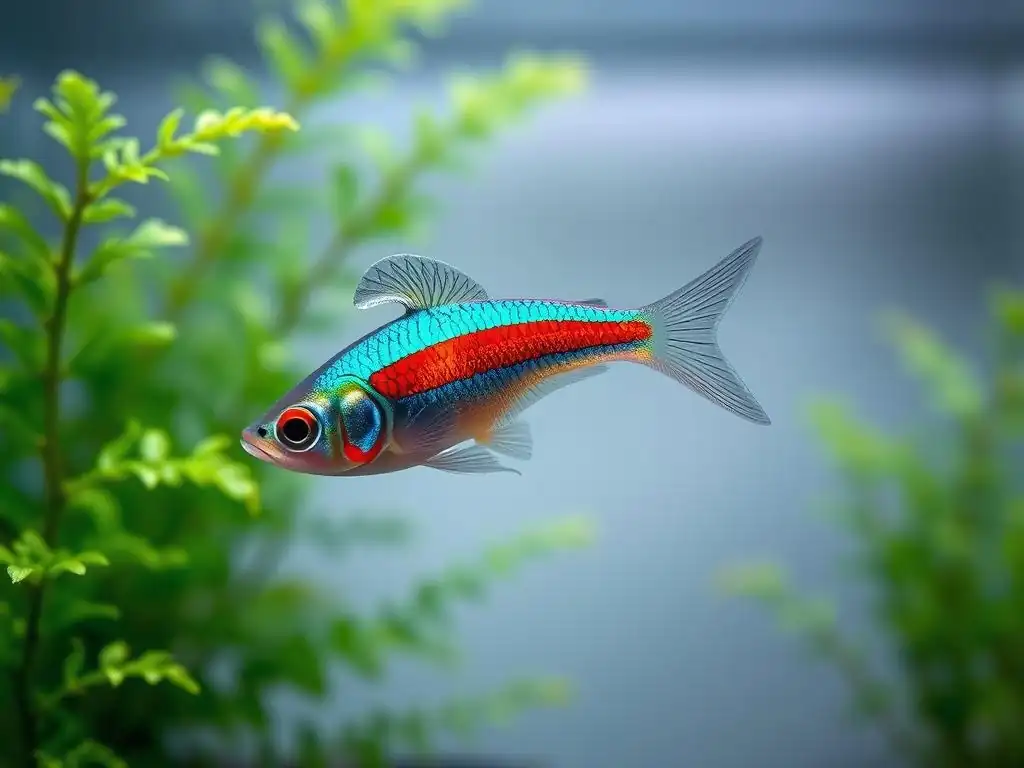
Ultimately, your aesthetic preferences and the specific types of aquatic life you wish to keep will play a decisive role. If your dream tank features a vibrant school of neon tetras, a peaceful community of gouramis, or a beautifully planted aquascape with a few colorful cichlids, then a freshwater aquarium is perfectly suited for your vision.
However, if you are captivated by the stunning array of colors and unique forms of marine fish like clownfish, tangs, and angelfish, or if you aspire to cultivate a living coral reef teeming with diverse invertebrates like cleaner shrimp, sea stars, and anemones, then a saltwater aquarium is your only option. There is no freshwater equivalent to the dynamic, intricate beauty of a thriving reef tank. Be honest about your desires, as this will be a significant source of your long-term enjoyment in the hobby.
Which is Right for You? Saltwater vs. Freshwater Aquarium
Best for Beginners: A Recommendation Based on Experience
For individuals taking their very first plunge into the world of aquariums, a freshwater setup is overwhelmingly the recommended choice. The lower initial investment, coupled with significantly simpler maintenance routines and less stringent water chemistry requirements, creates a much more forgiving environment for learning the ropes. A 20-gallon freshwater tank with hardy species like guppies, mollies, or platies provides an excellent, low-stress platform to understand the nitrogen cycle, proper feeding habits, and basic fish health.
The higher success rate associated with freshwater tanks for beginners means less frustration and a greater chance of developing a lasting passion for the hobby. It allows new aquarists to build confidence and a foundational understanding before potentially graduating to the more complex challenges of a marine system.
Best for Experienced Aquarists: Seeking a Challenge and Greater Biodiversity
For seasoned aquarists who have mastered the nuances of freshwater systems and are seeking a new, stimulating challenge, or for those who are simply captivated by the extraordinary biodiversity of the ocean, a saltwater aquarium is the ideal next step. The intricate demands of marine chemistry, the specialized equipment required, and the delicate nature of many marine inhabitants offer a profound intellectual and practical engagement.
The reward for this increased effort is the ability to keep some of the most stunning and fascinating creatures on the planet, from vibrant reef fish to pulsating corals and unique invertebrates. An experienced aquarist will appreciate the depth of knowledge required and the continuous learning opportunities that a saltwater tank provides, transforming their living space into a miniature, dynamic ocean ecosystem.
Best for Budget-Conscious Individuals: Prioritizing Affordability
When budget is a primary concern, a freshwater aquarium is unequivocally the more affordable long-term option. The initial setup costs are substantially lower, allowing hobbyists to establish a beautiful tank without a significant financial outlay. For example, a complete 30-gallon freshwater setup can often be acquired for under $300, while a comparable saltwater tank would likely cost well over $800.
Beyond the initial investment, the ongoing expenses for food, water treatments, and replacement parts are also considerably less in freshwater systems. There's no need for expensive salt mix, specialized coral foods, or high-power reef lighting that consume significant electricity. For those who want to enjoy the beauty and tranquility of an aquarium without a substantial recurring financial commitment, freshwater offers the best value and accessibility.
Maintaining Your Aquarium: Tips for Both Saltwater and Freshwater
Regular Cleaning Practices
Consistent cleaning is vital for the health and aesthetics of any aquarium, regardless of whether it's freshwater or saltwater. Regularly cleaning the glass or acrylic surfaces with an algae scraper or magnetic cleaner prevents unsightly algae buildup, ensuring clear viewing of your aquatic inhabitants. For freshwater tanks, gravel vacuuming during water changes helps remove accumulated detritus and uneaten food from the substrate, preventing the release of harmful compounds.
In saltwater tanks, while gravel vacuuming is less common (due to deep sand beds), stirring the top layer of sand helps prevent anaerobic spots. Filter media, such as sponges and filter floss, should be rinsed or replaced periodically to remove trapped debris and maintain efficient mechanical filtration. For saltwater systems, regularly cleaning the protein skimmer collection cup is also crucial to ensure it efficiently removes organic waste from the water column.
Water Parameter Monitoring
Consistent monitoring of water parameters is a non-negotiable aspect of successful aquarium keeping. For both freshwater and saltwater tanks, regular testing for ammonia, nitrite, and nitrate is essential to ensure the nitrogen cycle is functioning correctly. Ammonia and nitrite should always be at zero, while nitrates should be kept as low as possible through water changes and proper filtration.
Saltwater aquariums require additional, more frequent testing for parameters critical to marine life, especially corals. This includes salinity (specific gravity 1.025-1.026), pH (8.1-8.4), alkalinity (8-12 dKH), calcium (400-450 ppm), and magnesium (1250-1350 ppm). Consistent monitoring allows aquarists to identify and correct imbalances before they negatively impact fish or corals, preventing stress, disease, and potential loss of inhabitants.
Feeding Your Fish
Proper feeding is fundamental to the health and longevity of your aquarium inhabitants. The most common mistake made by new aquarists is overfeeding, which leads to excess waste, poor water quality, and nuisance algae growth. Feed your fish small amounts multiple times a day rather than one large meal, ensuring all food is consumed within 2-3 minutes. Any uneaten food should be promptly removed to prevent decay.
Offer a varied diet appropriate for your specific species. This might include high-quality flakes or pellets as a staple, supplemented with frozen foods (like brine shrimp or mysis shrimp) and live foods occasionally. Herbivorous fish, both freshwater and saltwater, benefit from vegetable-based foods such as spirulina flakes or blanched vegetables. Research the dietary needs of each species in your tank to ensure they receive adequate nutrition for optimal health and vibrant coloration.
Conclusion: Making an Informed Decision About Your Aquarium Type
The choice between a freshwater and saltwater aquarium is a significant one that shapes your entire experience as an aquarist. While freshwater tanks offer a more accessible, budget-friendly, and forgiving entry point into the hobby, ideal for beginners and those seeking a simpler, beautiful display, saltwater aquariums provide an unparalleled level of visual diversity, biological complexity, and educational value for dedicated enthusiasts.
Ultimately, the "best" choice is the one that aligns most closely with your personal budget, available time, experience level, and aesthetic desires. Regardless of your decision, success in either type of aquarium hinges on consistent research, diligent maintenance, and a genuine passion for the aquatic world. By carefully considering all the factors discussed, you can make an informed decision that leads to years of enjoyment and a thriving underwater ecosystem in your home.
Frequently Asked Questions
How does the clarity of acrylic aquariums compare to glass aquariums?
Acrylic generally offers higher clarity than glass. This means you'll typically see your fish and aquascape more clearly through acrylic, as it has less of a greenish tint that can be present in some glass.
What are the key differences in durability between acrylic and glass aquariums?
Acrylic is significantly more impact resistant than glass, making it less prone to cracking or shattering. However, acrylic is more susceptible to scratches if not handled carefully.
Which material, acrylic or glass, is generally easier to repair if damaged?
Glass is generally easier to repair for small chips, while acrylic scratches can be polished out. However, significant damage to either material usually requires replacement, especially for structural integrity.
What are the weight differences between similarly sized acrylic and glass aquariums?
Acrylic is considerably lighter than glass, making it easier to move and position, especially for larger tanks. This is a significant factor to consider when choosing a stand.
How does the cost of acrylic aquariums compare to the cost of glass aquariums?
Acrylic aquariums are typically more expensive than glass aquariums, especially for larger sizes. This is due to the manufacturing process and the material properties of acrylic.
Final Reflection: Clarity, Choice, and the Aquatic Dream
The journey of selecting an aquarium, as we've explored, is more than just choosing between glass and acrylic; it's about crafting a vibrant ecosystem tailored to your vision. The information presented highlights the enduring debate between these materials, but ultimately underscores the importance of informed decision-making in creating a thriving aquatic environment. The choice between glass and acrylic is not just about aesthetics or budget, but about the long-term health and happiness of the life within.
This decision resonates far beyond the confines of our homes, influencing the very way we interact with and appreciate the underwater world. The commitment to responsible aquarium keeping, regardless of material choice, reflects a deeper respect for biodiversity and the delicate balance of nature. In the end, we will conserve only what we love; we will love only what we understand; and we will understand only what we are taught.
- Baba Dioum. This quote encapsulates the essence of our responsibility as stewards of these miniature ecosystems.
Now, as you stand poised to embark on your own aquatic adventure, consider the knowledge you've gained. Let it guide you not only in selecting the perfect material for your aquarium, but also in cultivating a deeper understanding and appreciation for the life it will house. Embrace the challenges, celebrate the successes, and remember that every ripple you create contributes to a larger wave of conservation and awareness. Your journey starts now.
Ignite Your Aquarium Adventure: Choose Your Perfect Tank!
Thank you for exploring the depths of glass and acrylic aquariums with us! Now that you're equipped with the knowledge to choose the ideal tank, let's dive into action and bring your dream aquatic world to life.
- Start Planning Now: Sketch out your dream aquarium setup, considering the size, inhabitants, and overall aesthetic you desire. This will help guide your material choice.
- Explore unconventional shapes: Visit local aquarium stores or browse online to check out unique tank shapes and sizes beyond the standard rectangular designs to spark your creativity.
- Share Your Vision: What stunning aquatic landscape are you envisioning for your ideal glass or acrylic aquarium? Share your plans in the comments below!