
Creating a Biotope for Sulawesi Cardinal Shrimp (*Caridina dennerli*): A Deep Dive

Welcome to Aquarium Mastery!
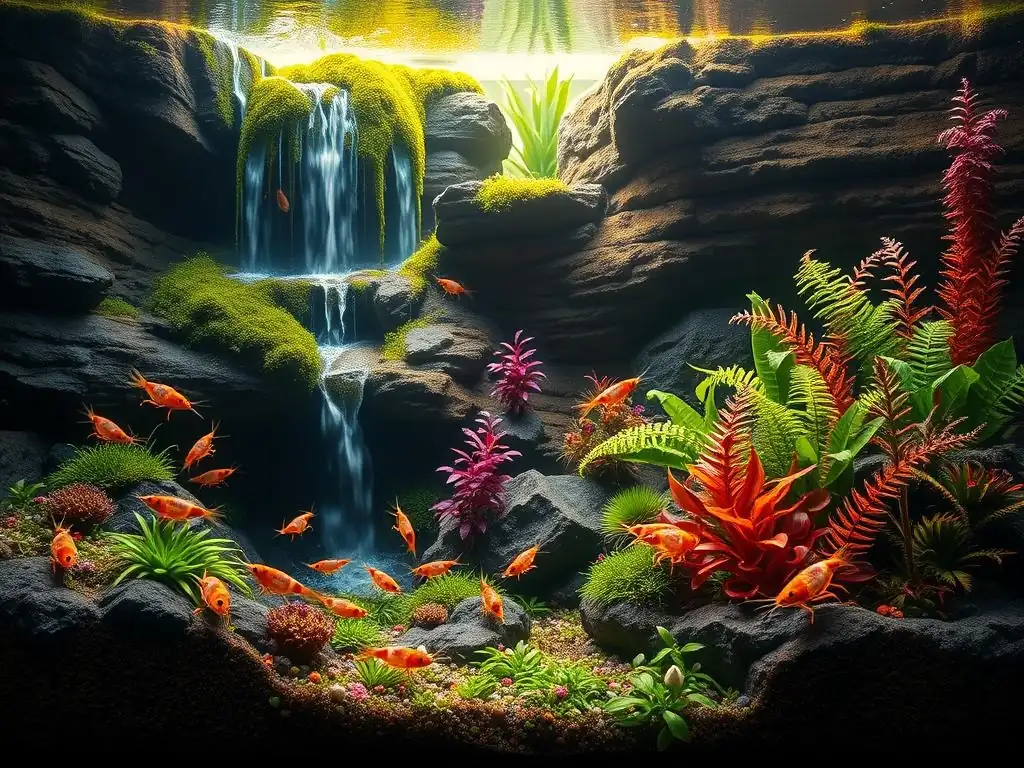
Ever dreamt of recreating a little slice of paradise in your own home? Dive into the captivating world of aquascaping and discover the secrets to a thriving aquatic ecosystem. This article will guide you through the fascinating process of creating a Sulawesi shrimp biotope setup, specifically tailored for the dazzling Caridina dennerli (Cardinal Shrimp). Intrigued? Let's unlock the secrets to their vibrant colors and unique needs, ensuring a flourishing and beautiful underwater world. Read on to learn more!
- Creating a Sulawesi Shrimp Biotope Setup: A Deep Dive for Caridina dennerli
- Understanding the Sulawesi Cardinal Shrimp and its Natural Habitat
- Planning Your Sulawesi Shrimp Biotope Aquarium
- Setting Up Your Sulawesi Shrimp Biotope: A Step-by-Step Guide
- Introducing Your Caridina dennerli to Their New Home
- Maintaining Your Sulawesi Shrimp Biotope for Long-Term Success
- Breeding Sulawesi Cardinal Shrimp in Your Biotope
- Troubleshooting Common Problems in Sulawesi Shrimp Biotopes
- Advanced Sulawesi Shrimp Biotope Techniques
- Conclusion: The Rewarding Experience of a Sulawesi Shrimp Biotope
-
Frequently Asked Questions
- What exactly is a Sulawesi shrimp biotope setup?
- Why is a biotope setup important for Sulawesi Cardinal Shrimp?
- What are the crucial water parameters for a successful Sulawesi shrimp biotope?
- What type of substrate and hardscape should I use in my Sulawesi shrimp biotope?
- What plants are suitable for a Sulawesi shrimp biotope?
- Final Reflection: Embracing the Miniature Ecosystem
- Unleash Your Inner Aquascaper: Craft a Sulawesi Paradise!
Creating a Sulawesi Shrimp Biotope Setup: A Deep Dive for Caridina dennerli
Understanding the Sulawesi Cardinal Shrimp and its Natural Habitat
The Unique Needs of Caridina dennerli
Caridina dennerli, commonly known as the Sulawesi Cardinal Shrimp, stands out among freshwater invertebrates for its exquisite beauty and highly specific environmental requirements. Unlike many hardier shrimp species, such as Neocaridinas, Cardinal Shrimp are exceptionally sensitive to fluctuating water parameters, dissolved pollutants, and sudden changes in their environment. Their delicate nature necessitates a meticulous approach to aquarium keeping, making a dedicated Sulawesi shrimp biotope setup crucial for their long-term survival and thriving.
These striking shrimp, typically reaching a size of 1 to 1.5 centimeters (approximately 0.4 to 0.6 inches), are characterized by their vibrant red bodies adorned with distinctive white spots. This coloration is not only visually appealing but also serves as an indicator of their health and comfort; stressed or unhealthy shrimp may exhibit faded colors. Their specialized diet, primarily consisting of biofilm and microalgae, further underscores the need for a mature and stable biotope that accurately replicates their native feeding grounds.
Lake Matano: Replicating the Cardinal Shrimp's Native Environment
The natural habitat of Caridina dennerli is exclusively Lake Matano, one of the ancient, deep, and oligotrophic (nutrient-poor) lakes located on Sulawesi Island, Indonesia. This lake is part of a unique system of ancient lakes known for their high endemism – species found nowhere else on Earth. Lake Matano's water chemistry is highly unusual, characterized by consistently high temperatures ranging from 27-30°C (80-86°F), a high pH typically between 7.8 and 8.5, and significant mineral content, leading to elevated General Hardness (GH) and Carbonate Hardness (KH).
The lakebed itself is composed primarily of ancient limestone formations and volcanic rock, creating a rocky, sandy bottom that lacks the dense aquatic vegetation found in many other freshwater ecosystems. Instead, the surfaces of rocks and submerged debris are covered in a rich tapestry of microbial biofilms, which form the primary food source for Caridina dennerli. Replicating these specific conditions, including the substrate, hardscape, and the encouragement of biofilm growth, is fundamental to a successful Sulawesi shrimp biotope setup.
Key Water Parameters for Sulawesi Shrimp Health
Achieving and maintaining the precise water parameters of Lake Matano is non-negotiable for the health and longevity of Caridina dennerli. The ideal ranges for a Sulawesi shrimp biotope setup are:
- Temperature: 27-30°C (80-86°F). Consistency is paramount; even slight fluctuations can cause significant stress.
- pH: 7.8-8.5. This high, alkaline pH is crucial and must be maintained without oscillation.
- General Hardness (GH): 7-10 dGH (approximately 125-180 ppm). Essential for proper molting and shell integrity.
- Carbonate Hardness (KH): 4-7 dKH (approximately 70-125 ppm). Provides vital buffering capacity to stabilize pH.
- Total Dissolved Solids (TDS): 150-250 ppm. A general indicator of mineral content, though specific GH/KH values are more critical.
Beyond these primary parameters, Caridina dennerli exhibit zero tolerance for ammonia and nitrite, and even low levels of nitrate (ideally below 5 ppm) can be detrimental. The stability of these parameters is arguably more important than hitting exact numbers; wild fluctuations, even within acceptable ranges, can be fatal. Regular and accurate testing with reliable liquid test kits is essential to monitor these conditions and ensure the ongoing success of your Sulawesi shrimp biotope.
Planning Your Sulawesi Shrimp Biotope Aquarium
Choosing the Right Tank Size for Caridina dennerli
When planning a Sulawesi shrimp biotope setup, tank size plays a critical role in stability and ease of maintenance. While a 10-gallon (approximately 38 liters) aquarium can house a small colony of 10-15 Caridina dennerli, larger tanks are generally recommended due to their inherent stability. A 20-gallon long (approximately 76 liters) or even a 30-gallon (approximately 114 liters) tank offers a more robust environment, making it easier to maintain consistent water parameters and dilute waste products.
Larger volumes of water provide greater thermal mass, which helps to buffer against temperature swings, a significant advantage given the Cardinal Shrimp's strict temperature requirements. Furthermore, a bigger tank offers more surface area for the crucial growth of biofilm, which serves as a primary food source for these grazing invertebrates. The increased water volume also allows for greater dilution of nitrates and other accumulated waste, contributing to the pristine water quality essential for a thriving Sulawesi shrimp biotope.
Essential Equipment for a Sulawesi Shrimp Biotope
Heater Selection for Stable Temperatures
Maintaining the specific high temperature of 27-30°C (80-86°F) is paramount for Caridina dennerli, making a reliable and precise heater an indispensable piece of equipment for any Sulawesi shrimp biotope setup. A high-quality submersible heater with an accurate thermostat is required, and many experienced aquarists opt for models with external temperature controllers for enhanced precision and safety. Some even employ two smaller heaters to distribute the load and provide a backup in case one fails, preventing a catastrophic temperature drop.
Temperature stability is far more crucial than minor deviations within the acceptable range. Fluctuations of even 1-2°C can significantly stress Caridina dennerli, leading to health issues or even death. Therefore, a reliable digital or glass thermometer should be used for constant monitoring. Ensure the heater wattage is appropriate for your tank size; for example, a 50-75 watt heater for a 10-gallon tank, or 100-150 watts for a 20-30 gallon setup, to ensure it can consistently maintain the desired high temperature.
Filtration Systems for Pristine Water Quality
For a Sulawesi shrimp biotope setup, the filtration system must prioritize gentle flow and robust biological filtration, while being entirely safe for delicate shrimplets. Sponge filters, powered by an air pump, are overwhelmingly the preferred choice among aquarists. They offer a large surface area for beneficial bacteria to colonize, provide excellent biological and mechanical filtration, and their gentle flow ensures that tiny shrimplets are not drawn into the filter or buffeted by strong currents.
While small canister filters can be used, they require fine sponge pre-filters to prevent shrimplets from being sucked in, and their outflow must be diffused to create minimal current. The primary goal of filtration in a Caridina dennerli tank is to maintain pristine water quality, specifically by efficiently processing ammonia and nitrite into nitrate, and keeping nitrate levels extremely low. Chemical filtration, such as activated carbon, can be used intermittently to remove impurities but should be used sparingly and replaced frequently, especially if mineral supplements are being added to the water.
Lighting Considerations for Plant Growth and Shrimp Coloration
Lighting in a Sulawesi shrimp biotope setup is generally low to moderate. Lake Matano, being a deep, oligotrophic body of water, does not support dense aquatic plant growth, and the shrimp themselves do not require intense illumination. Therefore, standard LED aquarium lights, often set to a lower intensity, are usually sufficient. The primary purpose of lighting in this context is to provide a natural day-night cycle for the shrimp and to allow for viewing their activities.
While not directly impacting their health, appropriate lighting can subtly enhance the vibrant red and white coloration of Caridina dennerli. However, excessively bright lights should be avoided as they can stress the shrimp, causing them to hide more frequently, and can also promote the growth of undesirable nuisance algae that might outcompete the beneficial biofilm which the shrimp graze upon. A simple timer set for 8-10 hours per day is generally adequate for a balanced Sulawesi shrimp biotope.
Setting Up Your Sulawesi Shrimp Biotope: A Step-by-Step Guide
Substrate Selection: Creating a Natural Lakebed
Aragonite Sand vs. Crushed Coral: Which is Best?
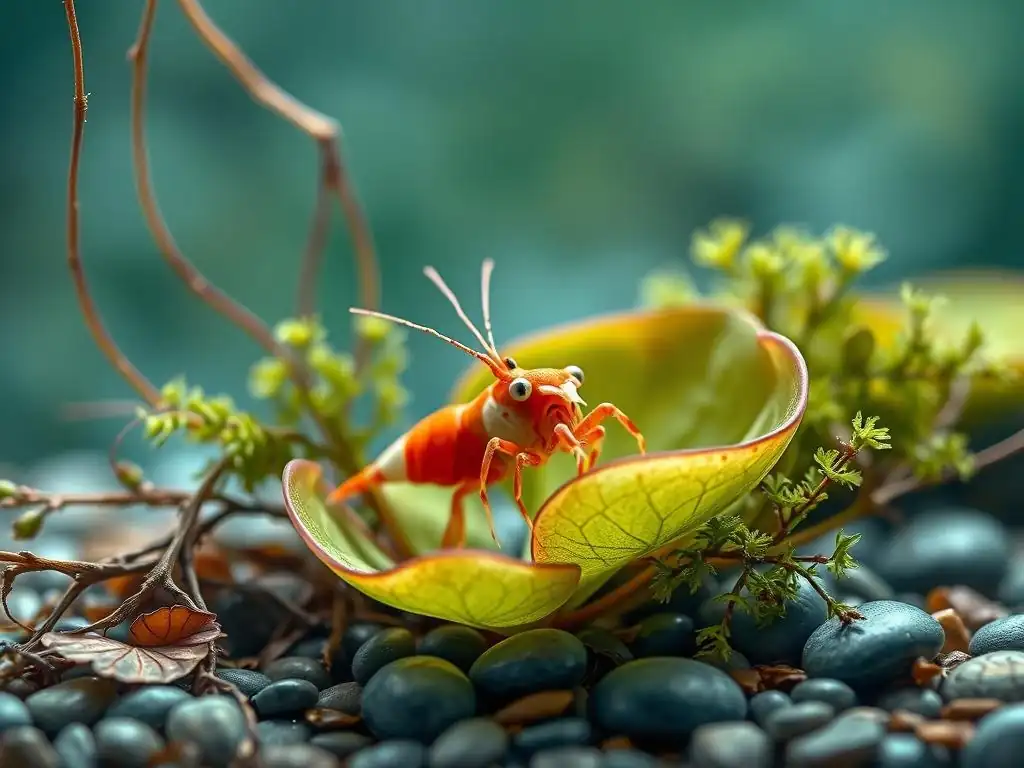
The choice of substrate is a critical component in establishing the correct water chemistry for a Sulawesi shrimp biotope setup. The primary function of the substrate in this context is to contribute to the high pH, GH, and KH levels characteristic of Lake Matano. Aragonite sand is an excellent choice for this purpose. It is composed primarily of calcium carbonate and magnesium, which slowly dissolve into the water, naturally buffering the pH into the desired alkaline range (7.8-8.5) and increasing the general and carbonate hardness, essential for healthy molting and pH stability.
Crushed coral is another suitable option, or it can be used in conjunction with aragonite sand. While it also buffers pH and adds minerals effectively, its larger particle size can sometimes trap more detritus, potentially leading to pockets of anaerobic decay if not properly maintained. A mix of fine aragonite sand and a small, strategic amount of crushed coral can provide both aesthetic appeal and robust buffering capacity. It is crucial to avoid inert substrates like regular quartz sand unless you plan to rely entirely on external remineralizers, as they offer no buffering capacity.
Rockwork and Hardscape: Mimicking Sulawesi's Limestone Formations
Sourcing Safe and Suitable Rocks
The hardscape in a Sulawesi shrimp biotope setup should primarily consist of rocks that mimic the limestone and volcanic formations found in Lake Matano. The ideal rocks are those that either remain inert or, preferably, contribute to the high pH and hardness of the water. Limestone, Texas Holey Rock, and certain types of lava rock are excellent choices as they often contain calcium carbonate and will slowly dissolve, helping to maintain the necessary water parameters for Caridina dennerli.
It is absolutely crucial to ensure that any rocks introduced into the aquarium are safe and free from harmful contaminants. Rocks collected from outside should be thoroughly cleaned and sterilized by boiling or bleaching (followed by extensive rinsing) to eliminate any parasites, bacteria, or unwanted organic matter. Avoid rocks that are known to lower pH, such as driftwood, certain types of granite, or slate, as these contradict the high pH requirements of a Sulawesi shrimp biotope. Always perform a simple vinegar test; if the rock fizzes vigorously, it contains calcium carbonate and will help buffer your water.
Arranging Rocks for Shelter and Visual Appeal
Beyond their chemical contribution, the arrangement of rockwork in a Sulawesi shrimp biotope serves both functional and aesthetic purposes. Caridina dennerli are naturally shy creatures that thrive when provided with ample hiding spots and surfaces for grazing. Stacking rocks to create caves, crevices, and overhangs offers essential security, particularly during vulnerable periods like molting, and helps to reduce stress within the colony. These intricate formations also significantly increase the surface area available for the growth of beneficial biofilm, a cornerstone of their diet.
Aesthetically, the rockwork should be arranged to emulate the rugged, natural limestone formations characteristic of Lake Matano. This often involves creating a central rock structure or scattering several smaller formations throughout the tank, providing both visual interest and practical utility. When arranging rocks, always ensure they are stable and securely placed to prevent any collapses that could harm the shrimp or damage the aquarium. Thoughtful placement contributes to a natural-looking and functional Sulawesi shrimp biotope setup.
Plant Selection for a Sulawesi Shrimp Biotope
Native Sulawesi Plants (if available) and Alternatives
For a truly authentic Sulawesi shrimp biotope setup, the inclusion of aquatic plants is often minimal, if not entirely absent. Lake Matano's unique conditions, characterized by high pH, high temperatures, and an oligotrophic environment, do not support the lush aquatic vegetation found in many other freshwater habitats. The lake floor is predominantly rock and sand, and the shrimp primarily graze on microbial biofilms on these surfaces. Therefore, if strict biotope accuracy is the goal, very few or no plants should be used.
If some form of greenery is desired, or to provide additional surface area for biofilm, select extremely hardy, high-pH tolerant plants that do not require nutrient-rich substrates or CO2 injection. Examples include certain Anubias species, Java Fern ( Microsorum pteropus), or very specific types of moss. These plants should ideally be attached to rocks or hardscape elements rather than planted directly into the substrate, as they are epiphytic. It's important to remember that plants are not essential for a successful Sulawesi shrimp biotope setup and can sometimes complicate water chemistry if not chosen and managed carefully.
Plant Placement for Optimal Growth and Aesthetics
If you choose to incorporate plants into your Sulawesi shrimp biotope, their placement should be strategic, considering both their growth requirements and the overall aesthetic of the tank. Epiphytic plants like Anubias species or Java Fern should be securely attached to rocks or hardscape elements using fishing line or super glue (aquarium-safe gel form). This not only mimics their natural growth habit but also prevents them from rotting if buried in the mineral-rich substrate, which can happen with rooted plants unsuited to the substrate.
Ensure that plant placement does not impede water flow or create "dead spots" where detritus can accumulate. Good water circulation is vital for maintaining pristine water quality in a Sulawesi shrimp biotope. Position low-light plants where they receive adequate, but not excessive, illumination to prevent nuisance algae growth. The goal is to create a natural-looking environment that complements the rockwork and provides additional grazing surfaces without introducing complications to the sensitive water chemistry required by Caridina dennerli.
Water Preparation and Cycling Your Sulawesi Shrimp Tank
Achieving the Ideal Sulawesi Water Chemistry
Achieving the precise and stable water chemistry required for a Sulawesi shrimp biotope setup is a multi-step process that demands meticulous attention. The most reliable method begins with using Reverse Osmosis (RO) or Deionized (DI) water, as these provide a blank slate free of contaminants and unknown minerals. This pure water is then remineralized using a product specifically formulated for Sulawesi shrimp, such as Salty Shrimp GH/KH+. These products contain the precise balance of minerals needed to replicate Lake Matano's unique parameters.
Follow the manufacturer's instructions carefully to reach your target GH, KH, and pH. For instance, Salty Shrimp GH/KH+ typically adds approximately 1 dKH and 0.5 dGH per scoop per 20 liters of RO/DI water. Once the initial water is prepared and the tank is filled, consistency becomes paramount.
All subsequent top-offs (to compensate for evaporation) should be done with pure RO/DI water only, as minerals do not evaporate. Water changes, however, require freshly remineralized water to maintain the integrity of the Sulawesi shrimp biotope's specific chemistry. Regular testing with reliable liquid test kits for pH, GH, KH, ammonia, nitrite, and nitrate is non-negotiable.
The Importance of a Stable Nitrogen Cycle
A fully established and stable nitrogen cycle is absolutely paramount before introducing Caridina dennerli into their new Sulawesi shrimp biotope setup. These shrimp are extremely sensitive to nitrogenous compounds; even trace amounts of ammonia and nitrite can be highly toxic and fatal. The nitrogen cycle is the biological process where beneficial bacteria convert harmful ammonia (produced from shrimp waste and uneaten food) into less toxic nitrite, and then further into relatively harmless nitrate.
Cycling your tank typically takes 4-6 weeks and involves introducing an ammonia source (e.g., pure ammonia, a pinch of fish food) to feed the beneficial bacteria. Daily monitoring of ammonia, nitrite, and nitrate levels is essential throughout this period. The tank is considered fully cycled when both ammonia and nitrite consistently read zero, and nitrates are present but low. While beneficial bacteria starters can help accelerate the process, patience is key to developing a robust and stable bacterial colony that can handle the bioload of your Caridina dennerli, ensuring their long-term health in the Sulawesi shrimp biotope.
Introducing Your Caridina dennerli to Their New Home
Acclimation Techniques for Sensitive Shrimp
Introducing Caridina dennerli to their new Sulawesi shrimp biotope setup is perhaps the most critical step, given their extreme sensitivity to changes in water parameters. Drip acclimation is the only recommended method, as it allows for a slow, gradual equalization of temperature and water chemistry, minimizing stress on these delicate invertebrates. This process should ideally take several hours, typically 2-4 hours, or even longer for shrimp that have undergone significant shipping stress.
To perform drip acclimation, gently transfer the shrimp and their shipping water into a clean, separate container (e.g., a small bucket). Use a length of airline tubing with an air stone on one end and a knot or airline valve on the other to create a slow drip from your display tank into the bucket. Aim for a rate of 1-2 drips per second.
Once the water volume in the bucket has quadrupled or quintupled, carefully net the shrimp and introduce them into the main aquarium, discarding the old water. Avoid pouring the shrimp directly from the bucket into the tank, as this can cause a sudden shock.
Monitoring Water Parameters After Introduction
Even after meticulous acclimation, continuous monitoring of water parameters is crucial during the initial period following the introduction of your Caridina dennerli to their Sulawesi shrimp biotope setup. For the first week or two, daily checks of pH, GH, KH, and especially ammonia, nitrite, and nitrate are highly recommended. The added bioload from the new shrimp, even if small, can sometimes cause minor spikes in nitrogenous compounds if the beneficial bacterial colony is not yet fully robust or if the shrimp are stressed.
Close observation of the shrimp themselves is equally important. Look for signs of stress, such as lethargy, erratic swimming, or a noticeable loss of their vibrant coloration. These behaviors can indicate underlying issues with water parameters or stress from the new environment. If any parameters deviate significantly or if the shrimp show signs of distress, immediate and cautious corrective action, such as a small, slow water change with perfectly matched water, may be necessary to maintain the integrity of your Sulawesi shrimp biotope.
Observing Shrimp Behavior and Addressing Potential Issues
Understanding the behavior of healthy Caridina dennerli is key to identifying potential problems early in your Sulawesi shrimp biotope setup. Healthy Cardinal Shrimp should be actively grazing on surfaces within the tank, exhibiting their vibrant coloration, and molting regularly as they grow. While naturally shy, they should be visible and not constantly hiding, especially during feeding times. A lack of activity, excessive hiding, or a dulling of their characteristic red and white patterns can all be indicators of stress or underlying health issues.
Common problems after introduction include unexplained deaths, which often point back to improper acclimation or unstable water parameters. If shrimp are not eating, re-evaluate water quality and try offering a variety of specialized shrimp foods. The "white ring of death," where a white band appears around the shrimp's body, indicates a failed molt, often due to insufficient GH/KH or rapid changes in water parameters. Swift identification of these issues and a prompt, appropriate response are crucial for the long-term success and vitality of your Sulawesi shrimp biotope.
Maintaining Your Sulawesi Shrimp Biotope for Long-Term Success
Regular Water Changes and Maintenance Schedule
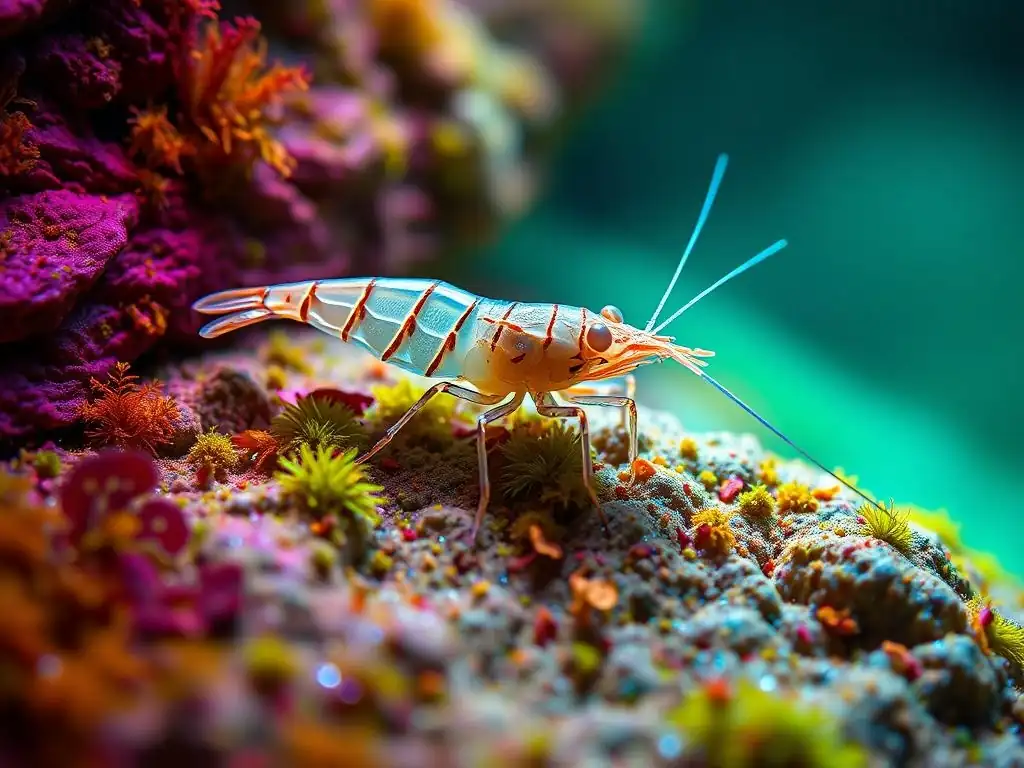
Maintaining pristine water quality is paramount for the long-term success of a Sulawesi shrimp biotope setup. Due to their extreme sensitivity to nitrates and fluctuating parameters, small, frequent water changes are significantly more beneficial than large, infrequent ones. A recommended schedule involves performing weekly or bi-weekly water changes of 10-15% of the tank's volume. It is absolutely crucial that the replacement water is perfectly matched to the tank's parameters, using remineralized RO/DI water, to prevent any parameter shock to the delicate Caridina dennerli.
Beyond water changes, a consistent maintenance schedule should include gently vacuuming the substrate surface to remove any accumulated detritus, being careful not to disturb the vital biofilm layers. Sponge filters should be cleaned periodically by rinsing them thoroughly in old tank water removed during a water change; never rinse them under tap water, as this can kill beneficial bacterial colonies. Any undesirable nuisance algae growing on the glass can be gently scraped off. Consistent, gentle maintenance is the cornerstone of a thriving and stable Sulawesi shrimp biotope setup.
Feeding Your Caridina dennerli: Diet and Supplements
In their natural habitat, Caridina dennerli primarily graze on the abundant biofilm and microalgae that cover surfaces in Lake Matano. In a Sulawesi shrimp biotope setup, while a healthy biofilm should be encouraged on rocks and other hardscape, their diet must be supplemented with high-quality, specialized shrimp foods to ensure complete nutrition. Offer a variety of foods, including spirulina flakes, algae wafers, and specialized Sulawesi shrimp pellets or powdered foods, which are often rich in minerals.
Feeding should always be done sparingly, providing only what the shrimp can consume within a few hours to prevent overfeeding and subsequent water pollution. Overfeeding is a common mistake that can quickly lead to elevated nitrate levels and other water quality issues detrimental to these sensitive shrimp.
Additionally, ensuring adequate calcium and other essential minerals through your remineralizer is crucial for healthy molting, as these elements are incorporated into their exoskeleton. Some aquarists also introduce botanical items like Indian almond leaves (use with caution as they can lower pH slightly) or specialized "biofilm boosters" to further enhance their natural food sources.
Identifying and Treating Common Sulawesi Shrimp Diseases
For Caridina dennerli in a Sulawesi shrimp biotope setup, prevention is vastly more effective than cure when it comes to diseases. Maintaining consistently pristine water quality and stable parameters is the best defense against illness. While generally robust if their specific needs are met, these shrimp are highly susceptible to stress-induced diseases, which often manifest when water conditions deteriorate or fluctuate.
Common issues, though not always "diseases" in the traditional sense, often include bacterial infections that can cause lethargy, discoloration, or a fuzzy appearance, typically stemming from poor water quality. Fungal infections might appear as distinct fuzzy patches. Parasites like Vorticella can sometimes be observed on the shrimp's carapace. Treatment options for shrimp are very limited and often risky, as many medications are toxic to invertebrates. Therefore, quarantining any new additions to the tank and rigorously maintaining optimal environmental conditions are the most effective strategies for ensuring the health and longevity of your Sulawesi shrimp biotope colony.
Breeding Sulawesi Cardinal Shrimp in Your Biotope
Creating Optimal Breeding Conditions
For Caridina dennerli to successfully breed within your Sulawesi shrimp biotope setup, all environmental parameters must be consistently optimal and stable. This means maintaining precise temperatures (ideally 28-30°C), the correct high pH (7.8-8.5), stable GH/KH levels, and absolute zero for ammonia and nitrite, with nitrates kept extremely low. A mature aquarium with a well-established and thriving biofilm is also essential, as this provides the primary and most accessible food source for newly hatched shrimplets.
A healthy and well-fed colony of at least 10-15 individuals significantly increases the likelihood of successful breeding, as it promotes social interaction and ensures both sexes are present. Ensure a varied and nutritious diet for the adult shrimp, including protein-rich foods, to condition them for reproduction. Providing ample hiding places and grazing surfaces, such as those created by intricate rockwork, is also important for the security of both the breeding adults and the delicate shrimplets in a successful Sulawesi shrimp biotope.
Identifying Pregnant Shrimp and Protecting Shrimplets
Female Caridina dennerli that are ready to breed will carry a clutch of tiny eggs, known as being "berried," underneath their swimmerets. These eggs are typically small, oval, and often dark brown or black, gradually lightening in color as they develop. The gestation period usually spans 3-4 weeks. During this time, you may observe the female fanning her swimmerets, a behavior that circulates oxygenated water over the eggs and helps keep them clean.
Upon hatching, Caridina dennerli shrimplets are miniature versions of the adults, typically measuring only 1-2mm in length. They are incredibly delicate and require a shrimplet-safe environment. Ensure that your filtration system, such as a sponge filter, does not pose a threat of sucking them up. Avoid strong water currents that could buffet the tiny fry. The established biofilm in your Sulawesi shrimp biotope provides their crucial initial food source, but supplementing with specialized powdered shrimplet food can significantly increase their survival rate.
Raising Baby Sulawesi Shrimp: Food and Care
The primary challenge in successfully raising Caridina dennerli shrimplets in a Sulawesi shrimp biotope setup is ensuring a consistent and abundant food supply. A mature tank with a robust and thriving biofilm layer is absolutely paramount, as this natural growth provides a constant source of micro-organisms for the tiny fry to graze upon. To supplement this, very fine powdered foods specifically designed for shrimplets, such as spirulina powder or specialized shrimp fry food, should be broadcast sparingly over the tank.
Maintaining impeccable water quality is even more critical for shrimplets than for adults. Baby shrimp are exquisitely sensitive to nitrates and any fluctuations in water parameters. Continue with small, frequent water changes using perfectly matched, remineralized water to keep the environment stable and free of pollutants. Avoid any sudden changes in the Sulawesi shrimp biotope setup, including drastic temperature shifts or large water changes, which could easily stress and harm the delicate fry. Patience and consistency are key to raising a new generation of Cardinal Shrimp.
Troubleshooting Common Problems in Sulawesi Shrimp Biotopes
Algae Control in a Sulawesi Shrimp Tank
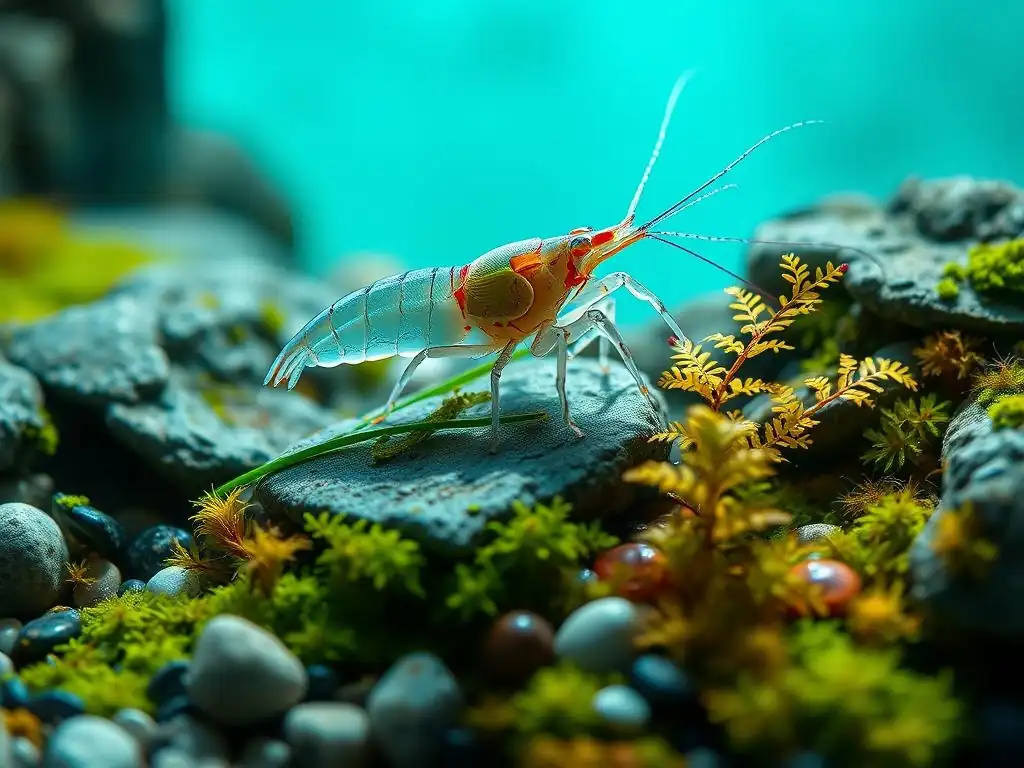
While a certain amount of microalgae and biofilm is beneficial and even essential for Caridina dennerli to graze upon, excessive or undesirable algae (such as hair algae or green spot algae) indicates an imbalance in your Sulawesi shrimp biotope setup. Common culprits include too much light exposure, an excess of nutrients (often from overfeeding or insufficient water changes leading to high nitrates/phosphates), or a lack of sufficient grazers.
To address excessive algae in a Sulawesi shrimp biotope, first assess your lighting duration and intensity; reducing the photoperiod to 6-8 hours can often help. Perform extra small water changes to lower nutrient levels. Critically, ensure you are not overfeeding your shrimp. Introducing compatible Sulawesi snails, such as Tylomelania snails, can be an excellent biological control, as they thrive in the same high pH and temperature conditions and are effective algae grazers. Manual removal of stubborn algae is also a necessary and effective method.
Dealing with Planaria and Other Pests
Planaria, small, often triangular-headed flatworms, are common aquarium pests that can sometimes be introduced with new plants, food, or even live rock. While generally harmless to adult Caridina dennerli, they can pose a threat to tiny shrimplets. Other potential pests include hydra (small, stinging polyps) or ostracods (seed shrimp). The presence of these pests often signals an underlying issue such as overfeeding or insufficient tank sanitation, as they thrive on excess organic matter.
For a Sulawesi shrimp biotope setup, the safest method for dealing with pests is to reduce feeding significantly and manually remove any visible organisms. For severe planaria infestations, products containing Fenbendazole (e.g., No-Planaria) can be used, but extreme caution is advised, as some invertebrates are sensitive to such treatments, and precise dosing is critical. Prevention is always the best strategy: thoroughly inspect and quarantine any new additions to the tank, including plants or hardscape, before introducing them to your Sulawesi shrimp biotope.
Maintaining Stable Water Parameters
Fluctuating water parameters represent the most significant threat to the health and survival of Caridina dennerli in a Sulawesi shrimp biotope setup, often leading to stress, failed molts, and ultimately, death. Common causes of instability include inconsistent water change practices (e.g., using water that is not perfectly matched to tank parameters), failure to top off evaporated water with pure RO/DI water (which leads to mineral concentration), or insufficient buffering capacity within the aquarium's substrate or water itself.
To ensure unwavering stability, always use RO/DI water that has been precisely remineralized to your target parameters for all water changes and top-offs. Ensure your substrate, such as aragonite sand or crushed coral, provides adequate buffering to maintain the high KH and pH. Investing in reliable liquid test kits and testing your water frequently (daily or every other day initially, then weekly) is essential to catch any deviations early. For ultimate consistency, consider an auto top-off (ATO) system to maintain stable water levels and, by extension, temperature and mineral concentration in your Sulawesi shrimp biotope.
Advanced Sulawesi Shrimp Biotope Techniques
Using CO2 Injection for Plant Growth (With Caution)
Using CO2 injection for plant growth is generally not recommended for a Sulawesi shrimp biotope setup, and should be approached with extreme caution if considered at all. The fundamental reason for this is the direct conflict between the high pH requirements of Caridina dennerli (7.8-8.5) and the effect of CO2 injection, which lowers pH. Even small amounts of CO2 can cause significant and rapid pH drops, especially in a low-KH environment, which can be lethal to these highly sensitive shrimp.
If, against strong advice, CO2 is deemed absolutely necessary for specific plant growth (though true Sulawesi biotopes are naturally plant-sparse), a high-quality pH controller with a solenoid valve is an absolute mandatory requirement. This system will automatically shut off the CO2 if the pH drops below a set threshold, preventing dangerous swings. However, the inherent risk to the shrimp almost always outweighs the benefits of CO2 for plants in a Caridina dennerli tank, making it an advanced and often ill-advised technique for a dedicated Sulawesi shrimp biotope.
Adding Other Sulawesi Invertebrates (Snails, etc.)
To further enhance the authenticity and ecological balance of your Sulawesi shrimp biotope, consider introducing other invertebrates that are either native to Lake Matano or are fully compatible with its unique water parameters. Tylomelania snails, often referred to as Sulawesi snails or Rabbit snails, are an excellent choice. These striking snails thrive in the same high pH and temperature conditions as Caridina dennerli, graze on biofilm and algae, and come in a fascinating variety of patterns and colors. They are peaceful and do not compete directly with the shrimp for resources.
While Lake Matano does host various fish species, most are either too large, too predatory, or have specific requirements that make them unsuitable tank mates for tiny Caridina dennerli. Therefore, a Sulawesi shrimp biotope setup is generally best maintained as a species-only tank, or with the addition of compatible snail species. Avoid introducing other shrimp species, as this can lead to cross-breeding, competition for limited resources, or the introduction of diseases that the sensitive Cardinal Shrimp are not equipped to handle.
Documenting Your Sulawesi Shrimp Biotope Journey
Documenting your Sulawesi shrimp biotope journey can be an incredibly rewarding and educational experience. Keeping a detailed log of your tank's parameters, including pH, GH, KH, temperature, and nitrogen cycle readings, can provide invaluable data for troubleshooting any issues that arise and for understanding the specific needs and responses of your Caridina dennerli colony over time. Note down feeding schedules, observations of molting, breeding activity, and any changes in shrimp behavior or appearance.
Beyond data logging, capturing the visual evolution of your Sulawesi shrimp biotope setup through photography and videography can be deeply satisfying. The vibrant colors of Caridina dennerli against a natural hardscape create stunning visuals. Sharing your journey, observations, and successes with online communities or fellow aquarists not only provides a platform for support and advice but also contributes to the collective knowledge base surrounding the care of these unique and delicate invertebrates. This documentation can serve as a testament to the beauty and complexity of a specialized biotope.
Conclusion: The Rewarding Experience of a Sulawesi Shrimp Biotope
The Beauty and Uniqueness of Caridina dennerli
The Caridina dennerli, with its mesmerizing vibrant red body adorned with distinct white spots, stands as one of the most visually stunning and unique freshwater shrimp species available to aquarists. Its beauty is matched only by its intricate adaptations to the highly specialized and ancient ecosystem of Lake Matano. The success of a Sulawesi shrimp biotope setup is a testament to the aquarist's dedication and understanding of advanced aquatic husbandry, allowing these living jewels to thrive in a meticulously recreated slice of their natural world.
Beyond their striking appearance, the experience of keeping and successfully breeding Caridina dennerli offers profound satisfaction. It involves a deep dive into water chemistry, microbiology, and environmental replication, challenging even experienced hobbyists. A flourishing Sulawesi shrimp biotope not only provides a captivating display but also represents a miniature, self-sustaining ecosystem that mirrors the delicate balance of a rare and unique natural wonder.
Contributing to the Conservation of Endangered Species
The act of establishing and maintaining a Sulawesi shrimp biotope setup extends beyond personal enjoyment; it directly contributes to the vital cause of conservation. Caridina dennerli is endemic to Lake Matano, a unique and fragile ecosystem that faces increasing threats from pollution, habitat degradation, and invasive species. Many species of Sulawesi shrimp, including the Cardinal Shrimp, are listed as endangered or critically endangered by conservation organizations due to these pressures on their limited natural habitat.
By successfully keeping and, crucially, breeding Caridina dennerli in captivity, hobbyists play an indispensable role in safeguarding these rare species from potential extinction. Establishing self-sustaining captive populations reduces the demand for wild-caught specimens, thereby alleviating pressure on their dwindling natural numbers. A thriving Sulawesi shrimp biotope is more than just a hobby; it is a profound act of preservation, ensuring that the unique genetic lineage and beauty of Caridina dennerli continue for future generations to appreciate and protect.
Frequently Asked Questions
What exactly is a Sulawesi shrimp biotope setup?
It's a specialized aquarium designed to replicate the natural environment of Sulawesi cardinal shrimp (Caridina dennerli). This includes mimicking their specific water parameters, substrate, and natural habitat elements found in Lake Matano and Lake Towuti.
Why is a biotope setup important for Sulawesi Cardinal Shrimp?
These shrimp are highly sensitive to water conditions and benefit greatly from a setup that mirrors their native environment. This helps to promote their health, breeding, and overall well-being within the aquarium.
What are the crucial water parameters for a successful Sulawesi shrimp biotope?
Key parameters include a high pH (around 7.5-8.5), high KH (carbonate hardness), high GH (general hardness), and a stable temperature between 80-84°F (26-29°C). Consistent monitoring is crucial.
What type of substrate and hardscape should I use in my Sulawesi shrimp biotope?
Aragonite sand or crushed coral is recommended to maintain the high pH. Use lava rock, dragon stone, or other inert rocks to create caves and crevices mimicking their natural environment. Avoid anything that will lower the pH.
What plants are suitable for a Sulawesi shrimp biotope?
While plants are not abundant in the shrimp's natural habitat, some hardy, alkaline-tolerant plants like Anubias or Java moss can be added sparingly. Prioritize maintaining water parameters over plant selection.
Final Reflection: Embracing the Miniature Ecosystem
The journey of creating a Sulawesi shrimp biotope setup, as we've explored, is far more than just arranging rocks and plants; it's about understanding and replicating a delicate, threatened ecosystem. The principles of careful planning, meticulous execution, and ongoing observation are not just applicable to aquascaping, but resonate deeply with our broader responsibility to protect the biodiversity of our planet, starting with the smallest of creatures.
This endeavor, focused on the Caridina dennerli, highlights how even a small aquarium can become a microcosm of a larger, more fragile world. The dedication required to maintain a thriving Sulawesi shrimp biotope underscores the importance of mindful consumption and sustainable practices in all aspects of our lives. In the end, we will conserve only what we love; we will love only what we understand; and we will understand only what we are taught.
- Baba Dioum. This quote perfectly encapsulates the spirit of this project: by understanding and appreciating the unique needs of these shrimp, we foster a deeper connection to the natural world and a stronger desire to protect it.
Now, consider the lessons learned in this deep dive. How can you apply the principles of careful research, responsible sourcing, and dedicated maintenance to other areas of your life? Let the meticulousness required for a successful Sulawesi shrimp biotope setup inspire you to cultivate a more conscious and sustainable existence, recognizing that even the smallest actions can have a profound impact on the health of our planet.
Unleash Your Inner Aquascaper: Craft a Sulawesi Paradise!
Thanks for diving into the fascinating world of Sulawesi Cardinal Shrimp! We hope this guide has ignited your passion and provided the knowledge to create a thriving habitat for these captivating creatures. Now, let's turn that knowledge into action.
Here's how you can embark on your Sulawesi biotope journey:
- Start Planning Your Sulawesi Sanctuary: Determine the size of your aquarium and sketch out your hardscape design, focusing on the essential elements mentioned for the shrimp's well-being. This is the cornerstone of your project!
- Explore local aquarium clubs or online forums to connect with fellow shrimp enthusiasts and share your progress. Consider documenting your experience with photos and videos!
- Research sustainable sources for your livestock. Investigate responsible breeders and suppliers who prioritize the health and ethical sourcing of Caridina dennerli.
What unique rock formations or plant species are you considering to replicate the striking beauty of Lake Matano in your own aquarium?