
Using Indian Almond Leaves and Other Botanicals in Shrimp Tanks: Benefits & HowTo

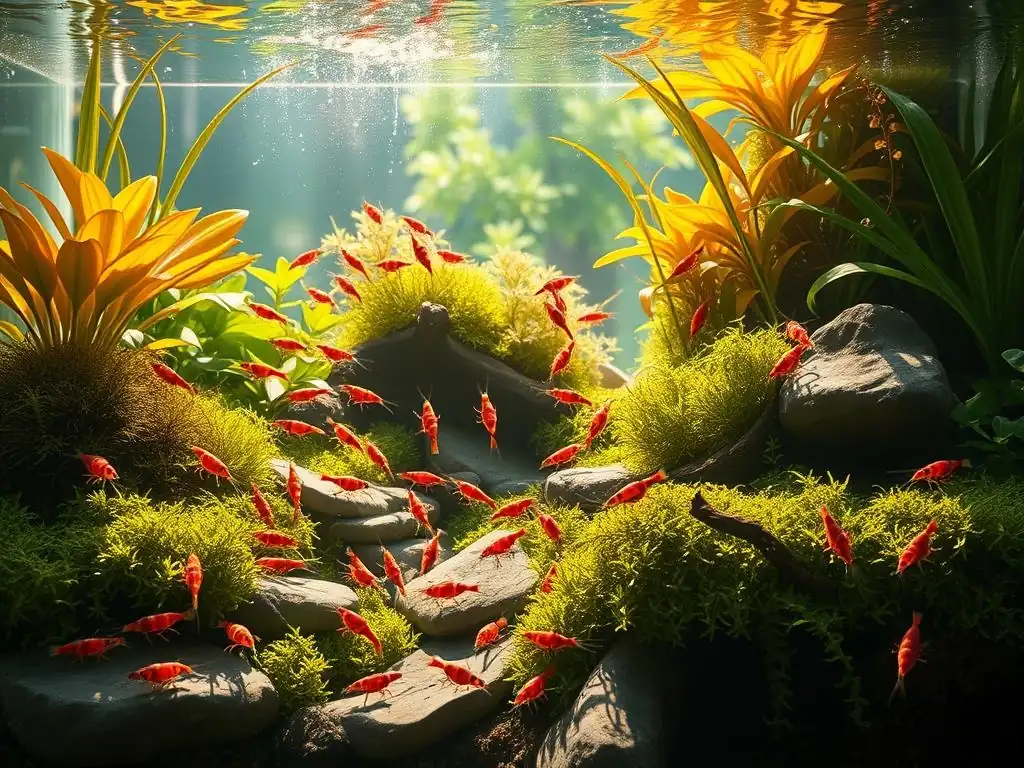
Welcome to Aquarium Mastery!
Curious about transforming your shrimp tank into a thriving ecosystem? Dive into the fascinating world of Shrimp Tank Botanical Benefits! Discover how adding Indian Almond Leaves and other natural botanicals can dramatically improve the health, color, and breeding success of your shrimp. Ready to unlock the secrets to a truly vibrant and balanced aquarium? Let's explore!
- Using Botanicals in Shrimp Tanks: Benefits & How-To
- Introduction: Enhancing Your Shrimp Tank with Natural Elements
-
Frequently Asked Questions
- What are the primary benefits of using botanicals like Indian Almond Leaves (IAL) in a shrimp tank?
- How do Indian Almond Leaves affect water chemistry in a shrimp tank?
- Besides Indian Almond Leaves, what are some other suitable botanicals for shrimp tanks?
- How often should I replace botanicals like Indian Almond Leaves in my shrimp tank?
- Can using too many botanicals harm my shrimp?
- Final Reflection: Embracing Nature's Pharmacy for Thriving Shrimp
- Transform Your Shrimp Tank: Unlock Nature's Secrets!
Using Botanicals in Shrimp Tanks: Benefits & How-To
Introduction: Enhancing Your Shrimp Tank with Natural Elements
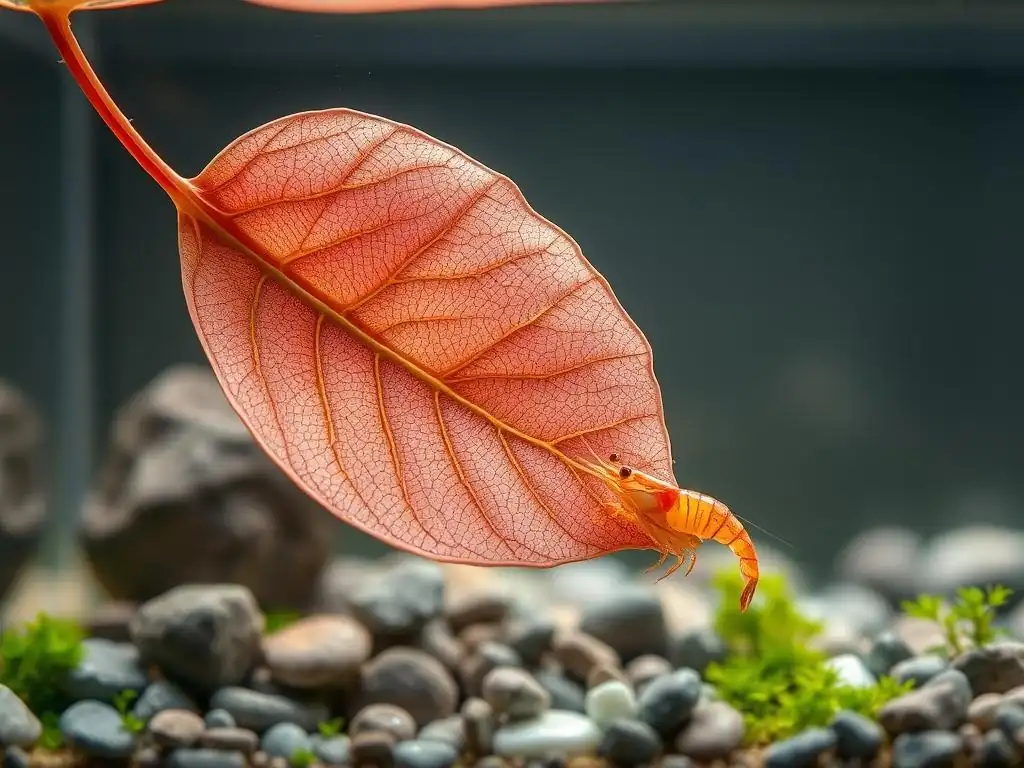
What are Botanicals and Why Use Them in Shrimp Tanks?
Botanicals refer to various natural plant materials such as leaves, seed pods, bark, and cones that are introduced into an aquarium environment. In the context of shrimp tanks, these elements are not merely decorative; they serve a crucial role in replicating the natural habitats of many freshwater shrimp species.
Wild shrimp, particularly those from blackwater environments, thrive amidst decaying organic matter, which releases beneficial compounds into the water and provides a substrate for microbial growth. Examples of common botanicals include Indian Almond Leaves (Catappa leaves), alder cones, guava leaves, and various seed pods like those from the Malaysian trumpet tree or even small lotus pods.
The primary motivation for incorporating botanicals into a shrimp tank is to foster a more natural, stable, and beneficial environment. These materials gradually release tannins and humic substances into the water, which can subtly lower pH, soften water, and impart a characteristic amber tint. Beyond water chemistry, botanicals offer physical benefits such as providing shelter and foraging grounds for shrimp. They also encourage the growth of biofilm, a crucial food source for juvenile and adult shrimp, thereby contributing significantly to the overall well-being and reproduction rates of the inhabitants.
Understanding the Benefits of Botanicals for Freshwater Shrimp
The advantages of adding botanicals to a shrimp tank are multifaceted, directly impacting water quality, shrimp health, and behavior. One of the most significant shrimp tank botanical benefits stems from the release of tannins. These compounds possess mild antiseptic and antifungal properties, which can help prevent common shrimp ailments and reduce stress, leading to more robust immune systems. For instance, in tanks with Neocaridina davidi (e.g., Cherry Shrimp) or Caridina cantonensis (e.g., Crystal Red Shrimp), a stable environment with fewer pathogens can dramatically improve survival rates, especially for delicate shrimplets.
Furthermore, botanicals are instrumental in cultivating a natural food source: biofilm. This microscopic layer of bacteria, algae, and other microorganisms adheres to the surface of the botanicals as they decompose. Shrimp, being detritivores and grazers, constantly pick at these surfaces, consuming the biofilm. This consistent, natural food source supplements their diet and is particularly vital for shrimplets, providing readily available nutrition that might be scarce in a bare tank. Many aquarists observe increased activity and healthier coloration in shrimp tanks enriched with botanicals, underscoring the comprehensive shrimp tank botanical benefits.
Frequently Asked Questions
What are the primary benefits of using botanicals like Indian Almond Leaves (IAL) in a shrimp tank?
IAL and other botanicals release tannins that lower the pH, creating a more natural and beneficial environment for shrimp. They also provide a source of biofilm for shrimp to graze on.
How do Indian Almond Leaves affect water chemistry in a shrimp tank?
IAL primarily lower the pH and slightly soften the water due to the release of tannins. This mimics the natural habitats of many shrimp species.
Besides Indian Almond Leaves, what are some other suitable botanicals for shrimp tanks?
Other suitable botanicals include Alder cones, Catappa bark, and various driftwood types. These offer similar benefits to IAL, such as tannin release and biofilm growth.
How often should I replace botanicals like Indian Almond Leaves in my shrimp tank?
The frequency depends on the size of your tank and the initial amount used. Generally, replace them when they begin to decompose significantly or when the tannin release diminishes, usually every 2-4 weeks.
Can using too many botanicals harm my shrimp?
Yes, using too many botanicals can drastically lower the pH, potentially causing stress or even death to your shrimp. Always add botanicals gradually and monitor your water parameters closely.
Final Reflection: Embracing Nature's Pharmacy for Thriving Shrimp
The journey into understanding the shrimp tank botanical benefits has revealed a profound connection between our aquatic ecosystems and the natural world. It's clear that incorporating Indian Almond Leaves and other botanicals isn't just a trend, but a powerful way to mimic the natural habitats of these fascinating creatures, leading to healthier, more vibrant shrimp colonies.
This exploration has underscored the enduring power of nature's solutions. Witnessing the positive impact of botanicals on shrimp health and well-being has been incredibly rewarding, highlighting the importance of understanding and respecting the delicate balance of aquatic ecosystems. Look deep into nature, and then you will understand everything better.
- Albert Einstein. This quote resonates deeply as we observe the intricate ways botanicals contribute to a thriving shrimp tank environment.
Now, armed with this knowledge, I invite you to reflect on your own aquascaping practices. Consider how you can integrate these natural elements into your shrimp tanks, not just for aesthetic appeal, but as a conscious decision to foster a healthier, more natural environment for your aquatic companions. Let's embrace the power of botanicals and cultivate thriving shrimp tanks that reflect the beauty and resilience of the natural world.
Transform Your Shrimp Tank: Unlock Nature's Secrets!
Thank you for diving into the world of botanical shrimp keeping! We hope you’ve discovered some valuable insights into using Indian Almond Leaves and other natural elements to create a thriving environment for your shrimp. Ready to take the next step and see the magic unfold?
Here are a few things you can do right now:
- Begin your botanical journey: Introduce a small Indian Almond Leaf or Alder Cone to your shrimp tank, carefully observing its impact on water parameters and shrimp behavior.
- Explore and Share: Dive deeper by researching other beneficial botanicals suitable for shrimp tanks, such as banana leaves or cholla wood. Share your findings and experiences in online aquarium communities.
- Experiment with Leaf Placement: Try positioning the leaf in different areas of the tank to see where your shrimp prefer to congregate.
What unique botanical will you introduce to your shrimp tank first, and what benefits are you hoping to achieve?