
Tools of the Trade: Essential Equipment for Successful Plant Propagation

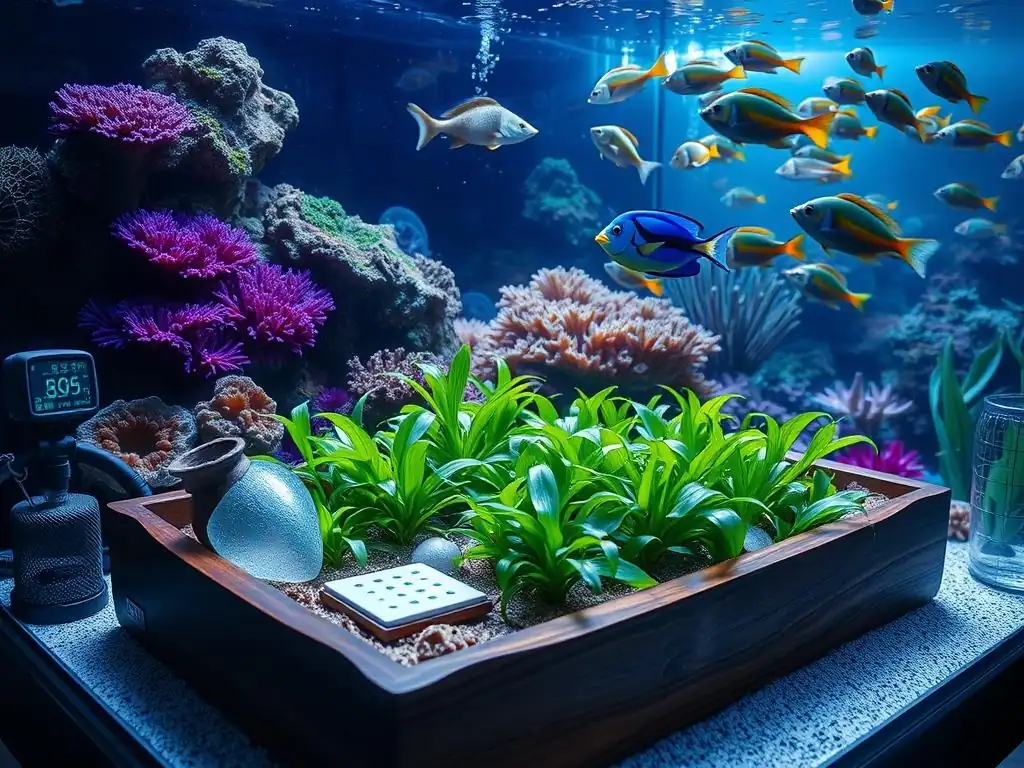
Welcome to Aquarium Mastery!
Ever wondered how the pros achieve such lush and vibrant saltwater aquarium plant life? This article dives deep, revealing the essential saltwater aquarium plant propagation tools you need to cultivate a thriving underwater garden. Prepare to unlock the secrets of successful propagation and discover the equipment that will make your saltwater aquascape the envy of every aquarist. Ready to grow? Let's get started!
- Tools of the Trade: Essential Equipment for Successful Macroalgae Propagation in Reef Aquariums
- Understanding Macroalgae Propagation in Reef Aquariums
- Essential Cutting and Propagation Tools for Macroalgae
- Gripping and Handling Tools for Macroalgae Propagation
- Tools for Preparing Macroalgae Propagation Media
- Monitoring and Maintenance Tools for Macroalgae Propagation
- Propagation Containers and Accessories for Macroalgae Aquariums
- Sterilization and Cleaning Tools for Macroalgae Propagation
- Advanced Tools for Macroalgae Propagation
- Tips for Choosing the Right Macroalgae Propagation Tools
- Maintaining Your Macroalgae Propagation Tools
-
Frequently Asked Questions
- What are the basic tools needed for saltwater aquarium plant propagation?
- Why are specialized tools important for saltwater aquarium plant propagation?
- How do I sterilize my tools to prevent contamination when propagating saltwater aquarium plants?
- What kind of substrate is best for rooting new saltwater aquarium plant propagations?
- Where can I find reliable information about specific saltwater aquarium plant propagation techniques?
- Final Reflection: Cultivating Growth in Saltwater Ecosystems
- Cultivate Your Green Thumb: Propagate with Confidence!
Tools of the Trade: Essential Equipment for Successful Macroalgae Propagation in Reef Aquariums
Understanding Macroalgae Propagation in Reef Aquariums
Why Proper Tools are Crucial for Macroalgae Propagation
Successful macroalgae propagation in a reef aquarium relies heavily on the right set of tools. These specialized saltwater aquarium plant propagation tools are not merely conveniences; they are fundamental to minimizing stress on delicate macroalgae, ensuring clean cuts, and promoting rapid, healthy growth.
Without appropriate equipment, aquarists risk damaging the fragile cellular structures of macroalgae like Chaetomorpha or Gracilaria, leading to slower recovery, susceptibility to disease, or even complete loss of the propagated fragment. For instance, attempting to tear or snap a macroalgae frond can create jagged edges that are prone to bacterial infection, whereas a sharp, clean cut made with specialized scissors promotes swift healing and new growth.
Furthermore, the precise nature of these reef aquarium propagation equipment allows for targeted harvesting and fragmentation, which is essential for maintaining nutrient export balance and cultivating specific macroalgae species. For example, when propagating Caulerpa species, which can spread rapidly, precise cutting tools enable controlled trimming to prevent overgrowth in the main display tank or refugium. Investing in quality aquarium macroalgae tools ensures that each propagation attempt is efficient, effective, and contributes positively to the overall health and aesthetics of the reef ecosystem.
The Importance of Sterilization in Reef Aquarium Environments
Sterilization of saltwater aquarium plant propagation tools is paramount in reef aquarium environments to prevent the introduction and spread of pathogens, parasites, and undesirable algae. Reef aquariums are closed systems where diseases can quickly proliferate, threatening sensitive corals, fish, and invertebrates. Even seemingly innocuous tools can harbor invisible threats if not properly disinfected. For example, using non-sterilized scissors that were previously used on an infected frag could transfer harmful bacteria or protozoa to a healthy macroalgae colony or even the entire reef system.
A rigorous sterilization protocol safeguards the delicate balance of the reef ecosystem. After each use, all aquarium plant tools should be thoroughly rinsed with RO/DI water to remove any organic matter, followed by a soak in a sterilizing solution such as a diluted hydrogen peroxide bath for 10-15 minutes, or a bleach solution (e.g., 1 part bleach to 9 parts water) for a shorter duration, typically 5 minutes, ensuring a complete rinse afterward.
This meticulous approach to hygiene ensures that the propagation process itself does not become a vector for problems, allowing macroalgae to thrive in a clean and safe environment.
Essential Cutting and Propagation Tools for Macroalgae
Ceramic Scissors and Scalpels: Precision Cutting for Delicate Macroalgae
Ceramic scissors and scalpels are indispensable saltwater aquarium plant propagation tools due to their extreme sharpness, non-corrosive properties, and ability to make incredibly precise cuts without damaging delicate macroalgae tissue. Unlike traditional stainless steel, ceramic blades are impervious to saltwater corrosion, meaning they will not rust or leach undesirable metals into your aquarium water, which is critical for sensitive reef inhabitants.
Their razor-sharp edge ensures a clean, swift cut, minimizing trauma to the macroalgae. For instance, when fragmenting a delicate species like Bryopsis or preparing a small piece of Chaetomorpha for a frag plug, a ceramic scalpel allows for surgical precision, reducing the risk of crushing cells or creating jagged tears that can lead to rot.
These specialized aquarium macroalgae tools are particularly beneficial for working with the intricate structures of various macroalgae. A fine-tipped ceramic scalpel can be used to carefully scrape or detach a small portion of encrusting macroalgae from rockwork without disturbing the surrounding area, while ceramic scissors are perfect for trimming individual fronds or dividing larger clumps. This precision is vital for encouraging healthy regrowth and ensuring the viability of the propagated fragment, making them a top-tier choice for any serious aquarist engaged in macroalgae cultivation.
Specialized Spring Scissors for Macroalgae Trimming
Specialized spring scissors, often crafted from high-grade stainless steel or titanium, are another crucial type of saltwater aquarium plant propagation tools designed for efficient and ergonomic trimming of macroalgae. Their unique spring-loaded design allows for easy, repetitive cutting motions with minimal hand fatigue, which is particularly useful when managing larger quantities of macroalgae or performing extensive trimming sessions in a refugium. The long handles and often angled or curved tips enable aquarists to reach into deeper sections of the aquarium or sump without fully submerging their hands, maintaining a cleaner and less disruptive process.
These aquarium plant tools are ideal for routine maintenance and harvesting of fast-growing species like Chaetomorpha or Gracilaria. For example, when harvesting Chaetomorpha from a refugium, the spring action allows for quick and precise snips, efficiently reducing the biomass to maintain optimal nutrient export without causing undue stress to the remaining colony. Their robust construction ensures durability in the harsh saltwater environment, making them a long-lasting addition to any macroalgae propagation toolkit.
Razor Blades for Fine Macroalgae Fragmentation
Single-edge or double-edge razor blades serve as surprisingly versatile and effective saltwater aquarium plant propagation tools for extremely fine fragmentation and delicate scraping tasks. Their exceptionally thin and sharp edge allows for cuts that are virtually impossible to achieve with scissors, making them ideal for micro-propagation or for separating very small, intricate pieces of macroalgae. For instance, when attempting to propagate a tiny, desirable patch of encrusting macroalgae from a larger rock, a razor blade can be used to carefully score around the desired section, minimizing damage to the surrounding area.
Beyond precision cutting, razor blades are also invaluable for carefully scraping macroalgae fragments off surfaces or for preparing a clean attachment point on frag plugs or rockwork. Their disposable nature ensures a consistently sharp and sterile cutting edge for each use, reducing the risk of contamination. While requiring careful handling due to their sharpness, these simple yet effective aquarium macroalgae tools offer an unparalleled level of control for the most intricate propagation tasks, making them a staple for advanced aquarists focusing on delicate or rare species.
Gripping and Handling Tools for Macroalgae Propagation
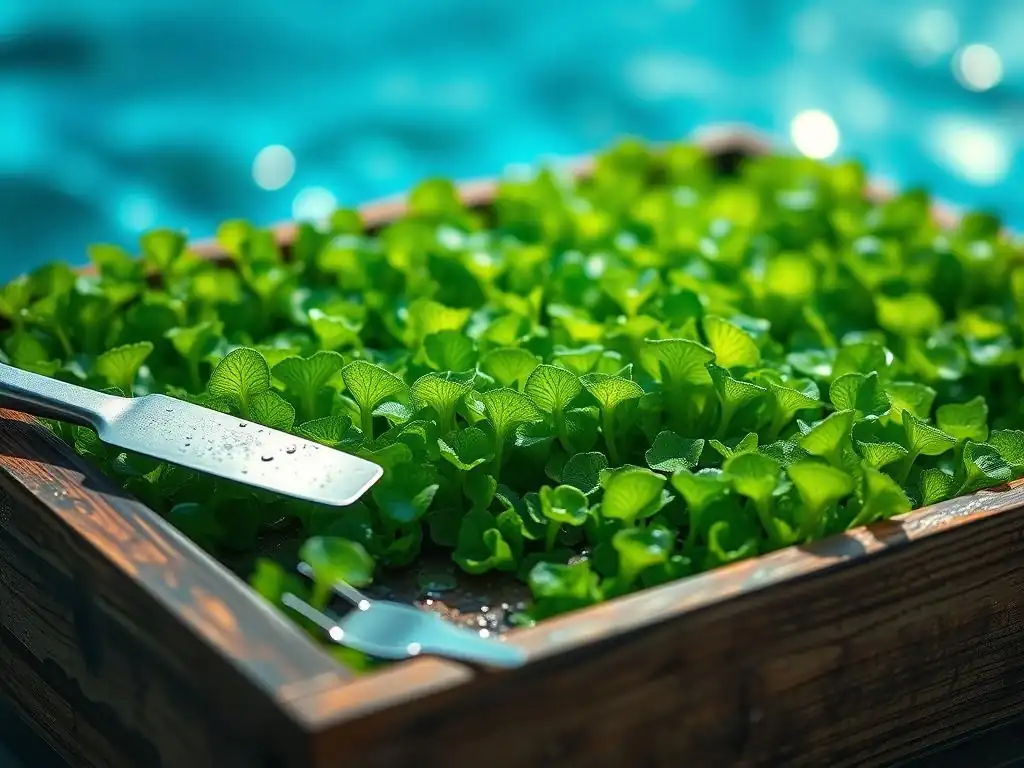
Plastic Forceps and Tweezers for Macroalgae Manipulation
Plastic forceps and tweezers are essential saltwater aquarium plant propagation tools for safely manipulating delicate macroalgae fragments without causing damage or introducing contaminants. Unlike metal alternatives, plastic tools are non-corrosive and will not leach harmful substances into the aquarium water, making them inherently reef-safe.
Their gentle grip, often with ribbed or textured tips, provides sufficient hold on slippery macroalgae without crushing their delicate tissues. For example, when transferring a freshly cut piece of Chaetomorpha to a mesh bag or positioning a Caulerpa fragment onto a frag plug, plastic forceps allow for precise placement while minimizing direct hand contact, which can introduce oils or debris.
Available in various lengths and tip configurations (straight, curved, or angled), these aquarium plant tools offer versatility for different tasks. Longer forceps (e.g., 10-12 inches) are excellent for reaching into deeper sections of a refugium or main display tank, while shorter, finer-tipped tweezers are perfect for handling tiny fragments or attaching macroalgae to small crevices. Their lightweight and easy-to-clean nature further enhances their utility, making them an indispensable component of any macroalgae propagation setup.
Reef-Safe Glue and Gel for Initial Macroalgae Placement
Reef-safe glue and gel, typically cyanoacrylate-based adhesives, are critical saltwater aquarium plant propagation tools for securely attaching macroalgae fragments to frag plugs, rockwork, or other propagation media. Unlike traditional glues, these formulations are specifically designed to be non-toxic to marine life and to cure rapidly underwater, providing an immediate and strong bond.
This quick adhesion is vital for anchoring macroalgae, preventing them from floating away or being dislodged by water flow, which could hinder their establishment and growth. For example, when propagating encrusting macroalgae like various Coralline species or delicate Halimeda, a small dab of gel can secure the fragment to a piece of rubble rock, allowing it to begin spreading without being disturbed.
The availability of both liquid glue and thicker gel formulations offers flexibility for different applications. Liquid glue is excellent for attaching small, flat fragments, while the gel provides a more substantial bond for irregular shapes or larger pieces, and can even be used to create small pedestals for attachment.
Applying a small amount of glue to the base of the macroalgae fragment and pressing it firmly onto the desired surface for 10-30 seconds ensures a strong initial bond. This simple yet effective method is fundamental to successful macroalgae propagation, ensuring that your newly fragged pieces have the best chance to take hold and flourish.
Tools for Preparing Macroalgae Propagation Media
Small Containers for Macroalgae Culture
Small, dedicated containers are invaluable saltwater aquarium plant propagation tools for isolating and culturing macroalgae fragments, especially during their initial growth phase or for observation. These containers, often made of clear plastic and ranging in size from 0.5 to 2 liters, allow aquarists to control specific parameters for optimal macroalgae growth without affecting the main display tank. For instance, a newly fragged piece of a sensitive macroalgae species like Dictyota might benefit from being cultured in a separate container with slightly elevated nutrient levels or specific lighting conditions before being introduced to a larger system.
These containers also serve as excellent quarantine or observation units. If a macroalgae fragment shows signs of pest infestation or disease, it can be isolated in a small container to prevent spread and facilitate targeted treatment. Furthermore, they are useful for initial growth of free-floating species like Chaetomorpha from a small starter culture, allowing it to multiply in a controlled environment before being added to a refugium. Their transparent nature allows for easy visual inspection, making them a practical and versatile component of your aquarium macroalgae tools.
Measuring Cups and Spoons for Supplements
Accurate measuring cups and spoons are essential saltwater aquarium plant propagation tools for precisely dosing supplements and nutrients vital for macroalgae growth. Just as with corals and fish, macroalgae have specific nutritional requirements, including iron, trace elements, and sometimes even specific nitrogen or phosphorus compounds, depending on the system's nutrient levels.
Inaccurate dosing can lead to nutrient imbalances, hindering growth, promoting nuisance algae, or even harming other reef inhabitants. For example, if a refugium relies heavily on Chaetomorpha for nutrient export, supplementing iron at a precise rate (e.g., 0.05-0.1 ppm weekly) can significantly boost its growth and nutrient uptake capacity.
Using dedicated, clean measuring tools ensures that the exact quantities of these supplements are added, preventing both under-dosing, which limits growth, and over-dosing, which can lead to adverse effects. A set of small measuring spoons (e.g., 1/8 tsp, 1/4 tsp, 1/2 tsp) and liquid measuring cups (e.g., 10ml, 25ml, 50ml) allows for the precise measurement of powdered or liquid additives. This precision is a cornerstone of successful macroalgae propagation and overall reef aquarium health.
Monitoring and Maintenance Tools for Macroalgae Propagation
Salinity Refractometer for Reef Aquarium Stability
A high-quality salinity refractometer is an indispensable saltwater aquarium plant propagation tool for maintaining the stable salinity levels crucial for all reef inhabitants, including macroalgae. Macroalgae, like corals and fish, are sensitive to fluctuations in specific gravity, and inconsistent salinity can lead to osmotic stress, stunted growth, or even tissue necrosis. For instance, most common macroalgae species thrive within a specific gravity range of 1.025 to 1.026 (or 35 parts per thousand, ppt), mirroring natural ocean conditions. Regularly checking salinity, at least once a week, ensures that the environment remains stable and conducive to robust macroalgae growth.
Digital refractometers offer superior accuracy and ease of use compared to traditional hydrometers, providing precise readings quickly. Calibration with a reference solution (e.g., 35 ppt calibration fluid) before each use or monthly is vital to ensure the accuracy of the readings. This meticulous monitoring with reliable aquarium plant tools prevents the detrimental effects of salinity swings, which can compromise the health and propagation success of your macroalgae.
Thermometer for Optimal Macroalgae Growth Temperature
A reliable thermometer is a fundamental saltwater aquarium plant propagation tool for monitoring and maintaining the optimal temperature range essential for macroalgae health and growth. While macroalgae are generally robust, significant temperature fluctuations or prolonged exposure to suboptimal temperatures can inhibit their metabolic processes, reduce growth rates, and increase susceptibility to stress. Most macroalgae species, like other reef inhabitants, thrive in a stable temperature range, typically between 74°F and 78°F (23°C to 26°C). Consistency within this range is more important than hitting an exact number.
Regular temperature monitoring, ideally daily, helps identify issues with heaters, chillers, or ambient room temperature that could impact the aquarium. For example, if the refugium temperature consistently drops below 70°F (21°C), the growth rate of Chaetomorpha might significantly slow down, reducing its effectiveness in nutrient export. Accurate thermometers, whether digital, glass, or probe-based, provide the necessary feedback to ensure the aquatic environment remains within the ideal thermal parameters for successful macroalgae propagation and overall reef health.
Test Kits for Maintaining Ideal Reef Aquarium Conditions (Nitrate, Phosphate)
Comprehensive test kits for key water parameters, particularly nitrate and phosphate, are critical saltwater aquarium plant propagation tools. Macroalgae are primarily cultivated for their ability to absorb excess nutrients, thus controlling nuisance algae and maintaining water quality in a reef aquarium. However, to effectively propagate and grow, they still require a baseline level of these nutrients.
Monitoring nitrate and phosphate levels allows aquarists to ensure there are enough nutrients for macroalgae to thrive, but not so much that they become problematic for corals. For example, maintaining nitrates between 5-10 ppm and phosphates between 0.03-0.1 ppm often provides an ideal balance where macroalgae can grow vigorously without fostering excessive nuisance algae in the display tank.
Regular testing, typically weekly or bi-weekly, provides vital data to adjust feeding regimens, water changes, or supplement dosing. If nutrient levels drop too low (e.g., undetectable nitrates and phosphates), macroalgae growth will stall, diminishing their nutrient export capacity. Conversely, if levels climb too high, it indicates an imbalance that the macroalgae cannot handle alone. High-quality, accurate test kits from reputable brands are indispensable for making informed decisions about your reef system's nutrient management, directly impacting the success of your macroalgae propagation efforts.
Propagation Containers and Accessories for Macroalgae Aquariums
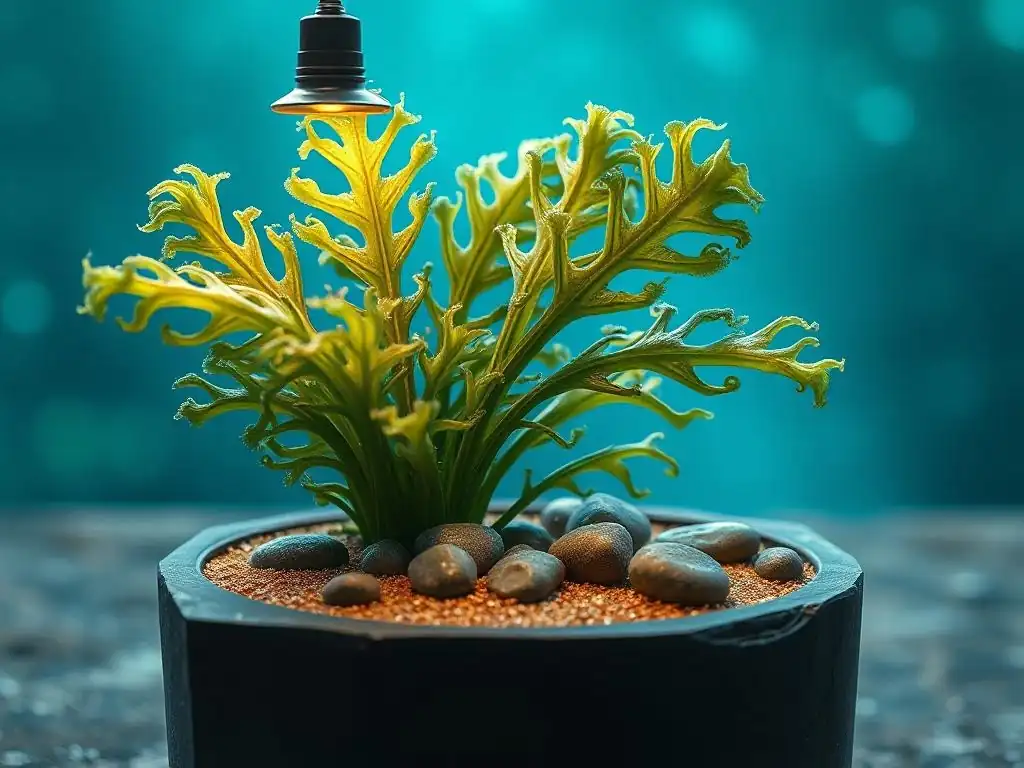
Refugium or Sump Section for Macroalgae
A dedicated refugium or a section within the sump is arguably the most crucial "container" for macroalgae propagation in a reef aquarium, serving as a vital saltwater aquarium plant propagation tool and a natural filter. This isolated area, typically with lower flow and specialized lighting, provides a safe haven for macroalgae to grow densely without being grazed by herbivorous fish or invertebrates present in the main display tank. For instance, a 10-20 gallon refugium filled with Chaetomorpha can effectively export nitrates and phosphates, supporting a healthier main tank environment.
The refugium also acts as a biodiversity zone, fostering copepods and other beneficial microfauna that can then populate the main display, providing a natural food source for corals and fish. This dedicated space allows for significant biomass accumulation of macroalgae, facilitating continuous harvesting and propagation. By providing stable conditions and protection, the refugium is the cornerstone of effective macroalgae cultivation and nutrient management in a reef system.
Mesh Bags and Baskets for Macroalgae Containment
Mesh bags and baskets are highly practical saltwater aquarium plant propagation tools for containing free-floating macroalgae, particularly in a refugium or sump. Species like Chaetomorpha (Chaeto) and Gracilaria are often grown in large tumbling masses to maximize surface area for nutrient absorption. Placing them within a mesh bag or basket prevents them from being sucked into return pumps, clogging plumbing, or escaping into the main display tank. For example, a 12x12 inch mesh bag filled with Chaetomorpha can be placed directly into a high-flow section of a refugium, allowing water to pass through freely while keeping the macroalgae contained.
These containment solutions also simplify harvesting. Instead of manually disentangling pieces, the entire bag or basket can be removed, trimmed, and returned. This makes maintenance more efficient and less disruptive. Some baskets are designed with suction cups or hooks to attach to the side of a sump, ensuring the macroalgae remains in optimal light and flow conditions. Their simple design and effectiveness make them indispensable accessories for managing and propagating large quantities of macroalgae.
Zip Ties for Macroalgae Attachment
Zip ties, particularly small, reef-safe plastic ones, are surprisingly versatile saltwater aquarium plant propagation tools for securing macroalgae fragments to various surfaces. While reef-safe glues are excellent for initial attachment, zip ties offer a more robust and temporary solution for larger or more awkwardly shaped macroalgae pieces to rockwork, frag plugs, or even egg crate. This method is particularly useful for species that need time to attach naturally or for securing a large clump of Gracilaria to a piece of live rock in a refugium.
For example, when propagating a large piece of branching Caulerpa onto a larger rock, a small zip tie can be used to gently cinch the base of the macroalgae to a protrusion on the rock, holding it in place until it naturally adheres or sends out rhizoids. The zip ties can be easily removed once the macroalgae has established itself, leaving no permanent marks. Their strength and flexibility make them a valuable, non-toxic option for ensuring that your macroalgae fragments remain exactly where you want them to grow.
Sterilization and Cleaning Tools for Macroalgae Propagation
Hydrogen Peroxide Solutions for Tool Sterilization
Hydrogen peroxide solutions are highly effective and widely used saltwater aquarium plant propagation tools for sterilizing equipment due to their potent antimicrobial properties. A 3% hydrogen peroxide solution, readily available in most pharmacies, is sufficient for disinfecting scissors, scalpels, forceps, and other non-porous tools used in macroalgae propagation.
It works by releasing oxygen, which rapidly oxidizes and destroys bacteria, viruses, fungi, and spores on contact. For instance, after trimming macroalgae, soaking your ceramic scissors in a small container of 3% hydrogen peroxide for 10-15 minutes ensures that any potential pathogens are eliminated before the tools are used again or stored.
This method is particularly favored because hydrogen peroxide breaks down into water and oxygen, leaving no harmful residues after rinsing, making it reef-safe. It's crucial to thoroughly rinse tools with RO/DI water after sterilization to remove any residual peroxide, although small amounts are generally harmless. Regular use of hydrogen peroxide for tool sterilization significantly reduces the risk of introducing diseases or unwanted microorganisms into your delicate reef ecosystem during propagation activities.
RO/DI Water for Equipment Cleaning
Reverse Osmosis/Deionization (RO/DI) water is an indispensable "tool" for cleaning all saltwater aquarium plant propagation tools and equipment. Unlike tap water, which contains chlorine, chloramines, heavy metals, and various dissolved solids, RO/DI water is virtually pure, ensuring that no unwanted contaminants are introduced to your aquarium or deposited on your tools.
Using tap water for rinsing can leave behind mineral deposits (water spots) or even introduce trace amounts of chlorine that could be detrimental to marine life. For example, after sterilizing tools with hydrogen peroxide, a final rinse with RO/DI water removes any remaining peroxide solution and prevents mineral buildup on the tool's surface, which can dull blades or corrode metal components over time.
Beyond tool cleaning, RO/DI water is fundamental for mixing saltwater, topping off evaporated water, and preparing any liquid supplements. Its purity ensures that your propagation efforts are not undermined by unforeseen chemical contaminants. Having a reliable RO/DI unit is a cornerstone for maintaining a healthy reef aquarium and ensuring the longevity and effectiveness of your aquarium plant tools.
Soft Brushes for Algae Removal
Soft brushes, such as toothbrushes or specialized aquarium cleaning brushes, are simple yet effective saltwater aquarium plant propagation tools for removing unwanted algae or debris from your propagation equipment and surfaces. While chemical sterilization handles microscopic threats, physical cleaning is necessary to remove visible organic matter that could harbor bacteria or simply get in the way. For instance, after propagating macroalgae on a frag plug, small strands of nuisance algae might adhere to the plug or your tools. A soft brush can gently scrub these off without scratching delicate surfaces.
These brushes are also useful for cleaning small containers, measuring cups, or even the surface of frag plugs before attachment, ensuring a clean adhesion point for the macroalgae. It's important to dedicate specific brushes for aquarium use only and to clean them thoroughly after each use to prevent cross-contamination. Their non-abrasive bristles ensure that your valuable aquarium macroalgae tools remain free of physical obstructions and ready for their next use without causing damage.
Advanced Tools for Macroalgae Propagation
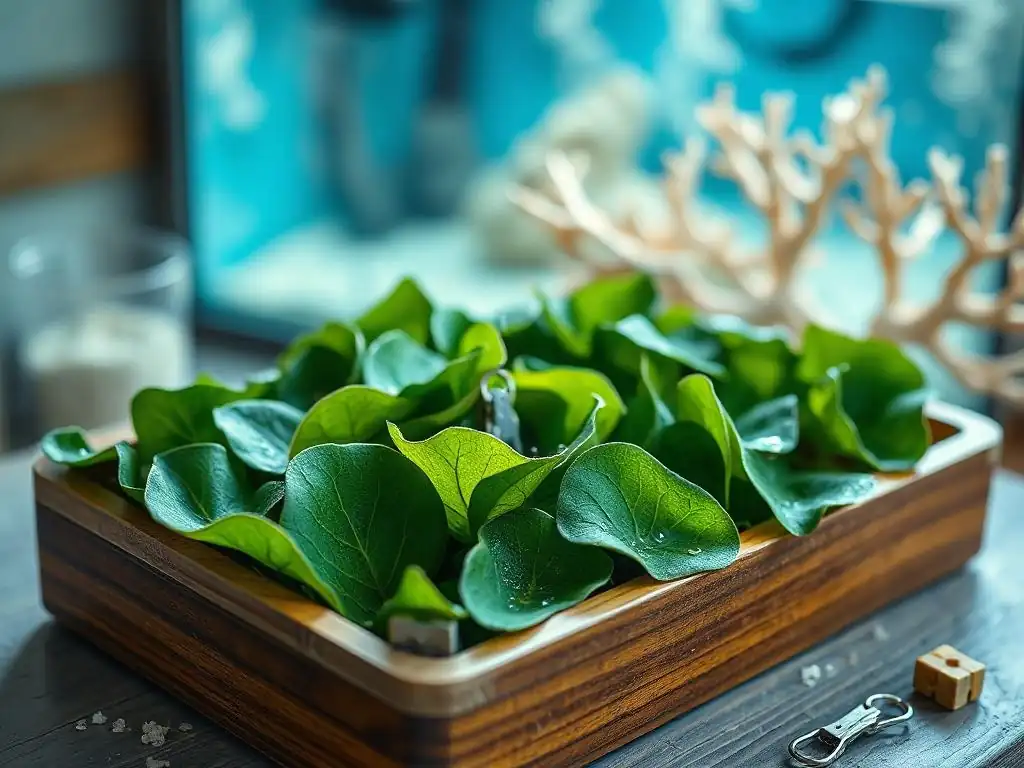
Grow Lights for Enhanced Macroalgae Growth
Dedicated grow lights are among the most impactful saltwater aquarium plant propagation tools for accelerating macroalgae growth, especially in a refugium or dedicated propagation tank. While general aquarium lighting might sustain some macroalgae, specific grow lights designed for photosynthetic organisms provide the optimal spectrum and intensity (PAR - Photosynthetically Active Radiation) for robust growth.
For instance, full-spectrum LED lights with a strong emphasis on red and blue wavelengths (e.g., 660nm and 450nm) are highly efficient for macroalgae, promoting faster nutrient uptake and biomass production. A PAR value of 50-100 μmol·m⁻²·s⁻¹ in a refugium typically yields excellent growth for species like Chaetomorpha.
These lights are typically run on a reverse photoperiod (lights on at night when the main display lights are off) to help stabilize pH and dissolved oxygen levels in the main tank by performing photosynthesis when the display's inhabitants are respiring. Investing in a quality grow light specifically for your macroalgae propagation area can significantly boost the effectiveness of your nutrient export strategy and yield a surplus of macroalgae for fragging or sharing.
Protein Skimmer for Nutrient Control
While not directly used for propagation itself, a protein skimmer is an indirect but essential saltwater aquarium plant propagation tool because it plays a critical role in managing the overall nutrient levels in a reef aquarium, thereby influencing macroalgae growth. Protein skimmers remove organic waste compounds (proteins, amino acids, carbohydrates) before they break down into nitrates and phosphates.
By consistently removing these precursors, the skimmer helps maintain lower background nutrient levels in the water column. For example, in a system with a highly efficient protein skimmer, the baseline nitrate levels might be very low (e.g., <5 ppm), requiring the aquarist to potentially dose nitrates or phosphates specifically for macroalgae to ensure they have enough "food" to grow effectively.
This nutrient control directly impacts the success and purpose of macroalgae propagation. If nutrient levels are excessively high, the macroalgae may struggle to keep up, or nuisance algae might proliferate. Conversely, if levels are too low, macroalgae growth will stall. The skimmer provides a foundational level of nutrient export, allowing the aquarist more precise control over the remaining nutrient balance, which can then be fine-tuned to optimize macroalgae growth and propagation.
Tips for Choosing the Right Macroalgae Propagation Tools
Selecting Reef-Safe and Durable Tools
When selecting saltwater aquarium plant propagation tools, prioritizing reef-safe and durable materials is paramount to protect your delicate marine ecosystem and ensure longevity of your investment. Tools made from non-corrosive materials such as high-grade ceramic, titanium, or specialized reef-safe plastics are ideal. Stainless steel can be used, but ensure it's marine-grade (e.g., 316L) and always rinsed thoroughly after use to prevent rust, which can leach harmful metals like iron and nickel into the water. For instance, choosing ceramic scissors over standard metal ones eliminates the risk of rust and ensures a consistently sharp, non-toxic cutting edge.
Durability also translates to reliability and cost-effectiveness in the long run. Tools that are well-constructed and designed for repeated use in a saltwater environment will withstand the test of time, reducing the need for frequent replacements. Investing in quality aquarium macroalgae tools from reputable aquarium supply manufacturers ensures they are specifically designed with reef environments in mind, providing peace of mind that your propagation efforts are supported by safe and resilient equipment.
Considering Ease of Use for Macroalgae Propagation
The ease of use of your saltwater aquarium plant propagation tools significantly impacts the efficiency and enjoyment of the propagation process. Tools with ergonomic designs, appropriate lengths, and intuitive functionality can make intricate tasks much simpler. For instance, long-handled spring scissors allow you to trim macroalgae deep within a refugium without fully submerging your hands, providing better visibility and control. Similarly, forceps with a comfortable grip and precise tips make it easier to manipulate delicate fragments without fumbling or causing damage.
Consider the specific tasks you'll be performing most often. If you frequently propagate small, delicate pieces, fine-tipped ceramic scalpels and tweezers will be more useful than bulky shears. Tools that are easy to clean and maintain also contribute to overall ease of use, as they reduce post-propagation chores. Opting for aquarium plant tools that feel comfortable and perform reliably in your hands will make your macroalgae propagation endeavors more successful and less frustrating.
Budgeting for Essential Macroalgae Propagation Equipment
Budgeting for saltwater aquarium plant propagation tools involves a strategic approach, focusing on essential items first and gradually expanding your toolkit as your needs evolve. While a comprehensive set of tools can seem expensive, many crucial items are relatively affordable. For example, a basic setup might include a pair of good quality stainless steel or ceramic scissors, a set of plastic forceps, reef-safe glue, a salinity refractometer, and essential test kits. These items might cost approximately $100-$200, providing a solid foundation.
As your propagation activities become more advanced, you can invest in specialized items like dedicated macroalgae grow lights, higher-end titanium tools, or even a dedicated frag tank. Prioritize tools that directly contribute to the health and success of your macroalgae, such as accurate test kits and reliable cutting tools. Remember that investing in durable, reef-safe equipment often saves money in the long run by preventing costly mistakes or the need for frequent replacements, making your aquarium macroalgae tools a worthwhile expenditure.
Maintaining Your Macroalgae Propagation Tools
Proper Cleaning and Storage of Propagation Tools
Proper cleaning and storage are crucial steps in extending the lifespan of your saltwater aquarium plant propagation tools and preventing the introduction of contaminants into your reef system. After each use, all tools, especially those that come into contact with tank water, should be immediately rinsed thoroughly with RO/DI water to remove any saltwater, organic debris, or residual chemicals. This prevents salt creep buildup and corrosion, particularly on metal components. For instance, if stainless steel scissors are not rinsed, salt crystals can form and accelerate rusting.
Following the rinse, tools should be sterilized using a hydrogen peroxide solution as described earlier, or a similar reef-safe disinfectant, then rinsed again with RO/DI water. Finally, allow the tools to air dry completely before storing them in a clean, dry place. Many aquarists use a dedicated toolbox or drawer for their aquarium plant tools to keep them organized and protected from dust and moisture. This meticulous routine ensures your equipment remains sterile, functional, and ready for your next propagation session.
Extending the Lifespan of Your Equipment
Extending the lifespan of your saltwater aquarium plant propagation tools involves more than just cleaning; it also includes proper handling, regular inspection, and occasional maintenance. Avoid dropping tools, especially those with delicate tips or ceramic blades, as this can cause irreparable damage. Inspect your scissors and scalpels regularly for dullness or nicks; while many ceramic blades cannot be sharpened, some high-end metal tools can be professionally honed. For example, if your titanium spring scissors start to feel less precise, a light sharpening might restore their cutting edge.
Store tools in a manner that protects their working surfaces. For instance, keep sharp blades covered or in sheaths to prevent accidental damage or dulling. For tools with moving parts, like spring scissors, ensure they operate smoothly; a tiny drop of reef-safe silicone grease (away from the aquarium) might be used on pivot points if needed, though this is rarely required for well-maintained tools. By adopting these habits, you ensure your aquarium macroalgae tools remain in peak condition, providing reliable performance for years of successful macroalgae propagation.
Frequently Asked Questions
What are the basic tools needed for saltwater aquarium plant propagation?
You'll need sharp scissors or a scalpel for cutting, tweezers for handling delicate plants, and a clean container with saltwater to keep cuttings hydrated.
Why are specialized tools important for saltwater aquarium plant propagation?
Saltwater plants can be more sensitive than freshwater plants. Specialized tools reduce the risk of damage and contamination, leading to higher success rates.
How do I sterilize my tools to prevent contamination when propagating saltwater aquarium plants?
Use a reef-safe disinfectant or boil your tools in saltwater for a few minutes. Ensure they are completely rinsed before use to avoid harming the plants.
What kind of substrate is best for rooting new saltwater aquarium plant propagations?
A fine aragonite sand or rubble rock provides a stable base for roots to develop. Ensure the substrate is clean and free of contaminants before introducing the cuttings.
Where can I find reliable information about specific saltwater aquarium plant propagation techniques?
AquariumMastery.com offers detailed guides on propagating various saltwater plants. Look for species-specific profiles and articles on plant propagation techniques.
Okay, here's a final reflection designed to conclude your article, "Tools of the Trade: Essential Equipment for Successful Plant Propagation," while keeping the focus on saltwater aquarium plant propagation and using the requested Markdown format:
Final Reflection: Cultivating Growth in Saltwater Ecosystems
The journey of saltwater aquarium plant propagation, as we've explored, hinges on the careful selection and skillful application of specialized tools. These aren't mere accessories; they are the instruments that empower us to nurture life and expand the beauty of our underwater worlds, transforming fragments into flourishing ecosystems.
This exploration of essential equipment underscores the delicate balance between human intervention and natural processes. The ability to propagate saltwater aquarium plants is more than just a hobby; it's a testament to our understanding and respect for the marine environment. It allows us to contribute to the health and resilience of our aquariums, and potentially even to the conservation of vulnerable species. In every walk with nature, one receives far more than he seeks.
- John Muir. This quote perfectly encapsulates the rewarding experience of nurturing life in our saltwater aquariums.
As you consider the tools and techniques we've discussed, I encourage you to embrace the role of a steward of your underwater garden. Experiment, learn, and share your knowledge. The future of saltwater aquarium plant propagation lies in the hands of passionate individuals like you, who are willing to invest the time and effort to cultivate growth and beauty in these fascinating ecosystems.
Cultivate Your Green Thumb: Propagate with Confidence!
Thank you for exploring the art of plant propagation with us! We hope this article has inspired you to expand your green collection and master the techniques for creating new life from your existing plants. Now, it's time to put that knowledge into action!
Here's how you can take your propagation journey to the next level:
- Gather your tools and prepare to snip! Commit to propagating at least one plant cutting this week. Don't be afraid to experiment with different techniques and document your progress.
- Explore other methods! Research air layering, grafting, or division for plants not suitable for cuttings. Broadening your knowledge is vital to expand your plant repetoire.
- Share your success (and failures!) with the Aquarium Mastery community. Upload pictures of your plant-propagation projects and discuss your experiences in the comments below.
What exciting plant will you propagate first, and what unique propagation technique are you eager to master?