
Boron in the SPS Reef: An Underrated Element for Buffering Stability & Coral Wellbeing?

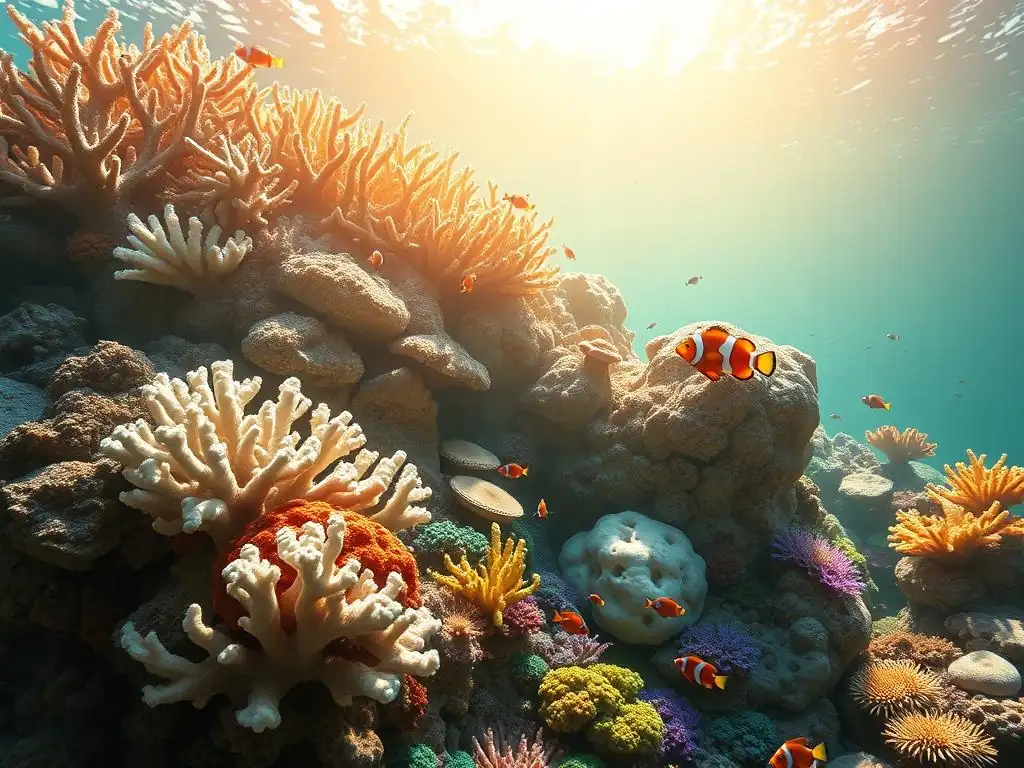
Welcome to Aquarium Mastery!
Ever wondered if there's a secret ingredient to unlocking vibrant colors and robust growth in your SPS coral reef? Dive in and discover the often-overlooked role of boron in maintaining buffering stability and overall coral wellbeing. Are you ready to uncover the truth about SPS coral boron deficiency and how it might be impacting your reef's health? Let's explore!
- The Role of Iodine in Reef Tank Ecosystems: Supporting Coral Health and Vibrant Colors
- Understanding Iodine's Role in Reef Aquariums
- The Chemical Properties of Iodine and its Impact on Reef Chemistry
- Identifying Iodine Deficiency: Symptoms and Indicators
- Correcting Iodine Deficiency: Safe and Effective Methods
- Optimizing Iodine Levels for Enhanced Reef Wellbeing
- Advanced Iodine Management for Thriving Reefs
- Preventing Iodine Deficiency: Proactive Strategies
- Case Studies: Iodine's Impact on Reef Health in Aquariums
- Conclusion: Iodine - A Key Element for a Healthy Reef
- Frequently Asked Questions
- Final Reflection: The Unseen Power of Boron
- Unlock the Secrets of Boron: Elevate Your Reef Tank Today!
The Role of Iodine in Reef Tank Ecosystems: Supporting Coral Health and Vibrant Colors
Understanding Iodine's Role in Reef Aquariums
The Importance of Trace Elements for Reef Health
Beyond the well-known macronutrients like calcium, alkalinity, and magnesium, reef aquariums critically depend on a diverse array of trace elements. These elements, present in minute concentrations, are indispensable cofactors for numerous biochemical processes vital to the health and survival of corals, invertebrates, and beneficial bacteria. They facilitate enzyme functions, aid in skeletal formation, and contribute to overall metabolic efficiency, often acting as building blocks or catalysts that enable the complex biological machinery of a vibrant reef ecosystem.
The continuous removal of trace elements from a closed reef system occurs through various mechanisms, including biological uptake by growing corals and invertebrates, protein skimming, and the use of activated carbon. Without regular replenishment, these essential elements can become depleted, leading to subtle yet significant declines in coral health, growth rates, and coloration. Maintaining a balanced profile of trace elements is therefore as crucial as managing major parameters for achieving long-term stability and success in a reef aquarium.
Why Iodine is Crucial for Invertebrate Physiology
Iodine, while required in very small quantities, plays several pivotal roles in the physiology of reef invertebrates. It is notably recognized for its involvement in the molting process of crustaceans, such as shrimp and crabs, where it contributes to the proper formation and hardening of their new exoskeletons. A deficiency can lead to failed or incomplete molts, which are often fatal for these delicate creatures.
Furthermore, iodine is believed to act as an antioxidant, helping to neutralize harmful free radicals that can cause cellular damage, particularly under stress conditions like intense lighting or temperature fluctuations. It also plays a role in the synthesis of certain pigments, contributing to the vibrant coloration observed in many soft corals and some LPS corals. Its broader influence on the metabolic processes of corals and other invertebrates underscores its importance for their overall vitality, growth, and resilience against environmental stressors.
The Chemical Properties of Iodine and its Impact on Reef Chemistry
Iodine's Different Forms and Their Availability in Saltwater
In natural seawater, iodine exists in multiple oxidation states and forms, primarily as iodide (I-), iodate (IO3-), and to a lesser extent, molecular iodine (I2) and various organic compounds. Each form possesses distinct chemical properties and bioavailability characteristics for reef inhabitants. Iodide is generally considered the most readily utilized form by many organisms, including corals, due to its direct uptake pathways. However, it is also the most reactive and can be quickly oxidized or consumed.
Iodate, on the other hand, is a more stable and less reactive form of iodine. While less directly bioavailable to some organisms, it can be converted into iodide by certain bacteria and through enzymatic processes within the aquarium environment. The dynamic interconversion between these forms is influenced by factors such as the water's redox potential, pH, and the presence of organic matter, creating a complex iodine cycle within the reef tank that impacts its overall availability to corals and invertebrates.
Iodine and Redox Potential: Maintaining Water Quality
The redox potential (ORP), a measure of a system's oxidizing or reducing capacity, significantly influences the speciation and stability of iodine in reef aquariums. A higher ORP, indicative of more oxidizing conditions, tends to favor the iodate form, while lower ORP values promote the presence of iodide. This interrelationship is crucial because iodine itself can act as a buffer for the redox potential, helping to stabilize water quality.
Iodine, particularly in its iodide form, can function as an antioxidant, contributing to the neutralization of harmful oxidants that may accumulate in the system. By participating in these redox reactions, iodine helps maintain a healthier, more balanced chemical environment, which is fundamental for preventing oxidative stress in corals and supporting the overall well-being of the reef ecosystem. A stable redox potential, partly supported by adequate iodine levels, contributes to clearer water and reduced organic buildup.
Identifying Iodine Deficiency: Symptoms and Indicators
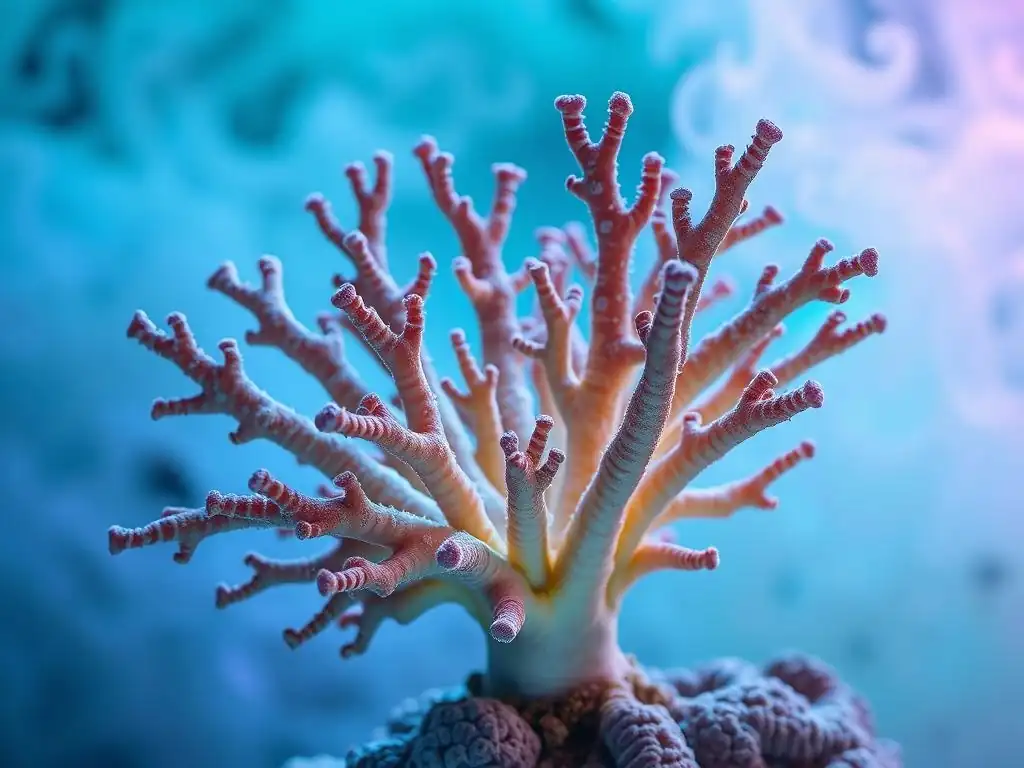
Visual Cues: Recognizing Signs of Iodine Depletion in Corals and Invertebrates
Identifying iodine deficiency through visual cues alone can be challenging, as many symptoms are non-specific and may mimic other nutritional deficiencies or environmental stressors. However, certain indicators can suggest low iodine levels. In soft corals such as Xenia, Zoanthids, and Mushrooms, a noticeable dulling or fading of their characteristic vibrant colors, particularly blues, purples, and some greens, can be a sign. Reduced polyp extension or a general lack of vigor might also be observed in various coral types.
For crustaceans like shrimp and crabs, iodine deficiency often manifests as difficulties during molting. This can include incomplete shedding of the old exoskeleton, a soft or deformed new shell, or even failed molts leading to mortality. Lethargy and increased susceptibility to disease in these invertebrates can also point towards insufficient iodine, highlighting its critical role in their physiological processes.
The Impact of Low Iodine Levels on Coral Coloration and Growth
Low iodine levels can directly impact the coloration of certain corals by affecting the synthesis or stability of specific pigments. In soft corals, which often rely on various chromoproteins for their vibrant hues, a lack of iodine can lead to muted or washed-out appearances. While SPS corals typically derive their color more from zooxanthellae and other trace elements like potassium and iron, iodine's role as an antioxidant and its contribution to overall coral health can indirectly support their vibrant pigmentation and resilience.
Regarding growth, severe and prolonged iodine deficiency can contribute to slower growth rates in corals. This is not typically due to iodine being a primary building block, but rather its role in metabolic efficiency and stress reduction. Corals that are metabolically stressed or constantly fighting oxidative damage will divert energy away from growth, leading to stunted development. Therefore, maintaining optimal iodine levels is part of a holistic approach to foster robust coral growth.
Testing for Iodine: Accurate Measurement Methods and Target Levels
Accurately measuring iodine levels in a home reef aquarium can be challenging with conventional hobbyist test kits, which often struggle with the very low concentrations and multiple forms of iodine present in seawater. For precise and reliable measurements, Inductively Coupled Plasma - Optical Emission Spectrometry (ICP-OES) testing is highly recommended. This laboratory-grade analysis provides a comprehensive breakdown of trace elements, including total iodine, offering a clear snapshot of your tank's chemistry.
Natural seawater contains approximately 0.06 mg/L (or 60 µg/L) of iodine. In a reef aquarium, maintaining levels between 0.04 mg/L and 0.08 mg/L is generally considered optimal, though some successful aquarists operate slightly outside this range. The key is consistency and avoiding large fluctuations. Regular ICP testing, perhaps every 1 to 3 months depending on tank maturity and stocking density, allows aquarists to understand their system's iodine consumption rate and tailor supplementation accordingly.
Correcting Iodine Deficiency: Safe and Effective Methods
Iodine Supplementation: Choosing the Right Products and Dosage
When an ICP test confirms iodine deficiency, supplementation becomes necessary. Various iodine supplements are available, typically containing iodide, iodate, or a blend of both. Iodide solutions are readily available for immediate uptake but are more reactive, while iodate solutions are more stable and slowly convert to iodide. Choosing a reputable brand that clearly states the form and concentration of iodine is crucial.
Dosage should always be approached cautiously, starting with a fraction of the manufacturer's recommended amount and adjusting based on subsequent ICP test results. Overdosing iodine can be highly detrimental to reef inhabitants. For instance, if an ICP test indicates your tank's iodine is at 0.02 mg/L and you aim for 0.06 mg/L in a 100-gallon system, you would calculate the required addition to raise it by 0.04 mg/L. Many aquarists find daily micro-dosing more stable than larger weekly doses, often using a dosing pump for precise and consistent delivery.
Water Changes and Iodine Replenishment: A Balanced Approach
Regular water changes with a high-quality synthetic salt mix are a fundamental practice for replenishing trace elements, including iodine, in a reef aquarium. Most reputable salt mixes are formulated to mimic the trace element profile of natural seawater, providing a baseline level of iodine with each change. For example, performing a 10% water change weekly in a 100-gallon tank adds approximately 10 gallons of new, iodine-rich water, helping to offset some depletion.
However, in heavily stocked or fast-growing SPS-dominated systems, biological uptake of iodine can outpace the replenishment provided by routine water changes alone. In such cases, a balanced approach combining consistent water changes with targeted iodine supplementation, guided by regular ICP testing, is often necessary to maintain optimal levels. This ensures that while essential major elements are refreshed, specific trace element demands are also met.
The Risks of Overdosing Iodine: Monitoring and Prevention
Overdosing iodine is a significant concern in reef aquariums, as high concentrations can be toxic to corals and other invertebrates. Symptoms of overdose can include coral tissue recession, browning out or bleaching of corals, general invertebrate malaise, and even mortality. For instance, an overdose might cause the vibrant blue tips of an Acropora coral to turn brown or its polyps to retract persistently.
Prevention is paramount. Always test your iodine levels before initiating or significantly increasing supplementation. Follow manufacturer's instructions meticulously, and never exceed recommended dosages based on your tank's volume. If you suspect an iodine overdose, immediate action is required: perform a large water change (e.g., 25-30%) with fresh, mixed saltwater, and consider running fresh activated carbon to help absorb excess iodine from the water column. Continuous observation of your tank inhabitants for any adverse reactions is also crucial.
Optimizing Iodine Levels for Enhanced Reef Wellbeing
The Synergistic Relationship Between Iodine and Other Trace Elements
In a complex reef ecosystem, trace elements do not function in isolation; they often exhibit synergistic relationships, where the presence of one element enhances the efficacy or uptake of another. Iodine's benefits are often amplified when other essential trace elements are also present at optimal levels. For example, iodine's antioxidant capabilities can be bolstered by the presence of other antioxidants like selenium or manganese, creating a robust defense system against oxidative stress.
Furthermore, iodine's involvement in metabolic processes is part of a larger, interconnected biochemical network. Its proper concentration ensures that metabolic pathways requiring its presence can function efficiently, complementing the roles of other trace elements in enzyme activity, nutrient transport, and cellular repair. A holistic approach to trace element management, rather than focusing on any single element in isolation, is key to fostering truly thriving reef inhabitants.
Iodine and Invertebrate Molting: Promoting Healthy Growth
Iodine's role in the molting process of crustaceans is well-documented and crucial for their survival and healthy growth. Shrimp, crabs, and other crustaceans periodically shed their exoskeletons to grow, a process known as ecdysis. During this critical period, iodine is actively incorporated into the formation of the new, softer exoskeleton, aiding in its subsequent hardening.
A deficiency in iodine can lead to a range of molting complications, from incomplete shedding of the old shell to the formation of a weak or deformed new exoskeleton, often resulting in the death of the invertebrate. For instance, a Skunk Cleaner Shrimp may struggle to fully extract itself from its old shell, leading to exhaustion and eventual demise. By ensuring optimal iodine levels, aquarists can significantly reduce the risk of molting-related issues, promoting the healthy and successful growth cycles of their valuable crustaceans.
Maintaining Optimal Iodine Levels for Vibrant Colors in Soft Corals
Soft corals, such as Xenia, Zoanthids, and Mushroom Corals, are particularly responsive to adequate iodine levels, often displaying significantly enhanced and more stable coloration when this element is consistently available. Iodine is thought to contribute to the synthesis of specific chromoproteins or other pigments responsible for their vivid blues, purples, and greens. For example, a colony of pulsating Xenia might appear a dull, washed-out pink in an iodine-deficient tank, but with proper supplementation, it can regain a deep, vibrant hue.
While SPS corals might not exhibit such dramatic color changes directly attributable to iodine alone, their overall health and resilience, supported by iodine's antioxidant properties, indirectly contribute to their ability to display their full spectrum of colors. By promoting healthy zooxanthellae function and reducing stress, optimal iodine levels help ensure that the coral's natural pigmentation processes are unhindered, leading to more aesthetically pleasing and robust colonies.
Advanced Iodine Management for Thriving Reefs
The Role of Iodine in Algae Control
While not a primary algaecide, some aquarists and studies suggest that maintaining optimal iodine levels can indirectly contribute to better algae control in reef tanks. The theory posits that iodine, in its various forms, may possess mild antiseptic or inhibitory properties against certain undesirable algae species, such as hair algae or cyanobacteria. It's thought that a balanced ecosystem, supported by all essential trace elements, is inherently more resistant to opportunistic algae blooms.
It is crucial to emphasize that using iodine as a standalone solution for algae control is not recommended, and overdosing in an attempt to combat algae will likely harm corals and invertebrates more than the algae itself. Instead, the focus should be on maintaining healthy, natural levels as part of a comprehensive nutrient management strategy. A tank with robust coral growth and a healthy microbiome, partly supported by optimal iodine, often experiences fewer persistent algae issues.
How Iodine Influences Protein Synthesis in Corals
Iodine plays a subtle yet significant role in the intricate biochemical machinery of corals, particularly in processes related to protein synthesis. While not a direct building block of proteins, iodine can act as a cofactor for various enzymes involved in metabolic pathways that lead to the creation and repair of coral tissues. Proteins are fundamental for every aspect of coral life, from forming their cellular structures and enzymes to mediating their immune responses and growth.
By ensuring the efficient functioning of these protein synthesis pathways, iodine indirectly supports the coral's ability to grow, repair damage, and respond effectively to environmental changes. For instance, during periods of rapid growth or recovery from stress, the demand for efficient protein synthesis is high, and adequate iodine levels contribute to meeting this demand, promoting overall coral vitality and resilience.
Iodine's Impact on Coral Resistance to Bleaching
Coral bleaching is a stress response where corals expel their symbiotic zooxanthellae algae, leading to a loss of color and, if prolonged, coral mortality. Oxidative stress, often triggered by elevated temperatures or intense light, is a primary driver of this phenomenon. Iodine, with its well-established antioxidant properties, can play a role in enhancing a coral's resistance to such stressors.
By helping to neutralize harmful reactive oxygen species (free radicals) produced during periods of stress, iodine can reduce cellular damage within the coral tissue and its zooxanthellae. This protective effect can contribute to a coral's ability to withstand environmental fluctuations that might otherwise induce bleaching. While iodine is not a "cure" for bleaching, maintaining optimal levels contributes to a healthier, more robust coral that is better equipped to cope with and potentially recover from stressful conditions, thereby improving its long-term survival prospects.
Preventing Iodine Deficiency: Proactive Strategies
Regular Water Testing and Parameter Monitoring
The most effective proactive strategy for preventing iodine deficiency is consistent and accurate water testing. Utilizing advanced methods like ICP-OES (Inductively Coupled Plasma - Optical Emission Spectrometry) on a regular basis (e.g., monthly or quarterly) provides a precise snapshot of your tank's iodine levels and consumption rate. This data allows aquarists to identify trends, such as a gradual decline in iodine, before it reaches critical deficiency levels.
Maintaining a detailed log of all water parameters, including iodine, alongside observations of coral health and growth, can help correlate changes in chemistry with biological responses. This systematic approach enables early detection of potential deficiencies, allowing for timely and precise adjustments to supplementation regimens, thus preventing the onset of noticeable symptoms in corals and invertebrates.
Selecting High-Quality Salt Mixes with Balanced Iodine Levels
The foundation of a healthy reef aquarium begins with the quality of its source water and salt mix. Not all synthetic salt mixes are created equal in terms of their trace element profiles. High-quality salt mixes are formulated to closely replicate the natural seawater composition, including a balanced array of trace elements like iodine. Choosing a reputable brand known for its consistency and accurate elemental composition can significantly contribute to maintaining baseline iodine levels.
While even the best salt mixes may not fully compensate for the high iodine demands of certain heavily stocked or fast-growing reef tanks, they provide a crucial starting point. By using a salt mix that inherently contains optimal iodine levels, aquarists reduce the magnitude of supplementation needed and ensure that a broad spectrum of trace elements is introduced with each water change, promoting overall system stability.
Implementing a Consistent Supplementation Regimen
Once the iodine consumption rate of a reef tank has been established through regular testing, implementing a consistent and precise supplementation regimen is key to preventing deficiency. Sporadic or inconsistent dosing can lead to undesirable fluctuations in iodine levels, which can be as detrimental as a prolonged deficiency. For example, if your tank consumes 0.01 mg/L of iodine per week, a precise weekly or daily dose calculated to replenish this amount will maintain stability.
Automated dosing pumps are an excellent tool for achieving this consistency, delivering small, precise amounts of iodine solution at regular intervals, minimizing swings. For manual dosing, adhering to a strict schedule and carefully measuring each dose is paramount. This proactive approach ensures that corals and invertebrates consistently receive the iodine they need for optimal health, growth, and vibrant coloration, preventing the stress and decline associated with fluctuating or insufficient levels.
Case Studies: Iodine's Impact on Reef Health in Aquariums
Case Study 1: Improving Soft Coral Coloration with Iodine Supplementation
A hobbyist with a 75-gallon mixed reef tank observed that their previously vibrant Xenia and Zoanthid colonies had become noticeably dull and lacked their characteristic intense coloration over a period of three months. Despite stable parameters for calcium, alkalinity, and magnesium, the soft corals appeared lackluster, and Xenia's pulsation rate had significantly slowed. Suspecting a trace element imbalance, the aquarist sent a water sample for ICP-OES analysis.
The ICP results revealed an iodine concentration of merely 0.02 mg/L, well below the desired natural seawater level of 0.06 mg/L. Based on this, the aquarist began supplementing with a commercially available iodide solution, starting with a cautious daily dose of 0.5 mL, aiming for a gradual increase.
Within four weeks, a remarkable improvement in the soft coral coloration was evident: the Xenia regained its deep pink hue and vigorous pulsation, and the Zoanthids displayed more intense greens and oranges, with improved polyp extension. A follow-up ICP test two months later confirmed iodine levels were stable at 0.05 mg/L, illustrating the direct positive impact of targeted iodine supplementation on soft coral vibrancy.
Case Study 2: Supporting Shrimp Molting through Iodine Management
In a 120-gallon mixed reef aquarium housing several cleaner shrimp, the aquarist began experiencing repeated failed molts among their Lysmata amboinensis (Skunk Cleaner Shrimp). One shrimp died after an incomplete molt, and the remaining ones appeared lethargic and struggled during subsequent molting attempts, often shedding only partial exoskeletons. All other major water parameters, including salinity, temperature, and nitrates, were within optimal ranges.
Concerned about the ongoing losses, the aquarist submitted a water sample for ICP-OES testing. The results showed iodine levels critically low, below 0.01 mg/L, indicating a severe deficiency. Recognizing iodine's crucial role in crustacean ecdysis, the aquarist immediately initiated a cautious supplementation regimen using a mixed iodide/iodate product.
They aimed for a gradual increase to 0.04 mg/L over a two-week period, closely monitoring the shrimp. Within 10 days of starting supplementation, the remaining cleaner shrimp successfully completed a full, healthy molt, appearing significantly more active and robust. Over the next six months, all subsequent molts were uneventful and successful, directly correlating with the maintained optimal iodine levels.
Conclusion: Iodine - A Key Element for a Healthy Reef
Re-emphasizing the Importance of Iodine in Reef Keeping
Iodine, often overshadowed by the "big three" (calcium, alkalinity, and magnesium), emerges as a truly indispensable trace element for the vitality and long-term health of a reef aquarium. Its multifaceted roles, ranging from acting as a crucial antioxidant and aiding in the detoxification processes to directly supporting the molting cycles of crustaceans and enhancing the vibrant coloration of soft corals, underscore its significance. A healthy reef ecosystem, particularly one thriving with diverse corals and invertebrates, relies on the consistent availability of this often-overlooked element.
Ignoring iodine can lead to subtle yet pervasive issues, including dull coral colors, stunted growth, and increased susceptibility to disease and stress, especially in delicate invertebrates. Therefore, understanding and actively managing iodine levels is not merely an advanced technique but a fundamental aspect of comprehensive reef keeping that contributes to the overall resilience and aesthetic appeal of the aquarium.
Practical Tips for Maintaining Optimal Iodine Levels
To ensure your reef tank benefits from optimal iodine levels, integrate these practical tips into your maintenance routine:
- Test Regularly with ICP-OES: This is the most accurate method to determine your tank's actual iodine concentration and consumption rate. Aim for testing every 1-3 months.
- Choose High-Quality Salt Mixes: Select reputable brands that produce synthetic salt mixes formulated to mimic natural seawater's trace element profile, providing a good baseline of iodine with each water change.
- Supplement Cautiously and Consistently: If testing indicates a deficiency, use a high-quality iodine supplement. Start with a conservative dose and adjust based on subsequent test results. Daily micro-dosing, especially with an automated dosing pump, promotes greater stability than infrequent large doses.
- Observe Your Tank Inhabitants: Pay close attention to visual cues such as dull coral coloration, reduced polyp extension, or molting difficulties in crustaceans, as these can be early indicators of iodine deficiency.
- Prioritize Stability: Avoid chasing exact numbers if it means inducing wild fluctuations. Consistency in dosing and parameter maintenance is more beneficial than striving for a precise target that might be difficult to hold.
Future Research and the Ongoing Exploration of Iodine's Role in Reef Health
Despite significant advancements in reef aquarium husbandry, our understanding of the precise roles and intricate interactions of trace elements like iodine in complex reef ecosystems is continuously evolving. Scientific research continues to uncover new pathways and physiological mechanisms through which iodine influences coral health, resilience, and adaptability. For instance, ongoing studies are exploring its more specific impacts on coral immunity and symbiotic relationships.
This ongoing exploration highlights the dynamic nature of reef keeping and the importance of staying informed about emerging research and best practices. As aquarists, embracing a data-driven approach, coupled with careful observation of our systems, allows us to apply the latest knowledge to create increasingly stable, vibrant, and sustainable reef environments. The journey of understanding iodine's full impact on reef health is far from complete, promising further insights for the dedicated aquarist.
Frequently Asked Questions
What is SPS coral boron deficiency, and why is it important?
SPS coral boron deficiency refers to a lack of boron in the reef tank water, which can negatively impact SPS coral health. Boron plays a role in maintaining stable water chemistry and supporting coral skeletal growth.
How does boron deficiency manifest in SPS corals?
Symptoms can include slowed growth, pale coloration, and increased susceptibility to algae overgrowth. In severe cases, it can lead to tissue necrosis.
How can I test for boron levels in my reef tank?
Unfortunately, readily available home test kits for boron are rare. You may need to send a water sample to a specialized aquarium testing lab for accurate measurement.
What is the ideal boron level for SPS corals in a reef aquarium?
While precise ideal levels are debated, a range of 4-6 ppm (parts per million) is generally considered a safe and beneficial range. Maintaining stable levels is just as important as the specific concentration.
How can I safely raise boron levels if a deficiency is detected?
Use a reputable boron supplement designed for reef aquariums, following the manufacturer's instructions carefully. Increase levels gradually and monitor your corals for any adverse reactions.
Final Reflection: The Unseen Power of Boron
The intricate dance of elements within a reef aquarium, as we've explored, is far more delicate than often perceived, and the role of boron, particularly in mitigating SPS coral boron deficiency, is now undeniably crucial. The stability we strive for in our reef tanks hinges on understanding these subtle yet powerful interactions, and recognizing boron as more than just a trace element is a vital step towards achieving long-term coral health and vibrant ecosystems.
This exploration into boron's impact on SPS coral wellbeing has highlighted its profound influence on buffering capacity and skeletal integrity. It's truly humbling to consider that a seemingly minor element can have such a significant impact on the health and resilience of these complex organisms. The devil is in the details,
as they say, and in the world of reef keeping, paying attention to the seemingly small details, like boron levels, can make all the difference between a thriving reef and a struggling one.
Now, armed with this knowledge, I invite you to reflect on your own reef keeping practices. Are you overlooking the potential benefits of boron supplementation? Are you actively monitoring your water parameters to ensure a balanced and supportive environment for your SPS corals? Let this article serve as a catalyst for deeper understanding and more proactive reef management, empowering you to cultivate thriving and resilient coral ecosystems for years to come.
Unlock the Secrets of Boron: Elevate Your Reef Tank Today!
Thanks for diving deep into the world of boron and its impact on SPS reef tanks! Now that you understand its potential to stabilize your reef and boost coral health, let’s put that knowledge into action.
Here's how you can harness the power of boron:
- Start Testing: Measure your boron levels using a reliable test kit. Knowing your baseline is the first crucial step to creating a balanced reef environment.
- Explore and share your findings: Document your initial levels and subsequent changes in your reef tank with the community in online forum. Sharing your journey will increase the collective knowledge.
- Consider the unorthodox: Research the use of borax (sodium borate) or boric acid for careful and controlled boron supplementation, if necessary. Note, always take professional advise before implementation.
Ready to unlock the full potential of your SPS reef with the power of boron?