
Feeding Your Montipora: Do These Diverse SPS Corals Benefit from Direct Nutrition?

Welcome to Aquarium Mastery!
Ever wondered if those stunning SPS corals in your reef tank could thrive even more with a little extra attention? Dive into our latest article, "Feeding Your Montipora: Do These Diverse SPS Corals Benefit from Direct Nutrition?" and unlock the secrets of SPS coral direct feeding. Discover if this technique can truly enhance the vibrant colors and growth of your Montipora, and what you need to know before you try it! Ready to take your reef keeping to the next level?
- Understanding Montipora Corals and Their Nutritional Needs
- The Debate: Direct Feeding of SPS Corals, Including Montipora
- Exploring Direct Feeding Methods for Montipora
- Assessing the Impact of Direct Feeding on Montipora Health and Growth
- Alternative Methods to Enhance Montipora Nutrition
- Identifying Signs of Overfeeding or Underfeeding in Montipora
- Conclusion: Is Direct Feeding Necessary for Thriving Montipora?
-
Frequently Asked Questions
- What exactly is SPS coral direct feeding and why is it relevant to Montipora?
- Does Montipora require direct feeding in a well-established aquarium?
- What types of food are best suited for SPS coral direct feeding of Montipora?
- How often should I perform SPS coral direct feeding for my Montipora?
- Are there any risks associated with SPS coral direct feeding of Montipora?
- Final Reflection: Nurturing the Future of SPS Coral
- Ignite Montipora Growth: Dive Deeper into Feeding!
Understanding Montipora Corals and Their Nutritional Needs
What are Montipora Corals? A Beginner's Guide
Montipora corals are a highly diverse genus of small polyp stony (SPS) corals, renowned for their wide array of growth forms, including plating, encrusting, branching, and scrolling structures. They are a staple in many reef aquariums due to their attractive colors—ranging from vibrant greens, reds, and oranges to deep purples and blues—and their relatively faster growth rates compared to some other SPS genera like Acropora. Under optimal conditions, an encrusting Montipora can spread several inches per month across a rock surface, while branching forms can add a linear growth of 0.5 to 1 inch monthly.
These corals are found globally in various reef environments, typically inhabiting the upper to mid-water columns where light penetration is abundant. Their popularity among aquarists stems from their hardiness, making them a common entry point for those venturing into SPS coral keeping. Despite their resilience, understanding their fundamental nutritional needs is paramount for ensuring their long-term health and vibrant appearance in a captive environment.
Natural Diet of Montipora in the Reef Environment
In their natural reef habitat, Montipora corals primarily derive their nutrition from two main sources. The vast majority of their energetic requirements are met through photosynthesis, facilitated by symbiotic dinoflagellates called zooxanthellae residing within their tissues. This symbiotic relationship allows the coral to convert light energy into vital sugars and amino acids.
However, Montipora are also heterotrophic, meaning they supplement their diet by capturing microscopic food particles from the water column. Their small polyps are adapted to filter feed on dissolved organic matter (DOM), marine snow, and various forms of plankton, including phytoplankton (microscopic algae) and zooplankton (small invertebrates like copepod nauplii and rotifers), typically ranging in size from 5 to 50 microns. This dual feeding strategy highlights their adaptability and the importance of both light and available particulate matter in their natural diet.
The Role of Zooxanthellae in Montipora Nutrition
The symbiotic relationship between Montipora corals and their zooxanthellae (specifically, Symbiodiniaceae) is the cornerstone of their survival and growth. These microscopic algae live within the coral's endodermal cells and perform photosynthesis, converting light energy into usable organic compounds such as glucose, glycerol, and amino acids. An impressive amount, up to 90% of the energy produced by the zooxanthellae, can be directly transferred to the coral host.
This energy transfer is vital for the coral's metabolic processes, tissue growth, and calcification (skeleton formation). Consequently, providing adequate and appropriate lighting is the single most critical factor for Montipora health. Without sufficient light, even if other food sources are abundant, the coral will struggle to thrive and may eventually starve, emphasizing the zooxanthellae's primary role in their nutritional pathway.
The Debate: Direct Feeding of SPS Corals, Including Montipora
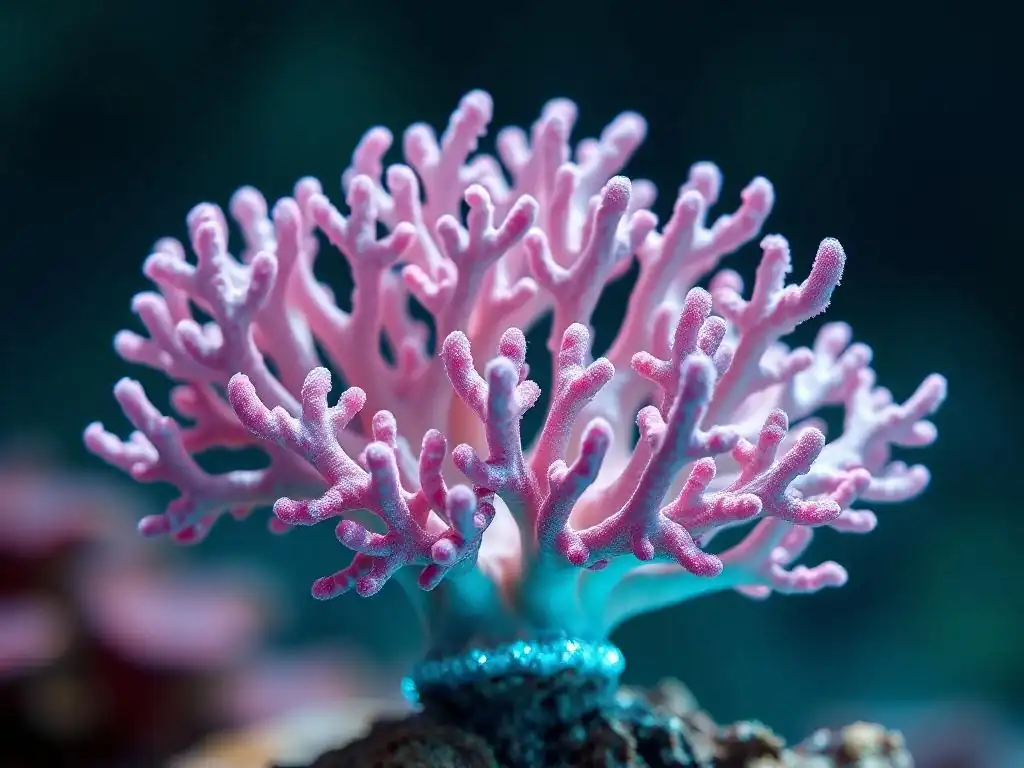
The Argument for Direct Feeding Montipora: Enhanced Growth and Coloration
Proponents of SPS coral direct feeding argue that supplementing the diet of Montipora with external food sources can significantly enhance their growth rates and intensify their coloration. While zooxanthellae provide the bulk of their energy, direct feeding supplies essential nutrients like specific fatty acids, proteins, and trace elements that may not be fully synthesized or acquired through photosynthesis alone. This additional nutrition can act as a catalyst for accelerated metabolic processes.
Observations by experienced aquarists frequently support this claim, with reports of Montipora colonies exhibiting noticeable growth spurts, sometimes increasing linear growth by 10-20% compared to solely light-fed counterparts. Furthermore, the vibrancy of their colors, such as a dull green Montipora cap transforming into a brilliant emerald or a faded orange digitata deepening its hue, is often attributed to a consistent direct feeding regimen. This approach aims to mimic the diverse nutritional intake corals experience in the nutrient-rich waters of their natural reef habitats.
The Argument Against Direct Feeding: Potential Risks and Water Quality Concerns
Conversely, some aquarists caution against aggressive SPS coral direct feeding, citing potential risks to overall tank health, primarily concerning water quality degradation. The main concern revolves around the introduction of excess nutrients, specifically nitrates and phosphates, from uneaten food particles. These elevated nutrient levels can quickly lead to undesirable outcomes, such as the proliferation of nuisance algae (e.g., hair algae, diatoms) and cyanobacteria outbreaks, which can smother corals and detract from the aesthetic appeal of the aquarium.
Furthermore, it is argued that Montipora polyps are often too small to efficiently capture and digest a significant volume of directly fed particles, rendering much of the food wasted and contributing to the nutrient load. For instance, a heavy broadcast feeding in a typical 100-gallon reef tank with inadequate filtration could see nitrate levels jump from near 0 ppm to 5-10 ppm within 24 hours.
The financial cost of specialized coral foods, combined with the risk of nutrient imbalances and potential coral tissue necrosis if water parameters severely decline, leads many to believe that the benefits of direct feeding may not always outweigh the potential drawbacks in an enclosed system.
Exploring Direct Feeding Methods for Montipora
Types of Coral Foods Suitable for Montipora
Powdered Coral Foods for SPS
Powdered coral foods are a popular choice for SPS coral direct feeding, specifically formulated with a fine particle size suitable for corals with small polyps like Montipora. These products, such as Reef Roids or Fauna Marin LPS/SPS Grow, typically consist of finely ground marine proteins, lipids, and carbohydrates, offering a comprehensive nutritional profile. The crucial aspect for Montipora is the particle size, which generally ranges from 5 to 200 microns, with Montipora benefiting most from the smaller end of this spectrum, often in the 5-50 micron range.
Before feeding, these powders are usually mixed with a small amount of tank water to create a slurry, which allows for better dispersion and easier uptake by the corals. This method ensures that the nutrients are concentrated and readily available for the polyps to capture, minimizing waste compared to larger particle foods.
Liquid Coral Foods: A Convenient Option
Liquid coral foods offer a convenient and readily absorbable option for enhancing Montipora nutrition. These are concentrated suspensions of various nutrients, often including amino acids, fatty acids, and phytoplankton concentrates, from brands like Brightwell Aquatics Reef BioFuel or Seachem Reef Plus. Their liquid form makes them easy to dose directly into the water column or target feed.
While they may not always facilitate direct polyp capture in the same way as fine particulate foods, liquid foods are absorbed by corals and beneficial bacteria in the water column, contributing to overall water enrichment and providing dissolved organic nutrients. They are particularly useful for supplementing corals that absorb nutrients directly from the water or for providing a general nutritional boost to the entire reef system.
Live Phytoplankton and Zooplankton as Montipora Food
Live phytoplankton and zooplankton represent the most natural food sources for Montipora corals, closely mimicking their diet in the wild. Live phytoplankton consists of microscopic algae cultures, such as Nannochloropsis, while live zooplankton includes small invertebrates like rotifers or copepod nauplii ( Tigriopus californicus). These live foods provide a complete and biologically available nutritional profile, including essential fatty acids and proteins.
The benefits extend beyond direct coral consumption, as these live organisms also serve as a food source for other filter feeders and beneficial microfauna within the aquarium, contributing to a healthier ecosystem. While they can be cultured at home, they are also readily available for purchase from specialized suppliers. A typical dose for a 100-gallon reef tank might involve adding 50-100 ml of concentrated phytoplankton two to three times per week, depending on the bioload and nutrient export capabilities.
Target Feeding Techniques for Montipora
Spot Feeding Montipora with a Pipette
Spot feeding is a highly effective and precise method for SPS coral direct feeding, particularly beneficial for Montipora due to their small polyps and the desire to minimize nutrient waste. This technique involves using a turkey baster, a specialized coral feeder, or a pipette to gently deliver a concentrated slurry of powdered or liquid coral food directly onto or very near the Montipora colony. Prior to feeding, it is advisable to turn off powerheads and return pumps for 10-15 minutes to prevent the food from being immediately dispersed throughout the tank.
The primary advantage of spot feeding is its efficiency, as it ensures that the food is consumed by the intended coral, significantly reducing the amount of uneaten food that could contribute to nutrient pollution. Aquarists can observe the polyps extending and attempting to capture the food, providing direct feedback on the coral's receptiveness. This method allows for precise control over the amount of food each colony receives, making it an excellent choice for targeted nutrition.
Broadcast Feeding: Pros and Cons for Montipora
Broadcast feeding involves dispersing coral food throughout the entire aquarium water column, allowing it to drift and be captured by all corals and filter feeders. For Montipora, this method attempts to replicate the natural dispersion of plankton in the ocean. The main advantage is its convenience, as it feeds all inhabitants simultaneously without requiring individual targeting.
However, broadcast feeding comes with significant drawbacks, especially for tanks with Montipora. A large portion of the food may not be efficiently captured by the small polyps and instead settles on the substrate or rocks, contributing directly to nutrient accumulation.
This method carries a much higher risk of nutrient pollution (elevated nitrates and phosphates) if not carefully controlled, potentially leading to nuisance algae blooms and cloudy water. Therefore, if broadcast feeding is chosen for SPS coral direct feeding, it should be done sparingly and with very small amounts—for instance, a quarter teaspoon of diluted powdered food for a 100-gallon tank—and only in systems with robust filtration and nutrient export capabilities.
Frequency and Amount: How Often to Feed Your Montipora Directly
Determining the ideal frequency and amount for SPS coral direct feeding of Montipora is not a one-size-fits-all answer, as it depends heavily on individual tank characteristics such as maturity, bioload, filtration efficiency, and coral density. As a general guideline, it is always best to start conservatively and observe your corals' response and water parameters.
For target feeding, a common starting point for Montipora is 1-2 times per week. The amount should be very small; for instance, a few gentle squirts of a diluted slurry per colony. If opting for broadcast feeding, the frequency should be even less, perhaps once a week or every other week, using minimal quantities.
Crucially, regularly monitor your water parameters, particularly nitrates and phosphates. If these levels consistently rise after feeding, it indicates overfeeding or insufficient nutrient export, necessitating a reduction in feeding frequency or amount. Conversely, if corals show signs of nutrient deficiency despite optimal lighting, a slight increase in feeding might be warranted.
Assessing the Impact of Direct Feeding on Montipora Health and Growth
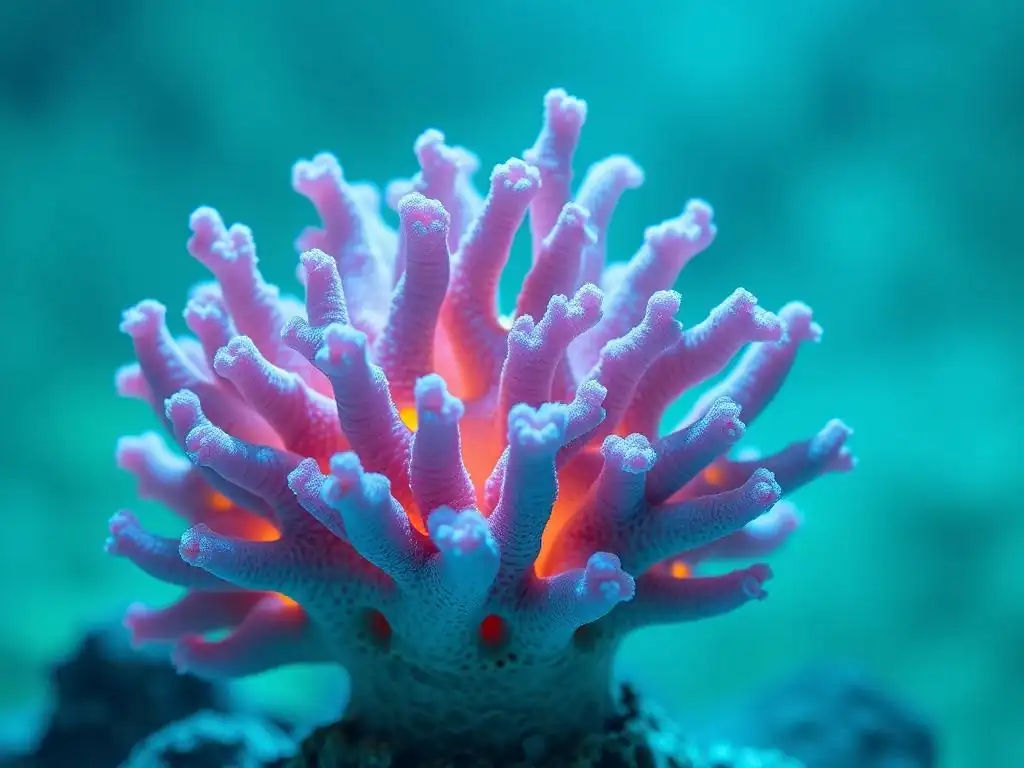
Observing Montipora Coloration Changes After Direct Feeding
One of the most visually rewarding indicators of successful SPS coral direct feeding in Montipora is a noticeable enhancement in their coloration. Healthy Montipora species often display deeper, richer, and more vibrant hues. For instance, a Montipora cap that previously exhibited a dull green might transition into a more intense emerald, or a faded orange Montipora digitata could develop a striking, deeper orange pigmentation. These changes are often attributed to increased zooxanthellae density or the coral's ability to produce specific pigments, both of which are supported by a more complete nutritional intake.
These positive changes in coloration can become visible within 2 to 4 weeks of implementing a consistent direct feeding regimen. However, it is crucial to distinguish between healthy color enhancement and signs of stress; for example, browning out can sometimes indicate an overabundance of nutrients leading to increased zooxanthellae density, while bleaching is a sign of severe stress, often from too much light or poor water quality, rather than a direct feeding effect.
Monitoring Montipora Growth Rates: Before and After Direct Feeding
Tracking the growth rates of Montipora before and after implementing SPS coral direct feeding is a quantitative method to assess its impact. This can be achieved through consistent photographic records, taking pictures from the same angle weekly or bi-weekly to visually compare progress. For more precise measurements, using a ruler or calipers to track the linear extension of branching Montipora or the diameter of encrusting and plating forms can provide tangible data.
A healthy Montipora digitata might typically exhibit linear growth of 0.5 to 1 inch per month. With an effective direct feeding program, this growth rate could potentially increase by 15-30%, resulting in more substantial and faster colony development. Encrusting Montipora can spread several square inches per month under optimal conditions. It's important to remember that while direct feeding can significantly boost growth, factors such as stable water parameters, optimal lighting, and strong water flow remain equally critical for maximizing growth potential.
Analyzing Water Parameters: The Key to Successful SPS Coral Direct Feeding
Diligent monitoring and analysis of water parameters are absolutely critical for successful SPS coral direct feeding. Regular testing of nitrates (NO3), phosphates (PO4), alkalinity (dKH), calcium (Ca), and magnesium (Mg) is essential. Target ranges for a healthy SPS tank generally include nitrates at 0-5 ppm (though some successful systems run slightly higher, up to 10-15 ppm), phosphates at 0.03-0.07 ppm, alkalinity between 7.5-8.5 dKH, calcium at 400-450 ppm, and magnesium at 1300-1400 ppm.
Direct feeding has the potential to elevate nitrate and phosphate levels. If these parameters consistently rise after feeding events, it serves as a clear indicator of overfeeding or insufficient nutrient export mechanisms (e.g., inadequate protein skimming, insufficient refugium capacity, or lack of carbon dosing/water changes). For instance, a measurable spike of 0.05 ppm in phosphates within 24 hours after a heavy feeding event warrants immediate attention to your filtration and feeding regimen. Maintaining stability within these parameters is paramount for Montipora health and growth, as fluctuations can be highly detrimental.
Alternative Methods to Enhance Montipora Nutrition
Optimizing Lighting for Montipora Growth and Color
For Montipora corals, as primarily photosynthetic organisms, optimizing lighting is the most crucial factor for their growth and vibrant coloration. Adequate Photosynthetically Active Radiation (PAR) levels are essential for the zooxanthellae within their tissues to perform photosynthesis efficiently. Montipora generally thrive in PAR ranges of 200-400 PAR, though specific species and their placement in the tank may necessitate adjustments.
Beyond intensity, the light spectrum plays a significant role. A balanced spectrum, typically between 10,000K and 20,000K, with a strong emphasis on blue wavelengths, actively supports zooxanthellae photosynthesis and enhances the expression of fluorescent pigments in the coral, leading to more striking colors. When introducing new Montipora or upgrading lighting, it's vital to acclimate them gradually to higher light levels to prevent stress and potential bleaching.
Maintaining Proper Water Chemistry for SPS Coral Health
Maintaining stable and appropriate water chemistry is fundamental for the health and robust growth of Montipora and other SPS corals. Stability in parameters such as alkalinity, calcium, and magnesium is often more critical than hitting exact target numbers, as rapid fluctuations can cause significant stress to corals. These elements are the building blocks for their aragonite skeletons, and their consistent availability is crucial for calcification.
In SPS-dominated tanks with high calcification rates, regular supplementation through methods like the balling method, two-part dosing, or a calcium reactor is often necessary. For example, a tank with significant Montipora growth might consume 0.5-1.0 dKH of alkalinity per day. Additionally, trace elements like iodine, strontium, and potassium are consumed by corals and can be replenished through consistent water changes or dedicated trace element dosing solutions, supporting overall vitality and biological processes.
The Importance of Water Flow for Montipora Nutrient Uptake
Water flow is a vital, yet sometimes underestimated, component of Montipora care, directly impacting their ability to acquire nutrients and maintain health. Proper water flow serves multiple critical functions: it delivers food particles and dissolved nutrients directly to the coral polyps, facilitates efficient gas exchange, and carries away metabolic waste products from the coral's surface. Inadequate flow can lead to "dead spots" where detritus accumulates on the coral tissue, potentially causing tissue necrosis or bacterial infections.
Montipora generally prefer moderate to strong, turbulent, and chaotic water flow rather than direct, laminar streams. This varied flow pattern helps ensure that all parts of the colony receive adequate exposure to nutrients and prevents the buildup of boundary layers that can inhibit nutrient uptake. Achieving this often involves using multiple powerheads or wavemakers to create dynamic flow patterns throughout the aquarium. Aim for an aggregate flow rate of at least 20-30 times the tank volume per hour in SPS-dominated systems to ensure optimal nutrient delivery and waste removal for Montipora.
Identifying Signs of Overfeeding or Underfeeding in Montipora
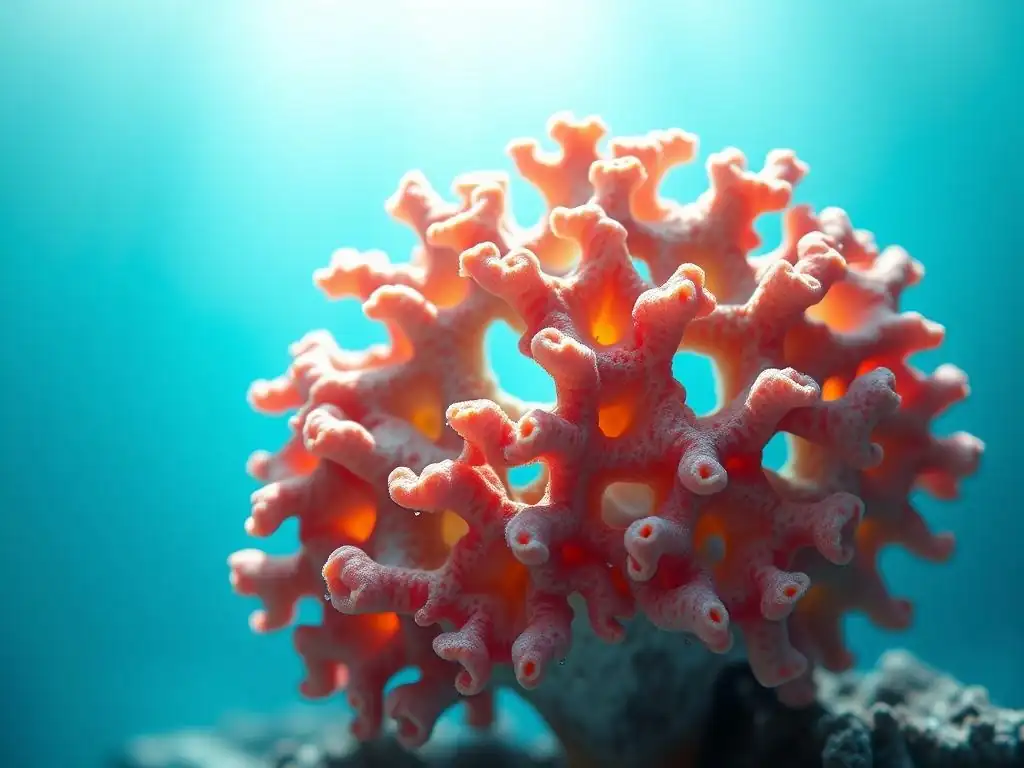
Recognizing Symptoms of Overfeeding in SPS Corals
Identifying signs of overfeeding in Montipora and other SPS corals is crucial for maintaining a healthy reef aquarium. The most immediate indicators are often related to water quality degradation. This includes a rapid and persistent increase in nitrates (e.g., consistently above 10 ppm) and phosphates (e.g., above 0.1 ppm), often accompanied by persistent water cloudiness. These elevated nutrient levels create an ideal environment for nuisance algae, leading to widespread proliferation of hair algae, diatoms, or cyanobacteria on rocks, sand, and even directly on coral skeletons.
From the coral's perspective, overfeeding can manifest as "browning out," where the coral develops a dull, brown appearance due to an excessive increase in zooxanthellae density in response to abundant nutrients. In severe cases of poor water quality stemming from overfeeding, Montipora may exhibit tissue recession, particularly at the base of the colony, or a general decline in vitality. Visible food particles settling on coral surfaces or within crevices are also a clear sign that more food is being introduced than the corals or the system's filtration can handle.
Conversely, recognizing symptoms of underfeeding in Montipora requires careful observation, as some signs can overlap with other issues like insufficient lighting or poor water parameters. One key indicator is a pale or washed-out coloration, sometimes referred to as "paling," which can occur when the coral is not receiving enough heterotrophic nutrition, leading to a decrease in zooxanthellae density or pigment production to conserve energy. While often linked to light, persistent paleness despite optimal lighting suggests a nutritional deficiency.
Another significant sign of underfeeding is slowed or stunted growth. Healthy Montipora should exhibit consistent new growth, often visible as a distinct white or pale growth edge of 1-2mm on branches or an expanding edge on encrusting forms. If growth is minimal, stagnant, or if the coral shows signs of recession despite otherwise ideal conditions, it may be underfed. In severe cases, corals may appear "thin" or "skeletal" as their tissue mass diminishes. While Montipora polyps are small, an overall lack of polyp extension or a generally "unhappy" appearance can also be subtle indicators of insufficient nutrition.
Conclusion: Is Direct Feeding Necessary for Thriving Montipora?
Weighing the Benefits and Risks of Direct Nutrition for Montipora SPS
The decision to implement SPS coral direct feeding for Montipora involves carefully weighing the potential benefits against the inherent risks. On the benefit side, direct nutrition can significantly accelerate growth rates, enhance the vibrancy and depth of coloration, and provide a more complete nutritional profile, particularly crucial in ultra-low nutrient (ULNS) systems where natural plankton sources are scarce. This can push Montipora from merely surviving to truly thriving, achieving their full genetic potential for growth and color.
However, the primary risk lies in the potential for water quality degradation. Introducing external food sources, especially if overdone or if the tank's nutrient export mechanisms are insufficient, can lead to elevated nitrates and phosphates, triggering nuisance algae blooms and potentially harming the corals themselves. Therefore, successful direct feeding necessitates diligent water parameter monitoring and robust filtration. While Montipora can certainly survive and even grow well on light alone, direct feeding serves as a powerful enhancer, making it highly beneficial but often not an absolute necessity for their basic survival.
Best Practices for Montipora Care: A Holistic Approach
Ultimately, achieving thriving Montipora corals in a reef aquarium requires a holistic and integrated approach to their care, where SPS coral direct feeding is one component within a broader strategy. Optimal lighting, providing the correct PAR and spectrum, remains paramount as their primary energy source. This must be coupled with the maintenance of stable water parameters, including consistent alkalinity, calcium, magnesium, and very low levels of nitrates and phosphates, which are essential for skeletal growth and overall health.
Strong, turbulent, and varied water flow is equally critical, ensuring efficient nutrient delivery, waste removal, and gas exchange. Finally, a balanced feeding regimen, which may include direct nutrition if desired, should be adapted to the specific needs of your tank and the observed responses of your corals. Continuous observation of your Montipora for signs of growth, color changes, or stress is key to fine-tuning your care routine. Regular small water changes, for instance, 10% weekly, can also significantly contribute to nutrient management and the replenishment of essential trace elements, supporting a truly flourishing Montipora display.
Frequently Asked Questions
What exactly is SPS coral direct feeding and why is it relevant to Montipora?
SPS coral direct feeding refers to providing specific food directly to the coral, rather than relying solely on photosynthesis or dissolved organics. Montipora, while photosynthetic, can benefit from supplemental feeding for enhanced growth and coloration.
Does Montipora require direct feeding in a well-established aquarium?
While not always required, direct feeding can significantly improve Montipora's health. Even in established tanks with stable parameters, regular supplemental feeding can boost growth and vibrancy.
What types of food are best suited for SPS coral direct feeding of Montipora?
Small particle foods are ideal. Options include coral-specific foods, phytoplankton, or zooplankton, all finely sized to ensure the Montipora can efficiently capture and ingest them.
How often should I perform SPS coral direct feeding for my Montipora?
Feeding frequency depends on tank conditions and the coral's response, but 2-3 times per week is a good starting point. Observe your Montipora for signs of improved health and adjust accordingly.
Are there any risks associated with SPS coral direct feeding of Montipora?
Overfeeding can lead to nutrient imbalances and algae blooms. Always feed sparingly and monitor your water parameters closely to avoid negative consequences.
Final Reflection: Nurturing the Future of SPS Coral
The insights gleaned from understanding SPS coral direct feeding are not merely academic; they represent a crucial step towards responsible reef keeping in an era where coral reefs face unprecedented threats. By optimizing our feeding strategies and deepening our understanding of these complex organisms, we empower ourselves to create thriving captive environments and contribute to the preservation of coral species for generations to come.
This exploration into the nutritional needs of Montipora, and SPS corals in general, has profoundly underscored the delicate balance within reef ecosystems. The realization that even seemingly self-sufficient corals can benefit from targeted feeding strategies highlights our responsibility as stewards of these fragile environments. In the end, we will conserve only what we love; we will love only what we understand; and we will understand only what we are taught.
- Baba Dioum. This quote resonates deeply, reminding us that knowledge and understanding are the cornerstones of effective conservation.
Now, take a moment to reflect on your own role in the future of reef keeping. Consider how you can apply the principles discussed here – the importance of observation, experimentation, and a commitment to continuous learning – to enhance the health and vibrancy of your own reef aquarium. Let us all strive to be informed, responsible, and passionate advocates for the beauty and resilience of SPS corals.
Ignite Montipora Growth: Dive Deeper into Feeding!
Thanks for exploring the fascinating world of Montipora nutrition with us! Now that you understand the potential benefits of feeding these SPS corals, let's turn that knowledge into action.
Here are a few things you can do right now:
- Experiment with targeted feeding: Carefully introduce small amounts of coral-specific food to your Montipora and observe their response. Pay close attention to polyp extension and color changes over time.
- Share your findings! Join our community forum and discuss your feeding strategies with other reef enthusiasts. What foods have you found most effective?
- Research uncommon coral foods. Consider exploring less conventional options like oyster eggs or specialized coral amino acid supplements to see if they enhance your Montipora's vibrancy.
What unexpected results have you observed when experimenting with different feeding approaches for your Montipora? Share your experiences in the comments below!