
Mastering Photoperiod: How Long Should Your Aquarium Lights Be On?

Welcome to Aquarium Mastery!
Ever wondered if your aquarium lights are on too much or not enough? Dive into the fascinating world of aquarium light photoperiod schedules and unlock the secrets to thriving aquatic plants and a balanced ecosystem. Discover the optimal lighting duration that will transform your tank from ordinary to extraordinary! Read on to learn more...
- Understanding Aquarium Light Photoperiod for Optimal Plant Growth
- Determining the Ideal Aquarium Light Photoperiod Schedule
- Common Mistakes in Aquarium Lighting and How to Avoid Them
- Implementing Your Aquarium Light Photoperiod Schedule
- Troubleshooting Common Photoperiod Issues in Planted Aquariums
- Advanced Photoperiod Techniques for Planted Aquariums
- Choosing the Right Aquarium Lights for Your Planted Tank
- Maintaining Your Aquarium Lighting System for Long-Term Success
- Conclusion: Achieving a Balanced Aquarium Light Photoperiod Schedule
-
Frequently Asked Questions
- How does the aquarium light photoperiod schedule impact my fish?
- What is the ideal aquarium light photoperiod schedule for a freshwater aquarium?
- Can I use a timer to automate my aquarium light photoperiod schedule?
- How does the aquarium light photoperiod schedule differ for planted aquariums?
- What happens if my aquarium light photoperiod schedule is too long or too short?
- Final Reflection: Illuminating the Depths of Balance
- Illuminate Your Aquarium's Potential: Take Control of Your Lighting!
Understanding Aquarium Light Photoperiod for Optimal Plant Growth
What is Photoperiod and Why Does it Matter for Aquarium Plants?
Photoperiod refers to the duration of light exposure an organism receives within a 24-hour cycle. For aquarium plants, this is a fundamental environmental factor that directly controls photosynthesis, the process by which they convert light energy into chemical energy for growth. Plants, much like animals, possess circadian rhythms, internal biological clocks that regulate various physiological processes, and these rhythms are heavily influenced by the consistent onset and cessation of light.
The precise "aquarium light photoperiod schedule" is critical because it dictates the rate and efficiency of plant metabolism. An incorrect duration can lead to significant imbalances within the aquatic ecosystem. Too long or too intense a photoperiod often results in rampant algae growth, as excess light energy, unutilized by plants due to limiting factors like CO2 or nutrients, becomes available for opportunistic algae. Conversely, too short or too weak a photoperiod can cause stunted plant growth, nutrient deficiencies, and overall poor health, as plants cannot photosynthesize sufficiently to meet their metabolic demands.
The Importance of Light Duration for a Healthy Aquarium Ecosystem
Beyond just the plants, the duration of light profoundly impacts the entire aquarium ecosystem. Fish and invertebrates also rely on a consistent day-night cycle for their natural behaviors, including feeding, resting, breeding, and predator avoidance. A stable "aquarium light photoperiod schedule" reduces stress for aquatic inhabitants, contributing to their overall well-being and a more harmonious environment.
Furthermore, light duration plays a crucial role in nutrient cycling within the tank. A well-tuned "aquarium light photoperiod schedule" ensures that plants can efficiently absorb available nutrients like nitrates, phosphates, and potassium from the water column. When light periods are excessively long, plants may deplete available CO2 and certain nutrients too quickly, leading to a state of carbon limitation or nutrient imbalance. This often results in plant melt or a weakening of the plants, making them less competitive against algae, which can then proliferate by consuming the excess nutrients.
Determining the Ideal Aquarium Light Photoperiod Schedule
Factors Influencing Your Aquarium's Lighting Needs
Plant Species and Light Requirements: High Light vs. Low Light Plants
The specific species of plants in your aquarium are the primary determinant of your ideal "aquarium light photoperiod schedule." High-light demanding plants, such as carpeting species like Hemianthus callitrichoides 'Cuba' or stem plants like Rotala macrandra, typically require more intense light and longer durations, often thriving with 8-10 hours of light per day. These plants have evolved to maximize light utilization and will exhibit robust growth under optimal conditions.
In contrast, low-light tolerant plants, including popular choices like Anubias barteri, Microsorum pteropus (Java Fern), and Cryptocoryne species, are more forgiving and generally thrive on a shorter "aquarium light photoperiod schedule" of 6-8 hours. Attempting to grow these plants under high-light conditions for extended periods can lead to stress, melting, or being outcompeted by algae. For a mixed-plant tank, a common strategy is to start with a duration suitable for moderate-light plants, around 7-8 hours, and then adjust based on observed plant health and algae presence.
Tank Size and Depth: Adjusting Photoperiod Accordingly
The physical dimensions of your aquarium, particularly its depth, significantly influence how much light reaches the plants at various levels. Light intensity diminishes as it penetrates water, meaning a deeper tank (e.g., 24 inches or more) will require more powerful lights or potentially a slightly longer "aquarium light photoperiod schedule" to ensure sufficient Photosynthetically Active Radiation (PAR) reaches the substrate, especially for demanding carpeting plants. Conversely, a shallow tank might necessitate a shorter duration or lower intensity to prevent overlighting and subsequent algae issues.
The tank's footprint also matters for light distribution. A wider or longer tank might require multiple light fixtures or a single fixture with wide dispersion to ensure uniform light coverage across all planted areas. Shadows can significantly hinder plant growth in specific zones. Therefore, the overall "aquarium light photoperiod schedule" must be considered in conjunction with light intensity and coverage to ensure all plants, regardless of their position, receive adequate illumination for healthy growth.
CO2 Injection: How it Affects Light Requirements
Carbon dioxide (CO2) is a vital component of photosynthesis, and its availability directly impacts how efficiently plants can utilize light. In aquariums with supplemental CO2 injection, plants can process higher light intensities and longer photoperiods much more effectively, leading to significantly enhanced growth rates. For example, a high-tech planted tank with consistent CO2 supplementation might maintain a healthy "aquarium light photoperiod schedule" of 8-10 hours, whereas a low-tech tank without CO2 would typically be limited to 6-7 hours to prevent algae.
The risk of high light without sufficient CO2 is substantial. When light is abundant but CO2 is a limiting factor, plants become stressed and cannot efficiently convert the light energy into growth. This excess energy, combined with available nutrients, creates an ideal environment for algae, which are less demanding of CO2, to proliferate rapidly. Common manifestations include green spot algae on glass and leaves, or persistent hair algae. Therefore, the level of CO2 availability is a critical factor that dictates the maximum effective light duration and intensity you can safely provide in your "aquarium light photoperiod schedule."
Establishing a Baseline Aquarium Lighting Schedule
For most moderately planted freshwater aquariums without supplemental CO2 injection, a starting "aquarium light photoperiod schedule" of 6-7 hours per day is generally recommended as a safe baseline. This duration typically provides enough light for low to moderate light plants while minimizing the risk of algae outbreaks. For tanks utilizing CO2 injection and housing more demanding plant species, an 8-hour photoperiod is a common and effective baseline, which can potentially be extended to 9 or even 10 hours if plant growth is vigorous and no signs of algae appear.
It is crucial to understand that this baseline is merely a starting point, not a fixed rule. Aquarists must diligently monitor their plants for signs of health, observe their growth rates, and watch for any indications of algae. If plants appear leggy, pale, or exhibit stunted growth, a gradual increase in the photoperiod might be necessary. Conversely, if algae begins to proliferate, the first troubleshooting step often involves reducing the "aquarium light photoperiod schedule" by 1-2 hours. Continuous observation and incremental adjustments are key to finding the optimal balance for your specific tank.
Common Mistakes in Aquarium Lighting and How to Avoid Them
Overlighting: Algae Blooms and Plant Stress
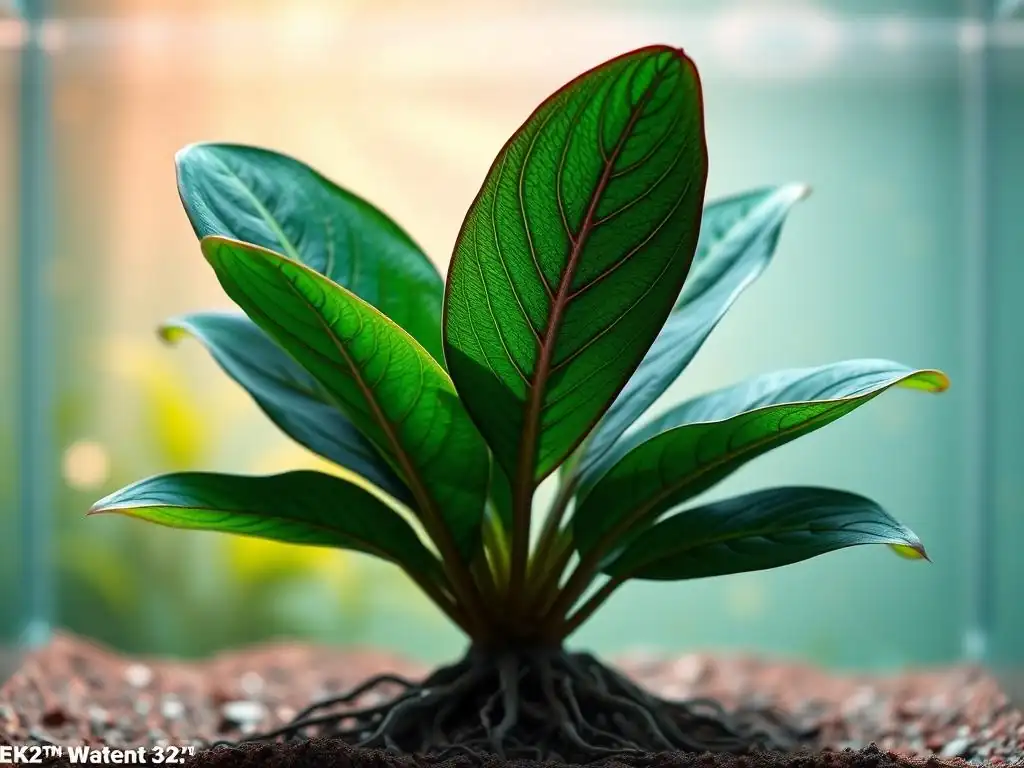
One of the most prevalent errors in planted aquariums is overlighting, whether due to excessively high light intensity or a prolonged "aquarium light photoperiod schedule" (e.g., 12+ hours). This imbalance is the leading cause of persistent algae blooms. When light energy exceeds the plants' capacity to photosynthesize, often because of limiting factors like insufficient CO2 or nutrient imbalances, the surplus energy becomes readily available for algae to exploit. Common algae types that thrive in overlighted conditions include green dust algae on surfaces, hair algae, and the notoriously stubborn black beard algae.
Beyond algae, overlighting also induces significant stress in plants. Symptoms of plant stress can include stunted growth, melting or decaying leaves, and a general pale or washed-out appearance as they struggle to cope with the overwhelming light energy. For instance, Vallisneria leaves might turn brown and translucent, or the vibrant red hues of Ludwigia species could dull or distort. The immediate and often most effective solution to overlighting is to reduce the "aquarium light photoperiod schedule" by 1-2 hours or, if adjustable, to dim the light intensity.
Underlighting: Stunted Growth and Nutrient Deficiencies
Conversely, providing insufficient light, whether through a too short "aquarium light photoperiod schedule" or inadequate light intensity, can also have detrimental effects. Underlighting typically leads to slow or stunted plant growth, pale coloration, and elongated, weak stems as plants 'reach' upwards in an attempt to find more light, a phenomenon known as etiolation. For example, Cryptocoryne species might appear to stop growing entirely, or Java Moss could develop brown patches and thin out.
While not a direct cause of nutrient deficiencies, inadequate light prevents plants from efficiently utilizing the nutrients that are present in the water column. This can exacerbate or mimic symptoms of nutrient lack. For instance, yellowing lower leaves are often indicative of nitrogen deficiency, but if light is too low, plants may not be able to photosynthesize enough to absorb and process available nitrogen effectively. Increasing the "aquarium light photoperiod schedule" or boosting light intensity can often improve nutrient uptake and overall plant vigor, resolving these light-induced "deficiencies."
Inconsistent Photoperiod: The Impact of Irregular Lighting Schedules
Consistency is paramount for a healthy planted aquarium. Irregular light periods, such as manually turning lights on and off at varying times each day, severely disrupt the plants' natural circadian rhythms and photosynthetic cycles. This chronic stress can manifest as erratic or stunted growth patterns, increased susceptibility to disease, and a greater vulnerability to opportunistic algae outbreaks, which thrive on instability.
From a biological perspective, plants, like most living organisms, thrive on routine. A consistent "aquarium light photoperiod schedule" allows plants to optimize their internal processes for efficient photosynthesis during the light phase and essential respiration and nutrient allocation during the dark phase. Fluctuations in the daily light cycle can lead to periods of inefficient growth and nutrient processing, making it significantly harder for the aquarist to diagnose other potential issues, such as subtle nutrient imbalances or CO2 fluctuations, as the primary stressor remains the unpredictable lighting.
Implementing Your Aquarium Light Photoperiod Schedule
Using a Timer for Consistent Lighting
The absolute necessity for maintaining a stable "aquarium light photoperiod schedule" is the use of an automatic timer. Relying on manual operation is highly prone to human error and inconsistency, which, as discussed, can severely stress aquarium plants and promote algae growth. A reliable digital or mechanical timer ensures that your aquarium lights turn on and off at precisely the same time every single day, providing the stable and predictable light cycle that plants and fish alike require for optimal health and growth.
For example, if you determine an 8-hour "aquarium light photoperiod schedule" is ideal, your timer can be set to turn lights on from 10:00 AM to 6:00 PM, or from 2:00 PM to 10:00 PM, depending on your personal viewing habits and the natural light exposure of the room. Many modern digital timers offer multiple on/off cycles, which are particularly useful for implementing advanced techniques like split photoperiods, where you might program the lights for 4 hours on, 2 hours off, and then another 4 hours on.
Monitoring Plant Health and Adjusting the Photoperiod
Implementing an "aquarium light photoperiod schedule" is not a one-time setup; it's an ongoing process of observation and adjustment. Regular and diligent monitoring of your plants' health, their growth rates, and any signs of algae is crucial. Pay close attention to their color, the vigor of new growth, and the presence of any unwanted algae, such as a green film on the glass or fuzzy growth on plant leaves. These visual cues are your primary indicators of whether your current photoperiod is balanced.
Specifically, look for vibrant coloration and robust, consistent new growth as signs of a healthy photoperiod. If plants are melting, turning pale, exhibiting stunted growth, or if algae begins to appear, the photoperiod should be among the first variables to troubleshoot. Adjustments to your "aquarium light photoperiod schedule" should always be made in small, incremental steps, typically no more than 30 minutes to 1 hour at a time. After each adjustment, observe the tank for at least a week to assess the impact before considering further changes.
Gradual Adjustments: Avoiding Sudden Changes in Lighting
Just as with changes in water temperature or chemistry, abrupt shifts in lighting duration or intensity can induce significant stress in aquarium plants and the entire ecosystem. A sudden increase in the "aquarium light photoperiod schedule," for instance, jumping from 6 hours to 10 hours overnight, can shock plants and frequently triggers massive algae blooms as the ecosystem struggles to adapt to the sudden influx of energy. This shock can lead to plant melt, making them more vulnerable to algae.
To mitigate stress and prevent adverse reactions, it is imperative to implement any changes to your "aquarium light photoperiod schedule" gradually. When increasing or decreasing the duration, do so by no more than 30-60 minutes per week. This measured approach allows plants to slowly acclimatize to the new conditions, minimizing stress and enabling the beneficial bacteria and other microorganisms in the tank to adjust alongside. This gentle transition significantly reduces the likelihood of sudden algae outbreaks or plant health issues, promoting a stable and thriving environment.
Troubleshooting Common Photoperiod Issues in Planted Aquariums
Algae Problems: Identifying and Addressing the Root Cause
Algae proliferation is often the clearest and most common indicator that your "aquarium light photoperiod schedule" or intensity is out of balance with other tank parameters. Different types of algae can point to specific issues. For instance, green spot algae on glass and plant leaves frequently suggests high light levels coupled with low phosphate concentrations. Hair algae can indicate excess light combined with other nutrient imbalances, such as low nitrates or high iron. Black beard algae (BBA) is notoriously linked to fluctuating CO2 levels and/or an unstable or excessively long photoperiod.
When confronted with algae, the first troubleshooting step related to lighting should be to reduce the "aquarium light photoperiod schedule" by 1-2 hours. If you are using CO2, ensure its levels are stable and consistent throughout the light cycle. Re-evaluating your nutrient dosing is also important. For example, reducing a 10-hour photoperiod to 7 hours often results in a noticeable reduction in green algae within a week, demonstrating the direct impact of light duration on algae control.
Plant Deficiencies: Recognizing Symptoms and Correcting the Photoperiod
While many plant deficiencies are directly related to a lack of essential nutrients, an improper "aquarium light photoperiod schedule" can either exacerbate these symptoms or even mimic them. For instance, yellowing lower leaves are a classic sign of nitrogen deficiency, but if the light intensity or duration is too low, plants may not be able to photosynthesize efficiently enough to utilize the available nitrogen, leading to similar symptoms even if nitrogen is present in the water column.
Specific symptoms can guide your photoperiod adjustments. Leggy growth with pale, stretched-out leaves often indicates insufficient light intensity or duration, prompting a need to increase the "aquarium light photoperiod schedule" or upgrade to a more powerful light. Conversely, stunted growth in high-light demanding plants, despite adequate CO2 and fertilization, might mean the current photoperiod is simply too short for their energetic needs, preventing them from reaching their full growth potential. Careful observation of these symptoms helps in optimizing your lighting regimen.
Slow Growth: Optimizing Light Duration and Intensity
Beyond issues with nutrients and CO2, suboptimal lighting, whether in terms of duration or intensity, is a major culprit behind slow or stagnant plant growth in planted aquariums. If your plants are not exhibiting vigorous growth, even after confirming adequate CO2 levels and a comprehensive fertilization routine, then your "aquarium light photoperiod schedule" or the overall light intensity is likely the limiting factor preventing robust development.
To optimize for slow-growing plants, consider gradually increasing the "aquarium light photoperiod schedule" by 30 minutes every few days. This allows plants to adapt to the increased light exposure. For high-tech tanks, the optimal range typically falls between 8-10 hours. Alternatively, if your light fixture offers intensity control, gradually increasing the light intensity while maintaining the current photoperiod can also significantly stimulate growth. It's a balance: too much light without enough CO2 and nutrients leads to algae; too little light leads to slow, unhealthy plants.
Advanced Photoperiod Techniques for Planted Aquariums
Split Photoperiods: Mimicking Natural Light Cycles for Algae Control and Plant Health
A split photoperiod is an advanced lighting technique that involves dividing the total daily light duration into two or more segments, separated by a dark period. A common setup might be 4 hours of light in the morning, followed by a 2-4 hour dark break, and then another 4 hours of light in the evening.
This approach aims to mimic natural light cycles, where cloud cover or midday heat can cause temporary reductions in light intensity. The dark break allows CO2 levels in the water column to replenish, which is particularly beneficial in high-light tanks where CO2 can be rapidly depleted during intense photosynthetic activity.
The primary benefits of a split "aquarium light photoperiod schedule" include enhanced algae control and improved plant health. The short dark period tends to inhibit algae growth more effectively than it inhibits plant growth, as algae are generally less efficient at photosynthesis and recovery. It also provides a midday "siesta" for the aquarist to observe the tank or perform maintenance without disturbing the fish during their active period. For instance, an 8-hour total photoperiod split into two 4-hour segments can significantly reduce green spot algae and hair algae, without compromising the vigorous growth of demanding plants.
Light Intensity Ramping: Simulating Natural Sunrise and Sunset
Modern LED aquarium lights often come equipped with programmable features that allow for light intensity ramping. This technique simulates natural sunrise and sunset effects by gradually increasing light intensity at the beginning of the photoperiod and gradually decreasing it at the end. This transition typically occurs over a period of 30 to 90 minutes, depending on the fixture's capabilities. Instead of an abrupt on/off, the light gently brightens and dims.
The advantages of light intensity ramping extend to both the aquatic inhabitants and the plants. For fish, it reduces stress by preventing them from being startled by sudden changes in light, mimicking their natural environment. For plants, it provides a gentler transition into and out of the photosynthetic period, which can lead to more stable CO2 uptake and overall metabolic processes. While ramping does not change the total duration of the "aquarium light photoperiod schedule," it significantly enhances the quality of the light cycle, contributing to a more natural and less stressful environment.
Choosing the Right Aquarium Lights for Your Planted Tank
LED vs. Fluorescent Lights: A Comparison
When selecting lighting for a planted aquarium, the primary choices are LED (Light Emitting Diode) and fluorescent lights. LEDs generally offer superior energy efficiency, consuming less power to produce comparable light output, which translates to lower electricity bills. They also boast a significantly longer lifespan, often exceeding 50,000 hours, compared to fluorescent bulbs which typically last 8,000-10,000 hours before degrading. LEDs run cooler, reducing the risk of overheating the water, and provide greater control over spectrum and intensity, making them ideal for precise "aquarium light photoperiod schedule" management.
While the initial investment for quality LED fixtures can be higher, their lower running costs, reduced need for frequent bulb replacements, and advanced features often make them more economical in the long run. Fluorescent lights, particularly T5 HO (High Output) bulbs, can still provide excellent light for plant growth, offering a broad spectrum. However, they typically lack the dimming capabilities and advanced programming flexibility found in many modern LED fixtures, limiting the ability to implement sophisticated "aquarium light photoperiod schedule" techniques like ramping.
Light Spectrum: Understanding PAR and PUR
Understanding light spectrum is crucial for healthy plant growth. PAR (Photosynthetically Active Radiation) measures the total amount of light that is actually available for photosynthesis within the wavelengths of 400 to 700 nanometers. It is a critical metric for planted tanks, indicating the intensity of light that plants can utilize. A high PAR reading at the substrate level is essential for demanding carpeting plants, for example, often requiring 50-80 PAR to thrive.
PUR (Photosynthetically Usable Radiation) is a more refined measurement, focusing specifically on the wavelengths of light that plants utilize most efficiently for photosynthesis – primarily the blue (around 450 nm) and red (around 660 nm) portions of the spectrum. Lights with a high PUR value, even if they have a slightly lower overall PAR, can be exceptionally effective because they deliver the light energy where plants need it most.
When selecting lights, consider both PAR values at your tank's depth and the spectral distribution to ensure your chosen "aquarium light photoperiod schedule" delivers effective and usable light to your plants.
Popular LED Lighting Options for Planted Aquariums
The market for LED lighting for planted aquariums has expanded significantly, offering a range of high-quality options suitable for various setups. Popular choices known for their spectrum, intensity, and programmable features include the Fluval Plant 3.0, Chihiros WRGB II series, Twinstar lights, and Kessil LED fixtures. These brands are frequently recommended by experienced aquarists for their ability to promote vibrant plant growth and color.
Many of these popular LED lighting options offer advanced features such as smartphone app control, allowing users to precisely customize light intensity, adjust the spectral output to enhance plant coloration or growth, and program complex "aquarium light photoperiod schedule" routines. These routines often include sophisticated sunrise/sunset effects, cloud simulations, and multiple on/off cycles. This level of flexibility is invaluable for optimizing plant growth, managing algae, and fine-tuning the aquatic environment to specific needs.
Maintaining Your Aquarium Lighting System for Long-Term Success
Cleaning Your Lights: Preventing Light Blockage
Regular maintenance of your aquarium lighting system is crucial for ensuring consistent and optimal light delivery to your plants. Over time, dust, water spots, and mineral deposits can accumulate on the light fixture itself, its protective cover, or the tank's glass lid. Even a thin film of these residues can significantly reduce the amount of light that penetrates the water, effectively diminishing the intensity of your carefully chosen "aquarium light photoperiod schedule."
To prevent this light blockage, it is important to gently wipe down the light fixture and any splash guards or tank covers regularly, ideally weekly or bi-weekly. Use a clean, damp cloth for routine cleaning. For more stubborn mineral deposits, a dilute vinegar solution can be effective, but always exercise caution to ensure no liquid enters the electrical components of the fixture. This simple, routine cleaning ensures that the light intensity reaching your plants remains at its intended level, maximizing the effectiveness of your "aquarium light photoperiod schedule."
Replacing Bulbs or LEDs: Ensuring Optimal Output
All light sources, regardless of type, degrade over time, losing their intensity and potentially shifting their spectral output. Fluorescent bulbs are particularly prone to this degradation and typically require replacement every 6-12 months, even if they still appear to be working. Their light output diminishes significantly after about 8,000-10,000 hours of use, leading to reduced PAR levels that can impact plant growth.
While LEDs have a much longer lifespan and degrade at a significantly slower rate, their output does gradually dim over many years. For fluorescent lights, it is advisable to mark replacement dates and adhere to them to ensure a consistent light intensity for your "aquarium light photoperiod schedule." For LED fixtures, if you notice a significant decline in plant growth over several years, and you have ruled out other factors like CO2 or nutrient deficiencies, it might be an indication that your LEDs are beginning to lose their optimal output and it's time to consider a replacement or upgrade.
Conclusion: Achieving a Balanced Aquarium Light Photoperiod Schedule
Mastering the "aquarium light photoperiod schedule" is a fundamental cornerstone for cultivating a thriving planted aquarium. It represents a delicate yet critical balance, providing sufficient light to fuel vigorous plant growth while simultaneously preventing the proliferation of unwanted algae. This balance is not static but a dynamic interplay influenced by various factors within your unique aquatic ecosystem.
Achieving this balance requires a holistic approach: understanding the specific light requirements of your plant species, considering the physical dimensions and depth of your tank, leveraging supplemental CO2 if applicable, and employing reliable timers for unwavering consistency. Most importantly, it demands continuous observation of your plants' health and the overall tank environment. Patience, coupled with incremental adjustments and a keen eye for detail, will ultimately guide you to the perfect "aquarium light photoperiod schedule" that fosters a vibrant, healthy, and aesthetically pleasing planted aquatic paradise.
Frequently Asked Questions
How does the aquarium light photoperiod schedule impact my fish?
The photoperiod schedule significantly impacts fish behavior and health. A consistent schedule helps regulate their natural circadian rhythms, influencing feeding, breeding, and sleep patterns.
What is the ideal aquarium light photoperiod schedule for a freshwater aquarium?
Generally, a photoperiod of 8-12 hours is recommended for freshwater aquariums. Avoiding excessive light prevents algae blooms and maintains a healthy environment.
Can I use a timer to automate my aquarium light photoperiod schedule?
Yes, using a timer is highly recommended for consistent and reliable control. This ensures your aquarium receives the correct amount of light each day, even when you're away.
How does the aquarium light photoperiod schedule differ for planted aquariums?
Planted aquariums often require a slightly longer photoperiod, typically 10-12 hours, to support plant growth. However, monitoring for algae growth is crucial and adjustments may be needed.
What happens if my aquarium light photoperiod schedule is too long or too short?
Too much light can lead to excessive algae growth and stress fish. Too little light can hinder plant growth and disrupt the natural behaviors of your aquarium inhabitants.
Final Reflection: Illuminating the Depths of Balance
The delicate dance of light and darkness, so crucial to life both above and below the surface, is brought into sharp focus when considering the aquarium light photoperiod schedule. Understanding this balance is not merely about keeping fish alive; it's about fostering thriving ecosystems within our glass-walled worlds, mimicking the natural rhythms that sustain life in the wild.
The influence of this knowledge extends beyond the hobbyist's tank. By understanding the principles of photoperiod, we gain a deeper appreciation for the interconnectedness of all living things and the importance of maintaining equilibrium in our environments. In nature, nothing exists alone.
- Rachel Carson. This quote perfectly encapsulates the essence of the aquarium ecosystem, where light, flora, and fauna are inextricably linked, and where our understanding of their interactions can lead to truly remarkable results.
As you dim your aquarium lights tonight, consider the profound impact of your actions. You are not just switching off a light; you are orchestrating a symphony of life, nurturing a miniature world. Take a moment to reflect on the lessons learned and apply them not only to your aquarium but also to the broader world around you. Strive to be a conscious steward of light, understanding its power to create balance and foster life, both within your tank and beyond.
Illuminate Your Aquarium's Potential: Take Control of Your Lighting!
Thanks for diving into the world of aquarium lighting! We hope you've gained a better understanding of how photoperiod impacts your aquatic ecosystem. Now it's time to put that knowledge into action and create a thriving environment for your fish and plants.
Here's how you can get started:
- Experiment with your lighting schedule! Gradually adjust your aquarium lights by 30-minute intervals to see how your plants and algae respond. Observe your tank closely for any signs of stress or imbalance.
- Share your discoveries! Post photos of your aquarium’s before and after, along with your lighting schedule changes, on social media using #AquariumMastery.
- Consider a reverse photoperiod! Time your aquarium lights to be on when your room lights are off; this could reduce the algae build-up you see during the day.
What lighting adjustments are you most excited to implement in your aquarium, and what changes are you hoping to see?