
Utricularia Graminifolia (UG): The Carnivorous Carpet Plant Challenge

Welcome to Aquarium Mastery!
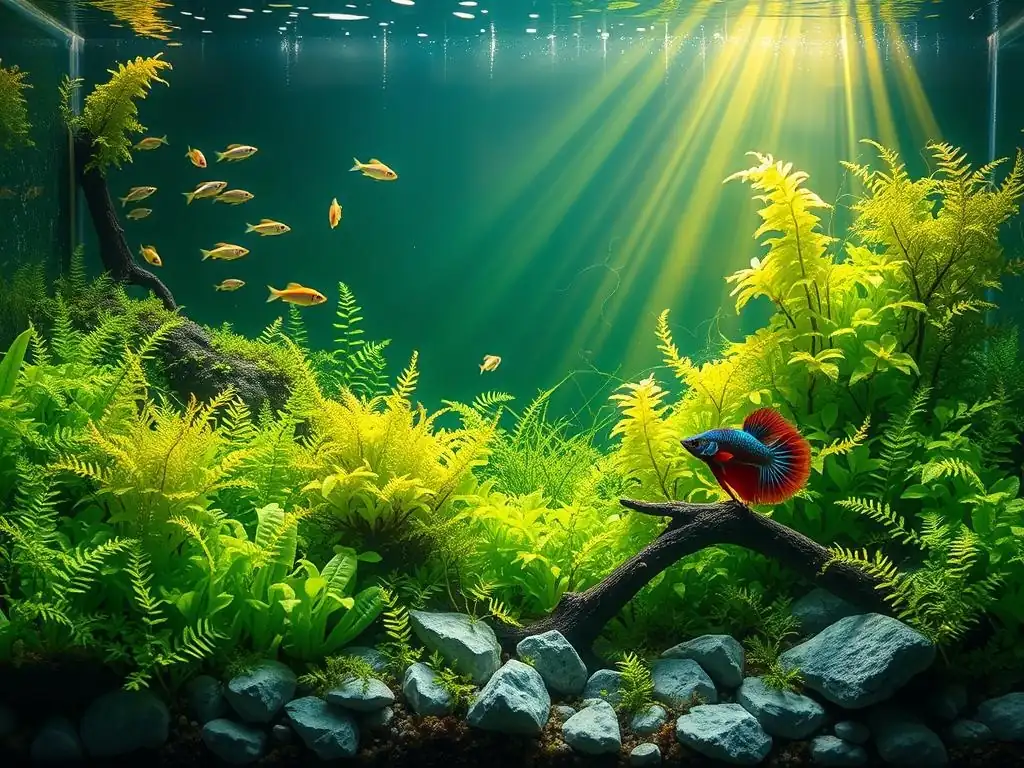
Ever dreamed of a vibrant, living carpet in your aquarium? Delve into the fascinating world of Utricularia Graminifolia, or UG, the carnivorous carpet plant that's as captivating as it is challenging. Think you're ready to master UG carnivorous plant care and create a stunning, unique aquascape? Let's explore the secrets to cultivating this elusive beauty and discover if you have what it takes!
- Understanding Utricularia Graminifolia: A Unique Aquarium Carpet Plant
- Mastering Utricularia Graminifolia Care: A Comprehensive Guide
- Planting and Propagation of Utricularia Graminifolia
- Common Challenges and Solutions in UG Care
- Optimizing Your Aquarium for Utricularia Graminifolia's Carnivorous Nature
- Advanced Utricularia Graminifolia Care Techniques
- Troubleshooting Utricularia Graminifolia Growth Problems
- The Rewards of Mastering Utricularia Graminifolia Care
-
Frequently Asked Questions
- What exactly is Utricularia graminifolia (UG), and why is it considered a challenge in aquariums?
- Is UG suitable for both freshwater and saltwater aquariums?
- What are the key factors to consider for successful Utricularia graminifolia care in an aquarium?
- How does the carnivorous nature of UG affect its care requirements in an aquarium setting?
- What are some common problems aquarists face when trying to grow Utricularia graminifolia, and how can they be addressed?
- Final Reflection: Cultivating Patience and Wonder with UG
- Ignite Your Aquarium: Dare to Cultivate the Elusive UG?
Understanding Utricularia Graminifolia: A Unique Aquarium Carpet Plant
What is Utricularia Graminifolia (UG)? An Introduction
Utricularia graminifolia, commonly known as UG, is a fascinating and highly sought-after aquatic plant belonging to the bladderwort family (Lentibulariaceae). Native to various parts of Asia, particularly in damp, marshy areas, this unique species is a true aquatic carnivorous plant. Its appearance is characterized by fine, grass-like leaves that, under optimal conditions, spread horizontally to form a dense, vibrant green carpet across the aquarium substrate, making it a prized choice for advanced aquascapers.
Despite its delicate appearance, UG presents a rewarding challenge for aquarists. Its requirements for specific water parameters, high light, and consistent CO2 injection mean that successful Ug carnivorous plant care demands diligent attention and a foundational understanding of planted tank principles. However, the effort is well worth it, as a flourishing UG carpet can transform an ordinary fish tank into a breathtaking underwater landscape, showcasing the aquarist's skill and dedication.
Why UG Stands Out: Carnivorous Nature in a Freshwater Aquarium
What truly sets Utricularia graminifolia apart from most other aquarium plants is its carnivorous nature. Unlike typical aquatic flora that rely solely on photosynthesis and nutrient absorption through roots and leaves, UG possesses specialized bladder traps. These tiny, almost invisible bladders, typically measuring less than a millimeter, are located on its rhizoids, the plant's root-like structures that anchor it to the substrate. When microscopic organisms, such as protozoa, rotifers, or tiny crustaceans, brush against trigger hairs on these bladders, they are swiftly sucked into the trap, where they are then digested.
This unique feeding mechanism allows UG to supplement its nutrient intake, particularly nitrogen and phosphorus, from the microfauna within the water column and substrate. While its primary energy source remains photosynthesis, this carnivorous adaptation contributes to its resilience and unique ecological role in a freshwater environment. Understanding this aspect of its biology is crucial for comprehensive Ug carnivorous plant care, ensuring a healthy balance in the aquarium that supports both the plant's growth and its predatory habits.
The Appeal of UG: Creating a Lush Carpet in Your Fish Tank
The primary appeal of Utricularia graminifolia lies in its unparalleled ability to create a dense, uniform, and incredibly lush green carpet in the foreground of an aquarium. Its fine, almost hair-like texture provides a stark yet harmonious contrast to larger-leaved plants, rocks, and driftwood, adding immense depth and natural beauty to any aquascape. When successfully grown, a UG carpet mimics a vibrant underwater meadow, drawing the eye and providing a serene, calming aesthetic.
Compared to other popular carpeting plants like Dwarf Hairgrass ( Eleocharis parvula) or Monte Carlo ( Micranthemum tweediei), UG offers a distinct texture and a slightly brighter green hue, contributing to unique visual effects. The satisfaction derived from nurturing this challenging yet captivating plant to form a perfect carpet is a significant reward for many aquarists. Mastering Ug carnivorous plant care not only enhances the tank's visual appeal but also signifies a mastery of advanced planted tank techniques.
Mastering Utricularia Graminifolia Care: A Comprehensive Guide
Essential Water Parameters for UG Health and Growth
Ideal Temperature and pH for Utricularia Graminifolia
For Utricularia graminifolia to thrive and form a dense carpet, maintaining stable and appropriate water parameters is paramount. UG generally prefers cooler water temperatures, ideally ranging between 20-25°C (68-77°F). While it can tolerate slightly higher temperatures for short periods, prolonged exposure to temperatures above 28°C (82°F) can stress the plant, leading to stunted growth or even melting. Consistency in temperature is more important than hitting an exact number, as sudden fluctuations can also cause stress.
Regarding pH, UG flourishes in slightly acidic to neutral conditions, with an optimal range typically cited between 6.0 and 7.0. A pH of 6.5 is often considered ideal, as it facilitates nutrient uptake and CO2 availability. While it can adapt to slightly higher pH levels up to 7.5, extreme alkaline conditions should be avoided. Regular monitoring of pH with a reliable test kit, ideally weekly, allows for timely adjustments to ensure the best environment for Ug carnivorous plant care.
Understanding Water Hardness and its Impact on UG
Water hardness, specifically General Hardness (GH) and Carbonate Hardness (KH), also plays a crucial role in the health and growth of Utricularia graminifolia. UG prefers soft to medium-hard water, with a recommended GH range of 3-8 dGH (approximately 50-140 ppm). This range ensures that essential minerals are available without excess, which can sometimes hinder nutrient absorption or lead to mineral buildup on delicate plant surfaces.
Carbonate Hardness (KH), which buffers the pH, should ideally be kept low to moderate, typically between 2-5 dKH (approximately 35-90 ppm). While KH is important for pH stability, excessively high KH can reduce the availability of dissolved CO2, which is critical for UG's growth. Achieving the right balance of GH and KH is a cornerstone of successful Ug carnivorous plant care, contributing significantly to its ability to carpet and thrive.
Lighting Requirements for a Thriving UG Carpet
Choosing the Right Light Intensity for Optimal Growth
Utricularia graminifolia is unequivocally a high-light plant, and providing sufficient intensity is a non-negotiable aspect of its successful cultivation. For optimal growth and dense carpeting, UG requires a Photosynthetically Active Radiation (PAR) value of at least 60-100 μmol/m²/s at the substrate level. Lights with a full spectrum output, particularly those strong in red and blue wavelengths, are highly beneficial for promoting vigorous photosynthesis and vibrant green coloration.
LED fixtures are generally preferred due to their efficiency, adjustability, and ability to deliver high PAR values without excessive heat. Insufficient lighting is one of the most common reasons for UG melting or failing to carpet. If the light intensity is too low, the plant will struggle to photosynthesize effectively, leading to slow growth, yellowing, and eventual decay. Investing in a high-quality light fixture is a critical step in effective Ug carnivorous plant care.
Photoperiod Considerations for UG: Light Duration
Beyond intensity, the duration of light exposure, or photoperiod, is equally important for the health of Utricularia graminifolia. An optimal photoperiod for UG typically ranges from 8 to 10 hours per day. This duration provides ample time for photosynthesis without encouraging excessive algae growth, which can quickly overwhelm a delicate UG carpet.
Consistency in the photoperiod is key; using a timer to automate light cycles ensures that the plant receives light at the same time each day, reducing stress and promoting stable growth. Extending the photoperiod beyond 10 hours often leads to increased algae issues without significantly boosting UG growth, whereas shorter periods can stunt development. Proper management of light duration is integral to a balanced environment for Ug carnivorous plant care.
Substrate and CO2: Foundations for UG Success
Selecting the Best Substrate for Rooting and Nutrition
The choice of substrate is fundamental to the successful growth and carpeting of Utricularia graminifolia. UG, like many other demanding aquatic plants, thrives best in nutrient-rich aquasoils. Products such as ADA Aqua Soil Amazonia, Fluval Stratum, or UNS Controsoil are excellent choices. These specialized substrates are designed to provide essential macro and micronutrients directly to the plant's root zone (or rhizoids in UG's case), releasing them slowly over time.
Aquasoils also offer several other benefits: they typically have a high Cation Exchange Capacity (CEC), allowing them to absorb and release nutrients as needed, and they often help buffer the water to a slightly acidic pH, which is ideal for UG. While it is technically possible to grow UG on inert substrates like sand or gravel, it would require extensive and consistent liquid fertilization and possibly root tabs to compensate for the lack of inherent nutrients, making the process significantly more challenging for comprehensive Ug carnivorous plant care.
The Importance of CO2 Injection for Dense UG Growth
Without a doubt, CO2 injection is the single most critical factor for achieving a dense, thriving carpet of Utricularia graminifolia. UG is a high-CO2 demanding plant, and atmospheric CO2 alone is insufficient for its vigorous growth. Consistent CO2 levels between 25-35 ppm are highly recommended. This elevated CO2 concentration significantly boosts the rate of photosynthesis, leading to much faster growth, denser carpeting, and a healthier overall plant structure.
A reliable CO2 system, including a pressurized cylinder, regulator, diffuser, and a check valve, is an essential investment for anyone serious about growing UG. A CO2 drop checker is also invaluable for monitoring levels, indicating a healthy range when it turns a lime green color. Failing to provide adequate CO2 is the most common reason for UG melting, stunted growth, and failure to carpet, underscoring its importance in advanced Ug carnivorous plant care.
Nutrient Requirements: Fertilizing Your Utricularia Graminifolia
Understanding Macro and Micro Nutrient Needs
For a robust and vibrant carpet of Utricularia graminifolia, a comprehensive fertilization regimen is indispensable. Like all plants, UG requires both macronutrients and micronutrients. Macronutrients, needed in larger quantities, include Nitrogen (N), Phosphorus (P), and Potassium (K). Nitrogen is vital for leaf growth and overall plant vigor, phosphorus for energy transfer and root development, and potassium for enzyme activation and general plant health.
Micronutrients, though needed in smaller amounts, are equally crucial. These include Iron (Fe), Manganese (Mn), Boron (B), Zinc (Zn), Copper (Cu), and Molybdenum (Mo). Iron, in particular, is essential for chlorophyll production, and a deficiency often manifests as yellowing or pale new growth. While UG absorbs nutrients from both the water column and the substrate via its rhizoids, ensuring a balanced supply of all these elements is key for optimal Ug carnivorous plant care.
Recommended Fertilization Regimen for UG
To meet the high nutrient demands of Utricularia graminifolia, a regular and comprehensive fertilization regimen is necessary. Many aquascapers find success with the Estimative Index (EI) or PPS-Pro dosing methods, which involve adding a calculated amount of dry or liquid fertilizers to the water column several times a week. For a typical 60-liter (approx. 15-gallon) high-tech tank with UG, this might mean daily dosing of a balanced liquid fertilizer containing all macros and micros, such as 1.5-2 ml of a complete all-in-one product or separate solutions for NPK and trace elements.
If using an inert substrate, liquid fertilization becomes even more critical, and supplementing with root tabs near the UG carpet can provide a localized nutrient boost. Regular water testing (e.g., weekly nitrate and phosphate checks) allows for fine-tuning the dosing to prevent deficiencies or excess, which can lead to algae. Consistency is paramount; a stable supply of nutrients supports vigorous growth and helps prevent common issues associated with Ug carnivorous plant care.
Planting and Propagation of Utricularia Graminifolia
Planting UG: Initial Setup and Techniques
Step-by-Step Guide to Planting UG in Your Aquarium
Proper planting technique is crucial for establishing a healthy carpet of Utricularia graminifolia. Begin by gently rinsing the UG to remove any excess gel or debris from its packaging. Next, divide the plant into small, manageable portions, ideally 1-2 cm (0.4-0.8 inch) clumps. Avoid planting large, dense mats, as this can lead to melting of the lower layers due to insufficient light penetration and water circulation.
Using long, fine-tipped tweezers, carefully plant each small clump firmly into the substrate. Ensure that the rhizoids (the root-like structures) are fully buried, and the green foliage is just above the substrate surface. It is vital to plant the UG completely submerged in water, as dry start methods can be challenging for this sensitive plant. This meticulous approach in initial setup significantly contributes to successful Ug carnivorous plant care.
Achieving Even Distribution for a Carpet Effect
To achieve a uniform and dense carpet effect with Utricularia graminifolia, consistency in spacing is key during the initial planting phase. Plant the small UG clumps in a grid-like pattern across the desired foreground area, spacing them approximately 1-2 cm (0.4-0.8 inch) apart. While it may look sparse at first, with optimal conditions (high light, CO2, and nutrients), UG will rapidly send out runners, filling in the gaps.
Patience is a virtue when growing UG. A full, luscious carpet typically takes anywhere from 2 to 4 months to establish, depending on the initial planting density and the consistency of Ug carnivorous plant care. Avoid disturbing the newly planted areas for the first few weeks, allowing the plant to anchor itself and begin spreading its delicate rhizoids, which are essential for its growth and carnivorous feeding.
Propagating UG: Expanding Your Carnivorous Carpet
Methods for Propagating Utricularia Graminifolia
Propagating Utricularia graminifolia is relatively straightforward once the plant is established and thriving. The primary method of propagation occurs naturally as the plant sends out horizontal runners, or rhizoids, along the substrate surface. These runners develop new plantlets, which then root into the substrate, gradually expanding the carpet. This natural spreading is what allows UG to form its characteristic dense mat.
For manual propagation or to expand the carpet to new areas of the tank, simply use sharp aquascaping scissors to cut a portion of the established UG carpet. These cut sections, which should include some rhizoids, can then be gently replanted into the substrate in another location or even in a separate aquarium. Ensuring that the newly planted sections receive the same optimal conditions as the mother plant will maximize the chances of successful propagation and continued Ug carnivorous plant care.
Ensuring Successful Propagation and Growth
To ensure successful propagation and vigorous growth of new Utricularia graminifolia sections, it is crucial to maintain the ideal environmental conditions that UG demands. This includes high-intensity lighting (60-100 PAR), consistent CO2 injection (25-35 ppm), and a balanced supply of macro and micronutrients through a regular fertilization regimen. A nutrient-rich aquasoil substrate is also highly beneficial, providing a solid foundation for new rhizoid development.
Additionally, minimizing disturbances to the newly planted or propagated sections for the first few weeks will allow them to establish firmly. Good water circulation around the carpet helps deliver essential CO2 and nutrients evenly, promoting uniform growth. With consistent and attentive Ug carnivorous plant care, these propagated sections will quickly take root and contribute to the expansion of your beautiful underwater carpet.
Common Challenges and Solutions in UG Care
Algae Control in a UG Tank: Preventing and Treating Algae Blooms
Identifying Common Algae Types Affecting UG
Algae can be a significant challenge when growing Utricularia graminifolia, often appearing when there are imbalances in light, CO2, or nutrients. Common types that affect UG include hair algae, which manifests as green, stringy strands, often indicating excess light or nutrient imbalance. Diatoms, or brown algae, are frequent in new tanks and usually dissipate as the aquarium matures. Green Spot Algae, small hard green spots, often signal low phosphate or inconsistent CO2. Black Brush Algae (BBA), tough black tufts, points to unstable CO2 levels or nutrient fluctuations.
These algae types can quickly smother delicate UG, blocking light and hindering its growth. Early identification is key to effective intervention. A healthy, fast-growing UG carpet is naturally more resistant to algae, as it outcompetes algae for available nutrients. Therefore, addressing the underlying cause of algae is a critical part of comprehensive Ug carnivorous plant care.
Effective Algae Control Methods for Utricularia Graminifolia
Effective algae control in a UG tank primarily revolves around maintaining optimal and stable conditions for the plant itself. Firstly, ensure consistent and adequate CO2 injection, aiming for 25-35 ppm; fluctuations are a major algae trigger. Secondly, manage lighting by adhering to an 8-10 hour photoperiod and ensuring appropriate intensity (60-100 PAR) without overdoing it. Thirdly, perform regular weekly water changes of 30-50% to dilute excess nutrients and maintain water quality.
Introducing algae-eating invertebrates like Amano shrimp ( Caridina multidentata) or Otocinclus catfish ( Otocinclus affinis) can be highly beneficial, as they graze on algae without harming the delicate UG. However, ensure their populations are appropriate for the tank size. For persistent issues, reviewing your fertilization regimen to ensure a balanced supply of macro and micronutrients is vital. Addressing the root cause of the imbalance is far more effective than just treating the symptoms, a core principle of good Ug carnivorous plant care.
Addressing UG Melting: Causes and Remedies
Understanding the Reasons Behind UG Melting
UG melting, characterized by the plant turning translucent, mushy, or decaying, is a common and disheartening issue for aquarists. The most frequent cause is transplant shock, as newly introduced UG adapts to new water parameters. However, sustained melting often points to more fundamental issues. Insufficient CO2 is a primary culprit; without adequate carbon, UG cannot photosynthesize efficiently, leading to starvation and decay.
Other significant factors include low light intensity, which prevents proper growth, and severe nutrient deficiencies, particularly of potassium or nitrogen. Poor water circulation around the carpet can also lead to localized melting by preventing CO2 and nutrients from reaching all parts of the plant. Identifying the specific cause is the first step in resolving this problem and improving your Ug carnivorous plant care.
Solutions for Preventing and Reversing UG Melt
To prevent and reverse UG melting, a multi-pronged approach focusing on optimal conditions is necessary. Immediately address CO2 levels, ensuring a consistent 25-35 ppm, indicated by a lime green drop checker. Verify that your lighting provides sufficient PAR (60-100 μmol/m²/s) and maintain a stable 8-10 hour photoperiod. Implement a comprehensive fertilization regimen to ensure all macro and micronutrients are readily available.
Improve water circulation across the substrate using strategically placed filter outflows or a small powerhead to ensure CO2 and nutrients reach the entire carpet. If melting has occurred, gently trim away the decaying sections to prevent further spread and encourage new, healthy growth. With diligent attention to these parameters, the plant often recovers, demonstrating the resilience achievable through dedicated Ug carnivorous plant care.
Dealing with Pests and Diseases Affecting Utricularia Graminifolia
Identifying Potential Pests and Diseases
While Utricularia graminifolia is generally quite robust against specific plant diseases, it can be indirectly affected by common aquarium pests. Snails, such as Ramshorn or Bladder snails, are typically harmless detritivores, but an overpopulation can sometimes disturb newly planted UG or consume decaying plant matter. Planaria, small flatworms, are unsightly but rarely directly harm plants. Fungal or bacterial infections are rare with UG but can occur if water quality is severely compromised or if the plant is under extreme stress, leading to a slimy decay.
It is important to differentiate between pests that directly consume or damage the plant and those that are merely a nuisance or a symptom of poor tank conditions. Observing the specific symptoms or pest behavior is crucial for accurate identification, which is the first step in effective Ug carnivorous plant care.
Treatment Options for UG Ailments
For common snail overpopulations, manual removal is often the safest and most effective method. Introducing snail-eating fish like Assassin Snails ( Anentome helena) can also control populations without resorting to chemicals that might harm delicate plants or other invertebrates. If Planaria are an issue, specific medications containing Fenbendazole (e.g., No-Planaria) can be used, but always confirm they are safe for any shrimp or sensitive fish in your tank.
The best defense against fungal or bacterial issues with Utricularia graminifolia is maintaining pristine water quality, stable parameters, and optimal conditions for growth. Regular water changes, proper filtration, and consistent fertilization prevent stress that could make the plant susceptible. Promptly removing any visibly decaying plant matter also helps prevent the spread of opportunistic pathogens. A proactive approach to general tank health is the most effective Ug carnivorous plant care strategy against pests and diseases.
Optimizing Your Aquarium for Utricularia Graminifolia's Carnivorous Nature
Understanding UG's Carnivorous Feeding Habits
What Does Utricularia Graminifolia Eat?
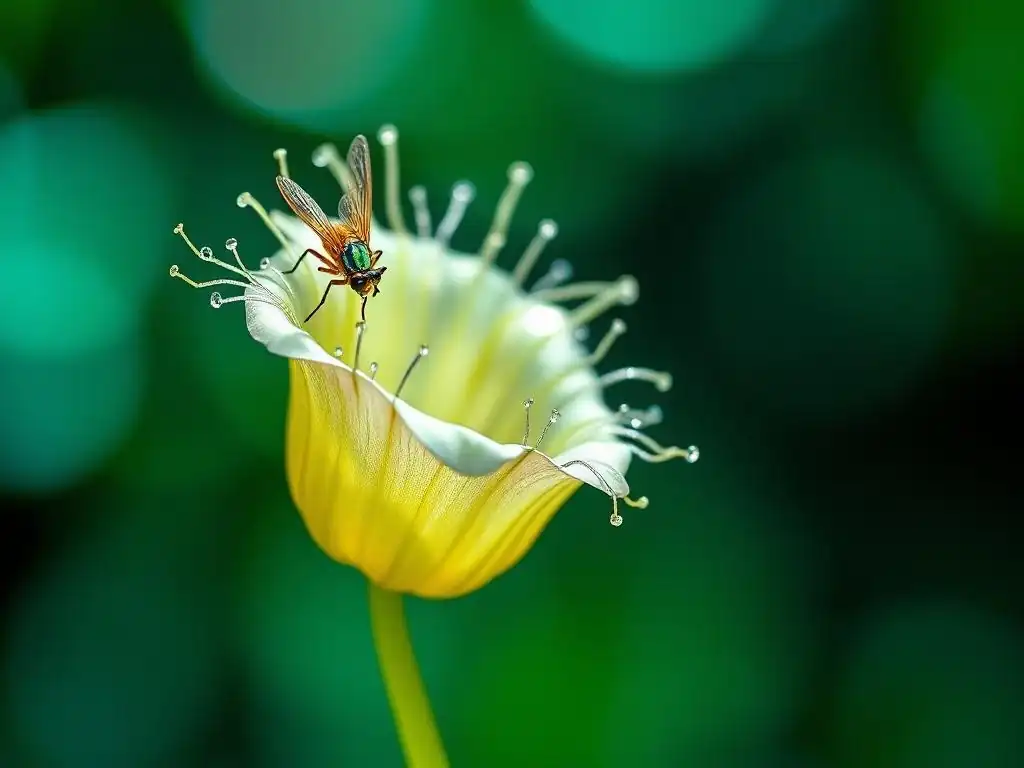
Utricularia graminifolia is a true carnivorous plant, and its diet in an aquarium consists exclusively of microscopic aquatic organisms. Its primary prey includes protozoa, rotifers, and the larval stages of tiny crustaceans such as copepods and daphnia. These minuscule organisms are ubiquitous in a healthy, established aquarium ecosystem, often thriving in the substrate and water column. UG does not consume fish food, fish waste, or larger invertebrates; its bladder traps are simply too small for anything larger than microscopic prey.
The plant's specialized bladders, located on its rhizoids, operate by creating a vacuum. When a microscopic organism triggers sensitive hairs near the trap's opening, the bladder rapidly expands, sucking in water and the unfortunate prey. This unique feeding mechanism allows UG to supplement its nutrient uptake, particularly nitrogen and phosphorus, from its living environment, making it a fascinating addition to any planted tank and a key aspect of its overall Ug carnivorous plant care.
How to Ensure Adequate Food Supply for UG
In most well-established and thriving freshwater aquariums, there is naturally a sufficient population of microscopic organisms to satisfy Utricularia graminifolia's carnivorous needs. A balanced ecosystem with a healthy microbiome, including beneficial bacteria and micro-invertebrates, will naturally provide a continuous supply of prey. Over-filtration that excessively strips the water of all microfauna, or the use of harsh chemical treatments, should be avoided as they can reduce the natural prey base.
Aquarists do not typically need to "feed" their UG directly, as its microscopic diet is self-sustaining in a healthy tank. Focusing on maintaining optimal water parameters, consistent nutrient dosing, and a stable environment will naturally support both the plant's growth and the microfauna it preys upon. This integrated approach to Ug carnivorous plant care ensures that the plant's unique carnivorous habits are naturally accommodated within the aquarium.
Tank Mates and UG: Choosing Compatible Species
Selecting Fish and Invertebrates that Won't Harm UG
Choosing appropriate tank mates is crucial for the long-term success of a Utricularia graminifolia carpet. Ideal companions are small, peaceful fish that are not known for digging or consuming plants. Excellent choices include various species of Tetras (e.g., Neon Tetras, Rummy Nose Tetras), Rasboras (e.g., Chili Rasboras, Harlequin Rasboras), and small, bottom-dwelling algae eaters like Otocinclus Catfish ( Otocinclus affinis). These species are gentle and unlikely to disturb the delicate UG carpet.
Invertebrates such as Amano shrimp ( Caridina multidentata) and various Neocaridina shrimp species (e.g., Red Cherry Shrimp) are also highly compatible. They are excellent algae grazers and will not harm UG. Small, peaceful snails like Nerite snails ( Neritina natalensis) can also be beneficial algae cleaners. Selecting these types of tank mates ensures that your Ug carnivorous plant care efforts are not undermined by disruptive or herbivorous species.
Avoiding Species that Compete with UG for Resources
To ensure the optimal growth and carpeting of Utricularia graminifolia, it is important to avoid tank mates that might inadvertently damage the plant or compete for vital resources. Large, boisterous fish or those that are known to dig in the substrate (e.g., larger Cichlids, some species of Corydoras, or Goldfish) can easily uproot or damage the delicate UG carpet, especially when it is newly established. Similarly, known plant-eating fish, such as Silver Dollars ( Metynnis argenteus) or some larger Gouramis, should be entirely avoided.
While some bottom dwellers like certain loaches might be considered, their constant sifting behavior can disturb the fine roots of UG, potentially leading to melting or slow growth. The best approach for successful Ug carnivorous plant care is to prioritize peaceful, small, and non-destructive species that will coexist harmoniously with this sensitive carnivorous plant, allowing it to flourish and form a dense carpet.
Advanced Utricularia Graminifolia Care Techniques
Aquascaping with UG: Creating Stunning Layouts
Incorporating UG into Different Aquascaping Styles
Utricularia graminifolia is a highly versatile plant for aquascaping, capable of enhancing various design styles. In a Nature Aquarium layout, UG excels as a foreground carpet, mimicking lush grassy fields or mossy undulations, often contrasting beautifully with intricate driftwood and rock formations. Its fine texture and vibrant green provide a natural, serene aesthetic that is characteristic of this style.
For Iwagumi layouts, where the focus is on rock formations, UG can form a breathtaking, uniform green carpet that highlights the rugged beauty of the stones, creating an impactful sense of scale and depth. While less common in densely planted Dutch Aquascapes, UG can be used as a unique, low-growing mid-ground filler, offering textural contrast to taller stem plants. Mastering its integration requires advanced Ug carnivorous plant care and a keen eye for design.
Maximizing Visual Impact with a UG Carpet
To maximize the visual impact of a Utricularia graminifolia carpet, strategic planning and meticulous maintenance are essential. Creating an illusion of depth can be achieved by planting UG in slight undulations or varying thicknesses, giving the impression of a receding landscape. Pairing the fine texture of UG with larger-leaved plants in the mid-ground or background, such as Bucephalandra species or Rotala, creates compelling textural contrast that draws the eye.
Regular and precise trimming is crucial for maintaining a manicured and aesthetically pleasing carpet. Using curved scissors to follow the contours of your scape ensures clean lines and prevents the carpet from becoming too thick, which can lead to shading and melting of lower layers. A pristine, well-maintained UG carpet is a testament to dedicated Ug carnivorous plant care and elevates the entire aquascape to a work of art.
Monitoring and Adjusting Parameters for Long-Term Success
Regular Testing and Adjustments for Optimal Health
Long-term success with Utricularia graminifolia hinges on continuous monitoring and precise adjustments of aquarium parameters. Regular water testing, ideally weekly or bi-weekly, for pH, GH, KH, nitrates, and phosphates is crucial. A CO2 drop checker should always be present to confirm consistent CO2 levels, aiming for a stable lime green indication (around 30 ppm). If nitrates or phosphates consistently read zero, it's a sign to increase macro fertilizer dosing; conversely, if they are too high, larger or more frequent water changes are needed.
Periodically assessing light intensity with a PAR meter (if available) or by observing plant growth is also beneficial. Signs of too much light include excessive algae, while too little leads to pale, stunted growth. These proactive measures allow aquarists to fine-tune their environment, ensuring optimal conditions and preventing issues before they become severe, a hallmark of advanced Ug carnivorous plant care.
Maintaining a Stable Environment for Utricularia Graminifolia
Stability is paramount for Utricularia graminifolia. Sudden fluctuations in temperature, pH, CO2, or nutrient levels can severely stress the plant and lead to melting or stunted growth. To maintain a stable environment, consider implementing automated dosing pumps for liquid fertilizers, which ensure precise and consistent nutrient delivery. For those seeking ultimate control over water parameters, using RO/DI (Reverse Osmosis/Deionized) water and remineralizing it to specific GH/KH targets can provide unparalleled stability.
Adhering to a strict maintenance schedule, including regular water changes (e.g., 30-50% weekly), filter cleaning, and light trimming, helps prevent nutrient imbalances and ensures a clean, healthy habitat. A stable environment minimizes stress on the UG, allowing it to channel its energy into robust growth and carpeting, which is the ultimate goal of comprehensive Ug carnivorous plant care.
Troubleshooting Utricularia Graminifolia Growth Problems
Slow Growth or No Growth: Diagnosing the Issue
When Utricularia graminifolia exhibits slow growth or no growth at all, it's a clear indication that one or more critical environmental factors are suboptimal. The most common culprit is insufficient CO2; without adequate carbon, photosynthesis is severely limited. Check your CO2 drop checker – if it's blue or dark green, increase your CO2 injection until it consistently registers a lime green color (25-35 ppm).
Another frequent issue is low light. UG is a high-light plant, requiring PAR values typically above 60 μmol/m²/s at the substrate. Ensure your lighting fixture is powerful enough and that the photoperiod is between 8-10 hours.
Nutrient deficiencies can also stunt growth. If your nitrates and phosphates are consistently zero, it's time to increase your macro fertilizer dosing. Ensure a comprehensive micronutrient mix, especially iron, is also available. Lastly, poor water flow can prevent CO2 and nutrients from reaching the entire carpet, leading to patchy or slow growth. Adjust filter outflow or add a small powerhead to create gentle, even circulation across the substrate. Addressing these factors systematically is crucial for effective Ug carnivorous plant care.
Yellowing Leaves: Identifying Nutrient Deficiencies
Yellowing leaves on Utricularia graminifolia are a common sign of nutrient deficiencies, and the pattern of yellowing can often pinpoint the missing element. If older, lower leaves are turning uniformly yellow or pale, it typically indicates a Nitrogen (N) deficiency. Nitrogen is a mobile nutrient, meaning the plant moves it from older growth to support new growth, leaving older leaves depleted. Increasing your nitrate dosing will usually resolve this.
Conversely, if newer leaves or the growing tips are pale, yellow, or almost white, it often points to an Iron (Fe) deficiency. Iron is a crucial micronutrient for chlorophyll production and is immobile within the plant, so new growth suffers first. Ensure your comprehensive micronutrient fertilizer is being dosed adequately. Overall fading or a general pale green hue across the plant can also indicate insufficient light, leading to a general decline in health. Regular water testing and a balanced fertilization regimen are key for preventing and treating these issues in Ug carnivorous plant care.
UG Not Spreading: Encouraging Carpet Formation
If your Utricularia graminifolia is not spreading to form a dense carpet, it indicates that the conditions for vigorous runner production are not met. The two most critical factors for spreading are consistent, high CO2 levels (25-35 ppm) and sufficient light intensity (60-100 PAR). These power the plant's metabolic processes, enabling it to produce the energy needed for extensive horizontal growth. Without them, UG will simply grow vertically or slowly, if at all.
Beyond CO2 and light, a balanced supply of all macro and micronutrients is essential. A deficiency in any key element, particularly phosphorus or potassium, can limit the plant's ability to produce new runners and establish a dense mat. Ensure you are using a nutrient-rich aquasoil substrate, as it provides a stable and accessible nutrient source for the rhizoids.
Finally, good water flow across the substrate is vital, ensuring that CO2 and nutrients are delivered evenly to the entire carpet, encouraging uniform spread. Patience is also critical; even with perfect Ug carnivorous plant care, a full carpet can take several months to establish.
The Rewards of Mastering Utricularia Graminifolia Care
Achieving a Beautiful and Healthy UG Carpet
The journey of cultivating Utricularia graminifolia is undoubtedly challenging, but the reward of achieving a beautiful and healthy carpet is immensely satisfying. A dense, vibrant green UG carpet transforms the aquarium into a breathtaking natural landscape, providing a stunning foreground that captivates viewers. Its fine texture and lush appearance create a serene and natural aesthetic, mimicking an underwater meadow that brings a unique sense of tranquility to any space.
Successfully growing UG is often considered a hallmark of advanced aquascaping skill. The visual spectacle of a thriving UG carpet not only enhances the overall beauty of the aquascape but also serves as a testament to the aquarist's dedication, precision, and mastery of complex planted tank techniques. It is a tangible representation of successful Ug carnivorous plant care.
The Satisfaction of Growing a Carnivorous Plant
Beyond its aesthetic appeal, there's a profound satisfaction in cultivating Utricularia graminifolia due to its unique carnivorous nature. Knowing that you are nurturing a true predatory plant within your freshwater aquarium adds an extraordinary layer of fascination and intrigue to the hobby. Observing its delicate structure and understanding its intricate bladder traps provides a captivating educational experience, deepening one's appreciation for the diversity and adaptability of aquatic botany.
Overcoming the specific challenges associated with Ug carnivorous plant care to achieve a thriving carpet offers immense personal satisfaction and a strong sense of accomplishment. It is a rewarding endeavor that connects the aquarist more deeply with the biological wonders of the aquatic world, making the entire experience more engaging and fulfilling.
Contributing to a Thriving Aquarium Ecosystem
A healthy, flourishing carpet of Utricularia graminifolia contributes significantly to the overall well-being and stability of the aquarium ecosystem. Like all aquatic plants, UG actively performs photosynthesis, releasing vital oxygen into the water, which benefits fish and other inhabitants. This increased oxygenation helps maintain a healthy aquatic environment.
Furthermore, UG plays a crucial role in nutrient cycling by absorbing excess nitrates and other waste products from the water column and substrate. This absorption helps maintain stable water parameters, reduces the frequency of large water changes, and naturally suppresses algae growth by outcompeting it for nutrients. A dense UG carpet also provides shelter and foraging grounds for small fish and invertebrates, contributing to a more balanced and robust ecosystem within the tank. Ultimately, successful Ug carnivorous plant care not only beautifies the aquarium but also fosters a healthier, more stable, and thriving aquatic environment.
Frequently Asked Questions
What exactly is Utricularia graminifolia (UG), and why is it considered a challenge in aquariums?
UG, or Utricularia graminifolia, is a carnivorous aquatic plant often used as a carpet in aquariums. It's challenging due to its specific needs for light, CO2, and nutrients. It can be difficult to establish and maintain a thriving carpet.
Is UG suitable for both freshwater and saltwater aquariums?
No, Utricularia graminifolia is exclusively a freshwater plant. Attempting to grow it in saltwater will result in its demise. It requires a specific freshwater environment to thrive.
What are the key factors to consider for successful Utricularia graminifolia care in an aquarium?
The most important factors are intense lighting, CO2 injection, and a nutrient-rich substrate. Consistent water parameters and proper fertilization are also critical. Failure to meet these requirements leads to poor growth or death.
How does the carnivorous nature of UG affect its care requirements in an aquarium setting?
While UG is carnivorous, it primarily relies on photosynthesis for energy. The bladders trap tiny organisms, but these are not essential for survival. Proper fertilization is still necessary to supplement its nutrient needs.
What are some common problems aquarists face when trying to grow Utricularia graminifolia, and how can they be addressed?
Common problems include algae growth, melting, and poor growth. Addressing these involves optimizing lighting, CO2 levels, and nutrient balance. Regular water changes and algae control are also crucial.
Okay, here's a final reflection designed to conclude your article "Utricularia Graminifolia (UG): The Carnivorous Carpet Plant Challenge," optimized for the keyword "Ug carnivorous plant care" and following the structure you requested:
Final Reflection: Cultivating Patience and Wonder with UG
The journey of cultivating Utricularia graminifolia is undeniably challenging, as we've explored, but the rewards are equally profound. The delicate balance required for successful UG carnivorous plant care mirrors the broader challenges we face in nurturing any fragile ecosystem, be it in our homes or the wider world. The lessons learned in coaxing this miniature marvel to thrive extend far beyond the confines of a planted aquarium.
The allure of Utricularia graminifolia lies not just in its carnivorous nature, but in its ability to transform a simple tank into a vibrant, living tapestry. My own experience with UG has taught me the value of patience and observation, reminding me that true beauty often emerges from dedication and careful attention. The best things in life are often unseen, that's why we close our eyes when we kiss, laugh, and dream.
This quote resonates deeply with the subtle beauty of a thriving UG carpet, a testament to the unseen processes of nature unfolding before our very eyes.
Now, as you embark on your own Utricularia graminifolia adventure, remember the principles we've discussed. Embrace the challenge, learn from your mistakes, and above all, appreciate the delicate beauty of this extraordinary plant. Let the pursuit of successful UG carnivorous plant care not only enrich your aquascape but also inspire a deeper appreciation for the intricate wonders of the natural world around you.
Ignite Your Aquarium: Dare to Cultivate the Elusive UG?
Thank you for diving into the world of Utricularia graminifolia and exploring its captivating beauty and unique challenges. We hope this article has provided you with the knowledge and inspiration to consider adding this carnivorous carpet to your aquarium. Now, let’s put that knowledge into action!
Here are a few steps you can take right now:
- Plan Your UG Layout: Sketch out a detailed design for your tank, incorporating the specific substrate, lighting, and CO2 you'll need to foster the UG's growth. Consider how it will complement your existing plants and hardscape.
- Explore Alternative Carpeting Plants: Research other aquarium carpeting plants, like dwarf hairgrass or Hemianthus callitrichoides 'Cuba', and evaluate if they better suit your current tank setup and experience level before fully committing to UG.
- Share Your UG Dreams: Start a thread on a planted aquarium forum or social media group detailing your plan to cultivate Utricularia graminifolia. Outline your specific setup, anticipated challenges, and expected timeline to gather support and advice from experienced aquascapers.
What unique trick will you employ to finally master the art of cultivating a thriving Utricularia graminifolia carpet?