
Gracilaria's Delicate Cousin: Understanding Caulerpa's Unique Needs & Benefits


Welcome to Aquarium Mastery!
Dive into the fascinating world of macroalgae with us! Ever heard of Caulerpa and wondered how to unlock its full potential in your aquarium? This vibrant, yet sometimes misunderstood, algae can be a fantastic addition to your reef or refugium. But mastering Caulerpa requires a special touch. Are you ready to discover the secrets to thriving Caulerpa tank care and create a flourishing aquatic ecosystem? Let's explore the unique needs and surprising benefits this "delicate cousin" of Gracilaria has to offer!
- Introduction to Caulerpa: A Saltwater Macroalgae Overview
- Essential Caulerpa Tank Care Tips for a Thriving Aquarium
- Mastering Caulerpa Care: Preventing Common Problems
- Caulerpa and Nutrient Control: A Natural Filtration Method
- Selecting the Right Caulerpa Species for Your Aquarium
- Propagating Caulerpa: Expanding Your Macroalgae Collection
- Benefits of Caulerpa in the Saltwater Aquarium Ecosystem
- Troubleshooting Common Caulerpa Issues: A Quick Guide
- Conclusion: Embracing Caulerpa for a Vibrant Saltwater Aquarium
-
Frequently Asked Questions
- What are the key differences between Gracilaria and Caulerpa macroalgae in an aquarium setting?
- What are the primary benefits of keeping Caulerpa in a saltwater aquarium?
- What are some potential downsides or risks associated with keeping Caulerpa in an aquarium?
- What specific water parameters are crucial for maintaining healthy Caulerpa growth in a reef tank?
- How can aquarists effectively manage and control Caulerpa growth to prevent it from becoming invasive?
- Final Reflection: Cultivating Underwater Gardens
- Unveil the Secrets of Caulerpa Cultivation!
Introduction to Caulerpa: A Saltwater Macroalgae Overview
What is Caulerpa and Why Choose It for Your Saltwater Aquarium?
Caulerpa is a genus of green marine macroalgae, often recognized by its vibrant green coloration and diverse forms, which can resemble grapes, feathers, or broad blades. Unlike most plants, Caulerpa is coenocytic, meaning it is essentially a single, giant cell with multiple nuclei, forming a complex thallus that can spread rapidly via stolons (runners). Found predominantly in tropical and subtropical waters worldwide, its unique structure allows for efficient nutrient uptake and rapid growth, making it a popular, albeit sometimes challenging, addition to saltwater aquariums.
Aquarists often choose Caulerpa for its exceptional ability to absorb dissolved nitrates and phosphates from the water column, acting as a highly effective natural filter. Beyond nutrient export, it provides a lush, naturalistic aesthetic, offers shelter for beneficial microfauna like copepods and amphipods, and serves as a valuable food source for herbivorous fish. While requiring attentive Caulerpa tank care tips, its benefits for maintaining water quality and enhancing biodiversity make it a compelling choice for many marine setups.
Caulerpa vs. Gracilaria: Key Differences for Aquarium Enthusiasts
While both Caulerpa and Gracilaria are popular macroalgae used in saltwater aquariums for nutrient export, they differ significantly in their structure, growth habits, and care requirements. Gracilaria is a multicellular, filamentous red macroalgae, typically growing in bushy clumps or strands. It tends to be less invasive and more easily contained than Caulerpa, making it a favored choice for refugiums where its growth can be more predictably managed.
In contrast, Caulerpa's coenocytic structure allows it to spread rapidly via stolons that can quickly colonize substrate and rockwork, often necessitating more aggressive pruning. Caulerpa also carries the unique risk of "going sexual" (sporulation), a process where it releases gametes, leading to a rapid die-off and potential nutrient spike if not managed. Understanding these fundamental differences is crucial for effective Caulerpa tank care tips and choosing the right macroalgae for your specific aquarium needs.
Essential Caulerpa Tank Care Tips for a Thriving Aquarium
Setting Up Your Caulerpa Aquarium: Tank Size and Equipment Recommendations
When integrating Caulerpa into your saltwater system, the tank size and accompanying equipment play a crucial role in its success. While Caulerpa can thrive in a dedicated refugium as small as 10-20 gallons, its nutrient export capabilities are most beneficial in larger main display tanks (50 gallons and up) or correspondingly sized sumps. A stable environment is paramount, ensuring the macroalgae has ample space to spread without immediately overwhelming other inhabitants.
Essential equipment includes a stable, moderate water flow to prevent detritus accumulation and ensure nutrient delivery, but not so strong as to uproot the macroalgae. A suitable substrate, such as a shallow sand bed or rubble, allows the Caulerpa to anchor its stolons. Most importantly, a dedicated light source with the correct spectrum and intensity is vital, especially if the Caulerpa is housed in a refugium, as consistent illumination is a cornerstone of effective Caulerpa tank care tips.
Optimal Water Parameters for Caulerpa Growth: Temperature, Salinity, and Lighting
Maintaining stable water parameters is critical for robust Caulerpa growth and preventing issues like melting or sporulation. Caulerpa generally thrives in typical reef tank conditions: temperatures between 74-82°F (23-28°C), salinity levels of 1.023-1.026 specific gravity, and a stable pH ranging from 8.0 to 8.4. Fluctuations in these parameters can stress the macroalgae, triggering undesirable reactions.
While Caulerpa consumes nitrates and phosphates, some baseline level of these nutrients is necessary for its sustained growth. Aim for nitrates typically below 10 ppm (ideally 0-5 ppm) and phosphates below 0.03 ppm. Regular monitoring of these levels, along with trace elements like iron, is an important aspect of Caulerpa tank care tips. If nutrient levels drop too low, especially in ultra-low nutrient systems, the Caulerpa may begin to decline, indicating a need for careful nutrient management.
Providing Adequate Lighting for Caulerpa in Saltwater Tanks
Lighting is one of the most critical factors for successful Caulerpa growth and is a key component of effective Caulerpa tank care tips. Caulerpa, being a photosynthetic organism, requires adequate light intensity and spectrum to thrive. Full-spectrum lighting with a bias towards the blue and red ends of the spectrum (typically 6500K to 20000K) is generally recommended. For a refugium, a dedicated grow light or an LED fixture designed for plant growth is often ideal.
The Photosynthetically Active Radiation (PAR) levels required for Caulerpa typically range from 50 to 150 PAR, depending on the species and depth. A consistent photoperiod is also vital; for refugiums, a reverse daylight cycle (lights on when the main display lights are off) is often employed. This helps stabilize pH and oxygen levels in the aquarium overnight by having the macroalgae consume CO2 and release O2 when the main display's photosynthetic activity is absent.
Mastering Caulerpa Care: Preventing Common Problems
Understanding Caulerpa's Growth Habits: Managing Rapid Expansion
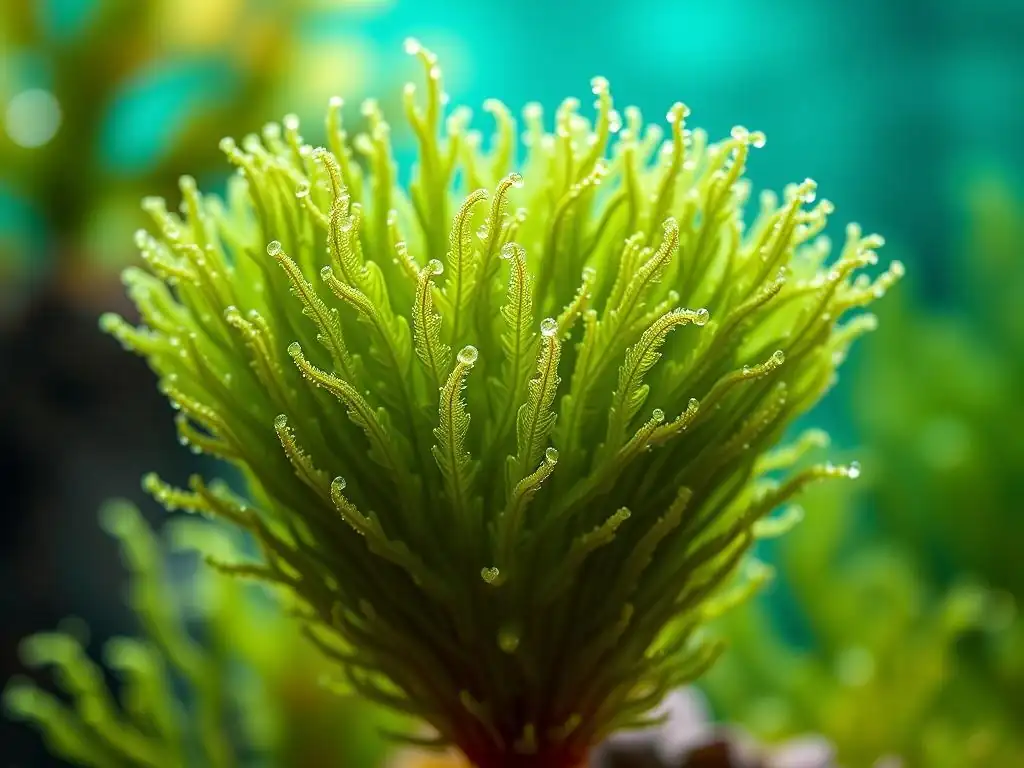
Caulerpa's rapid growth rate, while beneficial for nutrient export, also presents a significant management challenge for aquarists. Its ability to quickly spread via stolons can lead to it outcompeting and overgrowing corals, anemones, and other sessile invertebrates if left unchecked. In a nutrient-rich environment, Caulerpa can double its biomass in a matter of weeks, necessitating diligent intervention.
Regular pruning is therefore a non-negotiable aspect of Caulerpa tank care tips. Depending on the species and nutrient load of your tank, this could mean harvesting 25-50% of the biomass weekly or bi-weekly. This not only prevents overgrowth but also removes absorbed nutrients from the system, effectively exporting them. Strategies like confining Caulerpa to a specific area with physical barriers or dedicating it to a refugium can help manage its expansive nature.
Preventing Caulerpa From Going Sexual: Identifying and Addressing the Risks
One of the most concerning issues with Caulerpa is its tendency to "go sexual," a process where the entire colony releases its gametes and spores into the water column, leading to a rapid and complete die-off. This event can cause a massive nutrient spike, cloudiness, and a drastic drop in oxygen levels, potentially devastating a reef tank. Triggers often include sudden, significant changes in water parameters such as temperature, salinity, pH, or light intensity, as well as severe nutrient depletion.
To prevent this, consistent water parameters are paramount. Avoid drastic changes during water changes or equipment malfunctions. Regular, consistent pruning helps keep the Caulerpa young and vibrant, reducing the likelihood of older, mature sections initiating sporulation. If you notice signs of Caulerpa turning pale, whitish, or releasing a milky substance, immediately remove as much of the affected macroalgae as possible to minimize the impact on your system. This proactive approach is a critical Caulerpa tank care tip.
Dealing with Nutrient Imbalances: Maintaining a Healthy Caulerpa Ecosystem
While Caulerpa is lauded for its nutrient-consuming capabilities, both nutrient excess and deficiency can lead to problems. In systems with very low nutrient levels (e.g., ultra-low nutrient SPS tanks), Caulerpa may struggle to grow, exhibiting pale coloration or melting due to insufficient nitrates and phosphates. Conversely, excessively high nutrient levels can lead to such explosive growth that it becomes unmanageable, potentially going sexual due to rapid biomass accumulation.
Maintaining a delicate balance is key. Regular testing of nitrates and phosphates will help you gauge the health of your Caulerpa and the overall nutrient status of your tank. If nutrient levels are consistently undetectable, consider increasing feeding or reducing other nutrient export methods temporarily. If Caulerpa appears pale or stunted despite adequate main nutrients, a lack of trace elements like iron or iodine might be the cause, which can be remedied with a quality marine trace element supplement as part of comprehensive Caulerpa tank care tips.
Caulerpa and Nutrient Control: A Natural Filtration Method
Utilizing Caulerpa for Nitrate and Phosphate Reduction in Marine Aquariums
Caulerpa is highly valued in the marine aquarium hobby for its exceptional ability to naturally reduce nitrates and phosphates. As a photosynthetic organism, it directly absorbs these dissolved nutrients from the water column, incorporating them into its rapidly growing biomass. This process, known as nutrient export, effectively removes compounds that would otherwise fuel nuisance algae growth and contribute to poor water quality.
The efficiency of Caulerpa as a nitrate and phosphate reducer is directly tied to its growth rate and the frequency of harvesting. A healthy, vigorously growing Caulerpa bed in a refugium can process a significant amount of nutrients; for instance, a well-established colony in a 20-gallon refugium might reduce nitrate levels in a 100-gallon display tank by 5-10 ppm per week, depending on the bioload. Regular removal of pruned Caulerpa biomass physically takes these absorbed nutrients out of the system, preventing their re-release.
Caulerpa's Role in Maintaining Water Quality: A Biological Filtration Powerhouse
Beyond just nitrates and phosphates, Caulerpa plays a broader role in maintaining overall water quality, acting as a multifaceted biological filtration powerhouse. Through its metabolic processes, it also uptakes other undesirable organic compounds and contributes to the reduction of dissolved organic carbon (DOC), which can otherwise lead to yellowing water and reduced light penetration.
Furthermore, during its photosynthetic cycle in the daytime, Caulerpa releases oxygen into the water, helping to maintain stable dissolved oxygen levels, especially beneficial during the night when the main display tank's inhabitants consume oxygen. This oxygenation also helps buffer pH swings, as the consumption of CO2 by the macroalgae elevates pH. This comprehensive contribution to water chemistry makes Caulerpa a highly effective and natural method for enhancing the health and stability of a marine aquarium, a core tenet of advanced Caulerpa tank care tips.
Balancing Caulerpa Growth with Other Filtration Methods
While Caulerpa is an excellent natural filter, it is most effective when integrated as part of a comprehensive filtration strategy, rather than a standalone solution. It complements mechanical filtration, such as protein skimmers and filter socks, which remove particulate organic waste before it breaks down into dissolved nutrients. It also works in conjunction with chemical filtration media like activated carbon or GFO (Granular Ferric Oxide) that target specific pollutants.
For optimal water quality, many aquarists combine a robust protein skimmer with a Caulerpa-filled refugium. The skimmer removes larger organic molecules, while the Caulerpa handles the dissolved nitrates and phosphates. Live rock in the display tank and sump also contributes to biological filtration by housing nitrifying and denitrifying bacteria. Monitoring your tank's specific nutrient levels will help you fine-tune the balance between Caulerpa harvest rates and the use of other filtration methods, ensuring the most effective Caulerpa tank care tips.
Selecting the Right Caulerpa Species for Your Aquarium
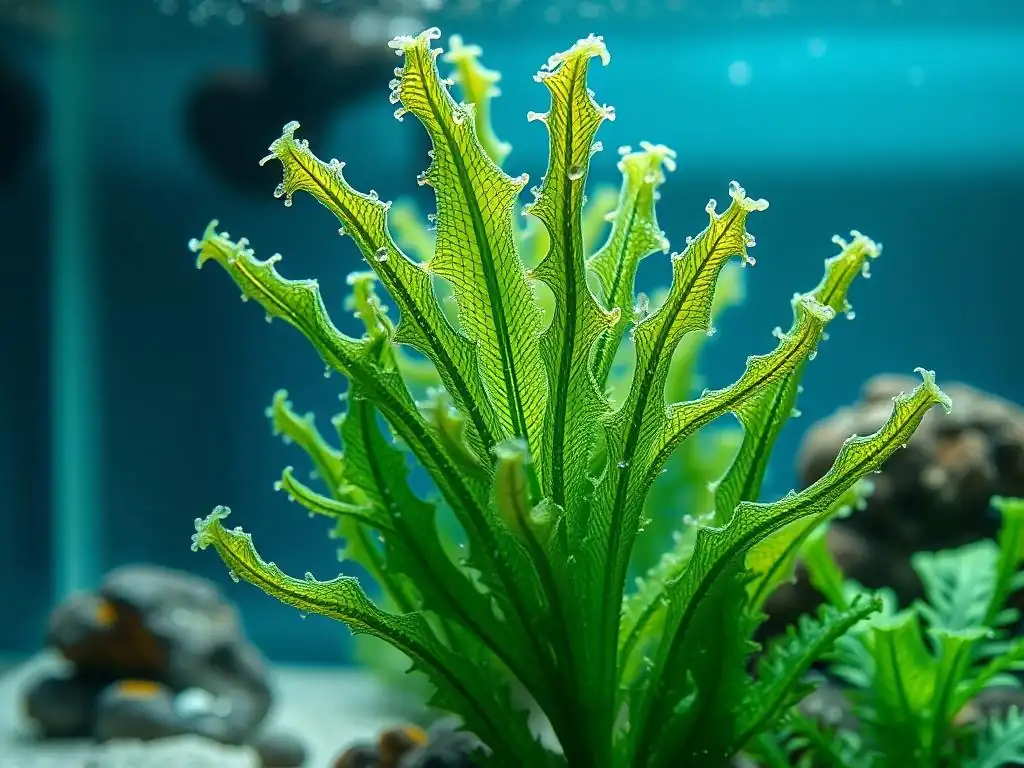
Popular Caulerpa Varieties for Saltwater Aquariums: Caulerpa prolifera, Caulerpa racemosa, and Caulerpa taxifolia
Several species of Caulerpa are commonly encountered in the aquarium hobby, each with distinct growth habits and considerations for Caulerpa tank care tips. Caulerpa prolifera is a popular choice, characterized by its blade-like fronds that resemble grass. It generally has a moderate growth rate and is considered less invasive than some other species, making it suitable for both refugiums and careful integration into display tanks.
Caulerpa racemosa, often called "grape Caulerpa" due to its spherical, grape-like fronds, is another widely used variety. It is known for its very rapid growth and high efficiency in nutrient export, making it excellent for refugiums. However, Caulerpa taxifolia, with its feather-like fronds, is highly invasive and has become a notorious pest in some natural environments. Due to its aggressive nature and potential to outcompete corals, it is generally not recommended for home aquariums and is even banned in certain regions, highlighting the importance of responsible species selection.
Considering Caulerpa's Growth Rate and Potential Impact on Your Tank
The growth rate of a specific Caulerpa species is a critical factor when choosing which variety to introduce into your aquarium. Faster-growing species, such as Caulerpa racemosa, are highly effective at absorbing large quantities of nitrates and phosphates, making them ideal for systems with a high bioload or chronic nutrient issues. However, their rapid expansion necessitates very frequent and diligent pruning to prevent them from overgrowing the tank or going sexual due to overcrowding.
Conversely, slower-growing Caulerpa species, like some forms of Caulerpa prolifera, might be preferred for display tanks where aesthetics and control are more of a priority. While they still provide nutrient export, their slower expansion makes them easier to manage visually and less likely to become invasive. Matching the Caulerpa's growth rate to your tank's specific needs and your willingness to perform regular maintenance is a key aspect of successful Caulerpa tank care tips.
Choosing Caulerpa Based on Your Aquarium's Specific Needs
The selection of a Caulerpa species should align directly with your aquarium's specific goals and characteristics. If your primary objective is aggressive nutrient export in a dedicated refugium, a fast-growing and robust species like Caulerpa racemosa might be the most effective choice, provided you are committed to its regular pruning and harvesting. Its rapid biomass accumulation means more nutrients are locked away and removed from the system.
For aquarists looking to add a touch of natural beauty to their display tank while still benefiting from some nutrient uptake, a less aggressive species like Caulerpa prolifera (ensuring it's a non-invasive strain) might be more suitable. It offers aesthetic appeal without the same level of invasive risk. Always research the specific strain of Caulerpa you intend to acquire, as even within a species, variations in growth and behavior can exist, making informed selection vital for effective Caulerpa tank care tips.
Propagating Caulerpa: Expanding Your Macroalgae Collection
Simple Methods for Caulerpa Propagation in Saltwater Aquariums
Caulerpa is remarkably easy to propagate, primarily through fragmentation, making it simple to expand your macroalgae collection or share with fellow hobbyists. Its unique coenocytic structure allows almost any healthy piece of its stolon (runner) with a few fronds attached to regenerate into a new, complete colony. This inherent ability to regrow from fragments is why it can be so successful in spreading, both in aquariums and, unfortunately, in natural environments.
The most common and straightforward method involves simply cutting a section of the Caulerpa stolon. You don't need specialized equipment; clean scissors or a razor blade are sufficient. Ensure the cut piece is healthy and vibrant, as damaged or decaying sections are less likely to propagate successfully. This ease of propagation is a double-edged sword: it simplifies expansion but also underscores the need for diligent Caulerpa tank care tips to prevent uncontrolled spread.
Creating New Caulerpa Colonies: A Step-by-Step Guide
Creating new Caulerpa colonies is a simple process. First, identify a healthy, mature section of Caulerpa in your existing culture. Using clean, sharp scissors or a razor blade, carefully cut a section of the stolon that includes at least two to three healthy fronds. Aim for a piece that is a few inches long to give it a good start.
Next, gently place the freshly cut frag in its desired location within your aquarium or refugium. It can be tucked into a crevice in your live rock, laid on a sand bed where it can attach, or even secured with a small rubber band or frag plug if you want to keep it stationary. Ensure the new frag receives adequate light and moderate water flow.
Within a few days to a week, you should observe the stolon beginning to anchor itself and new fronds emerging, signifying the establishment of a new colony. This simple propagation method is a core part of managing Caulerpa tank care tips.
Maintaining Genetic Diversity in Your Caulerpa Cultures
While Caulerpa propagates readily through fragmentation, relying solely on asexual reproduction from a single source can, over long periods, lead to a decline in genetic diversity within your cultures. This might theoretically make the macroalgae more susceptible to specific diseases, environmental stressors, or a gradual reduction in growth vigor over many generations. However, for the average hobbyist, this is rarely a significant concern given the robust nature of Caulerpa.
For large-scale aquaculture or very long-term cultivation, periodically introducing new, healthy Caulerpa from a reputable and distinct source can help maintain genetic vigor and resilience. This practice helps ensure that your macroalgae remains robust and continues to perform its nutrient export functions effectively. For most home aquarists, focusing on optimal Caulerpa tank care tips through consistent water parameters and regular harvesting is more impactful than genetic diversity concerns.
Benefits of Caulerpa in the Saltwater Aquarium Ecosystem
Caulerpa as a Food Source for Herbivorous Fish and Invertebrates
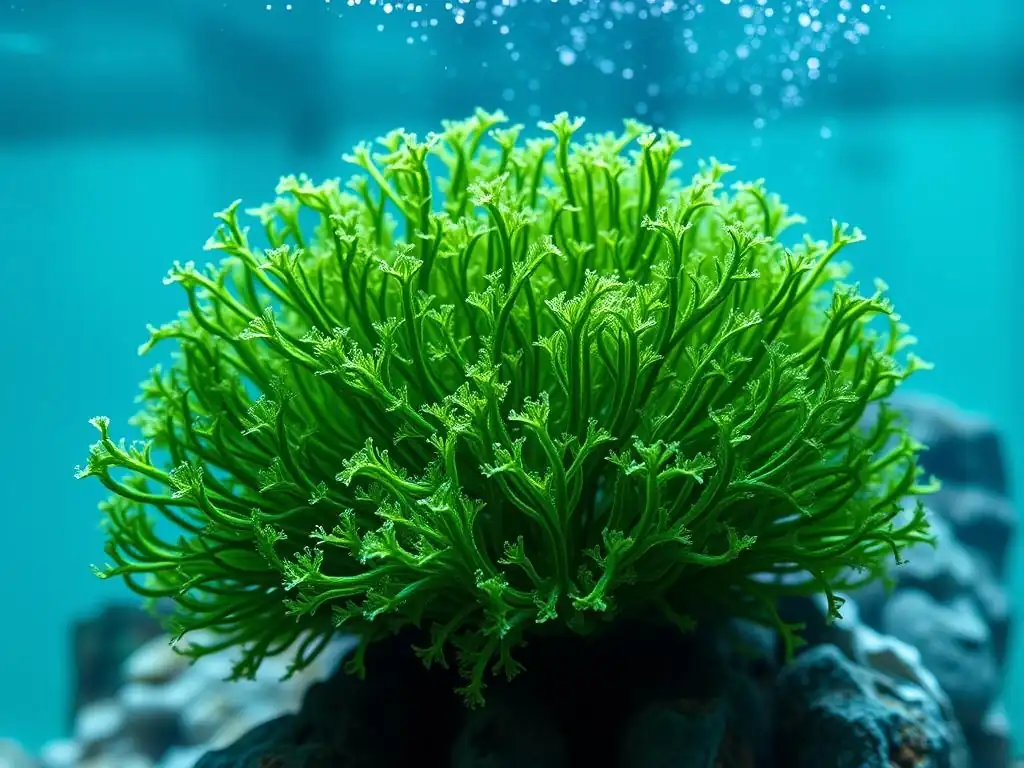
One of the significant benefits of incorporating Caulerpa into a saltwater aquarium is its role as a natural food source for many herbivorous marine inhabitants. Tangs, such as the popular Yellow Tang ( Zebrasoma flavescens) and various surgeonfish, readily graze on Caulerpa, providing them with essential roughage and supplementing their diet. This natural foraging behavior can reduce aggression and promote healthier digestive systems in these fish.
Beyond fish, certain invertebrates like hermit crabs and some species of snails will also consume Caulerpa, contributing to the natural clean-up crew. While Caulerpa alone is not a complete diet, offering it as a living food source enriches the aquarium environment, provides continuous foraging opportunities, and encourages more natural behaviors in your aquatic livestock. This contribution to the food web is a valuable aspect of comprehensive Caulerpa tank care tips.
Caulerpa's Contribution to a Healthy and Balanced Aquarium
Caulerpa's primary contribution to a healthy and balanced aquarium lies in its unparalleled ability to perform nutrient export. By actively absorbing dissolved nitrates and phosphates, it directly competes with and suppresses the growth of undesirable nuisance algae, such as hair algae, diatoms, and dinoflagellates. This natural competition helps maintain cleaner water and prevents unsightly outbreaks that can plague marine tanks.
Furthermore, a thriving Caulerpa bed provides a vital microhabitat for beneficial copepods and amphipods. These tiny crustaceans graze on detritus and microalgae, contributing to the tank's cleanliness, and crucially, serve as an excellent natural food source for finicky eaters like Mandarin Dragonets ( Synchiropus splendidus) and other small, predatory fish. This holistic benefit makes Caulerpa a powerful tool in achieving a stable and thriving reef ecosystem.
Aesthetic Appeal: Enhancing Your Aquarium with Caulerpa's Unique Appearance
Beyond its functional benefits, Caulerpa also offers significant aesthetic appeal, enhancing the visual beauty of a saltwater aquarium. Its diverse range of forms—from the delicate feather-like fronds of Caulerpa taxifolia (though caution is advised with this species) to the vibrant grape-like clusters of Caulerpa racemosa and the lush blades of Caulerpa prolifera—can add a dynamic and naturalistic element to your aquascape.
When strategically placed, particularly in a visible refugium or a dedicated section of the main display, Caulerpa can create a verdant, living backdrop that evolves and grows. Its vibrant green hues contrast beautifully with corals and rockwork, providing a sense of depth and natural habitat. This unique visual contribution, combined with its functional advantages, makes Caulerpa a popular choice for aquarists aiming for both a healthy and visually stunning marine environment, underscoring its role in comprehensive Caulerpa tank care tips.
Troubleshooting Common Caulerpa Issues: A Quick Guide
Identifying and Addressing Caulerpa Melting: Causes and Solutions
Caulerpa melting is a common and concerning issue where the macroalgae tissue begins to turn pale, white, or translucent, often dissolving into the water. This phenomenon is typically caused by sudden and significant shifts in water parameters, such as rapid changes in temperature, salinity, or lighting intensity. Nutrient deficiencies, particularly of trace elements like iron or iodine, or even severe nutrient depletion (zero nitrates/phosphates) in ultra-low nutrient systems, can also trigger melting.
To address melting, the first step is to identify and stabilize any fluctuating water parameters. Test your aquarium water thoroughly for temperature, salinity, pH, nitrates, phosphates, and alkalinity. If trace elements are suspected, consider a quality marine trace element supplement. Increase water flow around the affected areas to prevent detritus accumulation, and promptly prune away any melting sections to prevent the release of absorbed nutrients back into the water, which can fuel nuisance algae or stress other inhabitants. Prompt action is a key Caulerpa tank care tip.
Dealing with Algae Competition: Preventing Other Algae From Overpowering Caulerpa
While Caulerpa is an excellent competitor against nuisance algae for dissolved nutrients, it can itself be outcompeted if conditions heavily favor other, more aggressive algal forms. For instance, if phosphate levels are excessively high, certain types of hair algae or cyanobacteria might gain the upper hand, stifling Caulerpa growth by shading it or directly competing for available resources. Low flow areas can also allow detritus-loving nuisance algae to establish.
To prevent other algae from overpowering your Caulerpa, ensure your Caulerpa is growing in optimal conditions with adequate light and moderate, consistent flow. Regularly prune your Caulerpa to maintain its vigor and maximize its nutrient uptake. Concurrently, address the root causes of nuisance algae by maintaining robust mechanical and chemical filtration (e.g., protein skimming, GFO) and performing regular water changes. Manual removal of nuisance algae whenever observed will also give your Caulerpa a better chance to thrive.
Addressing Nutrient Deficiencies in Caulerpa: Signs and Remedies
Although Caulerpa is known for its ability to consume nutrients, a lack of essential nutrients can lead to stunted growth, pale coloration, or even melting. If your Caulerpa exhibits signs like yellowing fronds, brittle texture, or a general lack of vibrancy despite adequate lighting, it might be suffering from a deficiency in nitrates, phosphates, or critical trace elements such as iron or manganese.
The remedy begins with thorough water testing. If nitrates and phosphates are consistently undetectable, consider increasing your tank's bioload slightly through careful feeding, or temporarily reducing other nutrient export methods like protein skimming or GFO use. For suspected trace element deficiencies, especially iron, which is vital for photosynthesis, a high-quality marine trace element supplement can be dosed. Regular water changes with a premium salt mix typically replenish most trace elements, but specific supplementation may be necessary in established, heavily stocked, or ultra-low nutrient systems, making it an important aspect of Caulerpa tank care tips.
Conclusion: Embracing Caulerpa for a Vibrant Saltwater Aquarium
Caulerpa Tank Care: A Summary of Key Considerations
Successful Caulerpa tank care hinges on a few critical considerations that ensure its benefits outweigh its potential challenges. Foremost among these is maintaining stable water parameters, including temperature, salinity, and pH, as sudden fluctuations can trigger stress or sporulation. Providing adequate lighting, tailored to the specific Caulerpa species, is also paramount for robust growth and efficient nutrient uptake.
Equally important is diligent nutrient management, which involves both ensuring sufficient (but not excessive) levels of nitrates and phosphates, and consistently harvesting the macroalgae to physically remove absorbed nutrients from the system. Responsible species selection, avoiding invasive varieties, and understanding the growth habits of your chosen Caulerpa will prevent overgrowth and competition with other tank inhabitants. By adhering to these Caulerpa tank care tips, aquarists can harness its power for a healthier, more stable, and aesthetically pleasing marine environment.
The Future of Caulerpa in Saltwater Aquariums: Innovations and Best Practices.
The role of Caulerpa in saltwater aquariums continues to evolve, with ongoing interest in optimizing its use for natural filtration and ecosystem enhancement. Innovations in refugium design, including purpose-built sumps with optimized flow and lighting, are making it easier for hobbyists to integrate and manage Caulerpa effectively. There is also increasing focus on sustainable aquaculture practices to provide healthy, non-invasive strains to the hobby.
Best practices for Caulerpa tank care are moving towards a more holistic understanding of its interaction within the entire aquarium ecosystem. This includes integrating Caulerpa as part of a multi-faceted filtration strategy that complements protein skimming and live rock, rather than viewing it as a standalone solution. Responsible sourcing, careful monitoring for signs of stress or sporulation, and a commitment to regular maintenance will ensure Caulerpa remains a valuable and beneficial tool for marine aquarists for years to come.
Frequently Asked Questions
What are the key differences between Gracilaria and Caulerpa macroalgae in an aquarium setting?
While both are beneficial macroalgae, Caulerpa grows much faster and has a higher nutrient uptake than Gracilaria. However, Caulerpa also has a reputation for potentially becoming invasive if not managed properly.
What are the primary benefits of keeping Caulerpa in a saltwater aquarium?
Caulerpa acts as a natural filter, reducing nitrates and phosphates, contributing to a healthier aquarium environment. It also provides shelter for small invertebrates and fish, and can serve as a food source for certain herbivores.
What are some potential downsides or risks associated with keeping Caulerpa in an aquarium?
The biggest risk is its potential for rapid growth and invasiveness. If fragments break off, they can quickly establish themselves in unwanted areas, potentially outcompeting other organisms. It also can release toxins when stressed.
What specific water parameters are crucial for maintaining healthy Caulerpa growth in a reef tank?
Maintaining stable salinity, adequate lighting, and sufficient nutrients (nitrates and phosphates) are essential. Regular monitoring of water parameters is crucial to prevent imbalances that can stress the algae.
How can aquarists effectively manage and control Caulerpa growth to prevent it from becoming invasive?
Regular pruning is essential to control its spread. Additionally, ensuring a healthy population of herbivorous snails and fish can help keep Caulerpa growth in check. Proper lighting intensity also plays a role.
Okay, here's a final reflection tailored for your "Gracilaria's Delicate Cousin: Understanding Caulerpa's Unique Needs & Benefits" article, optimized for the keyword "Caulerpa tank care tips":
Final Reflection: Cultivating Underwater Gardens
The journey into understanding Caulerpa's unique needs and benefits is more than just mastering Caulerpa tank care tips; it's about appreciating the delicate balance within our aquatic ecosystems. The insights shared throughout this article highlight the importance of responsible aquascaping and the potential for even seemingly simple organisms to contribute significantly to a thriving tank environment.
This exploration of Caulerpa has undoubtedly deepened our understanding of the intricate relationships within marine ecosystems. The ability to cultivate a healthy Caulerpa population is a testament to our dedication to responsible aquarium keeping, and it underscores the importance of continuous learning and adaptation in this rewarding hobby. In nature, nothing exists alone.
- Rachel Carson. This quote perfectly encapsulates the interconnectedness that Caulerpa represents within the aquarium, reminding us that its well-being is tied to the health of the entire system.
As you embark on your own journey with Caulerpa, remember that patience, observation, and a commitment to providing the right conditions are key. Let the knowledge gained here inspire you to not only create a beautiful and thriving underwater garden, but also to become a more informed and responsible aquarist. Consider how you can apply these principles to other aspects of your life, fostering growth and balance in all that you do.
Unveil the Secrets of Caulerpa Cultivation!
Thank you for diving into the fascinating world of Caulerpa! We hope this article has illuminated the unique needs and potential benefits of this vibrant macroalgae for your aquarium. Now, it's time to take action and explore the possibilities.
- Start small: Acquire a small sample of Caulerpa from a reputable source: and experiment with its growth in a dedicated refugium or quarantine tank before introducing it to your main display tank.
- Share your newfound knowledge: Join our Aquarium Mastery community forum and contribute your experiences and insights on Caulerpa cultivation.
- Get creative with nutrient control: Research and implement advanced methods for nutrient export, such as deep sand beds or biopellets, to maximize the algae's effectiveness in reducing nitrates and phosphates.
What surprising outcome did you experience when introducing Caulerpa into your aquarium, and how did you adapt your approach?