
Temperature Effects on Carpeting Plant Growth and Health

Welcome to Aquarium Mastery, where your aquatic dreams become reality!
Ever wondered why your carpeting plants aren't thriving, despite your best efforts? Is the water too hot, too cold, or just right? Dive in to discover the surprising impact of aquarium temperature on the growth and health of your delicate carpeting plants. Uncover the secrets to maintaining the perfect environment and watch your underwater landscape flourish! Let's explore the ideal conditions together and solve those pesky carpeting plants aquarium temperature issues.
- Temperature Effects on Carpeting Plant Growth and Health in Freshwater Aquariums
- Introduction: Understanding the Importance of Temperature for Aquarium Carpeting Plants
- Optimal Temperature Ranges for Popular Carpeting Plant Species
- How Temperature Impacts Carpeting Plant Growth
- Signs of Temperature Stress in Carpeting Plants
- Managing Aquarium Temperature for Healthy Carpeting Plants
- Troubleshooting Common Temperature-Related Issues
- The Role of Water Parameters in Temperature Management
- Case Studies: Successful Carpeting Plant Aquariums and Temperature Control
- Conclusion: Optimizing Temperature for Lush Aquarium Carpets
-
Frequently Asked Questions
- How does temperature affect the growth rate of carpeting plants in an aquarium?
- What temperature range is generally considered ideal for most carpeting plants in a freshwater aquarium?
- Can fluctuating temperatures cause problems for carpeting plants?
- What are some signs that my aquarium temperature is too high for my carpeting plants?
- How can I effectively manage and regulate the temperature in my aquarium to support healthy carpeting plant growth?
- Final Reflection: Cultivating Underwater Harmony
- Cultivate Your Aquatic Oasis: Take the Next Step!
Temperature Effects on Carpeting Plant Growth and Health in Freshwater Aquariums
Introduction: Understanding the Importance of Temperature for Aquarium Carpeting Plants
Why Aquarium Temperature Matters for Carpeting Plants
Temperature stands as a foundational, yet frequently underestimated, parameter influencing the vitality and growth of carpeting plants in freshwater aquariums. Its profound impact stems from its direct control over the metabolic rates of aquatic plants. Every biochemical reaction within a plant, from cellular respiration to nutrient assimilation, is catalyzed by enzymes, whose activity is highly sensitive to temperature. Even minor deviations from optimal temperature ranges can significantly impair these processes, leading to stunted growth, discoloration, or even the complete demise of delicate carpeting species.
Furthermore, temperature dictates the solubility of gases crucial for plant health, such as oxygen and carbon dioxide. Warmer water holds less dissolved oxygen, which can stress root systems in densely planted tanks, while also reducing the availability of CO2 for photosynthesis. Understanding and maintaining the correct temperature is therefore not merely a recommendation but a critical prerequisite for mitigating common carpeting plants aquarium temperature issues and fostering a vibrant, lush aquascape.
The Delicate Balance: Carpeting Plants and Temperature Fluctuations
Beyond maintaining an absolute optimal temperature, the stability of this parameter is equally, if not more, crucial for the well-being of carpeting plants. Sudden or frequent temperature fluctuations, even within what might seem like an acceptable range, can induce severe physiological stress. Carpeting plants, often characterized by their dense growth habits and intricate root networks, are particularly susceptible to these rapid changes, which can disrupt their delicate internal equilibrium. For instance, a daily swing of 4-5°C (7-9°F) can be far more detrimental than a consistent temperature at the lower or upper end of a plant's tolerance.
This instability forces plants to constantly adapt their metabolic processes, diverting energy from growth and development towards stress response mechanisms. Such chronic stress weakens the plant, making it less efficient at photosynthesis and more vulnerable to opportunistic algae growth or disease. Addressing these carpeting plants aquarium temperature issues through consistent temperature management is paramount for ensuring the long-term health and dense growth of your aquatic carpet.
Optimal Temperature Ranges for Popular Carpeting Plant Species
Ideal Temperature for Glossostigma elatinoides (Glosso)
Glossostigma elatinoides, commonly known as Glosso, is a highly sought-after carpeting plant recognized for its small, bright green leaves and rapid horizontal growth. For optimal health and a dense carpet, Glosso thrives within a temperature range of 20-28°C (68-82°F). Many experienced aquarists find that maintaining the temperature closer to the upper end of this range, around 25-27°C (77-81°F), encourages faster and more vigorous spreading, allowing it to quickly establish a lush foreground.
However, temperatures consistently above 28°C (82°F) can lead to accelerated metabolism and a shortened lifespan for Glosso, often manifesting as premature yellowing or melting. Conversely, sustained temperatures below 20°C (68°F) will drastically slow its growth, making it difficult to form a dense carpet and increasing its susceptibility to algae encroachment. Therefore, precise temperature control is vital to avoid common carpeting plants aquarium temperature issues with this species.
Temperature Preferences of Hemianthus callitrichoides 'Cuba' (Dwarf Baby Tears)
Hemianthus callitrichoides 'Cuba' (HC Cuba), renowned as the smallest aquarium carpeting plant, prefers a slightly warmer and very stable environment to truly flourish. Its ideal temperature range is typically between 22-28°C (72-82°F). To achieve the highly coveted compact, pearling carpet, many hobbyists aim for the mid-to-upper end of this range, around 24-26°C (75-79°F), which facilitates robust photosynthesis and dense growth.
Temperatures dipping below 22°C (72°F) can significantly hinder HC Cuba's growth rate, leading to a leggy appearance and a reluctance to spread horizontally. On the other hand, prolonged exposure to temperatures exceeding 28°C (82°F), especially above 30°C (86°F), can cause rapid and irreversible melting of the delicate leaves and stems. This sensitivity makes HC Cuba particularly prone to carpeting plants aquarium temperature issues if not managed diligently.
Eleocharis parvula (Dwarf Hairgrass) Temperature Requirements
Eleocharis parvula, commonly known as Dwarf Hairgrass, is a popular choice for creating a natural, grassy foreground effect. This resilient carpeting plant generally tolerates a broader temperature range compared to Glosso or HC Cuba, thriving best between 18-26°C (64-79°F). Its adaptability makes it a forgiving option for beginners, as it can still grow, albeit slower, at temperatures slightly outside this optimal window.
While Dwarf Hairgrass can survive at temperatures up to 28°C (82°F), prolonged exposure to the higher end of its range, especially when combined with insufficient CO2 or nutrients, can sometimes lead to thinner growth or a slight yellowish tint. Cooler temperatures, such as 18-20°C (64-68°F), will result in slower but still healthy propagation of runners. Maintaining stability within its preferred range is key to achieving a dense, vibrant green carpet and minimizing carpeting plants aquarium temperature issues.
Staurogyne repens and Temperature Tolerance
Staurogyne repens is a versatile and robust foreground plant that, while not a true carpeting plant in the same vein as Glosso or HC Cuba, can be effectively used to create a bushy, dense foreground or midground carpet through regular trimming. It exhibits good temperature tolerance, thriving optimally in a range of 20-28°C (68-82°F). Its adaptability makes it a favored choice among aquarists who might experience slight temperature fluctuations.
Within this range, Staurogyne repens will display healthy, compact growth with vibrant green leaves. If temperatures consistently exceed 28°C (82°F), the plant may become slightly leggy, with smaller leaf development, as it stretches in search of better conditions. Conversely, prolonged exposure to temperatures below 20°C (68°F) will significantly slow its growth, making it less effective at forming a dense foreground. Consistent conditions within its optimal range are crucial for its best appearance, helping to prevent carpeting plants aquarium temperature issues.
How Temperature Impacts Carpeting Plant Growth
Temperature Effects on Photosynthesis in Aquarium Plants
Photosynthesis, the process by which plants convert light energy into chemical energy, is fundamentally dependent on temperature. This crucial biochemical pathway relies on a complex series of enzymatic reactions. Each enzyme possesses an optimal temperature range at which its activity is maximized. Within the ideal temperature window for a given carpeting plant, enzyme activity is high, leading to efficient carbon dioxide uptake and sugar production. For instance, increasing the temperature from 20°C to 25°C (68°F to 77°F) for species like Glossostigma elatinoides can significantly boost their photosynthetic rate, leading to faster growth and more pronounced pearling.
However, temperatures outside this optimal range can severely impede photosynthesis. If the water is too cold, enzyme activity slows dramatically, reducing the plant's ability to process CO2 and light, resulting in stunted growth. Conversely, excessively high temperatures can cause enzymes to denature, or lose their functional shape, leading to a drastic drop in photosynthetic efficiency and even cellular damage. This direct link makes temperature control paramount for addressing carpeting plants aquarium temperature issues related to growth.
Nutrient Uptake and Temperature in Carpeting Plants
Beyond photosynthesis, temperature profoundly influences the capacity of carpeting plants to absorb essential nutrients from both the water column and the substrate. Warmer water generally increases the kinetic energy of water molecules, which in turn can enhance the rate of nutrient diffusion towards the plant's root and leaf surfaces. This facilitates more efficient uptake of macronutrients like nitrogen, phosphorus, and potassium, as well as crucial micronutrients such as iron and manganese. An optimal temperature ensures that these vital elements are readily available and efficiently transported into plant cells.
Conversely, extreme temperatures, whether too cold or excessively hot, can disrupt the active transport mechanisms that plants use to absorb nutrients against a concentration gradient. For example, root cells require a certain metabolic rate to power the pumps that draw in ions from the substrate. If the temperature is too low, these pumps operate inefficiently, leading to nutrient deficiencies even if the water parameters indicate adequate levels. High temperatures can stress root cells, impairing their ability to absorb nutrients and potentially leading to root rot, which are common carpeting plants aquarium temperature issues.
Root Development and Temperature Sensitivity
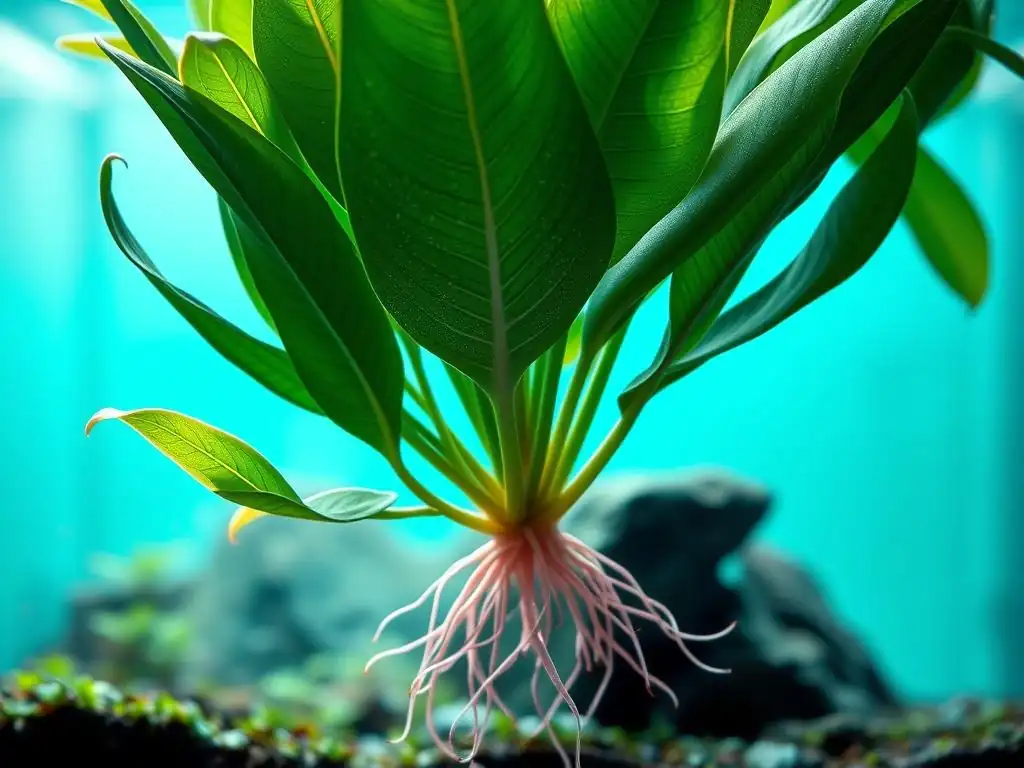
The health and development of the root system are critical for carpeting plants, as they primarily anchor the plant and absorb nutrients from the substrate. Temperature plays a significant role in the metabolic activities occurring within these root structures. Optimal temperatures promote vigorous root elongation and branching, allowing the plant to establish a strong foothold and efficiently draw sustenance from the aquascape's foundation. A robust root system is directly correlated with the plant's overall health and its ability to form a dense, stable carpet.
When water temperatures are too low, root metabolism slows considerably, leading to sluggish development. This can result in plants becoming poorly anchored, easily dislodged, and less capable of absorbing essential nutrients, making them appear pale or stunted. Conversely, excessively high temperatures can stress delicate root cells, potentially leading to cell death, rot, or a breakdown of the root structure. For species like Hemianthus callitrichoides 'Cuba' (Dwarf Baby Tears), which possess very fine and sensitive root systems, maintaining precise and stable temperatures is paramount to prevent root-related carpeting plants aquarium temperature issues and ensure their successful establishment.
Signs of Temperature Stress in Carpeting Plants
Identifying Overheating in Your Carpeting Plants
Overheating is one of the most severe carpeting plants aquarium temperature issues, often manifesting rapidly and with significant consequences. The visual cues of overheating typically include a sudden onset of translucency in the leaves, followed by rapid melting or disintegration of plant tissue.
Leaves may also turn pale yellow or brown, and the plant might appear to "wilt" or lose its structural integrity within a matter of 24 to 48 hours if temperatures consistently exceed 30°C (86°F). For instance, Glossostigma elatinoides and Hemianthus callitrichoides 'Cuba' are particularly susceptible and can completely melt within days if the temperature spikes above their tolerance.
Physiologically, overheating leads to the denaturation of crucial enzymes, essentially shutting down vital metabolic processes like photosynthesis and respiration. Furthermore, warmer water holds less dissolved oxygen, which can create an anoxic environment around the roots, further stressing the plant. The increased metabolic rate induced by high temperatures also means plants consume their stored energy reserves much faster, leading to exhaustion and collapse. Immediate action is required upon observing these signs to prevent irreversible damage.
Recognizing Cold Water Stress in Aquarium Carpeting Plants
While less immediately destructive than overheating, prolonged exposure to cold water can also lead to significant carpeting plants aquarium temperature issues. The primary sign of cold water stress is an extreme slowdown or complete halt in growth. Carpeting plants may appear dormant, failing to send out new runners or leaves. Their existing foliage might darken, turn a dull green, or even develop brown edges, indicating a general lack of vigor. Unlike melting from heat, cold-stressed plants often retain their physical structure but simply cease to thrive.
The underlying cause of these symptoms is a drastic reduction in metabolic rates. Enzymes function much slower at lower temperatures, inhibiting photosynthesis, nutrient uptake, and cell division. For example, if Eleocharis parvula (Dwarf Hairgrass) is kept consistently below 18°C (64°F), its runners will barely extend, and the carpet will fail to thicken. While plants may survive prolonged cold, they will never achieve their full potential or create the desired dense carpet, making them more vulnerable to algae over time due to unused nutrients.
Algae Blooms as Indicators of Temperature Imbalance
Temperature imbalances, whether too high, too low, or fluctuating, frequently serve as indirect but potent catalysts for algae blooms, signaling underlying carpeting plants aquarium temperature issues. When carpeting plants are stressed by suboptimal temperatures, their growth slows, and their ability to efficiently utilize available nutrients diminishes. This creates an opportunistic environment for algae, which are less sensitive to temperature fluctuations and can rapidly colonize the tank by consuming the excess nutrients that healthy plants would otherwise absorb.
Specific examples include the proliferation of Black Beard Algae (BBA) or Green Spot Algae (GSA) in tanks where temperature is unstable or consistently outside the optimal range for the plants. For instance, if Staurogyne repens is stressed by fluctuating temperatures, its reduced nutrient uptake can leave nitrates and phosphates in the water column, fueling a BBA outbreak. Similarly, consistently high temperatures can deplete oxygen, further stressing plants and creating conditions favorable for cyanobacteria (blue-green algae). Therefore, recurring algae issues should prompt an investigation into your aquarium's temperature stability.
Managing Aquarium Temperature for Healthy Carpeting Plants
Choosing the Right Aquarium Heater and Thermostat
Effective temperature management for carpeting plants begins with selecting the appropriate heating equipment. For most freshwater aquariums, a submersible heater with an integrated, accurate thermostat is essential. A common guideline is to use 2-5 watts of heating power per gallon of water, depending on the ambient room temperature and desired tank temperature. For example, a 20-gallon tank in a moderately warm room might require a 50-75 watt heater, while a 10-gallon tank might need only 25-50 watts. It is crucial to choose a heater from a reputable brand known for its reliability and temperature precision.
Beyond the heater itself, employing a separate, high-quality digital thermometer is vital to independently verify the heater's accuracy. Many integrated thermostats can drift over time, so regular cross-referencing ensures the water temperature is consistently at the desired set point for your carpeting plants, preventing common carpeting plants aquarium temperature issues. For larger tanks (over 50 gallons), consider using two smaller heaters instead of one large one; this provides more even heat distribution and offers a fail-safe in case one unit malfunctions.
Aquarium Chillers: When and Why You Might Need One
While heaters are crucial for maintaining warmth, aquarium chillers are indispensable tools for combating overheating, particularly in warmer climates or during summer months. A chiller actively cools the water to a user-defined set point, making it an essential investment for aquarists whose ambient room temperatures frequently exceed the optimal range for their carpeting plants, typically above 28°C (82°F). High-power LED lighting, powerful pumps, and CO2 reactors can also contribute to heat buildup within the aquarium, necessitating a chiller even in cooler environments.
For instance, if you're attempting to grow Hemianthus callitrichoides 'Cuba' in a room that consistently reaches 30°C (86°F) or higher, a chiller is almost certainly required to prevent rapid melting and address significant carpeting plants aquarium temperature issues. Chillers typically work by passing aquarium water through a refrigeration unit, similar to a refrigerator. They are often plumbed inline with canister filters or dedicated pumps. Investing in a chiller ensures stable, cool temperatures, which is critical for the long-term health and vibrancy of temperature-sensitive carpeting species.
Maintaining Stable Temperatures: Best Practices
Achieving and maintaining stable water temperatures is paramount for the health of carpeting plants. One fundamental practice is to strategically place your aquarium away from direct sunlight, which can cause significant and rapid temperature swings throughout the day. Similarly, avoid placing tanks near heating vents, air conditioning units, or drafty windows, as these can introduce inconsistent thermal conditions. Regular monitoring with an accurate thermometer, preferably one with an alarm function for critical deviations, is also a non-negotiable best practice.
Furthermore, integrating aquarium fans can be highly effective during warmer periods. These fans, positioned to blow across the water surface, enhance evaporative cooling, which can lower water temperature by 2-4°C (4-7°F). When performing water changes, always ensure the new water is temperature-matched to the aquarium water, ideally within 1-2°C (2-4°F) of the tank temperature, to prevent shocking your delicate carpeting plants. Gradual adjustments, if needed, are always preferred over sudden changes to mitigate carpeting plants aquarium temperature issues.
Slow Growth and Temperature: Finding the Right Balance
If your carpeting plants, despite receiving adequate light, CO2, and nutrients, exhibit persistently slow growth, temperature is a primary suspect. This common carpeting plants aquarium temperature issue often arises when the water is consistently at the lower end of the plant's optimal range, or when there are slight, unnoticed temperature dips during the day or night. For instance, if your Eleocharis parvula (Dwarf Hairgrass) carpet is taking an exceptionally long time to fill in, check if your tank temperature is consistently hovering around 18-20°C (64-68°F) rather than its more vigorous range of 22-24°C (72-75°F).
To troubleshoot, gradually increase your aquarium temperature by 1-2°C (2-4°F) over a few days, observing the plant's response over the subsequent weeks. For example, if Hemianthus callitrichoides 'Cuba' appears leggy and slow-spreading at 22°C (72°F), raising the temperature to a stable 25°C (77°F) can often stimulate denser, more rapid growth. Ensure your heater is appropriately sized and calibrated, and consider a separate thermometer for verification.
Melting or Disintegration: Addressing High Temperature Problems
The rapid melting or disintegration of carpeting plants is a critical and urgent carpeting plants aquarium temperature issue, almost always indicative of excessively high temperatures. Species like Glossostigma elatinoides and Hemianthus callitrichoides 'Cuba' are particularly vulnerable, often turning translucent and dissolving within hours or days if the water temperature consistently exceeds 28-30°C (82-86°F). This is a sign that the plant's enzymes are denaturing, leading to irreversible cellular damage.
Immediate action is required. First, verify the water temperature with an accurate thermometer. If it's too high, perform small, frequent water changes with slightly cooler (but not cold) water to gradually bring down the temperature. Pointing a fan at the water surface can also provide significant evaporative cooling. Crucially, identify the source of the heat: Is it powerful lighting too close to the water, high ambient room temperatures, or a malfunctioning heater? Addressing the root cause (e.g., raising lights, installing a chiller, or replacing a faulty heater) is essential to prevent recurrence and save your carpet.
Preventing Algae Growth Through Temperature Control
Algae blooms are often a symptom of underlying imbalances in an aquarium, and suboptimal temperature is a significant contributor to carpeting plants aquarium temperature issues that lead to algae. When carpeting plants are stressed by temperatures that are too high, too low, or fluctuate wildly, their growth slows, and they become less efficient at absorbing nutrients.
This creates an abundance of available nutrients in the water column, which algae readily exploit. For example, a tank with Staurogyne repens experiencing consistent temperature swings might see an increase in fast-growing green hair algae because the plant is struggling to outcompete it for available nitrates.
Therefore, maintaining a stable and optimal temperature for your specific carpeting plant species is a foundational step in algae prevention. By ensuring your plants are thriving and robust, they will naturally outcompete algae for light and nutrients. Regularly check your thermometer and ensure your heating or cooling equipment is functioning correctly. A healthy, vigorously growing carpet is your best defense against unsightly algae, and temperature stability plays a central role in achieving that health.
The Role of Water Parameters in Temperature Management
pH Levels and Temperature Interactions
The interaction between pH levels and temperature is a critical aspect of carpeting plants aquarium temperature issues, particularly concerning carbon dioxide availability. Temperature directly influences the solubility of gases in water; as water temperature rises, the solubility of gases, including CO2, decreases. This means that warmer water holds less dissolved CO2, even if the total amount of CO2 injected remains constant. Since CO2 is a primary driver of pH in planted aquariums (carbonic acid formation), a reduction in dissolved CO2 due to higher temperatures can lead to a slight increase in pH.
This creates a nuanced challenge for carpeting plants. If the temperature is too high, not only does CO2 dissipate faster, but the resulting higher pH can also stress certain sensitive species that prefer slightly acidic conditions. For example, Hemianthus callitrichoides 'Cuba' thrives best in slightly acidic water (pH 6.0-7.0) with ample CO2. If high temperatures reduce CO2 and push the pH upwards, the plant's ability to photosynthesize effectively is further compromised, exacerbating temperature-related stress. Therefore, maintaining stable temperatures helps ensure consistent CO2 levels and, consequently, a more stable pH.
CO2 Availability and Temperature's Influence
The availability of carbon dioxide, an essential nutrient for photosynthesis, is significantly influenced by water temperature. As a general rule, the solubility of gases in water decreases as temperature increases. For instance, water at 20°C (68°F) can hold approximately 25% more dissolved CO2 than water at 30°C (86°F) at the same atmospheric pressure. This means that in warmer tanks, a higher rate of CO2 injection might be necessary to achieve the same target CO2 concentration (e.g., 25-30 ppm) that is crucial for robust carpeting plant growth.
This presents a direct challenge for high-tech planted aquariums aiming for dense carpets. If the temperature fluctuates or is consistently high, the effective CO2 concentration for the plants can drop, leading to stunted growth, pearling reduction, and increased susceptibility to algae. For a successful Glossostigma elatinoides carpet, which demands high CO2, maintaining a stable temperature around 25°C (77°F) allows for more efficient CO2 utilization and reduces the amount of CO2 that off-gasses from the system, directly addressing potential carpeting plants aquarium temperature issues related to carbon availability.
Water Hardness and Temperature Considerations
While temperature does not directly alter the chemical composition of water hardness (GH/KH), there are indirect interactions that aquarists should be aware of, especially for sensitive carpeting plants. In very hard water, particularly at higher temperatures, the solubility of certain minerals, such as calcium carbonate, can decrease. This can lead to the precipitation of these minerals, forming unsightly crusts on heaters, filter intakes, and even plant leaves over time, potentially hindering nutrient absorption.
Moreover, the resilience of carpeting plants to rapid temperature changes can sometimes be influenced by water hardness. Plants acclimated to very soft water, which has less buffering capacity (lower KH), might be more susceptible to shock from sudden temperature swings compared to those in moderately hard water. While not a primary direct effect, understanding this subtle interplay helps in a holistic approach to managing carpeting plants aquarium temperature issues, ensuring all parameters work in harmony for optimal plant health.
Case Studies: Successful Carpeting Plant Aquariums and Temperature Control
Case Study 1: Achieving a Dense Glosso Carpet in a Low-Tech Setup
A hobbyist, Sarah, aimed to create a dense carpet of Glossostigma elatinoides in her 60-liter (15-gallon) low-tech aquarium, equipped with moderate LED lighting and liquid fertilizers, but no CO2 injection. Initially, her Glosso struggled, exhibiting sparse growth, pale leaves, and some melting, particularly after water changes. Her digital thermometer revealed that the tank temperature was fluctuating significantly, ranging from 20°C (68°F) at night to 26°C (79°F) during the day, largely due to an old, inconsistently performing 25W heater and the tank's proximity to a drafty window. These were clear carpeting plants aquarium temperature issues.
To resolve this, Sarah upgraded to a reliable 50W submersible heater with a precise external thermostat controller, which maintained a steady 24°C (75°F). She also relocated the tank away from the window. Within two months, the Glosso carpet showed remarkable improvement. It began spreading vigorously, developing a vibrant green color, and forming a dense, uniform mat across the foreground. This case highlights how consistent, optimal temperature, even without CO2 injection, was foundational for the Glosso's success, overcoming initial temperature-related setbacks.
Case Study 2: Overcoming Temperature Spikes in a High-Tech Dwarf Hairgrass Tank
John, an experienced aquarist, maintained a 120-liter (30-gallon) high-tech aquarium featuring a lush carpet of Eleocharis parvula (Dwarf Hairgrass), supported by powerful LED lighting, pressurized CO2 injection, and a robust nutrient dosing regimen. During a particularly hot summer, his tank temperature consistently rose to 29-31°C (84-88°F) for several weeks. Despite excellent CO2 and nutrient levels, the Dwarf Hairgrass began to thin out, turn a slight yellowish-brown, and stopped sending out new runners, indicating significant carpeting plants aquarium temperature issues.
Recognizing the signs of overheating, John invested in a small aquarium chiller, rated for up to 50 gallons, and plumbed it inline with his canister filter. He set the chiller to maintain a precise 24°C (75°F). Additionally, he installed a small clip-on fan to provide evaporative cooling during the hottest parts of the day.
Within three weeks of implementing these cooling measures, the Dwarf Hairgrass regained its vibrant green color, new runners emerged rapidly, and the carpet quickly became dense and healthy once again. This case study powerfully illustrates the necessity of active cooling solutions in environments prone to high temperatures for sensitive carpeting plants.
Conclusion: Optimizing Temperature for Lush Aquarium Carpets
Key Takeaways for Maintaining Ideal Temperature for Carpeting Plants
Optimizing temperature is undeniably one of the most critical, yet frequently underestimated, factors for cultivating a thriving carpet of aquatic plants in a freshwater aquarium. As explored, temperature directly dictates the efficiency of vital metabolic processes such as photosynthesis, nutrient uptake, and root development. Stability is paramount; even minor, consistent fluctuations can induce significant stress on delicate carpeting species, leading to stunted growth, discoloration, or melting. Understanding the specific optimal temperature ranges for your chosen carpeting plants (e.g., 20-28°C for Glosso, 22-28°C for HC Cuba) is the first step towards success.
To mitigate common carpeting plants aquarium temperature issues, invest in reliable heating equipment, ensuring it's appropriately sized and paired with an accurate thermometer. In warmer climates or for high-light, high-tech setups, consider an aquarium chiller to prevent overheating. Regular temperature monitoring, strategic tank placement away from direct heat or cold sources, and temperature-matched water changes are non-negotiable best practices. By diligently managing temperature, aquarists can create an environment where carpeting plants not only survive but truly flourish, transforming their aquascape into a lush, vibrant underwater landscape.
Further Resources for Aquarium Plant Care and Temperature Management
While this article has focused extensively on the critical role of temperature in the health and growth of carpeting plants, it is important to remember that temperature is one piece of a larger, interconnected puzzle in successful planted aquarium husbandry. To further enhance your understanding and achieve truly spectacular results, we encourage you to explore additional resources on related water parameters.
Delve into detailed articles on CO2 injection techniques and optimal levels, as CO2 availability is profoundly influenced by temperature. Research the nuances of macronutrient (NPK) and micronutrient (e.g., iron, trace elements) dosing, as these interact with temperature to affect nutrient uptake.
Furthermore, understanding water chemistry parameters like pH, GH (General Hardness), and KH (Carbonate Hardness) is crucial, as they also play a role in overall plant health and can be indirectly influenced by temperature. Engaging with online aquarium communities, forums, or local aquascaping clubs can provide invaluable real-world insights and troubleshooting tips from experienced hobbyists. By adopting a holistic approach and continuously learning about these interconnected factors, you can effectively address all carpeting plants aquarium temperature issues and cultivate the lush, vibrant aquatic carpet of your dreams.
Frequently Asked Questions
How does temperature affect the growth rate of carpeting plants in an aquarium?
Higher temperatures generally accelerate growth but only up to a certain point. Beyond that, excessive heat can stress the plants and hinder their development. Optimal temperature ranges are crucial for healthy growth.
What temperature range is generally considered ideal for most carpeting plants in a freshwater aquarium?
Most carpeting plants thrive in a temperature range of 72-78°F (22-26°C). Maintaining a stable temperature within this range is essential for their long-term health.
Can fluctuating temperatures cause problems for carpeting plants?
Yes, rapid temperature swings can be detrimental. They can shock the plants, leading to stunted growth, leaf discoloration, and increased susceptibility to diseases.
What are some signs that my aquarium temperature is too high for my carpeting plants?
Signs include melting leaves, discoloration (yellowing or browning), and algae blooms. These issues often indicate that the high temperature is stressing the plants and disrupting the ecosystem.
How can I effectively manage and regulate the temperature in my aquarium to support healthy carpeting plant growth?
Use a reliable aquarium heater with a thermostat for cold environments, and a chiller or cooling fan if your aquarium overheats. Regularly monitor the temperature using a thermometer to ensure it remains within the ideal range.
Final Reflection: Cultivating Underwater Harmony
The intricate dance between temperature and aquatic plant life, as explored in this article, underscores the critical importance of environmental balance in our enclosed ecosystems. Understanding the nuances of how temperature affects carpeting plants in aquariums is not merely a technical exercise; it's a commitment to fostering thriving, miniature worlds within our homes, reflecting a broader responsibility towards ecological stewardship.
The impact of maintaining optimal temperatures extends far beyond aesthetic appeal. It's about creating a stable and healthy environment where these delicate plants can flourish, contributing to the overall well-being of the aquarium ecosystem and the creatures that inhabit it. As aquarists, we become stewards of these tiny biomes, and our choices directly influence their vitality. The best time to plant a tree was 20 years ago. The second best time is now.
This ancient proverb resonates deeply, reminding us that proactive care and informed decisions are paramount in nurturing these underwater landscapes.
Now, armed with this knowledge, consider the power you hold to shape these aquatic environments. Reflect on the subtle adjustments you can make to ensure your carpeting plants not only survive but thrive, creating a vibrant and balanced ecosystem. Embrace the role of a mindful aquarist, and let your aquarium be a testament to the beauty and resilience that can emerge when we understand and respect the delicate balance of nature.
Cultivate Your Aquatic Oasis: Take the Next Step!
Thanks for diving into the world of carpeting plants and learning how temperature impacts their growth! Now that you're equipped with this knowledge, it's time to put it to work and create the lush underwater landscape you've always dreamed of.
Here are a few things you can do right now to elevate your aquarium:
- Precisely adjust your aquarium heater to the optimal temperature range (22-26°C or 72-79°F) for your specific carpeting plant species. Your plants will thank you for it!
- Share this article with fellow aquarium enthusiasts to spread awareness about the crucial role of temperature in aquatic plant health.
- Why not try experimenting with seasonal temperature shifts (within the safe range, of course!) to simulate natural conditions and observe the effects on your carpeting plants?
What subtle temperature tweaks have you noticed that significantly impact your carpeting plants' growth and vibrancy? Share your experiences below!