
Light Intensity Secrets: Powering Lush Growth in Your Planted Aquarium

Welcome to Aquarium Mastery!
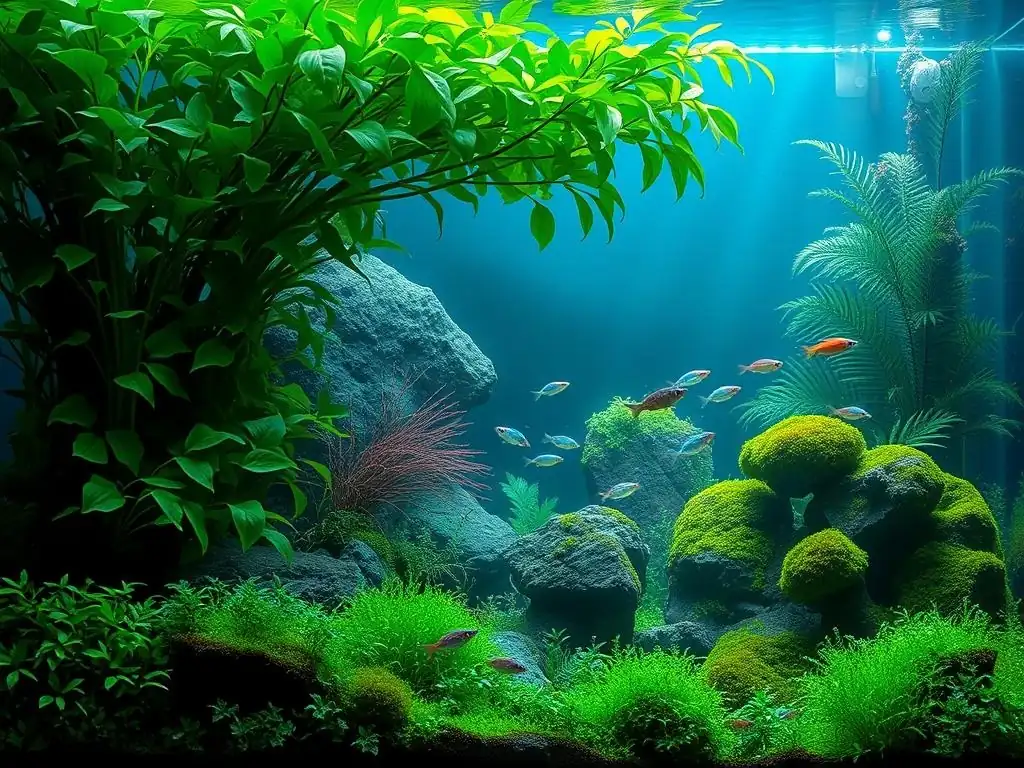
Ever wondered if your planted aquarium is truly reaching its full potential? Dive into the secrets of optimal light for planted tanks and unlock a world of vibrant, lush growth. We're here to illuminate the path to a thriving aquatic ecosystem, starting with the power of light. Ready to transform your planted tank? Let's get started!
- Understanding the Importance of Optimal Light for Planted Tanks
- Deciphering Light Spectrum and Color Temperature for Planted Aquariums
- Measuring Light Intensity in Your Planted Aquarium
- Choosing the Right Lighting System for Your Planted Tank
- Light Intensity and Plant Types: Matching Light to Plant Needs
- Adjusting Light Intensity to Optimize Plant Growth and Prevent Algae
- Troubleshooting Common Lighting Issues in Planted Aquariums
- Advanced Lighting Techniques for Planted Aquariums
- Achieving the Perfect Balance: Optimizing Light for a Thriving Planted Tank Ecosystem
-
Frequently Asked Questions
- What exactly is "optimal light" for a planted aquarium?
- How do I determine the correct light intensity for my planted tank?
- What role does the light spectrum play in plant growth?
- How long should I keep the lights on in my planted aquarium each day?
- What are some signs that my planted tank isn't getting enough or too much light?
- Final Reflection: Illuminating the Path to Aquatic Harmony
- Ignite Your Aquarium: Cultivate Thriving Aquatic Life!
Understanding the Importance of Optimal Light for Planted Tanks
Why Light is Crucial for Aquatic Plant Growth
Light serves as the fundamental energy source for all aquatic plants, driving the process of photosynthesis. This biological mechanism converts light energy into chemical energy, specifically glucose, which plants use for growth, reproduction, and overall metabolic functions. Without sufficient and appropriate light, aquatic plants cannot produce the necessary sugars and starches, leading to stunted growth, discoloration, and ultimately, decline. For instance, Anubias barteri, a common low-light plant, will still require a minimum of 10-15 PAR (Photosynthetically Active Radiation) to sustain healthy growth, whereas a plant like Hemianthus callitrichoides 'Cuba' demands significantly higher PAR levels, often exceeding 60 PAR, to carpet effectively.
The quality and duration of light directly influence a plant's ability to absorb essential nutrients from the water column and substrate. When light is suboptimal, even if all other nutrients are abundant, the plant's metabolic rate slows down, making it less efficient at nutrient uptake. This can lead to a cascade of issues, including nutrient deficiencies, despite adequate fertilization. Achieving the optimal light for planted tank setups ensures that plants can efficiently utilize available CO2 and nutrients, fostering robust root systems, vibrant leaf coloration, and vigorous stem elongation.
The Relationship Between Light, CO2, and Nutrients in a Planted Aquarium
The success of a planted aquarium hinges on a delicate balance between light, carbon dioxide (CO2), and essential macro and micronutrients. These three factors are intrinsically linked, acting as interdependent components of a plant's growth engine.
When light intensity is increased, the rate of photosynthesis accelerates, which in turn significantly increases the plant's demand for CO2 and nutrients. If CO2 or nutrient levels are insufficient to match the elevated light, plant growth will stall, and the excess light energy can be diverted to fuel unsightly algae blooms, as algae are typically more efficient at utilizing limited resources under fluctuating conditions.
Conversely, if CO2 and nutrients are abundant but light is inadequate, plants will grow slowly, if at all, regardless of the other available resources. This concept is often described by Liebig's Law of the Minimum, which states that growth is dictated not by the total resources available, but by the scarcest resource. Therefore, identifying the optimal light for planted tank conditions necessitates a holistic approach, ensuring that CO2 and nutrient levels are proportionately balanced to the chosen light intensity. For example, a tank with 30-40 PAR might thrive with liquid carbon dosing, while a tank with 60+ PAR absolutely requires pressurized CO2 injection to prevent carbon limitation and subsequent algae outbreaks.
Defining Optimal Light: PAR, PUR, and Lumens Explained
To truly understand and achieve the optimal light for planted tank environments, it's crucial to differentiate between various light measurement terms. Lumens measure the total amount of visible light emitted by a source, as perceived by the human eye. While useful for general household lighting, lumens are a poor indicator for plant growth because they don't account for the specific wavelengths plants utilize. For instance, a light with high lumens might appear bright to us but lack the necessary red and blue spectrums for photosynthesis.
Photosynthetically Active Radiation (PAR), on the other hand, is the gold standard for measuring light for planted aquariums. PAR measures the amount of light in the 400-700 nanometer (nm) wavelength range, which is precisely the spectral range that plants use for photosynthesis. A PAR meter provides a quantitative measurement of this crucial light energy. Photosynthetically Usable Radiation (PUR) is an even more refined concept, representing the portion of PAR that plants actually absorb and use for photosynthesis. While PUR is theoretically more accurate, it's challenging to measure directly and often depends on the specific plant species and their pigment composition. Therefore, PAR remains the most practical and widely accepted metric for aquarists when aiming for the optimal light for planted tank setups.
Deciphering Light Spectrum and Color Temperature for Planted Aquariums
The Role of Different Light Spectrums in Photosynthesis
The spectrum of light refers to the range of wavelengths present in a light source, each corresponding to a different color. For aquatic plants, specific wavelengths are more critical for photosynthesis than others. Chlorophyll, the primary pigment in plants, absorbs light most efficiently in the blue (approximately 400-500 nm) and red (approximately 600-700 nm) regions of the spectrum.
Blue light is vital for vegetative growth, compact form, and chlorophyll production, while red light is crucial for stem elongation, flowering, and overall biomass accumulation. A deficiency in either of these key spectral regions can lead to leggy growth, poor coloration, or stunted development, even if the overall light intensity (PAR) is high.
While blue and red light are paramount, other parts of the spectrum also play roles. Green light (500-600 nm), often thought to be reflected by plants (giving them their green color), can still penetrate deeper into plant tissue and contribute to photosynthesis, albeit less efficiently than blue or red. Far-red light (beyond 700 nm) can influence photomorphogenesis, such as stem elongation and flowering, and can be used to fine-tune plant development in advanced setups. To achieve the optimal light for planted tank growth, a balanced spectrum that provides ample blue and red light, along with a reasonable contribution from other wavelengths, is generally recommended, mimicking natural sunlight.
Kelvin (K) and Color Temperature: Choosing the Right Light for Your Plants
Color temperature, measured in Kelvin (K), describes the apparent color of a light source, ranging from warm (reddish-yellow) to cool (bluish-white). While Kelvin ratings primarily indicate how light appears to the human eye, they can offer a general idea of the spectral composition. For planted aquariums, lights in the range of 5000K to 8000K are typically considered most suitable. A color temperature around 6500K is often recommended as a good starting point, as it closely mimics natural daylight and provides a balanced spectrum for robust plant growth while also making the tank visually appealing.
Lights with lower Kelvin ratings (e.g., 3000K-4000K) tend to be warmer and richer in red and yellow light, which can promote stem elongation but may appear too yellow or orange in the aquarium. Higher Kelvin ratings (e.g., 9000K-10000K and above) are cooler and contain more blue light, which can enhance the blues and greens of fish and plants but might appear too stark or unnatural. While Kelvin gives a general indication, it's important to remember that two lights with the same Kelvin rating can have very different spectral power distributions (SPDs). Therefore, for truly optimal light for planted tank setups, especially with LEDs, looking at the full spectrum chart provided by the manufacturer is more informative than relying solely on the Kelvin rating.
Full Spectrum vs. Specific Spectrum LED Lighting for Planted Tanks
The advent of LED technology has revolutionized aquarium lighting, offering unprecedented control over light spectrum. Full spectrum LED lights are designed to emit light across the entire visible spectrum, from deep red to violet, often including UV and infrared wavelengths. These lights aim to mimic natural sunlight as closely as possible, providing all the necessary wavelengths for comprehensive plant growth and promoting vibrant coloration. Many high-end full spectrum LED fixtures, such as the Chihiros WRGB II or Twinstar E Series, allow users to adjust the intensity of individual color channels (red, green, blue, white) to fine-tune the output for specific plant needs or aesthetic preferences, making them ideal for achieving optimal light for planted tank environments.
In contrast, specific spectrum LED lighting focuses on emphasizing particular wavelengths, typically blue and red, which are most crucial for photosynthesis. While these lights can be highly efficient for promoting growth, they may produce a less natural visual appearance, sometimes casting a pink or purple hue over the aquarium. Some aquarists combine specific spectrum lights with white lights to achieve a more balanced look.
For instance, a light designed primarily with 450nm (blue) and 660nm (red) LEDs might be excellent for growth but less aesthetically pleasing on its own. The choice between full spectrum and specific spectrum often depends on the aquarist's priorities: whether the goal is maximum growth efficiency, natural aesthetics, or a combination of both.
Measuring Light Intensity in Your Planted Aquarium
PAR Meters: Accurately Measuring Photosynthetically Active Radiation
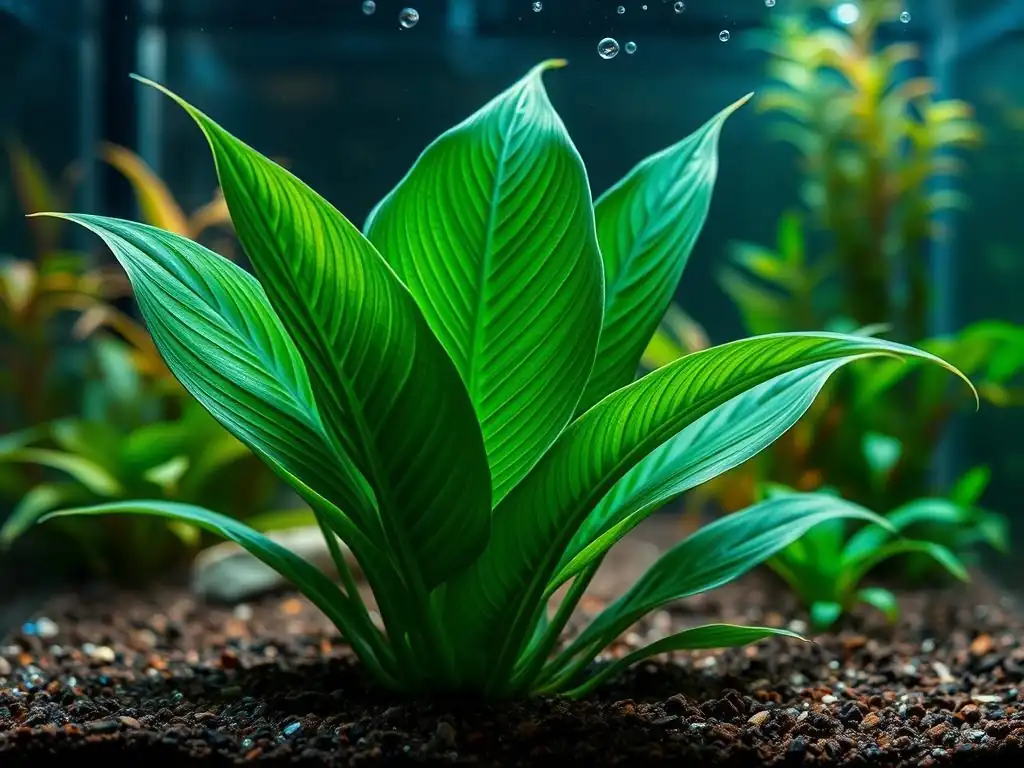
A PAR meter is the most accurate and reliable tool for measuring light intensity in a planted aquarium. Unlike lux or lumen meters, a PAR meter specifically quantifies the Photosynthetically Active Radiation (400-700 nm) that plants actually use for growth. Professional-grade PAR meters, such as the Apogee MQ-500, consist of a waterproof sensor connected to a handheld display unit.
To use it, the sensor is submerged at various depths and locations within the aquarium, allowing the aquarist to map the light distribution across the tank. This provides precise data on whether the light is sufficient, excessive, or unevenly distributed for the target plant species.
Measuring PAR is crucial for fine-tuning your lighting setup and preventing common issues like algae blooms or stunted plant growth. For example, by measuring PAR at the substrate level, an aquarist can determine if plants like Glossostigma elatinoides are receiving the 60+ PAR they need to carpet effectively, or if a foreground plant is being shaded by taller midground species. Without a PAR meter, adjusting light intensity relies on guesswork, which can lead to inefficient plant growth or an imbalance that favors algae. Investing in or borrowing a PAR meter can significantly improve an aquarist's ability to create an optimal light for planted tank ecosystem.
Understanding PAR Values for Different Plant Types
The optimal light for planted tank setups is not a one-size-fits-all concept; different plant species have varying PAR requirements. Understanding these general ranges is critical for selecting appropriate plants for your lighting setup or choosing lighting that suits your desired plant palette.
- Low Light Plants: These plants typically thrive in PAR values ranging from 15 to 30 µmol/m²/s (micromoles per square meter per second). Examples include
Anubias barteri,Java Fern(Microsorum pteropus), and mostCryptocorynespecies. These plants are often slow-growing and can tolerate shaded conditions. - Medium Light Plants: These species require more light, typically between 30 and 60 µmol/m²/s. Many popular stem plants fall into this category, such as
Rotala rotundifolia,Ludwigia repens, and variousEchinodorus(Sword plants). These plants benefit significantly from CO2 supplementation to reach their full potential. - High Light Plants: These are demanding species that need PAR values of 60 µmol/m²/s or higher, often reaching 80-100+ PAR for optimal growth and coloration. Examples include carpeting plants like
Hemianthus callitrichoides 'Cuba'(HC Cuba) andGlossostigma elatinoides, as well as colorful stem plants likeRotala macrandra. These tanks almost invariably require pressurized CO2 injection and comprehensive fertilization to prevent algae and ensure healthy plant development.
These PAR ranges serve as guidelines; however, factors such as water clarity, tank depth, and the presence of floating plants can influence the actual light reaching the plants.
Estimating Light Intensity Without a PAR Meter: A Practical Guide
While a PAR meter is the gold standard, not every aquarist has access to one. It is still possible to make reasonable estimations of light intensity to work towards an optimal light for planted tank setup using practical observations and knowledge of your equipment.
One common method involves considering the wattage per gallon, though this is a very rough estimate and less relevant for modern LED lights. For traditional fluorescent lights, a general rule of thumb was 1-2 watts per gallon for low light, 2-3 WPG for medium, and 3+ WPG for high light. However, this method is outdated for LEDs, which are far more efficient. For LEDs, focus on the manufacturer's stated PAR values (if available) or look for reviews from other aquarists with similar tank sizes.
Visually, a tank with high light will appear very bright, often with a "shimmer" effect from the water surface, while a low-light tank will look dimmer. Observe plant growth: if plants are stretching towards the light (etiolation) or growing very slowly, light might be insufficient. Conversely, if leaves are bleaching or turning white, light might be too intense.
Another practical approach is to consider the distance of the light fixture from the water surface and the tank's depth. Light intensity diminishes rapidly with distance and depth due to the inverse square law and water absorption. A light fixture positioned very close to the water surface on a shallow tank will deliver significantly more PAR than the same fixture placed high above a deep tank.
For example, a 24-inch deep tank will require a much more powerful light to achieve the same PAR at the substrate compared to a 12-inch deep tank. Experimenting with light duration (photoperiod) is also a common way to manage light intensity; starting with 6-7 hours and gradually increasing to 8-10 hours can help acclimate plants and prevent algae.
Choosing the Right Lighting System for Your Planted Tank
LED Lighting for Planted Aquariums: Advantages and Considerations
LED (Light Emitting Diode) lighting has become the predominant choice for planted aquariums due to its numerous advantages. LEDs are incredibly energy-efficient, consuming significantly less power than traditional fluorescent or metal halide lamps, which translates to lower electricity bills. For instance, a high-quality LED fixture might provide comparable PAR to a T5HO setup while drawing 30-50% less wattage. They also have an exceptionally long lifespan, often rated for 50,000 hours or more, meaning less frequent bulb replacements. Many modern LED fixtures offer precise control over light intensity and spectrum, allowing aquarists to program sunrise/sunset effects, dimming, and even specific color channels (e.g., RGB-W LEDs), enabling ultimate customization for the optimal light for planted tank conditions.
However, there are considerations. The initial cost of high-quality LED fixtures can be higher than other lighting types. Furthermore, the sheer power of some advanced LEDs means they can easily deliver excessive light, leading to algae issues if not properly managed with dimmers or careful selection. Heat dissipation is also important; while LEDs themselves produce less heat than metal halides, powerful fixtures still require proper cooling to maintain their lifespan and performance. Popular brands like Chihiros, Twinstar, and Fluval Plant Spectrum LEDs offer a range of options suitable for various planted tank sizes and plant demands.
Fluorescent Lighting (T5, T8) for Planted Aquariums: A Budget-Friendly Option
Fluorescent lighting, particularly T5 High Output (T5HO) and T8 bulbs, remains a viable and often more budget-friendly option for planted aquariums. T5HO bulbs are particularly popular for their ability to deliver strong light output across the length of the tank, making them suitable for medium to high-light setups. A typical 4-bulb T5HO fixture can provide excellent light penetration for a 24-inch deep tank, often achieving PAR values well within the medium to high range, especially when paired with good reflectors. T8 bulbs, while less powerful than T5HO, are perfectly adequate for low-to-medium light planted tanks.
The main advantages of fluorescent lighting include their lower initial cost compared to high-end LEDs and their relatively broad light spread. However, they have a shorter lifespan, typically requiring replacement every 6-12 months to maintain optimal light for planted tank PAR output, as their spectrum shifts and intensity degrades over time. They also generate more heat than LEDs and offer less control over spectrum and intensity without specialized dimmable ballasts. Despite these drawbacks, many successful planted aquariums still utilize T5HO lighting due to its proven performance and affordability, particularly for larger setups where the cost of equivalent LED solutions can be prohibitive.
Metal Halide Lighting for Planted Aquariums: When to Use This Powerful Option
Metal halide (MH) lighting, while less common today, was once the go-to choice for intensely lit, deep planted aquariums and reef tanks. These fixtures are known for their incredibly powerful light output and excellent light penetration, making them ideal for very deep tanks (e.g., 30 inches or more) where other light sources struggle to deliver sufficient PAR to the substrate.
The concentrated light from a metal halide bulb also creates a beautiful "shimmer" effect on the water surface, mimicking natural sunlight. A single 150W or 250W metal halide bulb can easily provide PAR values exceeding 100 µmol/m²/s at significant depths, enabling the growth of the most demanding carpeting plants.
However, metal halide lighting comes with significant drawbacks. They produce a substantial amount of heat, which can lead to increased tank temperatures and require additional cooling solutions like chillers. Their energy consumption is considerably higher than LEDs, leading to higher operating costs.
Furthermore, the bulbs have a relatively short lifespan (6-12 months, similar to T5HO) before needing replacement to maintain their spectral quality and intensity. Due to these factors, metal halide lighting is now primarily reserved for very specific scenarios, such as extremely deep display tanks, where their unparalleled penetration is a necessity, or by hobbyists who prefer their unique visual characteristics and are prepared to manage the associated heat and energy costs.
Light Intensity and Plant Types: Matching Light to Plant Needs
Low Light Plant Species: Flourishing in Shaded Aquariums
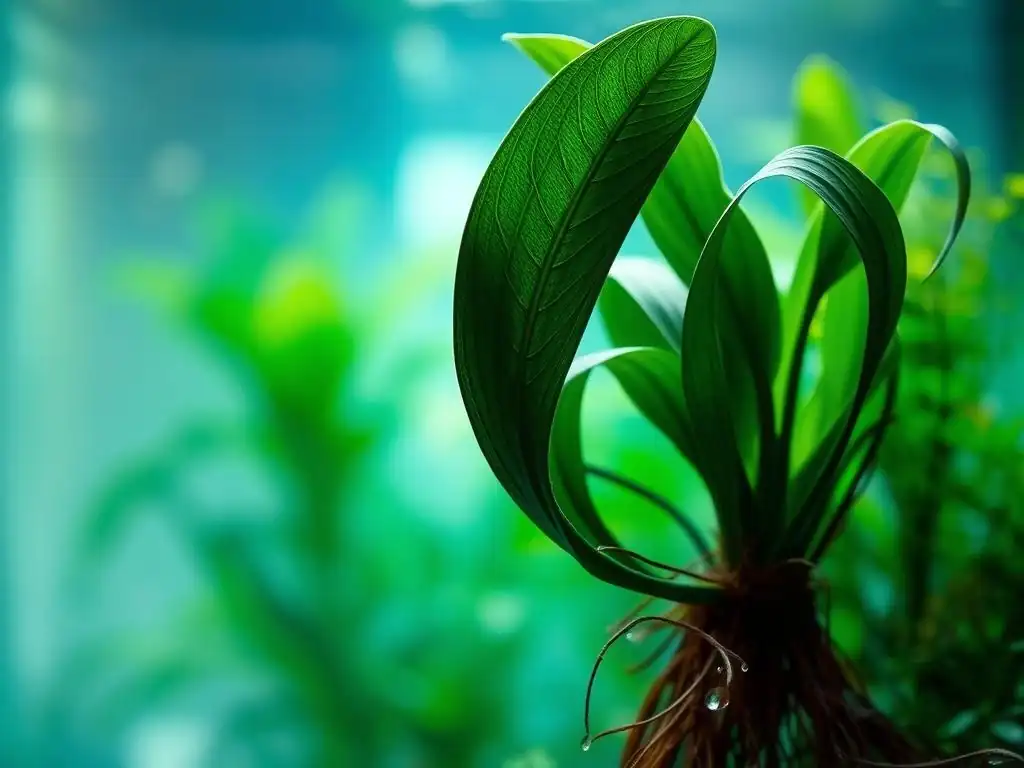
For aquarists seeking a low-maintenance planted tank, focusing on low light plant species is key to achieving an optimal light for planted tank setup without complex equipment. These plants are adapted to thrive in conditions where PAR values range from approximately 15 to 30 µmol/m²/s. They typically grow slower but are very forgiving, making them excellent choices for beginners or those not wishing to invest in CO2 injection.
Classic examples include:
Anubias barterivarieties (e.g., Nana, Congensis): These epiphytic plants are incredibly hardy and prefer to be attached to driftwood or rocks, rather than planted in the substrate.Java Fern(Microsorum pteropus): Another robust epiphyte, known for its various leaf shapes and ease of care.Cryptocoryne wendtiivarieties: These foreground to midground plants come in a range of colors and textures and are known for their ability to adapt to stable, lower light conditions.Bucephalandraspecies: Small, slow-growing epiphytes that display beautiful leaf patterns and colors under low to medium light.Mosses(e.g., Java Moss, Christmas Moss): Versatile plants that can attach to almost any surface and provide excellent shelter for small fish and fry.
These plants often do not require CO2 injection and can thrive with basic liquid fertilization. Overly intense light can actually cause issues like algae growth on their broad leaves or even melt them.
Medium Light Plant Species: Balancing Growth and Maintenance
Medium light plant species represent a broad category that offers a vibrant display without the extreme demands of high-light setups. These plants typically thrive in PAR values between 30 and 60 µmol/m²/s. While some may tolerate conditions without supplemental CO2, their growth, health, and coloration are significantly enhanced with moderate CO2 injection (e.g., 15-25 ppm) and a comprehensive fertilization regimen. This balance helps in achieving the optimal light for planted tank conditions for these species, promoting faster growth rates and more intense colors than low-light plants.
Common medium light plants include:
Echinodorusspecies (Sword plants): Many varieties, such asAmazon Sword(Echinodorus amazonicus) orRed Flame Sword(Echinodorus 'Red Flame'), are excellent midground to background plants.Rotala rotundifolia(and its color variants like 'Green' or 'Orange Juice'): A popular stem plant that can show beautiful coloration under good light and CO2.Ludwigia repens: Another versatile stem plant that can display red hues with sufficient light and iron.Vallisneriaspecies: Tall, grass-like plants that are great for creating a background curtain effect.Alternanthera reineckii(AR): A striking red stem plant that requires medium light and good iron levels to maintain its vibrant color.
Maintaining medium light tanks often involves a balance of regular trimming, consistent CO2, and nutrient dosing to prevent imbalances that could lead to algae.
High Light Plant Species: Achieving Vibrant Colors and Rapid Growth
High light plant species are for the dedicated aquarist aiming for a dense, vibrant aquascape with rapid growth and intense coloration. These plants demand PAR values of 60 µmol/m²/s and often much higher, sometimes exceeding 100 µmol/m²/s at the substrate level. Achieving the optimal light for planted tank conditions for these species necessitates a comprehensive approach that includes powerful lighting, pressurized CO2 injection (typically 25-35 ppm), and a robust fertilization program (often involving daily macro and micronutrient dosing). Without these critical components, high light plants will struggle, stunt, and often succumb to algae.
Examples of high light plant species include:
Hemianthus callitrichoides 'Cuba'(HC Cuba): One of the smallest carpeting plants, famous for its dense, bright green carpet.Glossostigma elatinoides: Another popular carpeting plant, slightly larger than HC Cuba, known for its vigorous growth.Rotala macrandra(and its various forms like 'Mini Type IV' or 'Green'): Highly sought-after red stem plants that require very high light and iron to develop their intense coloration.Staurogyne repens(S. repens): A foreground to midground plant that forms a dense bush, requiring good light to stay compact.Pogostemon erectus: A beautiful green stem plant with a unique texture, which thrives under high light.Myriophyllum matogrossense: A delicate, feathery background plant that grows rapidly with high light and CO2.
These plants respond dramatically to optimal conditions, showcasing their full potential in terms of growth rate, leaf size, and especially, color intensity. However, the high light environment also means that any imbalance in CO2 or nutrients can quickly lead to widespread algae issues, making consistent maintenance crucial.
Adjusting Light Intensity to Optimize Plant Growth and Prevent Algae
Light Acclimation: Introducing New Plants to High Light
When introducing new plants to a planted aquarium, especially those grown emersed (out of water) or in tissue culture, or even submerged plants from a lower light environment, a period of light acclimation is crucial. Suddenly exposing new plants to high light intensity, such as 60+ PAR, can shock them, leading to melting, stunting, or making them highly susceptible to algae growth. This is because their internal photosynthetic machinery needs time to adjust to the increased energy input and demand for CO2 and nutrients.
To properly acclimate, begin with a shorter photoperiod, perhaps 6-7 hours per day, and/or dim the lights if your fixture allows. Over the course of 2-4 weeks, gradually increase the photoperiod by 30-60 minutes each week until you reach your desired 8-10 hour cycle. If using a dimmable LED, you can start at 50-60% intensity and slowly increase by 5-10% weekly. This gradual approach allows the plants to develop more chlorophyll and enzymes necessary for higher photosynthetic rates, preventing light burn and ensuring a smoother transition to the optimal light for planted tank conditions. Observing the plants for signs of stress (melting, bleaching) or algae outbreaks will guide your adjustments.
Dimming and Light Cycles: Controlling Algae with Light
Controlling light intensity and duration is one of the most effective strategies for managing algae in a planted aquarium. Algae often proliferate when there's an imbalance in the tank's ecosystem, and excessive or unstable light is a common culprit. If your plants are showing signs of stress, or if you're experiencing persistent algae blooms (e.g., green spot algae, hair algae, Black Beard Algae), reducing light intensity or duration should be one of your first troubleshooting steps.
Many aquarists find an optimal light for planted tank photoperiod to be between 8 to 10 hours daily for established tanks, and even shorter (6-7 hours) for new setups. Running lights for 12+ hours daily, especially at high intensity, almost inevitably leads to algae issues because plants' photosynthetic activity peaks and then plateaus, while algae can continue to grow. Implementing a "siesta" period, where the lights are on for 4-5 hours, off for 2-4 hours, then on again for another 4-5 hours, can also be beneficial. This break allows CO2 levels to replenish naturally, which can help plants outcompete algae. Dimmable LED fixtures are invaluable for fine-tuning intensity, allowing aquarists to easily reduce light when algae appears and gradually increase it as the tank stabilizes and plants grow stronger.
Using CO2 Injection to Maximize Light Utilization
For any planted tank aiming for medium to high light levels, CO2 injection is not merely an option but a critical component for achieving robust plant growth and preventing algae. When light intensity is increased, the rate of photosynthesis accelerates dramatically, and plants' demand for carbon dioxide skyrockets. In a typical aquarium without supplemental CO2, ambient CO2 levels are around 2-3 ppm, which is often insufficient to support vigorous plant growth under anything beyond low light.
With insufficient CO2, plants cannot efficiently utilize the light energy provided. This leads to stunted growth, nutrient lockout, and a buildup of unused light energy, which algae eagerly exploit. Injecting CO2 to achieve levels between 25-35 ppm ensures that carbon is not a limiting factor for photosynthesis. This allows plants to maximize their light utilization, grow quickly, and outcompete algae for available nutrients. For example, a tank running at 50 PAR without CO2 might struggle with algae, whereas the same tank with CO2 at 30 ppm would see lush, vibrant growth. Therefore, effective CO2 management is an indispensable part of establishing the optimal light for planted tank conditions for demanding aquatic plants.
Troubleshooting Common Lighting Issues in Planted Aquariums
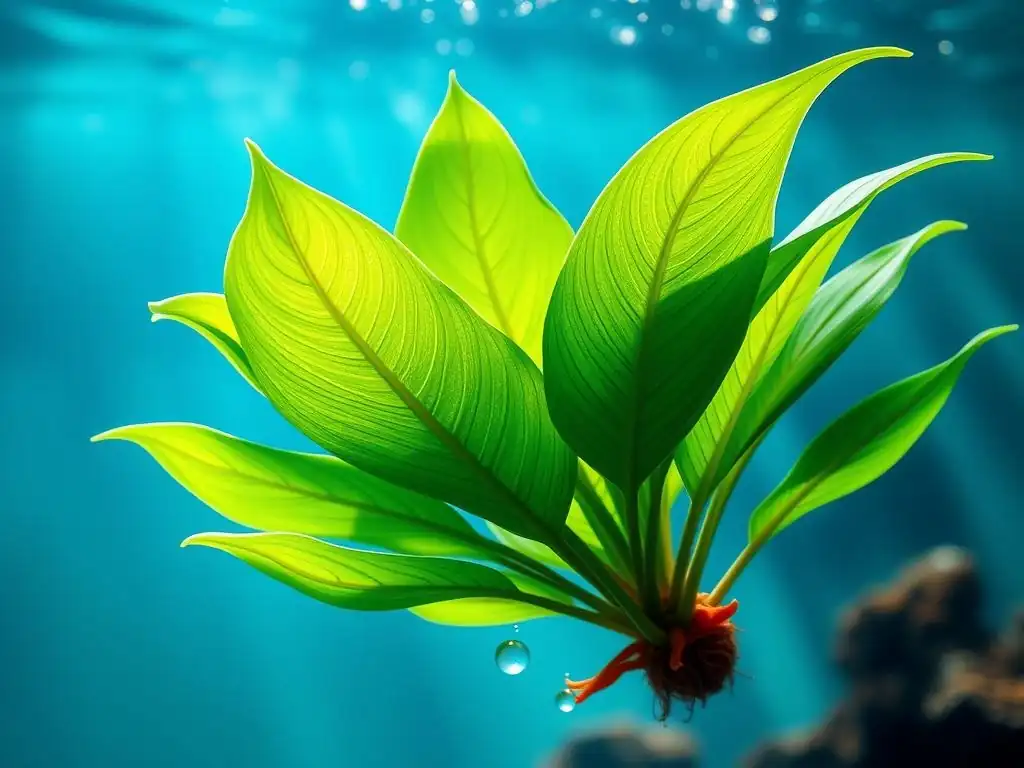
Algae blooms are one of the most frustrating challenges in planted aquariums, and light issues are frequently at their root. Excessive light, particularly when combined with insufficient CO2 or nutrient imbalances, is a primary trigger. For instance, green spot algae often indicates too much light intensity or duration, especially if it's appearing on the glass and slow-growing plant leaves like Anubias. Hair algae or staghorn algae can also proliferate rapidly under high light when CO2 or nutrients are unstable.
To address light-related algae, first assess your photoperiod. If it exceeds 8-10 hours, reduce it. If you have a dimmable light, try reducing its intensity by 10-20% for a week or two. Ensure your CO2 levels are stable and adequate (25-35 ppm for high light tanks). Consider a 3-day blackout if the algae is severe, followed by reduced light intensity and duration. Regularly cleaning the tank walls and performing water changes to remove excess nutrients also helps. By identifying the specific type of algae and understanding its relationship with light, you can more effectively restore the optimal light for planted tank balance.
While too much light causes algae, insufficient light can lead to equally problematic issues like plant stunting and apparent nutrient deficiencies. When plants don't receive enough Photosynthetically Active Radiation (PAR), their growth slows down significantly, even if all other nutrients are abundant. Symptoms include very slow growth, pale or yellowish leaves (mimicking iron deficiency), or small, undeveloped new leaves. For example, a Rotala rotundifolia stem plant in low light might stretch thinly towards the surface (etiolation) and lose its vibrant color, whereas under optimal light for planted tank conditions, it would grow bushy and compact with reddish hues.
Insufficient light directly impacts a plant's ability to absorb and process nutrients. If the plant cannot photosynthesize effectively, its metabolic machinery slows down, making it less efficient at taking up nitrates, phosphates, potassium, or micronutrients from the water column. This can lead to symptoms that resemble actual nutrient deficiencies, even if the nutrients are present in the water.
The solution is to gradually increase light intensity or duration, ensuring that CO2 and other nutrients are also scaled up proportionally. For instance, increasing the photoperiod from 6 to 8 hours or slightly raising the light fixture's intensity might be enough to kickstart growth and resolve the apparent deficiencies.
Light Burn: Identifying and Preventing Damage from Excessive Light
Light burn is a common issue in high-tech planted tanks, occurring when plants are exposed to excessively high light intensity, often beyond 70-80 PAR, without adequate CO2 and nutrients to match. Symptoms typically include leaves turning pale, white, or translucent, especially new growth, or developing a bleached appearance. In severe cases, leaves can melt entirely, or plants may become covered in a stubborn green film algae. For instance, the tips of Rotala macrandra might turn white and crispy, or Glossostigma elatinoides might bleach and thin out, indicating light stress.
To prevent light burn, it's essential to ensure your light intensity is matched to your CO2 and nutrient levels. If you suspect light burn, immediately reduce your light intensity (e.g., dim the lights by 10-20%) or shorten your photoperiod by an hour or two. Raising the light fixture further from the water surface can also effectively reduce PAR. Additionally, verify that your CO2 levels are consistently in the optimal light for planted tank range (25-35 ppm) and that you are providing a comprehensive fertilization regimen. Sometimes, adding floating plants can provide temporary shade to sensitive plants while you troubleshoot the underlying light intensity issue.
Advanced Lighting Techniques for Planted Aquariums
Using Reflectors and Diffusers to Maximize Light Distribution
Optimizing light distribution within a planted aquarium goes beyond just selecting the right fixture; it involves understanding how light travels and how to manipulate it for maximum benefit. Reflectors are highly effective tools, particularly with fluorescent and metal halide lighting, to direct more light downwards into the tank. A well-designed reflector can significantly increase the PAR output at the substrate level, sometimes by as much as 30-50%, compared to a bare bulb. This is crucial for achieving the optimal light for planted tank conditions, especially in deeper tanks or for light-demanding carpeting plants. For example, a T5HO bulb with an individual parabolic reflector will deliver far more focused light than a bulb in a simple flat reflector.
Diffusers, on the other hand, spread light more evenly across the tank, reducing hot spots and ensuring that all plants receive consistent illumination. While less common in standard aquarium setups, specialized diffusers or even simple translucent sheets can be used to soften intense LED light and prevent light burn on sensitive foreground plants. Some high-end LED fixtures integrate lenses that act as diffusers, spreading the light wider. For deeper tanks, using highly reflective material on the sides of the tank (externally) can also help bounce stray light back into the water column, further enhancing overall light penetration and distribution.
Understanding Light Penetration in Deeper Aquariums
Light penetration is a critical consideration for deeper planted aquariums, typically those exceeding 20-24 inches (50-60 cm) in depth. As light travels through water, its intensity diminishes rapidly due to absorption and scattering. This phenomenon, known as the inverse square law, means that doubling the distance from the light source to the plant can reduce the light intensity by a factor of four. Furthermore, specific wavelengths, particularly red light, are absorbed more quickly by water than blue light, which can lead to a shift in the light spectrum at the bottom of a deep tank.
To achieve optimal light for planted tank conditions in deeper setups, significantly more powerful light fixtures are required. For example, a 12-inch deep tank might thrive with 30-40 PAR from a modest LED, whereas a 30-inch deep tank would need a much higher wattage or more concentrated LED or metal halide fixture to deliver the same PAR at the substrate. Aquarists with deep tanks often choose fixtures with strong "punch" or focused optics. Strategically placing light-demanding plants higher up on hardscape or near the water surface, and reserving lower areas for low-light tolerant species, is also a common practice to manage light distribution effectively in these challenging environments.
Creating Dynamic Lighting Effects for a Natural Look
Modern programmable LED lighting systems offer the ability to create dynamic lighting effects that mimic natural daylight cycles, enhancing both the aesthetic appeal and potentially the health of a planted aquarium. These advanced features go beyond simply providing the optimal light for planted tank PAR values; they simulate the subtle changes in light intensity and spectrum that occur throughout a day in a natural aquatic environment.
Common dynamic effects include:
- Sunrise/Sunset Simulation: Gradually increasing light intensity and shifting color temperature from warm reds/oranges in the morning to brighter whites at midday, then reversing the process in the evening. This gentle transition reduces stress on fish and plants compared to an abrupt on/off cycle.
- Cloud Simulation: Randomly dimming the lights for short periods, mimicking passing clouds. This provides brief periods of lower intensity, which can help mitigate algae growth by slightly disrupting photosynthetic cycles.
- Moonlight: A very low intensity blue light that comes on after the main lights turn off, providing a subtle glow for nocturnal viewing and allowing fish to navigate. While not directly beneficial for plant growth, it contributes to a more natural nocturnal environment.
These programmable features, found in fixtures like the Fluval Plant 3.0 or Chihiros WRGB II, allow aquarists to fine-tune not just the intensity but also the experience of their planted tank, creating a more engaging and visually stunning display while still providing the necessary light for robust plant growth.
Achieving the Perfect Balance: Optimizing Light for a Thriving Planted Tank Ecosystem
Achieving the optimal light for planted tank success is not about simply providing the brightest light possible; it's about striking a precise balance within the entire aquatic ecosystem. Light, CO2, and nutrients are the three pillars of a thriving planted tank, and a deficiency or excess in one will inevitably impact the others. A high-light setup, for instance, demands robust CO2 injection and a comprehensive fertilization regimen, while a low-light tank can flourish with minimal intervention. Understanding your specific plant species' needs and matching your light intensity accordingly is the foundational step.
Continuous observation and adaptation are key to maintaining this delicate equilibrium. Algae blooms, stunted growth, or plant discoloration are often early warning signs of an imbalance, prompting the aquarist to adjust light duration, intensity, CO2 levels, or nutrient dosing. By methodically troubleshooting and fine-tuning these parameters, aquarists can create a dynamic, healthy environment where aquatic plants not only survive but truly thrive, showcasing their vibrant colors and lush forms. This holistic approach ensures that the light provided empowers the entire planted tank ecosystem, leading to long-term stability and beauty.
Frequently Asked Questions
What exactly is "optimal light" for a planted aquarium?
Optimal light refers to the ideal balance of light intensity, spectrum, and duration needed for healthy plant growth without promoting excessive algae. It varies depending on the specific plants you keep.
How do I determine the correct light intensity for my planted tank?
Consider your plants' needs. Plants are categorized into low, medium, and high light requirements. Use PAR (Photosynthetically Active Radiation) measurements or approximate based on light wattage per gallon.
What role does the light spectrum play in plant growth?
Different light spectrums influence photosynthesis differently. Red and blue light are particularly important for plant growth, but a full spectrum light is usually best.
How long should I keep the lights on in my planted aquarium each day?
Generally, a photoperiod of 8-10 hours is recommended. Too much light can lead to algae blooms, while too little can stunt plant growth.
What are some signs that my planted tank isn't getting enough or too much light?
Signs of insufficient light include leggy growth and yellowing leaves. Excessive light can cause algae outbreaks on plants and tank surfaces.
Final Reflection: Illuminating the Path to Aquatic Harmony
The journey to understanding optimal light for planted tanks is not merely about wattage and PAR values; it's about fostering a thriving ecosystem within the confines of glass. The principles we've explored, from spectrum analysis to photoperiod adjustments, are not just theoretical exercises, but practical tools that empower aquarists to cultivate underwater paradises. The ability to manipulate light, the very essence of life, allows us to sculpt vibrant, healthy aquatic environments that mirror the beauty and complexity of the natural world.
This pursuit of optimal lighting transcends the technical aspects of aquarium keeping. It's a testament to our dedication to nurturing life and creating spaces of beauty and tranquility. It reminds us that even in controlled environments, understanding and respecting the fundamental needs of living organisms is paramount. The best and most beautiful things in the world cannot be seen or even touched - they must be felt with the heart.
- Helen Keller. This quote resonates deeply, reminding us that the true reward lies not just in the visual spectacle of a lush planted tank, but in the profound connection we forge with the life within.
Now, armed with this knowledge, I invite you to reflect on your own aquascaping journey. Consider how you can apply these principles to create a more balanced and vibrant environment for your aquatic plants. Experiment, observe, and never cease to learn. Let the light guide you, not just to a beautiful tank, but to a deeper understanding of the intricate dance of life that unfolds within its watery depths. Embrace the challenge, and illuminate your path to aquatic harmony.
Ignite Your Aquarium: Cultivate Thriving Aquatic Life!
Thank you for diving into the world of planted aquariums! Now that you understand the vital role of light intensity, it's time to take action and witness explosive growth in your underwater garden.
Here are a few ways to continue your journey:
- Precisely measure your aquarium's light intensity using a PAR meter (or build your own DIY version! ), and adjust your lighting to meet the specific needs of your plants.
- Share your newly acquired knowledge! Help other aquarists achieve lush planted tanks by sharing this article on social media or in aquarium forums.
- Brainstorm unconventional ways to diffuse light in your aquarium—could strategically placed driftwood or rock formations enhance growth in shadowed areas?
What unexpected change are you most excited to implement in your aquarium lighting setup this week?