
Setting Up the Perfect Oscar Tank: From Substrate to Filtration

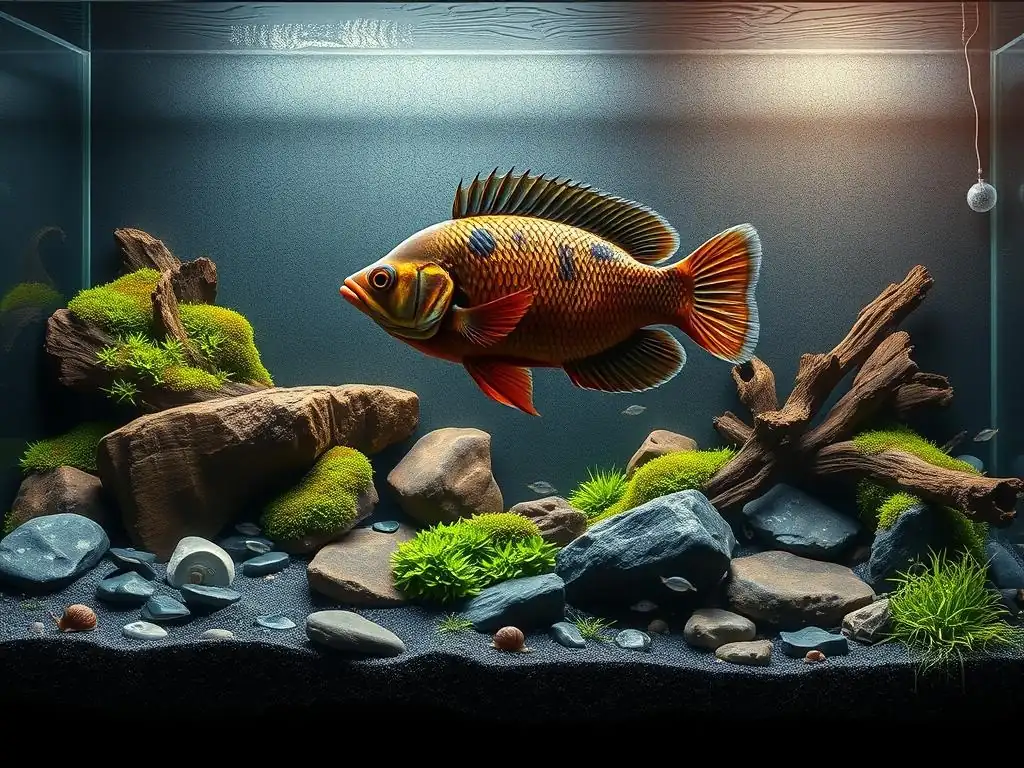
Welcome to Aquarium Mastery!
Ever wondered what lies beneath the surface of a thriving Oscar tank? You're in the right place! Dive into our comprehensive guide on Oscar tank substrate setup and discover the secrets to creating a healthy and beautiful environment for your magnificent fish. From choosing the right materials to understanding the crucial role substrate plays in water quality, get ready to elevate your Oscar-keeping game. Intrigued? Keep reading to unlock the keys to a truly spectacular Oscar aquarium!
- Understanding Oscar Tank Essentials for a Thriving Aquarium
- Choosing the Right Oscar Tank Substrate: A Comprehensive Guide
-
Mastering Oscar Tank Filtration: Keeping Your Water Pristine
- The Role of Filtration in Maintaining a Healthy Oscar Tank
- Types of Oscar Tank Filters: A Detailed Overview
- Choosing the Right Filter Size and Flow Rate for Your Oscar Tank
- Filter Media Selection for Oscar Tanks: Biological, Mechanical, and Chemical Filtration
- Setting Up Your Oscar Tank Filtration System: A Step-by-Step Guide
- Maintaining Your Oscar Tank Filtration System for Optimal Performance
- Combining Substrate and Filtration for a Balanced Oscar Tank Ecosystem
- Troubleshooting Common Oscar Tank Substrate and Filtration Issues
- Beyond Substrate and Filtration: Essential Oscar Tank Setup Considerations
- Conclusion: Creating the Ideal Habitat for Your Oscar
- Frequently Asked Questions
- Final Reflection: Cultivating Thriving Aquatic Ecosystems
- Dive Deeper: Begin Your Oscar Tank Adventure!
Understanding Oscar Tank Essentials for a Thriving Aquarium
The Importance of Proper Substrate and Filtration in Oscar Tanks
The foundation of a healthy Oscar tank lies in two critical components: the chosen substrate and a robust filtration system. Oscars (Astronotus ocellatus) are large, active, and notoriously messy cichlids, producing a significant bioload. A carefully selected Oscar tank substrate setup is not merely aesthetic; it plays a vital role in supporting beneficial bacteria that break down waste, and it influences the ease of maintenance. Incorrect substrate choices can lead to trapped detritus, anaerobic pockets, and ultimately, poor water quality.
Equally important, or perhaps even more so, is the filtration system. Given an Oscar's substantial waste production, a powerful and efficient filter is non-negotiable for maintaining pristine water parameters. Effective filtration ensures the removal of physical debris (mechanical filtration), converts toxic ammonia and nitrite into safer nitrates (biological filtration), and eliminates dissolved impurities and odors (chemical filtration). Without adequate filtration, an Oscar tank can quickly accumulate harmful toxins, leading to stressed fish, disease outbreaks like fin rot or hole-in-the-head, and a significantly shortened lifespan for these magnificent cichlids, which can live for 10-15 years in optimal conditions.
Choosing the Right Oscar Tank Substrate: A Comprehensive Guide
Oscar Tank Substrate Options: Gravel, Sand, and Bare Bottom
When planning your Oscar tank substrate setup, aquarists primarily consider three main options: traditional aquarium gravel, fine sand, or a bare-bottom approach. Each choice offers distinct advantages and disadvantages concerning aesthetics, maintenance, and the Oscar's natural behaviors. Understanding these differences is crucial for creating an environment that supports both the fish's well-being and the aquarist's ability to maintain water quality.
Oscars are known for their strong digging instincts; they frequently rearrange decor and can even move substantial amounts of substrate. This natural behavior, while entertaining to observe, directly impacts the suitability of different substrate types. A substrate that accommodates this digging without creating excessive maintenance burdens or posing health risks to the Oscar is ideal. The chosen Oscar tank substrate should enhance the tank's ecosystem and allow for efficient waste management.
Comparing Substrate Types for Oscar Tanks: Pros and Cons
Gravel Substrate for Oscars: Advantages and Disadvantages
Gravel is a popular choice for many freshwater aquariums due to its aesthetic versatility and ability to provide ample surface area for beneficial nitrifying bacteria. For an Oscar tank, gravel can offer a natural look and help anchor some types of decor. A typical 75-gallon Oscar tank might require approximately 75 to 100 pounds of gravel to achieve a recommended depth of 2-3 inches, which allows for bacterial colonization. The larger particle size of gravel also means it's less likely to be ingested by the Oscar compared to very fine sand.
However, gravel presents significant challenges for an Oscar tank substrate setup. Its larger particle size allows uneaten food and fish waste to fall into the crevices, where it can decompose and become a source of nitrates if not meticulously cleaned. This requires frequent and thorough gravel vacuuming, often weekly, to prevent the buildup of anaerobic pockets. Additionally, Oscars' strong digging can displace gravel, potentially exposing the tank bottom or creating uneven areas where waste can accumulate.
Sand Substrate for Oscars: Advantages and Disadvantages
Sand, particularly fine aquarium sand, can be an excellent choice for an Oscar tank, as it closely mimics their natural riverbed habitats. Oscars genuinely enjoy sifting through sand, a natural foraging behavior that can enrich their environment. One significant advantage of sand is that waste tends to sit on top of it rather than sinking deep into the substrate, making surface siphoning much easier during routine maintenance. For a 75-gallon tank, a 1-2 inch layer might require 80-120 pounds of sand.
Despite its benefits, sand also has drawbacks. If not regularly disturbed by the Oscar's digging or by an aquarist's intervention, sand can compact and develop anaerobic spots, though this risk is generally lower with active digging fish like Oscars. The fine particles of sand can also be problematic during initial setup, causing significant cloudiness, and can potentially clog filter impellers if proper intake protection is not used. Furthermore, aggressive digging can sometimes lead to sand being kicked up and settling in filter intakes.
Bare Bottom Oscar Tanks: Advantages and Disadvantages
A bare-bottom tank, meaning no substrate is used, is a practical option that prioritizes ease of cleaning and water quality control above all else. In this setup, all fish waste and uneaten food are immediately visible on the tank floor, allowing for quick and complete siphoning. This significantly simplifies maintenance and makes it easier to maintain consistently low nitrate levels, a crucial factor for high-bioload fish like Oscars. Bare-bottom tanks are often favored by breeders or aquarists who must manage multiple tanks.
The primary disadvantage of a bare-bottom Oscar tank setup is aesthetic; many find it unnatural and less visually appealing than a tank with substrate. It also eliminates any surface area for beneficial bacteria that a substrate would provide, placing a greater reliance solely on filter media for biological filtration. Some aquarists observe that Oscars in bare-bottom tanks may exhibit less natural digging behavior, potentially impacting their overall enrichment, though this is often compensated by providing ample decor.
Substrate Depth and Oscar Tank Cleaning Considerations
The depth of your chosen substrate is a critical factor in an Oscar tank substrate setup. For gravel, a depth of 2-3 inches is generally recommended. This provides sufficient space for beneficial bacteria to colonize without being excessively deep, which could lead to problematic anaerobic zones if not thoroughly cleaned.
For sand, a shallower depth of 1-2 inches is often preferred. This depth allows for the Oscar's natural sifting behavior while minimizing the risk of compacted, oxygen-deprived areas. Too deep a substrate, regardless of type, can lead to the formation of toxic hydrogen sulfide gas, which is highly detrimental to fish health.
Cleaning techniques must be adapted to the substrate type. For gravel, thorough gravel vacuuming during weekly water changes is essential to remove trapped detritus. Aquarists should aim to vacuum 25-50% of the substrate surface during each 25-50% water change to prevent waste accumulation. With sand, the focus shifts to surface siphoning, as most waste remains on top. Bare-bottom tanks require daily or every-other-day siphoning of visible waste, which is often a very quick process due to the lack of substrate. Consistent and appropriate cleaning is paramount for maintaining water quality in an Oscar tank.
Preparing Your Chosen Substrate for Oscar Tank Use
Proper preparation of new substrate is a crucial step that is often overlooked but can significantly impact initial water clarity and tank stability. All new substrate, whether gravel or sand, must be thoroughly rinsed before being added to the aquarium. This process removes fine dust particles, debris, and any manufacturing residues that could otherwise cloud the water, clog filters, or introduce unwanted substances into your Oscar's environment.
Rinsing should continue until the water running through the substrate is completely clear. For a typical 20-pound bag of gravel or sand, this can often take 10-20 minutes of continuous rinsing under running water. Failure to adequately rinse substrate, particularly fine sand, can result in a tank that remains cloudy for days or even weeks, requiring multiple large water changes and filter cleanings to resolve. This initial cloudiness not only obscures visibility but can also stress the fish and potentially harm filter components.
Mastering Oscar Tank Filtration: Keeping Your Water Pristine
The Role of Filtration in Maintaining a Healthy Oscar Tank
Filtration is the cornerstone of a healthy Oscar aquarium, arguably more so than for many other freshwater species due to the Oscar's substantial bioload. An adult Oscar, which can grow to 12-14 inches, produces a significant amount of waste, including ammonia, a highly toxic byproduct of fish metabolism. A robust filtration system is absolutely essential for processing these waste products, ensuring that ammonia and nitrite levels remain at zero parts per million (ppm) and nitrates are kept below 20 ppm.
The filtration system performs three vital functions: mechanical, biological, and chemical filtration. Mechanical filtration physically removes uneaten food, fish waste, and other particulate matter, keeping the water clear. Biological filtration is where beneficial bacteria convert toxic ammonia to nitrite and then nitrite to less harmful nitrate, a process known as the nitrogen cycle. Chemical filtration removes dissolved impurities, odors, and sometimes specific toxins or excess nutrients. A comprehensive Oscar tank filter setup integrates all three types of filtration to create a stable, healthy environment.
Types of Oscar Tank Filters: A Detailed Overview
Hang-On-Back (HOB) Filters for Oscar Tanks
Hang-On-Back (HOB) filters are external filtration units that sit on the rim of the aquarium, drawing water from the tank through an intake tube and returning it over a spillway. They are popular for their ease of installation and relatively low cost. For an Oscar tank, a single HOB filter may not be sufficient unless it is an oversized model or used in conjunction with other filtration. For example, a HOB filter rated for a 100-150 gallon tank might be considered for a 75-gallon Oscar setup to provide adequate filtration capacity.
While convenient, HOB filters typically have limited media capacity compared to other filter types, which can restrict their effectiveness for the high bioload of an Oscar. They usually offer basic mechanical, biological, and sometimes chemical filtration through cartridges or small media baskets. Their design can also lead to evaporative water loss and, in some cases, a significant amount of surface agitation, which may or may not be desirable depending on the tank's inhabitants.
Canister Filters for Oscar Tanks: Optimal Filtration Power
Canister filters are sealed external units that provide multi-stage filtration, making them widely regarded as the gold standard for large, messy fish like Oscars. They sit below the aquarium, drawing water via an intake tube and returning it through a spray bar or output nozzle. Their design allows for a much larger volume of filter media compared to HOBs, enabling superior mechanical, biological, and chemical filtration. A good canister filter for a 75-gallon Oscar tank would typically be rated for a flow rate of 250-400 gallons per hour (GPH) or more, ensuring excellent water turnover.
The benefits of canister filters for an Oscar tank filter setup are numerous. They are highly efficient at removing both particulate matter and dissolved impurities, and they provide an extensive surface area for beneficial bacterial colonies, crucial for managing an Oscar's significant bioload. Canister filters operate quietly, are less visually intrusive than HOBs, and often require less frequent maintenance (e.g., monthly to quarterly cleaning, depending on bioload) due to their large media capacity.
Sponge Filters for Oscar Tanks: Biological Filtration
Sponge filters are simple, air-driven filters that provide excellent biological filtration and some mechanical filtration. They consist of a weighted base, an air stone or powerhead, and a porous sponge. Water is drawn through the sponge, where beneficial bacteria colonize its vast surface area, processing ammonia and nitrite. While inexpensive and easy to maintain, a single sponge filter is rarely sufficient as the sole filtration for an adult Oscar tank due to their relatively low flow rate and limited mechanical capacity. A large sponge filter might be rated for a 20-40 gallon tank.
For an Oscar tank, sponge filters are best utilized as supplemental biological filtration, adding extra capacity for beneficial bacteria, especially in tanks with a high bioload or during the initial cycling phase. They are also ideal for hospital or quarantine tanks due to their gentle flow and ease of cleaning. Although not typically the primary filter, their contribution to biological stability can be valuable in a comprehensive Oscar tank filter setup.
Undergravel Filters for Oscar Tanks: A Less Common Choice
Undergravel filters (UGFs) were once a common filtration method, working by pulling water down through the substrate (typically gravel), which then acts as a filter medium. They consist of a perforated plate placed under the gravel, connected to lift tubes that use air pumps or powerheads to create water flow. For a 75-gallon tank, two large UGF plates would typically be used.
However, UGFs are now much less common for Oscar tanks, primarily due to their significant drawbacks. Oscars' powerful digging habits can easily disrupt the UGF plates, rendering them ineffective or even exposing the filter components. More critically, waste can accumulate underneath the plates over time, leading to anaerobic conditions and the release of toxic gases like hydrogen sulfide. Modern external filters generally offer superior performance, easier maintenance, and fewer risks for a robust fish like the Oscar.
Choosing the Right Filter Size and Flow Rate for Your Oscar Tank
Selecting the appropriate filter size and flow rate is paramount for an Oscar tank filter setup. Given their high bioload, it is always recommended to "oversize" the filtration. A general rule of thumb is to choose a filter or combination of filters that can process the entire tank volume at least 5 to 10 times per hour.
For example, for a 75-gallon Oscar tank, aim for a total flow rate of 375 to 750 gallons per hour (GPH). This high turnover rate ensures that water is constantly being processed, effectively removing waste products before they can accumulate to dangerous levels.
While a high flow rate is desirable for efficient filtration, it's also important to consider the comfort of your Oscar. Some Oscars can be stressed by excessively strong currents. If your chosen filter has a very high GPH, consider using accessories like a spray bar to diffuse the output flow, creating a gentler current while still maintaining high water turnover. Many modern canister filters also offer adjustable flow rates, providing flexibility to fine-tune the environment to your Oscar's preference.
Filter Media Selection for Oscar Tanks: Biological, Mechanical, and Chemical Filtration
A comprehensive Oscar tank filter setup relies on a balanced selection of filter media, each serving a distinct purpose in maintaining pristine water quality. Integrating mechanical, biological, and chemical media ensures that all types of waste and impurities are addressed, from solid particles to dissolved toxins. This multi-stage approach is crucial for managing the significant bioload of an Oscar.
Mechanical media removes physical debris, keeping the water clear and preventing biological media from becoming clogged. Biological media provides the essential surface area for beneficial bacteria to thrive, which are responsible for the critical nitrogen cycle. Chemical media targets dissolved impurities, odors, and specific contaminants that mechanical and biological filtration cannot handle. Understanding the role of each and selecting appropriate media is key to a successful Oscar aquarium.
Biological Filter Media: Establishing a Beneficial Bacteria Colony
Biological filter media is arguably the most crucial component of an Oscar tank filter setup, as it provides the vast surface area necessary for the colonization of nitrifying bacteria. These bacteria, primarily Nitrosomonas and Nitrobacter, are responsible for the nitrogen cycle: converting highly toxic ammonia (from fish waste and uneaten food) into less toxic nitrite, and then converting nitrite into even less toxic nitrate. Common biological media include ceramic rings, bio-balls, porous sponges, and specialized bio-media like Seachem Matrix or Fluval BioMax. A 75-gallon tank's canister filter might effectively house 1-2 liters of high-quality biological media.
To optimize biological filtration, ensure that water flows efficiently through the media, providing ample oxygen to the bacteria. It's vital to avoid over-cleaning biological media, as this can disrupt or destroy the beneficial bacterial colonies. During filter maintenance, biological media should only be gently rinsed in old tank water (water removed during a water change) to preserve as much of the bacterial colony as possible, ensuring the nitrogen cycle remains stable.
Mechanical Filter Media: Removing Particulate Matter
Mechanical filter media serves the primary function of physically removing particulate matter from the water column. This includes uneaten food, fish waste, plant debris, and any other suspended particles that contribute to cloudy water. By trapping these solids, mechanical media helps to keep the water clear and prevents the finer biological media from becoming clogged, thus maintaining the efficiency of the entire filtration system. Common examples of mechanical media include filter floss, coarse and fine sponges, and filter pads.
Given the Oscar's messy eating habits and significant waste production, mechanical media in an Oscar tank filter setup will become dirty quickly. It is essential to clean or replace mechanical media frequently, often on a weekly or bi-weekly basis, depending on the tank's bioload. Neglecting this can lead to the trapped debris breaking down within the filter, contributing to the overall bioload and potentially increasing nitrate levels, counteracting the purpose of mechanical filtration.
Chemical Filter Media: Controlling Water Parameters
Chemical filter media uses chemical reactions or adsorption to remove dissolved impurities, odors, and specific toxins that mechanical and biological filtration cannot address. The most widely used chemical media is activated carbon, which excels at removing medications, tannins (which can tint the water brown), and odors, resulting in crystal-clear and fresh-smelling water. Other chemical media include Zeolite, which can temporarily remove ammonia, and specialized resins designed to target nitrates or phosphates.
While beneficial for maintaining water clarity and purity, chemical media like activated carbon have a limited lifespan. Typically, activated carbon becomes saturated and ineffective after 2-4 weeks and must be replaced to continue performing its function. It should be used as a supplement to, rather than a replacement for, robust mechanical and biological filtration. Relying solely on chemical media to manage high nitrate levels, for instance, indicates an underlying issue with insufficient biological filtration or inadequate water change routines in the Oscar tank setup.
Setting Up Your Oscar Tank Filtration System: A Step-by-Step Guide
Setting up your Oscar tank filtration system correctly is vital for its long-term performance and the health of your fish. Begin by carefully assembling the filter according to the manufacturer's instructions. Ensure all hoses, clamps, and connections are securely fastened to prevent leaks, which can cause significant damage to your home. Position the intake tube and output nozzle strategically within the tank to promote optimal water circulation throughout the entire aquarium, preventing dead spots where waste might accumulate. For canister filters, ensure the unit is placed below the tank level to allow for proper siphoning and water flow.
Once assembled and positioned, the next critical step is priming the filter. For Hang-On-Back (HOB) filters, this typically involves filling the filter box with tank water before plugging it in. For canister filters, a priming pump or siphon method is used to fill the filter canister with water, eliminating air pockets.
After priming, plug in the filter and observe its operation, checking for proper flow and, most importantly, any leaks. The filtration system should then run continuously, 24 hours a day, 7 days a week, as shutting it off even for short periods can lead to the death of beneficial bacteria and a crash in the nitrogen cycle.
Maintaining Your Oscar Tank Filtration System for Optimal Performance
Regular and proper maintenance of your Oscar tank filtration system is as critical as the initial setup for ensuring optimal performance and maintaining a healthy environment for your fish. Mechanical filter media, such as sponges and filter floss, should be cleaned or replaced frequently, typically weekly or bi-weekly, due to the high volume of waste produced by Oscars. This prevents the accumulation of trapped debris from breaking down and contributing to the bioload.
Biological filter media, which houses the beneficial bacteria, requires a more delicate approach. It should only be rinsed gently in old tank water (water siphoned from the tank during a water change) during periodic maintenance, perhaps monthly or quarterly. Never rinse biological media under tap water, as the chlorine can kill the beneficial bacteria.
Chemical media, like activated carbon, must be replaced regularly, typically every 2-4 weeks, as it becomes saturated and loses its effectiveness. A crucial rule is to never clean all filter media at once, as this can severely disrupt the nitrogen cycle and lead to dangerous ammonia and nitrite spikes. Staggering cleaning or only cleaning mechanical media frequently while gently rinsing biological media less often helps maintain stability.
Combining Substrate and Filtration for a Balanced Oscar Tank Ecosystem
The Interplay Between Substrate and Filtration in Oscar Tank Health
The substrate and filtration system in an Oscar tank are not independent entities; they work in concert to create a balanced and healthy aquatic ecosystem. While the robust filter handles the primary burden of waste processing and water purification, the substrate also contributes significantly, particularly to biological filtration, if chosen and maintained correctly. A well-aerated substrate, especially gravel or sand, provides additional surface area for beneficial bacteria to colonize, complementing the biological capacity of the filter media. This collaborative effort helps to process ammonia and nitrite more efficiently, stabilizing water parameters.
Conversely, a poor choice or inadequate maintenance of either component can severely compromise the entire system. An inappropriate Oscar tank substrate setup, such as a deep, neglected gravel bed, can become a "nitrate factory," accumulating vast amounts of organic waste that break down into nitrates, overwhelming even a powerful filtration system. Similarly, an undersized or poorly maintained filter will struggle to keep water parameters stable, regardless of the substrate, leading to chronic water quality issues. Achieving a healthy Oscar tank requires careful consideration of how these two vital elements interact and support each other.
Cycling Your Oscar Tank: Establishing a Healthy Nitrogen Cycle
Cycling your Oscar tank is an absolutely non-negotiable step before introducing any fish. This process establishes the nitrogen cycle, a biological filtration system that converts highly toxic ammonia (produced by fish waste and uneaten food) into less toxic nitrite, and then nitrite into relatively harmless nitrate. This conversion is carried out by colonies of beneficial nitrifying bacteria that colonize the surfaces within your aquarium, primarily the biological media in your filter and, to a lesser extent, the substrate.
A fishless cycle, using a pure ammonia source, is the safest and most humane method, typically taking 4-6 weeks to complete. During this period, you will observe spikes in ammonia and nitrite, followed by their decline to zero, and a rise in nitrates, indicating a successful cycle.
A robust filtration system with ample biological media is paramount for quickly establishing and maintaining a stable nitrogen cycle in an Oscar tank setup. The large surface area provided by biological media accelerates the growth of these essential bacteria. Once established, this bacterial colony will continuously process the significant bioload produced by an Oscar, preventing the buildup of harmful toxins. Without a fully cycled tank, Oscars are highly susceptible to ammonia and nitrite poisoning, which can lead to severe stress, disease, and even death.
Troubleshooting Common Oscar Tank Substrate and Filtration Issues
Cloudy Water in Your Oscar Tank: Causes and Solutions
Cloudy water is a common issue in aquariums, particularly Oscar tanks due to their high bioload, and can stem from several causes related to substrate and filtration. A milky white cloudiness often indicates a bacterial bloom, common in new tanks during the cycling process or after large water changes, as beneficial bacteria populations are establishing or re-establishing. A grayish cloudiness might suggest an excess of particulate matter, often from unrinsed substrate or insufficient mechanical filtration. Green cloudiness is typically an algae bloom, caused by excess nutrients and light.
To resolve cloudy water, the solution depends on the cause. For bacterial blooms, reduce feeding, ensure good aeration, and allow the nitrogen cycle to stabilize; avoid large water changes unless ammonia/nitrite levels are dangerously high. For particulate matter, ensure your Oscar tank substrate setup was properly rinsed, increase the frequency of mechanical filter media cleaning/replacement, and consider adding more mechanical filtration.
For algae blooms, address excess light (reduce duration to 6-8 hours daily) and nutrients (perform water changes, reduce feeding), and ensure robust nitrate removal. Consistent maintenance of both substrate and filtration is key to preventing most instances of cloudy water.
High Nitrate Levels in Your Oscar Tank: Management Strategies
High nitrate levels are a frequent challenge in Oscar tanks, primarily due to their large bioload and the final product of the nitrogen cycle. While less toxic than ammonia or nitrite, persistently high nitrate levels (above 20 ppm, and especially above 40 ppm) can stress Oscars, suppress their immune system, and make them more susceptible to diseases like Hole-in-the-Head. Common causes include overfeeding, overstocking, insufficient water changes, or inadequate biological filtration.
The primary and most effective strategy for managing high nitrate levels in an Oscar tank setup is performing regular, substantial water changes. For an adult Oscar in a 75-gallon tank, weekly water changes of 50% are often necessary to keep nitrates in check. Additionally, reduce feeding to only what the fish can consume in 2-3 minutes, once or twice daily, to minimize waste.
Ensure your biological filtration is robust and well-maintained. While live plants can absorb nitrates, Oscars often uproot or eat them. Nitrate-removing chemical media can also be used as a temporary aid but should not replace diligent water changes.
Substrate Accumulation and Oscar Tank Cleaning Techniques
Even with effective filtration, waste and detritus can accumulate within the substrate, particularly in gravel-based Oscar tanks. This accumulation of organic matter, including uneaten food and fish waste, will break down over time, contributing to nitrate levels and, if conditions become anaerobic (oxygen-deprived), potentially releasing harmful hydrogen sulfide gas. This issue is less prevalent with sand (where waste sits on top) and bare-bottom tanks (where waste is entirely visible).
To combat substrate accumulation, regular and thorough cleaning techniques are essential for your Oscar tank substrate setup. For gravel substrates, consistent gravel vacuuming during weekly water changes is crucial. Aim to vacuum at least 25-50% of the substrate surface area with each water change, penetrating deep into the gravel to extract trapped debris. For sand substrates, surface siphoning is the most effective method, as waste largely remains on top. Bare-bottom tanks simply require daily or every-other-day siphoning of any visible waste. Ensuring your chosen substrate allows for easy and effective cleaning is a key consideration for long-term tank health.
Beyond Substrate and Filtration: Essential Oscar Tank Setup Considerations
Oscar Tank Size Requirements: Providing Ample Swimming Space
The single most important factor for an Oscar's well-being, beyond water quality, is providing adequate tank size. Oscars are large cichlids, capable of growing up to 10-14 inches in length, and they are highly active. A single adult Oscar requires a minimum of a 75-gallon aquarium to thrive. For two Oscars, a 125-gallon tank or larger is strongly recommended to provide sufficient swimming space and help mitigate aggression often seen in pairs confined to smaller volumes.
Housing an Oscar in an undersized tank leads to numerous problems. Stunted growth, where the fish's body stops growing but its internal organs continue, is a common and often fatal outcome. Small tanks also exacerbate aggression, increase stress levels, and make it incredibly difficult to maintain stable water parameters due to the high bioload in a limited volume. Providing ample swimming space is not just a recommendation; it's a necessity for ensuring a long, healthy, and engaging life for your Oscar, which can live 10-15 years with proper care.
Oscar Tank Decor: Creating a Natural and Safe Environment
Selecting appropriate decor for an Oscar tank requires careful consideration due to their powerful nature and tendency to rearrange or even destroy tank inhabitants. Oscars are strong diggers and can easily move lighter objects or uproot plants. Therefore, any decor chosen must be heavy, stable, and have smooth edges to prevent injury to the fish or damage to the tank. Large, smooth rocks (such as river rocks or slate), securely anchored driftwood, and robust artificial plants are good choices. Avoid any sharp or abrasive decor that could scrape their delicate skin or fins.
Live plants are generally not recommended for Oscar tanks, as they are almost guaranteed to be uprooted, eaten, or shredded. If an aquarist insists on live plants, very hardy, robust species like Anubias (attached to driftwood or rocks) or Java Fern might occasionally survive, but success is rare. Many Oscar keepers opt for no live plants at all, or use only plastic or silk plants that can withstand the Oscar's rough handling. The focus should be on creating a safe, stimulating environment with secure hiding spots and open swimming areas.
Water Chemistry for Oscar Tanks: Maintaining Optimal Parameters
Maintaining stable and optimal water chemistry is crucial for the health and longevity of your Oscar. Oscars are adaptable but thrive best in slightly acidic to neutral water with a pH range of 6.5-7.5. They prefer soft to moderately hard water, typically with a General Hardness (GH) between 4-12 dGH (70-200 ppm). Temperature stability is also vital, with the ideal range being 74-80°F (23-27°C). Regular testing of pH, ammonia, nitrite, and nitrate levels using a reliable liquid test kit is essential to monitor these parameters.
Consistency in water parameters is often more important than hitting exact target numbers. Sudden fluctuations in pH or temperature can be highly stressful and detrimental to an Oscar's health, leading to weakened immune systems and susceptibility to disease. Large, regular weekly water changes (25-50% for an adult Oscar) using dechlorinated water that is temperature-matched to the tank are the most effective way to maintain stable water chemistry, dilute nitrates, and replenish essential minerals.
Selecting Compatible Tank Mates for Your Oscar
Selecting compatible tank mates for an Oscar can be challenging due to their predatory nature and potential for aggression, especially as they mature. Oscars are opportunistic feeders and will attempt to eat any fish small enough to fit into their mouths. Therefore, suitable tank mates must be similarly sized, robust, and capable of defending themselves, or simply too large to be considered prey. Avoid small, timid, or delicate species, as they will almost certainly become a meal or be constantly stressed.
Good tank mate options for Oscars, when housed in sufficiently large aquariums (e.g., 125 gallons or more for a community), include other large, hardy New World cichlids such as Green Terrors, Severums, Jack Dempseys (with caution due to their aggression), or large South American catfish like Plecos (e.g., Common Pleco, Sailfin Pleco) or Synodontis catfish. It's often best to introduce all tank mates, including the Oscar, when they are relatively young and of similar size to allow them to grow up together and establish a pecking order.
Always monitor for aggression and be prepared to separate fish if conflicts arise.
Conclusion: Creating the Ideal Habitat for Your Oscar
Creating the perfect Oscar tank is a rewarding endeavor that requires careful planning and consistent dedication. As this guide has detailed, the success of your Oscar tank substrate setup and the robustness of your filtration system are fundamental pillars for a thriving aquarium. From selecting the appropriate substrate that supports beneficial bacteria and simplifies cleaning, to implementing a powerful multi-stage filtration system that manages their significant bioload, every decision contributes to the overall health and longevity of these intelligent and captivating fish.
Beyond the core elements of substrate and filtration, providing ample tank size, appropriate decor, stable water chemistry, and carefully selected tank mates are equally vital. By meticulously attending to all these considerations, you will not only ensure a clean and healthy environment but also foster a habitat where your Oscar can exhibit its natural behaviors, grow to its full potential, and bring years of enjoyment as a truly engaging aquatic companion.
Frequently Asked Questions
What is the best substrate for an Oscar tank?
The best substrate for an Oscar tank is generally smooth gravel or sand. Oscars are known to dig, so avoid anything too sharp that could damage them. A bare-bottom tank is also an option for easier cleaning.
How deep should the substrate be in an Oscar tank?
Aim for a substrate depth of around 1-2 inches. This provides enough space for beneficial bacteria to colonize while preventing excessive waste buildup underneath. A deeper substrate can lead to anaerobic pockets.
Can I use aquarium soil in an Oscar tank?
While aquarium soil can be beneficial for planted tanks, it is generally not recommended for Oscar tanks. Oscars often uproot plants and stir up the soil, leading to cloudy water and potential water quality issues.
How often should I clean the substrate in my Oscar tank?
Clean the substrate during your regular water changes, typically once a week or every other week. Use a gravel vacuum to remove debris and uneaten food from the substrate.
Are there any substrates I should avoid in an Oscar tank?
Avoid sharp gravel, small pebbles or anything with sharp edges that could injure your Oscar as it digs. Also, avoid substrates that significantly alter water parameters unless you are experienced and can manage them properly.
Final Reflection: Cultivating Thriving Aquatic Ecosystems
The journey of establishing a thriving Oscar tank, meticulously detailed from substrate selection to filtration mastery, extends far beyond the confines of a glass enclosure. It's a testament to our capacity to create miniature ecosystems, reflecting a deeper understanding of aquatic life and responsible pet ownership. The principles outlined in this guide, while focused on the specific needs of Oscars, resonate with the broader commitment to providing enriching environments for all captive animals.
This endeavor, more than just a hobby, has profoundly shaped my appreciation for the delicate balance within aquatic environments. Witnessing the vibrant health and natural behaviors of an Oscar thriving in a well-maintained tank is a reward in itself, a constant reminder of the positive impact we can have. In the end, we will conserve only what we love; we will love only what we understand; and we will understand only what we are taught.
- Baba Dioum. This quote encapsulates the essence of responsible aquascaping: fostering understanding and, consequently, a deeper respect for the natural world.
Now, armed with this knowledge and a renewed sense of responsibility, I encourage you to reflect on your own role in creating sustainable and enriching environments, whether for aquatic pets or in your broader interactions with nature. Consider the impact of your choices, embrace the continuous learning process, and strive to cultivate not just a beautiful Oscar tank, but a thriving microcosm that reflects your commitment to the well-being of all living creatures.
Dive Deeper: Begin Your Oscar Tank Adventure!
Thank you for exploring the world of Oscar fish and their ideal aquarium setups with us! We hope this guide has equipped you with the knowledge to create a thriving environment for these fascinating creatures. Now, it’s time to put that knowledge into action.
Here are some steps you can take to begin your Oscar tank journey:
- Start Planning Your Tank: Determine the appropriate size for your Oscar, and begin gathering materials like a high-quality tank and substrate. This is the most crucial step!
- Explore Different Decor Options: Research and select the perfect decorations that are not only visually appealing but also safe and enriching for your Oscar, consider natural rock and driftwood.
- Share Your Vision: Sketch out your planned tank setup and share it with fellow aquarium enthusiasts to gather feedback and inspiration.
Ready to take the plunge and create the ultimate Oscar paradise? What unique element will you incorporate into your tank to make it stand out?