
Blyxa Japonica: Is it a Rosette or a Stem? Care for this Grassy Beauty

Welcome to Aquarium Mastery, fellow aquarist!
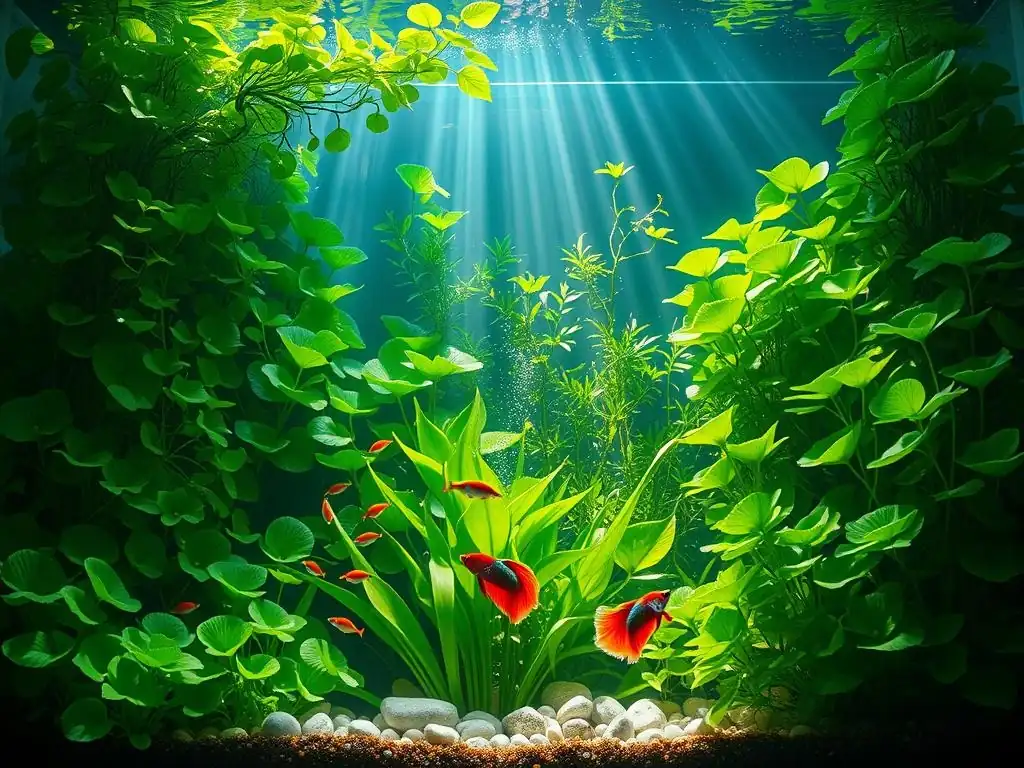
Ever wondered if Blyxa japonica is truly a rosette or a stem plant? Prepare to uncover the secrets to thriving, lush Blyxa japonica in your aquarium. Dive into our comprehensive Blyxa Japonica Care Guide and discover everything you need to know about cultivating this grassy beauty, from lighting and fertilization to propagation techniques. Ready to transform your tank with vibrant green foliage? Let's get started!
- Blyxa Japonica Care Guide: Cultivating this Grassy Aquatic Beauty
- Understanding Blyxa Japonica: An Introduction to This Popular Aquarium Plant
-
Blyxa Japonica Care: A Comprehensive Guide to Growing Healthy Plants
- Optimal Water Parameters for Blyxa Japonica Growth
- Lighting Requirements for Blyxa Japonica: Achieving Vibrant Colors
- CO2 Injection and Blyxa Japonica: Is it Necessary?
- Nutrient Requirements: Fertilizing Blyxa Japonica for Optimal Health
- Substrate Considerations for Blyxa Japonica: Rooting and Growth
- Planting and Propagating Blyxa Japonica: Techniques for Success
- Common Problems and Solutions in Blyxa Japonica Care
- Blyxa Japonica Variations: Exploring Different Forms and Colors
- Blyxa Japonica in Aquascaping: Design Ideas and Placement
- Choosing Blyxa Japonica: Is it Right for Your Aquarium?
-
Frequently Asked Questions
- What is Blyxa Japonica and is it a rosette or stem plant?
- What are the key water parameters for successfully growing Blyxa Japonica?
- What type of lighting does Blyxa Japonica require?
- Does Blyxa Japonica need CO2 injection for optimal growth?
- What are some common issues faced when caring for Blyxa Japonica?
- Final Reflection: Cultivating Aquatic Harmony
- Cultivate Your Own Blyxa Oasis!
Blyxa Japonica Care Guide: Cultivating this Grassy Aquatic Beauty
Understanding Blyxa Japonica: An Introduction to This Popular Aquarium Plant
What is Blyxa Japonica? A Profile of the Grassy Aquarium Plant
Blyxa Japonica is a popular and highly sought-after aquatic plant originating from East and Southeast Asia, including countries like Japan, Korea, China, and parts of India. It is often admired for its vibrant green to reddish hues and its distinctive grassy, bushy appearance.
Despite its compact, rosette-like growth habit, which often leads to it being mistaken for a rosette plant, Blyxa Japonica is botanically classified as a true stem plant with very short internodes. Under optimal conditions, individual plants can reach a height of approximately 5 to 15 centimeters, though some specimens may stretch up to 20 centimeters in taller tanks.
This plant’s aesthetic appeal makes it a favorite in aquascaping, commonly utilized in the midground or as a transitional plant between foreground carpets and taller background species. Its ability to form dense, lush clumps provides excellent visual texture and depth within an aquarium layout. When properly cared for, Blyxa Japonica can create a stunning focal point, adding a natural and refined touch to any freshwater planted tank.
Blyxa Japonica Morphology: Identifying Key Features
The morphology of Blyxa Japonica is characterized by its short, almost inconspicuous central stem from which numerous linear leaves radiate outwards, giving it its characteristic bushy appearance. These leaves are typically narrow, ranging from about 2 to 5 millimeters in width, and possess pointed tips. The plant's overall form is compact, which is why it's frequently confused with rosette plants such as Cryptocorynes or Echinodorus. However, unlike true rosette plants, new leaves of Blyxa Japonica emerge from a central stem, and the plant can be propagated by cutting this stem and replanting the top portion.
Beneath the substrate, Blyxa Japonica develops an extensive, fibrous root system. These roots are crucial for anchoring the plant firmly into the substrate and, more importantly, for absorbing essential nutrients directly from the substrate. A healthy root system is indicative of a thriving plant and is vital for its long-term success in a planted aquarium. The density of its foliage and root structure contributes significantly to its ability to absorb nitrates and other pollutants, thereby benefiting overall water quality.
Blyxa Japonica Care: A Comprehensive Guide to Growing Healthy Plants
Optimal Water Parameters for Blyxa Japonica Growth
Achieving robust and vibrant growth for Blyxa Japonica largely depends on maintaining stable and suitable water parameters. This plant thrives in specific conditions that mimic its natural habitat, making consistent monitoring and adjustments crucial for its health. Deviations from these optimal ranges can lead to stunted growth, discoloration, or even melting of the plant.
A balanced approach to water chemistry, encompassing temperature, pH, and hardness, forms the foundation of successful Blyxa Japonica care. While the plant can tolerate minor fluctuations, prolonged exposure to suboptimal conditions will inevitably stress the plant and diminish its aesthetic appeal and growth rate. Therefore, understanding and actively managing these parameters is a key aspect of any comprehensive Blyxa Japonica care guide.
Temperature Requirements for Blyxa Japonica
Blyxa Japonica thrives best in tropical aquarium temperatures, with an ideal range typically falling between 22°C and 28°C (72°F to 82°F). Within this range, the plant's metabolic processes, including photosynthesis and nutrient uptake, occur most efficiently, leading to vigorous growth and vibrant coloration. Maintaining a stable temperature within this spectrum is crucial, as sudden or significant temperature swings can stress the plant.
While Blyxa Japonica can tolerate temperatures slightly outside this range for short periods, prolonged exposure to cooler temperatures (below 20°C / 68°F) can slow its growth considerably and make it more susceptible to melting or nutrient deficiencies. Conversely, excessively high temperatures (above 30°C / 86°F) can accelerate its metabolism to an unsustainable rate, potentially leading to rapid decline and melting due to increased respiration and oxygen demand.
pH Levels for Thriving Blyxa Japonica Plants
For optimal growth and nutrient assimilation, Blyxa Japonica prefers slightly acidic to neutral water conditions, with an ideal pH range of 6.0 to 7.5. Within this specific pH window, essential nutrients, particularly micronutrients like iron, are more readily available for the plant to absorb through its roots and leaves. A stable pH also contributes to the efficiency of CO2 dissolution and uptake, which is vital for this plant's robust growth.
Water with a pH significantly outside this range, particularly very alkaline conditions (above 7.5), can hinder nutrient availability, leading to deficiencies even if fertilizers are present. For instance, iron becomes less soluble and thus less available to plants in higher pH water. Fluctuations in pH should also be minimized, as they can stress the plant and disrupt its physiological processes.
Water Hardness (GH & KH) Preferences for Blyxa Japonica
Blyxa Japonica generally prefers soft to moderately hard water. For General Hardness (GH), an ideal range is typically between 3-8 dGH (approximately 50-140 ppm). Within this range, the plant can efficiently absorb essential minerals like calcium and magnesium, which are crucial for cell wall development and overall plant structure. Extremely hard water (above 10 dGH) can sometimes impede nutrient uptake and lead to slower growth.
Regarding Carbonate Hardness (KH), a stable level between 3-6 dKH (approximately 50-107 ppm) is beneficial. KH acts as a buffer, helping to stabilize the pH of the aquarium water, which is particularly important in tanks utilizing CO2 injection. A consistent KH prevents drastic pH swings that could stress Blyxa Japonica and inhibit its ability to utilize dissolved carbon dioxide.
Lighting Requirements for Blyxa Japonica: Achieving Vibrant Colors
Lighting is one of the most critical factors influencing the health, growth rate, and coloration of Blyxa Japonica. Providing the correct intensity and spectrum of light is essential for this plant to photosynthesize efficiently and exhibit its most vibrant hues, including the coveted reddish tips. Insufficient or inappropriate lighting will result in leggy, pale plants, while excessive light without adequate CO2 and nutrients can lead to algae issues.
A well-planned lighting setup, considering both power and duration, is paramount for a successful Blyxa Japonica Care Guide. The specific needs of this plant mean that a standard low-light setup might not yield the desired results, especially if you are aiming for dense, colorful growth.
Light Intensity for Blyxa Japonica: Low to High Light Options
Blyxa Japonica thrives under moderate to high light conditions. For optimal growth and to encourage the development of its desirable compact form and reddish coloration, a Photosynthetically Active Radiation (PAR) level of 30-50 PAR at the substrate level is generally recommended. In a 30-gallon aquarium, this might translate to a 20-30W LED fixture for moderate intensity, or a 40W+ fixture for higher intensity, depending on the fixture's efficiency and tank depth.
While Blyxa Japonica can survive in lower light setups (e.g., 15-20 PAR), its growth will be significantly slower, and the plants may become leggy, less dense, and lose their vibrant green or reddish coloration, appearing paler. High light, conversely, promotes a more compact growth habit and intensifies the reddish hues, but it also dramatically increases the plant's demand for CO2 and nutrients, making a balanced approach crucial to prevent deficiencies or algae outbreaks.
Light Spectrum for Blyxa Japonica: Promoting Red Hues
To promote robust photosynthesis and enhance the vibrant colors of Blyxa Japonica, particularly its potential to develop reddish tips, a full-spectrum light source is highly beneficial. Lights that provide a balanced output across the visible spectrum, including significant peaks in the red (620-700 nm) and blue (400-500 nm) wavelengths, are ideal. These specific wavelengths are most efficiently absorbed by chlorophyll and other plant pigments for photosynthesis.
Many modern LED aquarium lights offer adjustable spectrums, allowing aquarists to fine-tune the light output. Emphasizing the red and blue channels can not only boost overall growth but also stimulate the production of anthocyanins, the pigments responsible for the reddish coloration in Blyxa Japonica. This strategic use of light spectrum is a key aspect of advanced Blyxa Japonica care for those seeking to maximize its aesthetic potential.
CO2 Injection and Blyxa Japonica: Is it Necessary?
The question of CO2 injection for Blyxa Japonica is frequently asked, and the answer leans strongly towards "yes" for optimal results. While the plant can technically survive without pressurized CO2, its growth, density, and coloration are dramatically enhanced with a consistent supply of dissolved carbon dioxide. This makes CO2 injection almost essential for achieving the plant's full potential in a high-tech planted aquarium.
A stable and adequate supply of CO2 is a cornerstone of advanced Blyxa Japonica care, allowing the plant to photosynthesize at its maximum capacity. Without it, even with excellent lighting and nutrients, the plant will struggle to reach its characteristic lushness and vibrant appearance.
The Benefits of CO2 for Blyxa Japonica Growth and Coloration
Pressurized CO2 injection provides a consistent and ample supply of carbon, a primary building block for all plant matter. For Blyxa Japonica, maintaining dissolved CO2 levels between 20-30 ppm significantly accelerates its growth rate, promoting denser foliage and a more compact growth habit. This enhanced growth allows the plant to form the lush, bushy clumps that are highly prized in aquascaping.
Furthermore, sufficient CO2 levels play a crucial role in intensifying the coloration of Blyxa Japonica, particularly the development of reddish tips. When carbon is abundant, the plant can efficiently process light and nutrients, leading to healthier pigment production. For example, a 50-gallon aquarium with consistent CO2 injection (e.g., 2 bubbles per second for 8 hours daily) can see Blyxa Japonica double its biomass within 4-6 weeks, a stark contrast to the slower, sparser growth observed in non-CO2 injected tanks.
CO2 Alternatives for Blyxa Japonica in Low-Tech Aquariums
While pressurized CO2 is highly recommended for optimal Blyxa Japonica care, some aquarists opt for low-tech setups without it. In such cases, liquid carbon supplements, often glutaraldehyde-based products, can provide some benefit. These supplements offer a bio-available carbon source that can aid photosynthesis, though they are not a direct substitute for the steady and higher concentrations provided by pressurized CO2 systems.
In low-tech aquariums, Blyxa Japonica will typically grow slower, be less dense, and may not exhibit the same vibrant coloration, often remaining a pale green rather than developing reddish hues. To compensate for the lack of injected CO2, it becomes even more critical to ensure stable water parameters, excellent substrate nutrition (e.g., using a rich aquatic soil), and consistent liquid fertilization to support the plant's more limited growth. Even with these measures, achieving the full potential of Blyxa Japonica without CO2 is challenging.
Nutrient Requirements: Fertilizing Blyxa Japonica for Optimal Health
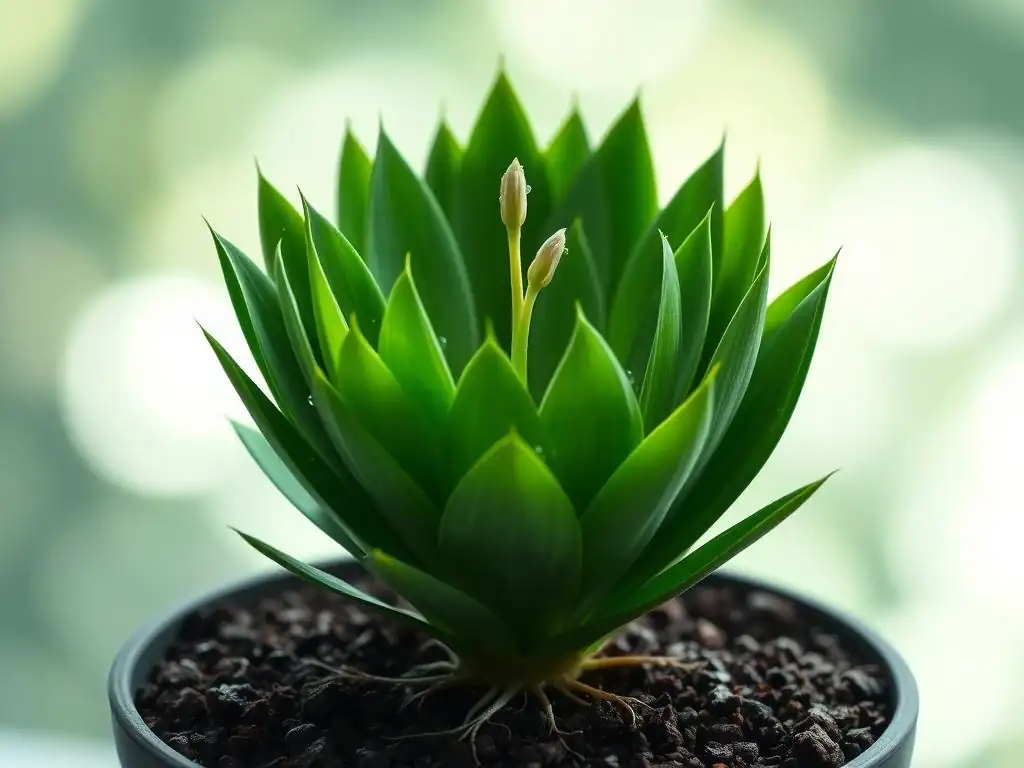
Beyond light and CO2, a balanced supply of macro and micro-nutrients is indispensable for the healthy growth and vibrant appearance of Blyxa Japonica. As a plant that primarily absorbs nutrients through its roots but also takes some from the water column, a comprehensive fertilization strategy is essential. Deficiencies in any key nutrient can quickly lead to stunted growth, discoloration, and increased susceptibility to algae.
Regular and appropriate fertilization is a cornerstone of effective Blyxa Japonica care, ensuring the plant has all the necessary building blocks for robust development. Monitoring plant health and adjusting nutrient dosing accordingly is a continuous process for successful cultivation.
Macro-Nutrient Fertilization (NPK) for Blyxa Japonica
Blyxa Japonica requires a steady supply of macro-nutrients: Nitrogen (N), Phosphorus (P), and Potassium (K), often referred to as NPK. These are the primary nutrients needed in larger quantities for plant growth. For instance, recommended target ranges in a planted tank are often around 10-20 ppm for nitrates (N), 1-2 ppm for phosphates (P), and 10-20 ppm for potassium (K). Nitrogen is vital for leaf growth, phosphorus for root and flower development, and potassium for overall plant health and disease resistance.
Signs of macro-nutrient deficiencies in Blyxa Japonica include general yellowing of older leaves (Nitrogen deficiency), stunted growth or dark green leaves (Phosphorus deficiency), and pinholes or melting leaves (Potassium deficiency). To address these, regular dosing of a comprehensive liquid NPK fertilizer or separate dosing of individual components based on tank needs and water test results is recommended. Many aquarists dose NPK three times a week or with a large weekly dose after a water change.
Micro-Nutrient Fertilization (Trace Elements) for Blyxa Japonica
In addition to macro-nutrients, Blyxa Japonica also requires various micro-nutrients, or trace elements, in smaller quantities. These include Iron (Fe), Manganese (Mn), Boron (B), Zinc (Zn), Copper (Cu), and Molybdenum (Mo). Among these, Iron is particularly critical for chlorophyll production, which gives the plant its green color, and is essential for enhancing the reddish hues that Blyxa Japonica can display under high light.
A common target for iron levels is around 0.1-0.5 ppm. Deficiency in micro-nutrients often manifests as chlorosis (yellowing between the veins of new leaves, especially for iron deficiency) or distorted new growth. Most comprehensive liquid fertilizers include a blend of these trace elements. Regular weekly dosing, often after a water change, ensures a consistent supply of these vital elements, preventing common deficiency symptoms and supporting vibrant, healthy Blyxa Japonica plants.
Substrate Considerations for Blyxa Japonica: Rooting and Growth
As a plant with a significant root system, the choice and quality of substrate play a crucial role in the successful cultivation of Blyxa Japonica. A good substrate provides not only physical anchorage but also a reservoir of essential nutrients that the plant can absorb directly through its roots. The substrate is a foundational element in any effective Blyxa Japonica Care Guide.
The depth and composition of the substrate directly impact the plant's ability to establish itself and thrive. While Blyxa Japonica can adapt to various substrates, providing an optimal rooting environment will significantly enhance its growth rate and overall health.
Best Substrates for Blyxa Japonica: Soil vs. Inert Substrates
For optimal growth, Blyxa Japonica greatly benefits from nutrient-rich substrates, commonly referred to as aquatic plant soils or active substrates (e.g., ADA Aquasoil, Fluval Stratum, UNS Controsoil). These specialized substrates are designed to slowly release essential nutrients over time, providing a consistent food source directly to the plant's roots. They also typically have a high Cation Exchange Capacity (CEC), allowing them to store and release nutrients efficiently.
While Blyxa Japonica can survive in inert substrates like sand or fine gravel, its growth will be less robust, and it will be entirely dependent on water column fertilization and regular supplementation with root tabs. Root tabs, placed directly beneath the plant, provide concentrated nutrients to the root zone, mimicking the benefits of a nutrient-rich soil. However, even with root tabs, the overall growth and density may not match that achieved in a dedicated plant substrate.
Substrate Depth and Nutrient Availability for Blyxa Japonica
An adequate substrate depth is essential for Blyxa Japonica to develop its extensive root system properly. A minimum depth of 5-7 centimeters (2-3 inches) is generally recommended to allow the roots to spread out and firmly anchor the plant. Deeper substrates, up to 10-15 cm (4-6 inches), can provide an even better environment for root development and nutrient buffering, especially with nutrient-rich soils.
In nutrient-rich substrates, the depth also influences the anaerobic zones that can form, which are beneficial for certain nutrient cycling processes. For inert substrates, proper depth ensures that root tabs can be effectively buried, preventing nutrient leaching into the water column and ensuring they are accessible to the plant's roots. A sufficient substrate layer also helps maintain planting stability, preventing plants from floating up, particularly during the initial establishment phase.
Planting and Propagating Blyxa Japonica: Techniques for Success
Planting Blyxa Japonica: Individual Plants vs. Group Plantings
When planting Blyxa Japonica, aquascapers have the option of planting individual stems or creating small groups, each offering distinct aesthetic and practical advantages. For a more natural, bushy effect, planting 3-5 individual stems together in a small cluster is often preferred. This method allows the plants to grow into a dense clump relatively quickly, providing immediate visual impact and creating a lush midground feature. When planting, use fine-tipped tweezers to gently insert the roots into the substrate, ensuring the root crown is just above the substrate line to prevent rot.
Alternatively, planting individual stems a few centimeters apart (e.g., 2-3 cm) allows each plant more space for individual growth and light penetration. While this approach might take longer to form a dense patch, it can lead to larger, more robust individual plants. Regardless of the method, ensure the roots are well-buried to prevent the plant from floating up, a common issue with newly planted aquatic plants. Proper initial planting is crucial for successful Blyxa Japonica care and establishment.
Blyxa Japonica Propagation: Creating New Plants from Existing Ones
Blyxa Japonica primarily propagates through the development of side shoots, also known as tillers, which emerge from the base or along the short stem of a mature plant. These new plantlets can be carefully separated and replanted to expand your Blyxa Japonica collection or fill out your aquascape. This natural propagation method allows for a continuous supply of new plants without the need for complex techniques.
Another effective method of propagation involves trimming the main stem. If a Blyxa Japonica plant becomes too tall or leggy, the top portion of the stem can be cut and replanted, which will then develop its own root system. The remaining base can also often produce new side shoots, ensuring the mother plant continues to grow.
Dividing Blyxa Japonica: A Step-by-Step Guide
- Preparation: Gently uproot a mature and healthy Blyxa Japonica plant from the substrate. Handle the plant carefully to minimize stress and root damage. It's often easier to do this during a water change when the water level is lower.
- Inspection: Examine the base of the mother plant for any visible side shoots or new plantlets emerging. These will typically have their own small root systems developing. If the plant is very dense, you might need to gently untangle some roots to identify the new growths.
- Separation: Using sharp aquascaping scissors, carefully separate the individual side shoots from the main mother plant. Ensure each new plantlet has a few healthy roots attached to maximize its chances of survival and successful replanting. If separating stem cuttings, ensure the cut piece has at least 3-4 nodes and a good portion of leaves.
- Replanting: Plant the newly separated Blyxa Japonica plantlets or stem cuttings into the substrate using tweezers. Ensure the roots are well-buried and the base of the plant is just at or slightly above the substrate line. Plant them a few centimeters apart to allow for future growth and light penetration.
- Post-Propagation Care: After propagation, maintain stable water parameters, consistent CO2 levels, and a regular fertilization schedule. This will encourage the new plants to establish quickly and begin robust new growth. Some initial melting is common as the plants adjust, but they should recover if conditions are optimal.
Common Problems and Solutions in Blyxa Japonica Care
Blyxa Japonica Melting: Identifying and Addressing the Issue
Melting, characterized by leaves turning translucent, mushy, and eventually disintegrating, is a common problem encountered with Blyxa Japonica, particularly after initial planting or significant changes to the aquarium environment. This phenomenon is often a stress response, indicating that the plant is struggling to adapt to its new conditions or that essential requirements are not being met. Understanding the root cause is vital for effective Blyxa Japonica care and recovery.
The primary culprits behind Blyxa Japonica melting typically include drastic shifts in water parameters (e.g., pH, temperature, hardness), insufficient lighting, inadequate CO2 levels, or sudden changes in nutrient availability. For instance, plants transitioning from emersed (above water) growth in a nursery to submersed (underwater) conditions in an aquarium frequently exhibit some degree of melting as they shed their emersed leaves and grow new submersed ones.
To address melting, first ensure that all water parameters (temperature 22-28°C, pH 6.0-7.5, GH 3-8 dGH) are stable and within the optimal range for Blyxa Japonica. Confirm that lighting is adequate (moderate to high intensity) and consistent. Most importantly, verify CO2 levels are stable at 20-30 ppm, as CO2 fluctuations are a frequent cause of melting.
If using root tabs, check their efficacy. Trim away any severely melting leaves to prevent them from decaying and polluting the water, but avoid over-trimming the entire plant, as it needs some healthy tissue to recover. Often, with stable conditions, the plant will rebound and produce new, healthy submersed growth within a few weeks.
Algae Growth on Blyxa Japonica: Prevention and Control
Algae growing on Blyxa Japonica leaves is a frustrating but common issue, often signaling an imbalance in the aquarium environment. This imbalance typically stems from excessive light without corresponding CO2 and nutrient levels, inconsistent CO2 supply, or an overabundance of certain nutrients (like phosphates or nitrates) without sufficient uptake by plants. Algae competes with Blyxa Japonica for resources, hindering its growth and aesthetic appeal.
Preventing algae involves maintaining a delicate balance. Ensure consistent CO2 injection (20-30 ppm) throughout the light cycle, as fluctuating CO2 is a major trigger for algae, particularly black beard algae. Optimize lighting duration to 6-8 hours daily, and verify that light intensity is appropriate for your Blyxa Japonica's needs, not excessive for the available CO2 and nutrients. Regular and balanced dosing of macro and micro-nutrients, avoiding large spikes, is also crucial. Good water circulation helps distribute CO2 and nutrients evenly, reducing stagnant areas where algae can thrive.
For control, manual removal of algae from affected leaves can be done carefully. Addressing the underlying imbalance is paramount; simply removing algae will not prevent its return. Consider introducing algae-eating inhabitants like Amano shrimp (Caridina multidentata) or Otocinclus catfish (Otocinclus affinis), which can help manage mild algae outbreaks on plant leaves without harming the Blyxa Japonica itself. If the problem persists, review your entire Blyxa Japonica care regimen, from lighting to fertilization and CO2.
Blyxa Japonica Stunted Growth: Troubleshooting Nutrient Deficiencies
Stunted growth in Blyxa Japonica is a clear indication that the plant is not receiving all the necessary elements for healthy development. This often manifests as small, pale leaves, a lack of new growth, or a general decline in the plant's vigor and density. Identifying the specific nutrient deficiency or environmental factor causing the stunting is critical for effective troubleshooting and restoring the plant's health.
The most common causes for stunted growth in Blyxa Japonica are insufficient CO2, inadequate lighting, or a deficiency in macro or micro-nutrients. If CO2 levels are consistently below the optimal 20-30 ppm range, the plant's ability to photosynthesize will be severely limited, leading to slow and weak growth. Similarly, if light intensity is too low (e.g., below 20 PAR), the plant will struggle to grow densely and may become leggy.
To troubleshoot, first verify your CO2 injection system is functioning correctly and delivering stable levels. Next, assess your lighting; consider increasing intensity if it's too low, or adjusting duration if it's excessive. Finally, review your fertilization regimen. Check your macro-nutrient levels (Nitrogen, Phosphorus, Potassium) and ensure you are dosing sufficient micro-nutrients, especially iron (Fe). Iron deficiency often causes new leaves to emerge pale or yellow between the veins. Performing water tests can help pinpoint specific nutrient imbalances, allowing you to adjust your dosing accordingly to provide comprehensive Blyxa Japonica care.
Blyxa Japonica Variations: Exploring Different Forms and Colors
Blyxa Japonica "Amano": Description and Care Considerations
The term "Blyxa Japonica 'Amano'" is not a distinct botanical variety but rather a common designation referring to the standard, vibrant green form of Blyxa Japonica that was popularized by the renowned aquascaper Takashi Amano. This specific form is celebrated for its dense, bushy growth habit and its ability to display brilliant green coloration, often with subtle reddish tips when grown under optimal, high-light conditions with ample CO2. It is the quintessential representation of the species that became a staple in Nature Aquarium layouts.
The care considerations for Blyxa Japonica "Amano" are identical to the general Blyxa Japonica Care Guide outlined previously. This includes maintaining stable water parameters (temperature 22-28°C, pH 6.0-7.5), providing moderate to high lighting (30-50 PAR), ensuring consistent CO2 injection (20-30 ppm), and a comprehensive fertilization regimen including both macro and micro-nutrients. Achieving its characteristic dense bushiness and vibrant green, sometimes with red, requires consistent attention to these environmental factors.
Blyxa Japonica "Red": Achieving Intense Red Coloration
Blyxa Japonica "Red" is not a separate cultivar but rather a descriptive term for Blyxa Japonica plants that exhibit intense red coloration, a highly sought-after trait among aquascapers. This striking red hue is not an inherent genetic difference but rather a physiological response to specific environmental stressors, primarily very high light intensity combined with sufficient iron and other micronutrients, and often, nitrate limitation. The plant produces anthocyanin pigments as a protective mechanism under these conditions, similar to how terrestrial plants change color in autumn.
To achieve and maintain intense red coloration in Blyxa Japonica, several factors must be maximized. Firstly, extremely high light intensity is crucial, often exceeding 50 PAR at the substrate. Secondly, ample CO2 (consistently 25-30 ppm) is necessary to allow the plant to process this high light efficiently without stunting.
Thirdly, consistent and generous supplementation of iron (Fe) is paramount, often aiming for levels around 0.5 ppm, as iron is a key component in pigment production. Some aquascapers also report that slightly lower nitrate levels (e.g., 5-10 ppm, while still ensuring no deficiency) can encourage red coloration, though this must be balanced carefully to avoid stunting. Achieving this vibrant red is a testament to advanced Blyxa Japonica care.
Blyxa Japonica in Aquascaping: Design Ideas and Placement
Using Blyxa Japonica as a Midground Plant
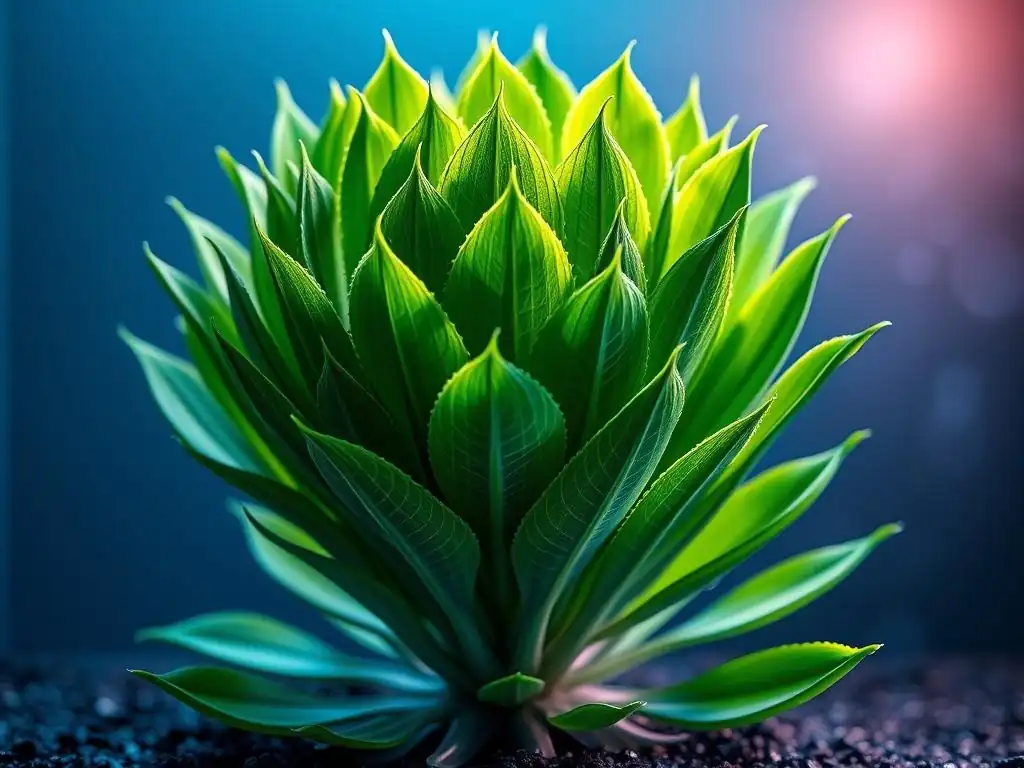
Blyxa Japonica excels as a midground plant in aquascapes due to its moderate height (typically 5-15 cm) and dense, bushy growth habit. Its ability to form compact clumps creates a visually appealing transition between shorter foreground plants and taller background species. When strategically placed, Blyxa Japonica can add significant depth and texture to a layout, making the aquascape appear more expansive and natural. It is particularly effective in creating a "valley" or "hill" effect in the midground, guiding the viewer's eye through the composition.
Its fine, grassy texture provides a strong contrast to broader-leafed plants or coarser foreground carpets, enhancing the overall visual interest of the tank. For example, planting dense clusters of Blyxa Japonica behind a short carpet of Monte Carlo (Micranthemum tweediei) or Dwarf Hairgrass (Eleocharis parvula) creates a layered effect, adding complexity and naturalistic appeal. Furthermore, its dense growth can effectively conceal equipment or unsightly areas, contributing to a cleaner, more polished aquascape.
Combining Blyxa Japonica with Other Aquatic Plants
Blyxa Japonica's unique texture and versatile coloration (from vibrant green to reddish) make it an excellent companion for a wide variety of other aquatic plants. Its fine, grassy leaves provide a pleasing textural contrast to broader-leafed plants like Anubias species (e.g., Anubias barteri var. nana) or Bucephalandra, which can be placed in the foreground or on hardscape elements. This contrast adds visual richness and prevents the aquascape from appearing monotonous.
In the background, Blyxa Japonica pairs beautifully with various stem plants. Taller, colorful stem plants such as Rotala species (e.g., Rotala rotundifolia, Rotala 'H'ra'), Ludwigia species, or Myriophyllum species can be planted behind Blyxa Japonica to create a sense of depth and a vibrant backdrop. Its reddish hues, if achieved, can complement the reds and oranges of other stem plants, creating a harmonious color palette. For foreground, it can transition seamlessly from carpeting plants, creating a natural gradient.
Creating a Natural Look with Blyxa Japonica
To achieve a truly natural and organic look with Blyxa Japonica in an aquascape, consider planting it in irregular clumps or drifts rather than in straight lines or perfectly symmetrical arrangements. Nature rarely arranges plants in neat rows, and mimicking this irregularity enhances realism. Plant clusters of varying sizes and densities, allowing some areas to be more sparse and others more densely packed.
Allowing Blyxa Japonica to grow dense and bushy creates a sense of established growth, contributing to a mature and natural aesthetic. Regular pruning, while necessary for maintenance, should aim to preserve this organic shape rather than imposing rigid forms. The plant's ability to develop reddish tips under optimal Blyxa Japonica care adds a subtle, natural pop of color that can mimic the varied hues found in natural aquatic environments, further enhancing the overall naturalistic appeal of the aquascape.
Choosing Blyxa Japonica: Is it Right for Your Aquarium?
Blyxa Japonica Compatibility with Different Fish and Invertebrates
Blyxa Japonica is generally highly compatible with most peaceful community fish and invertebrates commonly kept in planted aquariums. Its dense foliage provides excellent hiding spots and a sense of security for smaller fish like various species of tetras (e.g., Neon Tetras, Cardinal Tetras), rasboras (e.g., Harlequin Rasboras), and peaceful gouramis. These fish also benefit from the increased oxygenation provided by a healthy plant mass.
For invertebrate enthusiasts, Blyxa Japonica is an exceptional choice for shrimp tanks, particularly for species like Neocaridina (e.g., Cherry Shrimp) and Caridina (e.g., Amano Shrimp, Crystal Red Shrimp). The plant's fine leaves offer ample surface area for biofilm and algae growth, providing a natural foraging ground for shrimp. Furthermore, the dense clumps offer crucial shelter for baby shrimp, increasing their survival rates. It is important to avoid large, herbivorous fish such as certain cichlids, goldfish, or large plecos, as they may uproot or consume the plant.
The Benefits of Adding Blyxa Japonica to Your Planted Tank
Adding Blyxa Japonica to your planted aquarium offers a multitude of benefits beyond its aesthetic appeal. Firstly, as with most aquatic plants, it plays a vital role in improving water quality. Through photosynthesis, Blyxa Japonica actively absorbs nitrates, phosphates, and other pollutants from the water column, effectively acting as a natural filter. This process helps to reduce the frequency of water changes and maintain cleaner, healthier water parameters, which benefits all tank inhabitants.
Secondly, a dense growth of Blyxa Japonica contributes significantly to the oxygenation of the aquarium water, especially during the day when photosynthesis is active. This increased oxygen level is beneficial for fish and beneficial bacteria. Thirdly, the plant provides excellent biological filtration by offering vast surface area for beneficial bacteria to colonize, further aiding in the nitrogen cycle. Lastly, its natural structure creates a more enriching and secure environment for fish and invertebrates, reducing stress and encouraging natural behaviors, making it an invaluable addition to any planted tank committed to comprehensive Blyxa Japonica care.
Where to Buy Blyxa Japonica: Selecting Healthy Plants
When deciding to add Blyxa Japonica to your aquarium, purchasing healthy, high-quality plants is crucial for a successful start. You can typically find Blyxa Japonica from reputable aquatic plant nurseries, specialized online retailers, or local fish stores that cater to planted tank enthusiasts. It is advisable to buy from sources that specialize in aquatic plants, as they are more likely to provide plants grown under optimal conditions and minimize the risk of introducing pests or diseases.
When selecting plants, look for specimens with vibrant green to reddish coloration, depending on the variety and growing conditions. Avoid plants that show signs of yellowing, browning, excessive algae growth, or mushy, translucent leaves, as these are indicators of stress or poor health. Inspect the roots to ensure they are healthy and well-developed. If purchasing online, research the seller's reputation and read reviews to ensure they pack plants securely and ship promptly to minimize transit stress. Taking these precautions will set you up for success in your Blyxa Japonica care journey.
Frequently Asked Questions
What is Blyxa Japonica and is it a rosette or stem plant?
Blyxa Japonica is an aquatic plant prized for its grassy appearance. While it can exhibit some stem-like growth, it's generally considered a rosette plant, meaning its leaves radiate from a central point.
What are the key water parameters for successfully growing Blyxa Japonica?
Blyxa Japonica thrives in soft, slightly acidic water with a pH between 6.0 and 7.0. Maintaining a temperature of 72-82°F (22-28°C) is also crucial.
What type of lighting does Blyxa Japonica require?
This plant needs moderate to high lighting to flourish. Insufficient light can lead to poor growth and color.
Does Blyxa Japonica need CO2 injection for optimal growth?
While it can survive without it, Blyxa Japonica benefits greatly from CO2 injection. This promotes faster and more vibrant growth and a richer red coloration under high lighting.
What are some common issues faced when caring for Blyxa Japonica?
Common issues include melting leaves due to poor water parameters or insufficient light, and nutrient deficiencies leading to stunted growth. Addressing these with proper fertilization and adjustments to water conditions is key.
Final Reflection: Cultivating Aquatic Harmony
The journey of understanding Blyxa Japonica's true nature, whether rosette or stem, transcends mere botanical classification. It speaks to a deeper appreciation for the delicate balance within our aquariums and the dedication required to nurture thriving aquatic ecosystems. This seemingly simple question opens the door to a more profound understanding of plant morphology and its impact on care requirements, ultimately leading to healthier and more vibrant underwater landscapes.
The enduring appeal of Blyxa Japonica lies in its ability to transform an ordinary aquarium into a captivating underwater meadow. Its unique texture and vibrant green hues bring a sense of tranquility and natural beauty to any aquascape. The best time to plant a tree was 20 years ago. The second best time is now.
This ancient proverb resonates deeply with the patience and commitment required to cultivate Blyxa Japonica, reminding us that even small actions can yield significant rewards over time.
As you embark on your own journey with Blyxa Japonica, remember that observation and adaptation are key. Embrace the challenge of providing the optimal environment for this grassy beauty to flourish. Let its delicate form inspire you to create a space of tranquility and harmony, not just for your aquatic inhabitants, but for yourself as well. Take the lessons learned here and apply them to all aspects of your aquascaping endeavors, fostering a deeper connection with the natural world and cultivating your own aquatic masterpiece.
Cultivate Your Own Blyxa Oasis!
Thank you for diving into the world of Blyxa japonica with us! We hope you’ve gained a deeper understanding of this captivating plant and its unique characteristics. Now, it's time to translate that knowledge into action and bring the beauty of Blyxa to your own aquarium.
- Introduce Blyxa japonica to your aquarium, carefully considering its placement and lighting needs for optimal growth. This is your chance to truly bring this grassy beauty to life.
- Share your Blyxa journey! Post pictures of your Blyxa setup on social media using #AquariumMasteryBlyxa and inspire other aquascapers.
- Experiment with different substrate compositions to see how Blyxa's growth is influenced and document your findings to contribute to the collective knowledge of the aquascaping community.
Ready to bring the vibrant green of Blyxa japonica to your underwater world?