
Gracilaria: More Than Just Pretty – Unpacking its Filtration Prowess for Aquariums

Welcome to Aquarium Mastery!
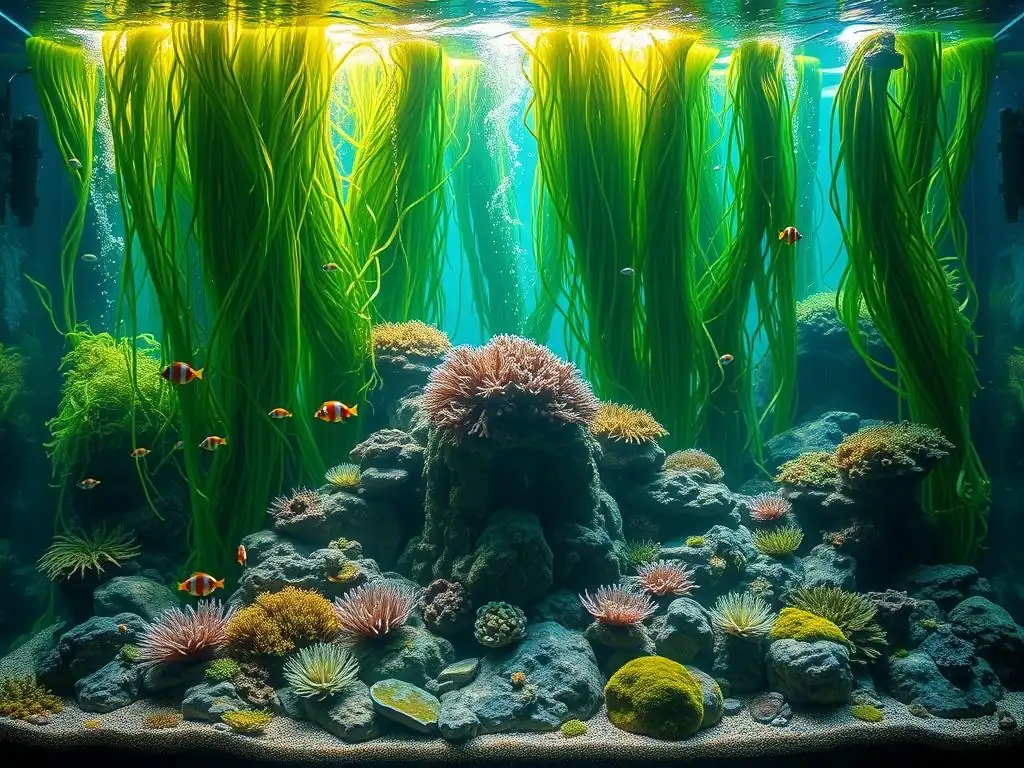
Ever wondered if that elegant red algae could be more than just a beautiful addition to your tank? Prepare to be amazed! Dive into our in-depth exploration of Gracilaria filtration aquarium benefits and uncover the secrets to a healthier, more vibrant aquatic ecosystem. Could this be the natural filtration solution you've been searching for? Let's find out!
- Gracilaria: A Natural Filtration Powerhouse for Saltwater Aquariums
- Introduction to Gracilaria for Saltwater Aquariums
- The Science Behind Gracilaria Filtration: How it Works
- Benefits of Using Gracilaria for Aquarium Filtration
- Choosing the Right Gracilaria Species for Your Aquarium
- Gracilaria Care: Ensuring Optimal Filtration Performance
- Setting Up a Gracilaria Refugium for Maximum Filtration
- Troubleshooting Common Gracilaria Issues
- Gracilaria vs. Other Filtration Methods: A Comparison
- Maximizing Gracilaria Filtration for a Thriving Aquarium
- Conclusion: Embrace the Power of Gracilaria for a Healthier Aquarium
-
Frequently Asked Questions
- What is Gracilaria and why is it being discussed in the context of aquariums?
- How does Gracilaria contribute to aquarium filtration?
- What are the specific Gracilaria filtration aquarium benefits that AquariumMastery.com highlights?
- Is Gracilaria suitable for both freshwater and saltwater aquariums?
- How do I properly care for Gracilaria to maximize its filtration capabilities in my aquarium?
- Final Reflection: Embracing Nature's Filter
- Unleash the Power of Gracilaria in Your Aquarium!
Gracilaria: A Natural Filtration Powerhouse for Saltwater Aquariums
Introduction to Gracilaria for Saltwater Aquariums
Understanding the Growing Popularity of Gracilaria in Reef Tanks
Gracilaria, a genus of red macroalgae, has steadily climbed the ranks to become a highly sought-after component in modern reef aquariums. Its increasing adoption by aquarists stems from its remarkable effectiveness as a natural filtration powerhouse, alongside its often vibrant red or purple hues that add aesthetic appeal. Unlike some traditional mechanical or chemical filtration methods that require frequent media replacement, Gracilaria offers a sustainable, living solution that continuously works to improve water quality.
This rising popularity is further fueled by its relatively easy care requirements compared to some other macroalgae species, coupled with its impressive growth rate under optimal conditions. These attributes translate directly into significant nutrient export capabilities, making it a cornerstone for those seeking robust Gracilaria filtration aquarium benefits. Its ability to create a more stable and naturally balanced environment, mimicking oceanic ecosystems, resonates deeply with dedicated reef keepers.
Gracilaria's Role in a Healthy Saltwater Ecosystem
Within the confines of a saltwater aquarium, Gracilaria plays a multifaceted role that profoundly contributes to the overall health and stability of the enclosed ecosystem. Functioning as a primary producer, it actively participates in the nutrient cycle by absorbing excess compounds that would otherwise fuel undesirable algae or stress sensitive corals and fish. This biological filtration process helps to maintain a delicate chemical balance, crucial for the long-term success of any reef tank.
Beyond its direct impact on water chemistry, Gracilaria provides essential ecological services. Its dense, branching structure offers a vital refuge and grazing ground for beneficial microfauna such as copepods and amphipods, which are integral to the food web and detritus consumption within the tank. Furthermore, through photosynthesis, it releases oxygen into the water, contributing to higher dissolved oxygen levels, which are critical for the respiration of all aquatic inhabitants. These combined functions underscore the comprehensive Gracilaria filtration aquarium benefits it brings.
The Science Behind Gracilaria Filtration: How it Works
Nutrient Uptake: Removing Nitrates and Phosphates with Gracilaria
The primary mechanism behind Gracilaria's filtration prowess lies in its highly efficient nutrient uptake. As a photosynthetic organism, Gracilaria actively absorbs dissolved inorganic nutrients, primarily nitrates (NO3-) and phosphates (PO43-), from the water column to fuel its growth. These compounds, often byproducts of fish waste, uneaten food, and decaying organic matter, are essential building blocks for the macroalgae's cellular structure, directly competing with nuisance algae for these vital resources.
The scale of this uptake is significant. While exact figures vary based on biomass, light intensity, and water flow, a healthy, rapidly growing mass of Gracilaria in a dedicated refugium can dramatically reduce nutrient levels. For instance, in a well-managed system, nitrate levels might drop from 20-30 ppm to near undetectable levels within a few weeks, while phosphate levels could decrease from 0.1-0.2 ppm to a more desirable range of 0.03-0.05 ppm, which is optimal for coral health. This active consumption is a core Gracilaria filtration aquarium benefit.
Gracilaria as a Natural Water Polisher: Reducing Particulate Matter
In addition to its chemical filtration capabilities, Gracilaria also acts as a natural water polisher by reducing particulate matter in the water column. Its intricate and dense fronds create a large surface area that physically traps suspended detritus, uneaten food particles, and other fine particulate matter as water flows through the macroalgae bed. This mechanical trapping helps to clarify the water, contributing to the "crystal clear" appearance often associated with well-maintained reef tanks.
While Gracilaria is not a primary mechanical filter like a filter sock or sponge, its ability to capture and hold these particles complements other filtration methods. By allowing these suspended solids to settle within its structure, it reduces the overall particulate load that would otherwise contribute to cloudy water or break down into undesirable dissolved nutrients. This often overlooked aspect of Gracilaria's function contributes significantly to the overall aesthetic and chemical stability, enhancing the holistic Gracilaria filtration aquarium benefits.
Comparing Gracilaria's Filtration Capabilities to Other Macroalgae
When evaluating macroalgae for aquarium filtration, Gracilaria stands out in comparison to other popular choices like Chaetomorpha (often called "Chaeto") and Caulerpa species. Gracilaria often exhibits a faster growth rate under optimal conditions, particularly with adequate light and nutrient availability, which translates to a higher potential for nutrient export per unit of biomass over time. Its denser growth habit can also offer a more efficient trapping of particulate matter than the looser, spaghetti-like structure of Chaeto.
Furthermore, Gracilaria generally poses less risk of "going sexual" and crashing, a common concern with many Caulerpa species. While Caulerpa can release spores and nutrients back into the system if stressed, Gracilaria is more stable in this regard, making it a safer long-term choice for continuous nutrient export. Its vibrant red coloration also provides an attractive element in a refugium, solidifying its reputation for versatile and reliable Gracilaria filtration aquarium benefits.
Benefits of Using Gracilaria for Aquarium Filtration
Improved Water Quality: Crystal Clear Water for Your Fish
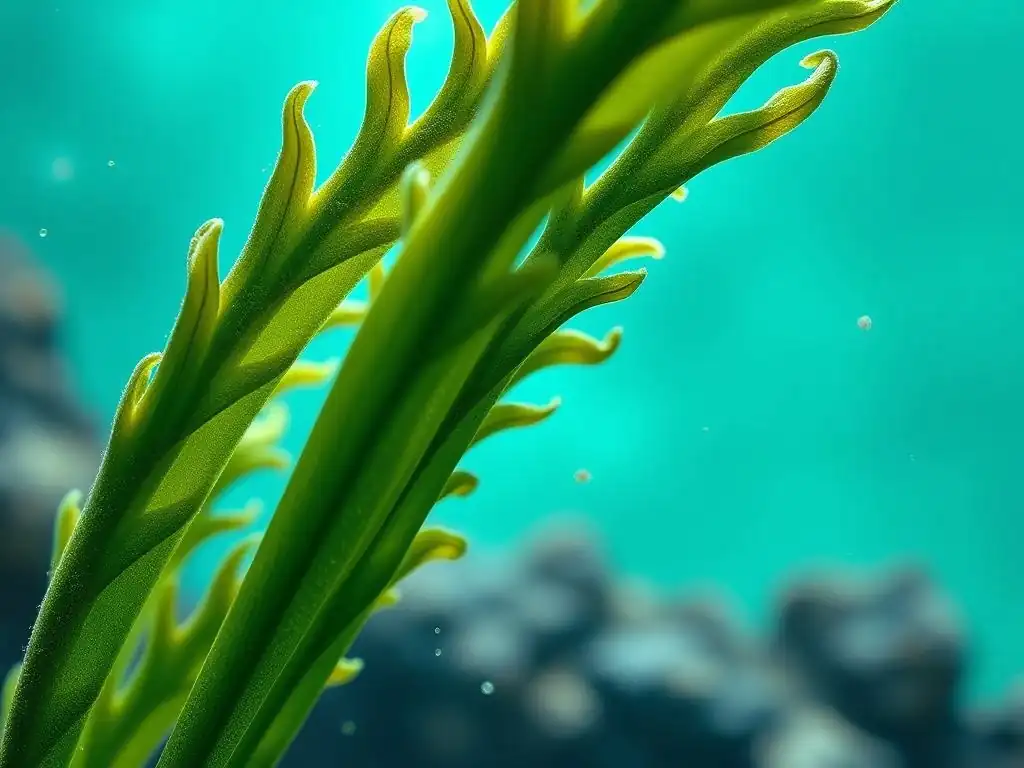
One of the most immediate and noticeable Gracilaria filtration aquarium benefits is the dramatic improvement in water quality. By actively stripping out nitrates, phosphates, and other dissolved organic compounds, Gracilaria helps to maintain stable and pristine water parameters. This constant removal of pollutants reduces the accumulation of undesirable substances that can stress aquatic life and lead to an unhealthy environment, thereby lessening the reliance on frequent large water changes.
The result of this efficient nutrient removal is often strikingly clear water, enhancing the visual appeal of the aquarium. More importantly, this stability directly translates into healthier, more vibrant fish and corals. Reduced stress from fluctuating or elevated nutrient levels allows inhabitants to display their natural colors, exhibit better growth rates, and generally thrive, underscoring the comprehensive impact of Gracilaria on overall water quality.
Reduced Algae Blooms: A Natural Algae Control Method
Gracilaria serves as a highly effective natural method for controlling nuisance algae blooms, a common headache for many aquarists. It operates on the principle of competitive exclusion: by rapidly absorbing available nitrates and phosphates from the water column, Gracilaria directly competes with undesirable algae forms such as diatoms, cyanobacteria, and hair algae. When these essential nutrients are locked away in the Gracilaria biomass, nuisance algae are starved of their primary food source, inhibiting their growth.
In practical terms, reef tanks previously plagued by persistent nuisance algae issues, often linked to phosphate levels exceeding 0.05 ppm, frequently see a significant reduction or complete elimination of these problems within 4 to 8 weeks of establishing a healthy, actively growing Gracilaria culture. This biological control method is not only sustainable but also avoids the use of chemical algaecides that can sometimes have unintended side effects on a delicate reef ecosystem, showcasing a significant Gracilaria filtration aquarium benefit.
Providing a Habitat for Beneficial Microfauna
The intricate and dense structure of Gracilaria fronds creates an ideal microhabitat within the aquarium, particularly when housed in a refugium. This complex environment provides shelter, breeding grounds, and a rich grazing area for a diverse array of beneficial micro-crustaceans, including copepods, amphipods, and various other microscopic invertebrates. These tiny organisms are crucial to the health and balance of a thriving reef ecosystem.
These microfauna serve multiple vital functions: they act as a natural cleanup crew, consuming detritus and uneaten food particles, thus contributing to nutrient cycling. More importantly, they provide a continuous, natural food source for many fish species, especially finicky eaters like mandarin gobies and scooter blennies, which rely on a steady supply of live pods. The consistent replenishment of this live food source is a significant, often understated, Gracilaria filtration aquarium benefit.
Enhanced Oxygen Levels in Your Aquarium
As a photosynthetic macroalgae, Gracilaria actively produces oxygen (O2) as a byproduct of its metabolic processes during its light cycle. This oxygen is then released into the surrounding water column, directly contributing to higher dissolved oxygen levels within the aquarium system. This is particularly beneficial when Gracilaria is grown on a reverse photoperiod in a refugium, meaning its lights are on when the main display tank lights are off.
Elevated dissolved oxygen levels are paramount for the health and vitality of all aquarium inhabitants, including fish, corals, and beneficial aerobic bacteria that perform biological filtration. Higher oxygen concentrations support more efficient respiration, promote a robust nitrifying bacterial population, and help prevent the formation of anaerobic "dead spots" which can lead to the accumulation of harmful gases. This continuous oxygenation is a fundamental Gracilaria filtration aquarium benefit.
Choosing the Right Gracilaria Species for Your Aquarium
Popular Gracilaria Varieties: Gracilaria parvispora, Gracilaria hayi, and Gracilaria tikvahiae
Several species within the Gracilaria genus are commonly cultivated in home aquariums, each offering excellent Gracilaria filtration aquarium benefits while possessing slight differences in appearance and growth habit. Gracilaria parvispora, often affectionately known as "Red Ogo," is perhaps the most popular choice due to its vibrant red coloration, bushy growth form, and robust nature. It forms dense clumps that are highly efficient at nutrient uptake and provide ample shelter for microfauna.
Other notable varieties include Gracilaria hayi, which typically exhibits a more branching structure and can range from a deep red to a brownish-red hue, and Gracilaria tikvahiae, which is also widely available and can vary in its morphology depending on environmental conditions. While all these species share the core benefit of nutrient absorption, G. parvispora is often preferred for its rapid, contained growth in refugiums, making it an excellent choice for consistent nutrient export.
Considering Tank Size and Livestock When Selecting Gracilaria
The amount of Gracilaria required to achieve significant Gracilaria filtration aquarium benefits is directly proportional to the aquarium's size and bioload. For a moderately stocked 50-gallon reef tank, a clump roughly the size of a baseball might be sufficient to help manage nutrient levels. However, a heavily stocked 200-gallon system with a high feeding regimen could require a much larger mass, perhaps a football-sized clump or more, to effectively export nitrates and phosphates.
Livestock considerations are also vital. While Gracilaria is generally unpalatable to most reef inhabitants, some herbivorous fish, particularly certain tangs or rabbitfish, might graze on it. In such cases, it is crucial to house the Gracilaria in a dedicated refugium where it is safe from predation. The chosen species should also be able to thrive in the specific water parameters (temperature, salinity, alkalinity) maintained for the primary livestock in the display tank.
Gracilaria Care: Ensuring Optimal Filtration Performance
Lighting Requirements for Healthy Gracilaria Growth
For Gracilaria to provide optimal Gracilaria filtration aquarium benefits, it requires moderate to high-intensity lighting. Adequate light is crucial for photosynthesis, which directly drives its nutrient uptake and growth. A dedicated refugium light in the 6500K to 10000K spectrum, providing a PAR (Photosynthetically Active Radiation) level of approximately 50-100 at the depth of the Gracilaria bed, is generally ideal.
The photoperiod is also important; running the refugium light for 10-14 hours daily, often on a reverse photoperiod (lights on when the main display tank lights are off), is highly recommended. Insufficient lighting will lead to slow, stunted growth, pale coloration, and significantly diminished nutrient export capacity. Conversely, excessive light without adequate nutrient availability can stress the macroalgae, causing it to bleach or melt.
Maintaining Proper Water Parameters for Gracilaria
Gracilaria thrives in stable saltwater parameters that are typically maintained for a healthy reef aquarium. This includes a salinity of 1.025-1.026 specific gravity, a temperature range of 76-80°F (24-27°C), and an alkalinity (dKH) between 8-10. Consistency in these parameters is key to preventing stress and ensuring robust growth.
While Gracilaria consumes nitrates and phosphates, it does require some measurable level of these nutrients to grow effectively. In ultra-low nutrient systems (ULNS), where nitrates and phosphates are near zero, Gracilaria growth may stall, reducing its Gracilaria filtration aquarium benefits. In such cases, a slight increase in feeding or careful, targeted dosing of reef-safe nitrate or phosphate solutions might be necessary to sustain its health and growth.
Preventing Gracilaria from Going Sexual: Tips and Tricks
Unlike some Caulerpa species that are notoriously prone to "going sexual" (releasing spores and dying off, potentially polluting the tank), Gracilaria is generally much more stable. However, under severe and prolonged stress, Gracilaria can also exhibit signs of decline or melt. This stress is typically induced by sudden, drastic shifts in environmental conditions such as extreme temperature fluctuations, rapid changes in salinity, or prolonged periods of nutrient starvation.
The best strategy for preventing Gracilaria from declining is consistent and stable care. This includes maintaining steady water parameters, providing adequate lighting and flow, and, crucially, regular harvesting. Overcrowding within the refugium can also lead to stagnation and die-off in the center of the clump due to lack of light and flow. If signs of decline appear (e.g., sudden paling, disintegration), addressing the underlying stressor and performing a large water change can sometimes mitigate the issue, ensuring continued Gracilaria filtration aquarium benefits.
Harvesting and Pruning Gracilaria for Efficient Nutrient Export
Regular harvesting is an absolutely critical step for maximizing the Gracilaria filtration aquarium benefits. As Gracilaria grows, it absorbs and locks nitrates, phosphates, and other undesirable compounds within its biomass. By physically removing a portion of this growth, you are effectively exporting these accumulated nutrients from the aquarium system, preventing them from being re-released if the algae were to die back.
The frequency and amount of harvesting depend on the growth rate and the nutrient levels in your tank. A general guideline is to remove approximately 25-50% of the Gracilaria mass every 2 to 4 weeks. This practice not only ensures continuous nutrient export but also stimulates new, vigorous growth, keeping the Gracilaria healthy and preventing it from becoming stagnant or experiencing die-off in its core due to overcrowding and light deprivation.
Setting Up a Gracilaria Refugium for Maximum Filtration
Refugium Design: Optimizing Flow and Light for Gracilaria
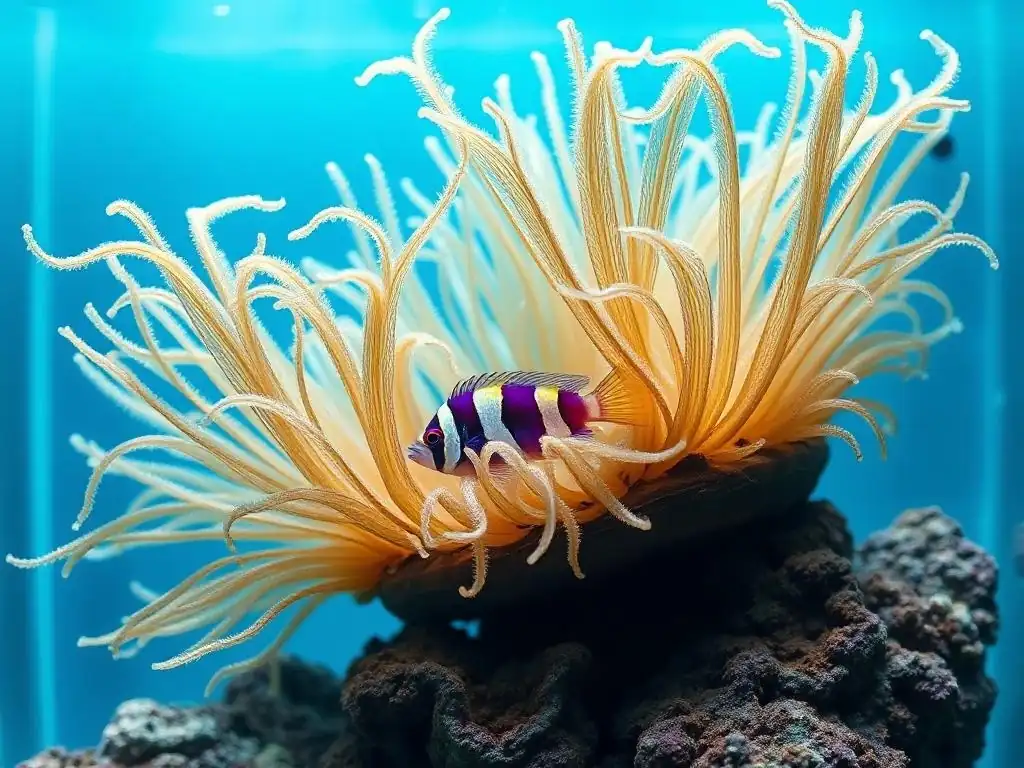
A dedicated refugium provides the optimal environment for cultivating Gracilaria and maximizing its filtration capabilities. The design of the refugium should prioritize sufficient water flow through the Gracilaria bed. A flow rate equivalent to 2-5 times the refugium's volume per hour is generally recommended. This ensures that fresh, nutrient-laden water constantly bathes the macroalgae, delivering the necessary compounds for growth and preventing detritus from settling within the clump.
Lighting placement is equally crucial. A submersible or external LED light fixture positioned directly above the Gracilaria clump is ideal. Running this light on a reverse photoperiod—meaning the refugium light is on when the main display tank lights are off—offers additional Gracilaria filtration aquarium benefits. This setup helps to stabilize the aquarium's pH and oxygen levels by having the Gracilaria absorb CO2 and release O2 during the display tank's dark cycle, counteracting the natural pH drop that occurs at night.
Placement Considerations: Where to Put Your Gracilaria Refugium
The most common and effective placement for a Gracilaria refugium is within the sump located beneath the main display tank. This arrangement allows for a gravity-fed water supply from the display, which then flows through the refugium chamber before being returned to the main system via the return pump. This continuous flow ensures that the Gracilaria consistently processes the tank's water.
When integrating a refugium, ensure it is easily accessible for routine maintenance, such as harvesting the Gracilaria. It is also beneficial to position the refugium after any initial mechanical filtration (like filter socks or sponges) but before the protein skimmer or return pump section. This allows detritus and beneficial microfauna to settle and thrive within the Gracilaria bed, enhancing the overall Gracilaria filtration aquarium benefits without being immediately removed by mechanical means.
Integrating Gracilaria into Your Existing Filtration System
Gracilaria in a refugium is not a standalone filtration method but rather a highly effective complement to existing filtration systems. It works synergistically with protein skimmers, for instance. While skimmers efficiently remove dissolved organic compounds and some particulates before they break down into nitrates and phosphates, Gracilaria actively consumes these end-stage nutrients once they are already present in the water. This dual approach provides comprehensive organic and inorganic nutrient control.
Furthermore, integrating Gracilaria into your filtration system significantly reduces the load on your biological filtration. While beneficial bacteria handle the initial conversion of ammonia and nitrite into nitrate, Gracilaria takes on the critical role of removing the nitrate and phosphate, preventing their accumulation. This makes Gracilaria an invaluable addition to any multi-faceted filtration strategy, leading to enhanced overall Gracilaria filtration aquarium benefits and a more stable, robust ecosystem.
Troubleshooting Common Gracilaria Issues
Addressing Slow Growth or Lack of Color
If your Gracilaria exhibits slow growth, appears pale, or loses its vibrant color, it often indicates an environmental imbalance. The first suspects are usually insufficient light intensity or an inadequate photoperiod. Verify that your refugium light is providing sufficient PAR and is running for 10-14 hours daily. Another common cause is nutrient starvation; if nitrates and phosphates in your system are consistently near zero, the Gracilaria lacks the building blocks for growth.
In such cases, consider temporarily increasing your feeding regimen or, if necessary, carefully dosing small, reef-safe amounts of nitrate or phosphate supplements until the Gracilaria shows signs of recovery. Additionally, ensure adequate water flow through the Gracilaria clump. Stagnant areas can lead to nutrient depletion around the macroalgae and prevent efficient uptake, diminishing the expected Gracilaria filtration aquarium benefits.
Dealing with Algae Growth on Gracilaria
The presence of nuisance algae (such as diatoms, hair algae, or cyanobacteria) growing directly on your Gracilaria can be frustrating and counterproductive. This usually signifies an imbalance in the refugium environment. Potential causes include excessively high light intensity or too long a photoperiod for the given nutrient levels, or conversely, nutrient levels that are simply too high for the Gracilaria to outcompete the nuisance algae effectively.
To address this, first, evaluate your refugium lighting; reducing intensity or photoperiod slightly might be necessary. Second, ensure that the Gracilaria itself is healthy and growing vigorously; increase harvesting frequency if it's overgrown to promote new growth. Finally, re-evaluate overall tank parameters. High nutrient levels in the main display will eventually overwhelm even healthy Gracilaria. Adjusting feeding and ensuring other filtration methods are optimized will help restore the balance and allow the Gracilaria to regain its Gracilaria filtration aquarium benefits.
Identifying and Treating Gracilaria Diseases
Unlike fish or corals, Gracilaria as a macroalgae is not typically susceptible to "diseases" in the conventional sense caused by pathogens. Instead, any decline or "melt" observed in Gracilaria is almost always a direct symptom of environmental stress or poor water parameters. This decline manifests as the Gracilaria turning white, translucent, or beginning to disintegrate and fall apart.
Common stressors that lead to Gracilaria melt include sudden and drastic swings in salinity (e.g., a rapid drop from 1.025 to 1.020), significant temperature fluctuations, prolonged periods of extremely low or zero nutrient levels, or exposure to harsh chemicals or medications used in the display tank. The "treatment" for declining Gracilaria is to identify and rectify the underlying environmental stressor. Once stable and optimal conditions are restored, healthy Gracilaria can often recover and resume providing its valuable Gracilaria filtration aquarium benefits.
Gracilaria vs. Other Filtration Methods: A Comparison
Gracilaria vs. Protein Skimmers: Complementary Filtration Strategies
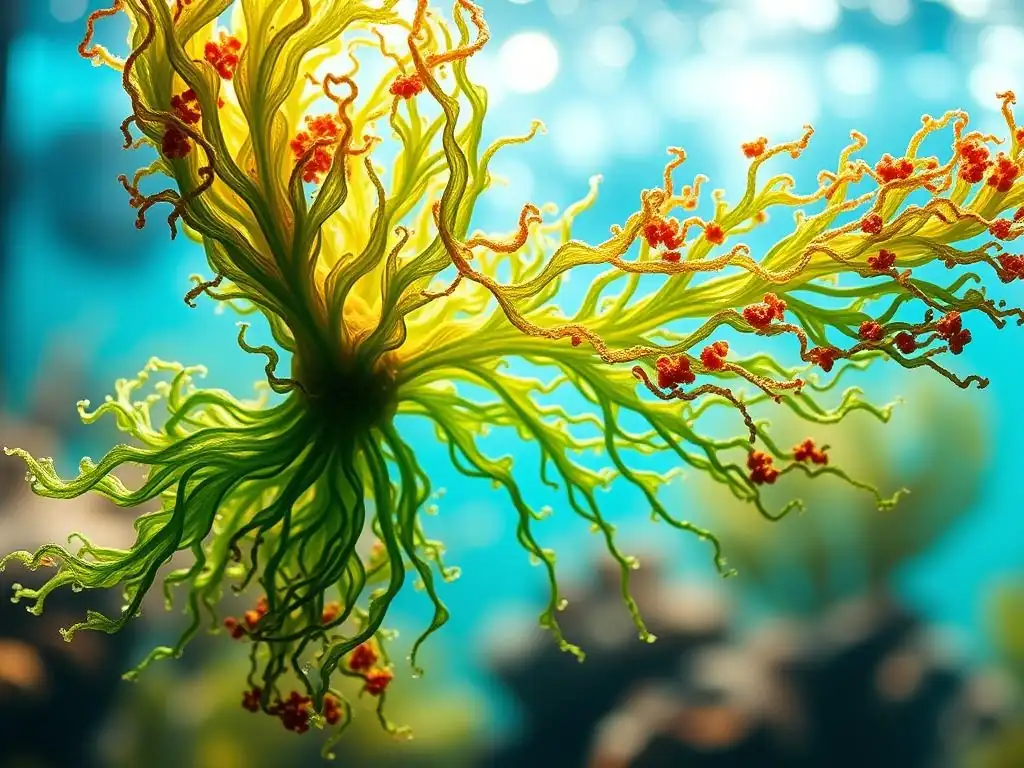
Gracilaria and protein skimmers represent two distinct yet highly complementary approaches to aquarium filtration. Protein skimmers excel at removing dissolved organic compounds and some particulate matter from the water column before these substances break down into nitrates and phosphates. They achieve this through the process of foam fractionation, essentially pulling organics out of the water.
In contrast, Gracilaria primarily consumes nitrates and phosphates that are already present in the water, along with other trace elements. It acts as a biological filter that handles the end-stage nutrient removal. Therefore, rather than being alternatives, they work best in tandem. A protein skimmer provides excellent initial organic removal, while Gracilaria offers a natural, continuous, and self-sustaining method for polishing the water and exporting final nutrients, providing distinct yet synergistic Gracilaria filtration aquarium benefits.
Gracilaria vs. Chemical Filtration: When to Use Which
Chemical filtration methods, such as granular ferric oxide (GFO) for phosphate removal or activated carbon for adsorbing dissolved organics and pollutants, are highly effective tools for targeted water purification. They work by physically binding or adsorbing specific compounds, offering rapid and potent solutions for acute nutrient spikes or toxin removal. However, they require regular replacement and can sometimes strip beneficial trace elements if not managed carefully.
Gracilaria, on the other hand, provides a more natural, continuous, and self-sustaining method of nutrient removal. It constantly absorbs nitrates and phosphates as it grows, without the need for media replacement or regeneration. While chemical media can be invaluable for addressing sudden issues or maintaining ultra-low nutrient systems, Gracilaria offers ongoing, passive Gracilaria filtration aquarium benefits, making it an excellent long-term primary nutrient export solution that can be augmented by chemical media when specific needs arise.
Gracilaria vs. Algae Turf Scrubbers: A Side-by-Side Analysis
Algae Turf Scrubbers (ATS) and Gracilaria both utilize macroalgae for nutrient export, but they do so in fundamentally different ways. ATS systems grow a thin, dense film of nuisance algae (often green hair algae) on a textured screen, which vigorously absorbs nutrients from fast-flowing, brightly lit water. They are known for their high efficiency in nutrient removal, but they typically require frequent, somewhat messy cleaning and scraping of the algae mat.
Gracilaria, usually grown in a refugium, offers similar nutrient export capabilities but in a more contained and often aesthetically pleasing form. While an ATS might sometimes export a greater quantity of nutrients per given surface area, Gracilaria provides additional Gracilaria filtration aquarium benefits such as creating a stable habitat for beneficial microfauna and contributing to pH stability through reverse photoperiod lighting. The choice between the two often comes down to personal preference for maintenance routine, available space, and the specific ecosystem goals for the aquarium.
Maximizing Gracilaria Filtration for a Thriving Aquarium
Optimizing Nutrient Levels for Gracilaria Efficiency
For Gracilaria to perform at its peak and provide optimal Gracilaria filtration aquarium benefits, it requires a consistent supply of measurable, albeit low, levels of nitrates and phosphates. While the goal is to reduce these nutrients in the display tank, a healthy Gracilaria clump in the refugium needs them as fuel. Target ranges of 2-10 ppm for nitrates and 0.03-0.08 ppm for phosphates are generally suitable for robust Gracilaria growth without encouraging nuisance algae in the display.
If nutrient levels in the system drop too low (e.g., undetectable nitrates and phosphates, often seen in ultra-low nutrient systems), Gracilaria growth will slow significantly or even cease, diminishing its filtration capacity. In such scenarios, careful adjustments to feeding habits or the targeted dosing of small amounts of reef-safe nitrate or phosphate solutions might be necessary to sustain the Gracilaria's health and ensure its continued effectiveness.
Combining Gracilaria with Other Macroalgae for Synergistic Benefits
While Gracilaria is a highly effective filtration tool on its own, combining it with other species of macroalgae can offer synergistic benefits, leading to even more comprehensive Gracilaria filtration aquarium benefits. For instance, pairing Gracilaria with Chaetomorpha (Chaeto) can be particularly effective. Chaeto, with its spaghetti-like structure, often thrives in different flow conditions and may offer slightly different nutrient uptake profiles or trapping capabilities for various forms of detritus.
A mixed macroalgae refugium creates a more diverse and resilient ecosystem for beneficial microfauna, as different algae structures provide varied microhabitats. Furthermore, different macroalgae species might excel under slightly varying environmental conditions or absorb a wider spectrum of trace elements, potentially leading to more consistent and robust nutrient export overall. This diversification can enhance the stability and health of the entire aquarium system.
Monitoring Water Parameters to Ensure Gracilaria Health
Regular and diligent monitoring of key water parameters is paramount, not just for the health of your fish and corals but also for ensuring your Gracilaria remains healthy and highly effective. Routinely test for nitrates, phosphates, alkalinity, calcium, and magnesium. While Gracilaria consumes nitrates and phosphates, it also draws on calcium and alkalinity for its cellular structure, though to a lesser extent than stony corals.
Consistent monitoring allows you to observe trends in nutrient levels and adjust your feeding, dosing, or Gracilaria harvesting schedules accordingly. Observing the Gracilaria's physical appearance—its color, density, and growth rate—also provides invaluable visual cues about its health and filtration performance. A vibrant, rapidly growing clump signifies optimal Gracilaria filtration aquarium benefits, while paling or slow growth indicates a need for intervention.
Conclusion: Embrace the Power of Gracilaria for a Healthier Aquarium
Recap of Gracilaria Filtration Aquarium Benefits
In summary, Gracilaria stands as an exceptionally valuable asset in the arsenal of any saltwater aquarist. Its profound Gracilaria filtration aquarium benefits encompass superior nutrient export, particularly for nitrates and phosphates, which directly translates into unparalleled water quality and crystal-clear clarity for your aquatic inhabitants. Furthermore, it acts as a natural and sustainable method for controlling nuisance algae blooms by outcompeting them for essential nutrients.
Beyond its chemical and biological filtration roles, Gracilaria provides a vital habitat for beneficial microfauna, contributing to the natural food web and detritus consumption within the system. Its photosynthetic activity also enhances dissolved oxygen levels and helps stabilize pH, fostering a more robust and balanced aquatic environment. Collectively, these attributes make Gracilaria an indispensable component for maintaining a pristine, thriving, and stable saltwater aquarium.
The Future of Gracilaria in Saltwater Aquarium Keeping.
The trend in saltwater aquarium keeping is increasingly shifting towards more natural, sustainable, and biologically driven methods, moving away from over-reliance on chemical additives and energy-intensive equipment. Gracilaria fits perfectly within this evolving philosophy, offering an eco-friendly and highly effective alternative or supplement to traditional filtration. Its ability to mimic natural oceanic processes provides a tangible connection to the wild reef ecosystems we strive to replicate.
As our understanding of reef biology and sustainable aquaculture practices continues to advance, the role of macroalgae like Gracilaria is likely to become even more central to the design and maintenance of successful reef aquariums. Its proven Gracilaria filtration aquarium benefits, ease of care, and positive impact on overall system health cement its position as a cornerstone of advanced and responsible aquarium husbandry for years to come.
Frequently Asked Questions
What is Gracilaria and why is it being discussed in the context of aquariums?
Gracilaria is a type of macroalgae often used in aquariums. It's popular because it offers both aesthetic appeal and valuable filtration benefits, helping maintain water quality.
How does Gracilaria contribute to aquarium filtration?
Gracilaria acts as a natural filter by absorbing excess nutrients like nitrates and phosphates from the water. This helps prevent algae blooms and maintains a healthier environment for fish and invertebrates through nutrient control.
What are the specific Gracilaria filtration aquarium benefits that AquariumMastery.com highlights?
AquariumMastery.com emphasizes Gracilaria's ability to naturally reduce nitrates and phosphates, improving water clarity and reducing the need for frequent water changes. This leads to a more stable and balanced ecosystem.
Is Gracilaria suitable for both freshwater and saltwater aquariums?
While Gracilaria is primarily used in saltwater aquariums, some species may tolerate brackish conditions. Its effectiveness is generally more pronounced in marine environments due to the higher nutrient levels.
How do I properly care for Gracilaria to maximize its filtration capabilities in my aquarium?
Proper care includes providing adequate light and water flow to encourage growth and nutrient uptake. Regular pruning and removal of dead fronds will also help optimize its filtering capacity and prevent nutrient release.
Final Reflection: Embracing Nature's Filter
The exploration of Gracilaria's filtration prowess reveals more than just a scientific curiosity; it highlights a powerful, natural solution to maintaining healthy and thriving aquarium ecosystems. The insights shared throughout this article underscore the immediate relevance of incorporating sustainable and effective filtration methods, especially as we become increasingly aware of the delicate balance within our aquatic environments.
The journey into understanding Gracilaria has profoundly shifted my perspective on aquarium keeping, moving beyond mere aesthetics to a deeper appreciation for the interconnectedness of life within these miniature ecosystems. It's a reminder that nature often holds the key to solving complex problems, offering elegant and efficient solutions right before our eyes. Look deep into nature, and then you will understand everything better.
- Albert Einstein. This quote perfectly encapsulates the essence of appreciating and utilizing natural processes like Gracilaria filtration.
As you consider the information presented here, I encourage you to reflect on your own role in maintaining a healthy and sustainable aquarium. Embrace the potential of Gracilaria and other natural filtration methods, not just for the immediate benefits they provide, but for the long-term health and vitality of your aquatic world. Let's cultivate a future where our aquariums thrive in harmony with nature, showcasing the beauty and resilience of life within.
Unleash the Power of Gracilaria in Your Aquarium!
Thank you for diving into the world of Gracilaria and its amazing benefits for your aquarium. Now that you know its filtration prowess, it's time to take action and create a healthier, thriving aquatic environment.
Here are a few things you can do right now:
- Introduce Gracilaria into your aquarium! This is the most direct way to start benefiting from its natural filtration capabilities.
- Explore different Gracilaria varieties and find the best fit for your aquarium's specific needs and aesthetics. Consider factors like lighting, flow, and tank inhabitants.
- Share this article with fellow aquarium enthusiasts! Help them discover the power of Gracilaria and improve their aquariums' water quality.
What specific benefits are you hoping to see in your aquarium by introducing Gracilaria? Share your goals in the comments below!