
Sexy Shrimp (Thor amboinensis): Tiny Dancers for Your Nano Reef – Are They Coral Safe?

Welcome to Aquarium Mastery!
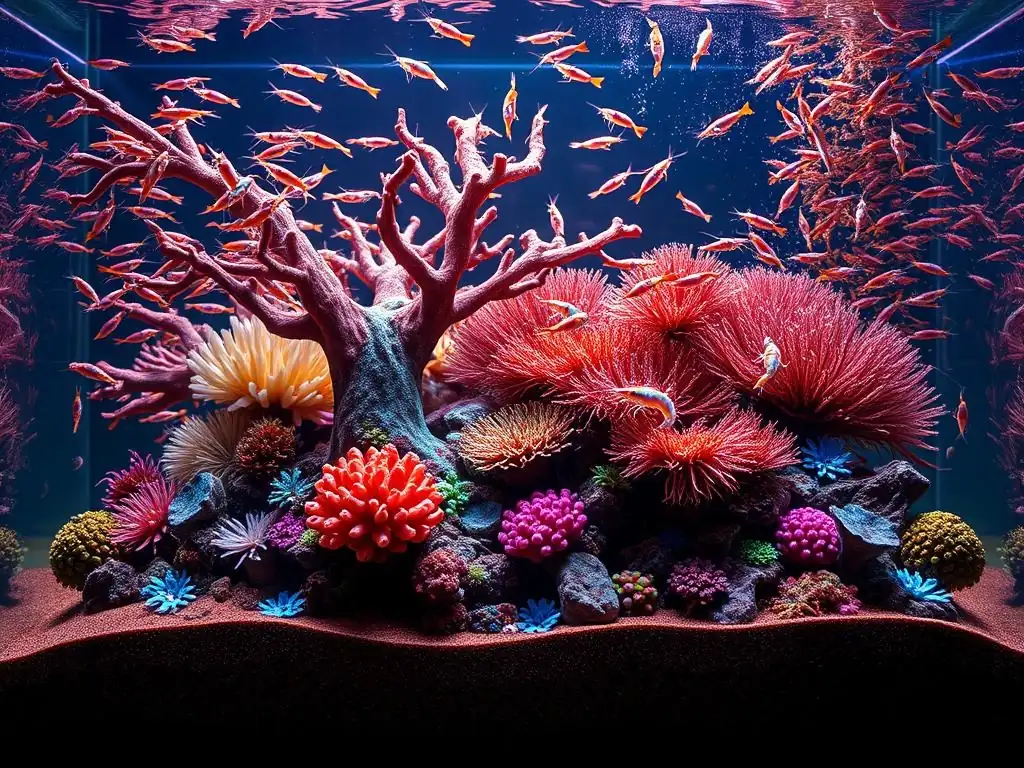
Ever wondered if those tiny, dancing Sexy Shrimp (Thor amboinensis) are the perfect, coral-safe addition to your nano reef? Dive into our detailed guide on Thor amboinensis shrimp care to uncover their fascinating behavior, ideal tank conditions, and whether they're truly compatible with your precious corals. Get ready to unlock the secrets to keeping these captivating creatures thriving!
- Introduction to Thor Amboinensis: The Sexy Shrimp
- Thor Amboinensis Care: Essential Guidelines for Success
- Thor Amboinensis Tank Mates: Compatibility and Considerations
- Thor Amboinensis and Coral: Are They Truly Reef Safe?
- Breeding Thor Amboinensis: A Challenging but Rewarding Endeavor
- Common Thor Amboinensis Health Issues and Treatments
- Where to Buy Thor Amboinensis Shrimp: Finding Healthy Specimens
- Conclusion: The Allure and Responsibility of Thor Amboinensis Shrimp Care
- Frequently Asked Questions
- Final Reflection: The Enduring Allure of Tiny Wonders
- Ignite Your Nano Reef: Welcome Sexy Shrimp!
Introduction to Thor Amboinensis: The Sexy Shrimp
What Makes Thor Amboinensis Shrimp So Appealing? Size, Color, and Behavior
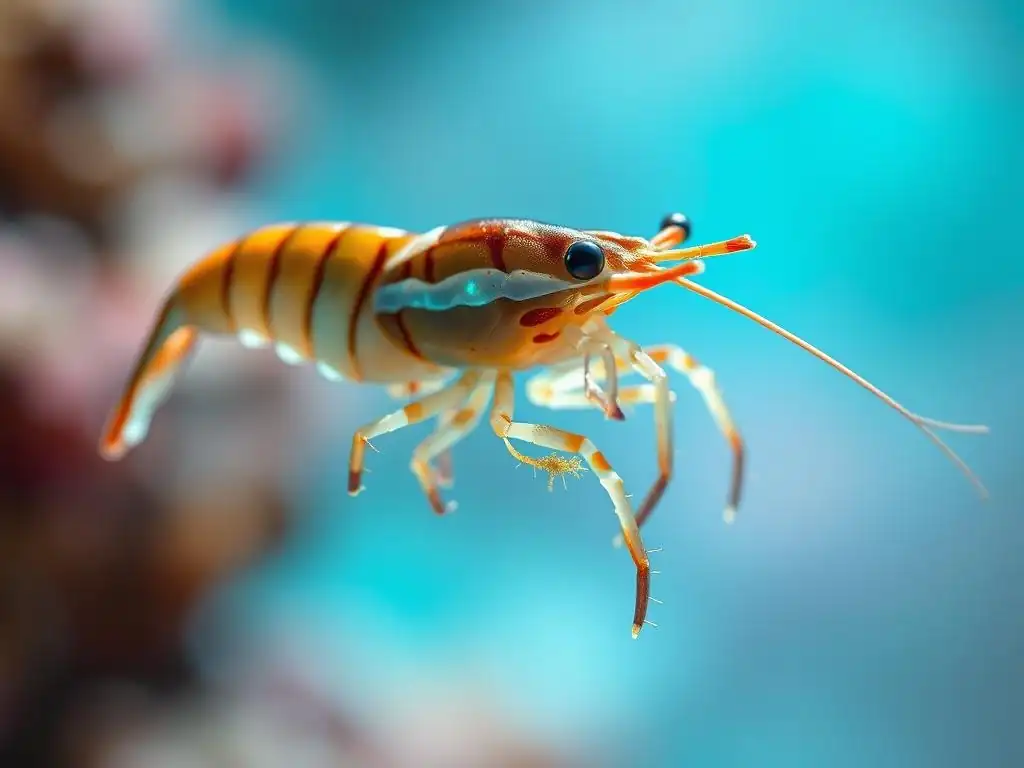
The Thor amboinensis, commonly known as the Sexy Shrimp, is a captivating addition to many nano reef aquariums due to its diminutive size, vibrant coloration, and engaging behavior. These fascinating invertebrates typically reach a maximum size of about 0.75 to 1 inch (approximately 2 to 2.5 cm), making them perfectly suited for smaller reef setups that might be too restrictive for larger crustaceans. Their translucent bodies are adorned with striking white or yellow spots, often outlined in a thin blue or red border, creating a visually appealing contrast against live rock and corals.
Beyond their attractive appearance, their unique physical characteristics, such as their relatively large eyes and short, active antennae, contribute to their charm. In the wild, they are often found living commensally with various host invertebrates like anemones, mushroom corals, or specific types of soft corals, where they scavenge for food scraps. This natural inclination to associate with host organisms can sometimes translate into interesting interactions within a home aquarium, further enhancing their appeal.
Why Are They Called "Sexy Shrimp"? Understanding Their Unique Swaying Motion
The common name "Sexy Shrimp" originates from their distinctive and almost continuous swaying or dancing motion. Unlike many other shrimp species that move with a more direct, scuttling gait, Thor amboinensis constantly waves its abdomen and tail fan from side to side. This rhythmic, almost hypnotic movement gives the impression that they are performing a delicate dance, captivating observers.
This characteristic swaying is not just for show; it is believed to help them maintain balance in water currents, sift through water for food particles, or even serve as a form of communication. Whatever its biological purpose, this unique behavior is a major part of their allure in the aquarium hobby. Combined with their small size and striking coloration, this active, charming movement makes the Thor amboinensis a highly sought-after invertebrate for aquarists looking to add dynamic and engaging life to their smaller reef tanks without overwhelming the delicate ecosystem.
Is the Thor Amboinensis Shrimp Right for Your Reef Tank? An Overview
The Thor amboinensis shrimp is generally an excellent candidate for nano and pico reef tanks, often thriving in setups as small as 2 to 5 gallons for a small group. Their peaceful temperament and small stature ensure they do not become a nuisance to other inhabitants, provided tank mates are chosen carefully. As opportunistic scavengers, they contribute to the aquarium's cleanliness by consuming detritus and leftover food, acting as a valuable part of the cleanup crew.
However, the primary concern for many aquarists considering Thor amboinensis shrimp care is their compatibility with corals. While widely regarded as "reef-safe," there are anecdotal reports of them occasionally picking at certain corals, particularly if underfed or if the coral itself is stressed. This nuanced interaction means that while they are largely benign, careful observation and proper feeding are crucial for successful Thor amboinensis shrimp care in a mixed reef environment. Understanding these aspects is key to determining if these tiny dancers are the right fit for your specific reef aquarium setup.
Thor Amboinensis Care: Essential Guidelines for Success
Tank Size and Setup for Optimal Thor Amboinensis Shrimp Care
Creating a Suitable Nano Reef Environment for Sexy Shrimp
Despite their small size, optimal Thor amboinensis shrimp care requires a stable and well-established nano reef environment. A minimum tank size of 2 to 5 gallons is generally recommended for a small group of three to five shrimp, allowing them adequate space to forage and establish individual territories without overcrowding. The tank setup should prioritize stability and provide ample hiding spots. This includes a generous amount of live rock, which not only serves as biological filtration but also offers crevices, small caves, and overhangs where the shrimp can retreat, especially during vulnerable molting periods.
A fine sand or crushed coral substrate is suitable, as the shrimp will occasionally sift through it for detritus. Water flow should be low to moderate; strong currents can stress these tiny creatures and prevent them from foraging efficiently. While the shrimp themselves do not have specific lighting requirements, the lighting should be appropriate for any corals or photosynthetic invertebrates present in the tank. Ensuring an established biological filtration system is paramount to process waste and maintain pristine water quality, which is critical for the delicate nature of Thor amboinensis.
Ideal Water Parameters for Thor Amboinensis: Temperature, Salinity, and pH
Maintaining precise and stable water parameters is fundamental to successful Thor amboinensis shrimp care, as invertebrates are particularly sensitive to fluctuations. The ideal temperature range for these shrimp is between 72-78°F (approximately 22-26°C). Consistency within this range is more important than hitting an exact number. Salinity should be maintained at a specific gravity of 1.023-1.026, mirroring natural reef conditions. The pH level should consistently remain between 8.1 and 8.4.
Beyond these primary parameters, ammonia and nitrite levels must always be 0 ppm, indicating a fully cycled and healthy biological filter. Nitrate levels should be kept as low as possible, ideally below 10-20 ppm, to prevent stress and promote overall health. Essential parameters for invertebrate health, particularly for molting and exoskeleton formation, include calcium (380-450 ppm), alkalinity (8-12 dKH), and magnesium (1250-1350 ppm). Regular water changes, typically 10-20% bi-weekly, are vital for replenishing trace elements and maintaining the stable, high-quality water conditions necessary for thriving Thor amboinensis shrimp.
Diet and Feeding Habits of Thor Amboinensis Shrimp
What Do Sexy Shrimp Eat? A Comprehensive Feeding Guide
Thor amboinensis shrimp are omnivorous scavengers, and providing a varied diet is crucial for optimal Thor amboinensis shrimp care. In their natural habitat, they primarily feed on detritus, microalgae, biofilm, and any small food particles or mucus shed by their host anemones or corals. In the home aquarium, they will actively graze on the biofilm and microalgae that naturally accumulate on live rock and tank surfaces. This natural foraging behavior makes them a beneficial part of the tank's cleanup crew.
To ensure they receive adequate nutrition, their diet should be supplemented with small, high-quality foods. Excellent options include finely crushed flakes or pellets, frozen mysis shrimp, frozen brine shrimp, or finely chopped silversides. Due to their small size, food particles should be tiny enough for them to handle. Target feeding, using a pipette or turkey baster to deliver food directly to their vicinity, can be particularly effective, especially in tanks with more aggressive feeders. Feeding small amounts two to three times a week is generally sufficient, allowing them to also graze on naturally occurring foods.
Preventing Overfeeding and Maintaining Water Quality
A common pitfall in aquarium husbandry, particularly with small, delicate invertebrates like Thor amboinensis, is overfeeding. While it's important to provide sufficient nutrition, overfeeding leads to an excess of uneaten food decomposing in the tank, which rapidly degrades water quality. This decomposition results in elevated levels of nitrates and phosphates, fueling nuisance algae blooms and creating a stressful, potentially toxic environment for the shrimp and other tank inhabitants.
To prevent these issues, it is imperative to feed only what the Thor amboinensis shrimp and other tank inhabitants can consume within a few minutes. If uneaten food remains after this short period, it indicates overfeeding, and the amount should be reduced for subsequent feedings. Regular water testing to monitor nitrate and phosphate levels, coupled with consistent water changes, are essential practices. These preventative measures are not just about managing waste; they are integral to maintaining the pristine water quality that is the cornerstone of effective Thor amboinensis shrimp care, ensuring the long-term health and vibrancy of your shrimp.
Acclimation and Introduction to Your Reef Tank
A Step-by-Step Guide to Safely Introducing Thor Amboinensis
Safely introducing Thor amboinensis shrimp to a new aquarium is a critical step in their care, as they are highly sensitive to sudden changes in water parameters, particularly salinity and pH. The drip acclimation method is strongly recommended to minimize stress. First, float the sealed bag containing the shrimp in your aquarium for 15-20 minutes to equalize the water temperature. Do not open the bag during this step.
After temperature equalization, carefully open the bag and pour the shrimp and their original water into a clean, separate container (e.g., a small bucket or plastic tub). Use an airline tubing to create a slow drip from your display tank into the container, tying a knot or using a small valve to control the flow to about 1-2 drips per second. Allow the drip acclimation to proceed for at least 60-90 minutes, or until the volume of water in the container has doubled or tripled.
Once acclimation is complete, gently net the shrimp and transfer it to your display tank, discarding the old water from the container. Avoid exposing the shrimp to air during the transfer if possible.
Monitoring Your Shrimp for Stress and Disease
Once introduced to the main reef tank, continuous monitoring of your Thor amboinensis shrimp is vital for successful Thor amboinensis shrimp care. Observe them closely for any signs of stress, such as lethargy, unusual hiding for extended periods, a lack of their characteristic swaying motion, or a complete loss of appetite. Healthy sexy shrimp are typically active, constantly foraging, and exhibiting their distinctive dance. Pay attention to their coloration; a healthy shrimp will have vibrant, clear spots, while a stressed or ill shrimp might appear pale or cloudy.
Molting is a natural and crucial process for shrimp growth, but it is also a vulnerable time. Ensure there are plenty of secure hiding spots where they can retreat after shedding their exoskeleton. Look for signs of incomplete molts, which can indicate water quality issues or nutritional deficiencies. While rare, also keep an eye out for any external parasites or unusual growths. Prompt identification of stress or illness allows for timely intervention, which can significantly improve the shrimp's chances of recovery and overall well-being.
Thor Amboinensis Tank Mates: Compatibility and Considerations
Best Tank Mates for Sexy Shrimp in a Nano Reef
Compatible Fish Species for a Peaceful Community
Selecting appropriate fish species is crucial for maintaining a peaceful environment where Thor amboinensis shrimp can thrive. The best tank mates are small, non-aggressive fish that do not possess predatory instincts towards tiny crustaceans. Ideal choices for a nano reef include various small gobies, such as Trimma gobies, Eviota gobies, and Neon Gobies (Elacatinus oceanops). These fish typically remain small, rarely exceeding 1.5 to 2 inches, and are more interested in foraging for microfauna or biofilm than preying on shrimp.
Other compatible options include certain small blennies, like the Tailspot Blenny (Salarias fasciatus), which are primarily herbivorous and peaceful. Small cardinalfish species, provided they are not known for aggression or growing too large, can also coexist. The key is to avoid any fish with a mouth large enough to swallow a sexy shrimp or those known for nipping at invertebrates. A harmonious community ensures the Thor amboinensis shrimp can exhibit its natural behaviors without constant fear of predation, a vital aspect of comprehensive Thor amboinensis shrimp care.
Invertebrate Companions: Snails, Crabs, and Other Shrimp
Beyond fish, many peaceful invertebrates make excellent companions for Thor amboinensis shrimp in a nano reef setup. Snails are generally highly compatible and beneficial additions, contributing to algae control and detritus consumption. Popular choices include Nassarius snails, which burrow in the sand, and various species of Turbo and Trochus snails, known for grazing on algae from rockwork and glass. These snails pose no threat to the shrimp and often occupy different niches within the aquarium.
Small, peaceful hermit crabs, such as Dwarf Blue Leg Hermit Crabs (Clibanarius tricolor) or Dwarf Red Tip Hermit Crabs (Clibanarius rutilus), can also coexist, provided they are well-fed and not known for aggressive behavior towards other invertebrates. While some aquarists successfully keep multiple shrimp species together, introducing other small, peaceful shrimp like Peppermint Shrimp (Lysmata wurdemanni) requires careful observation to ensure there isn't excessive competition for food in very confined spaces. Generally, most non-predatory and small-sized invertebrates will live harmoniously with Thor amboinensis shrimp.
Fish and Invertebrates to Avoid with Thor Amboinensis
Predatory Fish That May Prey on Sexy Shrimp
When considering Thor amboinensis shrimp care, it is paramount to avoid any fish species that are known predators of small crustaceans or have mouths large enough to consume a sexy shrimp whole. Many popular reef fish, while beautiful, pose a significant threat. This includes most wrasse species, especially larger ones like Six-Line Wrasses or Yellow Coris Wrasses, which are notorious for preying on ornamental shrimp. Hawkfish, such as the Flame Hawkfish, are also highly predatory towards shrimp and crabs.
Other fish to strictly avoid include triggerfish, lionfish, and larger angelfish species, all of which view small shrimp as a food source. Even some seemingly peaceful fish can become opportunistic predators if the Thor amboinensis shrimp are particularly small or vulnerable. Thorough research into the adult size and feeding habits of any potential tank mate is essential. Introducing a single predatory fish can quickly decimate an entire population of sexy shrimp, making all efforts in Thor amboinensis shrimp care futile.
Aggressive Invertebrates That Can Cause Problems
Just as certain fish pose a threat, some invertebrates can also be problematic tank mates for the small and delicate Thor amboinensis shrimp. Larger, more aggressive shrimp species, such as certain pistol shrimp (unless specifically chosen for known peaceful cohabitation) or larger cleaner shrimp species like the Skunk Cleaner Shrimp (Lysmata amboinensis) if food is scarce, might outcompete or even harass the smaller sexy shrimp. While cleaner shrimp are generally considered peaceful, their larger size can sometimes intimidate or physically displace the tiny Thor amboinensis.
Certain crab species, particularly those known for opportunistic predation or general aggression, should also be avoided. For instance, larger Emerald Crabs (Mithraculus sculptus), while often beneficial for algae control, can occasionally become aggressive or opportunistic predators if not adequately fed. Any large, predatory crab species is an absolute no-go. Always err on the side of caution when selecting invertebrate tank mates, prioritizing species with a proven track record of peaceful coexistence to ensure the safety and well-being of your Thor amboinensis shrimp.
Thor Amboinensis and Coral: Are They Truly Reef Safe?
Understanding the Relationship Between Sexy Shrimp and Corals
Do Thor Amboinensis Shrimp Eat Coral? Addressing the Concerns
The question of whether Thor amboinensis shrimp eat coral is a common concern among reef aquarists, and it's a critical aspect of Thor amboinensis shrimp care. Generally, these shrimp are considered "reef-safe." Their natural diet in the wild consists primarily of detritus, microalgae, and leftover food particles from their host anemones or corals.
They are scavengers, not typically predators of live coral tissue. However, anecdotal reports suggest that in very rare instances, particularly if the shrimp are severely underfed or if a specific coral is stressed and producing attractive mucus, they might pick at certain soft corals or Large Polyp Stony (LPS) corals.
This behavior is not common and should not deter most aquarists. The vast majority of Thor amboinensis shrimp will peacefully coexist with corals, often seen grazing on the rockwork adjacent to them rather than the coral itself. The concern often stems from their natural commensal relationship with anemones, where they clean up food scraps.
In a captive environment, if their dietary needs are not met, they might attempt to extract nutrients from coral tissue. Consistent and varied feeding is therefore a key preventative measure and a fundamental part of responsible Thor amboinensis shrimp care to mitigate any potential coral nipping.
The Role of Sexy Shrimp in Coral Health and Algae Control
Despite the infrequent anecdotal reports of coral picking, Thor amboinensis shrimp generally contribute positively to the overall health and cleanliness of a reef aquarium. They are highly efficient scavengers, constantly sifting through the substrate and grazing on the surfaces of live rock and even coral skeletons. This activity helps to remove detritus, uneaten food particles, and nuisance microalgae films that can accumulate in the tank. By consuming this organic matter, they aid in nutrient export and help prevent the buildup of undesirable substances.
Their constant foraging helps to keep surfaces clear of undesirable algae, which can otherwise compete with and potentially smother sensitive corals. By cleaning up leftover food, they also reduce the amount of decaying organic matter in the water column, contributing to better water quality. Thus, their presence can be viewed as a beneficial component of the tank's cleanup crew, subtly supporting coral health by maintaining a cleaner, more stable environment, making them a valuable, albeit tiny, asset in a well-managed reef system.
Coral Compatibility: Which Corals are Safe with Thor Amboinensis?
Choosing Coral Species That Tolerate Sexy Shrimp
When planning a reef aquarium that includes Thor amboinensis shrimp, understanding coral compatibility is an important facet of Thor amboinensis shrimp care. Most corals are generally safe with these shrimp. Small Polyp Stony (SPS) corals, such as Acropora, Montipora, and Stylophora, are typically unbothered by sexy shrimp. Their polyps are too small for the shrimp to effectively pick at, and the shrimp rarely show interest in their tissue. Many Large Polyp Stony (LPS) corals, including popular choices like Euphyllia (e.g., Frogspawn, Hammer, Torch corals), Favia, and Blastomussa, are also usually compatible, as are most soft corals.
Soft corals like Zoanthids, Palythoa, Mushroom corals (Ricordea, Discosoma), and Leather corals are generally ignored by Thor amboinensis. The primary concern, though rare, might arise with very fleshy LPS corals or certain soft corals if the shrimp are underfed and seeking alternative food sources. However, with consistent feeding and stable water parameters, the risk is minimal. It's always advisable to introduce the shrimp to a well-established tank with healthy corals, as stressed corals are more susceptible to any form of irritation.
Monitoring Your Corals for Signs of Stress or Damage
Even with generally compatible corals, diligent observation is a key component of effective Thor amboinensis shrimp care. Regularly inspect your corals for any signs of stress, such as polyps failing to extend fully, tissue recession, or unusual discoloration. If you notice a sexy shrimp consistently perched on or picking at a specific coral, observe its behavior closely. Sometimes, they might just be cleaning detritus off the coral's surface, which is beneficial. However, persistent or aggressive picking could indicate an issue.
Pay particular attention after introducing new shrimp or if there's any change in your feeding routine. While minor irritation is often temporary and harmless, any significant or prolonged tissue damage warrants intervention. This could involve increasing the frequency or quantity of the shrimp's food to ensure they are not hungry, or in extreme cases, relocating either the shrimp or the affected coral to prevent further issues. Proactive monitoring helps ensure the long-term health of both your corals and your Thor amboinensis shrimp.
Breeding Thor Amboinensis: A Challenging but Rewarding Endeavor
Setting Up a Breeding Tank for Sexy Shrimp
Creating the Ideal Environment for Larval Development
Breeding Thor amboinensis shrimp in a home aquarium is a challenging but rewarding endeavor that requires a dedicated setup, as their larvae are planktonic and highly vulnerable in a community tank. A separate breeding tank, typically a small 5-10 gallon aquarium, is almost essential. This tank needs to maintain stable water parameters mirroring the main display tank. Provide some fine substrate and a small amount of live rock for the adult shrimp to feel secure and lay eggs.
Filtration in the breeding tank must be extremely gentle to avoid sucking up the minuscule larvae. An air-driven sponge filter is an ideal choice, providing both mechanical and biological filtration without creating strong currents or a risk of harming the larvae. Lighting should be dim, as bright lights can stress the larvae. Maintaining a consistent temperature in the mid-70s°F (around 75°F or 24°C) is important to encourage larval development. A mature tank with established microfauna can also aid initial larval survival by providing a natural food source.
Feeding and Caring for Thor Amboinensis Larvae
The most significant hurdle in breeding Thor amboinensis is providing appropriate food for their incredibly tiny larvae. These zoea larvae are microscopic and require a specific diet as they progress through their developmental stages. Rotifers, particularly L-type Brachionus plicatilis, are a common and effective first food for newly hatched larvae, as their size is perfectly suited. As the larvae grow, they can transition to newly hatched Artemia nauplii, which are slightly larger. Culturing phytoplankton can also be beneficial, as it serves as a food source for the rotifers, ensuring a continuous supply of live food.
Maintaining pristine water quality in the larval rearing tank is paramount. Due to the rapid metabolism of the larvae and the introduction of live foods, daily small water changes, typically 10-20% of the tank volume, are crucial. These water changes should be performed with aged, stable saltwater to avoid shocking the delicate larvae and to replenish essential minerals. Gently siphoning any detritus or uneaten food from the bottom of the tank is also important to prevent water fouling. Meticulous feeding and water quality management are the cornerstones of successful Thor amboinensis shrimp care in a breeding context.
Challenges and Tips for Successful Breeding
Overcoming Common Breeding Obstacles
Breeding Thor amboinensis shrimp presents several common obstacles that often lead to high larval mortality rates. The primary challenges include the extremely small size of the larvae, which makes them difficult to see and manage, their highly specific food requirements, and their extreme sensitivity to water quality fluctuations. Larvae are also prone to being consumed by filtration systems or other tank inhabitants if not isolated. Ensuring a consistent supply of appropriately sized live food, such as freshly cultured rotifers and Artemia nauplii, is perhaps the biggest hurdle for most hobbyists.
To overcome these challenges, meticulous attention to detail and consistent effort are required. Tips for improving success rates include setting up dedicated larval rearing tanks with gentle filtration. Culturing your own live foods ensures freshness and availability. Some breeders find that using a "black-out" method, where the larval tank is kept in dim light or darkness, can help concentrate the larvae for more efficient feeding. Patience is also key; multiple attempts may be necessary to refine techniques and achieve successful metamorphosis.
Resources and Further Reading on Thor Amboinensis Breeding
While dedicated, comprehensive books solely on Thor amboinensis breeding are relatively rare, aspiring breeders can find valuable information by consulting broader marine invertebrate breeding guides. These resources often cover the general principles of larval rearing, which can be adapted for sexy shrimp. Online forums and communities dedicated to marine aquaculture, nano reef keeping, and shrimp breeding are excellent sources of real-world experience and troubleshooting tips from other hobbyists. Many experienced aquarists share their protocols for culturing live foods and managing larval tanks.
Additionally, academic papers or university extension programs focused on ornamental marine aquaculture may provide detailed scientific protocols for breeding various small marine shrimp species. While not specific to Thor amboinensis, the biological principles of larval development, feeding, and water quality management often overlap. Researching the breeding of other small Lysmata species or similar shrimp can offer transferable knowledge, providing a solid foundation for those committed to the intricate endeavor of Thor amboinensis breeding.
Common Thor Amboinensis Health Issues and Treatments
Identifying Signs of Illness in Your Sexy Shrimp
Recognizing Common Diseases and Parasites
Identifying signs of illness early is crucial for effective Thor amboinensis shrimp care. Healthy sexy shrimp are typically active, constantly exhibiting their characteristic swaying motion, and have clear, vibrant coloration with well-defined spots. Signs that indicate a problem include lethargy, a significant increase in hiding, loss of appetite, or a cloudy or opaque appearance to their normally translucent bodies, which can suggest a bacterial infection. Discoloration or fading of their spots can also be an indicator of stress or poor health.
Molting problems are among the most common health issues for shrimp. If a Thor amboinensis shrimp struggles to shed its old exoskeleton completely, or if the old shell remains partially attached, it's a clear sign of distress, often leading to death if not resolved. This can be caused by unstable water parameters, insufficient iodine (though this is debated), or rapid changes in salinity.
While external parasites are rare on Thor amboinensis, any unusual growths or visible foreign bodies on their exoskeleton should be investigated. Observing for frayed antennae or missing limbs (unless clearly regrowing) can also indicate stress or injury.
Quarantine Procedures for Sick or Injured Shrimp
A dedicated quarantine tank (QT) is an invaluable tool for managing sick or injured Thor amboinensis shrimp and is a best practice in advanced Thor amboinensis shrimp care. A small QT, even a 1-2 gallon tank, equipped with a gentle air-driven sponge filter and a heater, is sufficient for isolating a single shrimp. This separate environment allows for close observation and targeted treatment without exposing the main display tank's inhabitants to potential diseases or medications.
When transferring a sick shrimp to the QT, use the drip acclimation method to minimize further stress from parameter changes. The QT water should match the display tank's parameters as closely as possible. Isolation in a QT provides a controlled environment where the shrimp can recover from injuries, be treated for specific ailments, or simply be observed without competition for food or harassment from other tank mates. This proactive approach significantly increases the chances of recovery and prevents the spread of potential health issues within your main reef system.
Treatment Options for Thor Amboinensis Health Problems
Medications and Natural Remedies for Shrimp Diseases
Treatment options for sick Thor amboinensis shrimp are often limited, primarily because many common aquarium medications, particularly those containing copper, are highly toxic to all invertebrates. Therefore, extreme caution must be exercised before administering any medication. For suspected bacterial infections, broad-spectrum antibiotics might be considered, but it is imperative to research their safety for shrimp thoroughly, as many can be detrimental. In many cases, improving the overall water quality and providing optimal nutrition are the most effective "natural remedies."
For molting issues, which are often related to environmental factors, focus on ensuring stable water parameters: consistent temperature, salinity, pH, and adequate levels of calcium (380-450 ppm), alkalinity (8-12 dKH), and magnesium (1250-1350 ppm). Some aquarists cautiously use very small, controlled doses of iodine supplements specifically formulated for marine invertebrates, as iodine is crucial for proper molting. However, iodine supplementation is a debated topic, and overdosing can be fatal. Always follow dosage instructions precisely and consider it only after confirming all water parameters are ideal.
Preventing Future Health Issues Through Proper Care
The most effective "treatment" for Thor amboinensis shrimp health problems is prevention through consistent, high-quality Thor amboinensis shrimp care. Maintaining stable water parameters is paramount; sudden fluctuations in temperature, salinity, or pH can severely stress shrimp and lead to molting issues or susceptibility to disease. Regular water changes (e.g., 10-20% bi-weekly) help to keep nitrate levels low and replenish essential trace elements.
Providing a varied and nutritious diet ensures the shrimp receive all necessary vitamins and minerals, strengthening their immune system and supporting healthy molts. Preventing stress is also key: ensure they have compatible tank mates, provide ample hiding spots (especially important during molting), and avoid overcrowding. A well-maintained, stable tank environment significantly reduces the likelihood of health problems, allowing your sexy shrimp to thrive and exhibit their natural behaviors for a long time.
Where to Buy Thor Amboinensis Shrimp: Finding Healthy Specimens
Selecting a Reputable Source for Your Sexy Shrimp
Evaluating the Health and Condition of Potential Purchases
When purchasing Thor amboinensis shrimp, selecting a reputable source is a critical first step in ensuring healthy specimens and successful Thor amboinensis shrimp care. Whether you're buying from a local fish store or an online vendor, take the time to evaluate the health and condition of the shrimp before making a purchase. In a physical store, observe the shrimp in their holding tank: they should be active, constantly swaying, and foraging. Their coloration should be vibrant and clear, with well-defined white or yellow spots.
Avoid any shrimp that appear lethargic, are discolored, have a cloudy or opaque appearance, or show signs of injury such as missing limbs (unless clearly regrowing) or damaged antennae. Inquire about the source of the shrimp – whether they are wild-caught or aquacultured. Aquacultured shrimp are often preferred as they tend to be hardier, more accustomed to aquarium life, and reduce the impact on wild populations. A reputable dealer will have clean tanks, knowledgeable staff who can answer questions about their acclimation procedures, and a clear policy on livestock guarantees.
Quarantine Procedures Before Introducing New Shrimp to Your Tank
Even when acquiring Thor amboinensis shrimp from a reputable source, implementing a quarantine procedure is a non-negotiable step for responsible Thor amboinensis shrimp care. A dedicated quarantine tank (QT) allows you to observe new arrivals for any signs of illness, parasites, or stress before introducing them to your established display tank. A quarantine period of at least 2-4 weeks is recommended. This duration provides enough time for potential diseases to manifest and allows the shrimp to adjust to your water parameters and feeding routine.
The QT should be set up with stable parameters matching your main tank, a gentle sponge filter, and plenty of hiding spots. During this period, you can confirm that the shrimp are eating well and behaving normally. This crucial step minimizes the risk of introducing pathogens or parasites that could harm your existing inhabitants, particularly sensitive corals and fish. Skipping quarantine can lead to devastating consequences for your entire reef system, making it an essential practice for the long-term health of your aquarium.
Conclusion: The Allure and Responsibility of Thor Amboinensis Shrimp Care
Summarizing the Key Aspects of Sexy Shrimp Husbandry
The Thor amboinensis, or Sexy Shrimp, truly lives up to its name, offering a captivating and dynamic presence in nano reef aquariums. Their diminutive size, vibrant spotted coloration, and signature swaying motion make them an endearing and engaging addition to any small reef system. While generally considered reef-safe, their beneficial role as diligent scavengers, consuming detritus and leftover food, contributes significantly to the cleanliness and overall health of the aquarium environment.
Successful Thor amboinensis shrimp care hinges on several key aspects: maintaining stable and pristine water parameters—specifically temperature between 72-78°F, salinity at 1.023-1.026, and pH of 8.1-8.4—along with consistently low nitrates. Providing a varied and nutritious diet, ensuring a suitable tank size of 2-5 gallons for a small group, selecting peaceful and non-predatory tank mates, and performing meticulous acclimation upon introduction are all critical for their well-being. Attention to these details ensures these tiny dancers not only survive but thrive.
Are Sexy Shrimp Right for Your Reef Aquarium? A Final Assessment
For aquarists with an established nano or pico reef tank, a commitment to maintaining stable water quality, and the willingness to provide a consistent and varied food source, the Thor amboinensis shrimp is an exceptional choice. They introduce a unique visual appeal and fascinating behavior without demanding excessive space or posing significant threats to most corals when adequately fed. Their small size makes them ideal for tanks where larger invertebrates might be too imposing.
However, they are not suitable for tanks housing aggressive or large predatory fish, as they would quickly become a meal. Similarly, tanks with highly unstable parameters or those prone to rapid fluctuations would not be appropriate for these delicate crustaceans. For those seeking a charming, low-impact invertebrate with a delightful personality and a beneficial role in the cleanup crew, the Thor amboinensis shrimp offers a rewarding experience, provided that dedicated and consistent Thor amboinensis shrimp care is diligently applied.
Frequently Asked Questions
How difficult is it to care for Thor amboinensis (Sexy Shrimp) in a reef aquarium?
Sexy Shrimp are considered relatively easy to care for, especially for experienced reef keepers. However, their small size and specific needs make them best suited for established nano reefs.
What are the ideal water parameters for Thor amboinensis shrimp?
These shrimp thrive in stable reef environments. Maintain a temperature of 72-78°F, a salinity of 1.024-1.026, and a pH of 8.1-8.4. Consistent water quality is crucial for their health.
What do Sexy Shrimp eat, and how often should they be fed?
Thor amboinensis are scavengers and opportunistic feeders. Offer them a varied diet of small meaty foods like frozen mysis shrimp, brine shrimp, and specialized invertebrate foods. Feed them small amounts daily or every other day.
Are Sexy Shrimp truly coral safe?
Generally, yes, Sexy Shrimp are considered coral safe. However, they may occasionally nip at certain soft corals, especially if not adequately fed. Monitor their behavior closely and ensure they have ample food sources.
What size aquarium is appropriate for keeping Sexy Shrimp?
Due to their small size, Sexy Shrimp are well-suited for nano reefs. A tank size of 10 gallons or larger is generally recommended to provide enough space and stability for a small group.
Final Reflection: The Enduring Allure of Tiny Wonders
The journey into the world of Thor amboinensis, the Sexy Shrimp, reveals more than just the intricacies of nano reef keeping; it highlights the profound connection we seek with the natural world, even within the confines of our homes. These diminutive dancers, with their captivating movements and unique personalities, remind us that beauty and complexity can be found in the smallest of packages, and the responsibility we bear in ensuring their well-being.
The fascination with these miniature marvels underscores the growing appreciation for biodiversity and the delicate balance of reef ecosystems. My own experience observing these shrimp has instilled a deeper respect for the interconnectedness of life and the importance of informed stewardship. In the end, we will conserve only what we love; we will love only what we understand; and we will understand only what we are taught.
- Baba Dioum. This quote perfectly encapsulates the need for continued education and responsible practices in the hobby, ensuring the survival of these captivating creatures for generations to come.
As you consider adding a Sexy Shrimp to your nano reef, remember that knowledge is power. Embrace the responsibility of providing optimal Thor amboinensis shrimp care, not just for the well-being of these tiny dancers, but as a testament to your commitment to preserving the beauty and wonder of our planet's coral reefs. Let your aquarium be a microcosm of a thriving ecosystem, a reminder of the delicate balance we must strive to maintain in the world beyond.
Ignite Your Nano Reef: Welcome Sexy Shrimp!
Thanks for diving into the fascinating world of Sexy Shrimp! We hope you’ve gained a clearer understanding of these tiny dancers and their potential role in your nano reef. Now it's time to put that knowledge into action!
- Dive deeper! Set up a dedicated observation area in your tank to truly appreciate their unique behaviors and social interactions.
- Share your Sexy Shrimp success (or challenges!) with fellow reef enthusiasts on aquarium forums.
- Explore less common Sexy Shrimp tank mates, like peaceful gobies, to create a vibrant and diverse community.
What surprising behavior have you observed from your own Sexy Shrimp?