
Color Metamorphosis: The Stunning Transformations of Juvenile to Adult Wrasses

Welcome to Aquarium Mastery!
Ever wondered why that vibrantly colored juvenile wrasse you brought home seems to be undergoing a complete identity makeover? You're not alone! Dive into our exploration of Juvenile Wrasse Color Changes and uncover the fascinating science behind these stunning transformations. Prepare to be amazed by the secrets of their underwater metamorphosis, and discover how to best support your wrasse through every stage of its colorful life. Intrigued? Keep reading to unlock the mysteries!
- Understanding Juvenile Wrasse Color Changes in Saltwater Aquariums
- A Guide to the Most Dramatic Juvenile Wrasse Color Transformations
- Factors Influencing Color Change in Wrasses
- Maintaining Optimal Conditions for Vibrant Wrasse Coloration
- Documenting and Appreciating Wrasse Color Changes in Your Aquarium
- Conclusion: The Ever-Changing Beauty of Wrasses
-
Frequently Asked Questions
- How dramatically can the colors of juvenile wrasses change as they mature?
- Why do juvenile wrasses often have such different colors compared to adults?
- At what age or size do wrasses typically begin to show their adult colors?
- Are the color changes in wrasses reversible if environmental conditions are unfavorable?
- Can I use the juvenile coloration of a wrasse to accurately identify its species as an adult?
- Final Reflection: Unveiling Nature's Masterpieces
- Ignite Your Reef Tank: Cultivate Wrasse Wonders!
Understanding Juvenile Wrasse Color Changes in Saltwater Aquariums
The Allure of Wrasses: A Colorful Addition to Your Reef Tank
Wrasses are among the most diverse and captivating families of fish found in saltwater aquariums, boasting over 600 species that inhabit various reef environments worldwide. Their vibrant colors, active swimming patterns, and often beneficial behaviors, such as consuming nuisance pests like flatworms, make them a highly sought-after addition to many reef tanks. From the smallest cleaner wrasses to larger, more robust species, their constant movement and striking appearance add dynamic beauty and intrigue to any aquatic display.
What makes wrasses particularly fascinating for aquarists is their remarkable capacity for juvenile wrasse color changes as they mature. Unlike many other fish that maintain a relatively consistent coloration throughout their lives, numerous wrasse species undergo dramatic transformations, often starting with a drab or camouflaged juvenile phase and blossoming into an entirely different, often more spectacular, adult form. This inherent ability to change appearance provides a unique long-term visual journey for the dedicated hobbyist.
Why Do Juvenile Wrasses Change Color? Exploring the Biological Reasons
The profound juvenile wrasse color changes are primarily driven by complex biological processes, most notably hormonal shifts associated with sexual maturation. Many wrasse species are protogynous hermaphrodites, meaning they begin life as females and can later transition into males. This sex change is often accompanied by a significant alteration in coloration, marking their transition from an initial phase (IP) to a terminal phase (TP), where they become reproductively active males. This genetic programming ensures the species' survival and reproductive success.
Beyond sexual maturity, other factors contribute to these striking transformations. Color changes can serve as social signals, indicating dominance, submission, or readiness to spawn within a group. For instance, a dominant male wrasse might display its most vibrant hues to assert its territory. Additionally, some juvenile wrasse color changes are for camouflage, allowing younger, more vulnerable fish to blend into their specific habitats, or for mimicry, where they imitate the appearance of other species (e.g., venomous fish) to deter predators. As they grow and their ecological roles shift, so too does their coloration.
A Guide to the Most Dramatic Juvenile Wrasse Color Transformations
The Transformation of the Bluestreak Cleaner Wrasse: From Juvenile Yellow to Adult Blue
Juvenile Coloration of Bluestreak Cleaner Wrasse: A Detailed Look
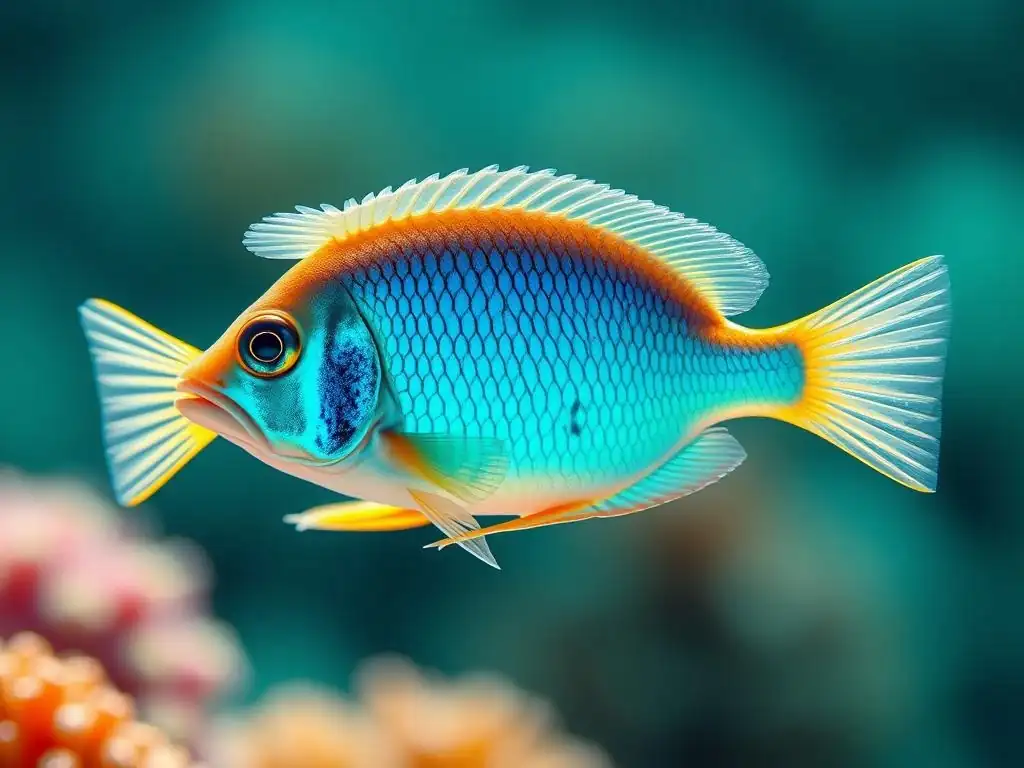
The Bluestreak Cleaner Wrasse ( Labroides dimidiatus) is renowned for its cleaning symbiosis, yet its juvenile wrasse color changes are equally remarkable. Juveniles typically exhibit a bright yellow or orange-yellow body, sharply contrasted by a prominent black stripe that runs horizontally from their snout, through the eye, and along their entire body to the caudal fin. These young individuals are quite small, often measuring only 2 to 3 centimeters in length, making them appear delicate and distinct from their mature counterparts.
This vibrant yellow juvenile coloration is thought to be a classic example of Batesian mimicry. In their natural habitat, these young wrasses often resemble the venomous sabre-toothed blenny ( Plagiotremus rhinorhynchos), which also displays a yellow body with a black stripe. By mimicking a dangerous species, the harmless juvenile cleaner wrasse gains protection from potential predators, allowing them to grow and fulfill their crucial role as cleaners on the reef.
Adult Coloration of Bluestreak Cleaner Wrasse: The Striking Differences
As the Bluestreak Cleaner Wrasse matures, its juvenile wrasse color changes dramatically from yellow to a brilliant blue. The body transforms into an iridescent blue, sometimes with a purplish tinge, while the defining black stripe becomes even more pronounced and extends through the eye to the tail. The caudal fin might retain a yellowish hue or become entirely blue. Adults can reach a length of up to 14 centimeters, showcasing a sleeker, more elongated profile compared to their youthful appearance.
This blue and black adult pattern is universally recognized by other reef fish as the signal for a cleaning station, where parasites and dead tissue can be removed. The shift in coloration signifies their full maturity and their established role within the complex reef ecosystem. The striking difference between the warning mimicry of their youth and the signaling colors of their adulthood makes the Bluestreak Cleaner Wrasse one of the most compelling examples of juvenile wrasse color changes in the marine aquarium.
Unveiling the Color Shift in the Yellow Coris Wrasse: A Visual Journey
The Juvenile Phase of Yellow Coris Wrasse: Identifying Characteristics
The Yellow Coris Wrasse ( Halichoeres chrysus) is another popular species known for its appealing juvenile wrasse color changes. In its juvenile phase, this wrasse is typically a uniform, brilliant yellow across its entire body, including its fins. Occasionally, a few very faint, scattered dark spots might be present, particularly near the dorsal fin, but these are often barely noticeable. Juveniles are generally small, usually under 5 centimeters, and tend to be more reclusive, often seen darting among rockwork or sand.
This simple yet striking yellow coloration allows juvenile Yellow Coris Wrasses to blend effectively with certain reef structures, such as yellow gorgonian corals or sponges, providing a degree of camouflage from predators. While their color is primarily uniform, observant aquarists might notice subtle variations in the intensity of the yellow as they grow, hinting at the more complex patterns that will emerge with maturity.
The Adult Phase of Yellow Coris Wrasse: A Complete Makeover
The juvenile wrasse color changes in the Yellow Coris Wrasse culminate in an adult phase that, while retaining its predominant yellow, introduces intricate and captivating patterns. Adult Yellow Coris Wrasses, which can grow up to 13 centimeters, develop a network of fine blue or green lines on their head and operculum, creating a mesmerizing labyrinthine design. Males, in particular, often exhibit more pronounced facial markings and might develop a distinct black ocellus (eye-spot) on the dorsal fin, and sometimes another on the anal fin.
This transformation from a simple, uniform yellow to a more complex, patterned yellow signifies the wrasse's sexual maturity and its readiness for breeding. The added blue/green markings and distinct fin spots enhance their visual appeal and likely play a role in inter-species communication and mate attraction. The adult Yellow Coris Wrasse is a testament to how juvenile wrasse color changes can elevate an already beautiful fish to an even more stunning display.
The Remarkable Metamorphosis of the Leopard Wrasse: Drab Beginnings to Dazzling Display
Spotting the Juvenile Leopard Wrasse: Key Features
The Leopard Wrasse ( Macropharyngodon meleagris), a sand-dwelling species, exhibits one of the most dramatic juvenile wrasse color changes in the aquarium hobby. Juveniles are typically far less vibrant than their adult counterparts, displaying a more muted and camouflaged pattern. Their body color is often a pale greenish-white or light brown, adorned with scattered, somewhat indistinct dark brown or grey spots. These spots are often sparser and less defined than those seen on mature individuals. Young Leopard Wrasses are relatively small, usually ranging from 3 to 6 centimeters, and spend much of their time foraging in the substrate.
This subdued initial coloration provides excellent camouflage in the rubble zones and sandy areas where they forage for small invertebrates. The lack of bright, eye-catching hues helps them evade detection by predators during their most vulnerable developmental stages. Observing these subtle juveniles requires keen eyes, as their appearance gives little hint of the dazzling transformation to come.
Recognizing the Adult Leopard Wrasse: Color and Pattern Changes
The adult Leopard Wrasse is a true showstopper, showcasing a breathtaking transformation from its drab beginnings. The juvenile wrasse color changes culminate in a vibrant display where the body becomes a brilliant white, pale green, or even a soft pinkish-orange, richly adorned with numerous, sharply defined, iridescent blue-green or reddish-brown spots. The head often features intricate turquoise, pink, or orange markings that are entirely absent in juveniles. Males typically develop more intense coloration and larger, more defined spots than females. Adults can reach up to 15 centimeters in length.
This spectacular shift from a muted, camouflaged juvenile to a dazzling adult serves multiple purposes, primarily attracting mates and signaling health and vitality within the reef environment. The increased vibrancy and distinct spotting make the adult Leopard Wrasse one of the most celebrated examples of juvenile wrasse color changes, offering a truly rewarding visual experience for the dedicated aquarist who nurtures its development.
Factors Influencing Color Change in Wrasses
Diet and Its Role in Wrasse Coloration
The diet of a wrasse plays a pivotal role in the expression and intensity of its coloration, particularly during the critical period of juvenile wrasse color changes. Pigments such as carotenoids, found abundantly in marine crustaceans like copepods, mysis shrimp, and krill, are essential for developing and maintaining vibrant red, orange, and yellow hues. For instance, a diet lacking these vital nutrients can result in faded or dull colors, even if the fish is genetically predisposed to vibrant shades. Similarly, certain algae and spirulina can contribute to blue and green pigments.
A diverse and high-quality diet, rich in essential fatty acids, amino acids, and a broad spectrum of vitamins, is crucial not only for overall health and immunity but also for facilitating the full genetic potential of a wrasse's color. Supplying live foods, such as enriched brine shrimp or copepods, can provide superior bioavailability of these pigments compared to processed foods. Ensuring this nutritional foundation is paramount for observing spectacular juvenile wrasse color changes and maintaining peak adult coloration.
Water Quality's Impact on Color Development
Pristine and stable water parameters are fundamental to the health and vibrant coloration of wrasses. Poor water quality, characterized by elevated nitrates (above 10-20 ppm), phosphates, or significant fluctuations in salinity (e.g., outside 1.023-1.026 specific gravity) or pH (outside 8.1-8.4), can induce chronic stress in fish. This stress, in turn, can suppress their immune system, lead to disease, and significantly inhibit the full expression of their natural colors, often resulting in dull or faded appearances.
Consistent water changes, effective protein skimming, and robust mechanical and biological filtration are non-negotiable for maintaining the stable, clean environment wrasses require. A stressed fish will divert energy from non-essential functions, such as pigment production, towards survival. Therefore, to witness the full spectrum of juvenile wrasse color changes and ensure the longevity of their vibrant adult hues, maintaining impeccable and consistent water quality is an absolute priority.
Social dynamics within a saltwater aquarium can profoundly influence a wrasse's coloration. In many species, particularly those that exhibit sequential hermaphroditism (like many wrasses), the dominant individual, often the terminal male, will display the most intense and elaborate colors to assert its status and attract mates. Conversely, submissive or bullied wrasses may exhibit muted, faded, or even entirely suppressed colors as a stress response or an attempt to appear less threatening to dominant tank mates.
For example, if multiple male wrasses of a species are kept together in an insufficiently large tank, or if an aggressive tank mate is present, the subordinate individuals may never fully express their potential adult coloration. The stress of constant harassment can prevent the hormonal shifts necessary for complete juvenile wrasse color changes or cause an adult to revert to a less vibrant, more subdued appearance. Understanding the social needs and compatibility of wrasse species is therefore critical for encouraging their natural color expression.
Maintaining Optimal Conditions for Vibrant Wrasse Coloration
Ensuring a Balanced Diet for Healthy Color Development
To encourage and maintain the most vibrant coloration in your wrasses, particularly through their juvenile wrasse color changes, a diverse and high-quality diet is essential. Offer a variety of premium frozen foods such as mysis shrimp, brine shrimp (enriched), finely chopped seafood (e.g., clam, shrimp), and high-quality pellets or flakes specifically formulated for marine carnivores. Feeding small amounts multiple times a day (e.g., 2-3 times) is often more beneficial than one large feeding, as it mimics their natural foraging behavior.
Consider supplementing their diet with vitamin-enriched liquid supplements or by soaking frozen foods in a product containing beneficial carotenoids like astaxanthin, which naturally enhances red, orange, and yellow pigments. For species that actively hunt small invertebrates, introducing live copepods or amphipods can further boost their nutritional intake and encourage natural behaviors, directly contributing to their overall health and the brilliance of their colors.
Maintaining Pristine Water Quality: A Key to Vibrant Colors
Maintaining pristine and stable water quality is paramount for the health and vibrant coloration of wrasses throughout their life cycle, including their juvenile wrasse color changes. Implement a consistent water change schedule, typically 10-20% of the tank volume every one to two weeks, using high-quality salt mix and RODI water. Invest in a robust protein skimmer sized appropriately for your tank, as it efficiently removes organic waste before it breaks down into harmful nitrates.
Regularly test key water parameters such as ammonia (0 ppm), nitrite (0 ppm), nitrate (below 10 ppm is ideal), pH (8.1-8.4), alkalinity (7-12 dKH), calcium (400-450 ppm), and magnesium (1250-1350 ppm). Consistent stability across these parameters, along with a stable temperature (e.g., 24-27°C or 75-80°F) and appropriate lighting, minimizes stress and allows the wrasse's natural colors to fully develop and shine.
Creating a Stress-Free Environment to Encourage Natural Color Changes
A stress-free environment is crucial for wrasses to exhibit their natural behaviors and fully express their juvenile wrasse color changes. Ensure your aquarium is adequately sized for the species you intend to keep, providing ample swimming space. Aquascape with plenty of live rockwork to create numerous hiding spots and territories, which helps reduce aggression and provides security. For many wrasse species, a deep sand bed (at least 5-10 centimeters) is essential, as they bury themselves at night or when startled, requiring a soft, fine substrate.
Carefully select compatible tank mates, avoiding overly aggressive fish that might bully the wrasse or fin-nipping species that could cause physical harm. A secure and tightly fitting lid is also non-negotiable, as wrasses are notorious jumpers, especially when startled. Minimizing external disturbances, such as sudden loud noises or rapid movements near the tank, further reduces stress, allowing your wrasse to thrive and display its full, magnificent range of colors.
Documenting and Appreciating Wrasse Color Changes in Your Aquarium
Photography Tips for Capturing the Transformation
Documenting the juvenile wrasse color changes in your aquarium is a rewarding endeavor that allows you to truly appreciate the incredible transformations. Utilize a camera with good low-light performance and, if possible, a macro lens to capture fine details. Employ a fast shutter speed (e.g., 1/250th of a second or higher) to freeze the wrasse's rapid movements. Proper aquarium lighting is key; consider an external flash or carefully positioned LED lights to illuminate the fish without creating distracting reflections on the glass. Experiment with different angles to find the most flattering shots.
To create a compelling visual record, take regular photographs of the same individual wrasse, perhaps once a month or every few weeks, from a similar vantage point. Note the date of each photo and estimate the fish's size. Over time, this chronological series of images will vividly illustrate the subtle and dramatic juvenile wrasse color changes, providing a fascinating timeline of its development and growth.
Sharing your wrasse's fascinating journey of juvenile wrasse color changes with the broader aquarium community is an excellent way to connect with other enthusiasts and contribute to collective knowledge. Post your progression photos and videos on dedicated online forums, social media groups focused on reef keeping, or even start a personal blog or build a gallery on your website. Be sure to include details about the wrasse species, its approximate age, and the care regimen you've provided.
Engaging in discussions about juvenile wrasse color changes can also be incredibly informative. Other aquarists may offer insights based on their experiences, helping you troubleshoot potential issues or discover new ways to enhance your fish's coloration. This shared passion fosters a vibrant community where knowledge is exchanged, and the ever-changing beauty of these remarkable fish is celebrated.
Conclusion: The Ever-Changing Beauty of Wrasses
The juvenile wrasse color changes represent one of the most captivating and rewarding aspects of keeping these dynamic fish in a saltwater aquarium. From the initial, often understated, patterns of their youth to the vibrant, intricate displays of their maturity, each wrasse offers a unique and unfolding visual narrative. Witnessing these transformations firsthand is a testament to the biological wonders of the marine world and the intricate life cycles within our home aquariums.
Ultimately, providing optimal care — a meticulously balanced diet, pristine and stable water quality, and a thoughtfully designed, stress-free environment — is the key to unlocking the full genetic potential of a wrasse's coloration. The patience and dedication invested in their well-being are richly rewarded by the privilege of observing their stunning metamorphoses, ensuring that the ever-changing beauty of wrasses continues to be a highlight in any saltwater aquarium.
Frequently Asked Questions
How dramatically can the colors of juvenile wrasses change as they mature?
Wrasse coloration can change drastically from juvenile to adult. Some species exhibit completely different color patterns and markings, making identification challenging. This transformation is often linked to sexual maturity.
Why do juvenile wrasses often have such different colors compared to adults?
Juvenile coloration serves various purposes, including camouflage to avoid predators in different habitats. It can also reduce competition with adults for resources. The change is often triggered by hormonal shifts.
At what age or size do wrasses typically begin to show their adult colors?
The timing varies greatly depending on the species of wrasse. Some may start changing colors within a few months, while others take a year or more to fully transform. Size is often a better indicator than age.
Are the color changes in wrasses reversible if environmental conditions are unfavorable?
Generally, once a wrasse has transitioned to its adult coloration, it is not reversible. However, stress can sometimes temporarily dull their colors. Proper tank conditions are crucial for maintaining vibrant coloration.
Can I use the juvenile coloration of a wrasse to accurately identify its species as an adult?
No, absolutely not. Relying solely on juvenile coloration for identification is highly unreliable. It's essential to research the adult color patterns of the specific wrasse species you are interested in. Consult reputable resources for accurate identification.
Final Reflection: Unveiling Nature's Masterpieces
The vibrant tapestry of juvenile wrasse color changes, as explored in this article, isn't just a biological curiosity; it's a powerful reminder of the constant evolution and adaptation inherent in the natural world. These stunning transformations, driven by survival and reproduction, echo the dynamic processes shaping our own lives and societies, urging us to appreciate the beauty and complexity hidden within seemingly simple organisms.
The impact of understanding these juvenile wrasse color changes extends beyond the scientific realm. It fosters a deeper appreciation for the intricate web of life and the delicate balance within marine ecosystems. As we witness these remarkable metamorphoses, we are reminded of the power of adaptation and the importance of preserving the biodiversity that allows such wonders to exist. In the end, we will conserve only what we love; we will love only what we understand; and we will understand only what we are taught.
- Baba Dioum. This quote encapsulates the crucial role of education and awareness in safeguarding these incredible creatures and their habitats.
Now, consider the lessons learned from these "Color Metamorphosis" of juvenile wrasses. How can you apply the principles of adaptation and transformation to your own life? Embrace change, seek out new perspectives, and recognize the potential for growth within yourself. Just as the juvenile wrasse sheds its former skin to reveal its adult splendor, so too can you unlock your own hidden potential and navigate the ever-changing currents of life with grace and resilience.
Ignite Your Reef Tank: Cultivate Wrasse Wonders!
Thank you for diving deep into the captivating world of wrasse transformations! We hope you found the journey as fascinating as we do. Now, let's translate that newfound knowledge into action!
- Take the Plunge: Begin researching a juvenile wrasse species ideal for your reef tank size and ecosystem! Consider factors like adult size, temperament, and dietary needs.
- Share the Spectacle: Show a picture of your favorite wrasse's juvenile-to-adult transformation on your social media and tag us at #AquariumMastery!
- Dive Deeper: Research a species that completely changes colour from juvenile to adult, and post it on the AquariumMastery website forum.
What unique challenges do you anticipate facing when caring for a transforming wrasse, and how might you overcome them? Share your thoughts below!