
Essential Water Parameters for Vibrant and Healthy Anthias Schools

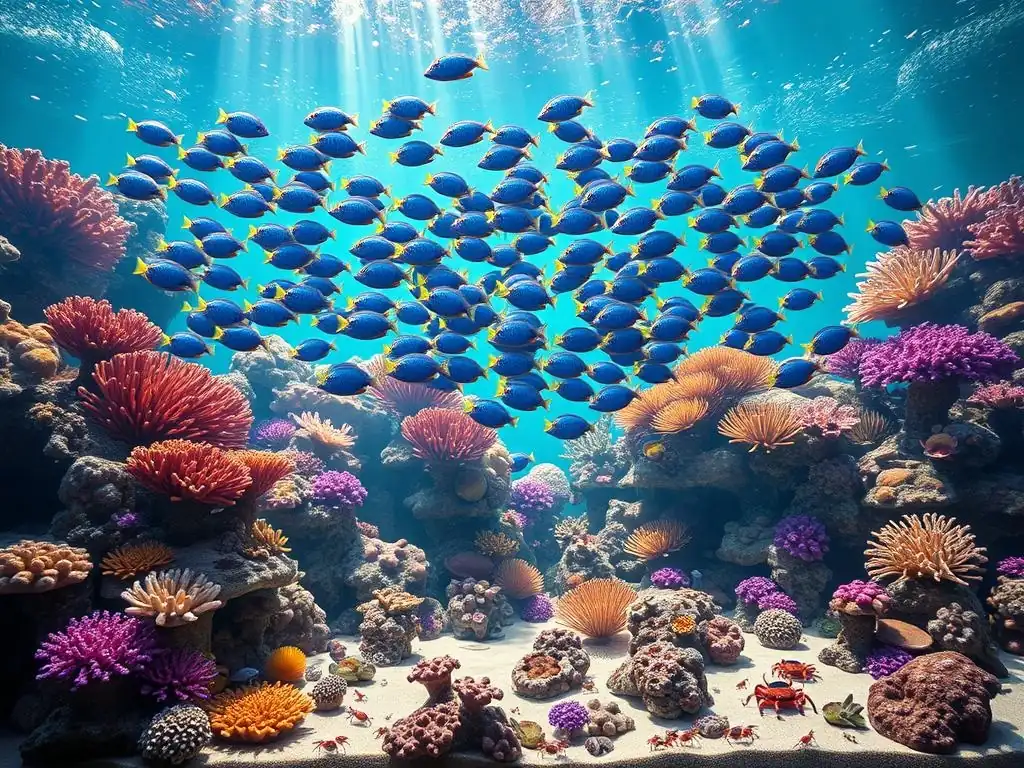
Welcome to Aquarium Mastery!
Ever wondered if you're really getting it right when it comes to keeping those dazzling Anthias thriving? Dive in! We're about to unlock the secrets to achieving optimal health and vibrant colors in your Anthias school. Discover everything you need to know about Anthias water parameter requirements and create the perfect aquatic haven for these stunning fish. Curious to learn more? Let's get started!
- Understanding Anthias Water Parameter Requirements for Optimal Health
- Key Saltwater Parameters for Anthias Reef Aquariums
- Essential Minerals and Elements for Anthias Well-being
- Maintaining Water Quality for Anthias: Practical Strategies
- Monitoring Water Parameters: Testing and Adjustment
- Addressing Common Water Quality Problems in Anthias Tanks
- The Impact of Poor Water Quality on Anthias Health
- Selecting Compatible Tank Mates for Anthias: Considerations for Water Quality
- Long-Term Water Parameter Management for Anthias Success
- Conclusion: Achieving Optimal Water Quality for Thriving Anthias Schools
-
Frequently Asked Questions
- How crucial are stable water parameters for Anthias survival?
- What are the ideal temperature and salinity ranges for an Anthias tank?
- Why is water quality so important when keeping Anthias?
- What pH level is best suited for an Anthias aquarium?
- How often should I be testing my water parameters for my Anthias tank?
- Final Reflection: Cultivating Oceanic Harmony
- Dive Deeper: Ignite Your Anthias Journey Now!
Understanding Anthias Water Parameter Requirements for Optimal Health
Why Precise Water Parameters Matter for Anthias
Anthias, known for their vibrant colors and schooling behaviors, are highly sensitive to fluctuations in their aquatic environment. Originating from stable reef ecosystems, these fish thrive in conditions that closely mimic their natural habitat. Maintaining precise Anthias water parameter requirements is paramount, as even slight deviations can induce significant stress, compromising their immune systems and making them susceptible to various diseases. This sensitivity underscores the need for vigilant monitoring and proactive management of their tank conditions.
Beyond immediate health impacts, consistent water parameters contribute directly to the long-term vitality and lifespan of Anthias. Stable conditions minimize physiological stress, allowing these active fish to exhibit their natural schooling behaviors and feeding responses. When the Anthias water parameter requirements are consistently met, their metabolic processes function optimally, reducing the energy expenditure associated with adapting to fluctuating conditions and ensuring they remain robust and resilient against potential health challenges.
The Link Between Water Quality and Anthias Coloration
The breathtaking coloration of Anthias, ranging from brilliant oranges and reds to striking purples and yellows, is a direct indicator of their health and well-being. When Anthias are housed in aquariums with suboptimal water quality, their vibrant hues often fade, becoming dull or muted. This loss of color is a clear sign of stress and poor health, indicating that essential Anthias water parameter requirements are not being met, leading to a decline in their overall vitality.
Conversely, maintaining pristine water conditions, with stable temperature, salinity, and nutrient levels, directly enhances and preserves their natural pigmentation. A healthy diet combined with low stress levels, facilitated by consistent Anthias water parameter requirements, allows the fish to allocate energy towards maintaining their stunning appearance. For instance, adequate levels of trace elements, absorbed through the water and diet, can contribute to the synthesis of the pigments responsible for their vivid coloration, making optimal water quality an aesthetic as well as a health imperative.
Key Saltwater Parameters for Anthias Reef Aquariums
Temperature Requirements for Anthias Schools: Maintaining Stability
Temperature is a foundational element of Anthias water parameter requirements, directly influencing their metabolic rate, oxygen consumption, and immune function. Anthias species typically thrive within a narrow temperature range, ideally between 74°F and 80°F (23°C to 27°C). Maintaining stability within this range is crucial; sudden temperature swings, even by a few degrees, can cause severe stress, leading to suppressed appetite, lethargy, and increased susceptibility to diseases like marine Ich.
To ensure consistent temperatures, reliable aquarium heaters with appropriate wattage for the tank size are essential. For larger systems or those in warmer climates, a chiller may be necessary to prevent overheating, especially during summer months or in rooms without air conditioning. Daily monitoring with an accurate thermometer and investing in redundant heating/cooling systems can provide an added layer of security, safeguarding these sensitive fish from harmful thermal fluctuations and ensuring their Anthias water parameter requirements for temperature are always met.
Salinity Levels for Anthias: Achieving the Ideal Balance
Salinity, or the concentration of dissolved salts in the water, is another critical component of Anthias water parameter requirements. Anthias originate from oceanic reef environments where salinity is remarkably stable. The ideal specific gravity for Anthias in a reef aquarium ranges from 1.023 to 1.026, which corresponds to a salinity of approximately 33 to 35 parts per thousand (ppt). Deviations outside this range can severely impact their osmoregulation, the process by which fish maintain the balance of water and salts in their bodies.
Maintaining stable salinity requires careful attention during water changes and topping off evaporated water. Evaporation removes pure water, leaving salts behind, thus increasing salinity over time. Using an auto top-off (ATO) system with RODI (Reverse Osmosis Deionized) water can prevent gradual salinity creep. Regular testing with a calibrated refractometer is indispensable; hydrometers can be less accurate. Ensuring consistent salinity is a cornerstone of Anthias water parameter requirements, directly contributing to their physiological stability and overall health.
pH Levels in Anthias Tanks: Avoiding Fluctuations
The pH level, a measure of water's acidity or alkalinity, is a vital Anthias water parameter requirement, with an ideal range typically between 8.1 and 8.4 for a thriving reef environment. Stable pH is crucial because significant fluctuations can disrupt Anthias' internal physiological processes, including respiration and enzyme function. A pH that is too low (acidic) or too high (alkaline) can lead to acidosis or alkalosis, respectively, both of which are detrimental and can lead to severe stress or even death.
Factors such as insufficient aeration, high CO2 levels (often from indoor air or excessive bioload), and inadequate alkalinity can contribute to pH instability. Regular testing with a reliable pH test kit or probe is essential. Maintaining proper alkalinity levels (dKH) is key to buffering pH and preventing rapid swings. Ensuring consistent aeration and proper gas exchange through surface agitation or protein skimming also helps to keep CO2 levels in check, thereby stabilizing the pH within the optimal Anthias water parameter requirements.
Ammonia and Nitrite: The Importance of Zero Tolerance
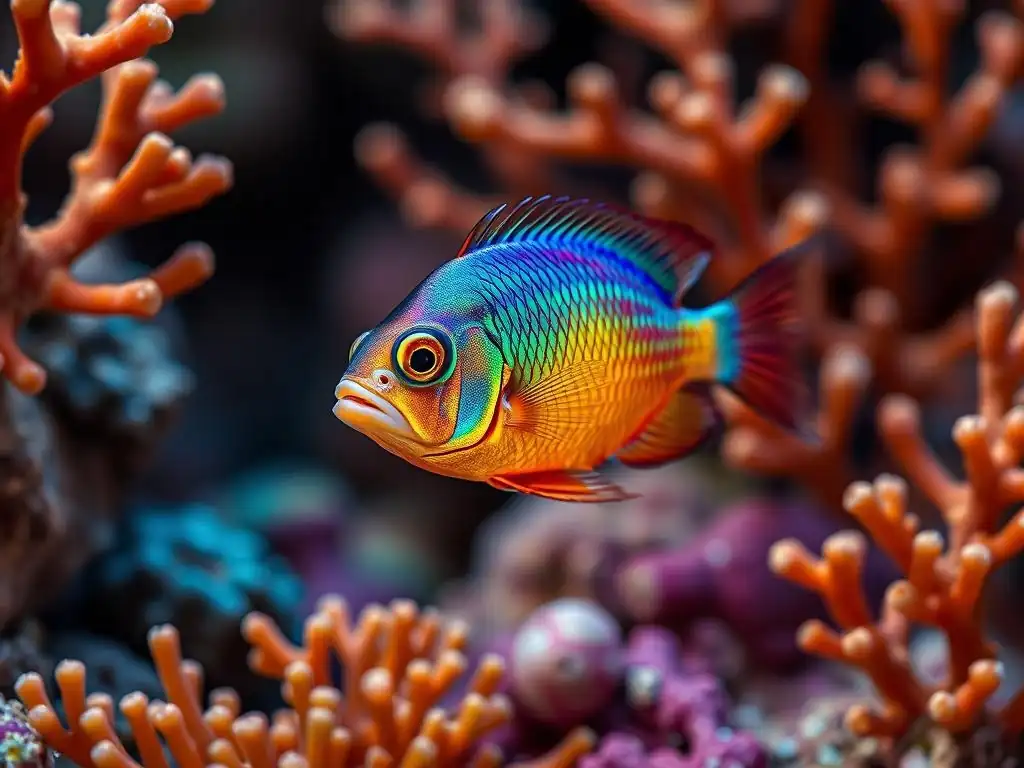
For Anthias, as with virtually all marine fish, ammonia (NH3/NH4+) and nitrite (NO2-) levels must be at zero parts per million (ppm). These compounds are highly toxic byproducts of the nitrogen cycle, resulting from fish waste, uneaten food, and decaying organic matter. Even trace amounts of ammonia or nitrite can cause severe gill damage, internal organ failure, and ultimately lead to rapid mortality in Anthias, which are particularly sensitive to poor water quality.
A properly cycled aquarium with a robust biological filtration system is the primary defense against these toxins. Beneficial bacteria convert ammonia into less harmful nitrite, and then nitrite into relatively harmless nitrate. Regular testing for ammonia and nitrite, especially in new or recently disturbed tanks, is non-negotiable. Any detectable levels require immediate action, such as large water changes and the use of ammonia-detoxifying products, to protect your Anthias and maintain their critical Anthias water parameter requirements.
Nitrate Levels for Anthias: Keeping Them Low and Stable
While less immediately toxic than ammonia or nitrite, high nitrate (NO3-) levels are a significant concern for Anthias water parameter requirements. Ideal nitrate levels for a healthy Anthias reef tank should be kept below 10 ppm, with many advanced aquarists aiming for below 5 ppm. Chronically elevated nitrates can lead to chronic stress, weakened immune systems, and a dulling of Anthias' vibrant coloration. They also contribute to nuisance algae growth, which can further degrade water quality.
Nitrates accumulate as the final product of the nitrogen cycle. Regular partial water changes (e.g., 10-20% weekly or bi-weekly) are the most effective method for nitrate export. Other strategies include proper feeding to avoid overfeeding, efficient protein skimming, the use of macroalgae refugiums, and employing nitrate-reducing media or biological denitrifiers. Consistent monitoring and proactive reduction of nitrates are vital for ensuring the long-term health and vitality of your Anthias schools, aligning with their specific Anthias water parameter requirements.
Essential Minerals and Elements for Anthias Well-being
Calcium's Role in Anthias Health and Growth
Calcium is a crucial major element in saltwater aquariums, with an ideal concentration for Anthias and their reef habitat typically ranging from 400 to 450 ppm. While often associated with coral growth, calcium also plays a vital, albeit less direct, role in the physiological processes of fish. It contributes to bone and scale development, muscle contraction, and various enzyme functions, ensuring the overall structural integrity and metabolic health of Anthias.
Maintaining stable calcium levels is particularly important in reef systems where corals also consume calcium, potentially leading to depletion. Regular testing and supplementation, through methods like kalkwasser, two-part dosing, or calcium reactors, are often necessary to keep levels within the optimal range. Although Anthias themselves do not directly consume calcium as corals do, its stability is intertwined with the overall health of the reef environment they inhabit, making it an indirect but significant Anthias water parameter requirement.
Alkalinity and Anthias: Buffering pH for Stability
Alkalinity, measured in dKH (degrees of carbonate hardness), meq/L (milliequivalents per liter), or ppm CaCO3 equivalent, is a critical Anthias water parameter requirement, with an ideal range of 8 to 12 dKH (or 2.8 to 4.2 meq/L). Alkalinity represents the water's buffering capacity, its ability to resist changes in pH. Stable alkalinity is essential for preventing rapid pH swings that can severely stress Anthias and disrupt their physiological functions, which are highly sensitive to environmental consistency.
Fluctuating alkalinity can lead to instability in calcium levels and pH, creating an unhealthy environment for Anthias. Regular testing is necessary, as biological processes within the aquarium, including calcification by corals and bacterial activity, constantly consume alkalinity. Supplementation, often through two-part dosing solutions or kalkwasser, is typically required to maintain consistent levels. Ensuring stable alkalinity is fundamental to meeting the Anthias water parameter requirements for pH stability and overall metabolic well-being.
Magnesium: Supporting Anthias Physiological Processes
Magnesium is another vital major element in saltwater aquariums, ideally maintained between 1200 and 1350 ppm. While magnesium is not directly consumed by Anthias in large quantities, it plays a crucial role in the overall water chemistry by affecting the solubility and availability of calcium and alkalinity. Without sufficient magnesium, calcium and alkalinity can precipitate out of solution, leading to unstable levels of these critical Anthias water parameter requirements.
Beyond its role in calcium and alkalinity stability, magnesium is also involved in various enzymatic reactions and cellular processes within marine organisms. For Anthias, maintaining optimal magnesium levels contributes to their overall physiological health and stress resilience. Regular testing and supplementation with a high-quality magnesium supplement are often necessary, especially in reef tanks with active coral growth, to ensure that the entire chemical balance of the water supports the well-being of the Anthias.
Trace Elements: Providing Essential Micronutrients for Anthias
Trace elements, such as iodine, strontium, potassium, iron, and a host of others, are micronutrients present in natural seawater in very small concentrations (parts per billion or parts per trillion). While required in minute amounts, they are essential Anthias water parameter requirements for numerous biological processes, including enzyme function, cellular respiration, and the vibrant coloration for which Anthias are prized. These elements are gradually depleted through biological uptake by fish, corals, and invertebrates, as well as through protein skimming and activated carbon use.
Regular partial water changes using high-quality synthetic sea salt mixes are the primary method for replenishing these vital trace elements. For heavily stocked tanks or those with significant coral populations, targeted trace element supplementation might be considered, though careful dosing is crucial to avoid over-supplementation, which can be toxic. Maintaining a balanced array of these micronutrients ensures that Anthias have access to all the building blocks necessary for optimal health, growth, and the vivid coloration that signals a thriving school.
Maintaining Water Quality for Anthias: Practical Strategies
Regular Water Changes: The Cornerstone of Anthias Health
Regular partial water changes are arguably the single most important practice for maintaining optimal Anthias water parameter requirements and overall water quality. For Anthias, a typical recommendation is a 10-20% water change bi-weekly, or 25% monthly, using high-quality RODI (Reverse Osmosis Deionized) water mixed with a reputable synthetic sea salt to the correct salinity and temperature. Water changes achieve multiple critical objectives: they export accumulated nitrates, phosphates, and other dissolved organic pollutants that filtration alone cannot fully remove.
Furthermore, water changes replenish essential trace elements and major ions (like calcium, alkalinity, and magnesium) that are consumed by the aquarium inhabitants over time. This consistent replenishment helps stabilize key Anthias water parameter requirements and prevents deficiencies that can lead to stress and disease. By routinely refreshing the aquarium water, aquarists create a consistently pristine environment that closely mimics the stable conditions of natural reefs, which is vital for the long-term health and vibrant appearance of Anthias schools.
Effective Filtration for Anthias Aquariums: Mechanical, Chemical, and Biological
A comprehensive filtration system encompassing mechanical, chemical, and biological components is indispensable for meeting Anthias water parameter requirements. Mechanical filtration, such as filter socks or sponges, removes particulate matter like uneaten food and detritus, preventing it from breaking down and contributing to nutrient loads. These media must be cleaned or replaced frequently, typically every few days to a week, to prevent them from becoming nitrate factories themselves.
Biological filtration, provided by live rock, bio-balls, or ceramic media, hosts beneficial bacteria that perform the critical nitrification process, converting toxic ammonia and nitrite into less harmful nitrate. A well-established biological filter is the backbone of any healthy marine system. Chemical filtration, often involving activated carbon or specialized resins, removes dissolved organic compounds, odors, and certain pollutants that biological filtration cannot handle. Activated carbon should be replaced every 2-4 weeks to maintain its efficacy. Together, these filtration methods work synergistically to maintain the stable and clean Anthias water parameter requirements necessary for their survival.
Protein Skimmers: Removing Organic Waste Before It Impacts Water Quality
A high-quality protein skimmer is a vital piece of equipment for any Anthias aquarium, especially those with a high bioload. Protein skimmers work by using fine air bubbles to create foam that collects dissolved organic compounds (DOCs) and other proteinaceous waste from the water column before they can break down into ammonia, nitrite, and ultimately nitrate. By physically removing these pollutants, skimmers significantly reduce the overall organic load on the biological filter and help maintain pristine Anthias water parameter requirements.
The efficiency of a protein skimmer is directly linked to the clarity and stability of the water. A well-sized and properly maintained skimmer can remove a substantial amount of waste daily, evidenced by the dark, foul-smelling skimmate collected in its cup. Regular cleaning of the skimmer neck and collection cup, typically every few days, ensures optimal performance. This proactive removal of organic waste is crucial for preventing nutrient build-up and maintaining the low nitrate levels that Anthias require for optimal health and vibrant coloration.
Adequate Water Circulation: Ensuring Oxygenation and Waste Removal
Adequate water circulation is a fundamental Anthias water parameter requirement, essential for both oxygenation and the efficient removal of waste. Anthias are active, pelagic fish that typically inhabit areas with strong water movement in their natural reef environments. Insufficient flow can lead to "dead spots" in the aquarium where detritus accumulates, fostering anaerobic conditions and contributing to elevated nitrate and phosphate levels. Proper circulation ensures detritus is suspended and directed towards mechanical filtration for removal.
Beyond waste management, strong water movement facilitates critical gas exchange at the water's surface, ensuring optimal oxygen levels throughout the tank and expelling excess carbon dioxide. A general guideline for Anthias tanks is to aim for a total flow rate of 10-20 times the tank's volume per hour, achieved through a combination of return pumps and strategically placed powerheads. This robust circulation supports the Anthias' high metabolism, prevents stagnant areas, and ultimately contributes to the overall stability of their water parameters.
Monitoring Water Parameters: Testing and Adjustment
Choosing the Right Testing Kits for Anthias Aquariums
Accurate and consistent monitoring is the bedrock of meeting Anthias water parameter requirements. Choosing the right testing kits is crucial for reliable results. For essential parameters like ammonia, nitrite, nitrate, pH, and alkalinity, high-quality liquid reagent test kits are generally recommended for home use due to their affordability and reasonable accuracy. Brands like Salifert, Red Sea, and API are popular choices among aquarists. It's important to use kits specifically designed for saltwater aquariums.
For salinity, a refractometer is superior to a hydrometer, offering greater precision, especially when calibrated regularly with a reference solution of 35 ppt (specific gravity 1.026). For calcium and magnesium, specific liquid test kits are also available. While advanced options like ICP-OES (Inductively Coupled Plasma Optical Emission Spectrometry) testing offer incredibly detailed analysis of a wide range of elements, they are typically used periodically for comprehensive diagnostics rather than daily monitoring. Investing in reliable testing equipment is a non-negotiable step to ensure the Anthias water parameter requirements are consistently within optimal ranges.
Interpreting Water Test Results: Understanding the Numbers
Simply performing water tests is not enough; aquarists must be able to accurately interpret the results to understand the health of their Anthias aquarium. Each Anthias water parameter requirement has an ideal range (e.g., ammonia 0 ppm, nitrate <10 ppm, pH 8.1-8.4, salinity 1.023-1.026, calcium 400-450 ppm, alkalinity 8-12 dKH, magnesium 1200-1350 ppm). Understanding these target ranges is the first step. When a test result falls outside the optimal range, it signals a potential issue that needs to be addressed.
It's beneficial to keep a detailed log of all test results, noting the date and time. This practice allows aquarists to identify trends, such as a gradual increase in nitrates or a steady decline in alkalinity, which can indicate underlying problems before they become critical. Interpreting results also involves considering the interplay between parameters; for instance, low alkalinity can impact pH stability, while high nitrates can indicate overfeeding. Proactive interpretation of these numbers empowers aquarists to make informed decisions and maintain stable Anthias water parameter requirements.
Adjusting Water Parameters Safely: Avoiding Sudden Changes
When water test results indicate that a parameter is outside the optimal range for Anthias, adjustments must be made carefully and gradually to avoid shocking the fish. Anthias are particularly sensitive to rapid changes in their environment. For example, if salinity is too high, it should be lowered slowly over several days by adding small amounts of RODI water, rather than a large single addition. Similarly, if alkalinity or calcium levels are low, they should be raised incrementally using appropriate dosing solutions, following the manufacturer's instructions to avoid sudden spikes.
Drastic adjustments can cause osmotic shock, stress, and even death in sensitive fish like Anthias. A general rule of thumb is to aim for changes of no more than 10-20% of the total deviation per day for most parameters, allowing the fish ample time to acclimate. For example, if alkalinity is 6 dKH and the target is 9 dKH, do not attempt to raise it by 3 dKH in a single day. Patience and consistency are key to safely bringing Anthias water parameter requirements back into line without causing undue stress to the aquarium inhabitants.
Addressing Common Water Quality Problems in Anthias Tanks
Dealing with Ammonia Spikes: Immediate Action Steps
Ammonia spikes are one of the most dangerous water quality problems an Anthias tank can face, as even trace amounts are highly toxic. If ammonia is detected (i.e., above 0 ppm), immediate action is required to protect the Anthias. The first step is to perform a large water change, typically 25-50%, using properly mixed and temperature-matched saltwater. This dilutes the ammonia quickly. Simultaneously, identify and remove the source of the ammonia, which could be a dead fish, excessive uneaten food, or a failing biological filter.
In addition to water changes, consider using an ammonia-neutralizing product, often referred to as an "ammonia binder," which temporarily detoxifies ammonia while the biological filter recovers. Increasing aeration through air stones or powerheads can also help, as ammonia toxicity is exacerbated by low oxygen levels. Continuous monitoring of ammonia and nitrite levels daily, along with frequent small water changes, should continue until both parameters consistently read zero. Prompt action is critical for the survival of Anthias when faced with an ammonia spike, as their Anthias water parameter requirements demand zero tolerance for this toxin.
Combating High Nitrate Levels: Strategies for Reduction
High nitrate levels, though less acutely toxic than ammonia or nitrite, can significantly stress Anthias over time, leading to reduced vitality and dull coloration. If nitrate levels consistently exceed 10-20 ppm, several strategies can be employed. The most effective immediate measure is to increase the frequency and volume of water changes; instead of 10% bi-weekly, consider 20% weekly or even 10% twice a week. This directly exports accumulated nitrates.
Long-term solutions involve addressing the root causes of nitrate accumulation. This includes reducing the bioload by avoiding overstocking, feeding less frequently or smaller portions to minimize uneaten food, and ensuring thorough mechanical filtration (e.g., cleaning filter socks daily). Implementing a refugium with macroalgae like Chaetomorpha can effectively absorb nitrates as the algae grow. Denitrifiers or specialized nitrate-removing media can also be utilized. Consistent application of these strategies is essential for maintaining low nitrate Anthias water parameter requirements and promoting the long-term health of the school.
Stabilizing pH Fluctuations: Identifying and Addressing the Root Cause
Fluctuating pH levels can be highly detrimental to Anthias, causing stress and impacting their physiological functions. If pH swings outside the ideal 8.1-8.4 range, identifying the root cause is paramount. Common culprits include insufficient alkalinity (the water's buffering capacity), high levels of dissolved carbon dioxide (CO2), or inadequate aeration. Low alkalinity allows pH to drop easily, especially overnight when CO2 from respiration accumulates.
To stabilize pH, first ensure alkalinity is within the optimal range of 8-12 dKH. If low, supplement gradually. Increase surface agitation and aeration through powerheads or air stones to facilitate CO2 off-gassing, especially if the pH drops significantly at night.
Ensuring proper ventilation in the room where the aquarium is located can also help, as CO2 from human respiration can be absorbed by the tank water. In some cases, using kalkwasser (calcium hydroxide) or an automatic dosing system can help maintain stable pH by slowly adding alkalinity. Addressing these underlying issues is key to meeting the Anthias water parameter requirements for pH stability.
The Impact of Poor Water Quality on Anthias Health
Stress and Weakened Immune System: The Domino Effect
Poor water quality directly leads to chronic stress in Anthias. When Anthias water parameter requirements are not met—be it fluctuating temperatures, high nitrates, or unstable pH—the fish are constantly expending energy to adapt to these suboptimal conditions. This chronic stress diverts resources away from vital bodily functions, including their immune system. A weakened immune system makes Anthias significantly more vulnerable to pathogens that they would otherwise easily fight off.
This creates a dangerous domino effect: stressed Anthias are more susceptible to opportunistic infections, even from common aquarium inhabitants. Their vibrant colors may fade, their appetite may decrease, and their natural schooling behavior might diminish. The constant physiological burden imposed by subpar Anthias water parameter requirements can lead to a state of chronic illness, where fish are perpetually battling low-grade infections or simply failing to thrive, ultimately shortening their lifespan.
Increased Susceptibility to Disease: Preventing Outbreaks
Perhaps the most tangible consequence of poor water quality for Anthias is their increased susceptibility to disease outbreaks. When Anthias water parameter requirements are neglected, the fish's natural defenses are compromised, making them easy targets for common marine ailments like marine Ich (Cryptocaryon irritans), Velvet (Amyloodinium ocellatum), and various bacterial infections. These pathogens are often present in aquariums but only proliferate and cause widespread illness when fish are stressed by environmental conditions.
For example, a sudden drop in salinity or a spike in nitrates can trigger an Ich outbreak within days, even if no new fish have been introduced. Preventing disease is far easier than treating it, and the cornerstone of prevention is maintaining impeccable Anthias water parameter requirements. Consistent water quality, stable parameters, and a clean environment are the best defenses against pathogens, ensuring Anthias remain robust and less prone to succumbing to the diseases that often plague poorly maintained systems.
Reduced Coloration and Vitality: Signs of Unhealthy Anthias
One of the most immediate and visually striking indicators of suboptimal Anthias water parameter requirements is a noticeable reduction in their vibrant coloration and overall vitality. Healthy Anthias display brilliant, rich hues characteristic of their species, and are active, constantly schooling and feeding. When water quality declines, their colors often become dull, faded, or even mottled, losing their characteristic brilliance. This is a clear sign of physiological stress and compromised health.
Beyond color loss, unhealthy Anthias may exhibit reduced activity, becoming listless, hiding more frequently, or breathing rapidly. Their fins might appear clamped, and their appetite may diminish significantly. These behavioral and aesthetic changes are direct manifestations of the internal stress caused by unmet Anthias water parameter requirements. Observing these signs early allows aquarists to intervene quickly, rectify the water quality issues, and restore the fish to their full, vibrant health before more severe problems arise.
Selecting Compatible Tank Mates for Anthias: Considerations for Water Quality
Avoiding Aggressive Fish That Stress Anthias
When selecting tank mates for Anthias, it's crucial to avoid aggressive or overly boisterous fish species. Anthias are generally peaceful, schooling fish that can become easily stressed by constant harassment or territorial disputes. Chronic stress, whether from poor water quality or aggressive tank mates, directly impacts their immune system, making them more susceptible to disease and reducing their ability to thrive, even if Anthias water parameter requirements are otherwise perfect.
For example, certain damselfish, triggerfish, or larger angelfish can be highly territorial and may nip at Anthias, preventing them from feeding adequately or forcing them to hide. This constant anxiety leads to a weakened state, where the Anthias' energy is diverted from growth and health maintenance towards survival. Therefore, prioritizing tank mates that are known to be peaceful and non-aggressive is just as important as maintaining precise Anthias water parameter requirements for the long-term well-being of the school.
Choosing Invertebrates That Don't Significantly Impact Water Parameters
The selection of invertebrates for an Anthias reef tank also warrants consideration for water quality. Many popular invertebrates, such as various types of corals (SPS, LPS, soft corals), share similar Anthias water parameter requirements, particularly regarding stable temperature, salinity, pH, calcium, alkalinity, and magnesium. This makes them excellent companions, as the efforts to maintain parameters for corals directly benefit the Anthias.
However, it's important to choose invertebrates that do not excessively deplete specific elements or produce an overwhelming amount of waste. For instance, a tank heavily stocked with fast-growing SPS corals will consume calcium and alkalinity at a much higher rate, necessitating more frequent dosing and monitoring. While this doesn't directly harm Anthias, it increases the complexity of maintaining stable Anthias water parameter requirements. Similarly, avoiding invertebrates that are known to be particularly messy or produce large amounts of detritus can help keep nutrient levels in check.
Impact of Tank Mates on Oxygen Levels and Waste Production
The choice and number of tank mates directly influence the overall bioload of an aquarium, which in turn impacts oxygen levels and waste production, crucial Anthias water parameter requirements. Every fish and invertebrate contributes to the organic waste in the tank through respiration and excretion. A tank that is overstocked, or houses large, active species alongside Anthias, will produce significantly more ammonia, nitrite, and nitrate, placing a greater strain on the filtration system.
Higher bioloads also lead to increased oxygen consumption. While Anthias themselves are active swimmers and require good oxygenation, excessive tank mates can deplete oxygen levels, especially in tanks with inadequate surface agitation or filtration. Careful planning of stocking density, adhering to the "one inch of fish per five gallons" rule as a rough guide (and adjusting for fish size and activity), is essential. This ensures that the filtration system can effectively process waste and maintain optimal oxygen levels, thereby preserving the critical Anthias water parameter requirements for a healthy environment.
Long-Term Water Parameter Management for Anthias Success
Establishing a Consistent Maintenance Schedule
Long-term success with Anthias hinges on establishing and rigorously adhering to a consistent maintenance schedule. This schedule should encompass all aspects of Anthias water parameter requirements, including regular water testing (e.g., daily for temperature/salinity, weekly for nitrates/pH/alkalinity/calcium/magnesium), routine water changes, and filter cleaning. Sporadic or infrequent maintenance leads to parameter instability, which is highly detrimental to sensitive Anthias.
A well-planned schedule might involve a daily check of temperature and salinity via an ATO, a weekly check of nitrates and alkalinity, and a bi-weekly or monthly full suite of tests including calcium, magnesium, and phosphates. Water changes should be performed on a fixed day, and filter socks or sponges cleaned every few days. This disciplined approach ensures that any deviations in Anthias water parameter requirements are caught early and corrected promptly, preventing minor issues from escalating into major problems and providing a consistently stable environment for the fish.
Regularly Calibrating Testing Equipment
The accuracy of water parameter readings is entirely dependent on the calibration of testing equipment. For Anthias water parameter requirements, it is vital to regularly calibrate devices such as refractometers, pH probes, and ORP (Oxidation-Reduction Potential) probes. A refractometer, for instance, should be calibrated with a 35 ppt (specific gravity 1.026) reference solution at least monthly, or before any critical salinity adjustments. An uncalibrated refractometer can give false readings, leading to incorrect salinity adjustments that can severely stress Anthias.
Similarly, pH probes lose their accuracy over time and require calibration with specific pH buffer solutions (e.g., pH 7.0 and pH 10.0) every few weeks or months, depending on usage. Relying on an uncalibrated probe for pH readings can lead to misdiagnosis of pH issues and potentially harmful dosing. Regularly calibrating all testing equipment ensures that the data collected is reliable, enabling aquarists to make precise and effective adjustments to meet the delicate Anthias water parameter requirements.
Proactive Problem Solving: Preventing Water Quality Issues Before They Arise
True long-term success in maintaining Anthias water parameter requirements lies in proactive problem-solving rather than reactive crisis management. This involves not just fixing issues as they arise but anticipating and preventing them. For example, understanding that overfeeding leads to high nitrates means adjusting feeding habits before nitrates spike. Noticing a slight, consistent drop in alkalinity between water changes prompts earlier or slightly larger alkalinity dosing.
Proactive management also includes regularly inspecting all equipment, such as heaters, pumps, and skimmers, for optimal function. Ensuring filters are clean, powerheads are clear of blockages, and heaters are functioning correctly prevents equipment failures that could rapidly degrade water quality. By being vigilant, understanding the interdependencies of water parameters, and acting on subtle cues from the Anthias themselves (e.g., slight color changes, reduced activity), aquarists can prevent most water quality issues from ever becoming significant threats to their vibrant Anthias schools.
Conclusion: Achieving Optimal Water Quality for Thriving Anthias Schools
Frequently Asked Questions
How crucial are stable water parameters for Anthias survival?
Anthias are highly sensitive fish and require exceptionally stable water conditions. Fluctuations can quickly lead to stress, disease, and even death. Consistency is key!
What are the ideal temperature and salinity ranges for an Anthias tank?
Generally, a temperature range of 72-78°F (22-26°C) and a specific gravity of 1.024-1.026 are recommended. Maintaining these within a narrow band is vital.
Why is water quality so important when keeping Anthias?
Anthias are susceptible to poor water quality, making regular water changes and a well-established biological filter crucial. High levels of nitrates and ammonia are especially dangerous.
What pH level is best suited for an Anthias aquarium?
The ideal pH range for Anthias is typically 8.1-8.4. Regular testing and adjustments are necessary to maintain a stable pH within this range.
How often should I be testing my water parameters for my Anthias tank?
It's recommended to test your water parameters at least once a week, and potentially more often when first establishing the tank or if you notice any signs of stress in your Anthias. Consistent monitoring is the best prevention.
Final Reflection: Cultivating Oceanic Harmony
The intricate dance of maintaining optimal Anthias water parameter requirements extends far beyond mere technical specifications. It speaks to a deeper understanding of the delicate ecosystems we strive to recreate within our home aquariums, and the responsibility we bear to the vibrant life entrusted to our care. The pursuit of these parameters is not just about numbers; it's about fostering an environment where these stunning fish can truly thrive and display their full, breathtaking potential.
This journey into the nuances of Anthias care has profoundly underscored the interconnectedness of all elements within a reef aquarium. From the precise salinity levels to the subtle fluctuations in alkalinity, each parameter plays a crucial role in the overall health and well-being of these captivating creatures. In nature, nothing exists alone.
- Rachel Carson. This quote resonates deeply when considering the delicate balance required to successfully keep Anthias, reminding us that our actions have far-reaching consequences within the miniature ocean we create.
As you close this article, consider the power you hold to shape the lives of these magnificent fish. Let the knowledge gained here inspire you to not only meet the Anthias water parameter requirements, but to cultivate a deeper appreciation for the complexity and beauty of the marine world. Embrace the challenge, observe with diligence, and strive to create a sanctuary where Anthias can flourish, bringing a piece of the ocean's magic into your home and enriching your life in return.
Dive Deeper: Ignite Your Anthias Journey Now!
Thank you for exploring the secrets to thriving Anthias schools! We hope this guide has empowered you with the knowledge to create a vibrant underwater haven. Now, it's time to put that knowledge into action.
- Start Testing: Immediately test your current aquarium's water parameters against the ideal ranges discussed. Identifying imbalances is the first step to creating the perfect environment.
- Refine Your Feeding Strategy: Experiment with different feeding techniques, like multiple small feedings throughout the day, to observe how your Anthias respond and ensure everyone gets enough.
- Share Your Success (and Challenges!): Join the Aquarium Mastery community forum and share your Anthias journey – your experiences and insights could inspire another aquarist!
What specific water parameter are you most excited to optimize for your Anthias?