
Anemone Hosting: Decoding Your Clownfish's Natural Instinct to Find a Home

Welcome to Aquarium Mastery!
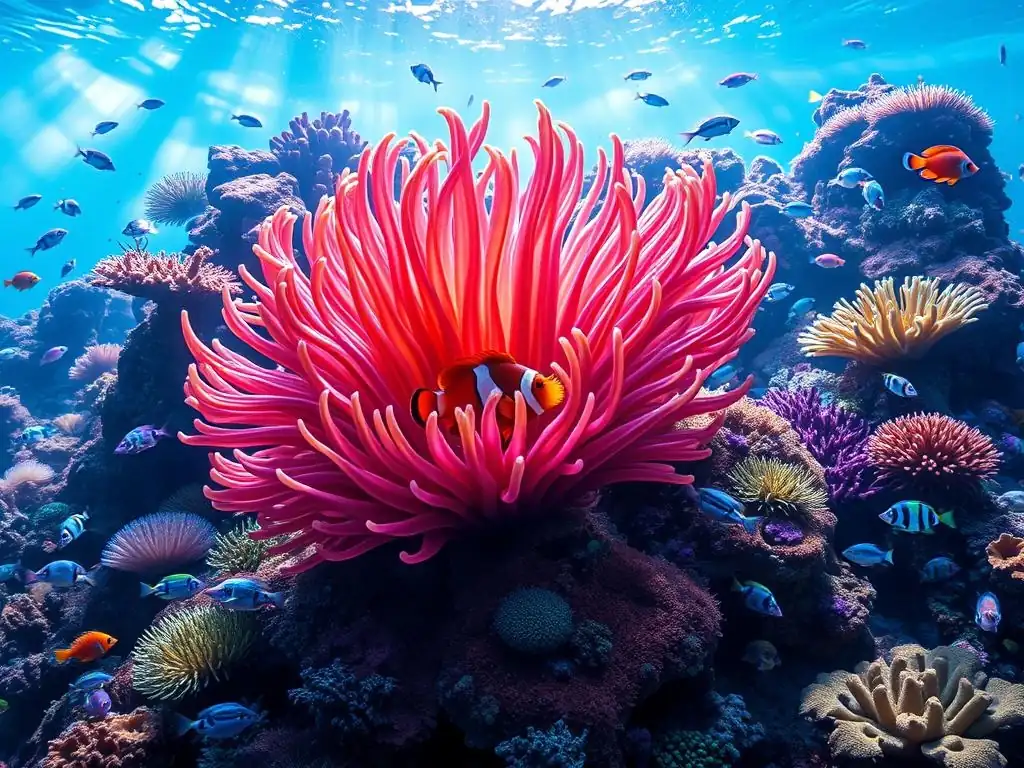
Ever wondered why your clownfish seem so drawn to certain spots in your tank? Unlock the secrets of their captivating symbiotic relationship with anemones in our Clownfish Anemone Hosting Guide. Dive in to understand this natural instinct and create the perfect, thriving environment for your finned friends. Get ready to discover the fascinating dance between anemone and clownfish... and learn how to ensure it flourishes in your saltwater aquarium!
Understanding Clownfish and Anemone Symbiosis: A Comprehensive Guide
The Natural Bond: Why Clownfish Need Anemones
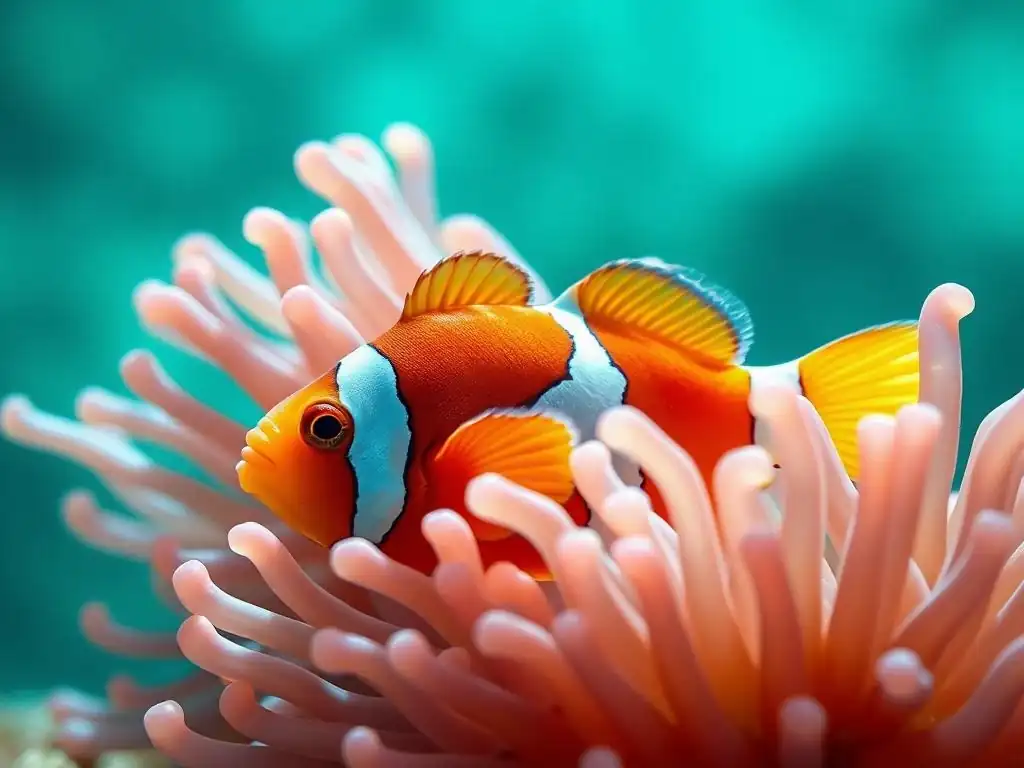
The intricate relationship between clownfish and sea anemones is one of nature's most captivating examples of mutualism, a partnership where both parties benefit. At its core, the clownfish's need for an anemone stems from its vulnerability in the vast ocean. Anemones, with their stinging tentacles, provide an impenetrable fortress against predators such as triggerfish, moray eels, and larger damselfish that would otherwise readily consume the smaller clownfish.
The clownfish possesses a unique mucus layer, developed over time through a process of acclimation by gently touching the anemone's tentacles, which chemically mimics the anemone's own outer layer, effectively rendering the clownfish immune to the nematocyst stings that paralyze other fish. This protective barrier is crucial for their survival in the wild.
Beyond mere defense, the anemone serves as a central hub for the clownfish's entire life cycle. It's a safe haven for resting, a secure location for laying eggs, and a reliable source of food. Clownfish often bring small food scraps back to their host anemone, dropping them amongst the tentacles, which the anemone can then consume.
Furthermore, the clownfish's constant movement through the anemone's tentacles helps to keep them clean of debris and parasites, and the aeration provided by their swimming action can benefit the anemone's respiration. This symbiotic exchange highlights why understanding this natural bond is a fundamental aspect of any comprehensive clownfish anemone hosting guide.
Benefits of Anemone Hosting for Clownfish Health and Well-being
For clownfish in an aquarium setting, successful anemone hosting extends far beyond simple aesthetics; it significantly contributes to their overall health and well-being. When a clownfish hosts an anemone, it exhibits more natural behaviors, such as darting in and out of the tentacles, defending its territory, and even breeding within the safety of the anemone's embrace.
This behavioral enrichment reduces stress levels, which in turn strengthens the fish's immune system and improves its resistance to common aquarium ailments. Studies in controlled environments have suggested that clownfish provided with a suitable host anemone tend to display more vibrant coloration and a more robust appetite compared to those kept without a host, indicating a lower physiological stress response.
Moreover, the presence of a host anemone can dramatically impact the longevity and reproductive success of clownfish. In their natural habitat, clownfish rarely survive long without a host due to predation pressure. While an aquarium offers a more controlled environment, the psychological security provided by an anemone still plays a vital role.
Clownfish that feel secure are more likely to pair bond and lay eggs, often depositing them at the base of the anemone where they are guarded. This natural breeding behavior, a key objective for many aquarists utilizing a clownfish anemone hosting guide, is significantly enhanced by the presence of a suitable host, fostering a more natural and thriving aquatic ecosystem within the home aquarium.
Different Clownfish Species and Their Anemone Preferences
While often generalized as "clownfish," there are over 30 recognized species, each with unique characteristics and, importantly, varying natural preferences for host anemones. Understanding these specific preferences is crucial for any successful clownfish anemone hosting guide.
For instance, the widely popular Ocellaris Clownfish ( Amphiprion ocellaris) and Percula Clownfish ( Amphiprion percula) primarily associate with the magnificent sea anemone ( Heteractis magnifica), the giant carpet anemone ( Stichodactyla gigantea), and the bubble-tip anemone ( Entacmaea quadricolor) in the wild. These species are generally more adaptable in captivity and may host a wider range of anemones or even certain corals if their preferred hosts are unavailable.
In contrast, larger and more aggressive species like the Maroon Clownfish ( Premnas biaculeatus) typically show a strong preference for the bubble-tip anemone ( Entacmaea quadricolor) and the sebae anemone ( Heteractis crispa). Similarly, Tomato Clownfish ( Amphiprion frenatus) are commonly found hosting in the bubble-tip anemone and sebae anemone. It's important to note that while these are their natural affinities, captive-bred clownfish, especially those never exposed to an anemone, might be less discriminating or, conversely, may take longer to accept a host.
Aquarists often observe clownfish attempting to host in non-anemone items such as powerhead pumps, specific types of soft corals like Xenia or Euphyllia, or even artificial decorations, underscoring the innate desire for a "home," even if it's not their natural host. This adaptability, alongside their specific preferences, is a key consideration when developing a comprehensive clownfish anemone hosting guide.
Frequently Asked Questions
How do I encourage my clownfish to host an anemone?
Clownfish are drawn to anemones by natural instinct. Providing a suitable anemone species and ensuring optimal water parameters are the first steps. Patience is key; it can take time for them to host.
What are the best anemone species for clownfish hosting?
Popular choices include the Bubble Tip Anemone (Entacmaea quadricolor), Sebae Anemone (Heteractis crispa), and Magnificent Anemone (Heteractis magnifica). Research which anemones are compatible with your clownfish species.
What if my clownfish refuses to host an anemone?
Not all clownfish will host, even with a suitable anemone. Ensure the tank is stress-free and that the anemone is healthy. Introducing a "starter" clownfish that already hosts can sometimes encourage others.
Is it necessary for clownfish to host an anemone in an aquarium?
No, it is not essential for their survival. Clownfish thrive in aquariums without anemones. Hosting is a natural behavior that provides enrichment but isn't a necessity.
What are the potential risks of keeping anemones with clownfish?
Anemones can be sensitive to water conditions, and their sting can harm other tank inhabitants. Also, clownfish might initially "over-host" a new anemone, causing it stress. Careful monitoring is crucial.
Final Reflection: Embracing the Symbiotic Dance
The intricate dance of clownfish and anemones, as explored in this Clownfish Anemone Hosting Guide, is more than just a fascinating biological phenomenon; it's a powerful metaphor for the interconnectedness of life and the importance of understanding natural instincts in a rapidly changing world. By delving into the specifics of anemone selection and the acclimation process, we've uncovered the delicate balance required to foster this symbiotic relationship, both in our aquariums and, perhaps, in our own lives.
This exploration has underscored the profound influence of instinct and environment on behavior. Witnessing the successful pairing of a clownfish with its anemone is a reminder of the innate drive for security and belonging that resonates within all living beings. In nature, nothing exists alone.
- Rachel Carson. This quote perfectly encapsulates the essence of the clownfish-anemone relationship, highlighting the beauty and necessity of interdependence.
Now, consider the lessons learned from this guide and apply them to your own understanding of the natural world. As you observe the delicate balance within your aquarium, or even within your own community, ask yourself: how can you create a more supportive and nurturing environment for those around you, fostering a symbiotic relationship that benefits all involved? Let the resilience and adaptability of the clownfish inspire you to embrace change and seek out your own "anemone" – a place of safety, belonging, and mutual growth.
Ignite Your Aquarium: Create the Perfect Anemone Haven!
Thank you for diving deep into the fascinating world of clownfish and anemones! Now that you understand the intricate dance between these creatures, it's time to bring that knowledge to life and truly enrich your aquarium. Let’s make sure your clownfish feel right at home.
Here are some immediate actions you can take:
- Carefully select an anemone species appropriate for your tank size, clownfish, and experience level. Remember, research is key to a thriving ecosystem!
- Delve into online aquarium forums to share your current setup and gather personalized advice from seasoned aquarists on anemone placement and care.
- Consider creating a designated "anemone zone" in your tank with specific rockwork to mimic natural reefs and encourage clownfish interaction.
Ready to transform your aquarium into a thriving symbiotic paradise? What specific challenges are you anticipating when introducing an anemone to your established tank?