
The Complete Guide to Amphiprion Species: Anemone Symbiosis InDepth

Welcome to Aquarium Mastery!
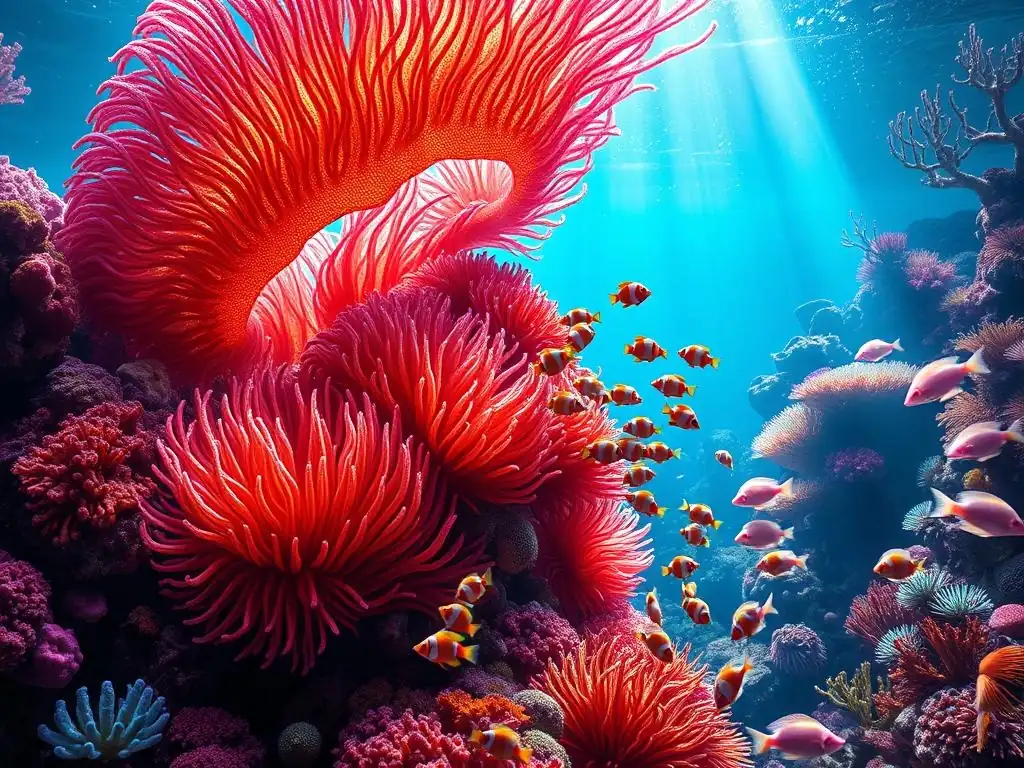
Ever wondered how a tiny clownfish can fearlessly nestle amongst the stinging tentacles of a sea anemone? Dive into our Clownfish Anemone Symbiosis Guide to unravel this fascinating partnership! Discover the secrets of successful pairings, essential care tips, and everything you need to know to witness this breathtaking natural wonder in your own saltwater aquarium. Ready to unlock the mysteries of Amphiprion species? Let's explore!
- The Complete Guide to Anemonefish: Anemone Symbiosis In-Depth
- Understanding Anemonefish-Anemone Symbiosis
-
Frequently Asked Questions
- How does the clownfish anemone symbiosis actually work?
- What anemone species are commonly hosted by clownfish in a home aquarium?
- How do clownfish develop immunity to the anemone's stinging cells?
- What are the potential problems that can arise in a clownfish-anemone relationship?
- Are there any clownfish species that don't require an anemone in a home aquarium?
- Final Reflection: The Enduring Dance of Life
- Unleash Your Inner Reef Keeper!
The Complete Guide to Anemonefish: Anemone Symbiosis In-Depth
Understanding Anemonefish-Anemone Symbiosis
What is Anemone Symbiosis and its Importance
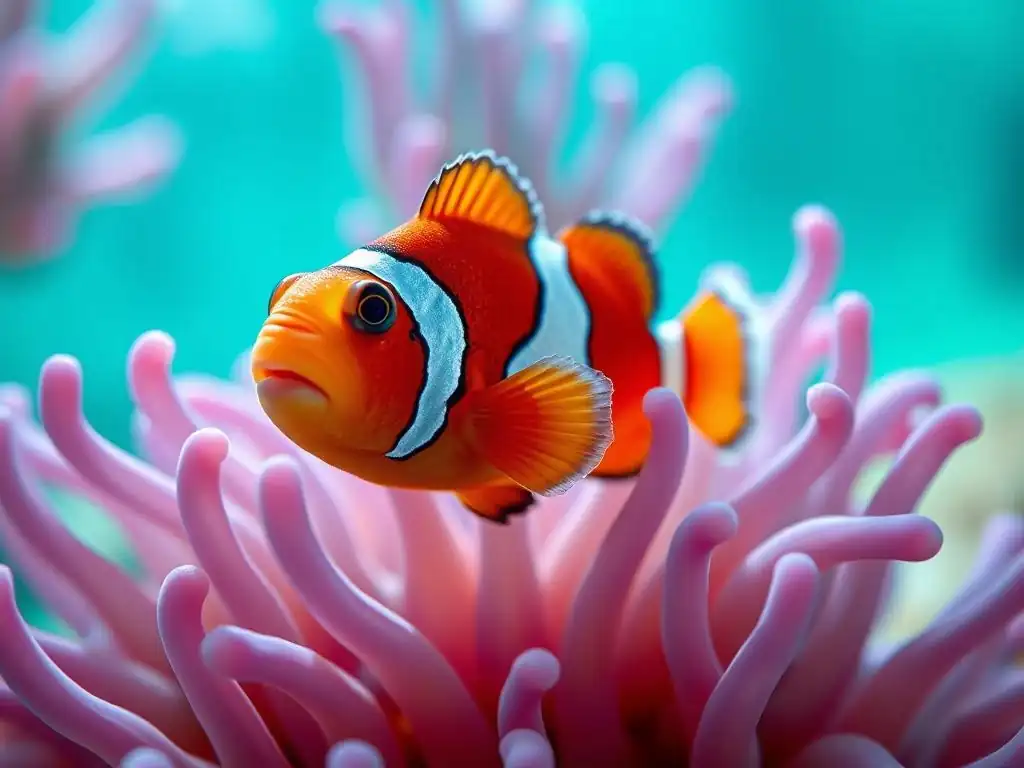
Anemonefish, often referred to as clownfish, are renowned for their remarkable symbiotic relationship with sea anemones. This mutualistic interaction, a cornerstone of a successful clownfish anemone symbiosis guide, is a prime example of co-evolution in marine ecosystems. The anemone provides the clownfish with a safe haven from predators, such as larger fish like groupers and moray eels, who are deterred by the anemone's stinging tentacles.
In return, the clownfish are believed to clean the anemone of parasites and debris, aerate its tentacles, and potentially lure unsuspecting prey closer to the anemone. Over 30 recognized species of anemonefish are known to associate with approximately 10 species of host anemones across the Indo-Pacific region, highlighting the specificity and evolutionary depth of this bond.
The importance of this symbiosis extends beyond the individual organisms, playing a vital role in the intricate dynamics of coral reef environments. Clownfish are often observed defending their host anemones from anemone-eating fish, acting as diligent guardians. Furthermore, the presence of clownfish can enhance the overall health and longevity of the anemone, creating a more robust micro-habitat within the reef. Understanding this fundamental aspect is crucial for any aquarist aiming to establish a thriving clownfish anemone symbiosis guide in their home aquarium, ensuring both species benefit from the relationship.
Benefits for Anemonefish in Captivity
In a captive aquarium environment, the benefits of anemone symbiosis for anemonefish are manifold and directly contribute to their well-being and natural behavior. A hosted clownfish often exhibits reduced stress levels, which translates into improved immune function and a lower susceptibility to common aquarium diseases.
The presence of a host anemone provides a secure territory for the clownfish, allowing them to display more natural behaviors such as intricate swimming patterns, defensive posturing, and even breeding attempts, which are rare in the absence of a host. For example, Amphiprion ocellaris hosted by a suitable anemone like Entacmaea quadricolor often show significantly less erratic swimming and more confident feeding behaviors compared to their unhosted counterparts.
Beyond psychological comfort, the physical protection offered by the anemone remains a key advantage even in a controlled tank setting. While predators are less of a concern, aggressive tank mates or boisterous fish can still cause stress or injury. The anemone serves as a natural refuge, allowing the clownfish to retreat when feeling threatened. Studies suggest that clownfish maintained in a symbiotic relationship can live longer and exhibit more vibrant coloration, reflecting their overall healthier state. This makes establishing a successful clownfish anemone symbiosis guide a priority for dedicated aquarists.
Mucus Protection in Anemonefish-Anemone Symbiosis
The remarkable ability of anemonefish to live unharmed among the stinging tentacles of sea anemones is attributed to a specialized mucus coating that covers their bodies. This protective layer is not simply thicker than regular fish mucus; its biochemical composition is subtly altered to prevent the anemone's nematocysts (stinging cells) from discharging. Initially, when a clownfish first encounters a host anemone, it may undergo a brief "acclimation" period, during which it makes tentative touches, potentially receiving mild stings. During this period, the fish's mucus adapts.
Research indicates that the glycoprotein profile of the clownfish's mucus changes upon repeated contact with the anemone. Specifically, it is believed that the clownfish's mucus either mimics the chemical signature of the anemone's own outer layer, thereby signaling "self" to the nematocysts, or it contains chemical inhibitors that prevent the stinging cells from firing.
This adaptive process can take anywhere from a few hours to several days, depending on the individual fish and anemone. Once fully adapted, the clownfish can move freely within the anemone's tentacles without harm, a testament to the intricate biological adaptations detailed in any comprehensive clownfish anemone symbiosis guide.
Frequently Asked Questions
How does the clownfish anemone symbiosis actually work?
The symbiosis is based on mutual benefit. The clownfish gains protection from predators within the anemone's stinging tentacles, while the anemone receives cleaning and food scraps from the clownfish.
What anemone species are commonly hosted by clownfish in a home aquarium?
Several anemone species are popular, including the Bubble Tip Anemone (Entacmaea quadricolor), the Magnificent Anemone (Heteractis magnifica), and the Sebae Anemone (Heteractis crispa). Careful selection is crucial for success.
How do clownfish develop immunity to the anemone's stinging cells?
Clownfish produce a mucus coating that protects them from the anemone's nematocysts. This coating is thought to be derived from the anemone itself, allowing the clownfish to acclimate gradually.
What are the potential problems that can arise in a clownfish-anemone relationship?
Issues can include the anemone rejecting the clownfish, the clownfish harassing the anemone, or the anemone being improperly cared for, leading to its decline and potentially impacting the clownfish.
Are there any clownfish species that don't require an anemone in a home aquarium?
Yes, some clownfish species, like the Ocellaris Clownfish (Amphiprion ocellaris), can thrive without an anemone, especially in a well-established aquarium with plenty of hiding places. They may host other corals or simply adapt to the environment.
Okay, here's a final reflection you can use for your "The Complete Guide to Amphiprion Species: Anemone Symbiosis InDepth" article, optimized for the keyword "Clownfish anemone symbiosis guide" and following your specified structure:
Final Reflection: The Enduring Dance of Life
The intricacies of the relationship between clownfish and anemones, as explored throughout this guide, are not merely a fascinating biological quirk; they represent a powerful metaphor for interdependence and mutual benefit that resonates deeply in our increasingly interconnected world. Understanding the nuances of this symbiosis allows us to appreciate the delicate balance of ecosystems and the importance of preserving biodiversity, a critical concern in the face of environmental challenges.
This deep dive into the world of Amphiprion species and their anemone hosts has, hopefully, illuminated the beauty and complexity of nature's partnerships. It's a reminder that even the smallest creatures can teach us profound lessons about cooperation and resilience. In nature, nothing exists alone.
- Rachel Carson. This quote perfectly encapsulates the essence of the clownfish-anemone relationship and its broader implications for understanding the interconnectedness of all life.
Now, consider the lessons learned from this "Clownfish anemone symbiosis guide." How can you apply the principles of mutualism and cooperation to your own life, your community, and your relationship with the natural world? Let this guide serve as a catalyst for deeper understanding, greater appreciation, and a renewed commitment to protecting the delicate balance of our planet. Let us all strive to be better stewards of the environment, fostering symbiotic relationships that benefit all.
Unleash Your Inner Reef Keeper!
Thank you for diving deep into the fascinating world of Amphiprion species! We hope this guide has empowered you with a newfound understanding of their anemone symbiosis and care requirements. Now, let's put that knowledge into action!
Here are some exciting next steps to further your reef-keeping journey:
- Start Planning Your Anemone Biotope: Carefully research and select compatible anemone and Amphiprion species to create a thriving symbiotic relationship in your aquarium.
- Share your newfound knowledge:Educate fellow aquarium enthusiasts by sharing this guide on social media or in online forums.
- Document Your Success:Start a dedicated tank journal to track the growth and interactions of your Amphiprion and anemone, sharing your progress with the Aquarium Mastery community.
What's one small, practical change you'll make to your reef keeping approach based on what you've learned today?