
Advanced Algae Management: Synergizing Tangs with Other Reef Solutions for a Pristine Tank

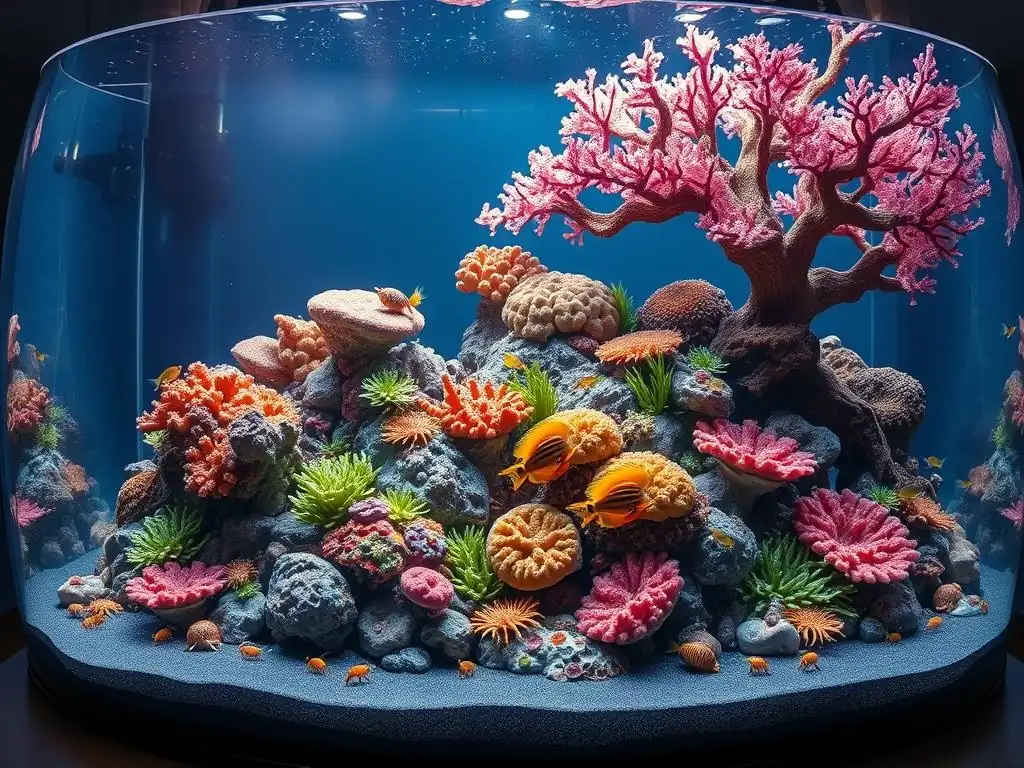
Welcome to Aquarium Mastery!
Ever wondered how to achieve crystal-clear waters and a thriving ecosystem in your reef tank? Dive in! This article unravels the secrets of effective reef tank algae control, exploring how the natural grazing power of Tangs, combined with innovative solutions, can create a truly pristine and vibrant underwater world. Ready to unlock the secrets to a balanced and beautiful reef? Let's explore!
- Understanding Reef Tank Algae Control: A Multifaceted Approach
- The Role of Tangs in Natural Algae Grazing for Reef Tanks
- Synergizing Tangs with Other Reef Algae Control Methods
- Maintaining a Pristine Reef Tank: Best Practices for Long-Term Algae Management
- Troubleshooting Common Algae Problems in Reef Tanks
- Choosing the Right Tang and Algae Control Methods for Your Reef Tank: A Personalized Approach
-
Frequently Asked Questions
- How effective are Tangs alone in controlling algae in a reef tank?
- What other reef solutions should be used in conjunction with Tangs for optimal algae control?
- What type of algae are Tangs most effective at controlling in a reef tank?
- How many Tangs can I safely keep in my reef tank, and what considerations should I make?
- What are some potential downsides to using Tangs for algae control in a reef tank?
- Final Reflection: Cultivating Harmony in Reef Ecosystems
- Reclaim Your Reef: Ignite a Crystal-Clear Ecosystem!
Understanding Reef Tank Algae Control: A Multifaceted Approach
The Importance of a Balanced Ecosystem for Algae Prevention
A thriving reef aquarium, largely free of nuisance algae, begins with a fundamentally balanced ecosystem. This delicate equilibrium involves precise nutrient cycling, robust filtration, and a diverse community of beneficial organisms. When a reef tank's biological processes are operating optimally, beneficial bacteria efficiently process waste, and macroalgae or refugiums can outcompete nuisance algae for available nutrients, significantly reducing the likelihood of widespread outbreaks. This proactive approach to reef tank algae control emphasizes prevention over reactive treatments.
Maintaining a balanced ecosystem also means ensuring stable water parameters, including alkalinity, calcium, and magnesium, which support healthy coral growth and robust biological filtration. Consistently low levels of nitrates, typically below 5 ppm, and phosphates, ideally under 0.03 ppm, are critical indicators of a well-managed system. When these parameters are kept in check through regular maintenance and efficient nutrient export, the primary fuel for nuisance algae growth is significantly diminished, making the environment less hospitable for their proliferation.
Identifying Different Types of Algae in Reef Aquariums
Recognizing the specific type of algae plaguing your reef tank is the first step toward effective reef tank algae control. Different forms of algae thrive under varying conditions and respond to distinct mitigation strategies. Common nuisance algae include green hair algae, cyanobacteria, and diatoms, each presenting unique visual characteristics and underlying causes.
Understanding the specific biological nature of each type—whether it's a true algae or a photosynthetic bacterium—is crucial for selecting the most appropriate and successful long-term solution. For instance, addressing a cyanobacteria outbreak often requires different strategies than tackling a patch of green hair algae, highlighting the need for accurate identification before implementing any reef tank algae control measures.
Green Hair Algae: Causes and Control Strategies
Green hair algae, characterized by its long, stringy, often vibrant green strands, is one of the most common and persistent nuisances in reef aquariums. Its rapid growth is typically fueled by elevated levels of nitrates and phosphates, often stemming from overfeeding, insufficient water changes, or decaying organic matter. In many cases, nitrate levels consistently above 10 ppm and phosphate levels exceeding 0.05 ppm can trigger significant outbreaks, making nutrient export a primary focus for reef tank algae control.
Control strategies for green hair algae involve a combination of manual removal, nutrient reduction, and biological grazing. Physically siphoning or scrubbing the algae from rockwork and equipment can provide immediate, albeit temporary, relief. Enhancing water flow to eliminate dead spots where detritus accumulates can also deter its growth. Furthermore, introducing specific herbivorous fish, such as tangs, and certain invertebrates like Turbo snails or sea hares, can provide continuous grazing pressure, helping to manage and prevent future outbreaks.
Cyanobacteria (Blue-Green Algae): Identification and Mitigation
Often mistaken for algae, cyanobacteria, or "blue-green algae," is actually a photosynthetic bacterium that forms slimy, mat-like growths. Its appearance can range from deep red or maroon to dark green or even black, and it commonly blankets sandbeds, rockwork, and even equipment. Unlike true algae, cyanobacteria often thrives in areas of low flow and can be triggered by a combination of high organic waste and specific nutrient imbalances, such as high phosphates with very low nitrates, or vice versa, creating an imbalanced Redfield ratio.
Mitigation for cyanobacteria requires a multi-pronged approach focused on improving water quality and circulation. Manual removal via siphoning is effective for immediate cleanup. Increasing water flow with additional powerheads can disrupt the mats and prevent their formation in stagnant areas. Addressing the underlying nutrient imbalance through strict feeding regimens, regular water changes, and potentially the use of phosphate removers is critical. In severe cases, a controlled "blackout" period (2-3 days of complete darkness) can be effective, but should be used cautiously to avoid stressing corals.
Diatoms (Brown Algae): Understanding the Bloom Cycle and Solutions
Diatoms, commonly referred to as "brown algae," are typically the first type of nuisance algae to appear in new reef tanks, often forming a dusty, brownish film on glass, sand, and rockwork. This initial bloom is primarily fueled by silicates present in tap water (if not using RO/DI), new sand, or un-cured live rock. While unsightly, diatom blooms are usually a natural and temporary phase in the tank's maturation process, often subsiding within 2 to 4 weeks as the silicate sources are depleted.
Solutions for diatom blooms primarily involve patience and ensuring high-quality source water. Using a robust RO/DI unit with a silicate-removing resin is crucial to prevent their reoccurrence from tap water. Manual wiping of tank glass and siphoning the sandbed can help remove existing diatoms. Introducing herbivorous snails, such as Nassarius or Astrea snails, can also assist in grazing these films. As the tank matures and beneficial bacteria establish, diatoms typically recede as part of a healthy reef tank algae control strategy.
The Role of Tangs in Natural Algae Grazing for Reef Tanks
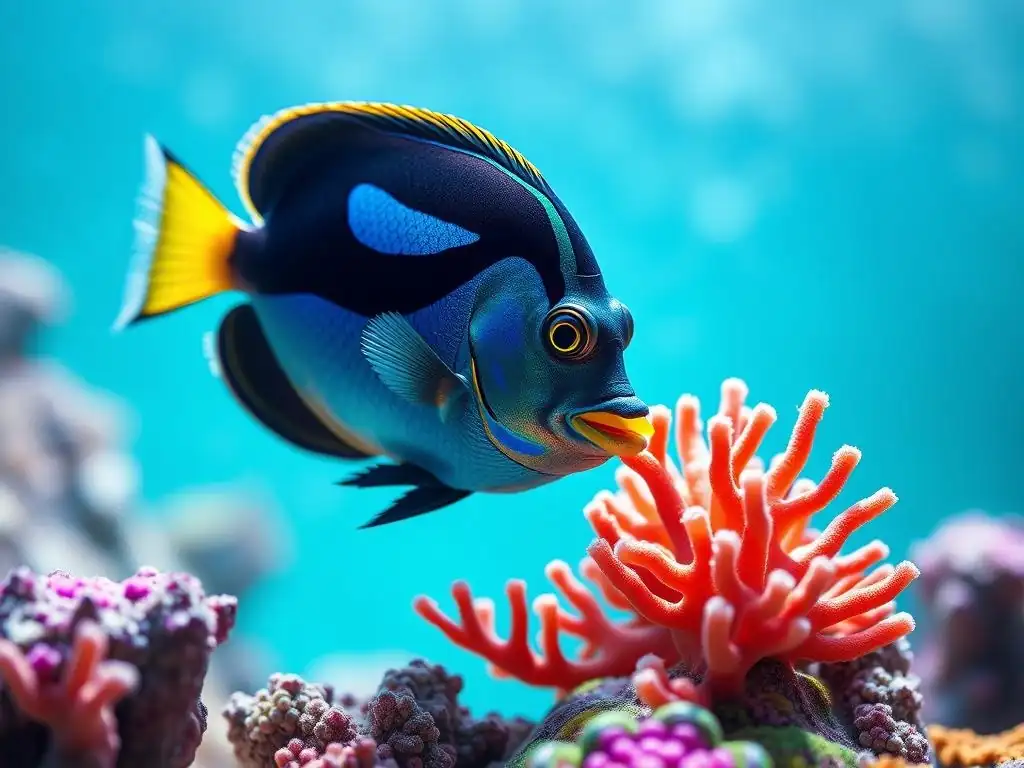
Tang Species Known for Effective Algae Consumption
Tangs, or surgeonfish, are renowned in the saltwater aquarium hobby for their voracious appetites for various types of algae, making them invaluable assets in reef tank algae control. Their natural grazing behaviors mimic those of wild environments, helping to keep rockwork and glass surfaces clean and prevent the uncontrolled proliferation of nuisance algae. However, the effectiveness of a tang largely depends on selecting a species appropriate for your tank size and the specific type of algae you aim to control.
While many tangs are herbivores, their dietary preferences and grazing styles can vary. Some species are excellent at cropping long strands of hair algae, while others are more adept at scraping biofilm and diatoms from surfaces. Integrating the right tang into a well-managed reef system can significantly reduce the need for manual algae removal and contribute to a more stable and aesthetically pleasing environment, serving as a cornerstone of biological reef tank algae control.
Yellow Tang (Zebrasoma flavescens): Algae Preference and Tank Compatibility
The Yellow Tang (Zebrasoma flavescens) is perhaps the most iconic and popular tang for reef aquariums, largely due to its vibrant coloration and its exceptional ability to graze on various forms of nuisance algae, particularly green hair algae. These active swimmers are constantly picking at rockwork and glass, consuming significant quantities of algae throughout the day. Their continuous grazing helps to keep surfaces clean and prevent algae from establishing firm hold, making them a cornerstone of biological reef tank algae control.
For optimal health and effective algae grazing, a Yellow Tang requires a minimum tank size of 75-100 gallons to accommodate its active swimming habits and adult size, which can reach up to 8 inches. They are generally peaceful towards most tank mates but can be aggressive towards other tangs, especially those of similar shape or size. Providing a diet supplemented with high-quality marine flakes, pellets, and sheets of dried seaweed (nori) ensures their nutritional needs are met while they work diligently on algae control.
Kole Tang (Ctenochaetus strigosus): Detailed Grazing Habits
The Kole Tang (Ctenochaetus strigosus), also known as the Yellow Eye Kole Tang, is a smaller, more docile tang known for its unique grazing habits. Unlike the Yellow Tang, which crops longer strands, the Kole Tang possesses specialized bristle-like teeth and a downturned mouth, allowing it to meticulously scrape detritus, diatoms, and thin films of algae from live rock and glass. This makes them particularly effective against brown diatom blooms and various forms of microalgae that other grazers might miss.
Kole Tangs are typically less demanding in terms of tank size compared to other tangs, often thriving in tanks as small as 50-70 gallons, provided they have ample rockwork for grazing. Their constant "vacuuming" of surfaces not only helps with reef tank algae control but also contributes to overall tank cleanliness by consuming detritus. While primarily herbivorous, they will also consume some meaty foods. Their peaceful disposition makes them excellent community fish, adding both utility and beauty to a reef system.
Bristletooth Tangs: Selecting the Right Species for Your Reef
Bristletooth Tangs, encompassing species from the Ctenochaetus genus like the Kole Tang, Tomini Tang ( Ctenochaetus tominiensis), and Chevron Tang ( Ctenochaetus hawaiiensis), are highly valued for their specialized grazing capabilities in reef aquariums. These tangs are characterized by their unique dentition, which consists of numerous small, flexible bristle-like teeth perfectly adapted for scraping diatoms, cyanobacteria, and various types of microalgae and detritus from rock surfaces and sandbeds. Their method of feeding is less about cropping long strands and more about meticulous surface cleaning.
When selecting a Bristletooth Tang for reef tank algae control, consider the specific needs of your aquarium. Tomini Tangs, for instance, are known for being particularly effective against hair algae in addition to their scraping habits, while Chevron Tangs are striking but require larger tanks dueating to their potential adult size. Generally, Bristletooth Tangs are among the more peaceful tang species, making them excellent candidates for community reef tanks where they contribute significantly to maintaining a pristine environment without posing a threat to corals or other invertebrates.
Optimizing Tank Conditions for Tang Algae Grazing
For tangs to be truly effective in reef tank algae control, their environment must be optimized to support their natural grazing behaviors and overall health. Simply adding a tang to a tank with a severe algae problem without addressing underlying issues will likely result in a stressed fish and continued algae proliferation. Key factors include ensuring proper water flow, maintaining stable nutrient levels, and providing adequate space and diet.
A well-optimized tank not only allows tangs to graze more efficiently but also reduces the stress on the fish, making them more resilient to disease and more active in their algae-eating duties. When tank conditions are ideal, tangs become an indispensable part of a comprehensive reef tank algae control strategy, working synergistically with other methods to maintain a balanced and clean aquarium.
Proper Water Flow and Circulation for Algae Access
Adequate water flow and circulation are paramount for effective reef tank algae control, influencing not only the health of corals but also the efficiency of grazing fish like tangs. Strong, turbulent flow prevents detritus and organic matter from settling in "dead spots" on rockwork and sandbeds, which are prime breeding grounds for nuisance algae. By keeping detritus suspended, filtration systems can more effectively remove it, thereby reducing the available nutrients for algae.
Furthermore, proper flow ensures that tangs can access algae growing on all surfaces, including those in crevices and under overhangs. A general guideline for reef tanks is to aim for a flow rate of 10-20 times the tank's volume per hour, distributed throughout the display. This level of circulation also helps to oxygenate the water and deliver nutrients to corals, creating a healthier overall environment that naturally discourages widespread algae blooms and maximizes the grazing potential of your tangs.
Maintaining Appropriate Nutrient Levels (Nitrates and Phosphates)
While tangs are excellent grazers for existing algae, their effectiveness in reef tank algae control is significantly enhanced when proper nutrient levels are maintained. High levels of nitrates (e.g., consistently above 10 ppm) and phosphates (e.g., above 0.05 ppm) act as primary fertilizers for nuisance algae, allowing them to grow faster than any tang can consume. Therefore, the goal is to keep these nutrients consistently low, ideally with nitrates below 5 ppm and phosphates near undetectable levels for sensitive corals, typically below 0.03 ppm.
Achieving and maintaining these low nutrient levels requires diligent husbandry, including careful feeding practices, regular water changes, and efficient filtration, such as protein skimming and the use of phosphate-removing media. When nutrient levels are kept in check, the growth rate of nuisance algae slows dramatically, allowing tangs to effectively manage any new growth and prevent large-scale outbreaks. This symbiotic relationship—low nutrients limiting algae growth, and tangs consuming what little does appear—is central to long-term reef tank algae control.
Synergizing Tangs with Other Reef Algae Control Methods
Biological Algae Control: Beyond Tangs
While tangs are powerful allies in reef tank algae control, a truly comprehensive strategy often extends to a diverse array of other biological organisms. Incorporating a variety of algae-eating invertebrates can target different types of algae and reach areas that fish might miss, creating a multi-layered defense against nuisance growth. This approach leverages the natural feeding habits of various species to maintain a balanced and clean ecosystem.
A well-chosen clean-up crew can work synergistically with tangs, providing continuous grazing pressure across all surfaces of the aquarium. From snails meticulously cleaning glass and rock to crabs targeting specific problematic algae, these invertebrates are indispensable components of an effective biological reef tank algae control plan. Their combined efforts contribute significantly to nutrient export and the overall aesthetic appeal of the reef.
Introduction of Algae-Eating Invertebrates: Snails, Crabs, and Sea Hares
Beyond the active grazing of tangs, a robust clean-up crew of algae-eating invertebrates forms another critical layer of biological reef tank algae control. These organisms specialize in consuming various types of algae, detritus, and biofilm that might be overlooked by fish or are simply more accessible to smaller, bottom-dwelling creatures. A diverse clean-up crew ensures that all niches within the aquarium are being grazed, from the sandbed to the highest rockwork.
The specific types of invertebrates chosen should align with the types of algae present and the overall tank inhabitants. For instance, while snails are excellent general grazers, certain crabs target specific nuisance algae like bubble algae, and sea hares can rapidly consume large quantities of hair algae during outbreaks. Integrating these specialized grazers alongside your tangs creates a powerful, natural defense system against unwanted algae proliferation, making reef tank algae control more efficient and sustainable.
Turbo Snails: Effective Algae Consumers for Reef Tanks
Turbo Snails ( Turbo fluctuosa, T. undulata, etc.) are among the most popular and effective invertebrate grazers for reef tanks, particularly renowned for their voracious appetite for green hair algae and diatoms. These large, robust snails are constant grazers, diligently moving across live rock and tank glass, scraping off algae with their radula. Their persistent activity makes them indispensable for day-to-day reef tank algae control, helping to keep surfaces clear and prevent the establishment of dense algae mats.
A common stocking density for Turbo Snails is one snail per 10-20 gallons of tank volume, depending on the amount of algae present. While highly effective, it's important to note that they can sometimes knock over unsecured frag plugs or small corals due to their size and movement. They are also sensitive to sudden changes in salinity and high nitrate levels, so stable water parameters are essential for their long-term health and continued contribution to the clean-up crew.
Emerald Crabs: Targeted Control of Bubble Algae
Emerald Crabs ( Mithraculus sculptus) are small, distinctively green crabs prized in the reef hobby for their targeted consumption of bubble algae ( Valonia spp.). Bubble algae can be a persistent and unsightly nuisance, forming spherical, often iridescent green or black bubbles on rockwork and equipment. Unlike many other grazers, Emerald Crabs actively seek out and puncture these bubbles, consuming their contents and preventing their spread, making them a specialized tool for reef tank algae control.
While generally beneficial, it is important to monitor Emerald Crabs, as some individuals may occasionally nip at corals or small, slow-moving invertebrates if their primary food source (algae) is scarce or if they are not adequately fed. For a typical 50-gallon reef tank with a bubble algae issue, introducing one or two Emerald Crabs is often sufficient to manage the problem. Providing supplemental food, such as small pieces of nori or meaty foods, can help deter them from picking at corals if algae levels drop too low.
Sea Hares: Managing Hair Algae Outbreaks
Sea Hares (e.g., Aplysia sp.) are highly specialized marine gastropods known for their remarkable ability to consume large quantities of green hair algae during severe outbreaks. When faced with a pervasive hair algae problem that other grazers are struggling to manage, a Sea Hare can quickly and effectively "mow down" vast expanses of the nuisance algae, providing rapid relief. Their grazing capacity is significant, often clearing noticeable areas within a day or two.
However, Sea Hares are typically considered a temporary solution for reef tank algae control rather than a permanent resident. They have a relatively short lifespan and will starve once the primary hair algae source is depleted, making it crucial to remove them and return them to a suitable environment or rehome them once their job is done. Their effectiveness in rapidly clearing hair algae makes them a valuable tool for crisis management, allowing the aquarist to then focus on addressing the underlying causes of the algae bloom.
Chemical Algae Control: When and How to Use It Responsibly
Chemical algae control methods represent a more direct, but often more risky, approach to reef tank algae control. While they can provide rapid results, their use should be approached with extreme caution and reserved for situations where biological and mechanical methods have proven insufficient or for specific, severe outbreaks. Understanding the potential side effects and using these products responsibly is paramount to avoid harming corals, invertebrates, or the overall stability of the reef ecosystem.
Chemical solutions primarily work by either binding nutrients that fuel algae growth or by directly killing the algae. However, the rapid death of a large algae biomass can lead to oxygen depletion and a sudden release of nutrients back into the water, potentially causing further issues. Therefore, any chemical intervention for reef tank algae control must be accompanied by increased aeration, diligent water testing, and often partial water changes to mitigate negative impacts.
Phosphate Removal Resins: Controlling Phosphate Levels
Phosphate removal resins, such as Granular Ferric Oxide (GFO) or aluminum-based media, are a highly effective chemical method for controlling phosphate levels in reef tanks, thereby directly limiting a key nutrient for nuisance algae. Phosphates are a primary fuel for most types of algae, and maintaining ultra-low levels (ideally below 0.03 ppm) is crucial for both algae prevention and optimal coral health. These resins work by chemically binding phosphates from the water column, rendering them unavailable for algae growth.
For best results in reef tank algae control, phosphate resins are typically used in a fluidized media reactor, which ensures maximum contact between the water and the media. Alternatively, they can be placed in a high-flow area within a mesh bag. It is important to introduce these resins gradually and monitor phosphate levels closely to avoid "stripping" the water too quickly, which can shock sensitive corals. Regular replacement of the media, based on a decline in its effectiveness or rising phosphate levels, is necessary to maintain consistent control.
Algaecides: Use with Caution and Understanding of Potential Side Effects
Algaecides are chemical compounds designed to directly kill algae. While they can offer a quick solution to severe algae outbreaks, their use in a sensitive reef tank environment must be approached with extreme caution. Many algaecides are broad-spectrum and do not discriminate between nuisance algae and beneficial organisms, potentially harming corals, invertebrates (like snails and crabs), and even beneficial bacteria essential for the nitrogen cycle. The rapid die-off of a large algae bloom can also lead to a dangerous drop in dissolved oxygen levels and a sudden release of trapped nutrients, potentially triggering further problems.
Therefore, algaecides should always be considered a last resort for reef tank algae control and used only when other methods have failed and the outbreak poses a significant threat to the tank's health. If used, it is imperative to follow the manufacturer's instructions precisely, often starting with a reduced dose and closely monitoring all tank inhabitants. Ensuring increased aeration during treatment and performing a significant water change post-treatment are critical steps to mitigate potential negative side effects and ensure the safety of your reef system.
Mechanical Algae Removal: A Hands-On Approach
Mechanical algae removal involves the direct physical removal of algae from tank surfaces and equipment. While it can be labor-intensive, it offers immediate visual improvement and directly exports nutrients from the system, making it an indispensable part of any comprehensive reef tank algae control strategy. This method addresses the symptoms of an algae problem while other methods work on the underlying causes.
Combining mechanical removal with biological and chemical controls creates a robust defense against algae. Regularly scraping glass, siphoning detritus, and maintaining specialized equipment like algae scrubbers contribute significantly to a pristine reef environment. This hands-on approach ensures that unsightly algae is removed promptly, preventing it from consuming light and nutrients that corals need, and maintaining the aesthetic appeal of your reef tank.
Algae Scrubbers: Building and Maintaining a Natural Filtration System
Algae scrubbers are a highly effective and natural form of mechanical and biological reef tank algae control. They work by creating an ideal environment for nuisance algae to grow on a textured screen, typically illuminated by strong light. This cultivated algae outcompetes nuisance algae in the display tank for excess nutrients like nitrates and phosphates. Once the algae on the screen grows thick, it is periodically harvested, thereby physically removing these nutrients from the system.
A well-designed and properly maintained algae scrubber can significantly reduce nitrate levels, often by 10-20 ppm per week in a moderately stocked tank, and keep phosphates near undetectable levels. Maintenance typically involves cleaning the screen weekly or bi-weekly, depending on the growth rate, ensuring consistent nutrient export. Algae scrubbers offer a sustainable and chemical-free method of nutrient export, making them an excellent long-term solution for maintaining water quality and achieving superior reef tank algae control.
Manual Algae Scraping: Removing Algae from Glass and Rockwork
Manual algae scraping is the most direct and often the most frequently employed method of reef tank algae control for immediate visual improvement. This involves physically removing algae from the tank's glass, acrylic, and rockwork using various tools such as magnetic cleaners, razor blade scrapers, or stiff brushes. Regular scraping, ideally daily or every few days, prevents algae from accumulating and becoming unsightly, keeping the viewing panes crystal clear.
When manually scraping, it's beneficial to siphon out the dislodged algae to prevent it from settling elsewhere in the tank and potentially re-establishing. For algae on live rock, a stiff brush or even a toothbrush can be effective. While manual removal addresses the visible symptoms, it's crucial to remember that it doesn't solve the underlying nutrient issues that fuel algae growth. Therefore, it should always be part of a broader reef tank algae control strategy that includes nutrient management and biological grazers.
Maintaining a Pristine Reef Tank: Best Practices for Long-Term Algae Management
Regular Water Changes: Diluting Nutrients and Maintaining Water Quality
Regular water changes are a cornerstone of long-term reef tank algae control and overall water quality maintenance. By replacing a portion of the tank's water with fresh, clean saltwater, you effectively dilute accumulated nitrates, phosphates, and other dissolved organic compounds that fuel nuisance algae growth. Simultaneously, water changes replenish essential trace elements that corals and other inhabitants consume, contributing to a healthier and more stable environment.
A common recommendation is to perform a 10-20% water change bi-weekly or a 5-10% change weekly, depending on the tank's bioload and nutrient levels. Consistent water changes prevent nutrient spikes and maintain stable parameters, significantly reducing the opportunities for algae to thrive. This proactive approach to nutrient export is fundamental to preventing severe algae outbreaks and ensuring that your reef tank remains pristine and vibrant.
Proper Lighting: Avoiding Over-Illumination and Promoting Coral Health
Lighting plays a critical, yet often misunderstood, role in reef tank algae control. While corals require specific light spectrums and intensities for photosynthesis, excessive light duration or intensity can inadvertently fuel the growth of nuisance algae. Algae are opportunistic and will exploit any available light and nutrients, often outcompeting slower-growing corals under prolonged or overly intense illumination.
To strike the right balance, it's crucial to set an appropriate photoperiod, typically between 8-10 hours per day for most reef tanks, gradually ramping up and down to simulate natural sunrise and sunset. Adjusting light intensity and spectrum to meet coral needs without over-saturating the tank is also vital. Monitoring for algae growth patterns in relation to your lighting schedule can help identify if your lighting is contributing to the problem, allowing for adjustments that promote coral health while deterring algae.
Careful Feeding Practices: Preventing Excess Nutrient Input
One of the most significant contributors to excess nutrient levels and subsequent algae outbreaks in reef tanks is overfeeding. Uneaten food quickly breaks down, releasing nitrates and phosphates into the water column, providing a direct food source for nuisance algae. Even high-quality foods, if fed in excess, will contribute to nutrient buildup, making careful feeding practices essential for effective reef tank algae control.
To minimize nutrient input, feed your fish only what they can consume within 2-3 minutes, ensuring no food settles on the sandbed or rocks. Soaking frozen foods in RO/DI water before feeding can also help to leach out excess phosphates and nitrates from the food itself. Feeding smaller, more frequent meals rather than large, infrequent ones can also help. By being mindful of how much and how often you feed, you can drastically reduce the organic load in your tank, making it much harder for algae to proliferate.
Quarantine New Additions: Preventing Algae Introduction
A critical, yet often overlooked, best practice for long-term reef tank algae control is quarantining all new additions before introducing them to your main display tank. This includes fish, corals, invertebrates, and even live rock. New arrivals can carry unwanted passengers, such as nuisance algae spores, pests like Aiptasia, or even diseases that can devastate a stable reef system. Introducing a seemingly clean coral frag, for instance, might inadvertently introduce a stubborn patch of hair algae or Bryopsis.
A dedicated quarantine tank (QT) allows you to observe new livestock, treat for potential diseases or pests, and ensure they are healthy before they join your established community. For corals, a brief dip in an appropriate solution can help remove external pests and some algae. By isolating new additions for a period, typically 4-6 weeks, and carefully inspecting them, you significantly reduce the risk of introducing new sources of algae or other problems that could undermine your ongoing reef tank algae control efforts.
Troubleshooting Common Algae Problems in Reef Tanks
Dealing with Persistent Algae Blooms
Encountering a persistent algae bloom in a reef tank can be frustrating, especially when it seems all standard reef tank algae control methods have been exhausted. However, persistence often indicates an underlying, unaddressed issue that is continuously fueling the algae's growth. The key to resolving these stubborn outbreaks is a systematic and thorough re-evaluation of all tank parameters and husbandry practices, rather than simply applying more remedies.
This systematic approach involves meticulously testing water parameters (nitrates, phosphates, silicates, alkalinity), scrutinizing feeding habits, verifying the efficiency of filtration equipment (protein skimmer, media reactors), and checking the quality of source water (RO/DI TDS). It may also involve inspecting flow patterns for dead spots or evaluating lighting schedules and intensity. Often, a combination of several small, overlooked factors culminates in a widespread and persistent algae bloom, demanding a holistic adjustment of your reef tank algae control strategy.
Identifying the Root Cause of Algae Outbreaks
Effective reef tank algae control hinges on identifying and addressing the root cause of an outbreak, rather than just treating the symptoms. Algae are indicators; their presence signals an imbalance in the tank's ecosystem, most commonly related to excess nutrients. Simply removing the algae manually or adding grazers provides temporary relief but does not prevent future recurrences if the underlying issue persists.
To pinpoint the root cause, consider these questions: Are you overfeeding? Is your RO/DI water source producing zero TDS? Is your protein skimmer adequately sized and cleaned regularly? Are nitrates and phosphates consistently high? Is there sufficient flow to prevent detritus accumulation? Are you performing regular water changes? By systematically reviewing these factors, you can often uncover the fundamental imbalance that is allowing the algae to thrive, leading to a more targeted and effective long-term solution for reef tank algae control.
Adjusting Your Algae Control Strategy Based on Specific Needs
Reef tank algae control is not a one-size-fits-all endeavor; it requires continuous monitoring and a willingness to adjust your strategy based on the specific needs and challenges of your tank. Different types of algae respond to different methods, and what works for one tank may not be effective for another, even with similar parameters. The goal is to develop a flexible plan that can be adapted as conditions change or new problems arise.
For instance, if green hair algae is the primary issue, increasing herbivorous fish like Yellow Tangs and improving nutrient export might be prioritized. If cyanobacteria plagues the tank, enhancing flow and addressing organic buildup might be key. Regularly observing your tank, documenting parameters, and noting the effectiveness of various interventions will allow you to fine-tune your approach. This iterative process of assessment, adjustment, and observation is crucial for maintaining a pristine reef environment and achieving superior reef tank algae control.
Choosing the Right Tang and Algae Control Methods for Your Reef Tank: A Personalized Approach
Assessing Your Tank's Specific Algae Challenges
The first step in developing a personalized reef tank algae control strategy is a thorough assessment of your tank's specific algae challenges. This involves accurately identifying the dominant types of nuisance algae present. For instance, are you battling slimy red mats of cyanobacteria, long strands of green hair algae, or dusty brown films of diatoms? Each type signals different underlying conditions and requires targeted solutions.
Beyond identification, observe the distribution and severity of the algae. Is it localized to certain areas of low flow, or is it widespread across all surfaces? Does it appear after feeding, or after a water change? Keeping a detailed log of your observations, water parameters, and maintenance routines can help pinpoint correlations and guide your choice of reef tank algae control methods. Understanding your specific "algae signature" is paramount to selecting the most effective tangs and other solutions.
Considering Your Tank's Size and Livestock Compatibility
When selecting tangs and other biological agents for reef tank algae control, the size of your aquarium and the compatibility with existing livestock are critical considerations. Tangs are active swimmers and can grow quite large; a Yellow Tang, for example, requires a minimum of 75-100 gallons, while a Powder Blue Tang needs even more space. Placing a tang in an undersized tank will lead to stress, stunted growth, and potentially aggressive behavior towards other fish, negating their benefit.
Furthermore, assess the temperament of your current fish and the potential for aggression between tangs or towards other herbivores. Some tangs can be territorial, especially towards similarly shaped fish. Similarly, when introducing invertebrates, ensure they are compatible with your existing fish and corals. Responsible stocking, based on adult size and temperament, ensures that your reef tank algae control strategy enhances, rather than disrupts, the harmony of your aquarium.
Monitoring and Adjusting Your Algae Management Plan
Achieving and maintaining a pristine reef tank is an ongoing process that requires constant monitoring and a willingness to adjust your algae management plan. Reef tank algae control is not a static solution but a dynamic strategy that evolves with your tank. Water parameters, bioload, and even the type of algae can change over time, necessitating adaptations in your approach.
Regularly test your water for nitrates, phosphates, and other key parameters. Observe the health and behavior of your tangs and other clean-up crew members. Is the algae receding, or are new types emerging? Be prepared to adjust feeding habits, refine your filtration methods, or even introduce new biological or mechanical solutions as needed. This continuous cycle of observation, assessment, and adjustment is fundamental to long-term success in reef tank algae control and the sustained health of your marine ecosystem.
Frequently Asked Questions
How effective are Tangs alone in controlling algae in a reef tank?
Tangs are excellent algae eaters, but often not sufficient on their own. They are best used as part of a comprehensive algae control strategy.
What other reef solutions should be used in conjunction with Tangs for optimal algae control?
Besides Tangs, consider utilizing nutrient control methods like protein skimmers and refugiums. Also, employ algae-eating invertebrates like snails and hermit crabs, and maintain proper water chemistry.
What type of algae are Tangs most effective at controlling in a reef tank?
Tangs are particularly effective at grazing on hair algae and film algae. They may also consume some types of macroalgae.
How many Tangs can I safely keep in my reef tank, and what considerations should I make?
The number of Tangs depends on your tank size and species. Overcrowding can lead to increased stress and aggression. Research species-specific needs and ensure adequate swimming space.
What are some potential downsides to using Tangs for algae control in a reef tank?
Tangs require large tank sizes to thrive. They can also be aggressive towards other fish, and some may develop a taste for corals if not properly fed algae.
Final Reflection: Cultivating Harmony in Reef Ecosystems
The insights shared throughout this article highlight the crucial role of holistic reef tank algae control in maintaining a thriving aquatic environment. The synergy between Tangs and other reef solutions isn't merely a technical approach; it's a testament to the delicate balance required to mimic the natural beauty and complexity of the ocean within our own homes. This understanding is more relevant than ever as we strive to create sustainable and aesthetically pleasing reef ecosystems.
This journey into advanced algae management has underscored the profound impact our choices have on the health and vitality of our reef tanks. The dedication to understanding and implementing these strategies reflects a deeper commitment to responsible reef keeping, fostering a connection with the marine world that transcends mere aesthetics. In the end, we will conserve only what we love; we will love only what we understand; and we will understand only what we are taught.
- Baba Dioum. This quote resonates deeply, reminding us that education and informed action are the cornerstones of effective conservation, even within the microcosm of our reef tanks.
As you reflect on the principles of advanced algae management, consider how you can further refine your own reef keeping practices. Embrace the power of observation, experimentation, and continuous learning to create a truly pristine and balanced reef tank. Let this knowledge empower you to not only control algae, but to cultivate a thriving ecosystem that reflects the beauty and resilience of the ocean itself.
Reclaim Your Reef: Ignite a Crystal-Clear Ecosystem!
Thanks for diving deep into the world of advanced algae management! We hope this article has armed you with the knowledge to create a thriving, balanced reef environment. Now, let's put that knowledge into action!
Here are a few next steps to help you achieve a pristine, algae-free aquarium:
- Implement a "Tangs First" Strategy: Actively observe your existing tank and introduce the right tang species tailored to your specific algae challenges and tank size.
- Explore the Power of Complementary Invertebrates: Research and introduce algae-eating snails or urchins to synergize with your tangs for comprehensive algae control.
- Experiment with Novel Nutrient Control Methods: Investigate less common approaches like carbon dosing or refugium lighting schedules to fine-tune your system.
Ready to revolutionize your reef tank? Share your current algae challenges and tang stocking plans in the comments below!