
Anemone Aggression: Managing Territorial Disputes in a Symbiotic Clownfish Setup

Welcome to Aquarium Mastery!
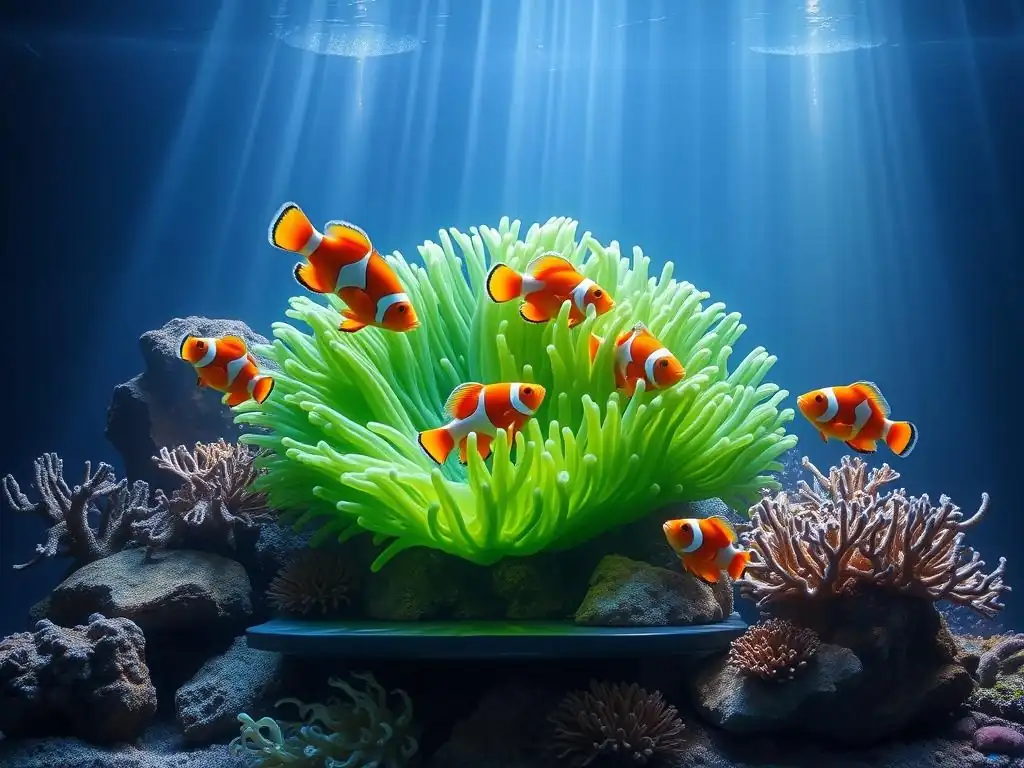
Ever wondered if your clownfish and anemone are really best buds, or just locked in a silent power struggle? Dive in! This article explores the fascinating and sometimes challenging world of Clownfish anemone aggression management, offering practical tips and insights to ensure a harmonious and thriving saltwater aquarium. Curious how to spot the signs and restore peace in your underwater paradise? Let's unlock the secrets together...
- Understanding Clownfish-Anemone Symbiosis and Aggression
- Factors Contributing to Anemone Aggression in Aquariums
- Strategies for Anemone Aggression Management
- Addressing Existing Anemone Aggression Issues
- Monitoring and Preventing Future Anemone Aggression
- Choosing the Right Anemone for your Clownfish
- Clownfish Health and Anemone Aggression: A Delicate Balance
- Advanced Techniques for Managing Anemone Aggression
- Conclusion: Promoting a Peaceful Clownfish-Anemone Ecosystem
-
Frequently Asked Questions
- How can I tell if my anemone is being aggressive towards my clownfish?
- What are the primary causes of anemone aggression towards clownfish?
- How important is anemone size when selecting one for clownfish?
- What should I do if my clownfish is persistently rejected by its host anemone?
- Can I introduce multiple clownfish to the same anemone to reduce aggression issues?
- Final Reflection: Navigating Harmony in a Miniature Reef
- Ignite Harmony: Cultivate a Thriving Anemone & Clownfish Sanctuary!
Understanding Clownfish-Anemone Symbiosis and Aggression
The Natural Relationship: Clownfish, Anemones, and Mutualism
The symbiotic relationship between clownfish and their host anemones is one of nature's most fascinating examples of mutualism. In the wild, clownfish, such as the widely recognized Ocellaris Clownfish ( Amphiprion ocellaris), gain crucial protection from predators by sheltering within the stinging tentacles of anemones like the Bubble Tip Anemone ( Entacmaea quadricolor). The clownfish's unique mucous coat prevents it from being stung, allowing it to safely inhabit the anemone. In return, the clownfish often cleans the anemone, removes parasites, and can even defend the anemone from certain predators, creating a truly reciprocal partnership.
This intricate natural bond extends beyond mere protection. Clownfish also bring food scraps to their host, providing additional nutrients to the anemone. The clownfish's constant movement through the tentacles helps to aerate the anemone, ensuring proper water flow and oxygen delivery. Understanding this fundamental mutualistic behavior is the first step in managing clownfish anemone aggression in a captive environment, as disruptions to this natural balance can trigger stress and defensive behaviors.
Why Anemones Display Aggression in Aquariums
Anemones, though seemingly passive, are highly territorial organisms that will aggressively defend their space, especially in the confined environment of an aquarium. Their primary method of defense is stinging, using nematocysts (stinging cells) in their tentacles to deter perceived threats or competitors. In a reef tank, this aggression is often a response to limited space, competition for light and nutrients, or the presence of other sessile invertebrates like corals or other anemones.
Stress factors unique to captivity, such as fluctuating water parameters, inadequate tank size, or the introduction of new tank mates, can significantly heighten an anemone's aggressive tendencies. For instance, an anemone might exhibit increased stinging behavior if its preferred light intensity or water flow is disrupted, or if another organism encroaches upon its established territory. This inherent territoriality is a key aspect of clownfish anemone aggression management that aquarists must understand.
Recognizing Signs of Anemone Aggression in Reef Tanks
Identifying the signs of anemone aggression is crucial for timely intervention. The most obvious sign is direct stinging of neighboring corals, other anemones, or even the clownfish if the symbiosis is strained. You might observe corals retracting polyps, bleaching, or showing signs of tissue necrosis where they are in contact with the anemone's tentacles. Anemones may also extend their tentacles unusually far or "walk" aggressively towards another organism.
Beyond direct physical contact, anemones can engage in chemical warfare, a process known as allelopathy. They release noxious compounds into the water to inhibit the growth or health of competitors. Signs of this subtle aggression include general malaise in nearby corals or fish, unexplained water cloudiness, or a sudden decline in water quality despite regular maintenance. Recognizing these overt and subtle indicators is paramount for effective clownfish anemone aggression management.
Factors Contributing to Anemone Aggression in Aquariums
Anemone Species and Their Temperament: Identifying Aggressive Anemones
The propensity for aggression varies significantly among different anemone species. For instance, the Bubble Tip Anemone ( Entacmaea quadricolor), a common host for Ocellaris Clownfish, is generally considered less aggressive than some other host anemones. However, species like the Magnificent Anemone ( Heteractis magnifica) or the Carpet Anemone ( Stichodactyla haddoni) are known for their potent stings and highly territorial nature, often requiring dedicated tanks due to their aggressive tendencies.
The size of the anemone also plays a crucial role; larger specimens naturally claim and defend a more expansive territory. A Carpet Anemone can grow over 2 feet in diameter, easily dominating a substantial portion of a tank and stinging anything within reach. Therefore, selecting an anemone species compatible with your tank size and other inhabitants is a foundational step in proactive clownfish anemone aggression management.
Tank Size and Overcrowding: Impact on Anemone Territoriality
Insufficient tank volume is a leading cause of increased anemone aggression. In a small or overcrowded aquarium, anemones are forced into closer proximity with each other or with sensitive corals, inevitably leading to territorial disputes and stinging. A 40-gallon breeder tank, for example, might be suitable for a single small Bubble Tip Anemone and a pair of clownfish, but introducing another host anemone or a dense coral population would almost certainly result in conflict.
To minimize territorial aggression, it is generally recommended to provide at least 75-100 gallons for a single medium to large host anemone, with significantly more volume (e.g., 150+ gallons) if multiple host anemones are desired. Adequate space allows each anemone to establish its own territory without encroaching on another's, thereby reducing the likelihood of physical and chemical warfare, which is vital for effective clownfish anemone aggression management.
Water Quality and Stability: Effects on Anemone Behavior
Poor or fluctuating water parameters are significant stressors for anemones, often leading to increased irritability and aggression. Anemones thrive in stable conditions, with specific requirements for salinity (1.024-1.026 specific gravity), temperature (76-80°F), pH (8.1-8.4), alkalinity (8-12 dKH), calcium (400-450 ppm), and magnesium (1250-1350 ppm). Deviations from these optimal ranges can cause an anemone to become stressed, retract its tentacles, or even "walk" around the tank in search of better conditions, potentially stinging anything in its path.
High levels of nitrates (>20 ppm) or phosphates (>0.03 ppm) can also negatively impact anemone health and temperament. Regular water testing and consistent maintenance, including weekly or bi-weekly 10-20% water changes, are essential to maintain pristine and stable water conditions. A healthy, unstressed anemone is far less likely to exhibit aggressive behaviors, making water quality a cornerstone of clownfish anemone aggression management.
Introduction of New Anemones: Triggering Aggressive Responses
Introducing a new anemone into an established reef tank can be a significant trigger for aggression from existing inhabitants. Anemones establish territories and release chemical signals to mark their space. A new anemone is perceived as an intruder and a direct competitor for resources like light, flow, and attachment points. The resident anemone will often react defensively, extending its tentacles or initiating movement to confront the newcomer.
This "new kid on the block" effect can lead to intense stinging battles between anemones, sometimes resulting in severe damage or even death to one or both specimens. Careful acclimation and strategic placement are critical to minimize this initial aggression. Understanding this territorial instinct upon introduction is a key aspect of preventing and managing clownfish anemone aggression effectively.
Strategies for Anemone Aggression Management
Selecting Compatible Anemone Species for Clownfish
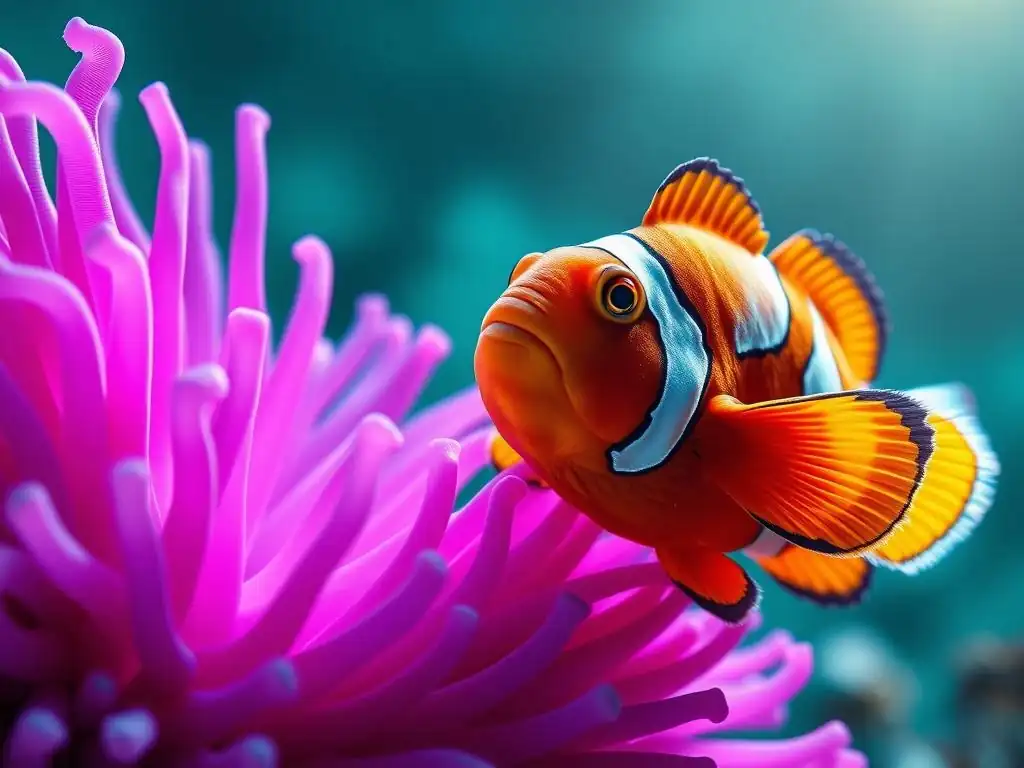
Choosing the right anemone species is paramount for long-term success in managing clownfish anemone aggression. For common clownfish like Amphiprion ocellaris or percula, the Bubble Tip Anemone ( Entacmaea quadricolor) is frequently recommended due to its relative hardiness, widespread availability, and generally less aggressive nature compared to other host anemones. Its symbiotic compatibility is well-documented, making it a safer choice for mixed reef tanks.
It is advisable to research the specific needs and temperaments of any anemone before purchase. Avoid mixing highly aggressive anemone species, such as Carpet Anemones ( Stichodactyla haddoni or gigantea), with more docile species or sensitive corals in tanks under 150 gallons, as this almost guarantees conflict. Prioritizing species compatibility significantly reduces the potential for future aggressive encounters.
Proper Tank Size and Aquascaping for Multiple Anemones
Adequate tank size is non-negotiable when attempting to keep multiple anemones or a single large host anemone alongside other corals. For two medium-sized Bubble Tip Anemones, a tank of at least 100-120 gallons is recommended to provide sufficient individual territory and minimize contact. This allows each anemone ample space to expand without encroaching on another's perceived boundaries.
Strategic aquascaping can further aid in clownfish anemone aggression management. Use live rock to create natural barriers and distinct zones within the aquarium, breaking up lines of sight between competing anemones. This can help to define territories and provide visual separation, reducing the likelihood of accidental stings or territorial disputes. Ensure there are plenty of stable attachment points for each anemone to settle securely.
Maintaining Optimal Water Parameters to Reduce Stress
Consistent and optimal water parameters are fundamental to reducing stress in anemones, which in turn minimizes their aggressive tendencies. Regular testing for ammonia, nitrite, nitrate, phosphate, pH, salinity, temperature, alkalinity, calcium, and magnesium is essential. Aim for zero ammonia and nitrite, nitrates below 20 ppm, and phosphates below 0.03 ppm. Salinity should be stable at 1.024-1.026.
Implement a rigorous maintenance schedule that includes weekly or bi-weekly water changes of 10-20% of the tank volume. This dilutes accumulated toxins and replenishes essential trace elements, contributing to a stable environment. A healthy, unstressed anemone is less likely to react defensively or aggressively, making water stability a critical component of successful clownfish anemone aggression management.
Gradual Introduction of New Anemones: Acclimation Techniques
When introducing a new anemone, a gradual acclimation process is vital to minimize stress and reduce the likelihood of triggering aggression from existing inhabitants. Drip acclimation for at least 1-2 hours helps the anemone slowly adjust to the main tank's water parameters, reducing the shock of a sudden environmental change.
Consider placing the new anemone in a temporary, clear acrylic container or a small, mesh "anemone basket" within the main tank for a few days. This allows the established tank inhabitants, including other anemones, to acclimate to its presence visually and chemically without immediate physical contact. This "soft introduction" can significantly reduce territorial disputes and improve the chances of peaceful integration, aiding in clownfish anemone aggression management.
Addressing Existing Anemone Aggression Issues
Isolation and Quarantine: Separating Aggressive Anemones
If an anemone is displaying persistent and severe aggression, temporarily isolating it can provide immediate relief to affected tank mates and allow the aggressor to de-stress. Moving the aggressive anemone to a dedicated quarantine tank for a period of 2-4 weeks allows for observation of its behavior in isolation and can help identify underlying stressors.
Alternatively, if a quarantine tank isn't feasible, a clear acrylic divider can be used within the main display tank to physically separate the aggressive anemone from its targets. While not a long-term solution, this allows a temporary truce, preventing further damage while you assess and implement other strategies for clownfish anemone aggression management.
Strategic Anemone Placement: Minimizing Territory Overlap
Once an anemone settles, it can be challenging to move without causing stress. However, if an anemone has settled in an undesirable, aggressive location, gentle encouragement can sometimes prompt relocation. Try directing very low flow or slightly reduced light to the anemone's current spot, while increasing flow and light in a more desirable, isolated area. Avoid physically forcing the anemone, as this can cause severe damage.
The goal is to provide ample space, ideally 12-18 inches of separation between medium to large host anemones, to prevent their tentacles from touching. Positioning them on separate rock structures or at opposite ends of the tank can effectively minimize territory overlap and reduce the potential for direct stinging encounters, a key aspect of effective clownfish anemone aggression management.
Target Feeding: Reducing Competition for Resources
Anemones are photosynthetic but also benefit significantly from supplemental target feeding. Providing small pieces of high-quality marine-grade foods, such as mysis shrimp, chopped silversides, or krill, 2-3 times a week can ensure they are well-nourished. A well-fed anemone is generally healthier, less stressed, and less likely to exhibit aggressive behavior due to perceived competition for ambient nutrients.
Ensure that the food is directly offered to the anemone's mouth, allowing it to grasp and consume the offering. This direct nutritional input can reduce the anemone's need to aggressively compete for particulate matter in the water column, contributing to a more peaceful environment and aiding in clownfish anemone aggression management.
Using Physical Barriers: Creating Anemone-Safe Zones
For particularly persistent or problematic aggression, temporary physical barriers can be employed to prevent an aggressive anemone from migrating into another's territory or stinging sensitive corals. Clear acrylic sheets, egg crate, or even strategically placed large rocks can create a physical blockade around the anemone or the vulnerable inhabitants.
While not aesthetically ideal, these barriers can be highly effective in preventing immediate damage and providing a buffer zone. They should be considered a temporary solution while you work on long-term strategies, such as improving water parameters, adjusting flow, or considering relocation, to address the root cause of the clownfish anemone aggression.
Monitoring and Preventing Future Anemone Aggression
Regular Observation of Anemone Behavior
Consistent daily observation of your anemones and other tank inhabitants is the most crucial preventative measure for managing clownfish anemone aggression. Look for subtle changes in behavior: unusual tentacle retraction, excessive "walking" across the rockwork, bleaching, or any signs of stress on nearby corals (e.g., polyps closed, tissue recession).
Early detection of these subtle cues allows for proactive intervention before minor issues escalate into severe aggression or damage. Maintain a mental log or even a physical journal of your observations to track patterns and identify potential triggers for aggressive behavior.
Adjusting Tank Parameters as Needed
Maintaining stable water parameters is an ongoing process, not a one-time task. Perform weekly water tests for key parameters like alkalinity, calcium, magnesium, and nitrates. Small, gradual adjustments are always preferred over drastic changes, as sudden shifts can induce significant stress in anemones and trigger aggression.
For example, if nitrates begin to climb above 20 ppm, implement a series of larger water changes (e.g., 25-30%) over a few days rather than one massive change. Consistent monitoring and responsive, measured adjustments ensure a stable environment that minimizes physiological stress and reduces the likelihood of clownfish anemone aggression.
Avoiding Overcrowding and Stressful Tank Conditions
Preventing overcrowding is vital for long-term peace in a reef tank. Resist the temptation to add too many fish, corals, or multiple large anemones to a limited tank volume. A general guideline is to allow ample space for each inhabitant to thrive without direct competition for territory. For instance, for every inch of fish, consider at least 5 gallons of water, though this varies greatly by species.
Ensure adequate water flow (typically 10-20 times the tank volume per hour for anemones) and appropriate lighting (PAR levels of 150-250 are often suitable for host anemones) to meet the needs of all inhabitants. A well-designed, uncrowded tank with optimal environmental conditions inherently reduces stress and, consequently, the incidence of clownfish anemone aggression.
Implementing a Quarantine Protocol for New Additions
A robust quarantine protocol for all new tank additions, especially new anemones, is an indispensable preventative measure. Quarantining new anemones for at least 2-4 weeks in a separate tank allows you to observe their health, ensure they are free of pests or diseases, and assess their temperament without immediately introducing them to established territorial residents.
This period also allows the new anemone to acclimate to captivity in a stress-free environment, reducing the likelihood of it exhibiting defensive or aggressive behaviors upon introduction to the main display. A quarantine tank is a small investment that can prevent significant headaches and damage in your primary reef system, making it a cornerstone of effective clownfish anemone aggression management.
Choosing the Right Anemone for your Clownfish
Bubble Tip Anemone (Entacmaea quadricolor) Considerations
The Bubble Tip Anemone (BTA) is arguably the most popular and commonly hosted anemone for many clownfish species, including the Ocellaris ( Amphiprion ocellaris) and Percula ( Amphiprion percula) clownfish. BTAs are relatively hardy and adaptable, tolerating a range of lighting and flow conditions, though they prefer moderate to strong light (PAR 150-250) and moderate, turbulent flow.
While generally less aggressive than some other host anemones, BTAs can still grow quite large (up to 12 inches in diameter) and may move around the tank until they find a preferred spot. Their movement can be unpredictable, potentially stinging corals or other sessile invertebrates in their path. Proper placement and ample space are still crucial for managing clownfish anemone aggression with this species.
Magnificent Anemone (Heteractis magnifica) Considerations
The Magnificent Anemone, also known as Ritteri Anemone, is a truly stunning and large species, capable of reaching over 20 inches in diameter. They host a wide variety of clownfish species and are often sought after for their impressive size and vibrant colors. However, they are considerably more demanding to care for than BTAs, requiring very high light (PAR 300+) and strong, turbulent water flow.
Magnificent Anemones are also known for their potent sting and can be highly aggressive towards other corals and anemones. Their large size and territorial nature make them suitable only for very large, mature aquariums (100+ gallons) with experienced aquarists. Their demanding care and significant potential for aggression necessitate careful consideration in any clownfish anemone aggression management plan.
Sebae Anemone (Heteractis crispa) Considerations
The Sebae Anemone is another beautiful and popular host anemone, typically growing up to 12 inches in diameter. They are often recognized by their pale white or light brown coloration and can host several clownfish species. Sebae Anemones are moderately difficult to keep, requiring good lighting, stable water parameters, and excellent water quality to thrive.
This species can be prone to bleaching if stressed by poor water conditions or inadequate lighting. Like Magnificent Anemones, Sebae Anemones can be quite aggressive and possess a strong sting. Careful consideration of tank size, compatibility with other tank inhabitants, and diligent maintenance are essential for successfully keeping a Sebae Anemone and effectively managing clownfish anemone aggression.
Clownfish Health and Anemone Aggression: A Delicate Balance
Stress and Disease in Clownfish: Effects of Anemone Attacks
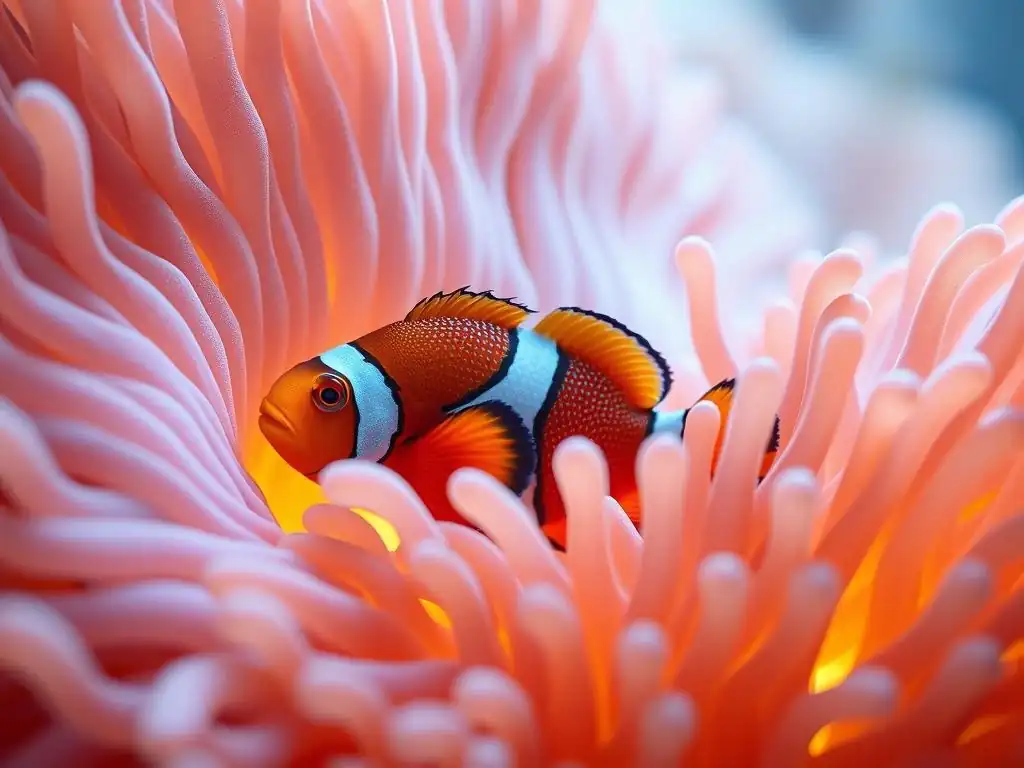
While clownfish are immune to their host anemone's sting, persistent or overly aggressive behavior from the anemone can still induce significant stress in the clownfish. If the anemone is constantly retracting, moving, or appears agitated, the clownfish may feel insecure or harassed. This chronic stress can weaken the clownfish's immune system, making it more susceptible to common marine diseases such as Marine Ich ( Cryptocaryon irritans) or Brooklynella ( Brooklynella hostilis).
A stressed clownfish might exhibit behavioral changes, such as refusing to host, hiding frequently, or showing signs of lethargy or erratic swimming. Prolonged exposure to a stressed or aggressive host can significantly impact the clownfish's overall health and lifespan, underscoring the importance of proactive clownfish anemone aggression management.
Recognizing and Treating Clownfish Injuries from Anemone Stings
Despite their immunity, clownfish can occasionally sustain injuries from their host anemone, especially if the anemone is severely stressed or if the clownfish is particularly small or weak. Look for physical signs of injury on the clownfish, such as frayed fins, skin lesions, or discolored patches that may indicate a strong sting. These open wounds can become entry points for secondary bacterial or fungal infections.
If injuries are observed, ensuring pristine water quality is the first step to promote healing. In severe cases, temporarily moving the clownfish to a hospital tank for observation and treatment with appropriate broad-spectrum antibiotics or antifungal medications may be necessary. Prompt action can prevent minor injuries from escalating into life-threatening conditions, a critical part of clownfish anemone aggression management.
Promoting Clownfish Health to Enhance Resilience
A healthy, well-nourished clownfish with a robust immune system is inherently more resilient to minor stressors or occasional strong stings from its host anemone. Provide a varied and high-quality diet that includes marine-grade pellets, flakes, and frozen foods such as spirulina-enriched brine shrimp, mysis shrimp, and chopped seafood. Regular feeding ensures they receive all necessary nutrients.
Maintaining consistently stable and optimal water parameters, as detailed previously, is equally important for promoting overall clownfish health. A strong immune system and good physical condition allow the clownfish to better cope with environmental challenges and recover more quickly from any adverse interactions with an aggressive host, thereby enhancing the effectiveness of clownfish anemone aggression management.
Advanced Techniques for Managing Anemone Aggression
Chemical Warfare in Anemones: Allelopathy
Anemones, particularly larger and more aggressive species, engage in a sophisticated form of chemical warfare known as allelopathy. This involves the release of biochemical compounds, such as terpenes and phenols, into the water column to inhibit the growth or even cause tissue necrosis in nearby corals or other anemones. This strategy allows them to assert dominance and secure their territory without direct physical contact.
Identifying allelopathic aggression can be challenging, as the effects are often subtle, manifesting as slow coral recession, bleaching, or a general decline in the health of sensitive invertebrates located downstream of the aggressive anemone. Understanding this complex chemical interaction is crucial for proactive clownfish anemone aggression management in mixed reef environments.
Reducing Allelopathic Effects: Activated Carbon and Water Changes
To combat the effects of allelopathy, the regular use of high-quality activated carbon is highly effective. Activated carbon effectively adsorbs many of the harmful organic compounds and toxins released by aggressive anemones. It should be placed in a media reactor or a high-flow area of the sump and replaced every 2-4 weeks to maintain its adsorptive capacity.
Consistent and frequent water changes (e.g., 20% weekly) also play a vital role in diluting the concentration of allelopathic chemicals in the water column. By removing these dissolved organic compounds, water changes significantly reduce their impact on sensitive tank inhabitants, thereby mitigating the effects of chemical warfare and improving overall clownfish anemone aggression management.
Understanding Anemone Movement and Placement
Anemones, especially motile species like the Bubble Tip Anemone, have an innate ability to move around the tank if they are unhappy with their current location. This movement can be triggered by insufficient light, inadequate flow, poor water quality, or perceived threats. While this behavior is natural, an anemone on the move can sting and damage any corals or sessile invertebrates in its path.
Aquarists can sometimes influence an anemone's movement by adjusting flow or light in specific areas, but forced movement is generally not recommended as it can severely stress the anemone. Understanding why an anemone moves and anticipating its potential path can help in strategic aquascaping and placement of other sensitive corals, thereby preventing unwanted encounters and aiding in clownfish anemone aggression management.
Conclusion: Promoting a Peaceful Clownfish-Anemone Ecosystem
Key Takeaways for Successful Anemone Aggression Management
Successfully managing anemone aggression in a symbiotic clownfish setup hinges on a multi-faceted approach. Key takeaways include meticulous species selection, ensuring adequate tank size and strategic aquascaping to provide ample territory, and maintaining pristine and stable water parameters. Vigilant observation of anemone and clownfish behavior is paramount for early detection of stress or aggression. Proactive measures, such as gradual introductions and proper feeding, are far more effective than reactive interventions.
Ultimately, effective clownfish anemone aggression management is an ongoing commitment to understanding the complex needs and behaviors of these fascinating creatures. Patience, consistent effort, and a willingness to adapt strategies based on observations are essential for fostering a harmonious reef environment.
Creating a Thriving Reef Environment for Clownfish and Anemones
Creating a thriving reef environment where clownfish and their host anemones can flourish peacefully is the ultimate goal for any aquarist. A balanced and stable ecosystem, free from undue stress and territorial conflicts, allows both species to exhibit their natural behaviors and reach their full potential. This involves not just preventing aggression but actively promoting the health and well-being of all inhabitants through optimal care.
By applying the principles of careful planning, diligent maintenance, and attentive observation, aquarists can cultivate a beautiful and engaging underwater world. A peaceful clownfish-anemone symbiosis is not only a testament to successful clownfish anemone aggression management but also a deeply rewarding experience for the dedicated hobbyist.
Frequently Asked Questions
How can I tell if my anemone is being aggressive towards my clownfish?
Aggression can manifest as the anemone actively rejecting the clownfish, stinging them repeatedly, or withdrawing its tentacles when the clownfish approaches. Healthy anemones usually readily accept clownfish.
What are the primary causes of anemone aggression towards clownfish?
Common causes include incompatible anemone species, insufficient lighting or water flow causing stress to the anemone, or a clownfish that is too large or aggressive for the anemone.
How important is anemone size when selecting one for clownfish?
Size matters greatly. The anemone should be large enough to comfortably host the clownfish without being overwhelmed, but not so large that it becomes a threat or competitor for resources in the tank.
What should I do if my clownfish is persistently rejected by its host anemone?
Firstly, confirm that your water parameters are optimal. Secondly, consider isolating the clownfish for a short period and reintroducing it, or re-evaluating the anemone species.
Can I introduce multiple clownfish to the same anemone to reduce aggression issues?
Introducing multiple clownfish can help establish a hierarchy and reduce aggression between them, but it also increases the bioload and potential for over-crowding. Ensure your tank is large enough.
The intricacies of anemone and clownfish relationships, as explored in this article, are not merely academic observations; they are a microcosm of the delicate balance required for any thriving community. Understanding and managing aggression within a symbiotic setup mirrors the challenges we face in fostering cooperation and minimizing conflict in our own complex societies, highlighting the importance of proactive intervention and thoughtful design.
This journey into the underwater world underscores the profound impact of environmental factors on behavior. Witnessing the subtle shifts in aggression based on tank size, anemone placement, and clownfish hierarchy reminds us that our own environments profoundly shape our interactions. The measure of intelligence is the ability to change.
- Albert Einstein. This quote resonates deeply, urging us to adapt our strategies and perspectives when faced with conflict, both in our aquariums and in our lives.
Now, armed with a deeper understanding of clownfish anemone aggression management, consider the environments you cultivate, both physical and social. Are you creating spaces that encourage harmony and minimize conflict? Let this exploration of the reef inspire you to proactively design environments that foster cooperation, understanding, and ultimately, a more peaceful coexistence, both for your aquatic companions and for the communities you inhabit.
Ignite Harmony: Cultivate a Thriving Anemone & Clownfish Sanctuary!
Thank you for diving deep into the world of anemone aggression and symbiotic relationships. We hope this article has illuminated effective strategies for maintaining peace in your aquarium. Now, let's translate that knowledge into action!
Here are a few steps you can take to ensure a harmonious environment for your anemones and clownfish:
- Implement the suggested spacing strategy discussed and observe carefully. It's crucial for long-term peace!
- Surprise your anemones with a new, carefully selected rockscape feature to provide more individual territory and visual barriers.
- Share your experiences! Head over to our community forum and discuss your own anemone aggression challenges and solutions.
What proactive step will you take this week to foster a more peaceful coexistence in your anemone and clownfish aquarium?