
The Crab Molt: A Vulnerable Time – How to Ensure Survival and Health

Welcome to Aquarium Mastery!
Ever wondered about the delicate dance of life and growth within your saltwater aquarium? The crab molt is a critical, yet vulnerable, moment. Discover everything you need to know about crab molt survival in your saltwater tank, from understanding the process to ensuring a safe and healthy transition for your crustacean companions. Dive in and unlock the secrets to keeping your invertebrate friends thriving!
- Hermit Crab Molting in Saltwater Aquariums: Ensuring Survival and Health
- Understanding the Hermit Crab Molting Process
- Dangers During Molting
- Essential Care Tips for Successful Molting
- Recognizing and Addressing Molting Problems
- Post-Molt Care and Recovery
- Choosing Hermit Crab Species and Molting Considerations
- Preventing Common Molting Mistakes
- Observing Hermit Crab Behavior for Molting Signs
- Conclusion: Promoting Successful Molting and Hermit Crab Longevity
-
Frequently Asked Questions
- What is molting in saltwater crabs, and why is it important to understand?
- What are the key water parameters that need to be monitored to support successful crab molting in a saltwater aquarium?
- How does the availability of hiding places in a saltwater tank contribute to a crab's molt survival?
- What specific foods or supplements should I provide to my saltwater crab to support healthy molting?
- How long does it typically take for a saltwater crab's new exoskeleton to harden after molting, and what precautions should I take during this period?
- Final Reflection: Embracing Vulnerability, Fostering Resilience
- Nurture Growth: Secure Your Crab's Next Transformation!
Hermit Crab Molting in Saltwater Aquariums: Ensuring Survival and Health
Understanding the Hermit Crab Molting Process
Why Hermit Crabs Molt: Growth and Exoskeleton Replacement
Hermit crabs, like all crustaceans, possess a rigid external skeleton known as an exoskeleton. This chitinous armor provides protection against predators and supports their soft bodies. However, unlike internal skeletons, an exoskeleton cannot grow and expand with the crab. Therefore, to increase in size, hermit crabs must periodically shed their old exoskeleton in a process called molting, or ecdysis. This crucial biological event allows for rapid growth of the crab's internal organs and tissues, making way for a new, larger exoskeleton to form underneath.
This shedding process is analogous to a snake shedding its skin, but it's far more complex and energy-intensive for a hermit crab. The old exoskeleton is discarded, revealing a new, soft, and pliable one beneath. This new "skin" then absorbs water, allowing the crab to expand in size before the new exoskeleton hardens. This period of softness makes the crab incredibly vulnerable, emphasizing the critical need for optimal conditions to ensure crab molt survival saltwater tank environments.
The Stages of Molting: Burrowing, Shedding, and Shell Reoccupation
The molting process for a hermit crab typically unfolds in distinct stages, each vital for successful crab molt survival saltwater tank. Initially, a crab preparing to molt will often become lethargic, decrease its feeding, and seek out a safe, secluded spot. For most saltwater hermit crabs, this means burrowing deep into the substrate, often several inches below the surface, where humidity is higher and they are protected from tank mates. This burrowing phase can last from a few days to several weeks, depending on the crab's size and species.
Once safely ensconced, the crab begins the actual shedding process (ecdysis). It will typically lie on its side or back and slowly wriggle out of its old exoskeleton, which splits along specific lines. The discarded exoskeleton, often referred to as the "ghost crab," looks remarkably like a complete crab but is hollow.
After shedding, the new exoskeleton is extremely soft and vulnerable. The crab will then spend days to weeks hardening its new shell, often consuming its old exoskeleton to reabsorb vital calcium and other minerals. Finally, once sufficiently hardened, the crab will emerge, often seeking a larger, more suitable shell for its increased size.
Molting Frequency: Factors Influencing Molting Intervals
The frequency of molting in hermit crabs is highly variable and influenced by several key factors, directly impacting their long-term crab molt survival saltwater tank. Younger, smaller hermit crabs grow much faster and, consequently, molt more frequently, sometimes every few weeks to a couple of months.
As they mature and increase in size, their growth rate slows down, leading to less frequent molts, perhaps once or twice a year for larger specimens. For instance, a small Dwarf Blue Leg Hermit Crab (Clibanarius tricolor) might molt every 2-3 months in optimal conditions, while a larger Halloween Hermit Crab (Ciliopagurus strigatus) might only molt annually.
Beyond age and size, nutritional intake plays a significant role. A diet rich in calcium and other essential minerals supports healthy exoskeleton development, allowing for more regular and successful molts. Conversely, poor nutrition can lead to stunted growth or failed molts. Environmental stability is also crucial; consistent water parameters (temperature, salinity, pH) and low stress levels contribute to a predictable and healthy molting cycle. Any significant fluctuations or chronic stress can disrupt the molting hormones, potentially leading to premature or incomplete molts, which severely jeopardize crab molt survival saltwater tank.
Dangers During Molting
Predation and Cannibalism: Protecting Vulnerable Hermit Crabs
During the molting process, a hermit crab sheds its primary defense mechanism: its hard exoskeleton. This leaves it incredibly soft and exposed, making it an easy target for predators and even tank mates. In a saltwater aquarium, common threats include larger, more aggressive fish species, predatory shrimp like mantis shrimp (if present), and even other, larger hermit crabs. Cannibalism among hermit crabs is a significant risk, especially if there is a scarcity of food or suitable shells, or if one crab is significantly larger and more dominant than a molting individual.
To maximize crab molt survival saltwater tank, it's crucial to provide ample hiding spots within the aquarium. Live rock formations with crevices, PVC pipes, or even designated "molting zones" can offer the necessary seclusion. Some aquarists opt to temporarily move a molting crab to a separate, dedicated "molt tank" if they observe premolt signs and have aggressive tank mates. This isolation ensures the crab can complete its vulnerable process without the constant threat of predation, significantly increasing its chances of survival.
Water Quality Fluctuations: Ammonia and Nitrite Spikes
Water quality is paramount for the health of all aquarium inhabitants, but it becomes even more critical during the delicate molting phase. Hermit crabs are highly sensitive to poor water parameters, and fluctuations can severely impact their ability to molt successfully, jeopardizing crab molt survival saltwater tank. Elevated levels of ammonia and nitrite are particularly toxic. Ammonia (NH3/NH4+) and nitrite (NO2-) should always be undetectable (0 ppm) in a mature saltwater aquarium, while nitrates (NO3-) should be kept below 20 ppm.
A molting crab, especially if it struggles or dies during the process, can release a sudden organic load into the water, potentially causing an ammonia spike. Even minor shifts in salinity or pH can stress a molting crab, as its body is undergoing immense physiological change. Consistent monitoring with reliable test kits and regular, small water changes (e.g., 10-15% weekly) are essential. Stable water parameters reduce stress on the crab's system, allowing it to focus its energy on the complex task of shedding and hardening its new exoskeleton, which is fundamental for successful crab molt survival saltwater tank.
Stress-Induced Molting Failure: Handling and Environmental Concerns
Stress is a silent killer in aquariums, and for molting hermit crabs, it can be the direct cause of molting failure, drastically reducing crab molt survival saltwater tank. Frequent handling, unstable environmental conditions, lack of suitable hiding spots, or an insufficient supply of appropriately sized shells can all induce chronic stress.
When a crab is stressed, its physiological processes, including hormone regulation for molting, can be severely disrupted. This can lead to a premature molt, where the crab attempts to shed before its new exoskeleton is fully formed, or a failed molt, where the crab gets stuck in its old shell and cannot fully emerge.
A common scenario involves a crab outgrowing its shell but being unable to molt due to stress, leading to a prolonged period of discomfort and vulnerability. To mitigate stress, ensure a peaceful tank environment with compatible tank mates. Provide a variety of empty shells, at least 2-3 per crab, that are slightly larger than their current one and of different shapes to accommodate preferences.
Avoid disturbing a crab that has burrowed or is showing signs of molting. A calm, stable environment is crucial for reducing stress and promoting a natural, successful molting cycle, which is key to long-term crab molt survival saltwater tank.
Essential Care Tips for Successful Molting
Providing a Safe Molting Substrate: Depth and Composition
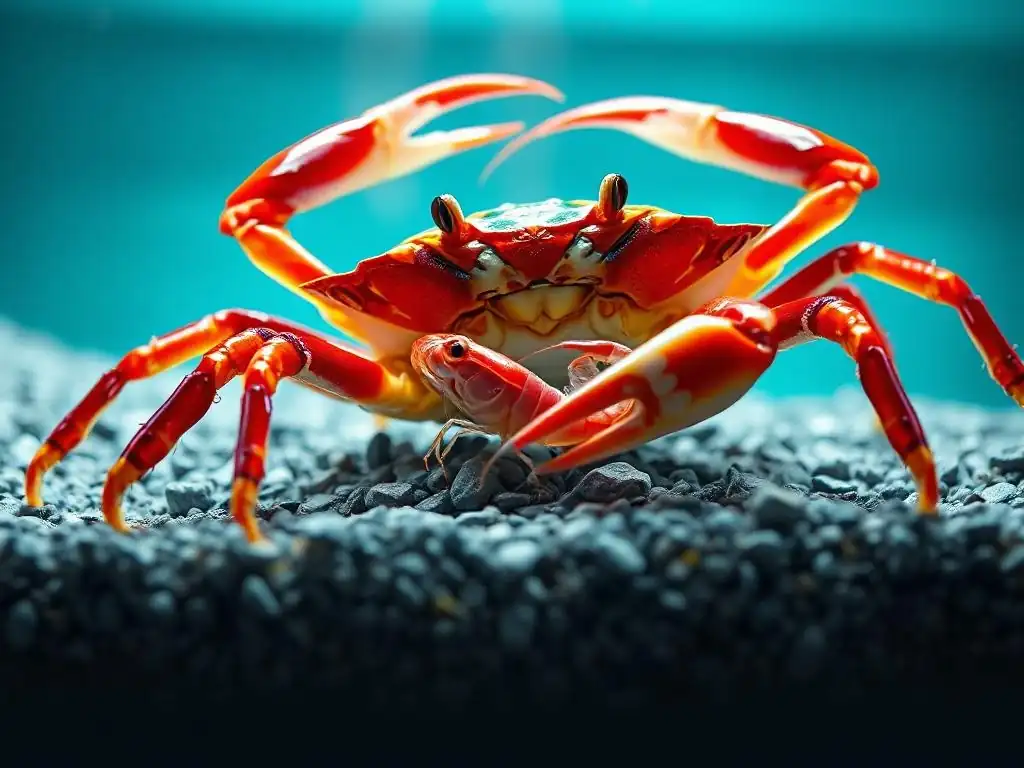
A critical element for successful crab molt survival saltwater tank is the provision of an adequate and appropriate molting substrate. Hermit crabs, especially larger species, require a deep substrate layer to burrow into for protection and stability during their vulnerable molting period. A general recommendation for substrate depth is at least 6-8 inches (approximately 15-20 cm) for medium-sized crabs, with larger species potentially needing 10-12 inches (25-30 cm) or more. This depth allows the crab to create a secure, humid chamber where it can safely shed and harden its new exoskeleton without disturbance.
The composition of the substrate is equally important. For saltwater hermit crabs, fine-grained aragonite sand is an excellent choice as it closely mimics their natural habitat and helps maintain stable pH and alkalinity. Some aquarists also mix in small amounts of crushed coral or aragonite-based gravel to provide additional buffering capacity and calcium. The substrate should be packed firmly enough to allow the crab to dig and maintain a tunnel without collapsing. A loose, shallow, or unsuitable substrate can deter a crab from burrowing, leaving it exposed and significantly jeopardizing its crab molt survival saltwater tank.
Maintaining Optimal Water Parameters: Salinity, pH, and Temperature
Consistent and optimal water parameters are non-negotiable for the health and successful molting of hermit crabs, directly influencing crab molt survival saltwater tank. Salinity should be maintained within a stable range of 1.023 to 1.026 specific gravity, mirroring natural ocean conditions. Fluctuations in salinity can cause osmotic stress, making the molting process more difficult and energy-intensive. Regular checks with a reliable refractometer are essential.
Similarly, pH levels should be stable between 8.1 and 8.4. Sudden drops or swings in pH can be detrimental, impacting the crab's ability to absorb essential minerals for its new exoskeleton. Temperature should be kept consistent, typically between 72-78°F (22-26°C), as extreme temperatures or rapid changes can induce stress and inhibit proper molting.
Stable parameters minimize the physiological burden on the crab, allowing it to dedicate its energy to shedding and calcifying its new shell. Employing a robust filtration system, performing regular water changes (e.g., 10-15% weekly), and using high-quality salt mix are foundational practices for ensuring the ideal conditions for crab molt survival saltwater tank.
Supplementing Diet with Calcium: Promoting Shell and Exoskeleton Strength
Calcium is a fundamental building block for a hermit crab's exoskeleton, and adequate dietary intake is paramount for successful molting and long-term crab molt survival saltwater tank. Without sufficient calcium, the new exoskeleton will be soft, weak, and unable to provide proper support and protection, making the crab highly susceptible to injury and infection. While some calcium is absorbed from the water, the majority must come from the crab's diet.
To ensure sufficient calcium intake, offer a varied diet that includes calcium-rich foods. Examples include cuttlebone (often sold for birds, but safe for crabs), spirulina flakes, marine algae sheets, and high-quality commercial foods specifically designed for invertebrates. Some aquarists also offer small pieces of calcium-fortified vegetables or freeze-dried krill.
Additionally, iodine plays a lesser-known but important role in chitin synthesis and hormone regulation for molting. While direct iodine supplementation should be approached with extreme caution due to toxicity risks, ensuring a diet rich in natural iodine sources like marine algae and high-quality seafood can be beneficial. A well-nourished crab with access to ample calcium has a significantly higher chance of a successful and robust crab molt survival saltwater tank.
Recognizing and Addressing Molting Problems
Signs of a Difficult Molt: Lethargy, Limb Loss, and Incomplete Shedding
Recognizing the signs of a difficult or failed molt is crucial for potentially intervening, though intervention is often discouraged. A hermit crab struggling with its molt may exhibit prolonged lethargy, remaining inactive for an unusually long period after the typical molting duration for its size. Another alarming sign is the loss of multiple limbs, not just the occasional autotomy (self-amputation) of a single stressed limb. While crabs can regenerate lost limbs over subsequent molts, excessive limb loss during a single molt indicates severe distress or a physiological issue.
Perhaps the most direct sign of a failed molt is incomplete shedding. This occurs when parts of the old exoskeleton remain attached to the crab's new, soft body. These remnants can constrict movement, interfere with breathing, or provide entry points for bacterial and fungal infections, severely compromising crab molt survival saltwater tank. If you observe any of these signs, the crab's chances of full recovery are significantly reduced, underscoring the importance of preventative care over reactive measures.
Assisting a Struggling Crab: When and How to Intervene (Generally Avoid)
The general consensus among experienced aquarists is to avoid intervening with a molting hermit crab. Handling a crab during this incredibly vulnerable period can cause extreme stress, leading to further complications, permanent injury, or even death. The crab's new exoskeleton is soft and easily damaged, and human interference can easily rupture it or cause internal harm. Therefore, direct physical assistance should almost never be attempted.
However, in extremely rare cases, if a crab is clearly stuck in its old shell and dangerously exposed, or if the old shell is obstructing its ability to move or breathe, a very gentle and minimal intervention might be considered as a last resort. This could involve carefully misting the crab with tank water to maintain humidity, or ensuring it is in a dark, undisturbed location.
Never attempt to pull off the old exoskeleton. The best "assistance" for crab molt survival saltwater tank comes from providing optimal conditions before the molt, ensuring a deep substrate, stable water parameters, and ample nutrition, allowing the crab to complete the natural process on its own terms.
The Role of Iodine: Benefits and Risks of Supplementation
Iodine plays a vital, though often underestimated, role in the molting process of crustaceans, including hermit crabs. It is a critical component in the production of ecdysone, the hormone responsible for initiating and regulating ecdysis (molting). Adequate iodine levels can therefore contribute to smoother, more successful molts and improved crab molt survival saltwater tank. Iodine also aids in the calcification and hardening of the new exoskeleton.
While the benefits are clear, direct iodine supplementation in a saltwater tank comes with significant risks. Overdosing iodine is highly toxic to invertebrates and fish, and the margin for error is very small. Symptoms of iodine overdose can include lethargy, loss of appetite, and eventually death.
Therefore, it is generally recommended to provide iodine through natural dietary sources, such as marine algae, spirulina, and high-quality invertebrate foods, rather than relying on liquid supplements. Regular water changes with a good quality salt mix also replenish trace elements, including iodine. If considering supplementation, always research thoroughly, use a reputable product, and dose extremely carefully, often at a fraction of the recommended dose, to ensure the safety of your hermit crabs and the overall health of your crab molt survival saltwater tank.
Post-Molt Care and Recovery
Leaving the Exoskeleton in the Tank: Calcium Recycling and Consumption
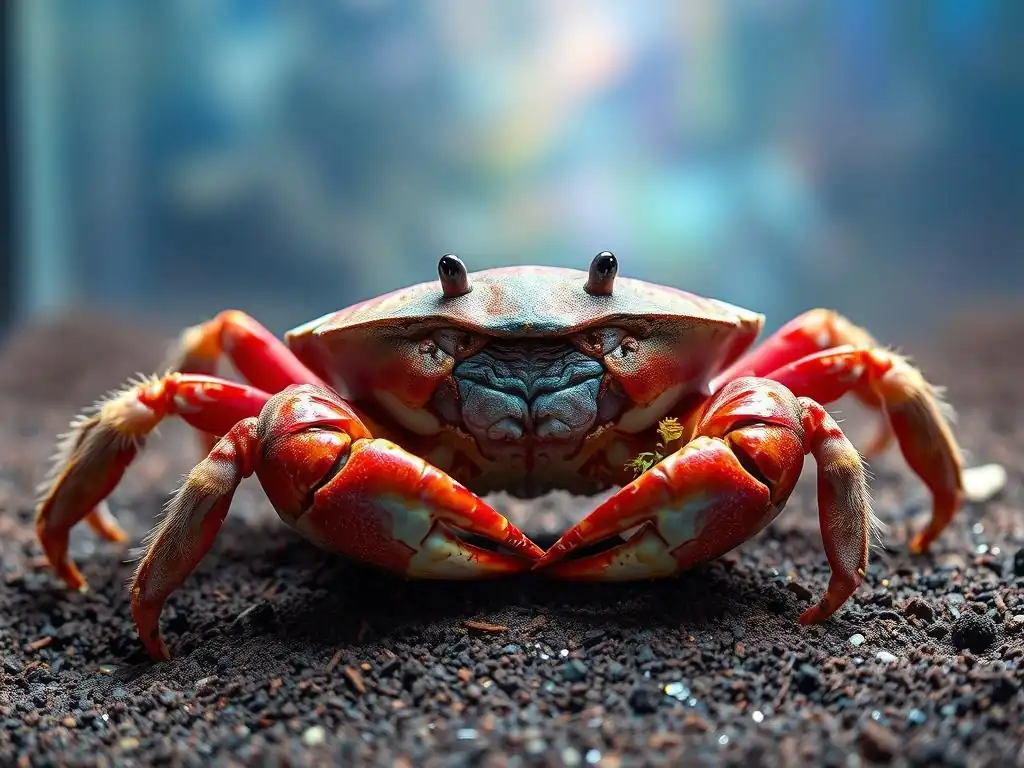
One of the most important post-molt care practices for ensuring long-term crab molt survival saltwater tank is to leave the discarded exoskeleton (exuvia) in the aquarium. Many aquarists, upon seeing what looks like a dead crab, instinctively remove it, but this is a mistake. The old exoskeleton is not waste; it is a valuable source of calcium, chitin, and other essential minerals that the crab needs to re-harden its new, soft shell.
The molted crab will often consume its old exoskeleton over the course of several days to a week. This natural recycling process provides a highly bioavailable form of the nutrients necessary for the new exoskeleton to calcify properly, ensuring its strength and integrity. Removing the exuvia deprives the crab of this crucial resource, potentially leading to a weaker shell and increased vulnerability.
Only remove the old exoskeleton if it begins to visibly decay or foul the water, which is rare in a healthy, well-maintained tank. Allowing the crab to consume its old shell is a key factor in promoting successful crab molt survival saltwater tank.
Gradual Reintroduction to the Active Tank: Minimizing Stress and Competition
If a molting hermit crab was moved to a separate "molt tank" for protection, its reintroduction to the main display tank must be handled with care to minimize stress and competition, thereby enhancing crab molt survival saltwater tank. Do not reintroduce the crab until it has fully emerged from its burrow, is active, and its new exoskeleton appears hardened. This typically takes several days to a few weeks, depending on the crab's size. A soft crab is still extremely vulnerable to aggression from tank mates.
Before reintroduction, ensure the main tank has a variety of empty shells available that are slightly larger than the crab's current size. The crab will have grown, and it will immediately seek a new, larger home. Placing the crab back into the main tank during lights-out or in a less active period can also help reduce immediate stress.
Observe the crab closely for the first few hours and days to ensure it is integrating well and not being harassed by other inhabitants. This gradual approach reduces the risk of post-molt stress and aggression, critical for ensuring successful crab molt survival saltwater tank.
Monitoring for Injuries and Infections: Observing Behavior and Appearance
Even after a successful molt, diligent post-molt monitoring is essential to ensure the crab's full recovery and long-term crab molt survival saltwater tank. Pay close attention to the crab's behavior and appearance in the days and weeks following its emergence. A healthy post-molt crab should quickly regain its normal activity levels, actively foraging for food and exploring its surroundings. Observe its feeding habits; a renewed appetite is a good sign of recovery.
Inspect the new exoskeleton for any signs of injury, such as nicks or tears, or unusual discoloration. Be vigilant for signs of bacterial or fungal infections, which can manifest as cloudy eyes, white or discolored patches on the shell, or unusual growths. While some minor limb regeneration might be visible, severe physical abnormalities could indicate a compromised molt.
If you notice any concerning changes, ensure water parameters are pristine and consider offering specific, nutrient-dense foods to support recovery. Early detection of post-molt complications can be crucial for addressing issues promptly and securing the hermit crab's successful crab molt survival saltwater tank.
Choosing Hermit Crab Species and Molting Considerations
Selecting Appropriate Hermit Crab Species: Size, Temperament, and Needs
The initial selection of hermit crab species is a foundational step in ensuring long-term crab molt survival saltwater tank. Different species have varying adult sizes, temperaments, and specific care requirements that directly impact their molting success. For instance, the popular Dwarf Blue Leg Hermit Crab (Clibanarius tricolor) remains relatively small (up to 1 inch) and is generally peaceful, making it suitable for smaller reef tanks. In contrast, species like the Halloween Hermit Crab (Ciliopagurus strigatus) can grow larger (up to 2-3 inches) and may exhibit more aggressive tendencies, requiring more space and careful tank mate selection.
Consider the maximum adult size of the species you choose and ensure your aquarium is large enough to accommodate their growth and provide ample space for multiple individuals without overcrowding. Research their typical temperament; mixing overly aggressive species with more docile ones can lead to constant stress and competition, jeopardizing a molting crab. Understanding these species-specific traits from the outset allows you to create an environment that minimizes stress and maximizes the likelihood of a healthy molting cycle, directly contributing to overall crab molt survival saltwater tank.
Species-Specific Molting Requirements: Substrate Depth and Shell Availability
Beyond general care, different hermit crab species often have unique molting requirements, particularly concerning substrate depth and preferred shell types. For example, while a small Dwarf Blue Leg Hermit Crab might be content with 4-6 inches of sand for burrowing, a larger Halloween Hermit Crab or a Hawaiian Electric Blue Hermit Crab (Calcinus elegans) will require significantly deeper substrate, perhaps 8-12 inches or more, to create a secure molting chamber. Providing insufficient substrate depth is a common mistake that severely compromises crab molt survival saltwater tank, as it leaves the crab exposed and stressed during its most vulnerable phase.
Shell availability is another critical species-specific consideration. Different hermit crab species show preferences for various shell opening shapes (round, D-shaped, oval) and weights. For instance, many Caribbean species prefer round-mouthed shells (e.g., from snail species like Turbo or Nassarius), while Indo-Pacific species might prefer more elongated or conical shells.
Always provide a diverse selection of empty shells, at least 2-3 shells per crab, in varying sizes slightly larger than their current one. This ensures that when a crab molts and grows, it can immediately find a suitable new home, reducing post-molt stress and significantly improving crab molt survival saltwater tank.
Matching Tank Conditions to Species: Optimizing for Molt Success
Optimizing tank conditions to specifically match the needs of your chosen hermit crab species is paramount for ensuring successful molting and excellent crab molt survival saltwater tank. While general parameters like salinity (1.023-1.026 SG) and pH (8.1-8.4) are universal, other factors like temperature and water flow can vary. Some species, originating from warmer, calmer tropical lagoons, might prefer temperatures at the higher end of the acceptable range (e.g., 78°F / 26°C) and lower water flow. Others, from more exposed reef environments, might tolerate or even prefer slightly cooler temperatures (e.g., 72°F / 22°C) and moderate flow.
Understanding the natural habitat of your specific hermit crab species allows you to fine-tune your aquarium setup. For instance, if you have a species known for deep burrowing, ensure your rockwork is stable and does not risk collapsing on a molting crab in deep sand.
Providing an environment that closely mimics their natural conditions reduces chronic stress, supports their metabolic processes, and strengthens their immune system. This holistic approach to species-specific care is vital, as a healthy and unstressed crab is far more likely to successfully navigate the complex and dangerous process of molting, thereby securing its long-term crab molt survival saltwater tank.
Preventing Common Molting Mistakes
Avoiding Overcrowding: Reducing Stress and Competition for Resources
One of the most prevalent mistakes in saltwater aquariums that severely impacts crab molt survival saltwater tank is overcrowding. Placing too many hermit crabs, or too many large, aggressive tank mates, in a confined space leads to chronic stress and intense competition for vital resources. This competition extends to food, hiding spots, and crucially, empty shells. When resources are scarce, hermit crabs become more aggressive, leading to skirmishes that can injure a crab or prevent it from accessing a safe molting site.
Overcrowding also increases the bioload on the filtration system, making it harder to maintain pristine water quality, which as discussed, is critical for molting. As a general guideline, aim for a minimum of 10-15 gallons per medium-sized hermit crab, adjusting upwards for larger species or if housing multiple crabs. Providing ample space ensures each crab has sufficient territory, reducing aggressive encounters and allowing them to find secluded areas when preparing to molt. A less stressful environment is directly correlated with a higher rate of successful molts and improved crab molt survival saltwater tank.
Maintaining Stable Water Parameters: Preventing Premature or Failed Molts
Fluctuating water parameters are a silent but deadly threat to molting hermit crabs, often leading to premature or failed molts. Sudden changes in salinity, pH, or temperature can induce severe physiological stress, disrupting the complex hormonal balance required for ecdysis. For instance, a rapid drop in salinity can cause osmotic shock, while a sudden increase in temperature can accelerate metabolism unnaturally, forcing a crab to molt before it is physiologically ready. This often results in a weak, malformed new exoskeleton that cannot support the crab.
To prevent these critical issues and ensure high crab molt survival saltwater tank, consistency is key. Implement a strict maintenance schedule that includes regular, small water changes (e.g., 10-20% weekly or bi-weekly) using carefully mixed saltwater that matches the tank's current parameters precisely. Invest in reliable test kits for salinity, pH, ammonia, nitrite, and nitrate, and test regularly.
Use a quality heater with a thermostat to maintain a steady temperature. Avoiding sudden environmental shifts is paramount, as stability allows the crab's body to naturally progress through the molting cycle without undue stress, significantly improving its chances of a successful and healthy molt.
Ensuring Adequate Nutrition: Supporting Healthy Growth and Exoskeleton Development
A common mistake that undermines crab molt survival saltwater tank is providing an inadequate or unvaried diet. Hermit crabs are omnivores and scavengers, requiring a diverse range of nutrients, particularly calcium and protein, to support healthy growth and the development of a strong new exoskeleton. Relying solely on a single type of commercial pellet or offering infrequent meals can lead to nutritional deficiencies that directly impact molting success. A crab lacking essential minerals will struggle to form a robust new shell, making it prone to soft-shell syndrome or incomplete molts.
To avoid this, offer a varied diet that includes high-quality marine-based foods. Supplement commercial invertebrate pellets with fresh or frozen options such as spirulina flakes, marine algae sheets, small pieces of mysis shrimp, brine shrimp, or even finely chopped fish or clam. Ensure calcium-rich options like cuttlebone or calcium-fortified foods are consistently available. By providing a broad spectrum of nutrients, you ensure your hermit crabs have all the necessary building blocks for a healthy, successful molt and robust post-molt recovery, which is fundamental for long-term crab molt survival saltwater tank.
Observing Hermit Crab Behavior for Molting Signs
Recognizing Premolt Behaviors: Burrowing, Hiding, and Decreased Activity
Early recognition of premolt behaviors is crucial for providing a safe environment and maximizing crab molt survival saltwater tank. One of the most common and definitive signs is prolonged burrowing. A hermit crab preparing to molt will often dig deep into the substrate and remain hidden for an extended period, sometimes weeks, without emerging. This deep burrowing provides the necessary humidity and protection from predators during its vulnerable shedding phase.
Beyond burrowing, other subtle behavioral changes can indicate an impending molt. The crab may become noticeably less active, spending more time in secluded spots or hiding behind rockwork even if not fully buried. Its feeding activity might decrease significantly, or it may stop eating altogether.
Some aquarists report a slight change in the crab's coloration, appearing duller or somewhat faded, though this is less reliable. If you observe your hermit crab exhibiting these behaviors, it's a strong indicator that it's preparing to molt, and you should ensure optimal tank conditions and avoid any disturbances to promote successful crab molt survival saltwater tank.
Monitoring Molting Progress: Checking for Shedding and Shell Reoccupation
Once a hermit crab has burrowed for molting, monitoring its progress becomes a waiting game, and patience is paramount for successful crab molt survival saltwater tank. The most important thing to monitor for is the appearance of the discarded exoskeleton, or exuvia. This will look like a complete, translucent, empty crab shell, often with all the legs and antennae intact.
Do not confuse this with a dead crab; a dead crab's body will remain inside its shell, often emitting a foul odor, while an exuvia is hollow and odorless. The presence of the exuvia confirms that the shedding process has occurred.
After shedding, the crab will remain hidden for a period while its new, soft exoskeleton hardens. This can take days to several weeks, depending on the crab's size and species. During this time, continue to avoid disturbing the substrate or the crab. Once the new shell has sufficiently hardened, the crab will typically re-emerge from its burrow, often immediately seeking a new, larger shell to accommodate its increased size. Observing the crab reoccupy a new shell and resume normal activity confirms a successful molt and signifies a significant step towards long-term crab molt survival saltwater tank.
Post-Molt Monitoring: Observing Activity, Feeding, and Shell Fit
After a hermit crab has successfully molted and re-emerged, continued observation is vital for ensuring its complete recovery and long-term crab molt survival saltwater tank. A healthy post-molt crab should quickly resume its normal activity levels within a few days of re-emerging. Look for it actively foraging for food, exploring the tank, and interacting with its environment. A renewed appetite is a very positive sign, and you should ensure calcium-rich foods are readily available to aid in the hardening of its new exoskeleton.
Crucially, observe the crab's new shell fit. Since crabs grow during molting, they will need a larger shell. Ensure there are several empty, appropriately sized and shaped shells available in the tank. If the crab appears to be struggling to find a new shell, or if it remains in a shell that is now clearly too small, gently add more options to the tank.
Continue to monitor for any signs of injury or infection on the new exoskeleton. Persistent lethargy, lack of appetite, or unusual discoloration could indicate post-molt complications. Diligent post-molt monitoring ensures the crab fully recovers from this vulnerable period, solidifying its successful crab molt survival saltwater tank.
Conclusion: Promoting Successful Molting and Hermit Crab Longevity
The molting process is a fundamental, yet incredibly perilous, phase in the life cycle of a hermit crab. For aquarists aiming to ensure the longevity and well-being of these fascinating invertebrates, understanding and supporting this critical biological event is paramount. From providing a deep, safe substrate for burrowing to maintaining pristine and stable water parameters, every aspect of tank husbandry plays a direct role in enhancing crab molt survival saltwater tank.
By offering a nutrient-rich diet, ensuring an ample supply of appropriately sized shells, and meticulously preventing common stressors like overcrowding or aggressive tank mates, aquarists can significantly increase the chances of a successful molt. Recognizing the subtle premolt behaviors and practicing patience during the hidden shedding phase are equally vital. Ultimately, a proactive approach to care, focused on creating an optimal and stress-free environment, is the key to promoting robust health, successful molting, and long-term crab molt survival saltwater tank. With diligent attention to these details, hermit crabs can thrive, offering years of captivating observation in the home aquarium.
Frequently Asked Questions
What is molting in saltwater crabs, and why is it important to understand?
Molting is the process where a crab sheds its exoskeleton to grow. It's crucial to understand because crabs are extremely vulnerable during and after molting, requiring specific conditions for survival.
What are the key water parameters that need to be monitored to support successful crab molting in a saltwater aquarium?
Maintaining stable water parameters is vital. Specifically, monitor and maintain proper salinity, temperature, and calcium levels as these are crucial for exoskeleton development.
How does the availability of hiding places in a saltwater tank contribute to a crab's molt survival?
Adequate hiding places offer crucial protection from predators (including other tank mates) while the crab's new shell hardens. This reduces stress and the risk of injury.
What specific foods or supplements should I provide to my saltwater crab to support healthy molting?
Ensure a diet rich in calcium and iodine, either through specialized crab food or supplements. These nutrients are essential for building a strong, healthy new exoskeleton.
How long does it typically take for a saltwater crab's new exoskeleton to harden after molting, and what precautions should I take during this period?
It can take several days to weeks for the new shell to fully harden. Avoid handling the crab and ensure stable water conditions to minimize stress and support the hardening process.
Final Reflection: Embracing Vulnerability, Fostering Resilience
The journey of a crab through molting, as we've explored, is a powerful metaphor for life itself. Understanding the delicate balance required for successful crab molt survival in a saltwater tank directly mirrors our own need to create supportive environments during periods of vulnerability. Just as we meticulously manage water parameters and provide shelter for our crustaceans, we must also cultivate spaces of safety and nourishment for ourselves and others during times of transition and growth.
This exploration into the crab's molting process has profoundly underscored the interconnectedness of life and the importance of mindful stewardship. Witnessing the vulnerability of a newly molted crab reminds us of our own fragility and the critical role empathy plays in fostering resilience. Growth is painful. Change is painful. But nothing is as painful as staying stuck somewhere you don't belong.
This quote resonates deeply, highlighting the necessity of embracing change, even when it feels daunting, and the responsibility we have to support those undergoing transformation.
Now, consider the lessons learned from ensuring crab molt survival in a saltwater tank and apply them to your own life. What "water parameters" – your physical, emotional, and mental well-being – need adjusting to foster your own growth? What "shelter" – your support systems and coping mechanisms – can you strengthen to navigate periods of vulnerability? Let us all strive to create environments, both within ourselves and in the world around us, that nurture resilience and celebrate the transformative power of change.
Nurture Growth: Secure Your Crab's Next Transformation!
Thanks for diving deep into the fascinating world of crab molting! You've now unlocked the secrets to supporting your crustacean friend through this delicate process. Now, let's translate that knowledge into action!
Here are a few ways to help your crab thrive:
- Prioritize their privacy: Create a dark, quiet, and secure space within their habitat to minimize stress during molting, drastically improving their chances of a successful molt.
- Offer a varied and calcium-rich diet: Provide access to cuttlebones, crushed oyster shells, and nutrient-rich foods to support shell development and overall health.
- Share your newfound wisdom: Spread the word! Help other crab enthusiasts by sharing this article with your friends and fellow aquarists.
What specific steps will you take today to ensure your crab feels safe and secure during its next molt?