
Can You Keep Multiple Crayfish Together? Species and Setup Considerations

Welcome to Aquarium Mastery!
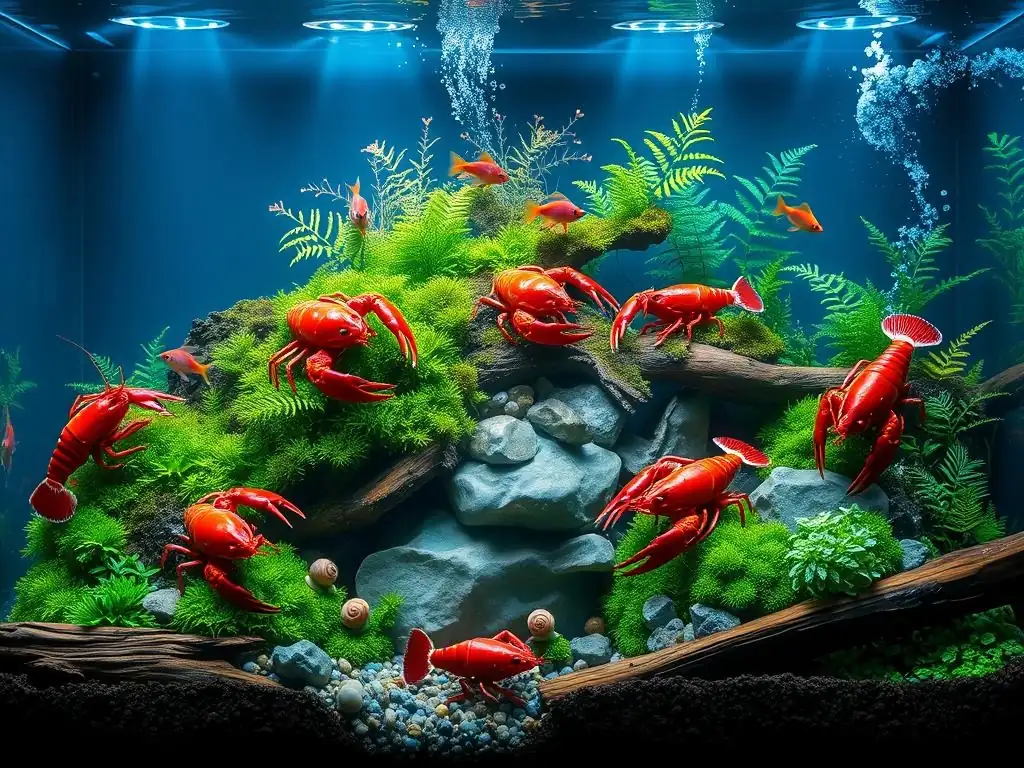
Ever wondered if you can create a thriving community of crayfish in your aquarium? Setting up a crayfish tank compatibility is more than just dropping them in; it's about understanding their unique needs and behaviors. Dive in to discover the secrets to successfully housing these fascinating invertebrates, avoiding territorial disputes, and creating a harmonious underwater world. Curious to know which species play nice (and which definitely don't)? Let's explore!
- Understanding Crayfish Tank Compatibility: A Guide to Successful Coexistence
- Assessing Crayfish Temperament and Species for Community Tanks
- Tank Setup Strategies for Multiple Crayfish
- Feeding Strategies for Community Crayfish Tanks
- Potential Problems and Solutions in Multi-Crayfish Aquariums
- Monitoring Crayfish Health in a Community Setting
- Choosing Tank Mates for Crayfish: Fish and Invertebrate Compatibility
- Case Studies: Successful and Unsuccessful Crayfish Community Tanks
- Conclusion: Achieving Harmony in a Multi-Crayfish Aquarium
-
Frequently Asked Questions
- Can you keep multiple crayfish together in a tank?
- What size tank is needed if I must keep multiple crayfish together?
- What are the key considerations for a crayfish tank setup to minimize aggression?
- Which crayfish species are least likely to fight when kept together?
- What are the potential consequences of keeping incompatible crayfish together?
- Final Reflection: Navigating the Crayfish Cohabitation Conundrum
- Unlock the Secrets to a Thriving Crayfish Community!
Understanding Crayfish Tank Compatibility: A Guide to Successful Coexistence
The prospect of keeping multiple crayfish together in a single aquarium is a common question among aquarists, often driven by the desire to observe their unique behaviors. While challenging, achieving a harmonious multi-crayfish environment is possible with meticulous planning and a deep understanding of their individual needs and temperaments. Success hinges on a carefully considered "crayfish tank compatibility setup," focusing on species selection, adequate space, and strategic environmental enrichment.
This guide will delve into the critical factors that influence crayfish compatibility, from identifying suitable species to implementing effective tank setup strategies. We will explore how to mitigate aggression, ensure proper nutrition, and maintain pristine water quality, all of which are paramount for the well-being of your crustaceans. By addressing these elements comprehensively, aquarists can significantly increase their chances of creating a thriving community of crayfish.
Assessing Crayfish Temperament and Species for Community Tanks
Identifying Aggressive Crayfish Species: Which to Avoid in Community Setups
Many crayfish species exhibit highly territorial and aggressive behaviors, making them unsuitable for cohabitation, especially in typical home aquarium sizes. Species such as the Red Swamp Crayfish ( Procambarus clarkii), Marbled Crayfish ( Procambarus fallax f. virginalis), and the larger varieties of Electric Blue Crayfish ( Procambarus alleni) are notorious for their strong claws and predatory instincts. A mature Red Swamp Crayfish, for instance, can easily reach 5-6 inches in length and will readily dominate a 20-gallon tank, often injuring or preying upon tank mates, including smaller or slower fish and other invertebrates.
These aggressive tendencies stem from their natural drive to establish and defend territory, secure food sources, and protect themselves, particularly during vulnerable molting periods. Attempting to house multiple individuals of these species in anything less than a very large, heavily decorated tank (e.g., 50 gallons or more for two large individuals) often results in severe aggression, leading to missing limbs, stress, and even fatalities. Therefore, for a successful "crayfish tank compatibility setup," it is generally advisable to keep these larger, more assertive species singly.
Peaceful Crayfish Options: Suitable Species for Cohabitation
While "peaceful" is a relative term in the world of crayfish, certain species are considerably less aggressive and can, under specific conditions, be housed in groups or with carefully selected tank mates. The Mexican Dwarf Crayfish ( Cambarellus patzcuarensis var. Orange, commonly known as CPO) is a prime example. These vibrant crustaceans typically grow to only 1.5-2 inches, significantly reducing their potential for causing harm compared to their larger cousins.
Other suitable options include other Cambarellus species like the Blue Dwarf Crayfish or Brazos Dwarf Crayfish. While they still possess claws and can be territorial, especially males during breeding or when food is scarce, their smaller size means any conflicts are usually less severe. In a well-structured "crayfish tank compatibility setup" with ample hiding spots, CPOs can often coexist in small groups, exhibiting fascinating natural behaviors without constant aggression, though occasional skirmishes for prime real estate are still common.
Dwarf crayfish, primarily belonging to the Cambarellus genus, stand out as the most viable option for multi-crayfish setups due to their diminutive size and generally milder temperament. Most dwarf crayfish species remain under 2 inches in length, with many reaching only 1-1.5 inches at maturity. This small stature significantly limits their capacity for aggression and damage, making them much safer for community aquariums than their larger relatives.
These miniature crustaceans can often be kept in small groups (e.g., 3-5 individuals) in tanks as small as 10-20 gallons, provided the "crayfish tank compatibility setup" includes an abundance of hiding places. While male-on-male aggression can still occur, particularly if females are present or territories are not clearly defined, it rarely results in fatalities if adequate escape routes and shelters are available. Their typical lifespan is around 1-2 years, during which they offer unique and engaging behaviors for the observant aquarist.
Tank Setup Strategies for Multiple Crayfish
Optimizing Tank Size for Multiple Crayfish: Space Requirements
The size of your aquarium is perhaps the most critical factor in a successful "crayfish tank compatibility setup" for multiple individuals. A larger tank provides more floor space, which directly translates to more potential territories and reduces the likelihood of constant clashes. For aggressive, larger crayfish species, a minimum of 20 gallons per individual is often recommended if cohabitation is even attempted, though solitary housing remains the safest option.
For dwarf crayfish, a 10-gallon tank can comfortably house 2-3 individuals, while a 20-gallon long tank, with its greater footprint, can support 5-7. The emphasis should be on the tank's footprint rather than its height, as crayfish are bottom-dwellers. A 40-gallon breeder tank, for example, offers significantly more usable floor space than a standard 40-gallon tall tank, providing ample room for multiple crayfish to establish distinct territories and minimize stress-induced aggression.
Creating Hiding Places: Minimizing Aggression Through Shelter
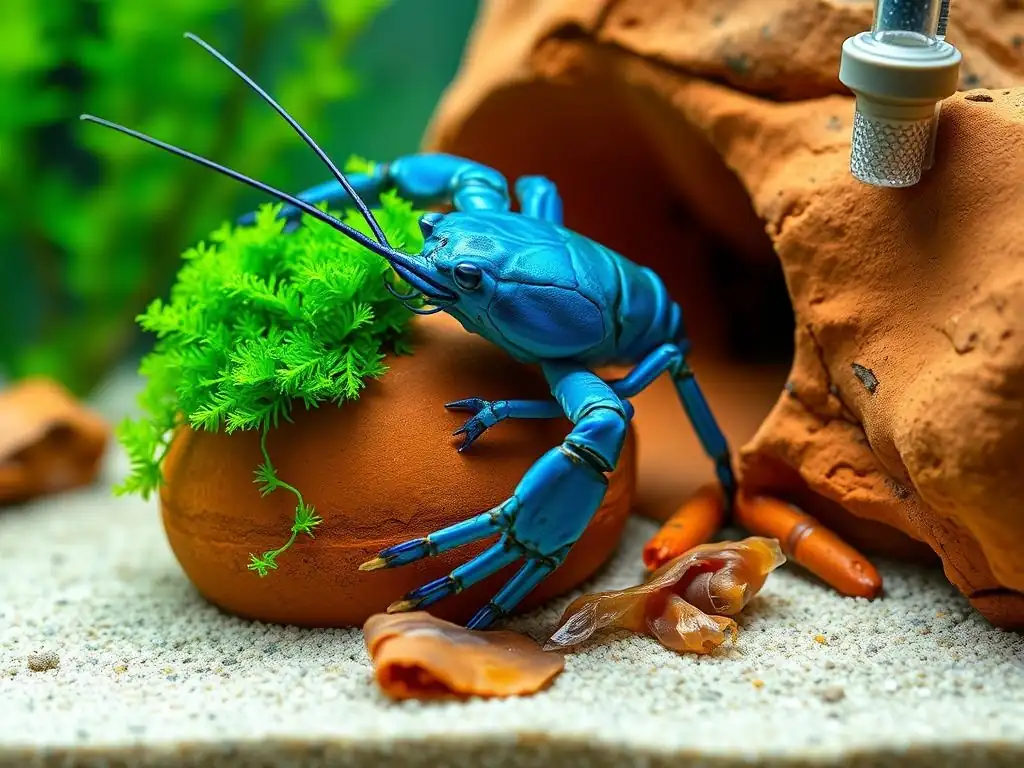
Hiding places are absolutely essential in any multi-crayfish aquarium. Crayfish are highly territorial and require secure spots to retreat, especially during vulnerable periods like molting. Each crayfish should have at least one, ideally multiple, distinct hiding places that they can claim as their own. These can include PVC pipes (cut into varying lengths, 1-2 inches in diameter depending on crayfish size), ceramic caves, driftwood with crevices, rock piles (secured with aquarium-safe silicone to prevent collapse), and dense plantings.
The strategic placement of these shelters is key. Disperse them throughout the tank to break up sight lines and create visual barriers, preventing constant confrontation. For instance, in a 20-gallon tank housing three dwarf crayfish, providing 6-8 varied hiding spots will allow each individual ample choice and reduce competition for prime real estate. A well-designed "crayfish tank compatibility setup" prioritizes abundant and varied shelter to foster a sense of security and reduce overall aggression.
Substrate and Decor Considerations for Crayfish Tank Environments
The choice of substrate plays a significant role in a crayfish's well-being and natural behavior. A fine gravel or sand substrate is ideal, as crayfish enjoy sifting through it and are natural burrowers. Avoid sharp or abrasive substrates that could injure their delicate undersides or claws. A substrate depth of at least 2-3 inches allows them to dig and create their own temporary shelters, which contributes to their sense of security.
Beyond essential hiding spots, other decor elements can enhance the "crayfish tank compatibility setup." Live plants, such as Anubias, Java Fern, and Cryptocoryne species, can be used, though larger, more aggressive crayfish may uproot them. Securing plants to driftwood or rocks with fishing line can help prevent this. Ensure all decor items are free of sharp edges and are heavy enough not to be easily moved by the crayfish, preventing potential injuries or escapes.
Maintaining Water Quality for Multiple Crayfish: Essential Parameters
Pristine water quality is non-negotiable for the health and compatibility of multiple crayfish. They are highly sensitive to fluctuations and pollutants. Ideal water parameters include a pH range of 6.5-8.0, a general hardness (GH) of 8-15 dGH (harder water is beneficial for shell development), and a carbonate hardness (KH) of 5-10 dKH. Ammonia and nitrite levels must remain at 0 ppm, and nitrates should be kept below 20 ppm. Regular water changes, typically 25-30% weekly, are crucial to manage the increased bioload from multiple individuals.
A robust filtration system is paramount. A hang-on-back (HOB) filter or a canister filter providing comprehensive mechanical, chemical, and biological filtration is highly recommended. Ensure adequate oxygenation, as crayfish require well-oxygenated water. While aeration is important, avoid strong currents that can stress these bottom-dwelling invertebrates. Consistent and stable water parameters are a cornerstone of a healthy and harmonious "crayfish tank compatibility setup."
Feeding Strategies for Community Crayfish Tanks
Preventing Food Competition: Ensuring All Crayfish Get Enough to Eat
Crayfish are opportunistic feeders and can be highly competitive, especially when food is introduced. To prevent dominant individuals from monopolizing resources and to ensure all crayfish receive adequate nutrition, strategic feeding is essential. Instead of dropping a single food item, distribute multiple, smaller portions across different areas of the tank. This dispersal encourages shy or subordinate individuals to emerge and feed without direct confrontation.
For example, if housing three dwarf crayfish, scatter 4-5 small sinking pellets or pieces of blanched vegetable in various corners of the tank. Observing feeding behavior is crucial; if one crayfish consistently bullies others away from food, it may be necessary to temporarily distract the aggressor or even target-feed the shyer individuals. This proactive approach to feeding significantly contributes to a more peaceful "crayfish tank compatibility setup."
Supplementing Diets: Specific Nutritional Needs for Different Crayfish Species
Crayfish are omnivores and thrive on a varied diet. Their primary diet should consist of high-quality sinking pellets or wafers specifically formulated for crustaceans, which often contain necessary vitamins and minerals. Supplement this with blanched vegetables such as zucchini, spinach, or green beans, and occasional protein sources like frozen bloodworms, brine shrimp, or earthworm pieces.
Calcium is particularly vital for crayfish, as it is a fundamental component of their exoskeleton, crucial for successful molting. Ensure their diet includes calcium-rich foods or consider adding a calcium supplement like a cuttlebone (cleaned and placed in the filter or tank) to the "crayfish tank compatibility setup." While specific species might have slight preferences, a diverse diet generally promotes overall health, vibrant coloration, and reduces the likelihood of nutritional deficiencies that can lead to stress or illness.
Potential Problems and Solutions in Multi-Crayfish Aquariums
Identifying and Addressing Aggression: Recognizing Warning Signs
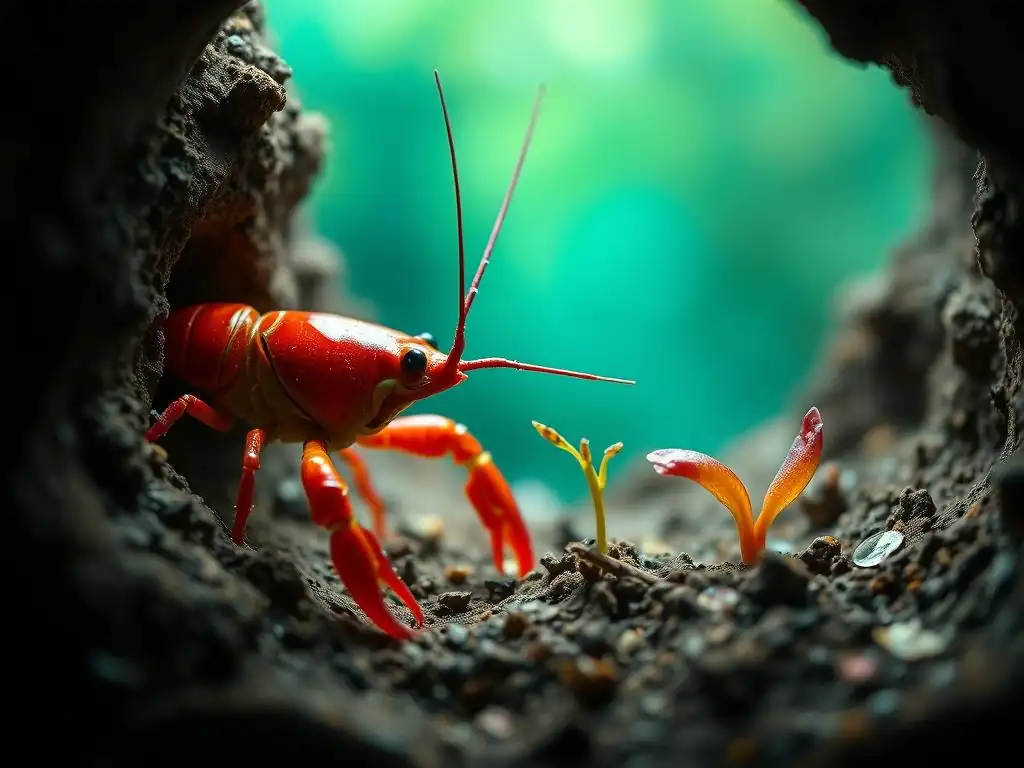
Despite careful planning, aggression can still manifest in a multi-crayfish aquarium. Recognizing the warning signs early is crucial for intervention. These signs include frequent chasing, constant posturing with raised claws, one crayfish consistently hiding in fear, missing limbs on other crayfish, or unexplained deaths. Aggression often escalates during feeding times or when a crayfish is molting, as they become highly vulnerable.
If aggression becomes persistent, several solutions can be attempted. Firstly, increase the number and variety of hiding spots to provide more secure retreats. Secondly, if tank size allows, consider adding more decor to break up sight lines and establish more distinct territories. If one individual is a clear bully, it may be necessary to rehome the aggressor or the victim to maintain peace. Sometimes, simply rearranging the tank decor can disrupt established territories and reduce conflict in the "crayfish tank compatibility setup."
Dealing with Molting Vulnerability: Protecting Shedding Crayfish
Molting is a highly stressful and vulnerable period for crayfish. During this process, they shed their old, rigid exoskeleton to grow, leaving them soft-bodied and defenseless for several hours to a few days. They are extremely susceptible to predation, even from tank mates they normally coexist with. A molting crayfish will typically seek out a secure, secluded hiding spot to undergo this transformation.
To protect molting crayfish, ensure an abundance of secure hiding places that are difficult for other tank inhabitants to access. Maintaining stable water parameters, particularly adequate calcium and general hardness, is vital for a successful molt and the hardening of the new shell. If a crayfish is observed molting and aggression from tank mates is a significant concern, temporarily isolating the molting individual in a separate, small container (like a breeding box) within the main tank for 24-48 hours until its new shell hardens can be a life-saving measure in a "crayfish tank compatibility setup."
Preventing Overpopulation: Managing Crayfish Breeding
Many crayfish species, especially dwarf crayfish and the parthenogenetic Marbled Crayfish, can breed prolifically in home aquariums. A single female Marbled Crayfish can produce hundreds of genetically identical offspring, leading to rapid overpopulation and intense competition for resources, which quickly destabilizes any "crayfish tank compatibility setup." Even dwarf crayfish like CPOs can breed every 4-6 weeks, producing dozens of offspring per clutch.
Managing overpopulation requires proactive measures. If you do not wish to breed crayfish, ensure you acquire a single-sex group, though accurate sexing can be challenging for some species. For prolific breeders, be prepared to manage the offspring. This may involve providing them as live food for larger, predatory fish (if ethical for the owner), finding new homes for them, or accepting a potentially crowded tank. Uncontrolled breeding will inevitably lead to increased stress, aggression, and poor health among the crayfish population.
Monitoring Crayfish Health in a Community Setting
Recognizing Signs of Illness: Early Detection is Key
Vigilant monitoring of your crayfish's health is crucial, particularly in a community setting where stress can exacerbate health issues. Signs of illness include lethargy, loss of appetite, discoloration (e.g., unusual paleness or dark spots), white spots (a symptom of porcelain disease, a fungal infection), fuzzy growths, or erratic swimming. A crayfish constantly hiding or refusing to eat for extended periods is also a red flag. Missing limbs can indicate aggression or a difficult molt, but if the stump is discolored or inflamed, it could signify an infection.
Daily observation during feeding times or general tank maintenance allows for early detection of these signs. A healthy crayfish is typically active, alert, and has a clean, intact exoskeleton. Prompt identification of illness can prevent it from spreading to other individuals and allows for timely intervention, contributing to the overall stability and well-being of your "crayfish tank compatibility setup."
Quarantine Procedures: Isolating Sick or Injured Crayfish
If a crayfish exhibits clear signs of illness or severe injury, immediate isolation in a dedicated quarantine tank is highly recommended. This prevents the potential spread of contagious diseases to other tank inhabitants and allows for focused treatment without competition or additional stress. A simple 5-10 gallon tank equipped with a small sponge filter, a heater (to maintain stable temperature), and a few hiding spots is sufficient for a quarantine setup.
Administer appropriate medications based on a diagnosis, strictly following dosage instructions. For injuries, maintaining pristine water quality and providing a stress-free environment are often the best remedies, allowing the crayfish to regenerate lost limbs during subsequent molts. Do not reintroduce the crayfish to the main "crayfish tank compatibility setup" until it has fully recovered and shown no symptoms for at least a week or two, ensuring it is no longer a risk to the community.
Choosing Tank Mates for Crayfish: Fish and Invertebrate Compatibility
Fish Species That Can Coexist with Crayfish (With Caution)
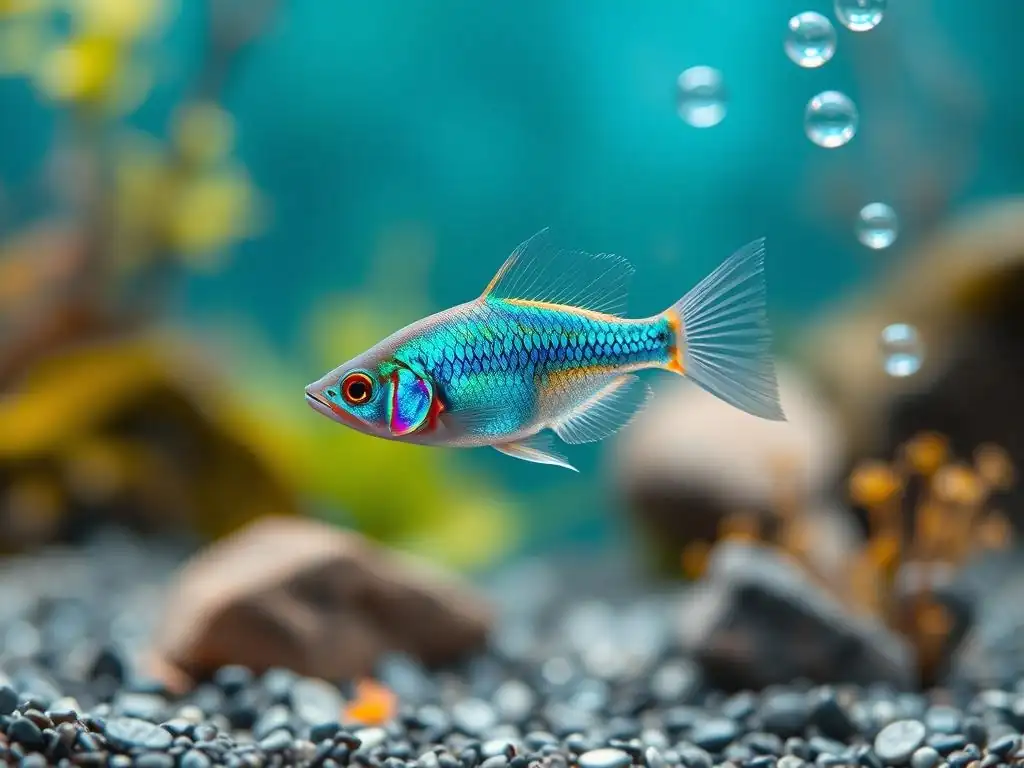
Coexistence between crayfish and fish is always a gamble and requires extreme caution. Generally, fast-moving, surface-dwelling fish are the safest bet, as they are less likely to encounter the bottom-dwelling crayfish. For larger, more aggressive crayfish, robust, quick-swimming fish like certain species of Danios, larger Gouramis (ensure they are not fin-nippers themselves), or Congo Tetras might have a chance. However, even these can be opportunistic targets.
For dwarf crayfish, the chances of successful cohabitation with fish are significantly higher. Small, active, mid-to-top dwelling fish like Chili Rasboras, Endler's Livebearers, Neon Tetras, or Guppies can sometimes work. It's crucial to avoid slow-moving fish, fish with long, flowing fins (e.g., Bettas, Angelfish), or other bottom-dwelling species (e.g., Corydoras, Plecos), as they are highly susceptible to being nipped or preyed upon.
Even peaceful dwarf crayfish can opportunistically snatch a sleeping or slow-moving fish. The success of a "crayfish tank compatibility setup" with fish relies heavily on tank size, abundance of hiding spots, and the individual temperament of the crayfish.
Invertebrates to Avoid: Species That May Become Crayfish Prey
When planning a "crayfish tank compatibility setup," most other invertebrates should be considered potential prey. Snails, especially smaller varieties like Ramshorn or Mystery Snails, are highly vulnerable. Crayfish are adept at prying snails out of their shells. Even larger snails like Nerites can be attacked, though their hard shells offer some protection, they are not impervious.
Shrimp, including popular species like Cherry Shrimp ( Neocaridina davidi) and Amano Shrimp ( Caridina multidentata), are almost guaranteed to become expensive snacks for any but the smallest and most docile dwarf crayfish. While some aquarists report limited success with large Amano shrimp in very spacious tanks with dwarf crayfish, it is generally a high-risk endeavor. The general rule of thumb for a "crayfish tank compatibility setup" is to avoid housing delicate or slow-moving invertebrates with crayfish if you wish to guarantee their long-term survival.
Case Studies: Successful and Unsuccessful Crayfish Community Tanks
A prime example of a successful "crayfish tank compatibility setup" involves a 40-gallon breeder tank housing five CPO dwarf crayfish (two males, three females) alongside a vibrant school of 15 Harlequin Rasboras. The tank is heavily aquascaped with multiple pieces of driftwood, ceramic caves, and dense plantings of Anubias and Java Fern, providing over 10 distinct hiding spots. The owner diligently performs weekly 25% water changes, maintaining stable parameters (pH 7.2, GH 10 dGH, nitrates <10 ppm).
While occasional brief territorial disputes are observed among the crayfish, ample space and visual breaks prevent serious injury. The fast-moving Rasboras occupy the upper water column and remain unharmed, demonstrating that thoughtful planning can lead to a thriving, diverse ecosystem.
Conversely, a common scenario of an unsuccessful "crayfish tank compatibility setup" often involves a 20-gallon standard tank attempting to house two adult Electric Blue Crayfish with a few Guppies and a Mystery Snail. Despite the owner's good intentions, the limited floor space and insufficient number of secure hiding spots for two territorial crayfish inevitably lead to conflict. Within weeks, the Guppies' fins are consistently nipped, and the Mystery Snail disappears.
The two crayfish frequently engage in aggressive confrontations, resulting in one losing a claw. The constant stress and lack of individual territories highlight the critical importance of species-specific needs and adequate space, forcing the owner to eventually separate the crayfish into individual tanks to ensure their survival and well-being.
Conclusion: Achieving Harmony in a Multi-Crayfish Aquarium
Keeping multiple crayfish together in an aquarium is an ambitious but achievable goal, provided the aquarist commits to a rigorous and informed approach to "crayfish tank compatibility setup." The journey to a harmonious multi-crayfish environment begins with a thorough understanding of species-specific temperaments, favoring smaller, less aggressive options like the dwarf crayfish. This foundational choice significantly impacts the potential for success and reduces the likelihood of constant conflict.
Beyond species selection, the physical environment plays a paramount role. Providing ample tank size, prioritizing footprint over height, and meticulously creating an abundance of diverse and secure hiding places are non-negotiable. Consistent water quality, strategic feeding to prevent competition, and vigilant monitoring for signs of aggression or illness complete the puzzle. While challenges such as molting vulnerability and potential overpopulation require proactive management, a well-planned and diligently maintained "crayfish tank compatibility setup" can reward the dedicated aquarist with a captivating glimpse into the fascinating social dynamics of these unique invertebrates.
Frequently Asked Questions
Can you keep multiple crayfish together in a tank?
Generally, it's not recommended to keep multiple crayfish together, especially in a smaller tank. Crayfish are territorial and aggressive, often leading to fighting and injuries.
What size tank is needed if I must keep multiple crayfish together?
If attempting to keep multiple crayfish, a very large tank is essential, at least 30 gallons per crayfish, with plenty of hiding places like rocks, caves, and dense plants. This reduces territorial disputes.
What are the key considerations for a crayfish tank setup to minimize aggression?
A successful crayfish tank setup requires ample hiding spots, a balanced diet to reduce scavenging and aggression, and monitoring for any signs of conflict or injury.
Which crayfish species are least likely to fight when kept together?
While no crayfish species are truly peaceful, Cambarellus species (dwarf crayfish) are sometimes kept in groups due to their smaller size and less aggressive nature, but even they require careful monitoring.
What are the potential consequences of keeping incompatible crayfish together?
Incompatible crayfish can experience severe injuries, stress, and even death due to constant fighting. This can also lead to water quality issues from uneaten food and increased waste.
The information presented throughout this article highlights the crucial importance of understanding crayfish tank compatibility before attempting to house multiple individuals together. The potential for aggression and territorial disputes, as we've explored, underscores the need for careful planning and species-specific knowledge to ensure a thriving and peaceful aquatic environment. Ignoring these considerations can lead to stress, injury, and even death for these fascinating creatures.
This exploration into crayfish cohabitation has profoundly influenced my understanding of responsible pet ownership, reminding me that the well-being of our animals should always be paramount. It's easy to be captivated by the idea of a bustling crayfish community, but true care requires prioritizing their individual needs and creating an environment where they can flourish, not just survive. The greatness of a nation and its moral progress can be judged by the way its animals are treated.
- Mahatma Gandhi. This quote resonates deeply, reminding us that our treatment of even the smallest creatures reflects our own humanity.
Now, as you consider your own potential crayfish setup, I urge you to reflect on the information shared here. Don't be swayed by fleeting trends or aesthetic desires. Instead, embrace the responsibility that comes with caring for these complex animals. Research thoroughly, plan meticulously, and create an environment that truly caters to their needs. By doing so, you'll not only provide a better life for your crayfish but also contribute to a more ethical and compassionate approach to pet ownership.
Unlock the Secrets to a Thriving Crayfish Community!
Thanks for diving into the fascinating world of crayfish keeping! We hope you’ve gained valuable insights into creating a suitable environment for these captivating creatures. Now, it's time to put that knowledge into action.
Here's how you can further explore the possibilities:
- Plan your ultimate crayfish tank setup: Delve deeper into research and design a tank that mimics their natural habitat and supports a harmonious community.
- Share your newfound wisdom! Spread the word about responsible crayfish keeping and help others avoid common pitfalls.
- Join the Aquarium Mastery forum to share your experiences, ask questions, and connect with other crayfish enthusiasts.
What specific features are you most excited to incorporate into your crayfish habitat to ensure a peaceful community?