
Can Tangs Eat Fruit and Vegetables? A Surprising Look at Dietary Supplements

Welcome to Aquarium Mastery!
Ever wondered if your vibrant Tang is getting everything it needs from its diet? You're not alone! Tangs are algae grazers, but is that enough? Dive into our surprising exploration of the Tangs diet fruit vegetables supplements debate and discover how to ensure your Tang thrives with the right nutritional balance. Get ready to uncover some unexpected dietary tips and tricks!
- Can Tangs Eat Fruits and Vegetables? A Guide to Supplementing Their Diet
- Understanding the Dietary Needs of Tangs & Surgeonfish
- Tangs Diet: Separating Fact from Fiction About Fruits, Vegetables, and Supplements
- Vegetables for Tangs: A Detailed Nutritional Breakdown
- Fruits for Tangs: A Generally Unsuitable Dietary Addition
- Supplementing Your Tang's Diet: A Guide to Essential Nutrients
- The Risks of an Inappropriate Tang Diet
- Creating a Balanced Feeding Schedule for Your Tangs
- Choosing the Right Supplements for Your Tang
-
Frequently Asked Questions
- Can Tangs actually eat fruit and vegetables?
- Why are fruits and vegetables sometimes recommended for Tangs?
- What are some safe fruits and vegetables to feed my Tang?
- Are there any fruits or vegetables I should avoid feeding my Tang?
- How often should I supplement my Tang's diet with fruits and vegetables?
- Final Reflection: Navigating the Nutritional Landscape
- Dive Deeper: Nurture Your Tang's Health!
Can Tangs Eat Fruits and Vegetables? A Guide to Supplementing Their Diet
Understanding the Dietary Needs of Tangs & Surgeonfish
The Importance of a Herbivorous Diet for Tang Health
A herbivorous diet is absolutely fundamental for the long-term health and vitality of Tangs, also known as Surgeonfish. These marine fish possess a remarkably long digestive tract, specifically adapted to process large quantities of fibrous plant matter. Constant grazing on algae helps maintain their gut motility, preventing issues like bloat and ensuring the efficient absorption of nutrients. Without a consistent intake of green, fibrous foods, their digestive systems can become sluggish, leading to internal blockages and severe health complications that compromise their well-being.
Furthermore, an inadequate herbivorous Tangs diet can lead to a host of debilitating conditions, most notably Head and Lateral Line Erosion (HLLE). This condition, characterized by pitting and erosion around the head and along the lateral line, is often linked to nutritional deficiencies, particularly a lack of essential vitamins like C and iodine, which are abundant in marine algae.
Beyond HLLE, a poor diet can result in faded coloration, a weakened immune system, and increased susceptibility to common marine diseases such as marine ich (Cryptocaryon irritans). Providing the right Tangs diet is paramount for their vibrant appearance and robust disease resistance.
Natural Tang Diets: What Do Tangs Eat in the Wild?
In their natural habitats, such as the vibrant coral reefs and rocky shorelines of tropical oceans, Tangs are relentless grazers. Their primary food source consists of various types of marine algae, including diatoms, cyanobacteria, and macroalgae. They spend the vast majority of their day scraping these plant materials from rocks, live rock structures, and even the surfaces of corals. Their specialized mouthparts and dentition are perfectly adapted for this continuous foraging behavior, allowing them to efficiently harvest microscopic and macroscopic algal growth.
The diversity of algae consumed in the wild provides Tangs with a broad spectrum of essential nutrients, including complex carbohydrates, fiber, vitamins (such as B vitamins and Vitamin C), and vital trace minerals like iodine and iron. While some species, like the Sailfin Tang (Zebrasoma veliferum), might incidentally ingest tiny invertebrates residing within the algal mats, their diet is overwhelmingly herbivorous. This constant intake of varied plant matter not only fulfills their nutritional requirements but also keeps their digestive system active and healthy, mimicking the ideal Tangs diet fruit vegetables supplements approach in an aquarium setting.
Tangs Diet: Separating Fact from Fiction About Fruits, Vegetables, and Supplements
The Vital Role of Algae and Plant Matter in a Tang's Diet
Marine algae, particularly dried seaweed sheets like Nori, must form the cornerstone of any aquarium Tangs diet. These readily available sheets provide the essential fibrous plant matter, complex carbohydrates, and a wide array of vitamins and minerals that are critical for their health. Unlike terrestrial plants, marine algae possess a unique cellular structure and nutrient profile that is specifically suited for the digestive systems of these specialized herbivores, ensuring optimal digestion and nutrient absorption.
To ensure a comprehensive nutrient profile, it is important to offer a variety of marine algae types. Green, red, and brown Nori each offer slightly different nutritional benefits, contributing to a more well-rounded diet. For instance, green Nori is often rich in Vitamin C, while red Nori can provide more beta-carotene. Providing this diversity prevents specific nutrient deficiencies and enhances the overall palatability of the Tangs diet, making it more appealing and ensuring they receive a full spectrum of the necessary plant-based nutrients.
Can Tangs Benefit From Select Vegetables? Exploring the Possibilities
While marine algae should be the primary plant-based food, certain terrestrial vegetables can be offered as a supplemental food source for Tangs, though with caution and in moderation. These vegetables can provide additional fiber and some vitamins that might complement their main diet. However, it is crucial to understand that they cannot replace the specific nutritional value found in marine algae. Proper preparation, such as blanching, is essential to make these vegetables digestible and to mitigate any potential risks.
Suitable examples of vegetables that can be offered include blanched zucchini, cucumber, and romaine lettuce. When prepared correctly, these can offer a small amount of roughage and some water-soluble vitamins. For instance, blanched zucchini can provide some Vitamin A (from beta-carotene). However, their overall nutritional density is significantly lower than marine algae, and they lack the unique marine-derived compounds. Therefore, they should only be offered sparingly, perhaps 1-2 times per week, as a small part of a varied Tangs diet, never as a staple.
Dietary Supplements for Tangs: When Are They Truly Necessary?
For a well-balanced Tangs diet primarily based on high-quality marine algae and fortified commercial foods, daily supplementation might not always be strictly necessary. However, dietary supplements play a crucial role in specific scenarios, acting as a vital safety net. They become truly necessary during periods of stress (e.g., after shipping or during acclimation), while recovering from disease, or when fish exhibit clear signs of nutritional deficiencies, such as the onset of HLLE or faded coloration.
Supplements are invaluable for boosting the immune system, particularly during quarantine periods when fish are more vulnerable. They can enhance vibrant coloration, provide specific vitamins that degrade rapidly in prepared foods (like Vitamin C), or supply trace minerals that might be depleted in the aquarium environment. Choosing high-quality Tangs diet fruit vegetables supplements that are specifically formulated for marine fish ensures that these vital nutrients are bioavailable and effectively utilized by the fish, promoting their overall health and resilience.
Vegetables for Tangs: A Detailed Nutritional Breakdown
Best Vegetables for Tangs: Nutritional Benefits and Preparation Tips
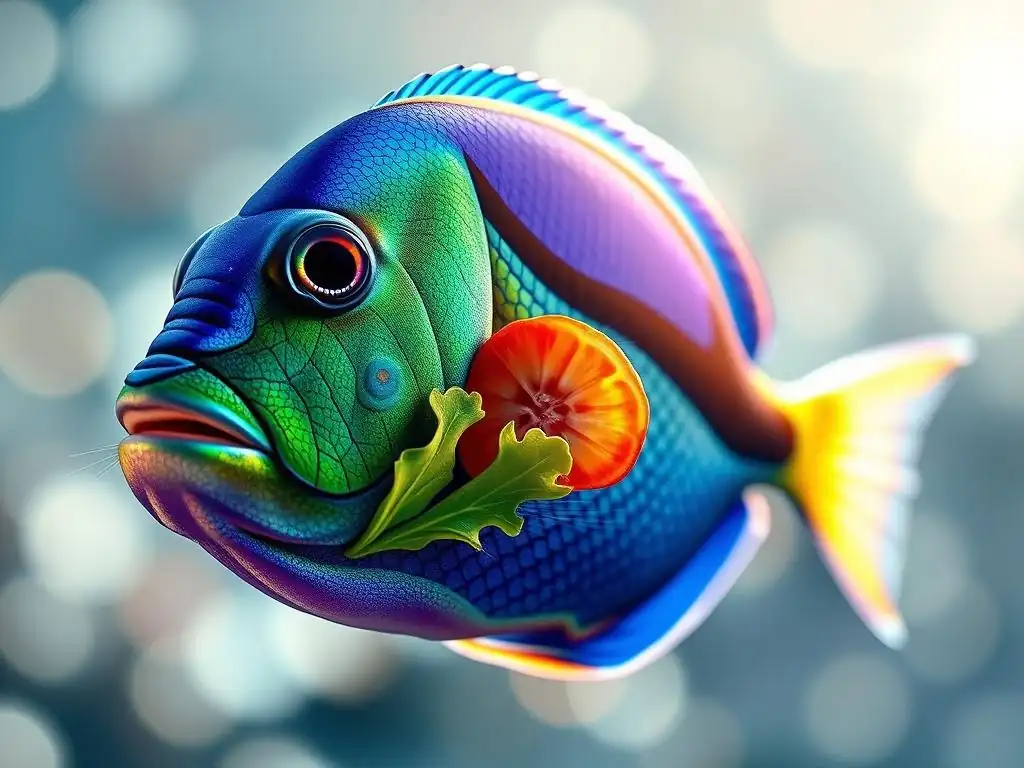
When considering terrestrial vegetables for Tangs, a few select options stand out for their relative safety and nutritional contribution. Blanched zucchini, cucumber, and romaine lettuce are among the most commonly recommended. Zucchini and cucumber offer a good source of dietary fiber and are largely water, aiding in hydration. Romaine lettuce provides some Vitamin K and a small amount of Vitamin A. These vegetables contribute to gut health by providing roughage, which helps with digestion and regular bowel movements.
Proper preparation is paramount to ensure these vegetables are safe and digestible for Tangs. Always wash them thoroughly to remove any pesticide residues. For zucchini and cucumber, it's advisable to remove the skin. Blanching involves briefly immersing the vegetable in boiling water for 30-60 seconds, then immediately cooling it in ice water. This process softens the cell walls, making the nutrients more accessible and easier for the Tangs to digest. Vegetables should be offered in small, manageable pieces, perhaps secured with a veggie clip, and removed after a few hours to prevent water quality degradation.
Examining the Nutritional Value of Nori Seaweed and Romaine Lettuce for Tangs
Nori seaweed (dried, unseasoned sheets) is unequivocally superior to terrestrial vegetables like romaine lettuce in the context of a Tangs diet. Nori is a powerhouse of nutrition, typically comprising 30-40% protein, a high percentage of dietary fiber, and an extensive profile of essential vitamins and minerals. It is particularly rich in Vitamin C, Vitamin A (as beta-carotene), various B vitamins (including B12, which is rare in terrestrial plants), and crucial trace elements like iodine, iron, calcium, and zinc. Its composition is perfectly aligned with the natural dietary needs of marine herbivores, making it highly digestible and palatable.
In stark contrast, while romaine lettuce offers some fiber and a modest amount of Vitamin K and Vitamin A, its nutritional density is significantly lower. Romaine lettuce is over 90% water, meaning that Tangs would need to consume a very large quantity to derive substantial nutritional benefit, which is impractical and can quickly foul aquarium water.
It lacks the specific marine-derived compounds and the comprehensive mineral profile found in Nori. Therefore, while romaine can be offered as an occasional, very minor treat for variety, it should never be considered a substitute for Nori or other marine-based plant foods as a staple in the Tangs diet.
Fruits for Tangs: A Generally Unsuitable Dietary Addition
Potential Risks of Feeding Tangs Fruit: Sugar Content and Digestive Issues
Fruits are generally considered unsuitable and potentially harmful dietary additions for Tangs. The primary concern lies in their high content of simple sugars, such as fructose and glucose. Tangs are herbivores adapted to digest complex carbohydrates found in algae, not the readily digestible sugars prevalent in fruit. Their digestive systems are not equipped to efficiently process high sugar loads, which can lead to a rapid proliferation of undesirable bacteria in their gut. This imbalance can cause severe digestive upset, including bloat, internal inflammation, and, over time, can contribute to fatty liver disease and other metabolic disorders.
Furthermore, fruits lack the specific nutritional profile that Tangs require for optimal health. They do not provide the types of fiber, marine-derived vitamins, and essential trace minerals that are abundant in algae. Offering fruit can also displace more appropriate and nutritionally dense foods from their Tangs diet, leading to nutritional deficiencies despite seemingly being fed. The risks associated with high sugar intake and the lack of essential nutrients far outweigh any perceived benefit, making fruits an ill-advised component of any Tangs diet fruit vegetables supplements regimen.
Supplementing Your Tang's Diet: A Guide to Essential Nutrients

Vitamin Supplements for Tangs: Boosting Immunity and Coloration
Vitamin supplementation plays a critical role in optimizing the health and resilience of Tangs. Vitamin C (ascorbic acid) is particularly vital, as fish, including Tangs, cannot synthesize it internally. It is crucial for immune system function, collagen formation (essential for healthy skin and fins), and wound healing. Deficiencies can lead to HLLE, poor wound recovery, and increased susceptibility to infections. Vitamin A, often supplied as beta-carotene, supports vision, skin integrity, and overall immune response, contributing to vibrant coloration.
B vitamins are equally important, acting as coenzymes in numerous metabolic processes, including energy production and nerve function. When Tangs exhibit signs of stress, faded colors, or are recovering from illness, targeted vitamin supplementation can significantly boost their recovery and long-term health. These supplements, often in liquid form, can be used to soak prepared foods like Nori or commercial pellets, ensuring direct nutrient delivery and helping to prevent nutritional deficiencies that might manifest as dull coloration or compromised immunity, making them a crucial part of a complete Tangs diet.
Mineral Supplements for Tangs: Supporting Growth and Preventing HLLE
Beyond vitamins, essential minerals are indispensable for the physiological processes of Tangs. Iodine, for instance, is crucial for thyroid hormone production, which regulates metabolism and growth. A deficiency in iodine is frequently implicated in cases of Head and Lateral Line Erosion (HLLE), alongside other dietary imbalances. Selenium and zinc are powerful antioxidants and cofactors for a multitude of enzymatic reactions, supporting cellular health and immune function. These trace minerals are often found in marine algae, but their levels can vary, and they may be depleted in closed aquarium systems.
Regular mineral supplementation, particularly through food enrichment or targeted water additives (if carefully monitored), can help ensure that Tangs receive adequate amounts of these vital elements. This is especially important in preventing conditions like HLLE and supporting overall growth and bone structure. Ensuring a consistent supply of these minerals as part of a balanced Tangs diet is a proactive step in maintaining their robust health and preventing common deficiency-related ailments, contributing significantly to their long-term well-being.
Essential Fatty Acids for Tangs: Promoting Overall Health
Essential fatty acids, particularly the Omega-3 polyunsaturated fatty acids like Docosahexaenoic Acid (DHA) and Eicosapentaenoic Acid (EPA), are critical for the overall health and vitality of Tangs. These fatty acids are integral components of cell membranes, playing a crucial role in maintaining cell fluidity and function. They are also vital for brain development, nerve function, hormone production, and have significant anti-inflammatory properties, which can help reduce stress and improve recovery from illness. Fish, being unable to synthesize these on their own, must obtain them directly from their diet.
While some high-quality commercial foods are fortified with essential fatty acids, supplementing with marine-derived sources like purified krill oil or specific fish oil blends can significantly enhance a Tang's health. This is particularly beneficial for juvenile Tangs undergoing rapid growth, or for adult fish that are stressed or recovering. Adequate intake of essential fatty acids contributes to a healthy sheen on their scales, improved energy levels, and a more robust immune system, making them a valuable component of a comprehensive Tangs diet fruit vegetables supplements approach.
The Risks of an Inappropriate Tang Diet
Nutritional Deficiencies in Tangs: Identifying and Addressing the Symptoms
An inappropriate Tangs diet can lead to a range of nutritional deficiencies, manifesting in various observable symptoms. Common signs include faded or dull coloration, which indicates a lack of essential pigments and overall poor health. Stunted growth, skeletal deformities, and fin erosion can also occur due to insufficient protein, vitamins, or minerals.
Furthermore, Tangs on an unbalanced diet often exhibit a weakened immune system, making them highly susceptible to common aquarium diseases like marine ich or bacterial infections. Head and Lateral Line Erosion (HLLE) is a particularly prominent sign of long-term dietary imbalance, often linked to deficiencies in Vitamin C, iodine, and other crucial nutrients.
Early identification and prompt intervention are crucial when these symptoms appear. If a Tang exhibits any of these signs, an immediate review and adjustment of its Tangs diet are necessary. This may involve increasing the frequency of high-quality Nori, incorporating vitamin-enriched foods, or carefully adding specific supplements. Consistent observation of their physical appearance, feeding behavior, and waste production is key to detecting issues early, allowing aquarists to address dietary shortcomings before they lead to severe, irreversible health problems.
Overfeeding Tangs: Avoiding Digestive Issues and Water Quality Problems
While Tangs are constant grazers in their natural environment, overfeeding concentrated foods in an aquarium can lead to significant problems. Unlike the sparse, fibrous algae they consume in the wild, commercial flakes or pellets are much denser in nutrients and can be consumed rapidly. Overfeeding can lead to digestive upset, bloat, and, in severe cases, fatty liver disease due to an excess of calories and proteins that their herbivorous digestive system is not designed to handle in large quantities.
Beyond the direct impact on the fish's health, overfeeding severely compromises water quality. Uneaten food quickly decomposes, releasing ammonia, nitrite, and nitrate into the water column. This rapid degradation leads to spikes in harmful nitrogen compounds, stressing the fish and creating an environment conducive to disease outbreaks. Poor water quality also fuels nuisance algae growth in the tank. To avoid these issues, it is recommended to feed Tangs small amounts multiple times a day, mimicking their natural grazing behavior, and ensuring all food is consumed within a few minutes to maintain a healthy Tangs diet and pristine water parameters.
The Impact of Poor Diet on Tang Coloration, Behavior, and Disease Resistance
The quality of a Tang's diet directly and profoundly impacts its coloration, behavior, and overall resistance to disease. A Tang on a deficient diet will typically display dull, faded, or patchy colors instead of the vibrant, rich hues characteristic of healthy individuals. For instance, a Yellow Tang (Zebrasoma flavescens) suffering from nutritional deficiencies might appear pale yellow or even whitish, rather than its characteristic bright, uniform yellow. This lack of vibrancy is often a direct indicator of insufficient carotenoids and other essential nutrients.
Behaviorally, poorly fed Tangs may become lethargic, exhibit abnormal swimming patterns, or become unusually aggressive due to stress from poor health. Their natural inquisitive and active grazing behaviors may diminish significantly. Most critically, a sub-optimal Tangs diet severely compromises their immune system. A well-nourished Tang has a robust immune response, making it far more capable of fending off common pathogens like marine ich (Cryptocaryon irritans) or velvet (Amyloodinium ocellatum). Conversely, an immunocompromised Tang is highly vulnerable to these diseases, making a balanced Tangs diet fruit vegetables supplements regimen the first line of defense against illness.
Creating a Balanced Feeding Schedule for Your Tangs

Sample Tang Diet Plan: Incorporating Algae, Vegetables, and High-Quality Flakes
Creating a balanced Tangs diet requires a consistent and varied approach. A practical sample diet plan could involve:
- Daily: A fresh sheet of high-quality Nori (alternating between green, red, and brown varieties) offered via a veggie clip, allowing for continuous grazing throughout the day.
- 3-4 times per week: High-quality marine flakes or pellets, specifically formulated for herbivores and rich in spirulina or other algae. These can be soaked in a liquid vitamin supplement (e.g., Brightwell Aquatics Vitamarin-C or Seachem Focus) prior to feeding to boost their nutritional value.
- 1-2 times per week: A small, blanched piece of suitable terrestrial vegetable, such as zucchini or romaine lettuce, offered as a supplemental treat and for variety.
- Occasionally (1 time per week or less): A small amount of frozen marine protein, such as mysis shrimp or brine shrimp, primarily as an appetite stimulant or a minor protein boost, acknowledging that some Tang species are more omnivorous than others.
This varied Tangs diet ensures a broad spectrum of essential nutrients, mimicking their natural diverse grazing habits and preventing specific deficiencies.
Tips for Encouraging Tangs to Graze and Accept New Foods
Encouraging Tangs to graze and accept new foods can sometimes require patience and strategy. For Nori, always use a reliable veggie clip and place it in an area of moderate flow within the tank, as Tangs prefer to graze on moving surfaces. When introducing new terrestrial vegetables, start with very small pieces and secure them firmly. It may take several attempts for the fish to recognize and accept the new food item. Consistency in offering new foods will eventually pay off.
Maintaining a stable and stress-free environment is also crucial, as stressed fish are less likely to try new foods. Feeding at consistent times each day can help establish a routine and encourage feeding behavior. If a Tang is particularly reluctant to try a new food, soaking it in garlic extract (such as Seachem GarlicGuard) can often act as an appetite stimulant due to its pungent aroma. This can make the new food more appealing, helping to diversify their Tangs diet fruit vegetables supplements intake.
Monitoring Your Tang's Health: Signs of a Healthy and Balanced Diet
Consistent monitoring of your Tang's health is paramount to ensuring its diet is balanced and effective. A healthy Tang will exhibit vibrant, consistent coloration appropriate for its species, clear and bright eyes, and intact, unfrayed fins. They should maintain a healthy body weight – not appearing emaciated or overly bloated – and their swimming should be active and alert. Crucially, a healthy Tang will display constant grazing behavior, actively picking at algae and accepting offered foods.
Furthermore, observing their waste production can provide insights: regular, firm, and dark waste indicates good digestion. Any deviation from these signs, such as faded colors, lethargy, stringy white feces, or the appearance of lesions like HLLE, should prompt an immediate review of the Tangs diet and potentially a consultation with an experienced aquarist or aquatic veterinarian. Early detection of these symptoms allows for timely adjustments to the diet, preventing minor issues from escalating into severe health problems.
Choosing the Right Supplements for Your Tang
Evaluating the Ingredients of Tang Supplements: What to Look For and Avoid
When selecting supplements for your Tangs diet, meticulous evaluation of the ingredients list is crucial. Look for products that clearly list stable forms of essential vitamins, such as L-Ascorbyl-2-polyphosphate for Vitamin C, which is more stable in water than ascorbic acid. High concentrations of B vitamins, Vitamin A (preferably as beta-carotene), and key minerals like iodine, selenium, and zinc are highly desirable. Reputable brands will often provide specific concentrations of these nutrients, indicating their potency and effectiveness.
Conversely, avoid supplements that contain excessive fillers, artificial colors, or unnecessary preservatives, as these offer no nutritional benefit and could potentially be harmful. Be wary of products with vague ingredient lists or those that make exaggerated claims without scientific backing. Always check the expiration date and ensure proper storage according to the manufacturer's instructions to maintain the supplement's potency. Investing in high-quality Tangs diet fruit vegetables supplements from reputable manufacturers is essential for delivering true nutritional value to your fish.
Recommended Brands of Tang Supplements: Brightwell Aquatics and Seachem
Two highly respected brands in the marine aquarium industry, Brightwell Aquatics and Seachem, offer excellent supplement options that can significantly enhance a Tangs diet. Brightwell Aquatics is known for its scientifically formulated products, such as Vitamarin-C, a high-potency Vitamin C supplement crucial for immune function and HLLE prevention. Their Vitamarin-M is a comprehensive multivitamin and mineral blend designed to support overall fish health and coloration, with formulations that are typically reef-safe.
Seachem also provides a range of effective supplements. Their GarlicGuard is widely used as an appetite stimulant for finicky eaters and can help boost the immune system. Seachem Focus is another valuable product, a vitamin and amino acid supplement designed to be mixed with food, helping to bind medications or simply fortify the nutritional content of prepared foods. Both brands prioritize bioavailability and stability of nutrients, making them reliable choices for aquarists looking to provide the best possible Tangs diet.
Consulting with an Experienced Aquarist: Getting Personalized Dietary Advice for Your Tang
While general guidelines are helpful, consulting with an experienced aquarist, a knowledgeable staff member at a local fish store, or engaging with reputable online marine aquarium communities can provide invaluable personalized dietary advice for your Tang. Different Tang species may have slightly varied dietary preferences or specific nutritional requirements. For example, a Naso Tang (Naso lituratus) might require more varied macroalgae than a Yellow Tang.
Personalized advice can help fine-tune your Tangs diet, troubleshoot specific feeding issues, or address particular health concerns unique to your fish or aquarium setup. An experienced individual can offer insights into the best types of Nori, optimal feeding frequencies, and the most appropriate Tangs diet fruit vegetables supplements for your specific fish's age, size, and health status. This collaborative approach ensures that your Tang receives the most tailored and effective nutritional support, promoting its long-term health and vitality in your aquarium.
Frequently Asked Questions
Can Tangs actually eat fruit and vegetables?
Yes, Tangs can eat fruits and vegetables, but it's important to understand that they should only be a small part of their diet. Their primary food source should still be algae and seaweed.
Why are fruits and vegetables sometimes recommended for Tangs?
Fruits and vegetables can provide essential vitamins and minerals that might be lacking in their regular diet. They can also act as a natural grazing option to keep them occupied.
What are some safe fruits and vegetables to feed my Tang?
Good options include romaine lettuce, spinach, zucchini, broccoli, and small amounts of seaweed-based snacks. Always ensure they are organic and thoroughly washed to remove pesticides.
Are there any fruits or vegetables I should avoid feeding my Tang?
Avoid citrus fruits, as their acidity can negatively impact your aquarium's water chemistry. Also, avoid vegetables high in oxalates like spinach as primary source.
How often should I supplement my Tang's diet with fruits and vegetables?
Fruits and vegetables should be offered as a supplement, not a staple. A few times a week in small quantities is generally sufficient, alongside their primary algae and seaweed-based diet.
The exploration of whether Tangs can effectively replace fruit and vegetables in a diet, particularly in the context of modern dietary supplements, reveals a crucial point: convenience should never overshadow comprehensive nutrition. While supplements like Tang offer a quick fix, they often lack the vital fiber, antioxidants, and phytonutrients found abundantly in whole foods. This distinction is more relevant than ever in a world increasingly reliant on processed foods and quick solutions.
This topic has profoundly influenced how we perceive and approach nutrition, highlighting the allure of simplification while underscoring the irreplaceable value of natural sources. My own research into this area has reinforced the importance of mindful eating and prioritizing whole, unprocessed foods. Let food be thy medicine and medicine be thy food,
a quote attributed to Hippocrates, resonates deeply, reminding us that true health stems from a balanced and natural diet.
As you navigate the complexities of modern nutrition, remember the core message: prioritize whole foods and view supplements as just that – supplements, not replacements. Take a moment to reflect on your own dietary habits. Are you truly nourishing your body with the diverse nutrients it needs, or are you relying too heavily on convenient substitutes? Let this exploration inspire you to make informed choices and cultivate a healthier, more balanced relationship with food.
Dive Deeper: Nurture Your Tang's Health!
Thanks for exploring the fascinating world of Tang diets! You've now got a solid understanding of the do's and don'ts of feeding these vibrant fish. Ready to put your knowledge into action?
Here's how you can take the next step:
- Rethink your Tang's Diet: Introduce a wider variety of algae-based foods and high-quality seaweed sheets. Observe their grazing habits and adjust their feeding schedule accordingly.
- Explore local fish stores for unique algae-based products or research reputable online vendors that specialize in exotic fish foods.
- Share your newly acquired knowledge! Post a picture of your Tang enjoying its healthy meal on social media and tag us!
What's one small change you can make today to improve your Tang's diet?