
Red Sea Mimic Blenny: The Master of Disguise in Your Nano Aquarium

Welcome to Aquarium Mastery!
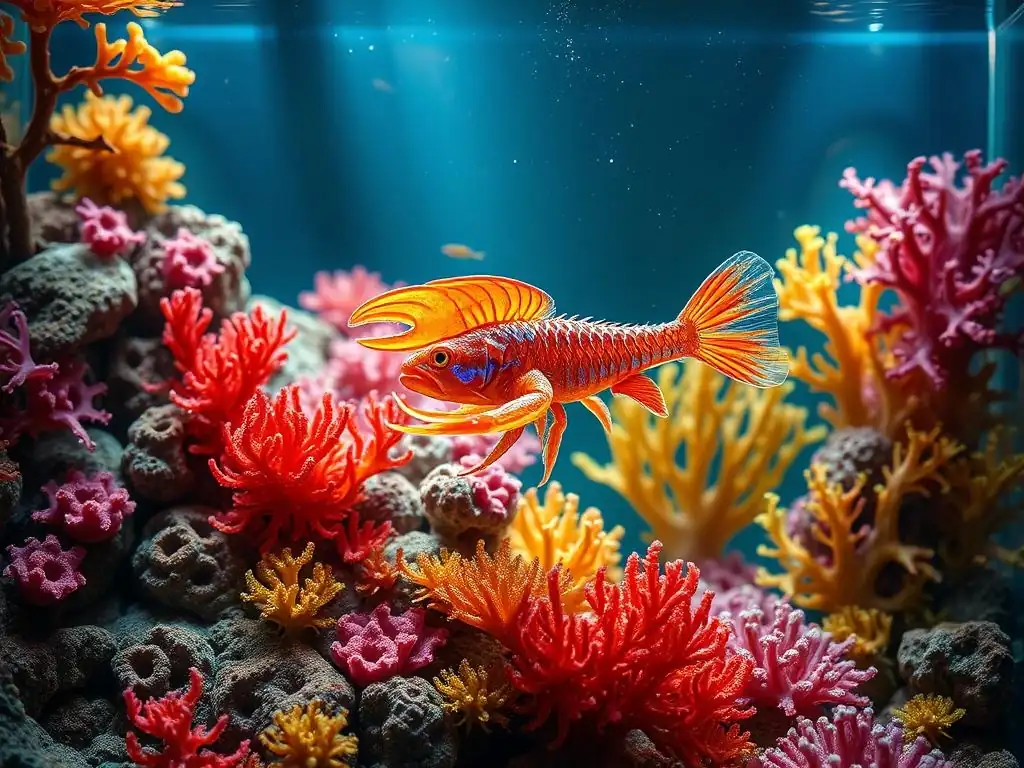
Ever been captivated by the underwater world's masters of disguise? Dive into the fascinating world of the Red Sea Mimic Blenny, a vibrant and intriguing fish perfect for nano aquariums. But are you ready to unlock the secrets to their specialized care? Explore our comprehensive guide and discover everything you need to know about Red Sea Mimic Blenny Care, ensuring a thriving and happy life for these captivating chameleons of the reef. Intrigued? Let's get started!
- Red Sea Mimic Blenny: The Master of Disguise in Your Reef Tank
- Introduction to the Red Sea Mimic Blenny
- Understanding Red Sea Mimic Blenny Care Requirements
- Diet and Feeding for a Healthy Red Sea Mimic Blenny
- Red Sea Mimic Blenny Behavior and Compatibility
- Identifying and Addressing Potential Health Issues
- Setting Up the Ideal Reef Tank for a Red Sea Mimic Blenny
- The Red Sea Mimic Blenny: A Unique Addition to Your Saltwater Aquarium
- Conclusion: Mastering Red Sea Mimic Blenny Care for a Vibrant Aquarium
-
Frequently Asked Questions
- What exactly is a Red Sea Mimic Blenny and why is it called that?
- What are the key considerations for setting up a suitable aquarium for a Red Sea Mimic Blenny?
- What type of diet does a Red Sea Mimic Blenny require, and how often should it be fed?
- Are Red Sea Mimic Blennies compatible with other fish species in a reef aquarium?
- What are some common health issues to watch out for with Red Sea Mimic Blennies and how can they be prevented?
- Final Reflection: The Enduring Allure of Deception
- Unveil the Secrets of Your Nano Reef!
Red Sea Mimic Blenny: The Master of Disguise in Your Reef Tank
Introduction to the Red Sea Mimic Blenny
Discovering the Fascinating Red Sea Mimic Blenny (Ecsenius gravieri)
The Red Sea Mimic Blenny, scientifically known as Ecsenius gravieri, is a small, captivating marine fish renowned for its remarkable ability to mimic the appearance and behavior of other, often venomous, species. Hailing primarily from the Red Sea and the Gulf of Aden, this blenny typically inhabits shallow reef environments, from depths of just a few feet down to about 65 feet (20 meters). Its natural camouflage strategy is a fascinating example of evolutionary adaptation in the marine world.
This blenny's most notable characteristic is its close resemblance to the Blackline Fang Blenny ( Meiacanthus nigrolineatus), a species known for its venomous bite. By mimicking the fang blenny's distinctive coloration – often a dark body with a prominent white or yellow stripe – the Ecsenius gravieri deters potential predators, allowing it to navigate its habitat with a reduced risk of predation. Despite its intimidating disguise, the Red Sea Mimic Blenny is entirely harmless and maintains a peaceful demeanor, making it a unique and intriguing subject for observation in a home aquarium.
Why the Mimic Blenny is a Popular Reef Tank Inhabitant
The Red Sea Mimic Blenny's appeal extends far beyond its fascinating mimicry. Its small adult size, typically reaching only about 3-4 inches (7-10 cm), makes it an ideal candidate for nano and small to medium-sized reef tanks, often thriving in aquariums as compact as 10-20 gallons. Aquarists are drawn to its vibrant personality and engaging behaviors, such as perching on live rock and darting gracefully through the water column. When proper Red Sea Mimic Blenny care is provided, these fish exhibit robust health and become a captivating focal point in any reef setup.
Furthermore, the Red Sea Mimic Blenny is highly valued for its reef-safe nature. Unlike some other blenny species, Ecsenius gravieri poses no threat to corals, anemones, or other invertebrates, making it a perfect addition to a diverse reef ecosystem. Its primary diet of algae and small invertebrates means it contributes to the tank's natural balance without disturbing the delicate coral inhabitants. This combination of unique behavior, manageable size, and compatibility makes the Red Sea Mimic Blenny a top choice for aquarists seeking a distinctive and peaceful saltwater fish.
Understanding Red Sea Mimic Blenny Care Requirements
Essential Water Parameters for Red Sea Mimic Blenny Health
Maintaining precise and stable water parameters is paramount for the long-term health and well-being of the Red Sea Mimic Blenny. These blennies thrive in conditions that closely replicate their natural reef environment. The ideal temperature range for Ecsenius gravieri is typically between 72-78°F (22-26°C). Salinity should be kept consistent at 1.023-1.026 specific gravity, or 32-35 parts per thousand (ppt). The pH level is also critical, ideally maintained between 8.1 and 8.4. Sudden fluctuations in any of these parameters can cause significant stress, leading to weakened immune systems and susceptibility to disease.
Beyond the basic parameters, attention to alkalinity, calcium, and magnesium levels contributes to overall reef stability, which indirectly benefits the Red Sea Mimic Blenny. Alkalinity should be maintained between 8-12 dKH, calcium between 400-450 ppm, and magnesium around 1250-1350 ppm. While these are more critical for coral health, a balanced reef environment with minimal nitrates (below 10 ppm) and phosphates (below 0.03 ppm) ensures clean, pristine water, which is fundamental to robust Red Sea Mimic Blenny care and disease prevention.
Red Sea Mimic Blenny Tank Size and Setup Considerations
Despite their small stature, Red Sea Mimic Blennies require adequate space and a thoughtfully designed habitat to thrive. A minimum tank size of 10-20 gallons is generally recommended for a single specimen, though a larger tank of 30 gallons or more is always preferable, as it provides greater stability in water parameters and more room for exploration. The tank should be well-established, ideally running for several months to ensure a mature biological filter and a stable microfauna population.
The physical setup of the aquarium is crucial for the Red Sea Mimic Blenny's comfort and security. These blennies are known for their perching behavior and their need for numerous hiding spots. Therefore, an abundance of live rock, arranged to create caves, crevices, and overhangs, is essential. This not only provides shelter but also offers surfaces for natural algae growth, which forms part of their diet. Furthermore, a secure, tight-fitting lid is an absolute necessity, as blennies are notorious jumpers, especially when startled or during acclimation.
Maintaining a Stable Reef Environment for Blennies
Consistent maintenance is the cornerstone of successful Red Sea Mimic Blenny care. Regular water changes are vital for replenishing trace elements and removing accumulated nitrates and other undesirable compounds. A typical schedule involves changing 10-20% of the tank water bi-weekly or 20-25% monthly, always using high-quality RO/DI (reverse osmosis/deionized) water mixed with a good marine salt mix. This practice helps to keep water parameters stable and within optimal ranges.
Beyond water changes, diligent monitoring of water parameters using reliable test kits is indispensable. Any deviation from the ideal ranges should be addressed promptly and gradually to avoid shocking the fish. Effective filtration, including a good protein skimmer (especially for tanks over 20 gallons), mechanical filtration (like filter socks), and biological filtration (provided by live rock), plays a critical role in maintaining pristine water quality. A healthy, stable reef environment minimizes stress on the blenny, significantly reducing the likelihood of health issues and enhancing its longevity.
Diet and Feeding for a Healthy Red Sea Mimic Blenny
What to Feed Your Red Sea Mimic Blenny: A Dietary Guide
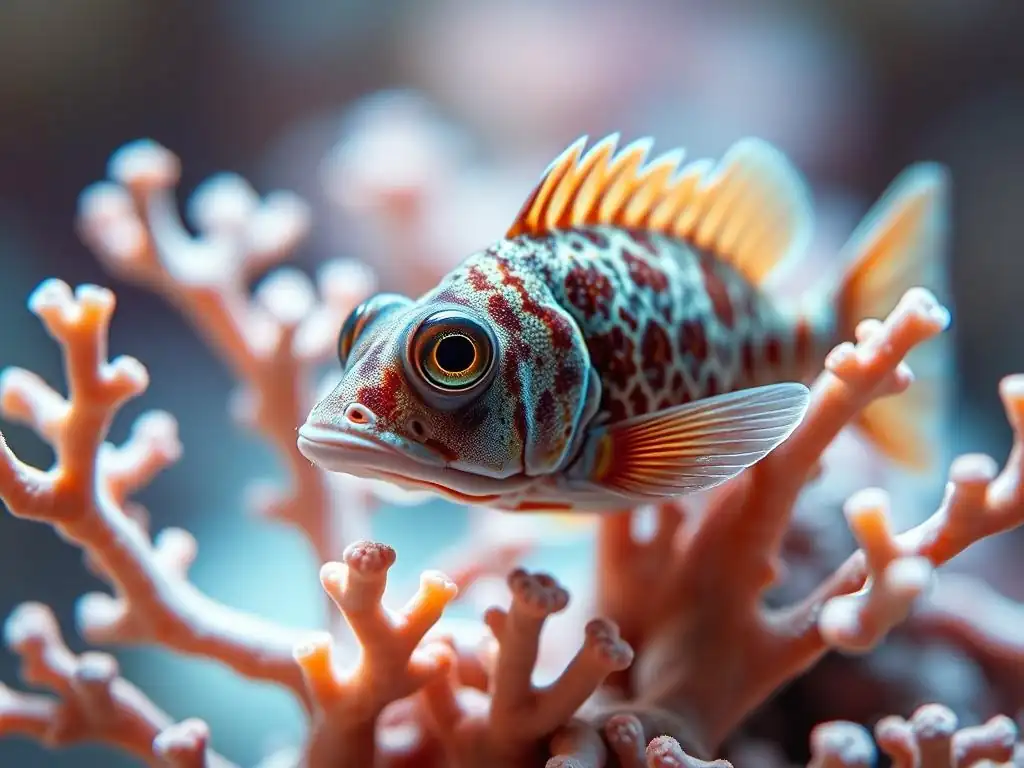
The Red Sea Mimic Blenny is primarily an omnivore with a strong inclination towards herbivorous foods, making a varied and balanced diet essential for its long-term health. In their natural habitat, they spend a significant portion of their time grazing on microalgae and detritus found on live rock and substrate. In the aquarium, their diet should reflect this preference, consisting mainly of high-quality marine-based flake foods and pellets rich in spirulina or other vegetable matter.
To ensure comprehensive Red Sea Mimic Blenny care, it is crucial to supplement their primary diet with frozen preparations. Excellent choices include spirulina brine shrimp, mysis shrimp, cyclop-eeze, and finely chopped marine algae sheets (nori). While they are not strict herbivores, offering small amounts of meaty foods occasionally, such as finely chopped krill or enriched brine shrimp, can provide additional nutrients. The key is variety, ensuring they receive a broad spectrum of vitamins and minerals necessary for vibrant coloration and a robust immune system.
Recommended Feeding Practices for Optimal Blenny Health
Due to their relatively small size and active metabolism, Red Sea Mimic Blennies benefit from frequent, small feedings rather than large, infrequent meals. Feeding them 2-3 times per day in small portions helps to mimic their natural grazing behavior and prevents excessive waste accumulation in the tank, which can negatively impact water quality. Only offer an amount of food that can be consumed within 2-3 minutes to avoid overfeeding.
In a community tank setting, it's important to ensure that the Red Sea Mimic Blenny is not outcompeted for food by more aggressive or faster-eating tank mates. Observing their feeding behavior will help determine if they are getting enough. If necessary, target feeding using a pipette or feeding stick can ensure they receive their share. A well-fed blenny will exhibit active swimming, bright coloration, and a healthy, plump appearance. Consistent feeding practices are a vital component of successful Red Sea Mimic Blenny care.
Supplementing Your Blenny's Diet
Beyond prepared foods, providing natural grazing opportunities is highly beneficial for the Red Sea Mimic Blenny. A well-established tank with ample live rock will naturally cultivate microalgae and copepods, which the blenny will graze on throughout the day. This constant access to natural food sources not only enriches their diet but also provides mental stimulation.
For newly acquired or stressed blennies, or simply as a routine measure to enhance their diet, offering foods enriched with vitamins or fatty acids can be advantageous. Many frozen foods are pre-enriched, or liquid vitamin supplements can be added to the food just before feeding. This extra boost of nutrients can significantly contribute to their overall vitality, immune response, and long-term Red Sea Mimic Blenny care, helping them resist potential health issues.
Red Sea Mimic Blenny Behavior and Compatibility
Observing Natural Behaviors of the Red Sea Mimic Blenny
The Red Sea Mimic Blenny exhibits a range of engaging behaviors that make it a joy to observe in the home aquarium. One of its most characteristic traits is its tendency to perch on live rock, corals, or even the substrate, often appearing to survey its surroundings. From these vantage points, they will dart out to snatch passing food particles or investigate their environment. Their swimming style is often described as a series of "hops" or short bursts, rather than continuous gliding, adding to their unique charm.
The most fascinating behavior is, of course, their mimicry. When threatened or simply moving through the water column, they will often align themselves with the movements and posture of the venomous Blackline Fang Blenny, sometimes even adopting a similar "head-up" swimming style. While generally peaceful, they are territorial within their chosen perching spots and may occasionally nip at other bottom-dwellers that encroach on their space, though this aggression is rarely harmful and often just a warning display.
Choosing Tank Mates for Your Red Sea Mimic Blenny
Selecting appropriate tank mates is crucial for ensuring a peaceful and thriving environment for your Red Sea Mimic Blenny. Ideal companions are peaceful, similarly sized fish that do not occupy the same ecological niche or display aggressive tendencies. Good choices often include small, docile gobies (excluding other Ecsenius species), clownfish, chromis, small wrasses (like the Six-Line Wrasse, Pseudocheilinus hexataenia), and certain types of damselfish that are known to be less aggressive.
It is important to avoid large, predatory fish that might view the blenny as a food source, such as lionfish or large groupers. Similarly, highly aggressive or territorial fish, especially those that inhabit the bottom of the tank, should be avoided to prevent undue stress or injury to the blenny. When considering Red Sea Mimic Blenny care, remember that their peaceful nature makes them vulnerable to bullying from more assertive species, so careful selection of tank mates is paramount.
Minimizing Aggression: Compatible Species for a Peaceful Reef Tank
To further minimize potential aggression and ensure a harmonious environment, several strategies can be employed. Firstly, it is generally recommended to avoid housing the Red Sea Mimic Blenny with other blenny species, particularly other Ecsenius blennies, as they can be highly territorial towards conspecifics or closely related species. If multiple blennies are desired, ensure a very large tank (e.g., 75+ gallons) with abundant live rock to create distinct territories.
Introducing the Red Sea Mimic Blenny as one of the last fish into a well-established aquarium can also help. This allows existing inhabitants to establish their territories before the blenny is added, reducing the likelihood of immediate territorial disputes. Providing ample hiding spots, caves, and visual barriers within the rockwork ensures that all fish have places to retreat and feel secure, which significantly reduces stress and potential conflicts among tank mates, thereby enhancing overall Red Sea Mimic Blenny care.
Identifying and Addressing Potential Health Issues
Recognizing Signs of Stress or Illness in Your Mimic Blenny
Early detection of stress or illness is critical for effective Red Sea Mimic Blenny care and successful treatment. Healthy blennies are active, alert, and exhibit their characteristic perching and darting behaviors. They should have vibrant coloration and a good appetite. Signs of stress or illness often manifest as changes in behavior, such as lethargy, prolonged hiding, or rubbing against rocks. Physical symptoms may include faded or dull coloration, clamped fins, rapid or labored breathing, and refusal to eat.
Visible physical signs of disease can include white spots (indicative of Marine Ich, Cryptocaryon irritans), a dusty or velvet-like appearance (suggesting Velvet, Amyloodinium ocellatum), cloudy eyes, fin erosion, or unusual growths. Any deviation from normal behavior or appearance warrants immediate investigation. Prompt identification allows for quicker intervention, significantly increasing the chances of recovery and minimizing the spread of potential pathogens to other tank inhabitants.
Common Health Issues and Potential Solutions
Like many marine fish, Red Sea Mimic Blennies are susceptible to common saltwater ailments, particularly if water quality is poor or they are introduced to an unstable environment. Marine Ich and Velvet are among the most prevalent parasitic infections. If these are suspected, the blenny should ideally be moved to a separate quarantine tank for treatment. Treatments for Ich may involve hyposalinity (gradually lowering salinity to 1.010-1.012) or copper-based medications, though copper must be used with extreme caution and never in a reef display tank.
Bacterial infections, often manifesting as fin rot, cloudy eyes, or body sores, can occur, especially in stressed or injured fish. These typically require broad-spectrum antibiotic treatments, also best administered in a quarantine tank. Preventing these issues through optimal Red Sea Mimic Blenny care – focusing on stable water parameters, a nutritious diet, and a stress-free environment – is always preferable to treatment. Always consult with a marine aquarium expert or veterinarian for specific diagnosis and treatment plans.
Maintaining Optimal Water Quality for Disease Prevention
The single most effective measure in preventing health issues in Red Sea Mimic Blennies is maintaining pristine and stable water quality. Consistent water parameters, as outlined earlier (temperature, salinity, pH, low nitrates/phosphates), are paramount. Regular testing with accurate kits allows aquarists to detect and correct problems before they escalate into serious health threats.
Beyond parameters, proper tank hygiene contributes significantly to disease prevention. This includes routine water changes, siphoning detritus from the substrate, and ensuring all filtration components (protein skimmer, filter socks, media) are clean and functioning efficiently. Avoiding overfeeding and overstocking also reduces the bioload on the system, preventing the accumulation of pollutants. A clean, stable, and well-maintained aquarium environment, coupled with a varied and nutritious diet, forms the bedrock of preventative Red Sea Mimic Blenny care, fostering strong immunity and resilience against common diseases.
Setting Up the Ideal Reef Tank for a Red Sea Mimic Blenny
Essential Equipment for a Thriving Blenny Habitat
Setting up the ideal habitat for a Red Sea Mimic Blenny requires a selection of essential equipment to ensure a stable and healthy environment. Foremost is the aquarium itself, with a minimum size of 10-20 gallons for a single blenny, preferably larger for greater stability. A reliable heater with a thermostat is crucial to maintain a consistent temperature within the optimal range of 72-78°F (22-26°C). Powerheads or wavemakers are needed to provide adequate water flow, mimicking natural reef currents.
A protein skimmer is highly recommended for tanks 20 gallons and up, as it efficiently removes organic waste before it breaks down into nitrates. High-quality lighting, such as LED fixtures, is necessary for any corals or macroalgae you wish to keep, and indirectly supports the blenny by promoting algal growth for grazing. Other vital tools include accurate test kits for salinity, pH, ammonia, nitrite, and nitrate, an RO/DI water purification unit (or a trusted source of RO/DI water), and general maintenance equipment like siphons, buckets, and algae scrapers.
Creating a Naturalistic Environment: Rockwork and Hiding Places
The design of the aquarium's interior plays a significant role in the Red Sea Mimic Blenny's well-being. These blennies are highly dependent on live rock for security, foraging, and perching. Therefore, the aquascape should feature an ample amount of live rock, arranged to create numerous caves, crevices, overhangs, and swim-throughs. Aim for at least 1-1.5 pounds of live rock per gallon of water to provide sufficient biological filtration and structural complexity.
The arrangement should provide both open swimming areas and secluded hiding spots. Blennies will often claim a specific crevice or cave as their territory, retreating there when startled or at night. A naturalistic environment not only reduces stress but also encourages natural behaviors and provides surfaces for the growth of microalgae, which the blenny will graze upon. While the blenny doesn't typically burrow in sand, a fine sand bed (e.g., aragonite sand) of 1-2 inches can complete the aesthetic and support beneficial microfauna.
The Role of Lighting and Filtration in Blenny Health
While Red Sea Mimic Blennies themselves do not have specific lighting requirements beyond a natural day-night cycle, the lighting chosen for the reef tank is crucial for the overall health of the ecosystem. If corals are present, appropriate spectrum and intensity lighting (e.g., full-spectrum LEDs) are vital for their photosynthesis. This lighting also promotes the growth of beneficial microalgae on the live rock, offering natural grazing opportunities for the blenny. A timer for the lights is recommended to establish a consistent photoperiod, typically 8-10 hours per day.
Effective filtration is the backbone of exceptional Red Sea Mimic Blenny care. A multi-pronged approach to filtration is ideal:
- Mechanical filtration: Filter socks or sponges physically remove particulate matter from the water column, preventing detritus buildup. These need regular cleaning or replacement.
- Biological filtration: Primarily provided by the porous live rock, this converts harmful ammonia and nitrite into less toxic nitrate. A well-cycled tank is essential for this process.
- Chemical filtration: Activated carbon can be used intermittently to remove dissolved organic compounds and improve water clarity. GFO (granular ferric oxide) can be used to control phosphates.
Together, these filtration methods ensure stable, high-quality water, which is paramount for the long-term health and vibrancy of the Red Sea Mimic Blenny and the entire reef system.
The Red Sea Mimic Blenny: A Unique Addition to Your Saltwater Aquarium
Benefits of Keeping a Red Sea Mimic Blenny
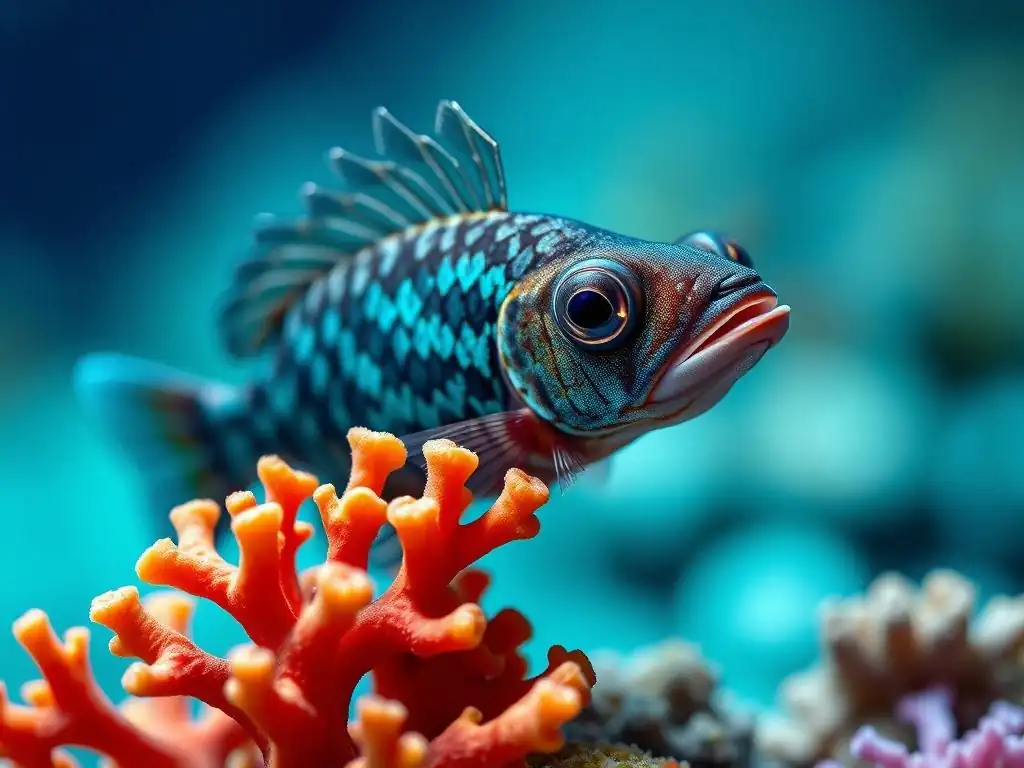
Adding a Red Sea Mimic Blenny to your saltwater aquarium offers numerous advantages, making it a highly desirable inhabitant for many aquarists. Its small adult size, typically not exceeding 4 inches, makes it an excellent choice for nano reef tanks, allowing those with limited space to enjoy the beauty of a marine aquarium. Furthermore, its completely reef-safe nature ensures that it will not harm or disturb delicate corals, anemones, or other invertebrates, making it a perfect fit for mixed reef setups.
Beyond its practical benefits, the Red Sea Mimic Blenny brings a unique personality and engaging behaviors to the tank. Its fascinating mimicry of the venomous fang blenny provides an intriguing spectacle, while its characteristic perching and darting movements add constant visual interest. Relatively hardy once acclimated and provided with consistent Red Sea Mimic Blenny care, these fish can live for several years, offering long-term enjoyment and becoming a cherished centerpiece in your aquatic display.
Considerations Before Adding a Mimic Blenny to Your Tank
Before introducing a Red Sea Mimic Blenny, several important considerations should be thoroughly addressed to ensure its successful integration and long-term health. Firstly, the aquarium must be fully cycled and stable, with all water parameters consistently within the optimal ranges. Introducing any marine fish into an uncycled or unstable tank is a recipe for disaster and severe stress.
Secondly, careful research into potential tank mates is crucial. While generally peaceful, the Red Sea Mimic Blenny can be shy or intimidated by overly aggressive or much larger fish. Ensure that existing inhabitants are compatible and that there is ample live rock structure to provide hiding places and territories. Lastly, have a quarantine tank prepared. Quarantining new fish for 2-4 weeks allows for observation, deworming, and treatment of any potential diseases before introducing them to your main display, safeguarding the health of your entire system.
Acclimation and Introduction to the Reef Tank
Proper acclimation is a critical step in ensuring the Red Sea Mimic Blenny's successful transition to its new home. Drip acclimation is highly recommended for marine fish, as it slowly equalizes the water parameters (temperature, pH, and most importantly, salinity) between the shipping bag and the aquarium. This gradual process minimizes the shock to the fish's system, significantly reducing stress and the likelihood of post-acclimation health issues. A drip rate of 1-2 drops per second over 45-60 minutes is generally effective.
Once acclimated, introduce the blenny into a dimly lit or dark tank to further minimize stress and aggression from existing inhabitants. Gently release the blenny near a hiding spot so it can immediately retreat and feel secure. Observe the blenny closely for the first few days, ensuring it is exploring, finding hiding places, and eventually accepting food. Consistent monitoring and adherence to all aspects of Red Sea Mimic Blenny care during this critical period will set the stage for a thriving and vibrant addition to your saltwater aquarium.
Conclusion: Mastering Red Sea Mimic Blenny Care for a Vibrant Aquarium
Frequently Asked Questions
What exactly is a Red Sea Mimic Blenny and why is it called that?
The Red Sea Mimic Blenny (Ecsenius gravieri) is a small, colorful fish known for its ability to mimic other fish species, specifically the lyretail anthias. This mimicry helps it avoid predators.
What are the key considerations for setting up a suitable aquarium for a Red Sea Mimic Blenny?
A nano aquarium of at least 20 gallons is recommended. Ensure stable water parameters, including a specific gravity of 1.024-1.026, and plenty of rockwork for hiding and grazing.
What type of diet does a Red Sea Mimic Blenny require, and how often should it be fed?
They are primarily herbivores, feeding on algae and small invertebrates. Supplement their diet with high-quality marine algae flakes and frozen foods once or twice a day.
Are Red Sea Mimic Blennies compatible with other fish species in a reef aquarium?
They are generally peaceful but can be territorial towards other blennies or similar-looking fish. Careful consideration should be given to tank mate selection, avoiding aggressive or competing species.
What are some common health issues to watch out for with Red Sea Mimic Blennies and how can they be prevented?
Potential issues include ich and other parasitic infections. Maintaining excellent water quality through regular water changes and quarantine procedures is crucial for prevention.
Final Reflection: The Enduring Allure of Deception
The journey into the world of the Red Sea Mimic Blenny, as we've explored, highlights the fascinating intersection of natural wonder and responsible aquarium keeping. Understanding the intricacies of Ecsenius gravieri care is not merely about maintaining a healthy fish, but about appreciating the delicate balance of a miniature ecosystem. The knowledge we've gained underscores the importance of informed decisions when introducing any creature, especially one as uniquely adapted as this master of disguise, into our home aquariums.
This exploration has reminded me of the profound impact even small creatures can have on our understanding of the natural world. The mimic blenny, in its clever imitation, serves as a constant reminder of the evolutionary pressures that shape life and the interconnectedness of all living things. The beauty of the natural world lies in the details, and the mimic blenny is a testament to the power of adaptation and survival.
This tiny fish, thriving in our carefully curated nano aquariums, connects us to the vastness of the Red Sea and the intricate web of life it supports.
Now, as you consider adding a Red Sea Mimic Blenny to your own nano aquarium, I urge you to reflect on the responsibility that comes with caring for such a remarkable creature. Embrace the challenge of providing the optimal environment, and in doing so, you'll not only witness the beauty of this master of disguise, but also contribute to the preservation of its wild counterparts through informed and sustainable aquarium practices. Let your aquarium be a testament to your commitment to responsible stewardship and a celebration of the wonders of the Red Sea.
Unveil the Secrets of Your Nano Reef!
Thank you for exploring the fascinating world of the Red Sea Mimic Blenny! Now that you've learned about its unique camouflage and care, it's time to take the next step in enriching your aquarium experience. Let's dive into some practical actions you can take.
- Consider introducing a Red Sea Mimic Blenny to your nano reef (if appropriate for your tank and existing inhabitants), carefully researching its compatibility with your current setup.
- Delve deeper into the world of reef keeping by researching other fish species with unique adaptations and sharing your findings with fellow hobbyists on forums or social media.
- Explore unconventional feeding methods to ensure optimal health and coloration for your fish, like culturing live phytoplankton or offering specialized reef-safe treats.
What fascinating adaptations have you observed in your own aquarium inhabitants, and how have you adapted your care routine accordingly?