
Ideal Water Parameters for a Thriving *Cyprichromis* School

Welcome to Aquarium Mastery!
Ever wondered how to unlock the secret to a truly vibrant Cyprichromis school? We're diving deep into the specific water conditions these stunning fish need to truly thrive. Get ready to master the nuances of pH, hardness, and more in our comprehensive Cyprichromis water parameter guide below. Discover the keys to a flourishing aquarium and watch your Cyprichromis shine! Intrigued? Let's explore!
- Understanding Cyprichromis Biology and Their Water Needs
- The Essential Cyprichromis Water Parameter Guide
- Achieving and Maintaining Ideal Cyprichromis Water Chemistry
- Troubleshooting Common Water Parameter Issues in Cyprichromis Tanks
- The Impact of Water Parameters on Cyprichromis Breeding
- Advanced Water Parameter Techniques for Cyprichromis Enthusiasts
-
Frequently Asked Questions
- What are the ideal water temperature parameters for keeping Cyprichromis?
- What is the recommended pH level for a Cyprichromis aquarium?
- What is the importance of water hardness (GH and KH) when keeping Cyprichromis?
- How often should I perform water changes in a Cyprichromis tank?
- What ammonia and nitrite levels are safe for Cyprichromis?
- Final Reflection: Cultivating Aquatic Harmony
- Ignite Your Cyprichromis Paradise!
Understanding Cyprichromis Biology and Their Water Needs
Cyprichromis Natural Habitat and Water Conditions
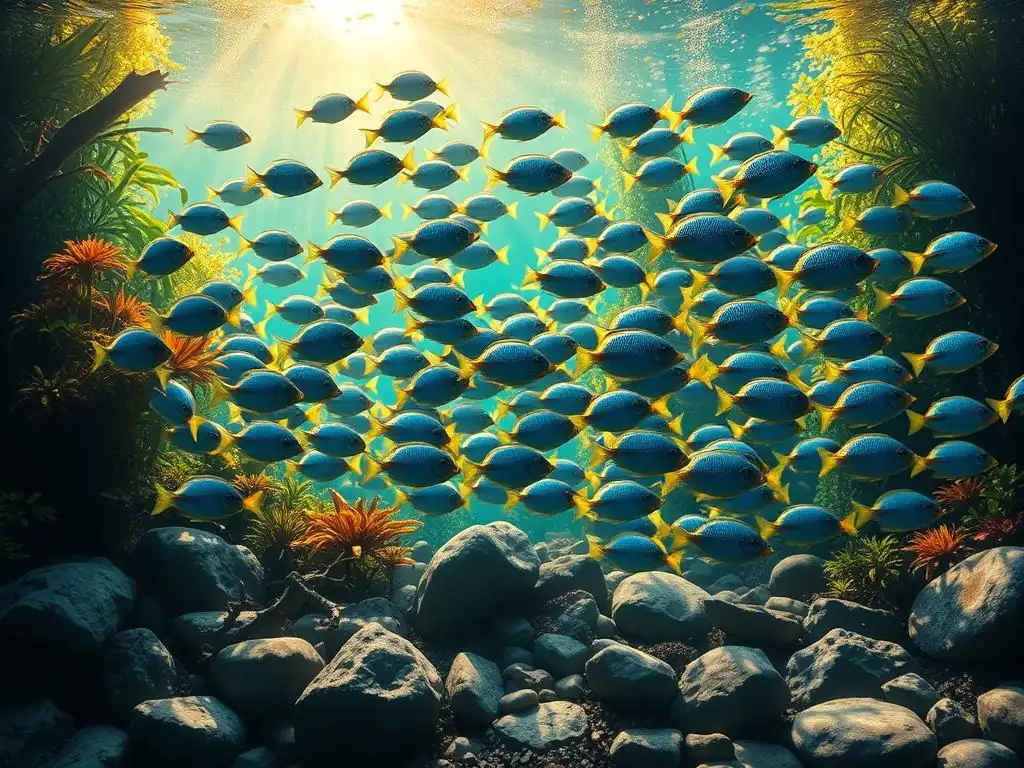
Cyprichromis species, often referred to as "featherfins," are endemic to the vast and ancient waters of Lake Tanganyika in East Africa. This rift lake is renowned for its exceptional stability in water chemistry, a characteristic that has profoundly shaped the evolution of its unique cichlid inhabitants. Unlike many other freshwater environments, Lake Tanganyika boasts a consistent temperature, high alkalinity, and significant mineral content, providing a remarkably stable environment for these pelagic schooling fish. They typically inhabit the open water column above rocky substrates, constantly moving in large schools.
The precise and stable conditions of their natural habitat are critical to understanding the ideal Cyprichromis water parameter guide. Lake Tanganyika's water typically maintains a temperature range of 24-27°C (75-81°F). The pH is consistently alkaline, generally ranging from 7.8 to 9.0, with many areas where Cyprichromis thrive exhibiting a pH of 8.2-8.5. General Hardness (GH) is notably high, often between 10-18 dGH (degrees of General Hardness), and Carbonate Hardness (KH) is even higher, ranging from 16-20 dKH (degrees of Carbonate Hardness). Furthermore, nitrates are virtually undetectable in the pristine, well-oxygenated waters of the lake.
Why Water Parameters Matter for Cyprichromis Health
Maintaining precise and stable water parameters is not merely a recommendation but a necessity for the long-term health and vitality of Cyprichromis. These fish are highly sensitive to fluctuations, even minor ones, due to their adaptation to the incredibly stable environment of Lake Tanganyika. Inconsistent or incorrect water chemistry directly impacts their physiological functions, leading to stress, weakened immune systems, and increased susceptibility to common aquarium ailments such as bloat, fin rot, and bacterial infections. For example, a sudden pH drop from 8.2 to 7.0 can cause severe pH shock, leading to rapid decline or death.
Beyond physical health, appropriate water parameters profoundly influence Cyprichromis behavior, coloration, and reproductive success. Fish kept in suboptimal conditions often exhibit dull coloration, clamped fins, erratic swimming patterns, and a general lack of vigor. Stress caused by poor water quality can also inhibit natural schooling behaviors and make breeding nearly impossible. A carefully adhered-to Cyprichromis water parameter guide ensures that these delicate cichlids not only survive but truly thrive, displaying their vibrant colors and engaging social interactions.
The Essential Cyprichromis Water Parameter Guide
Ideal Temperature Range for Cyprichromis
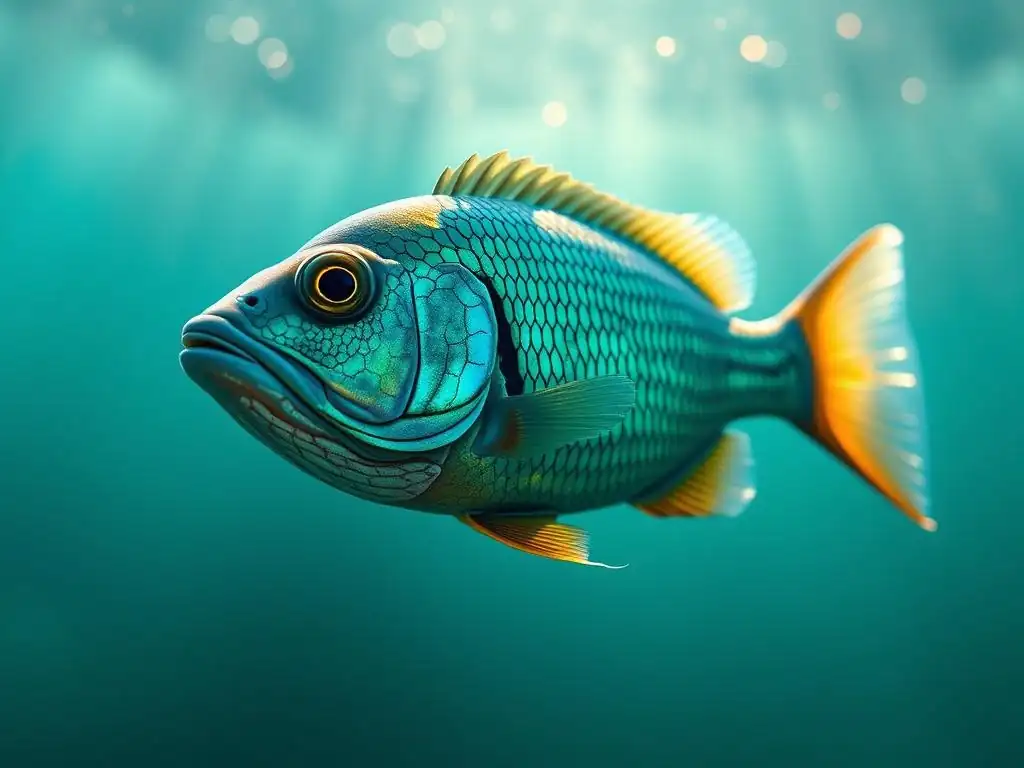
The ideal temperature range for Cyprichromis species is between 24-27°C (75-81°F). This range closely mimics their natural habitat in Lake Tanganyika, which experiences very little temperature fluctuation throughout the year. Maintaining a stable temperature within this window is crucial for their metabolic rate, immune function, and overall well-being. Temperatures too far outside this range can have significant negative impacts.
If the water temperature drops below 24°C, Cyprichromis may become lethargic, their metabolism slows down, making them more susceptible to disease and less active. Conversely, temperatures consistently above 27°C can increase their metabolic rate excessively, reduce the dissolved oxygen content in the water, and induce significant stress, potentially leading to health issues and decreased lifespan. A reliable aquarium heater with a thermostat, capable of maintaining a consistent temperature, is an indispensable component of any effective Cyprichromis water parameter guide.
Maintaining Optimal pH Levels for Cyprichromis
For Cyprichromis, maintaining an optimal and stable pH level is paramount. The ideal pH range is between 7.8 and 8.5, with many aquarists aiming for the upper end, around 8.2-8.5, to closely replicate Lake Tanganyika's conditions. An alkaline pH is vital for these fish, as their physiological systems are adapted to it. Additionally, a higher pH significantly reduces the toxicity of ammonia; at a pH of 8.0, a larger percentage of ammonia exists in its less toxic ionized ammonium form (NH4+), compared to the highly toxic unionized ammonia (NH3) at lower pH levels.
Fluctuations in pH can be extremely detrimental, causing pH shock, which damages gills and internal organs. Rapid shifts, even by 0.5 pH units in a short period, can be fatal. To maintain a stable, high pH, it's essential to use buffering substrates and consider adding specific Tanganyika cichlid buffers. Avoid using driftwood or peat, which can lower pH, and be mindful of CO2 injection if present, as it can significantly reduce alkalinity. Regular monitoring of pH is a core component of a comprehensive Cyprichromis water parameter guide.
Water Hardness (GH and KH) for a Cyprichromis Tank
Understanding General Hardness (GH) and Cyprichromis
General Hardness (GH) measures the concentration of dissolved multivalent metallic ions, primarily calcium and magnesium, in the water. For Cyprichromis, an ideal GH range is 10-18 dGH (degrees of General Hardness), which translates to approximately 179-322 ppm (parts per million). These minerals are essential for the fish's osmotic regulation, bone and scale development, and overall physiological health. Water that is too soft (low GH) can lead to osmotic stress, where the fish struggle to regulate water balance in their bodies.
To achieve and maintain appropriate GH levels, aquarists often utilize specific substrates like aragonite sand, crushed coral, or limestone rocks, which slowly release calcium and magnesium into the water. Commercial Tanganyika cichlid salts or mineral supplements can also be added to the water during changes. Consistently low GH can weaken fish, making them more susceptible to disease, while excessively high GH, though less common in setups designed for Cyprichromis, could potentially lead to mineral buildup on equipment or affect the fish's ability to absorb other essential nutrients.
Carbonate Hardness (KH) and Its Importance for Cyprichromis
Carbonate Hardness (KH), also known as alkalinity, measures the concentration of carbonates and bicarbonates, which act as natural buffers against pH fluctuations. For Cyprichromis, a high KH is crucial, with an ideal range of 16-20 dKH (approximately 287-358 ppm). This high buffering capacity is what keeps Lake Tanganyika's pH incredibly stable despite biological processes that naturally produce acids. In an aquarium, a robust KH prevents sudden pH crashes, which can be devastating to Cyprichromis.
When KH levels are too low, the water's buffering capacity is diminished, making the pH susceptible to rapid swings caused by fish respiration, nitrification, and organic decomposition. A KH below 10 dKH, for instance, significantly increases the risk of a pH crash in a Cyprichromis tank. To maintain optimal KH, similar to GH, buffering substrates like crushed coral or aragonite are effective. Additionally, specific Tanganyika cichlid buffers containing sodium bicarbonate and other carbonate salts can be dosed during water changes to ensure stable alkalinity, forming a critical part of the Cyprichromis water parameter guide.
Ammonia, Nitrite, and Nitrate Levels: Keeping Your Cyprichromis Safe
The Nitrogen Cycle and Cyprichromis Aquariums
The nitrogen cycle is the cornerstone of a healthy aquarium environment, especially for sensitive fish like Cyprichromis. This biological process converts toxic fish waste and decaying organic matter into less harmful substances. It begins with ammonia (NH3/NH4+), produced from fish respiration, uneaten food, and decaying plants. Beneficial bacteria (Nitrosomonas) then convert ammonia into nitrite (NO2-), which is still highly toxic. Finally, another group of beneficial bacteria (Nitrobacter) converts nitrite into nitrate (NO3-), a much less toxic compound. A fully established nitrogen cycle, often referred to as a "cycled" tank, is absolutely essential before introducing any Cyprichromis.
These beneficial bacteria colonize filter media, substrate, and tank surfaces, thriving in well-oxygenated water. The efficiency of the nitrogen cycle directly dictates the water quality and, consequently, the health of your Cyprichromis. Any disruption to this cycle, such as power outages affecting filtration, over-cleaning of filter media with chlorinated water, or sudden changes in water parameters, can lead to dangerous spikes in ammonia or nitrite. Understanding and maintaining a robust nitrogen cycle is fundamental to any effective Cyprichromis water parameter guide.
Safe Ammonia and Nitrite Levels for Cyprichromis
For Cyprichromis and indeed most aquarium fish, ammonia (NH3/NH4+) and nitrite (NO2-) levels must always be at 0 ppm (parts per million). Even minute concentrations of these compounds are highly toxic and can cause severe stress, gill damage, organ failure, and ultimately death. Ammonia burns gills, impairing oxygen uptake, while nitrite interferes with the blood's ability to carry oxygen, leading to "brown blood disease." Symptoms of ammonia or nitrite poisoning include gasping at the surface, clamped fins, lethargy, red gills, and loss of appetite.
If any detectable levels of ammonia or nitrite are present, immediate action is required. This typically involves performing a large water change (50% or more), adding an ammonia/nitrite detoxifying agent, reducing or ceasing feeding, and ensuring proper aeration. Prevention is key: thoroughly cycle the tank before adding fish, avoid overfeeding, do not overstock, and ensure your filtration system is functioning optimally. Regular testing for these compounds is non-negotiable for maintaining a safe Cyprichromis water parameter guide.
Managing Nitrate Levels in a Cyprichromis Tank
While less acutely toxic than ammonia or nitrite, high nitrate (NO3-) levels are still detrimental to Cyprichromis health over time. In their natural Lake Tanganyika habitat, nitrates are virtually undetectable. In an aquarium, nitrates accumulate as the final product of the nitrogen cycle. For Cyprichromis, target nitrate levels should ideally be below 20 ppm, and preferably below 10 ppm for optimal health and breeding success. Chronically high nitrate levels can lead to suppressed immune systems, reduced growth rates, fin erosion, and increased stress.
The primary method for managing nitrate accumulation is regular and consistent water changes. A weekly water change of 20-30% is a common recommendation, though lightly stocked tanks with robust filtration might manage with 25-35% bi-weekly changes. Additionally, thorough gravel vacuuming during water changes removes decaying organic matter that contributes to nitrate production. Avoiding overfeeding, preventing overstocking, and ensuring efficient mechanical filtration to remove solid waste promptly are also crucial steps in keeping nitrate levels in check, thereby upholding the integrity of your Cyprichromis water parameter guide.
Achieving and Maintaining Ideal Cyprichromis Water Chemistry
Choosing the Right Substrate for Buffering
The substrate in a Cyprichromis aquarium plays a significant role beyond aesthetics; it can actively contribute to maintaining ideal water chemistry. For these Tanganyikan cichlids, choosing a substrate that naturally buffers the water to the desired high pH and hardness is highly recommended. Materials such as aragonite sand, crushed coral, or specialized Tanganyika cichlid sands are excellent choices. These substrates are composed primarily of calcium carbonate, which slowly dissolves in the water, releasing carbonates and calcium ions.
This slow dissolution process helps to naturally raise and stabilize both the pH and the General Hardness (GH) and Carbonate Hardness (KH) of the water, mimicking the mineral-rich conditions of Lake Tanganyika. Unlike inert substrates like silica sand, which offer no buffering capacity, calcareous sands actively work to counteract the natural acidification processes in an aquarium. A substrate depth of 1 to 2 inches is typically sufficient to provide buffering without becoming a significant detritus trap, further aiding in maintaining a stable Cyprichromis water parameter guide.
The Role of Rocks and Decor in Cyprichromis Water Chemistry
Beyond providing vital shelter and territorial markers, the choice of rocks and decor in a Cyprichromis tank can significantly influence water chemistry. Calcareous rocks, such as Texas Holey Rock, limestone, lace rock, or tufa rock, are highly beneficial. These types of rocks are rich in calcium carbonate and will slowly leach minerals into the water, thereby contributing to the desired high pH, GH, and KH levels that Cyprichromis require. They essentially act as large, slow-release buffers, complementing the buffering action of the substrate.
When selecting rocks, it's advisable to perform a simple vinegar test: if a few drops of vinegar cause the rock to fizz or bubble, it indicates the presence of calcium carbonate, making it suitable for a Tanganyikan setup. Conversely, avoid using rocks like slate, granite, or river stones unless you are certain they are inert, as some can lower pH or have no beneficial buffering effect. Providing ample rockwork with numerous caves and crevices is also crucial for Cyprichromis, offering essential hiding spots and reducing stress, while simultaneously supporting the Cyprichromis water parameter guide.
Water Changes: Frequency and Volume for Cyprichromis
Regular and consistent water changes are the single most effective method for maintaining pristine water quality and stable parameters in a Cyprichromis aquarium. For most setups, a weekly water change of 20-30% of the tank volume is recommended. For very heavily stocked tanks or those with less robust filtration, slightly larger or more frequent changes might be necessary, perhaps 30-40% weekly. Conversely, a very lightly stocked and well-filtered tank might thrive on bi-weekly changes of 25-35%.
The primary benefits of routine water changes include the removal of accumulated nitrates and other dissolved organic pollutants, replenishment of essential trace minerals that are depleted over time, and stabilization of pH and hardness. It is crucial that the replacement water is declorinated and temperature-matched to the aquarium water to prevent thermal or chemical shock to the fish. Using water that has been pre-buffered to match the tank's parameters is also highly beneficial, ensuring that each water change contributes to, rather than disrupts, the stability outlined in your Cyprichromis water parameter guide.
Filtration Systems for Maintaining Water Quality
Selecting an Appropriate Filter for a Cyprichromis Tank
Given the need for exceptionally clean and stable water for Cyprichromis, selecting a robust and efficient filtration system is paramount. Canister filters are often considered ideal due to their large media capacity, versatility in holding different types of media, and ability to provide strong mechanical, biological, and chemical filtration. Large hang-on-back (HOB) filters with multiple media slots can also be effective, especially for smaller to medium-sized tanks. It is generally advisable to choose a filter rated for a tank size at least 1.5 to 2 times your actual tank volume to ensure ample filtration power.
When considering filtration for Cyprichromis, focus on systems that provide excellent biological filtration to process the nitrogen cycle efficiently, strong mechanical filtration to remove particulate waste, and the option for chemical filtration to maintain water clarity and remove dissolved organics. While Cyprichromis appreciate good water movement, excessively turbulent flow should be avoided, as they are open-water schooling fish that prefer calmer conditions than some other cichlids. A well-chosen filter is foundational to implementing a successful Cyprichromis water parameter guide.
Filter Media and its Impact on Water Parameters
The choice of filter media is as important as the filter itself for maintaining optimal water parameters for Cyprichromis. A balanced approach typically involves three types of media: mechanical, biological, and chemical. Mechanical media (e.g., sponges, filter floss, filter pads) remove physical debris, preventing clogs and reducing the organic load. Biological media (e.g., ceramic rings, bio-balls, porous rocks) provide vast surface area for the colonization of beneficial bacteria essential for the nitrogen cycle. These bacteria are crucial for converting toxic ammonia and nitrite into less harmful nitrates.
Chemical media, such as activated carbon or specialized resins (e.g., Purigen), can be used to remove dissolved organic pollutants, odors, and water discoloration, contributing to pristine water clarity. However, it's important to note that activated carbon can also remove beneficial trace elements and some buffering agents, so it should be replaced regularly (e.g., monthly) to remain effective and prevent leaching back absorbed compounds. Some specialized chemical media can also be used to target specific parameters, for instance, media designed to absorb nitrates, further refining your Cyprichromis water parameter guide.
Water Testing: Monitoring Your Cyprichromis Tank
Recommended Water Testing Kits for Cyprichromis Aquariums
Regular water testing is an indispensable part of a successful Cyprichromis water parameter guide, allowing you to monitor conditions and proactively address any issues. For accuracy and reliability, liquid test kits are highly recommended over test strips, which can be less precise. Essential tests for a Cyprichromis aquarium include: pH, General Hardness (GH), Carbonate Hardness (KH), Ammonia (NH3/NH4+), Nitrite (NO2-), and Nitrate (NO3-). Reputable brands such as API (e.g., the API Freshwater Master Test Kit) or Salifert offer comprehensive and accurate kits for these parameters.
During the initial tank cycling phase, daily testing of ammonia, nitrite, and nitrate is crucial. Once the tank is established and fish are introduced, weekly or bi-weekly testing of all core parameters (pH, GH, KH, nitrate) is advisable. Ammonia and nitrite should still be tested if any fish show signs of stress or illness, or after any significant tank disturbance. Consistent monitoring empowers you to understand your tank's specific dynamics and make informed decisions about maintenance.
Interpreting Water Test Results
Interpreting your water test results involves comparing them against the ideal Cyprichromis water parameter guide established earlier in this article. For instance, if your pH consistently reads 7.5 when the target is 8.2, it indicates a need to increase your buffering capacity. If ammonia or nitrite show any reading above 0 ppm, it signals a serious problem with your nitrogen cycle, requiring immediate action. Elevated nitrate levels (above 20 ppm) suggest insufficient water changes or overfeeding.
It's equally important to look for trends over time rather than just single readings. Keeping a log of your test results allows you to identify patterns, such as a gradual decline in KH, which could precede a pH crash. Understanding these trends enables proactive adjustments, preventing minor imbalances from escalating into major problems that could jeopardize the health of your Cyprichromis. Consistent, informed interpretation of test results is key to maintaining a thriving Tanganyikan environment.
Troubleshooting Common Water Parameter Issues in Cyprichromis Tanks
High Ammonia or Nitrite Spikes: Causes and Solutions
High ammonia or nitrite levels are acutely toxic to Cyprichromis and demand immediate attention. Common causes include: a newly set up tank that hasn't fully cycled (new tank syndrome), overfeeding, overstocking, a deceased fish decaying unnoticed, or a sudden filter malfunction (e.g., power outage, clogged filter, or accidentally killing beneficial bacteria by cleaning media with chlorinated water). Even small detectable amounts (e.g., 0.25 ppm) are dangerous.
The primary solution for an ammonia or nitrite spike is an immediate, large water change—typically 50% or more, using temperature-matched and declorinated water. Simultaneously, reduce or cease feeding entirely for a few days to minimize waste production. Adding an ammonia/nitrite detoxifier (many water conditioners include this) can temporarily neutralize the toxins. Ensure your filter is clean and functioning correctly, and increase aeration to boost oxygen levels, which helps beneficial bacteria. In severe cases, daily large water changes may be necessary until levels return to 0 ppm, emphasizing the critical nature of this Cyprichromis water parameter guide.
Fluctuations in pH Levels: Prevention and Correction
Unstable pH is a significant stressor for Cyprichromis, which are adapted to the highly stable conditions of Lake Tanganyika. The most common cause of pH fluctuations is insufficient Carbonate Hardness (KH), meaning the water lacks adequate buffering capacity. Other factors can include large, infrequent water changes with source water of a significantly different pH, or the introduction of materials that lower pH, such as driftwood (not recommended for Cyprichromis tanks) or unbuffered CO2 injection.
To prevent pH fluctuations, ensure your KH is consistently within the ideal range of 16-20 dKH using buffering substrates (aragonite, crushed coral) and/or Tanganyika-specific buffer salts. Perform smaller, more frequent water changes (e.g., 20-30% weekly) rather than large, infrequent ones, and always ensure the replacement water is temperature and pH matched. If a pH drop occurs, correct it very gradually over several hours or days by adding buffering agents incrementally, avoiding rapid changes that could induce pH shock in your Cyprichromis.
Dealing with High Nitrate Levels in Cyprichromis Tanks
High nitrate levels, while less acutely toxic than ammonia or nitrite, can still lead to chronic health issues, suppressed immunity, and reduced lifespan for Cyprichromis if consistently above 20 ppm. The most common causes are insufficient water changes, overfeeding, overstocking, and the accumulation of decaying organic matter (fish waste, uneaten food, dead plant material) in the substrate or filter.
The most effective solution for high nitrates is to increase the frequency and/or volume of your water changes. For instance, if you're doing 20% weekly, consider increasing to 30-40% weekly or even 20% twice a week. Thoroughly gravel vacuum the substrate during water changes to remove trapped detritus.
Reduce feeding amounts to only what your Cyprichromis can consume in a few minutes, once or twice a day. Ensure your filtration system is adequately sized and well-maintained, as efficient mechanical filtration removes solid waste before it breaks down into nitrates. In some cases, adding nitrate-reducing filter media can also help supplement your Cyprichromis water parameter guide efforts.
Addressing Water Hardness Imbalances
Water hardness imbalances (both GH and KH) can significantly impact Cyprichromis health. Low GH/KH is often caused by using very soft source water, such as RO/DI water without proper remineralization, or simply not having enough buffering agents in the tank (e.g., inert substrate, lack of calcareous rocks). This can lead to osmotic stress and pH instability. Conversely, excessively high GH/KH, though less common in Cyprichromis setups, could result from over-dosing buffers or having source water that is already extremely hard.
To correct low hardness, incorporate buffering substrates like aragonite sand or crushed coral, and add calcareous rocks (e.g., limestone). Commercial Tanganyika cichlid buffer salts are designed to raise both GH and KH to the desired levels. For high hardness, the solution is more complex: blending your source water with RO/DI water can reduce hardness, but this requires precise remineralization to ensure all other essential trace elements are present. Always test your source water to understand its baseline parameters before making adjustments, allowing for a more accurate Cyprichromis water parameter guide.
The Impact of Water Parameters on Cyprichromis Breeding
Optimizing Water Conditions for Spawning
Optimizing water conditions is a critical factor in encouraging Cyprichromis to spawn successfully. These fish, being mouthbrooders from a highly stable environment, are very particular about their surroundings before they commit to breeding. Consistent and pristine water quality, as outlined in this Cyprichromis water parameter guide, signals to the fish that conditions are ideal for reproduction. Specifically, maintaining a stable pH between 8.0-8.5, a GH of 10-15 dGH, and a temperature consistently between 25-27°C (77-81°F) often triggers spawning behavior.
Beyond these core parameters, very low nitrate levels (ideally below 5-10 ppm) are particularly important. High nitrates can inhibit spawning readiness and reduce the viability of eggs. Providing a diverse diet rich in protein and varied nutrients, combined with these optimal water conditions, helps condition the adult fish, leading to healthier and more frequent spawning events. The stability provided by meticulous water parameter management reduces stress, allowing the fish to focus their energy on courtship and reproduction.
Maintaining Stable Water Parameters During Fry Development
Once Cyprichromis have spawned and the female is mouthbrooding, maintaining stable water parameters becomes even more critical, especially once the fry are released. Cyprichromis fry are incredibly delicate and highly sensitive to any fluctuations in water chemistry. Stable temperature, consistent pH, and absolutely zero ammonia and nitrite are paramount for their survival and healthy development. Any deviation can lead to high mortality rates.
In fry rearing tanks, or even in the main tank if fry are left with adults, very frequent, small water changes are often necessary. For instance, performing 10% water changes daily or every other day can help remove waste and replenish essential minerals without causing significant shifts in parameters. This method helps keep nitrates extremely low, which is crucial for fry growth and preventing disease. The meticulous application of the Cyprichromis water parameter guide during the fry stage ensures the highest possible survival rates and the development of robust, healthy young fish.
Advanced Water Parameter Techniques for Cyprichromis Enthusiasts
Using Buffers to Control pH and KH
For dedicated Cyprichromis enthusiasts aiming for unparalleled stability, the precise use of commercial buffer salts designed for Tanganyikan cichlids is invaluable. Products like Seachem Tanganyika Buffer or Kent Cichlid Buffer are formulated to not only raise pH but also to replicate the complex mineral profile of Lake Tanganyika, ensuring the correct balance of carbonates, bicarbonates, calcium, magnesium, and other trace elements. These buffers provide a more comprehensive solution than simple baking soda (sodium bicarbonate), which only increases KH.
When using these buffers, it is crucial to follow the manufacturer's instructions meticulously. Always dissolve the buffer powder in a separate container of water before adding it slowly to the aquarium, ideally during a water change. This prevents localized concentration spikes and potential harm to your fish. Regular testing of pH, GH, and KH is essential to fine-tune the dosage and avoid overshooting your target parameters. Consistent, precise buffering minimizes pH swings and maintains the high alkalinity vital for your Cyprichromis water parameter guide.
Exploring Alternative Filtration Methods
While canister filters and large HOBs are effective for most Cyprichromis setups, advanced enthusiasts often explore alternative filtration methods for superior water quality and stability, particularly for larger tanks or breeding setups. Sump filtration systems are a popular choice, offering significantly larger media capacity for biological filtration, increased water volume (contributing to overall tank stability), and the ability to house heaters, pumps, and other equipment discreetly. Wet/dry filters, a type of sump, maximize oxygen exposure for beneficial bacteria, enhancing nitrification.
Fluidized bed filters are another advanced option, utilizing a bed of sand or plastic media that is constantly agitated by water flow, providing an immense surface area for bacterial colonization. While not common in typical home setups, these can offer exceptional biological filtration efficiency. These advanced systems require more initial setup and plumbing but can lead to remarkably stable and pristine water conditions, reducing the burden on manual water changes and further solidifying your Cyprichromis water parameter guide.
Setting Up a Dedicated Water Change System for Cyprichromis
For multi-tank Cyprichromis enthusiasts or those with very large setups, setting up a dedicated water change system can revolutionize maintenance, ensuring consistent water parameters with minimal effort. This involves a large water storage reservoir (e.g., a food-grade barrel or dedicated mixing tank) where new water can be prepared. This reservoir allows for pre-heating the water to match tank temperature and, crucially, pre-dosing with declorinator and Tanganyika-specific buffers hours or even a day before the water change.
The system can be as simple as a large container and a submersible pump, or as elaborate as an automated drip system with an RO/DI unit, mixing pumps, and dosing pumps for buffers. An automated system can slowly remove old water and replenish new water over several hours or days, minimizing stress on the fish by preventing sudden parameter shifts. This advanced approach ensures that every water change is perfectly matched to the tank's ideal Cyprichromis water parameter guide, providing the ultimate in stability and care for your valuable collection.
Frequently Asked Questions
What are the ideal water temperature parameters for keeping Cyprichromis?
Cyprichromis thrive in water temperatures between 76°F and 82°F (24°C to 28°C). Maintaining a stable temperature within this range is crucial for their health and well-being.
What is the recommended pH level for a Cyprichromis aquarium?
The ideal pH level for Cyprichromis is between 7.8 and 9.0. This slightly alkaline environment mimics their natural habitat in Lake Tanganyika.
What is the importance of water hardness (GH and KH) when keeping Cyprichromis?
Cyprichromis require moderately hard to hard water. General Hardness (GH) should be between 10-20 dGH, and Carbonate Hardness (KH) should be between 12-18 dKH to ensure proper buffering and mineral content.
How often should I perform water changes in a Cyprichromis tank?
Regular water changes are essential for Cyprichromis. Aim for 25-50% water changes every one to two weeks to maintain water quality and remove nitrates.
What ammonia and nitrite levels are safe for Cyprichromis?
Ammonia and nitrite levels should always be at 0 ppm. Any detectable levels are toxic and indicate a problem with your biological filtration system.
Final Reflection: Cultivating Aquatic Harmony
The meticulous attention to detail required to maintain the ideal water parameters for Cyprichromis extends far beyond the confines of a single aquarium. This pursuit of aquatic perfection mirrors our broader responsibility to understand and protect the delicate ecosystems that sustain life on our planet. The principles of balance, stability, and careful observation, so crucial for these vibrant fish, are equally vital for ensuring the health of our natural waterways.
This journey into the specific needs of Cyprichromis has underscored the profound interconnectedness of life. Understanding the nuances of their environment allows us to appreciate the complexity of aquatic ecosystems and the importance of responsible aquarium keeping. In water one sees one's own face; but in wine, one beholds the heart of another.
This ancient proverb reminds us that what we put into our environments, whether a glass of wine or an aquarium, reflects back on us, revealing our care, our understanding, and ultimately, our respect for life.
Now, consider the lessons learned from this Cyprichromis water parameter guide. How can you apply this same dedication to balance and understanding to other aspects of your life? Whether it's nurturing your own well-being, contributing to your community, or advocating for environmental protection, remember that even small acts of care can ripple outwards, creating a more harmonious and thriving world for all. Embrace the challenge, and let the pursuit of aquatic harmony inspire you to cultivate a more balanced and beautiful existence, both within and beyond the glass.
Ignite Your Cyprichromis Paradise!
Thank you for diving into the fascinating world of Cyprichromis! We hope you’ve gained valuable insights into creating the perfect aquatic environment for these vibrant fish. Now, let's transform that knowledge into action.
Here's how you can take the next step:
- Immediately test your aquarium water. Compare the results to the ideal parameters discussed, and create a plan for gradual adjustments if needed. Remember, consistency is key!
- Explore the Cyprichromis community! Share your setup plans or current tank photos in the Aquarium Mastery forum to get feedback and inspiration from fellow enthusiasts.
- Consider a bold experiment: introduce a carefully selected, small school of dither fish (compatible with Cyprichromis) to enhance their natural behavior and create a more dynamic display.
Ready to start creating the ultimate Cyprichromis haven in your home aquarium?