
Collecting Rare Apistogramma Species: A Guide for Enthusiasts

Welcome to Aquarium Mastery!
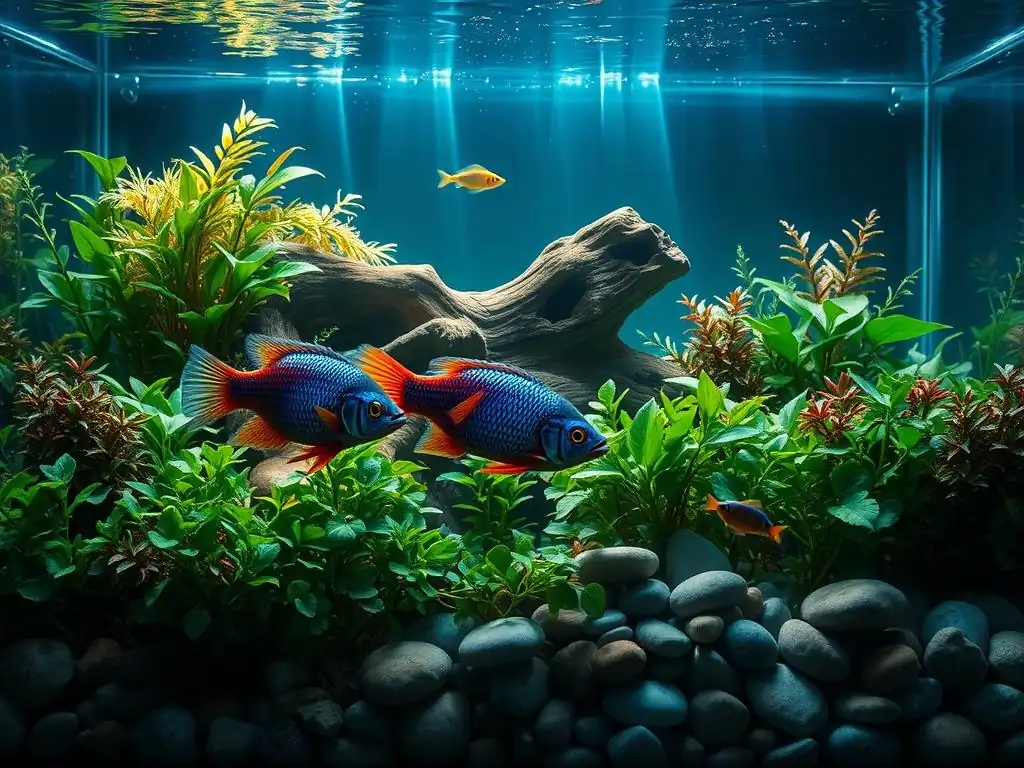
Intrigued by the hidden gems of the aquarium world? You've come to the right place! Dive in and discover the captivating world of Apistogramma. Our latest guide unveils the secrets to collecting rare Apistogramma species, offering expert insights and practical advice to elevate your freshwater aquarium experience. Ready to embark on an exciting quest for these vibrant, elusive fish? Let's begin!
- Introduction to Rare Apistogramma Collecting
- Identifying Rare Apistogramma Species
- Sourcing Rare Apistogramma: Where to Find Them
- Setting Up the Ideal Aquarium for Rare Apistogramma
- Care and Maintenance of Rare Apistogramma
- Legal and Ethical Considerations in Apistogramma Collection
- Documenting and Sharing Your Rare Apistogramma Collection
- Advanced Apistogramma Keeping: Beyond the Basics
- Conclusion: The Rewarding Journey of Rare Apistogramma Keeping
-
Frequently Asked Questions
- How difficult is it to find rare Apistogramma species?
- What are some key considerations for housing rare Apistogramma species?
- What should I look for when purchasing rare Apistogramma?
- Where can I find reputable sources for acquiring rare Apistogramma?
- What are some common challenges in keeping rare Apistogramma?
- Final Reflection: The Enduring Allure of the Rare
- Unleash Your Inner Explorer: Dive Deeper into the World of Apistogramma!
Introduction to Rare Apistogramma Collecting
The Allure of Rare Apistogramma: Why Collect?
The pursuit of rare Apistogramma species represents a pinnacle for many aquarists, offering a unique blend of aesthetic beauty, behavioral intrigue, and the intellectual challenge of providing specialized care. Unlike their more common counterparts, these less frequently encountered dwarf cichlids often exhibit breathtaking, intricate color patterns and fin extensions that are simply unparalleled.
For instance, species like Apistogramma elizabethae or specific wild forms of Apistogramma agassizii from isolated river systems display a vibrancy and distinctiveness that captivates even seasoned enthusiasts. The satisfaction derived from successfully keeping and, ideally, breeding these delicate fish contributes significantly to the hobbyist's sense of accomplishment.
Beyond their visual appeal, rare Apistogramma species present a compelling challenge in terms of husbandry. Their specific environmental requirements, often mirroring the precise conditions of their native South American blackwater habitats, demand meticulous attention to water chemistry, temperature, and diet. This level of dedication transforms aquarium keeping from a casual pastime into a deeply engaging scientific endeavor. The growing community around these specialized fish, evident in the increasing number of dedicated forums and online groups, underscores the shared passion for preserving and understanding these unique aquatic gems, making a rare Apistogramma collecting guide an invaluable resource.
Understanding Apistogramma Taxonomy and Rarity
Apistogramma are a diverse genus of dwarf cichlids native to the Amazon and Orinoco river basins in South America, encompassing over 100 described species and numerous undescribed forms. Rarity in this context is often determined by several factors: a species' limited natural distribution, the difficulty of collection due to remote habitats, specific environmental sensitivities that make transport challenging, or low breeding success rates in captivity. For example, Apistogramma allpahuayo is considered rare due to its extremely restricted natural range in Peru, making it less frequently available in the trade compared to widespread species like Apistogramma cacatuoides.
Understanding the scientific nomenclature is crucial for those embarking on a rare Apistogramma collecting guide journey. While common names exist, they can be misleading; the specific species name, often followed by locality data (e.g., Apistogramma bitaeniata "Tefe"), ensures precise identification and helps differentiate between distinct geographic variants that may exhibit subtle but significant differences in appearance or care requirements. The ongoing discovery of new species and the reclassification of existing ones also contribute to the dynamic nature of Apistogramma taxonomy, adding another layer of complexity and excitement to the pursuit of these fascinating fish.
Identifying Rare Apistogramma Species
Key Characteristics of Uncommon Apistogramma
Uncommon Apistogramma species often possess distinguishing characteristics that set them apart from their more widely available relatives. These traits can include exceptionally vibrant or unique colorations, such as the intense blue and red markings of certain Apistogramma panduro lines or the deep, rich reds and blacks seen in some Apistogramma hongsloi variants that are rarely imported.
Fin morphology is another key indicator; some rare species exhibit elongated dorsal or caudal fins, or distinct lyre-tail shapes that are less common in general trade. For instance, specific wild-caught Apistogramma macmasteri or Apistogramma viejita forms may display fin extensions and body patterns far more intricate than their tank-bred counterparts.
Beyond their physical appearance, the behavior and natural habitat data of rare Apistogramma can also be indicative of their rarity. Many uncommon species originate from extremely specific, isolated ecological niches within the vast South American river systems, such as small, highly acidic blackwater streams or temporary pools.
These specialized environments often lead to unique adaptations in behavior, such as very specific breeding rituals or dietary preferences, which may not be observed in more common, adaptable species. When identifying a potentially rare Apistogramma, it is essential to consider not just its visual appeal but also its reported origin and any unusual behavioral traits that might hint at its unique genetic lineage and specific care needs.
Distinguishing Rare Apistogramma from Common Varieties
Distinguishing genuinely rare Apistogramma species from common varieties or selectively bred forms requires a keen eye and considerable knowledge. A common pitfall for new enthusiasts is mistaking a highly colored, selectively bred Apistogramma cacatuoides "Triple Red" for a rare wild variant, when in fact, the wild A. cacatuoides often has more subdued, natural coloration.
The key lies in understanding the subtle nuances of fin shape, body proportions, and the exact distribution of color and pattern, which often differ significantly between wild types and their line-bred descendants. For example, a rare Apistogramma agassizii "Tefe" will exhibit a distinct lateral band and tail pattern that differentiates it from a common A. agassizii "Double Red" bred for exaggerated finnage.
Furthermore, accurate identification relies heavily on locality data and scientific nomenclature. Reputable sellers of rare Apistogramma will always provide the precise scientific name (e.g., Apistogramma sp. "Rotpunkt" or Apistogramma baenschi) and, ideally, the collection point or origin. Without this detailed information, it is difficult to verify the authenticity and true rarity of a specimen. Common varieties, while beautiful, are often mass-produced and lack the specific genetic markers or wild-type characteristics that denote a truly rare Apistogramma. Therefore, careful research, comparison with verified photographic resources, and reliance on trusted sources are paramount for a successful rare Apistogramma collecting guide journey.
Sourcing Rare Apistogramma: Where to Find Them
Reputable Breeders and Hobbyists for Rare Apistogramma
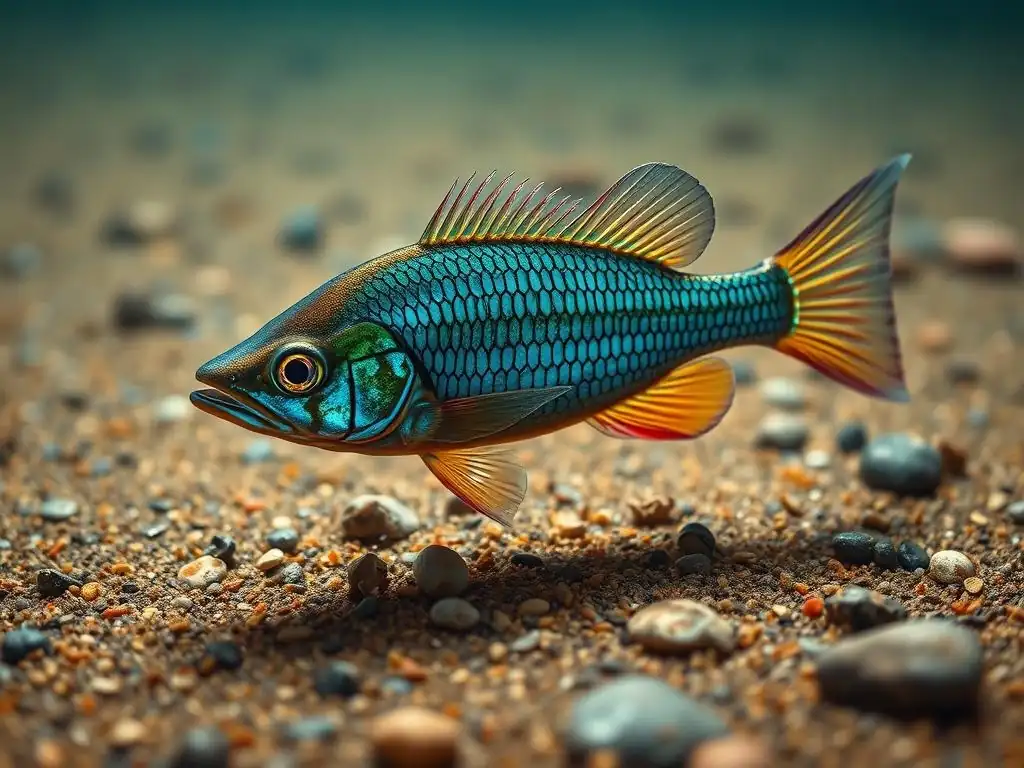
Sourcing rare Apistogramma species often begins with connecting with reputable breeders and dedicated hobbyists. These individuals typically possess a deep understanding of specific species' needs, often having spent years perfecting their breeding techniques for challenging varieties. A key indicator of a reputable breeder is their transparency regarding the fish's origin, whether tank-bred or wild-caught, and their detailed knowledge of the species' lineage.
They can provide insights into the specific water parameters and dietary requirements that led to their success. For instance, a breeder specializing in Apistogramma elizabethae might openly share their precise pH (often below 5.5) and GH (under 2 dGH) parameters, along with their feeding regimen of live blackworms and daphnia, which are crucial for conditioning these sensitive fish.
Furthermore, reputable sources prioritize the health and genetic purity of their stock. They typically quarantine new fish, maintain pristine breeding setups, and are committed to avoiding hybridization. When seeking a rare Apistogramma collecting guide or specific species, look for breeders who offer clear health guarantees and are willing to provide current photos or videos of the exact fish you will receive. Engagement in specialized online forums or local aquarium societies is often where these dedicated individuals can be found, as their reputation typically precedes them within the niche community.
Online Forums and Auctions for Apistogramma Enthusiasts
Online forums and specialized auction sites have become indispensable platforms for Apistogramma enthusiasts to find rare species and connect with sellers globally. Websites dedicated to dwarf cichlids or general aquarium forums with active Apistogramma sections often feature "For Sale" subsections where hobbyists list their surplus tank-bred fish or even wild-caught imports. The advantage here is the wider selection of species that might not be available through traditional retail channels, including extremely uncommon variants like Apistogramma eunotus or specific locality forms of Apistogramma iniridae.
However, caution is advised when using these platforms. It is crucial to thoroughly research the seller's reputation by checking feedback, asking for multiple recent photos or videos of the fish, and inquiring about their shipping practices. Some sellers might specialize in shipping delicate fish, using insulated boxes, heat or cold packs, and overnight delivery services, which are vital for the survival of sensitive Apistogramma. Always clarify the exact species, its origin (wild-caught vs. tank-bred), and any specific care requirements before committing to a purchase to ensure a successful rare Apistogramma collecting guide experience.
Wild-Caught Apistogramma: Ethical Considerations and Sourcing
Wild-caught Apistogramma represent a significant portion of the rare species available in the hobby, offering unparalleled genetic diversity and often more vibrant, natural coloration than their captive-bred counterparts. These fish are collected directly from their native habitats in South America, typically by small-scale, specialized exporters. For example, specific forms of Apistogramma nijsseni or Apistogramma mendezi are almost exclusively available as wild-caught specimens due to their challenging breeding requirements in captivity. Sourcing wild-caught fish involves ethical considerations regarding sustainability and the impact on natural populations.
It is paramount to seek out suppliers who adhere to sustainable and ethical collection practices. This means working with exporters who possess proper permits, ensure fair compensation for local collectors, and minimize environmental disturbance. Reputable importers will often provide detailed locality data, such as "Rio Negro basin, Brazil" or "Leticia, Colombia," which adds value and authenticity to the fish. While wild-caught fish may initially be more delicate and susceptible to stress or parasites, their genetic purity makes them highly sought after for breeding projects aimed at preserving specific bloodlines and contributing to the broader rare Apistogramma collecting guide community.
Setting Up the Ideal Aquarium for Rare Apistogramma
Tank Size and Dimensions for Specific Apistogramma Species
The ideal tank size and dimensions for rare Apistogramma species vary depending on the specific species, whether you plan to keep a single pair, a trio, or a small group. For a single pair of most Apistogramma, a 10 to 15-gallon aquarium (approximately 20x10x12 inches or 24x8x12 inches) provides adequate space for territory establishment and breeding.
However, for larger or more territorial species like Apistogramma uaupesi or to accommodate multiple pairs of different species, a 20-gallon long (24x12x16 inches) or even a 30-gallon breeder tank (36x18x12 inches) is highly recommended. The footprint of the tank is generally more important than its height, as Apistogramma are bottom-dwelling fish that appreciate horizontal swimming space and ample substrate for foraging.
For species that form harems, such as Apistogramma cacatuoides or Apistogramma borellii, a minimum of 20 gallons is advisable for one male and two or three females. This larger space allows each female to establish her own territory, reducing aggression and stress during breeding. When planning your rare Apistogramma collecting guide setup, consider the eventual adult size of the fish, which for most Apistogramma ranges from 1.5 to 3 inches (4-7.5 cm), and allocate at least 5-10 gallons per adult fish to ensure optimal health and social dynamics.
Water Parameters: Achieving Optimal Conditions for Rare Apistos
Achieving and maintaining precise water parameters is perhaps the most critical aspect of keeping rare Apistogramma species, as many originate from highly specific blackwater environments. The majority thrive in soft, acidic water with a pH range of 5.0 to 6.5, a general hardness (GH) between 1 and 5 dGH (18-90 ppm), and a carbonate hardness (KH) between 0 and 3 dKH (0-54 ppm).
Species like Apistogramma elizabethae or certain Apistogramma iniridae forms may even require pH levels below 5.0 for successful breeding. Replicating these conditions often necessitates the use of reverse osmosis (RO) water, deionized (DI) water, or rainwater, remineralized with specific salts to achieve the desired GH while keeping KH low.
Temperature is equally important, with most rare Apistogramma preferring a stable range of 75-82°F (24-28°C). Consistency in these parameters is paramount; sudden fluctuations can cause severe stress and compromise the fish's immune system. Regular testing with reliable liquid test kits for pH, GH, KH, ammonia, nitrite, and nitrate is essential. For those following a rare Apistogramma collecting guide, integrating natural buffering agents like peat, alder cones, or dried catappa leaves can help maintain low pH and add beneficial humic substances, mimicking their natural habitat.
Substrate, Decor, and Planting for a Natural Apistogramma Habitat
The substrate, decor, and planting are vital components of creating a natural and thriving habitat for rare Apistogramma, directly influencing their comfort, behavior, and breeding success. A fine, soft substrate such as sand (e.g., pool filter sand or specialized aquarium sand) is highly recommended. Apistogramma are sifting fish that enjoy digging and exploring the substrate with their delicate barbels, and coarse gravel can cause injury. A depth of at least 1-2 inches (2.5-5 cm) allows for this natural behavior and provides a medium for beneficial bacteria.
Decor should include numerous hiding spots and visual barriers to reduce aggression and provide security. Coconut shells with drilled openings, small clay pots, driftwood, and smooth rocks are excellent choices for creating caves and territories. When arranging decor, ensure there are multiple lines of sight broken up to allow weaker fish to escape more dominant individuals.
Live plants are indispensable, offering cover, improving water quality, and contributing to a natural aesthetic. Plants like Cryptocoryne species, Anubias, Java Fern, and various floating plants (e.g., Dwarf Water Lettuce or Salvinia) are ideal as they thrive in low to moderate light and provide ample shade and cover, essential for these often shy fish when embarking on a rare Apistogramma collecting guide journey.
Filtration and Water Changes for Maintaining Water Quality
Maintaining impeccable water quality is non-negotiable for the health and longevity of rare Apistogramma species. Given their sensitivity to fluctuating parameters and nitrogenous waste, a gentle yet effective filtration system is crucial. Sponge filters are an excellent choice, providing biological filtration and mechanical filtration without creating strong currents that can stress these small fish.
Small hang-on-back (HOB) filters can also be used, provided their flow is baffled or directed towards the tank wall to minimize disturbance. Canister filters are generally overkill for smaller Apistogramma tanks but can be used in larger setups if equipped with a spray bar to diffuse the outflow.
Regular water changes are paramount to dilute nitrates, replenish essential minerals, and maintain stable water chemistry. For most rare Apistogramma setups, weekly water changes of 25-50% are recommended, depending on the bioload and initial water parameters. It is vital to use temperature-matched, dechlorinated water that has been prepared to match the specific low pH and low hardness requirements of your Apistogramma species, often using RO/DI water.
Never perform large water changes with untreated tap water if your tap water parameters differ significantly from the target, as this can shock the fish. Consistent water quality management is a cornerstone of any successful rare Apistogramma collecting guide.
Care and Maintenance of Rare Apistogramma
Diet and Feeding: Providing a Nutritious Diet
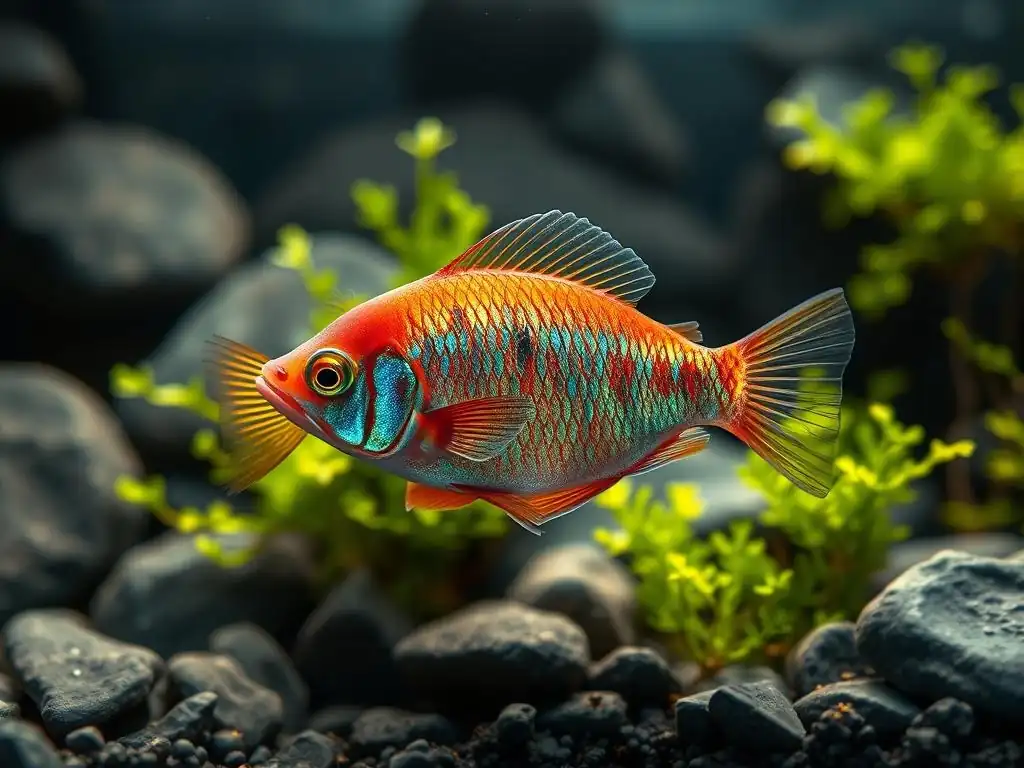
Providing a varied and nutritious diet is fundamental for the health, coloration, and breeding readiness of rare Apistogramma species. While many Apistogramma will accept high-quality dry foods such as small pellets or flakes, live and frozen foods should form the cornerstone of their diet. Live foods like newly hatched brine shrimp, daphnia, micro worms, and blackworms are highly relished and provide essential proteins and vitamins, mimicking their natural diet of small invertebrates. For instance, conditioning a pair of Apistogramma cacatuoides for breeding often involves feeding live blackworms several times a day for weeks.
Frozen foods such as bloodworms, Mysis shrimp, and finely chopped earthworms are also excellent alternatives, offering convenience without sacrificing much nutritional value. It's important to feed small amounts two to three times a day, as Apistogramma have small stomachs and a high metabolism. Overfeeding should be avoided as it can quickly foul the water. Rotational feeding, ensuring a mix of different food types throughout the week, will ensure a balanced diet and promote vibrant colors and robust health, making this a critical aspect of any rare Apistogramma collecting guide.
Recognizing and Treating Common Apistogramma Diseases
Despite meticulous care, rare Apistogramma can occasionally fall ill, often due to stress from fluctuating water parameters, poor diet, or aggressive tank mates. Common diseases include Ich (white spot disease), Velvet, fin rot, and internal parasites. Recognizing the early signs is crucial for successful treatment. Ich manifests as small white spots resembling salt grains on the body and fins, while Velvet appears as a dusty, yellowish film. Fin rot causes frayed or disintegrating fins, and internal parasites might lead to emaciation despite regular feeding, or stringy white feces.
Prevention is the best cure: maintaining stable, pristine water parameters, providing a nutritious diet, and quarantining all new fish for at least 2-4 weeks before introducing them to the main tank. If disease does occur, a thorough diagnosis is essential before administering medication. Many Apistogramma are sensitive to harsh chemicals; therefore, milder treatments or half-dosages are often recommended.
For example, slight temperature increases for Ich, or using specific medications like methylene blue or malachite green cautiously, can be effective. Always remove carbon from the filter during treatment. Consulting with experienced Apistogramma keepers or a knowledgeable aquatic veterinarian is highly advisable when dealing with sick rare Apistogramma.
Breeding Rare Apistogramma: Tips and Techniques
Breeding rare Apistogramma species is a rewarding challenge that many enthusiasts aspire to achieve. Success hinges on providing optimal conditions, including precise water parameters, a high-quality diet, and suitable breeding sites. Most Apistogramma are cave spawners, with females laying eggs inside small caves, coconut shells, or clay pots. To encourage spawning, ensure your water parameters are within the species' ideal range – often very soft and acidic (e.g., pH 4.5-6.0, GH 0-3 dGH) for particularly sensitive species like Apistogramma norberti. Conditioning the pair with live foods like blackworms and brine shrimp for several weeks is also crucial.
Once eggs are laid (typically 50-150 eggs, depending on the species), the female will guard them diligently, often fanning them to ensure oxygenation. The male may help defend the territory but is sometimes removed to protect the female and eggs. Fry typically hatch within 3-5 days and become free-swimming 3-7 days later.
At this stage, they require microscopic food sources such as infusoria, liquid fry food, or green water for the first few days, followed by newly hatched brine shrimp. Breeding success rates vary widely; while Apistogramma cacatuoides are relatively easy, species like Apistogramma elizabethae are notoriously difficult, making successful propagation of rare Apistogramma a significant achievement for any rare Apistogramma collecting guide follower.
Legal and Ethical Considerations in Apistogramma Collection
Understanding Import/Export Regulations for Rare Fish
Engaging in the rare Apistogramma collecting guide journey necessitates a clear understanding of the import and export regulations governing aquatic livestock. Many countries have strict laws regarding the transboundary movement of live animals, which can include requirements for health certificates, import permits, and customs declarations. These regulations are designed to prevent the spread of diseases, protect endangered species, and control invasive species. For example, certain species might be subject to CITES (Convention on International Trade in Endangered Species of Wild Fauna and Flora) regulations if they are listed as endangered or threatened, although most Apistogramma are not currently listed.
Furthermore, individual states or regions within a country may have their own specific regulations regarding the possession or sale of certain fish species. It is the responsibility of the hobbyist or importer to ensure full compliance with all applicable laws to avoid legal penalties and contribute to responsible trade. Purchasing from reputable dealers who demonstrate knowledge of these regulations is crucial, as they are more likely to source their fish legally and ethically, providing peace of mind for collectors of rare Apistogramma.
Supporting Sustainable and Ethical Collection Practices
Supporting sustainable and ethical collection practices is a critical responsibility for anyone involved in the rare Apistogramma collecting guide hobby. This means prioritizing suppliers who demonstrate a commitment to environmental stewardship and fair labor practices. Sustainable collection involves harvesting fish in a manner that does not deplete wild populations or damage their natural habitats. This might include practices such as limiting the number of fish collected from a specific area, rotating collection sites, and ensuring that collection methods are non-destructive.
Ethical considerations also extend to the treatment of local communities involved in the collection process. Reputable exporters often work directly with indigenous communities, providing fair wages and supporting local economies. By choosing to purchase from such sources, hobbyists contribute to a positive cycle that benefits both the fish populations and the people who depend on them. Conversely, avoiding fish from questionable or unverified sources helps to discourage illegal and destructive collection practices, thereby safeguarding the long-term viability of rare Apistogramma species in their natural environments.
Conservation Efforts for Endangered Apistogramma Species
While many Apistogramma species are not yet officially listed as endangered, habitat degradation and destruction due to deforestation, mining, and agricultural expansion in the Amazon and Orinoco basins pose significant threats. Some rare Apistogramma species, due to their highly restricted natural ranges or very specific environmental requirements, are naturally more vulnerable to these changes. For example, a species found only in a single small blackwater creek is at much higher risk than one with a widespread distribution.
Hobbyists play a vital role in the conservation of these species through responsible rare Apistogramma collecting guide practices, particularly via captive breeding programs. Successful breeding of rare or sensitive species in aquariums can create assurance colonies, providing a genetic safeguard against potential extinction in the wild. Sharing knowledge and breeding techniques within the community further disseminates these skills, increasing the collective capacity to maintain diverse Apistogramma populations. Supporting organizations involved in habitat preservation and scientific research in their native regions also contributes directly to the long-term survival of these magnificent dwarf cichlids.
Documenting and Sharing Your Rare Apistogramma Collection
Photography and Videography Tips for Showcasing Your Fish
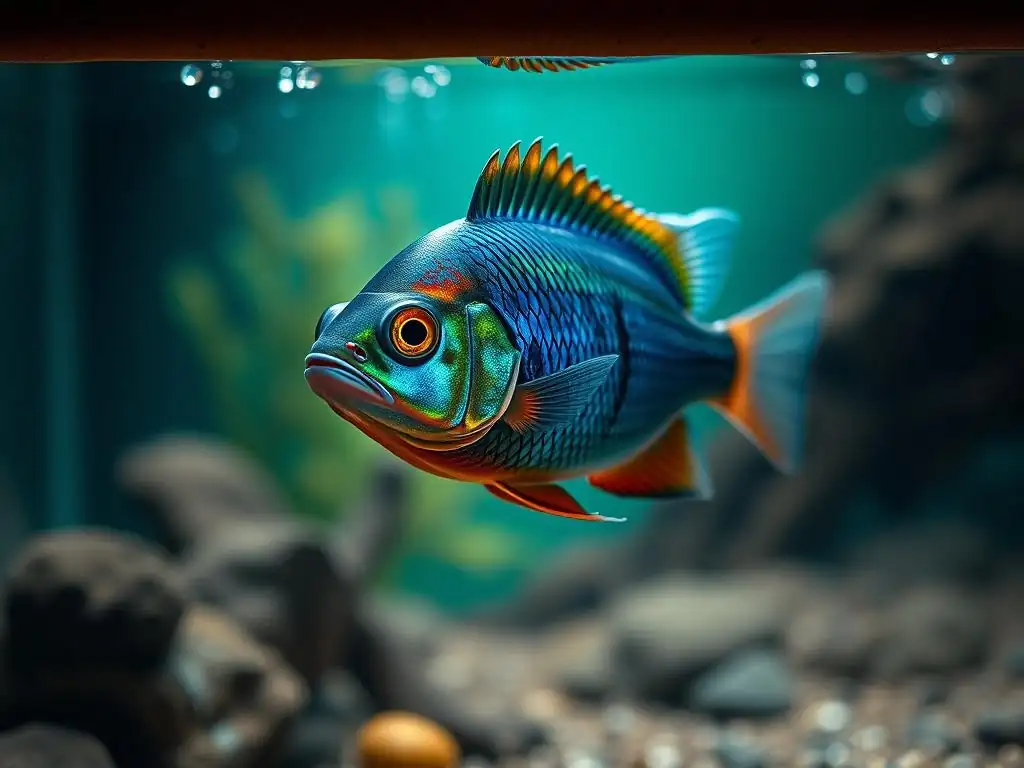
Documenting your rare Apistogramma collection through high-quality photography and videography is an immensely rewarding aspect of the hobby, allowing you to showcase their intricate beauty and unique behaviors. For stunning photos, focus on good lighting: natural indirect light or specialized aquarium lights can bring out their vibrant colors. A clean tank, free of algae and reflections, is paramount.
Use a macro lens if possible to capture the fine details of their scales, fins, and eyes. Patience is key; Apistogramma are often shy, so wait for them to be comfortable and display their best colors, perhaps during feeding time or when interacting with a potential mate.
When shooting video, aim for stable footage, possibly using a tripod. Capture their swimming patterns, foraging behavior, and especially their fascinating breeding dances or territorial displays. For instance, recording the intricate fin flaring of a male Apistogramma borellii defending his territory or the careful fanning of eggs by a female Apistogramma elizabethae provides invaluable insight and captivating visuals. Sharing these high-quality visuals contributes significantly to the collective knowledge base of the rare Apistogramma collecting guide community, inspiring others and aiding in identification.
Creating a Database of Your Apistogramma Collection
Systematically documenting your rare Apistogramma collection through a detailed database is invaluable for tracking progress, managing breeding projects, and contributing to the broader hobby. Your database should include essential information for each individual fish or pair:
- Species Name: Full scientific name, including locality data if available (e.g., Apistogramma sp. "Abacaxis").
- Acquisition Date: When the fish was obtained.
- Source: Where it was purchased (breeder, store, wild-caught importer).
- Sex: Male, female, or unsexed.
- Tank ID: Which aquarium it resides in.
- Water Parameters: Ideal and current pH, GH, KH, temperature.
- Diet: Regular feeding regimen.
- Health Notes: Any illnesses, treatments, or unusual behaviors.
- Breeding Records: Dates of spawning, number of eggs, fry count, and survival rates.
- Photos/Videos: Links to visual documentation.
Utilizing a simple spreadsheet (like Excel or Google Sheets) or specialized aquarium management software can streamline this process. Such detailed records are not only beneficial for your personal rare Apistogramma collecting guide journey but can also prove invaluable if you ever need to troubleshoot issues, plan future breeding efforts, or share your experiences with other enthusiasts.
Sharing your knowledge and experiences is a cornerstone of the rare Apistogramma collecting guide hobby. The Apistogramma community thrives on the collective wisdom of its members, and your contributions, no matter how small, can significantly benefit others. Participating actively in online forums, social media groups, or local aquarium club meetings provides excellent avenues for sharing. You can post detailed tank journals, share your successful breeding techniques, or even offer advice on troubleshooting common issues.
Consider writing short articles or blog posts detailing your specific care regimens for challenging species, such as how you achieved a pH of 4.5 for Apistogramma iniridae or successfully raised a batch of Apistogramma panduro fry. Presenting your findings, complete with data from your collection database and supporting photos/videos, helps to validate information and build trust. By actively engaging and sharing, you not only solidify your own understanding but also contribute to the preservation of these magnificent fish by educating new hobbyists and fostering a supportive environment for the continued advancement of Apistogramma keeping.
Advanced Apistogramma Keeping: Beyond the Basics
Understanding Apistogramma Genetics and Line Breeding
For advanced enthusiasts, understanding Apistogramma genetics and engaging in line breeding opens up a new dimension of the rare Apistogramma collecting guide. Line breeding involves selectively breeding individuals within a specific lineage to enhance desirable traits, such as intensified coloration (e.g., developing a "Super Red" strain of Apistogramma hongsloi), improved finnage, or even increased disease resistance. This process requires a thorough understanding of Mendelian genetics, including dominant and recessive traits, and careful record-keeping to track genetic lines.
The primary goal of line breeding is to fix specific traits within a population while maintaining genetic diversity to avoid inbreeding depression, which can lead to reduced fertility, smaller fry, and increased susceptibility to disease. This often involves introducing new bloodlines from unrelated individuals of the same species every few generations. Advanced keepers may also delve into understanding the genetic basis of sex determination in Apistogramma, which can be influenced by environmental factors like water temperature and pH during larval development, adding another layer of complexity to breeding efforts.
Hybridization and the Ethical Implications
Hybridization, the crossing of two different Apistogramma species, is a controversial topic within the advanced rare Apistogramma collecting guide community, and it is strongly discouraged by reputable breeders and conservationists. While it might produce visually novel fish, hybridization leads to the loss of genetic purity, creating offspring that are neither truly one species nor the other. This can cause significant confusion in the hobby, as hybrids may be mistakenly sold or traded as pure species, undermining efforts to preserve distinct genetic lines and accurately identify wild forms.
The ethical implications extend beyond the aquarium trade. If hybrids were to inadvertently enter natural ecosystems, they could potentially interbreed with wild populations, diluting the native gene pool and potentially impacting the long-term survival of wild species. For example, crossing Apistogramma cacatuoides with Apistogramma agassizii would create offspring that lack the unique genetic integrity of either parent species. Therefore, a strict adherence to keeping species separate and avoiding any intentional hybridization is a fundamental principle for responsible rare Apistogramma keeping.
Advanced Water Chemistry for Apistogramma: Blackwater Extracts and pH Control
Advanced water chemistry plays a pivotal role in successfully keeping and breeding the most sensitive and rare Apistogramma species. Beyond simply achieving soft, acidic water, many enthusiasts delve into the nuances of blackwater chemistry. This involves introducing humic substances and tannins, which naturally leach from decaying organic matter like driftwood, dried leaves (e.g., Indian Almond leaves or Catappa leaves), and alder cones. These compounds provide multiple benefits: they lower pH, buffer water naturally, possess anti-fungal and anti-bacterial properties, and replicate the natural habitat of many Apistogramma, enhancing their colors and reducing stress.
Precise pH control, often to levels below 5.0 for species like Apistogramma elizabethae or Apistogramma iniridae, is achieved using RO/DI water, minimal remineralization, and the careful addition of peat granules in the filter or blackwater extracts. Monitoring pH with a reliable digital pH meter rather than colorimetric test kits is essential for accuracy at these low levels.
Understanding the relationship between KH, CO2, and pH is also crucial, as a very low KH can lead to rapid pH drops. This meticulous approach to water chemistry is often the key to unlocking the full potential and breeding success of the most demanding rare Apistogramma.
Conclusion: The Rewarding Journey of Rare Apistogramma Keeping
Embarking on the rare Apistogramma collecting guide journey is a deeply rewarding endeavor that transcends typical aquarium keeping. It demands a significant investment of time, research, and dedication, pushing enthusiasts to master intricate water chemistry, provide specialized diets, and understand complex behaviors. The challenges, from sourcing elusive species to replicating their delicate blackwater habitats, are matched only by the immense satisfaction of witnessing their stunning colors, intricate finnage, and fascinating social interactions in a carefully curated environment.
Ultimately, the pursuit of rare Apistogramma is more than just collecting fish; it's a commitment to conservation, responsible husbandry, and continuous learning. By adhering to ethical sourcing practices, sharing knowledge within the vibrant Apistogramma community, and striving for optimal conditions, hobbyists contribute directly to the preservation of these exquisite dwarf cichlids. It is a path that fosters a profound appreciation for aquatic biodiversity, culminating in the unparalleled joy of nurturing and propagating some of the aquarium world's most captivating and delicate inhabitants.
Frequently Asked Questions
How difficult is it to find rare Apistogramma species?
Finding rare Apistogramma can be quite challenging. Their availability is often limited due to specific habitat requirements and export restrictions. Expect to invest time and effort in your search.
What are some key considerations for housing rare Apistogramma species?
Rare Apistogramma typically require pristine water conditions and species-specific tank setups. Research their natural habitat thoroughly to replicate it as closely as possible in your aquarium.
What should I look for when purchasing rare Apistogramma?
Carefully inspect the fish for signs of disease or injury. Ensure they are actively swimming and displaying healthy coloration before making a purchase.
Where can I find reputable sources for acquiring rare Apistogramma?
Look for specialized aquarium stores or reputable breeders who can provide information about the fish's origin and care requirements. Online forums dedicated to Apistogramma can also be valuable resources.
What are some common challenges in keeping rare Apistogramma?
Maintaining stable water parameters and providing appropriate food are crucial. Rare Apistogramma can be sensitive to changes in their environment, making consistent care essential.
Final Reflection: The Enduring Allure of the Rare
The journey into the world of rare Apistogramma, as we've explored, is not merely about acquiring fish; it's about preserving biodiversity and contributing to a deeper understanding of these fascinating creatures. The information presented here serves as a foundation, but the true value lies in its application – in the responsible and informed actions of enthusiasts who choose to engage with these delicate species.
This passion for rare Apistogramma extends beyond the confines of our aquariums. It fosters a sense of responsibility towards the natural world and highlights the importance of conservation efforts. The dedication required to maintain these species mirrors the dedication needed to protect their natural habitats. In the end, we will conserve only what we love; we will love only what we understand; and we will understand only what we are taught.
- Baba Dioum's words resonate deeply, reminding us that education and appreciation are the cornerstones of conservation.
Now, as you close this guide, consider your own role in the future of these remarkable fish. Let the knowledge you've gained inspire you to become a steward of these rare Apistogramma. Whether you choose to breed them, support conservation initiatives, or simply share your knowledge with others, your contribution matters. Embrace the challenge, and let your passion for these beautiful creatures fuel a commitment to their survival.
Unleash Your Inner Explorer: Dive Deeper into the World of Apistogramma!
Thank you for delving into the fascinating realm of rare Apistogramma! We hope you’ve found this guide valuable in expanding your knowledge and preparing you for the exciting challenge of keeping these captivating fish. Now, let's put that knowledge into action.
- Begin your search for that elusive Apistogramma you've been dreaming of. Visit reputable breeders or specialty aquarium stores known for their rare fish offerings. Remember to prioritize ethical sourcing and healthy specimens!
- Join online Apistogramma communities and forums to connect with fellow enthusiasts. Share your experiences, ask questions, and learn from seasoned keepers.
- Surprise a fellow fishkeeper! Share this article with someone you know who's also passionate about Apistogramma or might be interested in learning more.
What unique adaptation strategy of Apistogramma have you found most fascinating, and how might you recreate that environment in your aquarium?