
Oscar Fish Aggression: Taming the Beast Within Your Tank

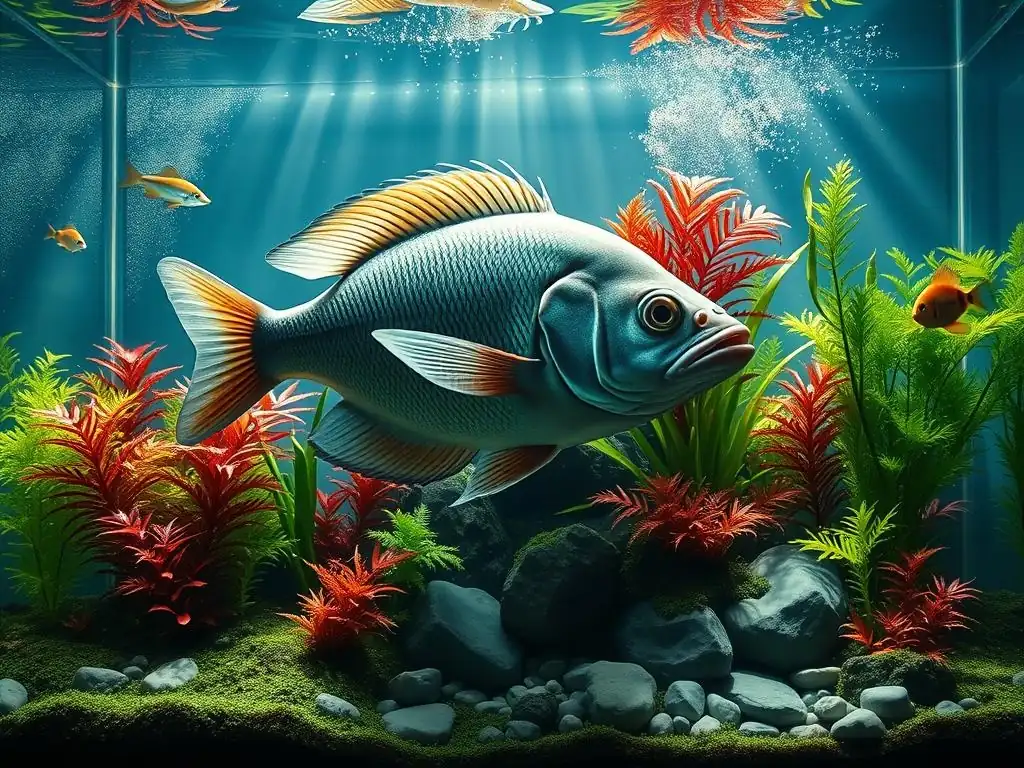
Welcome to Aquarium Mastery, your ultimate guide to thriving aquatic ecosystems!
Ever wondered why your majestic Oscar is suddenly turning into a bully? Oscar fish aggression can be a real challenge for aquarium keepers. Dive into our comprehensive guide, "Oscar Fish Aggression: Taming the Beast Within Your Tank," to uncover the secrets to a peaceful and harmonious freshwater aquarium. We'll explore practical solutions and expert tips to help you manage this common issue. Ready to restore balance to your underwater world? Let's get started!
- Understanding Oscar Fish Aggression
-
Oscar Fish Aggression Solutions: A Comprehensive Guide
- Tank Size Matters: Minimizing Aggression with Adequate Space
- The Importance of Tank Mates: Choosing Compatible Companions for Oscars
- Aquascaping for Peace: Creating a Balanced and Safe Environment
- Diet and Feeding: How Nutrition Impacts Oscar Fish Behavior
- Water Quality and Oscar Fish Aggression: Maintaining a Healthy Environment
- Managing Existing Oscar Fish Aggression: Practical Strategies
- Preventing Future Aggression: Long-Term Strategies for Oscar Care
- Advanced Techniques for Managing Oscar Fish Aggression
- Addressing Specific Scenarios of Oscar Fish Aggression
- Conclusion: Creating a Harmonious Oscar Fish Aquarium
-
Frequently Asked Questions
- What are the primary reasons for Oscar fish aggression?
- How can I determine if my Oscar fish is exhibiting normal behavior or excessive aggression?
- What is the recommended tank size to minimize Oscar fish aggression?
- What are some suitable tank mates for Oscar fish to reduce aggression issues?
- What are some immediate steps I can take to address Oscar fish aggression in my aquarium?
- Final Reflection: Understanding and Mitigating Oscar Aggression
- Transform Your Oscar's Temperament!
Understanding Oscar Fish Aggression
Why Are Oscar Fish Aggressive? Exploring Common Causes
Oscar fish (Astronotus ocellatus) are renowned for their striking appearance and engaging personalities, but they are also well-known for their aggressive tendencies. This aggression is not arbitrary; it stems from a combination of natural instincts, environmental factors, and individual temperament. As large cichlids originating from the Amazon basin, Oscars are naturally territorial and predatory.
In their wild habitat, they establish dominance, defend their feeding grounds, and protect their offspring, behaviors that translate into aggressive displays in an aquarium setting. For instance, a common cause of aggression is insufficient tank space, which prevents them from establishing adequate territories, leading to constant confrontations.
Beyond their innate nature, several environmental stressors can exacerbate Oscar fish aggression. Poor water quality, characterized by elevated ammonia, nitrite, or nitrate levels, can significantly stress an Oscar, making it more irritable and prone to lashing out at tank mates. Similarly, an inadequate diet lacking essential nutrients can lead to behavioral issues, including increased aggression.
A tank setup that lacks sufficient hiding spots or visual barriers also contributes to stress, as Oscars feel exposed and territorial disputes are more likely to occur without natural boundaries. Understanding these root causes is the first step in implementing effective Oscar fish aggression solutions.
Identifying Aggressive Behaviors in Oscars: What to Look For
Recognizing the signs of aggression in Oscar fish is crucial for early intervention and preventing harm to other tank inhabitants. Aggressive behaviors can range from subtle bullying to outright physical attacks. One of the most common signs is persistent chasing, where an Oscar repeatedly pursues another fish, often nipping at its fins or body. You might observe torn fins on smaller or more docile tank mates, a clear indicator of physical altercations. For example, a 200-gallon community tank might see an Oscar constantly harassing a Silver Dollar, leading to frayed fins and visible stress.
Other indicators include flaring of gills, a display meant to make the Oscar appear larger and more intimidating, and head-butting or ramming against other fish. Oscars may also exhibit territorial guarding, where they actively defend a specific area, a rock, or even a corner of the tank, preventing other fish from entering. Changes in coloration, such as darkening or intensifying patterns, can also signal heightened stress or aggressive intent. Observing these behaviors consistently allows aquarists to identify potential problems and apply Oscar fish aggression solutions before they escalate into serious injury or death for other fish.
Oscar Fish Temperament: Separating Fact from Fiction
The temperament of Oscar fish is often misunderstood, leading to a perception that they are inherently "mean" or "unmanageable." While it's true they are large, predatory cichlids with a strong territorial instinct, labeling them as perpetually aggressive is a simplification. In reality, Oscar fish possess a complex temperament; they are intelligent, curious, and can even form bonds with their owners, recognizing faces and responding to feeding cues. Many aquarists report their Oscars "begging" for food or interacting playfully through the glass. This interactive nature is a testament to their intelligence and capacity for more than just aggression.
The "fiction" often arises from witnessing their natural behaviors in unsuitable environments. For instance, an Oscar housed in a cramped 55-gallon tank with several small, peaceful fish will almost certainly exhibit extreme aggression, not because it's "evil," but because its natural instincts for territory and predation are amplified by stress and lack of appropriate tank mates. When provided with ample space, proper tank mates, and a stimulating environment, Oscars can be surprisingly peaceful, especially towards fish of similar size and temperament. Understanding this distinction is key to successful Oscar fish aggression solutions and fostering a harmonious aquarium.
Oscar Fish Aggression Solutions: A Comprehensive Guide
Tank Size Matters: Minimizing Aggression with Adequate Space
One of the most fundamental Oscar fish aggression solutions lies in providing an appropriately sized aquarium. Oscars are large fish, growing up to 12-14 inches (30-35 cm) in length, and they require substantial space to thrive and exhibit natural behaviors without undue stress. A common guideline suggests a minimum of 75 gallons (approximately 284 liters) for a single adult Oscar. However, for two adult Oscars or an Oscar in a community tank with other large fish, a tank of 125 gallons (approximately 473 liters) or larger is highly recommended.
Insufficient tank size directly contributes to increased aggression by limiting an Oscar's ability to establish a personal territory. In a cramped environment, every interaction becomes a potential territorial dispute, leading to constant stress and heightened aggression. For example, an Oscar in a 55-gallon tank will often become highly territorial and destructive, uprooting plants and bullying tank mates, whereas the same fish in a 125-gallon setup might be significantly calmer. Providing ample swimming space and room to retreat is paramount for reducing stress-induced aggression and ensuring the well-being of all tank inhabitants.
The Importance of Tank Mates: Choosing Compatible Companions for Oscars
Selecting appropriate tank mates is a critical component of any comprehensive Oscar fish aggression solutions strategy. Oscars are predatory and will consume any fish small enough to fit into their mouths. Therefore, tank mates must be of a comparable size and temperament to avoid becoming prey or targets of aggression. Introducing fish that are either too small, too docile, or too fragile will inevitably lead to stress, injury, or death for the smaller fish.
The goal is to create a community where fish can coexist without constant conflict. This often means choosing species that can hold their own against an Oscar's robust nature, are fast enough to evade pursuit, or are large enough not to be seen as food. Careful research into the adult size, temperament, and specific needs of potential tank mates is essential before adding them to an Oscar tank.
Suitable Tank Mates for Oscars: A Detailed List
When seeking Oscar fish aggression solutions through tank mate selection, focus on large, robust, and semi-aggressive to aggressive fish that can withstand an Oscar's presence. These species generally share similar water parameter requirements and can either stand their ground or are too large to be considered prey.
- Large Plecos (e.g., Common Pleco, Sailfin Pleco): These armored catfish can grow very large (up to 2 feet) and are generally ignored by Oscars due to their size and tough bodies. They also help with algae control. Ensure they have plenty of driftwood to graze on.
- Silver Dollars: These fast-moving, schooling fish are often too quick for Oscars to catch and can grow to a decent size (6-8 inches). They provide dither activity, which can sometimes distract an Oscar.
- Arowanas (Silver Arowana): While requiring an extremely large tank (300+ gallons), Arowanas are top-dwelling, fast predators that can coexist with Oscars due to their size and similar predatory nature, provided the tank is vast.
- Large Cichlids (e.g., Green Terror, Jack Dempsey, Severum, Firemouth Cichlid): These cichlids are similarly robust and can often hold their own. However, individual temperament varies, and careful observation is needed. Severums, for example, are generally more peaceful but can still be assertive.
- Tinfoil Barbs: Growing up to 14 inches, these large, active schooling fish are generally too big and fast for an Oscar to bother significantly. They add movement and can help distribute aggression.
- Convict Cichlids (with caution): While smaller, their extreme aggression can sometimes allow them to stand up to an Oscar. However, they can also be severely bullied or become overly aggressive themselves, so this pairing requires careful monitoring and a very large tank.
Unsuitable Tank Mates for Oscars: Fish to Avoid
Avoiding certain species is just as important in implementing effective Oscar fish aggression solutions. These fish are either too small, too delicate, too slow, or possess characteristics that make them highly vulnerable to an Oscar's predatory instincts or territorial aggression.
- Small Tetras (e.g., Neon Tetras, Cardinal Tetras): These are essentially live food for an adult Oscar. They will be hunted and eaten quickly, often within hours of introduction.
- Guppies, Mollies, Platies: Similarly, these livebearers are far too small and slow to survive in an Oscar tank.
- Angelfish: While also cichlids, Angelfish are generally too delicate and their long fins are an easy target for nipping. They are also typically much smaller than an adult Oscar.
- Discus Fish: Discus require very specific, pristine water conditions and are extremely sensitive to stress. Their docile nature and high price make them completely unsuitable tank mates for Oscars, who would likely bully or stress them to death.
- Corydoras Catfish: These peaceful bottom dwellers are too small and slow, making them easy targets for an Oscar's predatory behavior.
- Shrimp and Snails: Most invertebrates will be quickly consumed by an Oscar.
- Any fish that fits in an Oscar's mouth: This general rule should always be applied. If a fish can be swallowed whole, it's not a suitable tank mate.
Aquascaping for Peace: Creating a Balanced and Safe Environment
Strategic aquascaping is a powerful tool among Oscar fish aggression solutions. A well-designed tank layout can significantly reduce stress and territorial disputes by creating visual barriers, hiding spots, and defined territories. Instead of an open, barren tank, aim for a complex environment that mimics their natural habitat's varied landscape.
Using Decorations to Reduce Oscar Fish Aggression
Decorations play a vital role in breaking line of sight and providing refuge, which are crucial for mitigating Oscar fish aggression. Large pieces of driftwood, sizable rocks (ensure they are stable and won't fall), and PVC pipes cut into cave-like structures are excellent choices.
Arrange these items to create distinct zones and hiding places where less dominant fish can retreat, or where an Oscar can claim a territory without constantly seeing its tank mates. For example, placing a large piece of driftwood diagonally across the tank can effectively divide the space, allowing fish on one side to be out of immediate view of those on the other.
It's important to use heavy, sturdy decorations that Oscars cannot easily move or uproot, as they are known for rearranging their environment. Securing rocks with aquarium-safe silicone or ensuring they rest directly on the tank bottom (before adding substrate) can prevent collapses. These physical barriers provide much-needed respite for tank inhabitants and can significantly reduce stress-induced aggressive behaviors, making them a cornerstone of effective Oscar fish aggression solutions.
Plant Selection for Oscar Tanks: Creating Natural Barriers
While live plants can be challenging to maintain with Oscars due to their digging habits, they offer excellent natural barriers and can contribute to a more harmonious environment. When considering plants as part of your Oscar fish aggression solutions, opt for very hardy, robust species that can withstand some disturbance. Anubias and Java Fern are excellent choices because they can be attached to driftwood or rocks, preventing them from being uprooted. Their tough leaves are also less likely to be damaged by an Oscar's powerful jaws.
Alternatively, large, weighted artificial plants can provide similar benefits without the hassle of maintenance or the risk of being uprooted. The key is to use tall, bushy plants (real or artificial) to create visual breaks that obstruct an Oscar's line of sight. This helps to segment the tank into smaller, less confrontational territories and provides a sense of security for other fish, reducing overall stress and the likelihood of aggressive encounters. For instance, a dense cluster of tall artificial plants in a corner can serve as a perfect refuge for a less dominant tank mate.
Diet and Feeding: How Nutrition Impacts Oscar Fish Behavior
The diet and feeding regimen of your Oscar fish have a direct impact on their behavior, including their propensity for aggression. A well-balanced, nutritious diet is essential for their overall health and temperament, while inconsistent or inadequate feeding can exacerbate aggressive tendencies. Ensuring proper nutrition is a vital part of comprehensive Oscar fish aggression solutions.
Overfeeding and Aggression: The Link Between Food and Temperament
While underfeeding can lead to hunger-driven aggression, surprisingly, overfeeding can also contribute to behavioral issues in Oscars. Overfeeding often leads to poor water quality due to excess waste and uneaten food decomposing. Deteriorating water conditions, in turn, stress the fish, making them more irritable and prone to aggression. For example, a tank with persistently high nitrate levels due to overfeeding might see an Oscar becoming more territorial and prone to lashing out at tank mates, as the unhealthy environment causes chronic stress.
Furthermore, overfeeding can lead to rapid growth and a larger, more imposing fish, which might then assert dominance more forcefully. It's crucial to feed Oscars a high-quality, varied diet in appropriate portions, typically 2-3 times a day, only what they can consume within 2-3 minutes. A diet rich in protein (e.g., high-quality cichlid pellets, krill, earthworms) ensures they are satiated and receiving necessary nutrients, which can stabilize their temperament and reduce the likelihood of hunger-related or stress-induced aggression, thereby contributing to effective Oscar fish aggression solutions.
Water Quality and Oscar Fish Aggression: Maintaining a Healthy Environment
Maintaining pristine water quality is perhaps one of the most overlooked yet critical Oscar fish aggression solutions. Oscars are messy eaters and produce a significant bio-load, meaning they generate a lot of waste. Poor water conditions, characterized by elevated levels of ammonia, nitrite, and nitrate, are a major source of stress for fish. A stressed Oscar is a more aggressive Oscar, as their immune system is compromised, and their overall well-being is diminished, leading to irritable behavior.
Chronic exposure to suboptimal water parameters can lead to weakened health, fin rot, and a general state of discomfort, which directly translates into heightened aggression towards tank mates. Therefore, consistent monitoring of water parameters using a reliable test kit (e.g., testing ammonia and nitrite weekly, nitrates bi-weekly) and prompt corrective action are non-negotiable for keeping Oscars calm and healthy.
Regular Water Changes: A Key to Reducing Stress and Aggression
Regular and substantial water changes are the cornerstone of maintaining excellent water quality and, consequently, a cornerstone of effective Oscar fish aggression solutions. For an Oscar tank, weekly water changes of 25% to 50% are typically recommended, depending on the tank size, filtration system, and fish bio-load. This routine dilutes accumulated nitrates and other dissolved organic compounds, replenishing essential minerals and maintaining stable pH levels.
For instance, in a 125-gallon Oscar tank, a weekly 30-gallon water change can significantly reduce nitrate levels from potentially stressful ranges (e.g., 40 ppm) down to safer levels (e.g., 10-20 ppm). Consistent water changes alleviate chronic stress on the fish, making them less prone to irritability and aggression. It also ensures a clean, oxygen-rich environment that promotes overall health and a more peaceful demeanor. Neglecting water changes is a common cause of stress-induced aggression in Oscars, making this a simple yet highly impactful preventative measure.
Managing Existing Oscar Fish Aggression: Practical Strategies
Isolation Techniques: Separating Aggressive Oscars
When Oscar fish aggression escalates to the point where tank mates are being consistently harmed or stressed, temporary isolation of the aggressor or the victim becomes a necessary Oscar fish aggression solution. The most common method is using a breeder box or a tank divider to separate the aggressive Oscar within the main tank.
This allows the aggressor to remain in its environment but prevents it from interacting with other fish. For severe cases, or if the aggression persists after a short isolation period, moving the aggressive Oscar to a separate, dedicated "time-out" tank (a hospital or quarantine tank) is advisable.
This isolation period serves multiple purposes. Firstly, it provides immediate relief to the bullied fish, allowing them to recover from stress and injuries. Secondly, it gives the aggressive Oscar a period of solitude, which can sometimes "reset" its territorial instincts or reduce its perceived dominance.
A typical isolation period might last from a few days to a week. During this time, continue to monitor the isolated Oscar's behavior and the condition of the remaining tank inhabitants. This strategy is particularly useful when dealing with a newly introduced Oscar that is not settling in, or when an established Oscar suddenly turns aggressive.
Reintroduction Methods: Successfully Integrating Oscars Back into the Main Tank
Reintroducing an isolated Oscar back into the main tank requires careful planning to minimize the chances of renewed aggression. Simply dropping the fish back in can often trigger immediate territorial disputes. A key Oscar fish aggression solution for reintroduction involves altering the tank's landscape. Before reintroducing the Oscar, rearrange the decorations, rocks, and driftwood within the main tank. This "resets" the established territories, making the entire tank feel new to all fish, including the returning aggressor.
Another effective technique is to reintroduce the Oscar at night or during a period of low light. This allows the fish to acclimate to the new layout and their tank mates without the immediate pressure of daylight interactions. Feeding all fish heavily just before reintroduction can also help, as a well-fed fish is generally less prone to aggression. Observe the reintroduction closely for the first few hours and days. If aggression immediately flares up, be prepared to re-isolate the Oscar or consider a long-term separate housing solution. Patience and careful observation are paramount for successful reintroduction.
Monitoring and Observation: Tracking Behavior Changes
Consistent monitoring and detailed observation are indispensable Oscar fish aggression solutions, both for identifying problems early and for evaluating the effectiveness of intervention strategies. It's not enough to simply implement a solution; you must track its impact on the fish's behavior over time. Regularly spend time watching your Oscar and its tank mates, noting specific interactions. Are there particular times of day when aggression is worse? Does it target specific fish? Are certain areas of the tank more prone to conflict?
Keeping a simple log of aggressive incidents, including the date, time, and involved fish, can reveal patterns that might not be obvious during casual observation. For example, you might notice that aggression increases after feeding, suggesting competition for food, or that it peaks when a certain tank mate enters a specific territory. This data-driven approach allows you to refine your Oscar fish aggression solutions, making adjustments based on real-time behavioral responses. Consistent monitoring also helps you identify if a previously peaceful Oscar is beginning to show signs of stress or illness, which can often precede aggressive outbursts.
Preventing Future Aggression: Long-Term Strategies for Oscar Care
Consistent Tank Maintenance: A Proactive Approach
Preventing future Oscar fish aggression largely hinges on a proactive approach to tank maintenance. Stress is a primary driver of aggression in Oscars, and poor or inconsistent tank conditions are major stressors. Therefore, adhering to a strict and regular maintenance schedule is one of the most effective long-term Oscar fish aggression solutions. This includes not only the weekly water changes discussed earlier but also routine filter cleaning, substrate vacuuming, and equipment checks.
For instance, cleaning filter media every 2-4 weeks (rinsing in old tank water to preserve beneficial bacteria) prevents the buildup of detritus that can degrade water quality. Vacuuming the substrate bi-weekly removes uneaten food and waste trapped in the gravel, further contributing to a cleaner environment. Maintaining stable water parameters (temperature, pH, hardness) through consistent practices minimizes environmental fluctuations that can trigger stress. A clean, stable, and well-maintained environment directly translates into a healthier, calmer, and less aggressive Oscar, significantly reducing the likelihood of future behavioral issues.
Early Intervention: Addressing Aggressive Behaviors Promptly
One of the most crucial Oscar fish aggression solutions for prevention is early intervention. Do not wait for aggression to escalate to severe levels before taking action. Mild chasing, fin nipping, or territorial displays, if left unaddressed, can quickly spiral into serious harm or even death for the target fish. As soon as you notice the initial signs of aggression, begin to assess the situation and implement corrective measures.
This might involve immediately checking water parameters for any fluctuations, observing feeding behaviors to ensure all fish are getting enough food, or reassessing tank mate compatibility. For example, if a newly introduced Oscar shows mild aggression towards a smaller fish, promptly adding more hiding spots or considering a tank divider for a few days can prevent the behavior from becoming ingrained. Addressing the root cause of the aggression as soon as it manifests is far more effective than trying to manage a deeply established aggressive pattern, making early intervention a key strategy in long-term Oscar fish aggression solutions.
Understanding the social dynamics of Oscar fish is vital for long-term prevention of aggression. Oscars are cichlids, and like many cichlids, they establish a pecking order within their social group. This hierarchy can sometimes involve initial displays of dominance that appear aggressive but are part of their natural social structure. However, these displays can become problematic if the tank environment doesn't allow for proper establishment of the hierarchy without undue stress or harm.
In a tank with multiple Oscars, or an Oscar with other large cichlids, observing how they interact and where they choose to spend their time can provide insights. Sometimes, a "dither fish" effect, where the presence of robust, fast-moving fish (like Tinfoil Barbs) helps to spread out aggression, can work effectively. However, it's crucial to remember that Oscars are individuals, and their personalities vary.
Some Oscars are naturally more placid, while others are inherently more dominant. Recognizing these individual social dynamics and adjusting tank setup or tank mates accordingly is a sophisticated yet effective long-term Oscar fish aggression solution, ensuring a balanced and peaceful aquarium environment.
Advanced Techniques for Managing Oscar Fish Aggression
Using Target Fish to Diffuse Aggression
While controversial and requiring careful consideration, some advanced aquarists utilize what might be termed "target fish" (more accurately, very robust dither fish) as a method to diffuse Oscar fish aggression. The concept is to introduce a fish that is too large or too fast to be easily caught or significantly harmed, but which can absorb the Oscar's initial aggressive impulses, thus diverting attention from more vulnerable tank mates. This is not about sacrificing a fish, but about providing a robust, resilient companion that can withstand the Oscar's temperament.
Suitable choices might include very large, fast-moving Tinfoil Barbs (10+ inches), or even a slightly larger, equally robust African Cichlid (if water parameters allow for a mixed setup, which is often not recommended). The success of this Oscar fish aggression solution relies on the "target fish" being able to evade or withstand the Oscar's initial displays without suffering undue stress or injury.
This technique should only be attempted by experienced aquarists with very large tanks (200+ gallons) and constant monitoring, as misjudgment can lead to harm. It's a high-risk, high-reward strategy that aims to spread out aggression rather than eliminate it.
Introducing Surface Cover to Provide Refuge
Beyond bottom and mid-level hiding spots, introducing surface cover is an advanced yet often overlooked Oscar fish aggression solution. Many fish, including potential targets of aggression, feel more secure when they have overhead cover, as it mimics natural conditions where they might hide from aerial predators. This sense of security can significantly reduce stress levels in bullied fish, making them less susceptible to aggression.
Floating plants, such as Giant Duckweed (though can be messy) or Water Lettuce, provide excellent natural surface cover. For a cleaner alternative, large artificial lily pads or even strategically placed broad-leafed artificial plants that reach the surface can serve the same purpose. This cover provides a refuge where smaller or less dominant tank mates can retreat and feel safe, reducing their stress and making them less likely to be seen as easy targets. By creating a multi-layered environment that offers security from all angles, you contribute to a more balanced and less aggressive tank dynamic.
Utilizing Multiple Feeding Stations to Reduce Competition
Competition for food is a common trigger for Oscar fish aggression, especially in community tanks. When food is introduced in a single spot, the dominant Oscar will often monopolize it, leading to aggressive displays towards other fish vying for sustenance. An advanced Oscar fish aggression solution for this is to utilize multiple feeding stations or disperse food widely across the tank.
Instead of dropping all pellets in one place, scatter them across the water surface, or use two distinct feeding locations at opposite ends of the tank. This encourages all fish to spread out and forage, reducing direct competition and allowing less dominant fish to eat without being bullied.
For example, if you have two Oscars, feeding a portion to one end of the tank and another portion to the other end can prevent a single Oscar from dominating the food source. This simple but effective technique ensures all fish receive adequate nutrition in a less stressful manner, thereby mitigating aggression linked to feeding competition.
Addressing Specific Scenarios of Oscar Fish Aggression
Oscar on Oscar Aggression: Dealing with Conflicts Between Oscars
Oscar on Oscar aggression is a common scenario, particularly when attempting to keep multiple Oscars in the same tank. This type of aggression is often rooted in territorial disputes, dominance hierarchies, or even breeding attempts. When two Oscars are housed together, a pecking order will inevitably be established, which can involve significant chasing, fin nipping, and even biting. While some level of initial squabbling is normal, severe or persistent aggression requires intervention as part of effective Oscar fish aggression solutions.
The primary solution for Oscar on Oscar aggression is providing ample space. A tank size of at least 125 gallons (or ideally 150+ gallons) for two adult Oscars is crucial to allow each fish to establish its own territory. Additionally, creating multiple visual barriers and hiding spots with driftwood and rocks can help break up lines of sight and provide retreat options.
If aggression persists despite adequate space and aquascaping, temporary separation using a tank divider might be necessary. In extreme cases, permanent separation into individual tanks or rehoming one of the Oscars may be the only viable Oscar fish aggression solution to ensure both fish can thrive without constant conflict.
Oscar Aggression Towards Other Fish Species: Protecting Your Community Tank
Oscar aggression towards other fish species is typically a result of their predatory nature, territorial instincts, or perceived threats. This scenario most often occurs when tank mates are too small, too docile, or incompatible in temperament or size. Protecting your community tank requires a multi-faceted approach, integrating various Oscar fish aggression solutions.
Firstly, re-evaluate your tank mates. Any fish that can fit into an Oscar's mouth is at risk. Replace small or delicate species with large, robust, and semi-aggressive fish that can hold their own or are too fast to be caught. Secondly, ensure the tank is sufficiently large (125+ gallons for an Oscar community tank) and properly aquascaped with ample hiding spots and visual barriers.
Thirdly, maintain impeccable water quality and a consistent feeding schedule to minimize stress and hunger-driven aggression. For example, if an Oscar is relentlessly chasing Silver Dollars, ensuring the Silver Dollars have open swimming space and the Oscar has its own territory, along with consistent feeding, can often reduce the predatory drive. If aggression persists, consider separating the Oscar or rehoming the incompatible tank mates.
Aggression During Spawning: Managing Territoriality
Aggression during spawning is a natural and often intense behavior for Oscar fish, as they become highly territorial and protective of their eggs and fry. During this period, both male and female Oscars will aggressively defend their chosen spawning site (often a flat rock or slate) from any perceived intruders, regardless of their size or previous compatibility. This heightened territoriality can lead to severe injury or even death for other tank inhabitants if not managed properly.
As part of your Oscar fish aggression solutions during spawning, it's often best to remove all other fish from the main tank and house them in a separate holding tank. This provides the breeding pair with undisturbed space to spawn and rear their young without the added stress of defending against tank mates. If a separate tank for tank mates is not feasible, creating very dense visual barriers and multiple hiding spots might offer some temporary relief, but it's rarely a complete solution.
Once the fry are free-swimming or the spawning attempt concludes, the Oscar pair's aggression will typically subside, and other tank mates can be carefully reintroduced. Understanding this temporary but intense period of aggression is key to managing a successful Oscar breeding setup and ensuring the safety of your entire aquarium.
Conclusion: Creating a Harmonious Oscar Fish Aquarium
Taming the beast within your tank, as it pertains to Oscar fish aggression, is not about eliminating their natural instincts but rather about understanding and managing them within the confines of an aquarium. By implementing comprehensive Oscar fish aggression solutions, aquarists can transform a potentially chaotic environment into a thriving, harmonious habitat. The journey begins with a foundational understanding of why Oscars become aggressive, recognizing the subtle and overt signs of conflict, and debunking common misconceptions about their temperament.
The cornerstone of a peaceful Oscar tank lies in providing an appropriately sized aquarium, ensuring at least 75 gallons for a single Oscar and significantly more for multiple Oscars or a community setup. Meticulous selection of compatible tank mates, focusing on large, robust species that can withstand an Oscar's presence, is equally vital. Furthermore, strategic aquascaping that incorporates visual barriers and ample hiding spots, coupled with a balanced diet and impeccable water quality, collectively mitigate stress and reduce the propensity for aggression.
For existing issues, prompt intervention through isolation, careful reintroduction, and continuous monitoring are essential. Ultimately, consistent maintenance, early problem identification, and an appreciation for Oscar fish social dynamics are the long-term Oscar fish aggression solutions that lead to a truly harmonious and captivating Oscar fish aquarium.
Frequently Asked Questions
What are the primary reasons for Oscar fish aggression?
Oscar fish aggression is often rooted in territoriality, inadequate tank size, and incompatible tank mates. These factors can lead to stress and aggressive behavior.
How can I determine if my Oscar fish is exhibiting normal behavior or excessive aggression?
Normal Oscar behavior includes some level of interaction, but excessive aggression involves constant chasing, fin nipping, or physical attacks on other fish. Observe for these signs.
What is the recommended tank size to minimize Oscar fish aggression?
A single Oscar needs at least a 75-gallon tank, and a pair requires a 125-gallon tank or larger. Insufficient space exacerbates aggression.
What are some suitable tank mates for Oscar fish to reduce aggression issues?
Avoid small, docile fish. Consider larger, similarly tempered fish such as silver dollars or larger plecos, but always monitor for compatibility.
What are some immediate steps I can take to address Oscar fish aggression in my aquarium?
Consider rearranging the tank decor to disrupt established territories, increasing water changes to improve water quality, and temporarily separating the aggressive Oscar if necessary.
Final Reflection: Understanding and Mitigating Oscar Aggression
The insights shared throughout this article, focusing on Oscar fish aggression solutions, are more crucial than ever in today's aquarium hobby. As the popularity of these intelligent and captivating fish continues to rise, so too does the potential for conflict within the home aquarium. Understanding the root causes of Oscar aggression and implementing proactive strategies is not just about maintaining a peaceful tank; it's about ensuring the well-being and longevity of these magnificent creatures.
The journey of understanding and managing Oscar aggression has profoundly shaped the way aquarists approach fishkeeping, emphasizing the importance of responsible pet ownership and the interconnectedness of the aquarium ecosystem. This understanding extends beyond the glass walls of the tank, reminding us that careful planning and consistent effort are essential for creating a thriving environment for any living being. The best way to deal with aggression is to prevent it in the first place. Proper tank size, adequate filtration, and compatible tank mates are key.
This quote underscores the proactive approach needed to truly tame the beast within.
Now, as you close this article, consider the lessons learned about Oscar fish aggression and their broader implications. How can you apply these principles of careful observation, environmental enrichment, and responsible planning to other aspects of your life? Let the knowledge gained here inspire you to create harmonious environments, not just for your aquatic companions, but for all those around you. Embrace the challenge of understanding and mitigating conflict, and you will find that the rewards, like a thriving Oscar tank, are immeasurable.
Transform Your Oscar's Temperament!
Thanks for diving into the world of Oscar fish behavior! Now that you understand the roots of their aggression, it's time to take action and create a harmonious tank. Here’s how you can make a difference:
- Re-evaluate your tank size and decorations: Is there enough space and hiding spots for all your Oscars to thrive peacefully? Remember, Oscars need space.
- Share your experience! Comment below on the techniques you use to reduce aggression in your Oscar tank and learn from other Aquarium Mastery enthusiasts.
- Surprise your Oscars with a new, intriguing toy or puzzle feeder to mentally stimulate them and reduce boredom-related aggression!
Ready to build a happier home for your Oscars?