
Feeding Your Livebearer Community: Balancing Diets for Guppies, Mollies, & Platies

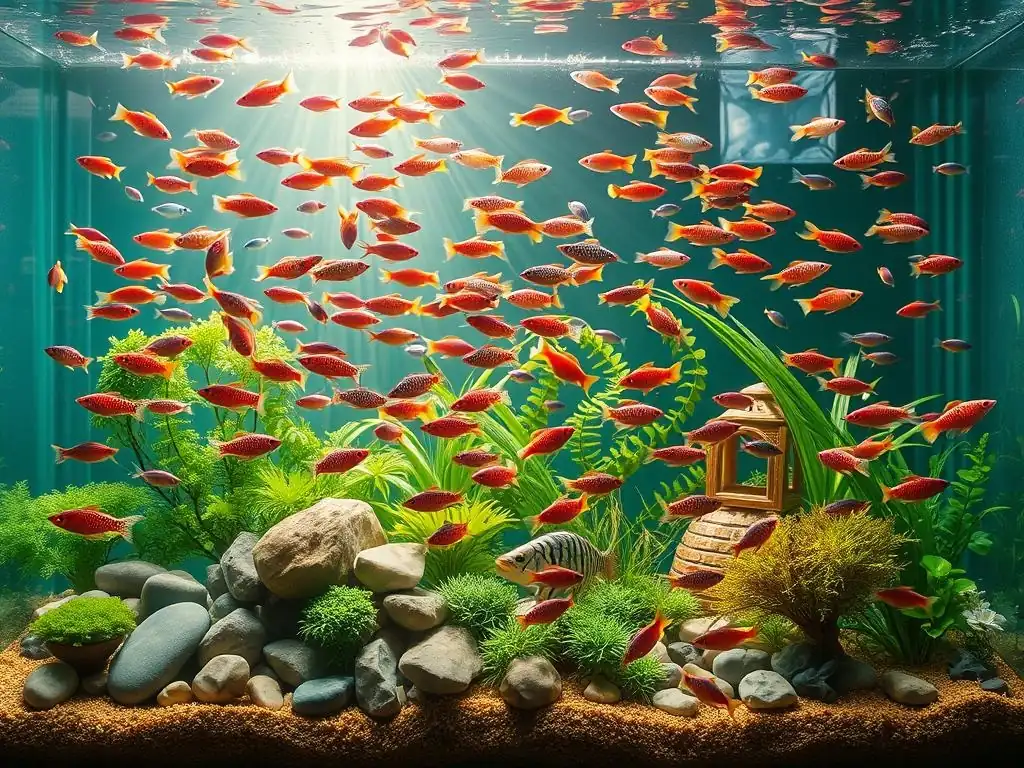
Welcome to Aquarium Mastery!
Curious about keeping your guppies, mollies, and platies thriving? Unlocking the secrets to a balanced diet is key! Dive into our Livebearer Fish Diet Guide and discover how to provide the perfect nutritional foundation for a vibrant and healthy freshwater aquarium. Are you ready to optimize your feeding schedule and see your livebearers flourish?
- Understanding Livebearer Nutritional Needs for Optimal Health
- The Ideal Livebearer Fish Diet Guide: What to Feed Your Community Tank
- Specific Dietary Considerations for Guppies, Mollies, and Platies
- Feeding Frequency and Portion Control for Livebearers
- Managing Algae Growth Through Diet in Livebearer Tanks
- Addressing Common Feeding Problems in Livebearer Aquariums
- Creating a Feeding Schedule for a Thriving Livebearer Community
- Choosing the Best Livebearer Fish Food: A Buyer's Guide
- Breeding Livebearers: Nutritional Needs for Pregnant Females and Fry
- Maintaining Water Quality Through Proper Feeding Practices
- Conclusion: Mastering the Art of Feeding Your Livebearer Community
-
Frequently Asked Questions
- What are the basic dietary needs of livebearer fish like guppies, mollies, and platies?
- How often should I feed my livebearer fish?
- What types of live foods are suitable for livebearer fish?
- Can I feed my livebearer fish vegetables?
- How do I ensure my livebearer fry (baby fish) receive adequate nutrition?
- Final Reflection: Nurturing Life Through Balanced Nutrition
- Nurture Your Livebearers: Watch Them Thrive!
Understanding Livebearer Nutritional Needs for Optimal Health
Why a Balanced Diet is Crucial for Guppies, Mollies, and Platies
Providing a balanced diet is paramount for the long-term health, vibrant coloration, and reproductive success of livebearers such as guppies, mollies, and platies. These fish, while often considered hardy, thrive when their specific nutritional requirements are consistently met. A diet rich in essential nutrients directly impacts their immune system, making them more resilient to common aquarium diseases like fin rot or ich, which can be exacerbated by nutritional deficiencies. Without proper nutrition, livebearers may exhibit stunted growth, faded colors, and reduced activity levels, significantly diminishing their quality of life and lifespan in the aquarium.
Furthermore, a well-rounded livebearer fish diet guide is indispensable for supporting their prolific breeding habits. Female livebearers, especially, require significant energy and nutrient reserves to produce healthy fry regularly. Inadequate feeding can lead to smaller broods, weaker offspring, or even complications for the mother. For instance, a diet lacking in calcium can hinder proper bone development in fry, while insufficient protein might result in smaller, less vigorous juveniles. Ensuring every aspect of their dietary needs is covered contributes to a thriving and self-sustaining livebearer community.
Key Nutrients for Livebearers: Protein, Fiber, and Vitamins
Livebearers, being omnivores, require a diverse range of nutrients, with protein, fiber, and various vitamins being particularly crucial. Protein is the cornerstone for growth, tissue repair, and muscle development. For juvenile livebearers and breeding females, a diet with a protein content of 35-45% is often recommended to support rapid development and fry production. Adult livebearers generally thrive on a protein content of 30-40%. Quality protein sources include fish meal, spirulina, and various insect meals.
Fiber, though needed in smaller quantities (typically 5-10% of their diet), is vital for digestive health, preventing issues like constipation and bloat that can arise from a diet too rich in protein or fats. Plant-based foods are excellent sources of dietary fiber. Vitamins, including Vitamin A for vision and immune function, Vitamin D for calcium absorption, and the B-complex vitamins for metabolism, are also essential. Many high-quality commercial livebearer foods are fortified with a comprehensive array of vitamins and minerals to ensure these needs are met, making them a fundamental part of any comprehensive livebearer fish diet guide.
The Ideal Livebearer Fish Diet Guide: What to Feed Your Community Tank
High-Quality Flake Food: A Staple for Livebearer Feeding
High-quality flake food should form the foundation of any livebearer fish diet guide for a community tank. These commercially prepared foods are formulated to provide a balanced array of nutrients, including proteins, fats, carbohydrates, vitamins, and minerals, essential for the overall health of guppies, mollies, and platies. When selecting a flake food, prioritize brands that list fish meal, spirulina, or other quality protein sources as the first ingredient, indicating a higher nutritional value. Avoid flakes with excessive fillers or artificial colors, which offer little nutritional benefit and can contribute to water pollution.
For optimal absorption and to prevent digestive issues, it's advisable to crush larger flakes into smaller, more manageable pieces, especially for smaller livebearers like guppies and their fry. Feeding small amounts multiple times a day is more beneficial than one large feeding, as it mimics their natural foraging behavior and reduces the likelihood of uneaten food decaying and fouling the water. A good quality flake food, when properly administered, ensures consistent nutrient intake and serves as a reliable base for the entire livebearer community.
Supplementing with Live and Frozen Foods: A Treat for Livebearers
While flake food provides a solid nutritional base, supplementing with live and frozen foods offers essential variety and boosts the overall health and vibrancy of your livebearers. These supplements provide natural proteins, fats, and often digestive enzymes not always present in dried foods, mimicking the diverse diet they would consume in their natural habitats. Introducing these treats can also stimulate their natural hunting instincts, providing mental enrichment and encouraging more active behavior within the tank.
It's important to offer these foods in moderation, typically 2-3 times per week, as they are often richer and can contribute to water quality issues if overfed. Always thaw frozen foods thoroughly before feeding to prevent digestive shock in your fish. When purchasing live foods, ensure they come from a reputable source to minimize the risk of introducing parasites or diseases into your aquarium. This supplemental approach is a key component of a comprehensive livebearer fish diet guide, promoting not just survival but thriving in your community tank.
Daphnia and Brine Shrimp: Excellent Sources of Protein
Daphnia, often referred to as water fleas, are small crustaceans that serve as an excellent live or frozen food source for livebearers. They are rich in protein and also act as a natural laxative, aiding in the digestive process and helping to prevent constipation, a common issue in overfed or improperly dieted fish. Their small size makes them particularly suitable for guppies and platy fry, providing a highly nutritious and easily digestible meal.
Brine shrimp, whether live or frozen, are another superb protein-rich supplement. Newly hatched brine shrimp are especially beneficial for livebearer fry due to their small size and high nutritional content, promoting rapid growth and development. Adult brine shrimp are eagerly consumed by adult guppies, mollies, and platies. While high in protein, brine shrimp are relatively low in fat, making them a healthy addition to the livebearer fish diet guide when used alongside other varied foods.
Bloodworms and Mosquito Larvae: Occasional Treats
Bloodworms (larvae of midge flies) and mosquito larvae are highly palatable and nutritious treats for livebearers, providing a significant protein boost. These foods are particularly rich in iron, which contributes to healthy blood cell formation and overall vitality. Due to their larger size, they are more suited for adult mollies and platies, though guppies will also readily consume smaller pieces.
While beneficial, bloodworms and mosquito larvae should be offered as occasional treats rather than a daily staple. Their high protein and fat content can lead to digestive issues or contribute to obesity if fed too frequently. Overfeeding these rich foods can also quickly degrade water quality, increasing ammonia and nitrite levels. Therefore, incorporate them judiciously into your livebearer fish diet guide, perhaps once or twice a week, to provide variety without compromising tank health.
The Importance of Vegetable Matter in a Livebearer Diet
Incorporating vegetable matter is an indispensable part of a balanced livebearer fish diet guide, especially for species like mollies that have a natural inclination towards grazing on algae. While livebearers are omnivores, their digestive systems benefit greatly from plant-based fiber, which aids in digestion and helps prevent issues such as bloat and constipation. A diet lacking in vegetable matter can lead to nutritional deficiencies and a compromised immune system over time, making fish more susceptible to disease.
Providing various plant-based options also enriches their environment and satisfies their natural foraging behaviors. It helps round out the nutritional profile, ensuring they receive a full spectrum of vitamins and minerals that may be less prevalent in meat-based foods. Overlooking the vegetable component means missing a crucial aspect of their dietary needs, potentially leading to long-term health problems for your guppies, mollies, and platies.
Algae Wafers and Spirulina Flakes: Plant-Based Options
Algae wafers and spirulina flakes are excellent commercially available options for incorporating plant-based nutrition into your livebearer fish diet guide. Algae wafers, typically denser and designed to sink, are perfect for bottom-feeding or grazing livebearers, allowing them to nibble throughout the day. They are primarily composed of spirulina, kelp, and other plant materials, providing a rich source of fiber, vitamins, and minerals.
Spirulina flakes, a highly concentrated form of blue-green algae, are packed with protein, essential amino acids, and a wide array of vitamins (including B vitamins) and antioxidants. They are particularly beneficial for enhancing fish coloration and boosting the immune system. Both algae wafers and spirulina flakes are highly palatable to most livebearers and should be offered regularly, perhaps every other day, to ensure they receive adequate vegetable matter.
Blanched Vegetables: A Natural and Healthy Supplement
Blanched vegetables offer a natural and highly beneficial supplement to your livebearer fish diet guide, providing essential fiber, vitamins, and minerals. Common vegetables like zucchini, cucumber, peas (shelled), and spinach leaves are excellent choices. The blanching process involves briefly boiling the vegetables (usually for 30-60 seconds) and then immediately plunging them into ice water. This softens the vegetables, making them easier for fish to digest and preventing them from clouding the water as quickly.
To feed, simply cut the blanched vegetables into small, bite-sized pieces or attach them to an aquarium clip. For example, a small slice of blanched zucchini can be weighed down with a vegetable clip to sink. Offer these natural supplements 1-2 times per week. Any uneaten vegetable matter should be removed from the tank after a few hours (typically 4-6 hours) to prevent water quality issues. This natural approach not only provides superior nutrition but also adds enrichment to your livebearers' daily routine.
Specific Dietary Considerations for Guppies, Mollies, and Platies
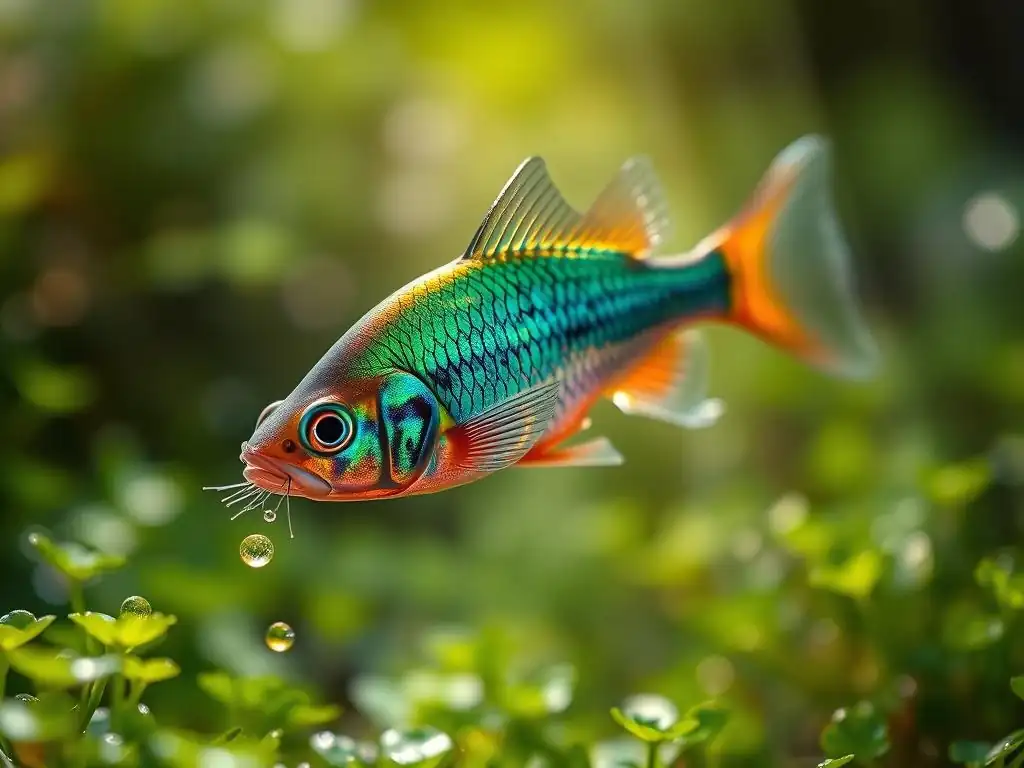
Guppy Diet: Small Bites and Frequent Feedings
Guppies, with their small mouths and active metabolism, thrive on a diet of small, easily consumable food particles and frequent feedings. Their natural foraging behavior in the wild involves constantly picking at micro-organisms and small bits of plant matter. Therefore, a successful livebearer fish diet guide for guppies emphasizes finely crushed high-quality flake food as a staple. Flakes specifically designed for small tropical fish are ideal, as they are often processed into smaller pieces.
In addition to flakes, guppies greatly benefit from small live or frozen foods such as newly hatched brine shrimp, micro worms, and finely chopped bloodworms. These provide essential protein for their rapid growth and breeding cycles. Feeding guppies 2-3 times a day in very small amounts that can be consumed within 2-3 minutes helps prevent overfeeding and keeps the water clean, supporting their delicate systems.
Molly Diet: Emphasizing Plant-Based Foods
Mollies, particularly species like the Sailfin Molly, have a more pronounced need for plant-based foods compared to other livebearers, reflecting their natural tendency to graze on algae and detritus in their native habitats. While still omnivores, a significant portion of their livebearer fish diet guide should consist of vegetable matter to maintain optimal digestive health and prevent issues such as bloat.
High-quality spirulina flakes, algae wafers, and blanched vegetables like zucchini, cucumber, or spinach are crucial additions to a molly's diet. These plant-based foods provide the necessary fiber and nutrients that support their unique digestive system. While they will readily consume standard flake foods and occasional protein-rich treats like brine shrimp, ensuring a consistent supply of vegetable matter will significantly contribute to their overall health, vibrant coloration, and longevity.
Platy Diet: A Balanced Approach to Omnivorous Feeding
Platies are true omnivores with a robust appetite, making their livebearer fish diet guide relatively straightforward but requiring a balanced approach. They readily accept a wide variety of foods, thriving on a combination of high-quality flake food, protein-rich supplements, and ample vegetable matter. Their strong feeding response means they are less likely to be picky eaters, making them adaptable to diverse feeding regimens.
For platies, a good daily staple is a high-quality tropical flake food. This should be complemented several times a week with protein sources like frozen or live bloodworms, brine shrimp, or daphnia to support their growth and active lifestyle. Furthermore, regular offerings of spirulina flakes, algae wafers, or finely chopped blanched vegetables (such as peas or zucchini) are essential to provide the necessary fiber and plant-based nutrients. This balanced diet ensures platies receive all the necessary components for vibrant health, strong coloration, and successful breeding.
Feeding Frequency and Portion Control for Livebearers
How Often to Feed Your Guppies, Mollies, and Platies
The ideal feeding frequency for guppies, mollies, and platies in a community tank is typically 2 to 3 times per day. This approach mimics their natural foraging behavior, where they would graze on small bits of food throughout the day rather than consuming one large meal. Frequent, small feedings ensure that all fish, including the more timid ones, have an opportunity to eat without excessive competition or waste.
For very young fry or breeding females, some aquarists opt for even more frequent feedings, up to 4-5 times a day, to support their rapid growth and high metabolic rates. However, for a general community tank of adult livebearers, sticking to 2-3 small feedings is usually sufficient. This schedule provides consistent nutrition while minimizing the risk of overfeeding and subsequent water quality degradation.
Avoiding Overfeeding: Signs of Overfeeding in Livebearers
Overfeeding is one of the most common and detrimental mistakes in livebearer care, leading to a cascade of problems for both the fish and the aquarium environment. The primary sign of overfeeding is visible uneaten food accumulating on the substrate or floating on the surface after a few minutes. If food remains after 3-5 minutes, you are likely feeding too much. Other indicators in the tank include cloudy water, excessive algae growth, and a noticeable increase in ammonia and nitrite levels, all direct consequences of decaying organic matter.
For the fish themselves, signs of overfeeding can include bloating, lethargy, and an increased susceptibility to diseases like swim bladder issues or bacterial infections, as their digestive systems become overloaded. In severe cases, chronic overfeeding can lead to fatty liver disease in livebearers. To prevent these issues, feed only what your livebearers can consume entirely within 2-3 minutes per feeding session. It's always better to slightly underfeed than to overfeed, ensuring a healthier environment and happier fish.
Managing Algae Growth Through Diet in Livebearer Tanks
Using Mollies to Control Algae Naturally
Mollies, particularly species like the Sailfin Molly and some types of Black Mollies, are well-known for their natural inclination to graze on algae. This makes them a valuable asset in a livebearer community tank for natural algae control. While they won't eliminate severe algae outbreaks, they can significantly help in managing minor to moderate algae growth on tank surfaces, decorations, and even plant leaves. Their constant nibbling helps keep surfaces clean and reduces the need for frequent manual scrubbing.
However, it's crucial to understand that mollies should not be solely relied upon as an algae clean-up crew. Their primary diet should still be a balanced livebearer fish diet guide that includes high-quality flakes, protein supplements, and, most importantly, dedicated vegetable matter like spirulina flakes and blanched vegetables. If mollies are not provided with adequate plant-based foods, they may become less effective at algae grazing or even resort to nipping at delicate aquarium plants out of hunger or nutritional deficiency.
Balancing Algae Consumption with a Varied Diet
While mollies can contribute to algae control, their algae consumption must be balanced with a comprehensive and varied livebearer fish diet guide. Relying solely on tank algae for their nutrition is insufficient and can lead to malnutrition, as tank algae alone may not provide all the essential vitamins, minerals, and proteins they require. A molly's diet should still be predominantly high-quality commercial foods supplemented with other plant matter.
To ensure your mollies are healthy and effectively contributing to algae management, offer them spirulina-rich flakes or pellets daily, along with occasional blanched vegetables. This provides them with the necessary plant-based nutrients and fiber, which in turn encourages them to graze more consistently on tank algae as a supplementary food source rather than their sole sustenance. This balanced approach ensures both the mollies' health and effective, natural algae reduction in the aquarium.
Addressing Common Feeding Problems in Livebearer Aquariums
Picky Eaters: Encouraging Livebearers to Accept New Foods
Even with a comprehensive livebearer fish diet guide, some livebearers can become picky eaters, often due to being accustomed to a single type of food. Encouraging them to accept new foods requires patience and a strategic approach. One effective method is to mix a small amount of the new food with their familiar staple food. Gradually increase the proportion of the new food over several days or a week as they become accustomed to its taste and texture.
Another technique is to fast your livebearers for a day before introducing a new food item. A slightly hungry fish is often more willing to try novel foods. Offering the new food at consistent times can also help establish a routine. Avoid giving up too quickly; it might take several attempts over a few weeks for fish to accept a new dietary item. Consistency is key to broadening their palate and ensuring a more varied and nutritious diet.
Competition for Food: Ensuring All Livebearers Get Enough to Eat
In a bustling livebearer community tank, competition for food is a common issue, especially among more timid or smaller fish. Dominant individuals or larger species like mollies can quickly consume most of the food, leaving less for guppies or smaller platies. To ensure all livebearers get enough to eat, strategic feeding methods are essential. One effective strategy is to distribute food across different areas of the tank simultaneously. Sprinkling flakes at both ends of the aquarium, or even on opposite sides, encourages fish to spread out and reduces direct competition.
Another approach is to use a combination of floating and sinking foods. For instance, offer flakes at the surface for surface feeders, and then drop in a few sinking pellets or algae wafers for bottom-dwelling or shyer fish. Feeding small amounts multiple times a day (2-3 times) also helps, as it allows more opportunities for all fish to grab a bite. Observing your fish during feeding time will help identify if certain individuals are consistently missing out, allowing you to adjust your livebearer fish diet guide strategy accordingly.
Creating a Feeding Schedule for a Thriving Livebearer Community
Sample Feeding Schedule for Guppies, Mollies, and Platies
A well-structured feeding schedule is vital for maintaining a healthy and thriving livebearer community. Here is a sample livebearer fish diet guide schedule that balances nutritional needs with practical tank management:
- Monday, Wednesday, Friday, Saturday: High-quality tropical flake food. Feed small amounts 2-3 times a day, ensuring all food is consumed within 2-3 minutes. This forms the staple of their diet.
- Tuesday: Spirulina flakes or small algae wafers. Offer once in the morning to provide essential plant-based nutrition, especially beneficial for mollies.
- Thursday: Live or frozen protein supplement (e.g., daphnia, brine shrimp). Feed once. If using bloodworms or mosquito larvae, offer a very small portion due to their richness.
- Sunday: Blanched vegetables (e.g., small piece of zucchini or shelled pea). Offer once, removing any uneaten portions after 4-6 hours. This provides natural fiber and vitamins.
This schedule provides variety, ensures all nutrient groups are covered, and helps prevent boredom and nutritional deficiencies.
Adjusting the Feeding Schedule Based on Fish Age and Activity Level
The sample livebearer fish diet guide schedule should be seen as a guideline and adjusted based on the specific needs of your livebearer community. Fish age and activity level are primary factors influencing dietary requirements. For instance, young livebearer fry require more frequent feedings—up to 4-5 times a day—of specialized fry food like infusoria, liquid fry food, or finely powdered flakes to support their rapid growth and development. Pregnant females also benefit from slightly increased protein and feeding frequency to support healthy fry development.
Conversely, less active fish or tanks with fewer fish may require slightly less food to prevent overfeeding. Observe your fish's body condition; if they appear too thin, increase portion sizes slightly. If they look bloated or if there's consistent uneaten food, reduce the amount. The key is flexibility and keen observation, ensuring your livebearer fish diet guide adapts to the dynamic needs of your aquarium inhabitants.
Choosing the Best Livebearer Fish Food: A Buyer's Guide
Understanding Food Labels: What to Look for in Livebearer Fish Food
When selecting the best livebearer fish food, understanding food labels is crucial for making informed decisions. The ingredient list is paramount: look for high-quality protein sources listed as the first few ingredients. Fish meal, krill meal, shrimp meal, and spirulina are excellent indicators of a nutritious product. Avoid foods where fillers like corn starch, wheat flour, or soy meal are the primary ingredients, as these offer limited nutritional value for livebearers.
Beyond ingredients, check the guaranteed analysis for protein, fat, fiber, and moisture percentages. For most livebearers, a protein content of 30-45% is ideal, with fat content around 5-10%, and fiber 5-10%. A comprehensive vitamin and mineral additive list is also a strong indicator of a complete livebearer fish diet guide. Additionally, look for natural color enhancers like astaxanthin if vibrant coloration is a priority, and ensure the food is formulated for tropical omnivores.
Comparing Different Types of Livebearer Food
Comparing different types of livebearer food involves weighing the benefits of flakes, pellets, and specialized options. Flake foods are the most common and versatile, offering a broad nutritional profile suitable for daily feeding. They are easy to crush for smaller fish and float, making them accessible. However, their light nature can sometimes lead to more waste if not consumed quickly.
Pellet foods, especially micro-pellets, are denser and sink, providing an alternative for fish that prefer to feed lower in the water column. They generally have a lower impact on water quality as they hold their shape better. Specialized foods, such as spirulina flakes, algae wafers, and live/frozen options, offer targeted nutrition like increased plant matter or protein boosts. A well-rounded livebearer fish diet guide often incorporates a combination of these types, leveraging the strengths of each to provide a comprehensive and enriching diet for your guppies, mollies, and platies.
Breeding Livebearers: Nutritional Needs for Pregnant Females and Fry
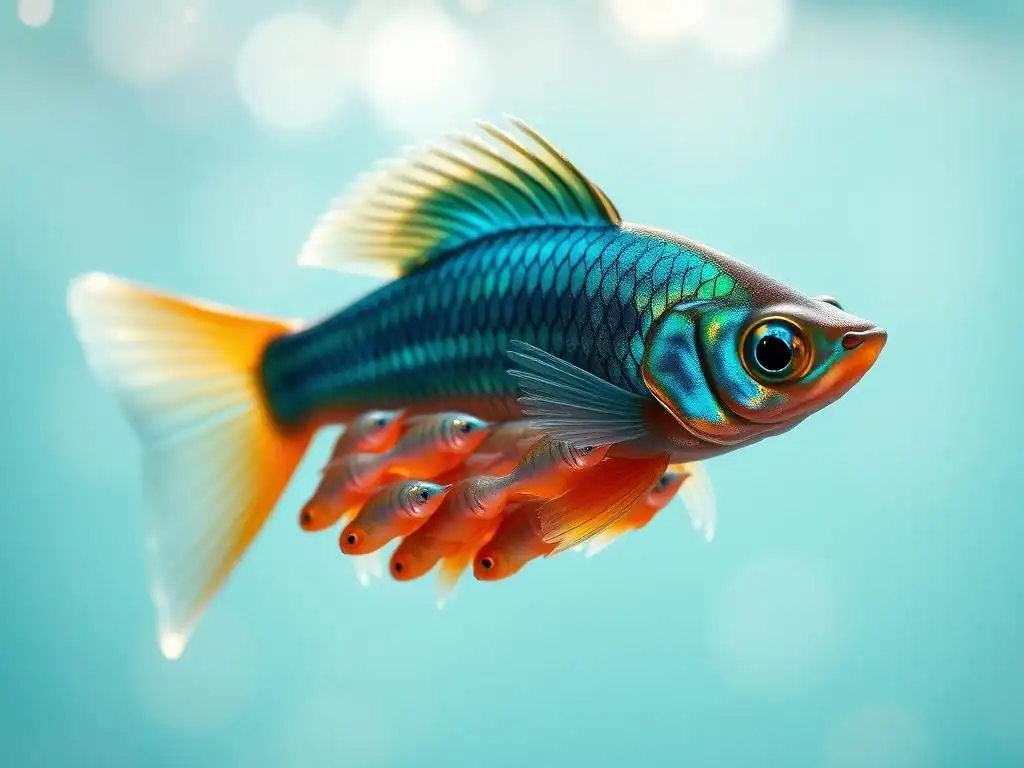
Feeding Pregnant Livebearers: Supporting Healthy Fry Development
Pregnant livebearer females, often identifiable by their enlarged gravid spot and swollen abdomen, have significantly increased nutritional requirements to support the development of healthy fry. During this period, their metabolic rate is higher, and they are channeling considerable energy and nutrients into producing numerous offspring. A livebearer fish diet guide for pregnant females should prioritize higher protein content and easily digestible foods.
Increasing the frequency of feeding to 3-4 times a day, offering smaller portions at each feeding, is beneficial. Supplementing their regular high-quality flake diet with protein-rich foods like frozen or live brine shrimp, daphnia, and micro worms is crucial. These supplements provide essential amino acids and fats vital for the rapid growth of fry within the mother. Ensuring they receive ample nutrition not only supports the development of strong, viable fry but also helps the mother recover more quickly post-delivery.
Feeding Livebearer Fry: First Foods and Growth Strategies
Livebearer fry are born relatively large and free-swimming, capable of consuming small foods immediately. Their first foods are critical for initial survival and rapid growth. A livebearer fish diet guide for fry typically begins with highly digestible, nutrient-dense options. Infusoria (microscopic organisms) or liquid fry food are excellent choices for the first few days, particularly for very small fry or if you have a large brood.
As they grow, usually within a few days to a week, they can transition to newly hatched brine shrimp (Nauplii), which are an unparalleled source of protein and essential fatty acids, promoting incredibly fast growth. Finely powdered high-quality flake food, specifically crushed into a dust-like consistency, can also be introduced. Feeding fry 4-5 times a day in very small amounts is crucial due to their high metabolism and rapid growth rate. Consistent, high-quality nutrition during this early stage determines their long-term health and development.
Maintaining Water Quality Through Proper Feeding Practices
Reducing Waste and Ammonia Levels: The Link to Overfeeding
Proper feeding practices are directly linked to maintaining optimal water quality in a livebearer aquarium, especially in preventing elevated waste and ammonia levels. Overfeeding is the single largest contributor to poor water quality. When excess food is introduced, it quickly decomposes, releasing ammonia and nitrites—both highly toxic to fish. Uneaten food also provides a rich substrate for harmful bacterial growth, further depleting oxygen and stressing the aquarium ecosystem.
By adhering to a responsible livebearer fish diet guide, feeding only what your fish can consume within 2-3 minutes, you drastically reduce the amount of organic waste entering the water. This minimizes the burden on your biological filtration system and helps maintain stable, healthy ammonia and nitrite levels. A clean tank environment, facilitated by controlled feeding, is fundamental for the well-being and longevity of your guppies, mollies, and platies.
Regular Water Changes: Essential for a Healthy Livebearer Tank
While proper feeding practices significantly reduce the production of waste, regular water changes remain an essential component of maintaining a healthy livebearer tank. Even with meticulous feeding, metabolic waste products from the fish themselves, along with nitrates (the end product of the nitrogen cycle), will accumulate over time. These accumulations, even if not immediately toxic in small amounts, can contribute to chronic stress, weakened immune systems, and stunted growth in livebearers.
For most livebearer community tanks, a weekly water change of 25-30% is generally recommended. This practice dilutes accumulated nitrates and replenishes essential trace elements that are naturally depleted. Combining a diligent livebearer fish diet guide with consistent water changes creates a synergistic effect, ensuring a pristine and stable environment where your guppies, mollies, and platies can truly thrive, exhibiting their best health and coloration.
Conclusion: Mastering the Art of Feeding Your Livebearer Community
Key Takeaways for a Healthy and Vibrant Livebearer Aquarium
Mastering the art of feeding your livebearer community is a cornerstone of successful aquarium keeping, leading to a healthy, vibrant, and thriving population of guppies, mollies, and platies. The fundamental takeaway is that a balanced and varied livebearer fish diet guide is non-negotiable. This means not relying solely on a single type of food but incorporating high-quality flakes, diverse protein supplements like brine shrimp and bloodworms, and crucial plant-based foods such as spirulina flakes and blanched vegetables. Each component plays a vital role in providing the full spectrum of nutrients essential for growth, coloration, disease resistance, and successful breeding.
Equally important are controlled feeding practices and attentive observation. Feeding small amounts 2-3 times a day, ensuring all food is consumed within minutes, prevents overfeeding and safeguards water quality. Observing your fish's behavior and body condition allows for necessary adjustments to their diet and feeding schedule, accommodating the specific needs of fry, pregnant females, or individual picky eaters. By diligently applying these principles, you will cultivate a robust livebearer community that not only survives but truly flourishes, showcasing the beauty and vitality that these fascinating fish bring to any freshwater aquarium.
Frequently Asked Questions
What are the basic dietary needs of livebearer fish like guppies, mollies, and platies?
Livebearers require a balanced diet consisting of both plant-based and animal-based foods. A high-quality flake food supplemented with live or frozen treats is recommended.
How often should I feed my livebearer fish?
Feed your livebearers small amounts two to three times per day. Ensure they consume all the food within a few minutes to avoid overfeeding and water pollution.
What types of live foods are suitable for livebearer fish?
Excellent live food options include brine shrimp, daphnia, and bloodworms. These provide essential nutrients and stimulate their natural hunting instincts, promoting overall health.
Can I feed my livebearer fish vegetables?
Yes, vegetables are an important part of their diet! Blanched zucchini, spinach, and algae wafers offer essential vitamins and fiber, aiding in digestion and preventing constipation.
How do I ensure my livebearer fry (baby fish) receive adequate nutrition?
Fry require frequent feedings of specialized fry food, baby brine shrimp, or finely crushed flake food. Aim for several small feedings throughout the day to support rapid growth and development.
Final Reflection: Nurturing Life Through Balanced Nutrition
The journey through understanding the dietary needs of livebearers, as we've explored, is far more than just a technical exercise; it's about fostering vibrant ecosystems within our own homes. The principles of balanced nutrition, tailored to the specific needs of guppies, mollies, and platies, resonate far beyond the aquarium glass, reminding us of the interconnectedness of life and the responsibility we bear in nurturing it.
The impact of a well-considered livebearer fish diet guide extends beyond the health of individual fish; it shapes the entire aquascaping experience. Witnessing the thriving colors and energetic behaviors of well-fed livebearers is a testament to the power of informed care. The greatness of a nation and its moral progress can be judged by the way its animals are treated.
- Mahatma Gandhi. This quote, though often applied to larger animals, holds true even in the microcosm of our aquariums, highlighting the ethical dimension of responsible fishkeeping.
Now, consider how you can apply these lessons of balance and attentive care beyond the aquarium. What other aspects of your life could benefit from a more nuanced understanding of nutritional needs and environmental factors? Let this exploration of the livebearer fish diet guide inspire you to cultivate a greater sense of responsibility and mindful stewardship, not just for your aquatic companions, but for all living things around you.
Nurture Your Livebearers: Watch Them Thrive!
Thank you for diving into the world of livebearer nutrition! We hope you've gained valuable insights into crafting the perfect diet for your guppies, mollies, and platies. Now, let's put that knowledge into action!
Here's how you can elevate your livebearers' health and happiness:
- Immediately reassess your current feeding regimen. Are you offering enough variety and plant-based foods? Make small, incremental changes to observe their response.
- Explore unconventional food sources! Try supplementing their diet with blanched zucchini or spirulina algae wafers for a nutritional boost.
- Share your livebearer feeding successes (and challenges!) in the comments below. What unique foods have your fish enjoyed?