
Paludarium Perfection: Designing the Ideal Habitat for SemiAquatic Crabs

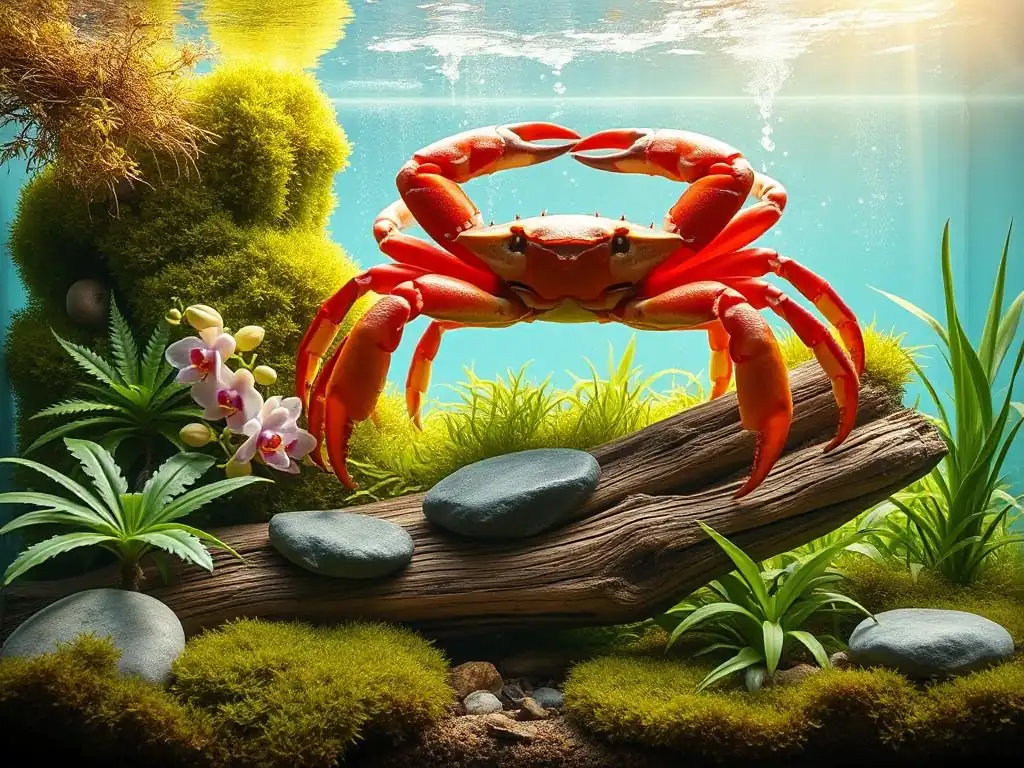
Welcome to Aquarium Mastery, your ultimate guide to thriving aquatic ecosystems!
Ever dreamt of creating a miniature world where land and water meet? Dive into our comprehensive guide on building the perfect Semi aquatic crab paludarium and discover how to design a captivating habitat for these fascinating creatures. Uncover the secrets to a balanced ecosystem and unlock the potential for a truly stunning display – your journey to paludarium perfection starts now!
- Understanding Semi-Aquatic Crabs and Their Paludarium Needs
- Planning Your Semi-Aquatic Crab Paludarium: Essential Design Considerations
- Setting Up Your Semi-Aquatic Crab Paludarium: A Step-by-Step Guide
- Choosing the Right Semi-Aquatic Crab Species for Your Paludarium
- Feeding Your Semi-Aquatic Crabs: Diet and Nutrition
- Maintaining Your Semi-Aquatic Crab Paludarium: Regular Care and Troubleshooting
- Enhancing Your Semi-Aquatic Crab Paludarium: Advanced Techniques
- The Joys of Keeping Semi-Aquatic Crabs in a Paludarium
-
Frequently Asked Questions
- What exactly is a paludarium, and why is it suitable for semi-aquatic crabs?
- What are the most important factors to consider when designing a paludarium for semi-aquatic crabs?
- What kind of plants thrive in a semi-aquatic crab paludarium?
- How often should I clean and maintain my semi-aquatic crab paludarium?
- What are some common health issues that semi-aquatic crabs might face in a paludarium, and how can I prevent them?
- Final Reflection: Embracing the Interconnectedness of Life
- Unleash Your Inner Paludarium Architect!
Understanding Semi-Aquatic Crabs and Their Paludarium Needs
What are Semi-Aquatic Crabs? Exploring Crab Species for Paludariums
Semi-aquatic crabs are fascinating crustaceans that, unlike purely aquatic or terrestrial crabs, require access to both water and land to thrive. This unique physiological need stems from their evolutionary adaptations, allowing them to forage, breathe, and reproduce across two distinct environments. Their gills are adapted to absorb oxygen from water, but many species also possess modified gill chambers that allow them to extract oxygen from the air when on land, provided sufficient humidity. Without both environments, these crabs cannot complete essential life cycle processes, such as molting or reproduction, leading to stress and premature demise.
Popular species commonly kept in a semi aquatic crab paludarium include the vibrant Red Claw Crab ( Perisesarma bidens), often found in brackish mangrove estuaries across Southeast Asia, and the diminutive, yet captivating, Vampire Crab ( Geosesarma spp. ), native to the humid forest floors and streams of Southeast Asian islands like Sulawesi. Other notable mentions are the various Fiddler Crab species ( Uca spp.
), known for the male's disproportionately large claw and their preference for brackish or even saltwater mudflats. Each species has specific requirements regarding water salinity, land accessibility, and humidity, making species-specific research paramount before attempting a semi aquatic crab paludarium setup.
The Importance of a Paludarium for Semi-Aquatic Crab Health
A standard aquarium or a simple terrarium is fundamentally insufficient for the long-term health and well-being of semi-aquatic crabs. Aquariums lack the essential land area necessary for these creatures to escape the water, breathe atmospheric oxygen, and engage in critical terrestrial behaviors like burrowing, foraging, and molting. Conversely, a terrarium, while providing land, fails to offer the aquatic zone required for hydration, some forms of respiration, and often, a place to shed their exoskeletons safely. Without a dedicated semi aquatic crab paludarium, these animals often suffer from respiratory distress, dehydration, failed molts, and chronic stress, significantly shortening their lifespan.
A properly designed semi aquatic crab paludarium directly addresses these dual needs, creating a balanced ecosystem that mimics their natural habitats. This specialized setup allows crabs to freely transition between aquatic and terrestrial zones as their physiological needs dictate. For instance, a Vampire Crab might spend hours foraging for detritus on land, then retreat to a shallow water pool to rehydrate its gills or complete a molt in the safety of submerged decor. This freedom of movement and access to varied environments reduces stress, promotes natural behaviors, and significantly contributes to the longevity and vitality of the crabs.
Replicating Natural Habitats: The Key to a Thriving Crab Paludarium
Replicating the natural habitat is the cornerstone of a successful semi aquatic crab paludarium. This involves more than just providing land and water; it means understanding the specific ecological niches these crabs occupy in the wild and recreating those conditions within the confines of the enclosure.
For example, many Geosesarma species inhabit humid, leaf-littered forest floors adjacent to small streams, requiring high humidity (often above 80%), soft substrate for burrowing, and access to shallow, clean freshwater. Red Claw Crabs, conversely, thrive in brackish mangrove environments, necessitating a mix of land, brackish water (specific gravity around 1.005-1.010), and structures like driftwood for climbing.
The level of detail in replication directly impacts the crabs' ability to thrive. This includes providing varied substrate depths, allowing for burrowing; incorporating driftwood and rocks for climbing and hiding; and maintaining species-appropriate water parameters and ambient temperatures.
For instance, a terrestrial zone with at least 4-6 inches of coco fiber and sphagnum moss mixture allows Vampire Crabs to dig intricate tunnels, fulfilling a crucial behavioral need. Similarly, a gently sloped land-to-water transition with plenty of cover ensures that all semi-aquatic crabs can easily move between zones and feel secure, leading to a much more natural and engaging semi aquatic crab paludarium.
Planning Your Semi-Aquatic Crab Paludarium: Essential Design Considerations
Paludarium Size and Dimensions: How Much Space Do Your Crabs Need?
The size and dimensions of your semi aquatic crab paludarium are critical factors influencing the health and behavior of its inhabitants. While it might be tempting to start small, a larger footprint is almost always preferable, providing more stable environmental conditions and reducing territorial disputes.
For a small group of Vampire Crabs (3-5 individuals), a 10-gallon tank (approximately 20x10x12 inches) modified into a paludarium can suffice, but a 20-gallon long (30x12x12 inches) offers significantly more floor space, allowing for more elaborate landscaping and distinct zones. For larger or more active species like Red Claw Crabs, a 20-gallon long or even a 40-gallon breeder tank (36x18x16 inches) is recommended for a pair or small group to minimize aggression and provide ample room for exploration and molting.
When considering dimensions, prioritize horizontal space over vertical height for most semi-aquatic crab species. While some crabs enjoy climbing, the majority of their activity, including foraging, burrowing, and molting, occurs on the ground plane. A wider, shallower tank allows for a more expansive terrestrial zone and a larger water footprint, which contributes to greater water volume stability. Overcrowding in a semi aquatic crab paludarium not only leads to increased stress and aggression but also exacerbates waste accumulation, making it challenging to maintain pristine water and land conditions.
Water to Land Ratio: Achieving the Right Balance for Semi-Aquatic Crabs
The ideal water-to-land ratio in a semi aquatic crab paludarium is highly dependent on the specific species being housed. Some species, like certain Fiddler Crabs, are predominantly terrestrial and require a significant landmass, perhaps a 70/30 land/water split, with just a shallow pool for hydration.
In contrast, species like the Panther Crab ( Parathelphusa pantherina) are more aquatic and might thrive with a 50/50 ratio, ensuring ample swimming space while still providing a robust terrestrial escape. For the popular Vampire Crabs, a ratio of 60-70% land and 30-40% water is generally recommended, offering extensive terrestrial foraging areas alongside a vital water source.
Achieving this balance often involves creating a sloped land area or using a physical barrier to separate the two zones. A common technique is to use an acrylic or glass divider siliconed into place, allowing for a deeper water section and a raised land area.
Alternatively, a substrate barrier made of inert materials can be built up, creating a naturalistic slope. Regardless of the method, ensure that the transition between water and land is gentle and easily accessible for the crabs, preventing them from becoming trapped or struggling to move between their essential environments within the semi aquatic crab paludarium.
Substrate Selection: Creating a Suitable Base for Your Paludarium
Selecting the appropriate substrate for both the aquatic and terrestrial zones is fundamental to a healthy semi aquatic crab paludarium. For the terrestrial area, a substrate that retains humidity and allows for burrowing is crucial. A popular and effective choice is coco fiber, often mixed with sphagnum moss or terrarium-safe soil, creating a substrate depth of at least 4-6 inches.
This mixture provides excellent moisture retention, which is vital for gill function and humidity, and is soft enough for crabs to dig tunnels and hide during molting periods. Ensure any terrestrial substrate is free from pesticides, fertilizers, or other harmful chemicals.
In the aquatic zone, the substrate should be inert and easy to clean. Fine sand, such as play sand or pool filter sand, is an excellent option as it prevents impaction if ingested by the crabs and allows for detritus to settle on top, making siphoning easier.
Small, smooth gravel (around 2-3mm) can also be used, but avoid sharp or rough gravel that could injure delicate crab legs or claws. Some aquarists opt for a bare-bottom aquatic section for maximum cleanliness and ease of maintenance in their semi aquatic crab paludarium, particularly in smaller setups where waste accumulation can rapidly impact water quality.
Setting Up Your Semi-Aquatic Crab Paludarium: A Step-by-Step Guide
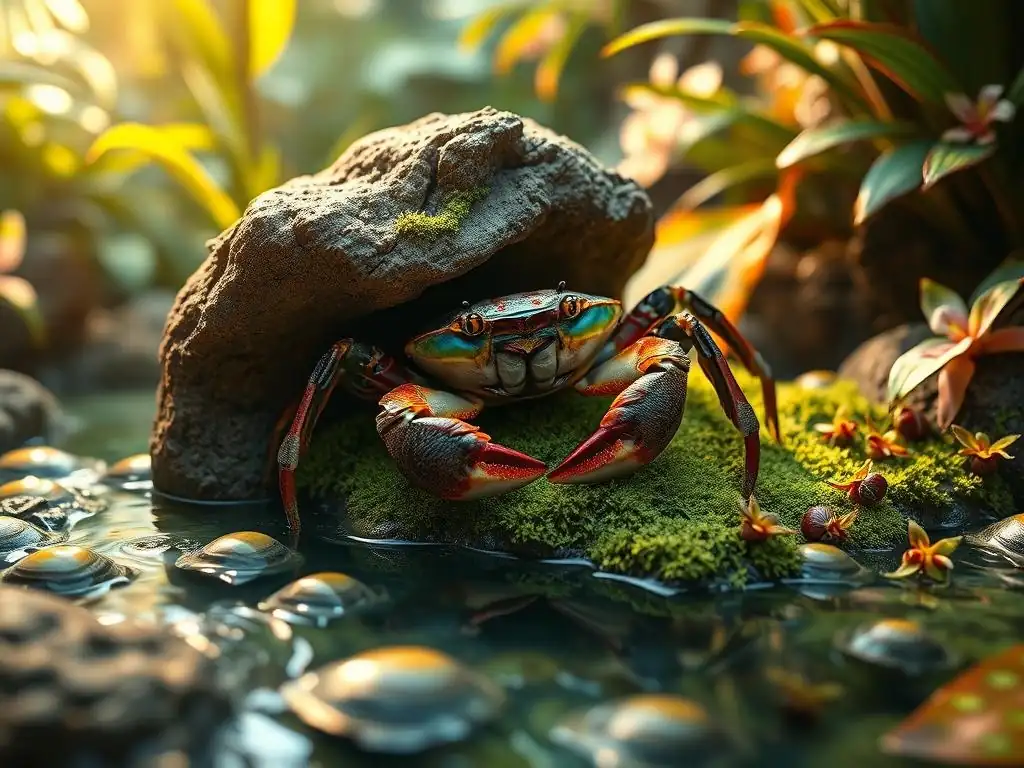
The Aquatic Zone: Water Parameters and Filtration for Crabs
Choosing the Right Filter for a Semi-Aquatic Crab Paludarium
Selecting the appropriate filtration for the aquatic zone of a semi aquatic crab paludarium is critical for maintaining water quality without creating excessive currents. Given the often shallow water levels and the relatively small bioload of most semi-aquatic crabs, powerful external filters are usually unnecessary and can generate currents that stress crabs. Sponge filters are an excellent choice, providing both mechanical and biological filtration.
They operate gently, are inexpensive, and are easy to maintain. For a water volume of 5-10 gallons, a small air-driven sponge filter is often sufficient, effectively removing particulate matter and fostering beneficial bacteria to break down ammonia and nitrite.
Another viable option for a semi aquatic crab paludarium is a small internal filter designed for nano aquariums. When choosing an internal filter, look for models with adjustable flow rates that can be set to the lowest possible setting to prevent strong currents. Ensure the filter intake is protected with a sponge pre-filter to prevent crabs or their delicate limbs from being sucked in. Regular cleaning of the filter media, typically by rinsing in old tank water during water changes, is essential to maintain optimal filtration efficiency and prevent the buildup of harmful toxins in the water.
Maintaining Water Quality: Regular Testing and Water Changes
Maintaining pristine water quality in the aquatic zone of your semi aquatic crab paludarium is paramount for the health of your crabs. Regular water testing is non-negotiable. For freshwater species like Vampire Crabs, target parameters typically include a pH between 7.0 and 7.8, with ammonia and nitrite levels at 0 parts per million (ppm), and nitrates below 20 ppm.
For brackish species such as Red Claw Crabs, in addition to these parameters, a specific gravity of 1.005 to 1.010 (measured with a hydrometer or refractometer) is crucial for their well-being. Testing should be performed at least weekly, using a reliable liquid test kit.
Consistent water changes are the primary method for maintaining these parameters. A 10-20% water change weekly is generally recommended for a semi aquatic crab paludarium, using dechlorinated water that matches the tank's temperature and, for brackish setups, its salinity. Always use a good quality dechlorinator to remove chlorine and chloramines from tap water, which are highly toxic to crabs. Never perform large, sudden water changes (e.g., more than 30-40% at once) as this can lead to drastic parameter shifts, causing stress and potentially fatal osmotic shock to your crabs.
The Terrestrial Zone: Landscaping and Hiding Spots for Crabs
Selecting Safe and Suitable Plants for a Crab Paludarium
Integrating live plants into the terrestrial zone of your semi aquatic crab paludarium enhances its aesthetic appeal and provides numerous benefits for the crabs, including additional hiding spots, climbing surfaces, and a contribution to humidity. When selecting plants, ensure they are non-toxic to crabs and can tolerate the high humidity and variable lighting conditions of a paludarium.
Excellent choices include Pothos ( Epipremnum aureum), which is incredibly hardy and can be rooted in the substrate with vines trailing into the water section. Other suitable options include various mosses (e.g., Java moss, Christmas moss, sphagnum moss), which thrive in humid conditions and provide soft ground cover.
Additionally, plants like Anubias ( Anubias barteri) and Java Fern ( Microsorum pteropus) can be attached to driftwood or rocks in the aquatic or transitional zones, as they absorb nutrients from the water column rather than through traditional roots. For the terrestrial area, consider small, humidity-loving plants like certain Cryptocoryne species or even miniature orchids if conditions permit. Always rinse new plants thoroughly to remove any pesticide residues before introducing them to your semi aquatic crab paludarium, and ensure they are securely planted to prevent crabs from easily uprooting them during their digging activities.
Creating Hiding Places: Rocks, Wood, and Other Decor
Hiding places are absolutely essential for the well-being of semi-aquatic crabs in a paludarium. Crabs are naturally shy and vulnerable, especially during and after molting, making secure retreats vital for their safety and stress reduction. Incorporate a variety of naturalistic decor elements such as driftwood, cork bark, and smooth, inert rocks. Driftwood and cork bark offer excellent climbing opportunities and crevices for crabs to squeeze into. Mopani wood and Malaysian driftwood are popular choices due to their durability and interesting shapes, providing both visual appeal and functional shelter.
When arranging rocks, ensure they are stable and cannot be toppled by digging crabs, which could cause injury or damage to the tank. Non-calcareous rocks are best for freshwater setups to avoid altering water chemistry. Create multiple hiding spots on both the land and in the shallow water sections of your semi aquatic crab paludarium. This allows crabs to choose their preferred location for security, rest, and molting, especially if housing multiple crabs where territoriality might be a factor. The more varied and secure the hiding spots, the more confident and active your crabs will be.
Heating and Lighting: Providing the Right Environment for Semi-Aquatic Crabs
Temperature Requirements for Various Crab Species
Maintaining the correct temperature is critical for the metabolic processes and overall health of semi-aquatic crabs. Most popular species, being tropical in origin, thrive in ambient temperatures ranging from 75°F to 82°F (24°C to 28°C). For instance, Vampire Crabs prefer temperatures around 75-78°F (24-26°C), while Red Claw Crabs can tolerate slightly warmer conditions up to 82°F (28°C). Fluctuations outside this range can lead to stress, lethargy, and susceptibility to illness. A reliable thermometer placed in both the aquatic and terrestrial zones is essential for accurate monitoring.
To achieve these temperatures in a semi aquatic crab paludarium, a small submersible aquarium heater (sized appropriately for the water volume) can be used in the aquatic section. For the terrestrial zone, if ambient room temperature isn't sufficient, a low-wattage heat mat adhered to the outside of the back or side glass can provide gentle warmth. Never place heat mats directly inside the paludarium or under the substrate, as this can lead to dangerous hot spots. Ensure any heating elements are regulated by a thermostat to prevent overheating and maintain a stable environment for your semi-aquatic crabs.
Lighting Options for Plant Growth and Crab Health
Lighting in a semi aquatic crab paludarium serves a dual purpose: supporting plant growth and establishing a natural day/night cycle for the crabs. A 10-12 hour light cycle is generally ideal for both purposes, mimicking natural daylight hours. For planted paludariums, a low to moderate intensity LED light fixture specifically designed for planted tanks is recommended. These fixtures provide the necessary spectrum for photosynthesis without overwhelming the crabs, which can be sensitive to excessively bright light and may become reclusive if overexposed.
The intensity and duration of lighting should be carefully managed to prevent excessive algae growth, particularly in the aquatic section. If you notice a significant algae bloom, consider reducing the light duration or intensity. While crabs do not require special UV lighting, a natural light cycle is important for regulating their circadian rhythms, influencing their activity patterns, and promoting overall well-being. Position the light fixture above the paludarium to ensure even illumination across both the aquatic and terrestrial zones, contributing to a vibrant and healthy semi aquatic crab paludarium ecosystem.
Choosing the Right Semi-Aquatic Crab Species for Your Paludarium
Popular Semi-Aquatic Crab Species: Red Claw Crabs, Vampire Crabs, and More
When designing a semi aquatic crab paludarium, selecting the right species is paramount, as their specific needs will dictate the setup. The Red Claw Crab ( Perisesarma bidens) is one of the most widely available and recognizable semi-aquatic crabs. Reaching up to 2 inches in carapace width, they are known for their striking red claws (in males) and require brackish water, along with ample land for foraging and burrowing. They are relatively active and can be territorial, especially males.
Another incredibly popular choice for a semi aquatic crab paludarium is the Vampire Crab ( Geosesarma spp.). These small, jewel-toned crabs typically grow to less than an inch in carapace width and are entirely freshwater, preferring humid, heavily planted terrestrial areas with shallow water access. They are generally shy and thrive in small groups, exhibiting fascinating social behaviors.
Other species to consider include the various Fiddler Crab species ( Uca spp. ), which also require brackish or even saltwater conditions with significant land area for their unique burrowing habits and courtship displays. Panther Crabs ( Parathelphusa pantherina) are larger, more aquatic freshwater crabs that also appreciate land access but require a very spacious paludarium due to their size and activity level.
Compatibility Considerations: Choosing Crab Species That Can Coexist
Compatibility is a critical, yet often overlooked, aspect when planning a semi aquatic crab paludarium. In most cases, it is best to keep a species-only tank, or to house only very carefully selected tankmates.
Many semi-aquatic crab species are territorial, particularly males, and mixing aggressive species or those with significant size differences can lead to stress, aggression, injury, or even predation. For example, while Red Claw Crabs can be housed in groups in a sufficiently large setup, mixing them with smaller, more docile Vampire Crabs is highly ill-advised due to the risk of the larger, more aggressive Red Claws preying on the smaller species.
Even within the same species, providing ample space and multiple hiding spots is crucial to minimize conflict, especially during molting when crabs are most vulnerable. If considering fish tankmates for the aquatic section of a semi aquatic crab paludarium, opt for fast-moving, peaceful species that can tolerate the specific water parameters and are too quick for crabs to catch, such as Endler's Livebearers or certain small rasboras for freshwater setups. However, always be aware that any fish or snail could potentially become a meal for a hungry or opportunistic crab.
Understanding the temperament and social needs of your chosen semi-aquatic crab species is vital for their well-being and the success of your paludarium. Some species, like the Vampire Crab, are generally social and thrive in groups. Keeping 3-6 Vampire Crabs in a well-sized semi aquatic crab paludarium often results in more natural behaviors, as they interact with each other and display their complex social dynamics. Providing ample hiding spots and foraging areas is still important, even for social species, to allow individuals to retreat if needed.
Conversely, many Fiddler Crab species and some Red Claw Crabs can be quite territorial, especially adult males. Housing multiple males of these species in a smaller semi aquatic crab paludarium can lead to constant skirmishes, lost limbs, and chronic stress. For such species, it might be better to keep a single male with multiple females, or to ensure an exceptionally large footprint with numerous visual barriers and hiding places to break up lines of sight and reduce aggression. Researching the specific social requirements of your chosen species will prevent unnecessary stress and promote a harmonious environment.
Feeding Your Semi-Aquatic Crabs: Diet and Nutrition
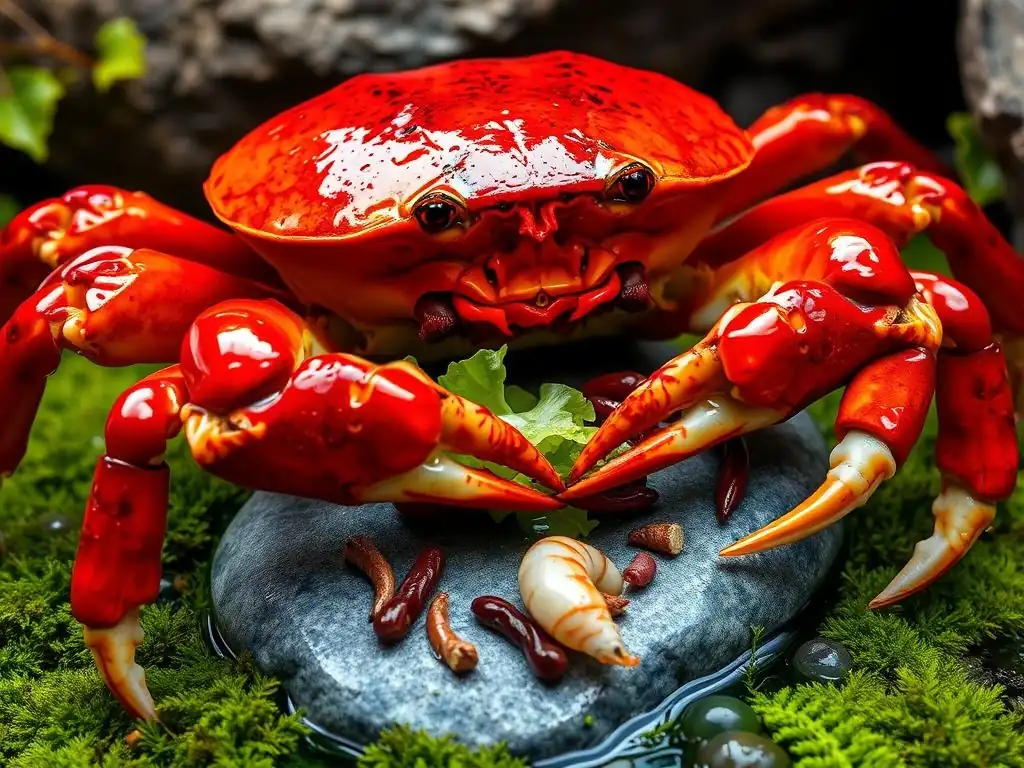
What Do Semi-Aquatic Crabs Eat? A Balanced Diet for Optimal Health
Semi-aquatic crabs are typically omnivores, requiring a diverse and balanced diet that includes both protein and plant matter for optimal health and vibrant coloration. A high-quality sinking pellet or flake food designed for crustaceans or bottom-feeders should form the staple of their diet. This should be supplemented with a variety of fresh and frozen foods. Protein sources can include freeze-dried or frozen bloodworms, brine shrimp, daphnia, and small pieces of unseasoned cooked fish or shrimp.
Vegetable matter is equally important. Offer blanched vegetables such as spinach, zucchini, cucumber, or peas. Small pieces of fruit like apple or banana can be offered sparingly as treats. Calcium is absolutely crucial for shell development and successful molting; therefore, incorporating calcium-rich foods or supplements is vital. Cuttlebone, a common calcium source for birds, can be placed in both the aquatic and terrestrial sections of the semi aquatic crab paludarium for crabs to rasp at as needed. A varied diet ensures they receive all necessary vitamins and minerals, promoting strong exoskeletons and overall vitality.
Feeding Frequency and Portion Sizes: Preventing Overfeeding
Establishing the correct feeding frequency and portion sizes is key to maintaining water quality and preventing health issues in your semi aquatic crab paludarium. Most semi-aquatic crabs benefit from being fed small amounts daily or every other day, depending on their size, activity level, and the species' metabolic rate. A good rule of thumb is to offer only what they can consume within a few minutes, or what can be completely eaten within a few hours for more leisurely feeders. It is always better to slightly underfeed than to overfeed.
Overfeeding is a common mistake that can have detrimental effects. Excess food left uneaten will quickly decompose in both the aquatic and terrestrial zones, leading to a rapid decline in water quality (spiking ammonia and nitrite levels) and fostering bacterial or fungal growth on land. This not only poses a direct health risk to your crabs but also encourages pest infestations. Always remove any uneaten food after a few hours to maintain a clean and healthy environment within your semi aquatic crab paludarium.
Supplementing Your Crab's Diet: Vitamins and Minerals
While a varied diet forms the foundation of good nutrition, supplementing your semi-aquatic crabs' diet with essential vitamins and minerals is often beneficial, particularly for crucial processes like molting. Calcium is the single most important mineral for crabs, as it is vital for the formation and hardening of their new exoskeleton after a molt. As mentioned, cuttlebone is an excellent source and can be left in the paludarium for continuous access. Crabs will instinctively consume it as needed, especially during pre-molt and post-molt phases.
In addition to calcium, a broad-spectrum liquid vitamin supplement designed for invertebrates or reptiles can be occasionally added to their food. These supplements often contain a mix of vitamins (e.g., A, D3, E) and trace minerals that might be lacking even in a varied diet. Spirulina powder, a nutrient-rich algae, can also be dusted onto food for an added boost of vitamins and carotenoids, which contribute to vibrant coloration. Always follow the manufacturer's instructions for any supplements to avoid over-dosing, ensuring your semi aquatic crab paludarium inhabitants receive optimal nutrition.
Maintaining Your Semi-Aquatic Crab Paludarium: Regular Care and Troubleshooting
Paludarium Cleaning and Maintenance Schedule
A consistent cleaning and maintenance schedule is crucial for the long-term health and stability of your semi aquatic crab paludarium. Daily checks should include observing crab activity, verifying temperature and humidity levels, and removing any uneaten food to prevent spoilage. Weekly tasks are more involved: perform water tests for ammonia, nitrite, nitrate, and pH (and specific gravity for brackish setups). Follow this with a 10-20% water change in the aquatic section using dechlorinated, temperature-matched water. During this time, spot clean any visible waste from the substrate and wipe down the glass.
Monthly or bi-monthly, a deeper clean is recommended. This involves lightly stirring the aquatic substrate to release trapped detritus, then siphoning it out. Rinse filter media in old tank water (never tap water, which contains chlorine that kills beneficial bacteria) to maintain biological filtration. For the terrestrial zone of your semi aquatic crab paludarium, periodically remove any moldy or excessively soiled substrate, replacing it with fresh material. Ensure plants are healthy and trim any dead leaves. This routine maintenance prevents the buildup of toxins and maintains a pristine environment for your semi-aquatic crabs.
Common Paludarium Problems: Identifying and Addressing Issues
Dealing with Algae Growth in Your Crab Paludarium
Algae growth is a common issue in any semi aquatic crab paludarium, particularly in the aquatic section. It is typically a sign of excess light (e.g., lights left on for too long, or too intense) or high nutrient levels in the water, often from overfeeding or infrequent water changes. Small amounts of algae are natural and harmless, but an uncontrolled bloom can be unsightly and indicate underlying water quality issues. To address mild algae, manually scrub it from the glass and decor during weekly maintenance.
For persistent or extensive algae growth, first verify your lighting schedule; aim for 10-12 hours daily. If using a high-intensity light, consider dimming it or reducing its duration. Next, review your feeding habits and water change schedule to ensure you're not overfeeding and that water parameters are consistently within acceptable ranges. Introducing a few hardy, algae-eating snails (like Nerite snails) to the aquatic zone can also help control green film algae, provided they are not seen as food by your crabs and are compatible with your water parameters.
Recognizing and Treating Crab Illnesses
Recognizing and treating illnesses in semi-aquatic crabs can be challenging, as symptoms are often subtle. Common signs of distress or illness include lethargy, refusal to eat for prolonged periods (beyond typical pre-molt fasting), unusual discoloration, loss of limb segments not related to a recent molt, or fuzzy growths (indicating fungal infections). Molting problems, such as a crab being stuck in its old shell, are frequently linked to improper humidity, insufficient calcium, or stress in the semi aquatic crab paludarium.
The first course of action for any suspected illness is always to meticulously check and correct all environmental parameters: temperature, humidity, and water quality (ammonia, nitrite, nitrate, pH, and salinity if applicable). Often, simply improving these conditions can alleviate stress and allow the crab to recover. For suspected bacterial or fungal infections, broad-spectrum aquarium medications can be used, but extreme caution is advised. Always ensure the medication is explicitly safe for invertebrates, follow dosage instructions precisely, and consider isolating the affected crab in a hospital tank to prevent medication from harming beneficial bacteria in the main paludarium.
Enhancing Your Semi-Aquatic Crab Paludarium: Advanced Techniques
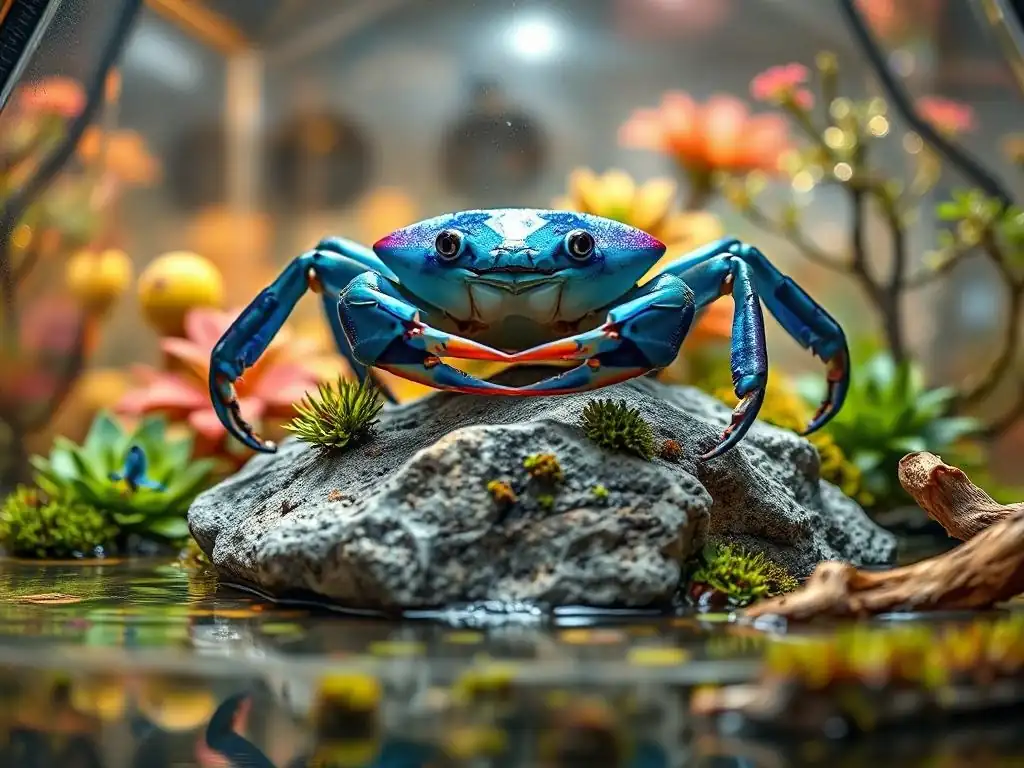
Creating a Naturalistic Paludarium Ecosystem
Moving beyond a basic semi aquatic crab paludarium setup, creating a truly naturalistic ecosystem involves fostering a self-sustaining micro-environment that closely mimics the complexity of a wild habitat. This involves introducing beneficial microfauna and incorporating natural organic materials.
A layer of dried, unsprayed leaf litter (such as Indian Almond leaves, oak leaves, or magnolia leaves) on the terrestrial substrate not only provides natural foraging opportunities for crabs but also supports a thriving community of detritivores like springtails and isopods. These tiny creatures act as a natural clean-up crew, breaking down decaying plant matter and uneaten food, which helps prevent mold and maintain soil health.
Furthermore, integrating various types of mosses, such as Java moss or Christmas moss in the aquatic zone, and sphagnum or sheet mosses on land, adds to the natural feel and provides additional cover and humidity. Some advanced hobbyists even experiment with introducing beneficial fungi or specific types of soil bacteria to further enhance the decomposition cycle. This approach to a semi aquatic crab paludarium fosters a more stable and resilient environment, reducing the need for manual cleaning and providing a more authentic experience for both the crabs and the observer.
Integrating Live Plants for a Thriving Environment
Live plants are more than just aesthetic additions to a semi aquatic crab paludarium; they are integral components of a thriving, balanced ecosystem. Beyond providing visual appeal and additional hiding spots, plants contribute significantly to the overall health of the environment. In the aquatic zone, submerged plants like Anubias and Java Fern absorb nitrates from the water, acting as natural filters and improving water quality.
Emergent plants, such as Pothos ( Epipremnum aureum), Peace Lily ( Spathiphyllum spp. ), or Syngonium ( Syngonium podophyllum), rooted in the terrestrial zone with their leaves extending into the air, help maintain high humidity levels through transpiration, which is crucial for the respiratory health of semi-aquatic crabs.
Floating plants like Frogbit ( Limnobium laevigatum) or Dwarf Water Lettuce ( Pistia stratiotes) in the aquatic section can provide shade, reduce algae growth by competing for nutrients, and offer a sense of security for crabs venturing into the water. By carefully selecting a variety of plants that thrive in high humidity and varying light conditions, you can create a lush, multi-layered environment that not only looks stunning but also actively contributes to the stability and well-being of your semi aquatic crab paludarium inhabitants.
Automating Paludarium Maintenance: Timers and Controllers
For busy aquarists, automating certain aspects of semi aquatic crab paludarium maintenance can significantly reduce the manual workload and ensure consistency in environmental parameters. Digital timers are perhaps the most fundamental automation tool, indispensable for maintaining a precise 10-12 hour light cycle. Consistent lighting schedules are vital for both plant health and regulating the crabs' circadian rhythms, promoting natural activity patterns.
More advanced automation includes automatic misting systems, which are invaluable for maintaining optimal humidity levels in the terrestrial zone. These systems can be programmed to spray fine mist at set intervals throughout the day, eliminating the need for manual misting and ensuring a consistently humid environment, which is critical for semi-aquatic crab respiration and molting.
Smart thermometers and hygrometers, often connected to a central controller or app, provide real-time data on temperature and humidity, and can even trigger alarms if parameters deviate from the desired range. This level of automation provides peace of mind and contributes to a more stable and thriving semi aquatic crab paludarium.
The Joys of Keeping Semi-Aquatic Crabs in a Paludarium
Observing Crab Behavior and Natural Instincts
One of the most rewarding aspects of keeping semi-aquatic crabs in a dedicated paludarium is the unique opportunity to observe their fascinating natural behaviors and instincts up close. Unlike purely aquatic or terrestrial pets, crabs in a properly designed semi aquatic crab paludarium exhibit a wider range of activities, reflecting their dual environmental needs. You might spend hours watching a Vampire Crab meticulously cleaning its antennae, a Red Claw Crab energetically digging elaborate burrows in the substrate, or a Fiddler Crab engaging in its characteristic waving display to attract a mate.
These observations provide a captivating glimpse into the complex lives of these invertebrates. Witnessing their foraging habits, their interactions with tankmates, their secretive molting process, and their territorial displays offers a unique educational experience. The ability to move freely between land and water allows them to express their full behavioral repertoire, leading to a more engaging and enriching experience for the observer and a healthier, less stressed life for the crabs in their semi aquatic crab paludarium.
Creating a Stunning and Unique Habitat
A well-designed semi aquatic crab paludarium is not merely a functional enclosure; it is a living piece of art, a stunning and unique habitat that combines the best elements of both an aquarium and a terrarium. The seamless blend of lush terrestrial plants, intricate hardscaping like driftwood and rocks, and a vibrant aquatic section creates a dynamic, multi-layered landscape that is visually captivating. It offers a unique aesthetic that differs significantly from a traditional fish tank or a reptile terrarium, making it a distinctive focal point in any room.
The creative freedom involved in designing and aquascaping a semi aquatic crab paludarium allows hobbyists to express their artistic vision while providing an optimal environment for their crabs. The interplay of water, land, and living organisms creates a miniature ecosystem that evolves over time, offering continuous opportunities for observation and refinement. This blend of natural beauty and personal creativity results in a truly one-of-a-kind display that can be a source of immense pride and enjoyment.
Contributing to Crab Conservation Through Responsible Keeping
By committing to the responsible keeping of semi-aquatic crabs in a meticulously designed paludarium, hobbyists actively contribute to the broader goals of invertebrate conservation and education. Responsible keeping begins with sourcing: prioritizing captive-bred specimens over wild-caught ones reduces pressure on delicate wild populations and their threatened habitats. Understanding and meeting the specific needs of these creatures in a semi aquatic crab paludarium also means providing a model for ethical pet ownership.
Furthermore, sharing knowledge and experiences about the proper care of semi-aquatic crabs helps to raise awareness about their unique requirements and the importance of their natural ecosystems, many of which are under threat from habitat destruction and climate change. Through responsible breeding efforts, some hobbyists can even contribute to the genetic diversity and availability of these species within the hobby, reducing the demand for wild-caught animals. Ultimately, a well-maintained semi aquatic crab paludarium becomes a powerful tool for education and advocacy, fostering a deeper appreciation for these fascinating creatures and their place in the natural world.
Frequently Asked Questions
What exactly is a paludarium, and why is it suitable for semi-aquatic crabs?
A paludarium is a terrarium with both terrestrial and aquatic elements. It's ideal for semi-aquatic crabs because it mimics their natural habitat, offering both land and water for them to thrive.
What are the most important factors to consider when designing a paludarium for semi-aquatic crabs?
Key factors include proper filtration to maintain water quality, a land area with suitable substrate for burrowing, and a secure lid to prevent escape. Temperature and humidity control are also crucial for their well-being.
What kind of plants thrive in a semi-aquatic crab paludarium?
Plants that tolerate high humidity and moist soil are best. Examples include various mosses, ferns, and some aquatic plants that can grow in shallow water or along the water's edge.
How often should I clean and maintain my semi-aquatic crab paludarium?
Regular maintenance involves partial water changes (weekly or bi-weekly), removing uneaten food, and cleaning the substrate. Monitor water parameters and address any imbalances promptly.
What are some common health issues that semi-aquatic crabs might face in a paludarium, and how can I prevent them?
Common issues include shell rot (due to poor water quality) and stress from inadequate hiding places. Preventative measures include maintaining optimal water quality, providing ample hiding spots, and offering a varied diet.
Final Reflection: Embracing the Interconnectedness of Life
The journey of crafting the perfect semi aquatic crab paludarium extends far beyond mere aesthetics; it's about fostering a miniature ecosystem where life thrives in delicate balance. Understanding the specific needs of these fascinating creatures, and meticulously recreating their natural environment, highlights a profound respect for biodiversity and the interconnectedness of all living things. This isn't just about building a tank; it's about building a world.
This exploration into paludarium design has undeniably deepened my appreciation for the intricate dance between land and water, and the unique adaptations that allow semi-aquatic crabs to flourish. It's a constant reminder that even seemingly small actions, like creating a suitable habitat, can have a significant impact on the well-being of other species. In nature, nothing exists alone.
- Rachel Carson. This quote perfectly encapsulates the essence of paludarium design: a harmonious blend of elements working together to create a thriving whole.
As you consider the principles outlined in this article, I encourage you to reflect on your own relationship with the natural world. How can you, in your own way, contribute to the preservation and appreciation of the delicate ecosystems that surround us? Whether it's building your own semi aquatic crab paludarium, supporting conservation efforts, or simply taking a moment to appreciate the beauty of nature, every action counts. Embrace the opportunity to become a steward of the environment and create a world where all creatures can thrive.
Unleash Your Inner Paludarium Architect!
Thank you for diving into the world of paludarium design with us! We hope you've found inspiration and practical knowledge to create the perfect semi-aquatic crab habitat. Now, it's time to take that knowledge and turn it into action!
Here's how you can begin your paludarium journey:
- Start Sketching! Begin visualizing your ideal paludarium by sketching out different layouts, rock formations, and planting arrangements. Don't be afraid to experiment with unconventional designs.
- Explore local nurseries or online retailers to source appropriate aquatic and terrestrial plants for your crabitat. Consider incorporating uncommon plant species to create a unique and visually stunning environment.
- Share your paludarium dreams! Join our online community forum and describe the paludarium you are planning to build. What unique features or challenges do you anticipate?