
Freshwater Crab Compatibility: Choosing Tank Mates Wisely for Harmony

Welcome to Aquarium Mastery!
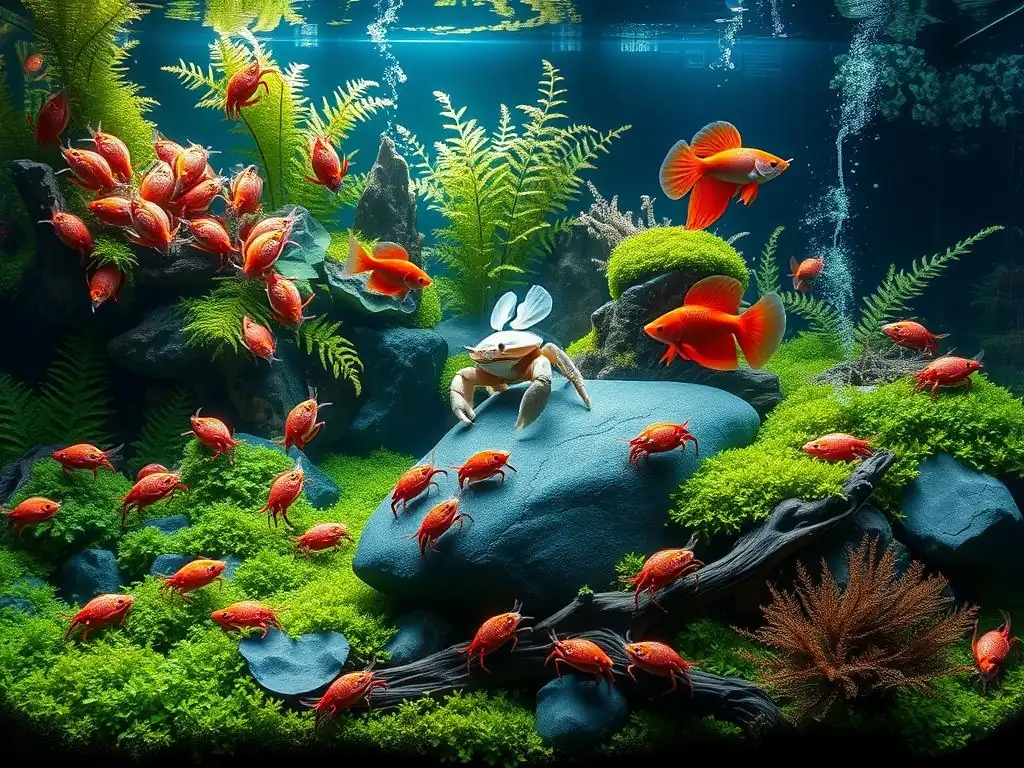
Ever wondered if your freshwater aquarium could become a vibrant, bustling community beyond just fish? Dive into the fascinating world of freshwater crabs and discover the secrets to creating a harmonious ecosystem. Our latest article, " Freshwater Crab Compatibility: Choosing Tank Mates Wisely for Harmony," unravels the mysteries of selecting the perfect companions for these captivating crustaceans. Ready to unlock a thriving underwater world? Let's explore!
- Understanding Freshwater Crab Tank Mate Compatibility
- Assessing Freshwater Crab Temperament and Behavior
- Ideal Freshwater Crab Tank Mates: Compatible Species
- Problematic Tank Mates: Species to Avoid with Freshwater Crabs
- Setting Up a Crab-Friendly Aquarium Environment
- Monitoring and Maintaining a Freshwater Crab Community Tank
- Troubleshooting Compatibility Issues in Freshwater Crab Tanks
- Ensuring Long-Term Harmony in Your Freshwater Crab Aquarium
-
Frequently Asked Questions
- What are some good freshwater crab tank mates to consider?
- What types of fish should I avoid keeping with freshwater crabs?
- How much space do I need for a freshwater crab tank with tank mates?
- What are the key considerations for water parameters when keeping crabs and fish together?
- How do I prevent freshwater crabs from preying on their tank mates?
- Final Reflection: Cultivating Aquatic Harmony
- Dive Deeper: Cultivate a Thriving Crab Community!
Understanding Freshwater Crab Tank Mate Compatibility
Why Freshwater Crab Tank Mate Selection Matters
The careful selection of freshwater crabs' tank mates is paramount for the long-term health and well-being of all inhabitants in an aquarium. A poorly chosen community can lead to chronic stress, injuries, and even fatalities, transforming a potentially thriving ecosystem into a hostile environment.
For instance, a small, slow-moving fish like a Guppy, when housed with a larger, opportunistic Red Claw Crab, faces a significant risk of fin nipping or even being preyed upon, particularly during molting periods when crabs are most vulnerable and hungry. Similarly, delicate invertebrates like ornamental shrimp are almost guaranteed to become a meal for most freshwater crabs, often within hours of introduction.
Beyond direct predation, incompatible freshwater crabs tank mates can suffer from continuous stress due to territorial disputes or constant harassment. This chronic stress weakens their immune systems, making them more susceptible to common aquarium diseases such as Ich or fungal infections, which can then spread throughout the entire tank. A harmonious environment, on the other hand, allows each species to exhibit its natural behaviors, forage effectively, and maintain optimal health, leading to a vibrant and stable aquatic display that truly thrives.
Factors Influencing Freshwater Crab Community Tank Success
Achieving a successful freshwater crab community tank hinges on a meticulous consideration of several critical factors. Firstly, tank size is fundamental; an overcrowded environment inevitably leads to increased aggression and competition for resources.
For example, a single Panther Crab, which can grow up to 3 inches in carapace width, requires at least a 20-gallon aquarium to feel secure, and larger tanks are necessary if considering freshwater crabs tank mates. Secondly, water parameters such as pH, temperature, and hardness must be suitable for all cohabiting species; while Thai Micro Crabs prefer slightly acidic to neutral water (pH 6.5-7.5), Red Claw Crabs thrive in slightly alkaline to mildly brackish conditions (pH 7.5-8.5), making their joint housing with many common freshwater fish challenging without compromise.
The individual temperament and specific behaviors of each species are also crucial. Some freshwater crabs, like the diminutive Thai Micro Crab, are inherently peaceful, whereas others, such as the Red Claw Crab, are known for their territorial nature and opportunistic scavenging.
Furthermore, the provision of ample hiding places and visual barriers, using elements like driftwood, rocks, and dense plant cover, is essential to reduce stress and prevent conflicts among freshwater crabs tank mates. Lastly, understanding the feeding habits of all inhabitants ensures that each species receives adequate nutrition without aggressive competition, which can often be a trigger for disputes in a mixed species setup.
Assessing Freshwater Crab Temperament and Behavior
Are Freshwater Crabs Aggressive? Understanding Crab Behavior
The perception of aggression in freshwater crabs can vary significantly depending on the species and individual personality, but generally, most exhibit some degree of territoriality and opportunistic scavenging. Crabs are naturally equipped with claws, primarily used for defense, foraging, and establishing dominance within their immediate space. For instance, a Red Claw Crab (Perisesarma bidens) is notoriously territorial, especially towards other crabs and slow-moving bottom dwellers, often nipping fins or claws if their personal space is invaded. Their behavior is largely driven by instinct to secure food sources and safe molting spots.
While some smaller species, like the Thai Micro Crab (Limnopilos naiyanetri), are genuinely peaceful and pose virtually no threat to even the smallest fish or shrimp, larger species such as the Panther Crab (Parathelphusa pantherina) are more predatory. These larger freshwater crabs are known to actively hunt smaller fish, snails, and shrimp, especially if not adequately fed or if their prey is slow or injured.
Understanding this spectrum of behavior is vital when considering freshwater crabs tank mates, as a misjudgment can lead to significant losses in your aquarium. Observing specific crab behaviors, such as digging, climbing, or even sporadic claw waving, provides insights into their overall comfort and potential for conflict.
Different Freshwater Crab Species and Their Temperaments
The diverse world of freshwater crabs offers a range of temperaments, making species-specific knowledge indispensable for successful community tanks. The Thai Micro Crab (Limnopilos naiyanetri), for example, is perhaps the most peaceful fully aquatic freshwater crab. Growing to only about 0.5 inches, they are shy, filter feeders that pose no threat to any fish or invertebrate, making them excellent candidates for peaceful nano tanks with very small freshwater crabs tank mates.
In contrast, the Red Claw Crab (Perisesarma bidens), a semi-aquatic species often sold as freshwater, is known for its territoriality and moderate aggression. While they require access to land, if kept in a fully aquatic setup, they can be highly stressed and prone to aggression towards other bottom-dwelling fish and invertebrates.
They are opportunistic feeders and will attempt to catch small, slow fish or even snails. Another popular, fully aquatic species is the Panther Crab (Parathelphusa pantherina), which can reach up to 3 inches.
These crabs are more predatory than Red Claws and will actively hunt small fish and shrimp, making them generally unsuitable for community tanks unless very large, fast, top-dwelling fish are the only freshwater crabs tank mates. Lastly, the Pom Pom Crab (Ptychognathus barbatus), a smaller, fully aquatic species (around 0.5-1 inch), is generally peaceful but still an opportunistic scavenger; while less aggressive than Red Claws or Panthers, they might still attempt to grab small, slow invertebrates if the opportunity arises.
Identifying Signs of Aggression in Freshwater Crabs
Recognizing the early signs of aggression in freshwater crabs is crucial for prompt intervention and maintaining a peaceful aquarium. One common indicator is chasing: if a crab is frequently pursuing a particular fish or another invertebrate, it's a clear sign of territorial dispute or predatory intent. For instance, a Red Claw Crab might persistently chase a Corydoras catfish away from a specific hiding spot or food source. Another obvious sign is nipping or grabbing: visible damage to tank mates, such as torn fins on fish or missing antennae on snails, strongly suggests direct physical aggression from the crab.
Furthermore, claw waving or posturing is a defensive or dominant display. A crab might raise its claws and spread them wide when another tank mate approaches its territory or food. While this can be a warning, it often escalates to physical contact if ignored. Lastly, unexplained disappearances of smaller, slow-moving tank mates, especially shrimp or small snails, are often the result of predation by opportunistic freshwater crabs. Regular observation of your aquarium for these behaviors will allow you to assess the compatibility of your freshwater crabs tank mates and take corrective action before serious harm occurs.
Ideal Freshwater Crab Tank Mates: Compatible Species
Peaceful Fish Species for Freshwater Crab Tanks
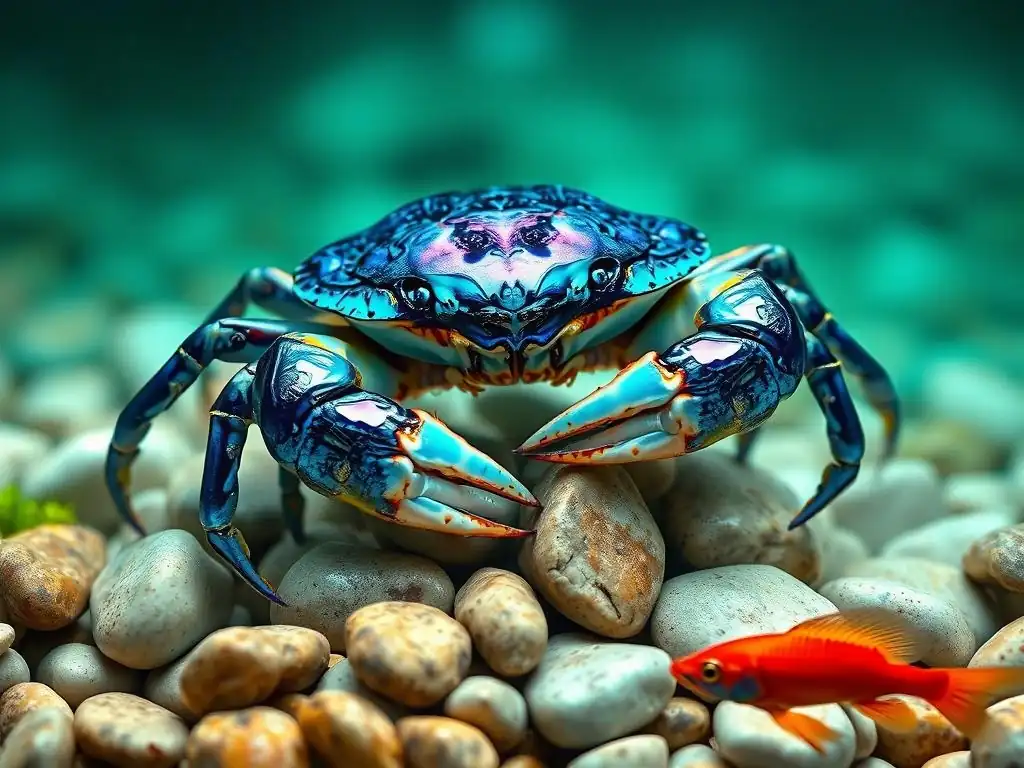
Selecting suitable fish as freshwater crabs tank mates requires prioritizing speed, size, and swimming level to minimize potential conflicts. Fast-moving, mid-to-top dwelling fish are generally the safest choices, as they are less likely to encounter a crab on the substrate. For example, species like Harlequin Rasboras (Trigonostigma heteromorpha) or Zebra Danios (Danio rerio) are excellent options.
These fish are typically too quick for most freshwater crabs to catch and prefer to swim in the upper and middle sections of the tank, far from the crab's primary foraging grounds on the bottom. A school of 6-8 Harlequin Rasboras, for instance, in a tank of 20 gallons or more, provides both visual appeal and a reduced risk of predation.
Other suitable options include larger, peaceful Tetras like Black Skirt Tetras (Gymnocorymbus ternetzi) or Serpae Tetras (Hyphessobrycon eques), which are more robust than smaller species like Neon Tetras and generally too large for most crabs to consider as prey. Gouramis, such as the Pearl Gourami (Trichopodus leerii), can also be compatible due to their size and preference for the upper water column, but care must be taken to ensure they are not slow-moving or long-finned varieties that might be tempting targets for opportunistic nips.
It is always crucial to ensure the fish are well-fed to reduce any foraging near the substrate where crabs are active.
Invertebrates That Can Coexist with Freshwater Crabs
When considering invertebrate freshwater crabs tank mates, the primary factors are size, shell hardness, and mobility. While many invertebrates are at risk, certain species stand a better chance of coexisting.
Snails for Freshwater Crab Aquariums: Species to Consider
For freshwater crab aquariums, the best snail tank mates are typically those with hard, robust shells and a larger size, making them less vulnerable to predation. Nerite Snails (Neritina natalensis), known for their excellent algae-eating capabilities, are often a good choice. Their shells are extremely hard and difficult for most crabs to crack, and their operculum (the "door" they close) provides an additional layer of protection. A group of 3-5 Nerite Snails can effectively manage algae in a 20-gallon tank without significant risk from most freshwater crabs, provided the crabs are well-fed.
Similarly, Mystery Snails (Pomacea bridgesii), particularly mature, larger individuals, can sometimes coexist. While their shells are not as impenetrable as Nerites, their larger size (often reaching 2 inches in diameter) makes them less appealing targets for smaller or moderately aggressive freshwater crabs. However, very small or juvenile Mystery Snails are still highly vulnerable. Snails with soft shells, like Ramshorn or Bladder Snails, should be avoided entirely, as they offer virtually no defense against a hungry crab and will likely be quickly consumed.
Shrimp for Freshwater Crab Aquariums: Managing Predation Risk
The reality of housing shrimp as freshwater crabs tank mates is that the risk of predation is exceptionally high for most shrimp species. Freshwater crabs are opportunistic omnivores, and small, soft-bodied shrimp represent an easy and nutritious meal. Ornamental dwarf shrimp, such as Cherry Shrimp (Neocaridina davidi) or Ghost Shrimp (Palaemonetes paludosus), are almost guaranteed to be hunted and consumed by most freshwater crab species, including moderately aggressive ones like Red Claw Crabs or even supposedly peaceful ones like Pom Pom Crabs, especially if the shrimp are molting and vulnerable.
Even larger shrimp, like Amano Shrimp (Caridina multidentata), while more robust, are not entirely safe. While a large Amano Shrimp might survive with a very small, peaceful crab like a Thai Micro Crab, introducing them with a Red Claw or Panther Crab is almost certainly a death sentence.
The only scenario where shrimp might truly coexist is with the most docile of crabs, such as the Thai Micro Crab, which is too small to pose a threat to even the smallest shrimp. For any other freshwater crab species, it is strongly advised to avoid housing shrimp if you wish for the shrimp to survive long-term.
Plants That Offer Shelter and Security in Crab Tanks
Incorporating a dense array of live plants is paramount for creating a secure and harmonious environment for both freshwater crabs and their tank mates. Plants serve multiple vital functions: they provide crucial hiding places, break up lines of sight to reduce territorial aggression, and offer a natural foraging ground.
For instance, a heavily planted 20-gallon tank with species like Java Fern (Microsorum pteropus) and Anubias barteri attached to driftwood or rocks can create numerous nooks and crannies where smaller fish can escape a curious crab, or where a crab can retreat during molting. These plants are also sturdy enough to withstand the occasional digging or climbing of freshwater crabs.
Additionally, fast-growing stem plants such as Hornwort (Ceratophyllum demersum) or Water Wisteria (Hygrophila difformis) can be planted densely in the background and midground, forming thickets that offer excellent cover. Amazon Swords (Echinodorus amazonicus), with their broad leaves, provide large resting and hiding spots. Beyond shelter, live plants contribute to water quality by absorbing nitrates and other waste products, creating a healthier overall ecosystem. This not only benefits the freshwater crabs tank mates but also reduces stress on the crabs themselves, leading to more natural and less aggressive behaviors.
Problematic Tank Mates: Species to Avoid with Freshwater Crabs
Fish Species That Are Unsuitable for Freshwater Crab Tanks
When selecting freshwater crabs tank mates, certain fish species pose a significant risk due to their size, finnage, or behavior, making them highly unsuitable companions. Slow-moving, bottom-dwelling fish are particularly vulnerable. For example, Corydoras catfish (Corydoras spp.
), despite their armored bodies, are often too slow to evade a crab's grasp and can become targets, especially smaller juveniles. A Red Claw Crab, for instance, will readily attempt to catch a small Corydoras if it ventures too close to its territory. Similarly, small or juvenile Plecos (e.g., Bristlenose Plecos) can also be at risk, as their nocturnal habits might put them in direct contact with foraging crabs.
Another category to avoid includes fish with long, flowing fins, such as Male Bettas (Betta splendens) or certain varieties of Guppies (Poecilia reticulata). These elaborate fins are an irresistible target for crabs, which may nip at them, causing severe injury, stress, and susceptibility to infection.
Even seemingly robust fish like Goldfish (Carassius auratus) are generally incompatible due to their slow movement and the vast difference in preferred water parameters and temperature with most freshwater crabs. Ultimately, any fish that cannot quickly evade a crab or that spends a significant amount of time resting on the substrate should be considered a high-risk tank mate.
Invertebrates That Are Vulnerable to Freshwater Crab Predation
Beyond fish, a wide array of invertebrates are highly susceptible to predation by freshwater crabs, making them extremely problematic freshwater crabs tank mates. The most commonly targeted are all species of ornamental dwarf shrimp, such as Cherry Shrimp (Neocaridina davidi), Blue Dream Shrimp, or Yellow Shrimp. These small, soft-bodied crustaceans are considered a prime food source by nearly all freshwater crabs, including those generally perceived as less aggressive.
For instance, a Panther Crab will actively hunt and consume an entire colony of Red Cherry Shrimp within days, regardless of how well-fed it is. Even Amano Shrimp, while larger, are not immune and are frequently preyed upon, especially when molting and their exoskeletons are soft.
Similarly, small, thin-shelled snails like Ramshorn Snails (Planorbella spp.) or Bladder Snails (Physella acuta) are also highly vulnerable. Their shells offer little to no protection against a crab's powerful claws, and they are easily cracked open. While larger, harder-shelled snails like adult Mystery Snails or Nerite Snails might have a better chance, juvenile individuals of these species are still at significant risk. In essence, if an invertebrate is small enough to fit in a crab's claw or mouth, and lacks substantial defensive armor, it is best to assume it will become prey and avoid housing it with freshwater crabs.
Why Aggressive or Territorial Fish Are a Bad Idea
Introducing aggressive or highly territorial fish as freshwater crabs tank mates is a recipe for disaster, leading to a chronically stressed and potentially deadly environment for the crabs. Fish species known for their belligerent nature, such as many types of African Cichlids (e.g., Mbuna varieties) or larger, more dominant Barbs (e.g., Tiger Barbs), will not only harass but can also severely injure or kill freshwater crabs. These fish often view crabs as competitors for territory or food, or simply as an unusual intruder in their established domain.
For instance, a pair of aggressive Cichlids in a 30-gallon tank might relentlessly nip at a crab's legs or even attempt to flip it over, especially if the crab ventures into their perceived territory. This constant harassment prevents the crab from foraging effectively, finding adequate hiding spots, or safely molting, leading to extreme stress and eventual decline.
The crabs, in turn, may become defensive, leading to a cycle of aggression that compromises the well-being of all inhabitants. The goal of a harmonious aquarium is undermined when such volatile combinations are attempted, making it crucial to avoid these fish species entirely when keeping freshwater crabs.
Setting Up a Crab-Friendly Aquarium Environment
Tank Size Requirements for Freshwater Crabs and Their Tank Mates
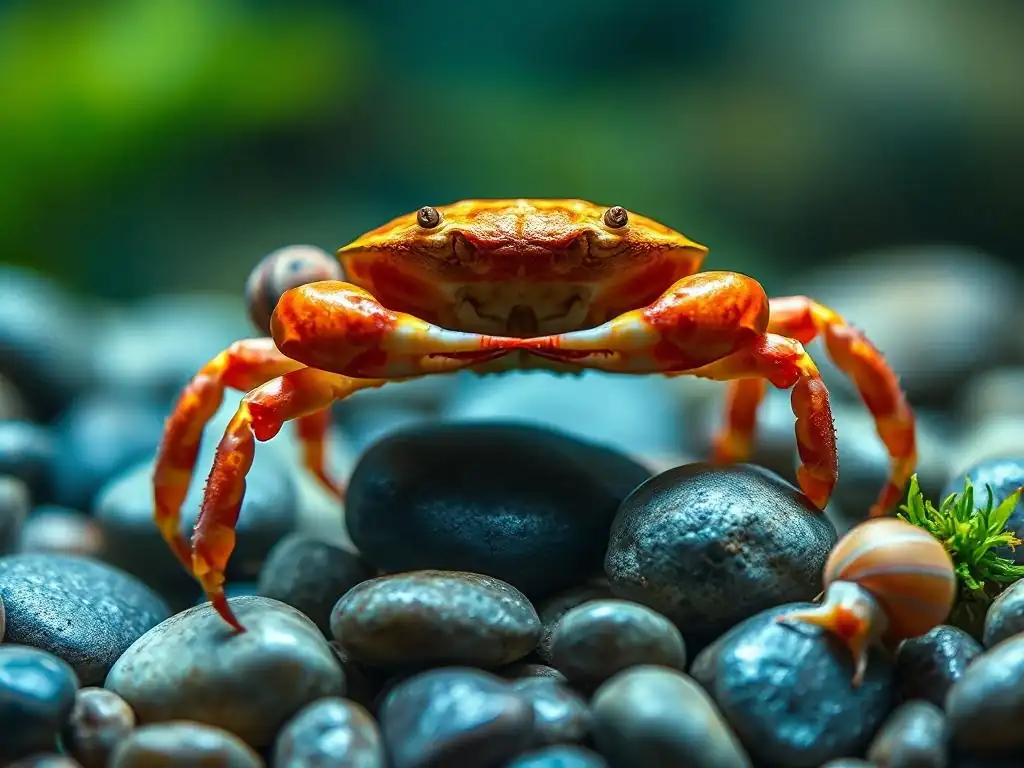
The size of the aquarium is a critical determinant of success when housing freshwater crabs with tank mates, directly impacting stress levels, aggression, and overall well-being. A larger tank provides more space for each inhabitant to establish its territory, reducing direct conflicts. For instance, a single peaceful Thai Micro Crab can thrive in a 5-gallon nano tank, but if you plan to keep a small group (3-5 individuals) with very small, docile fish, a 10-gallon tank is a more appropriate minimum to ensure adequate space for all freshwater crabs tank mates.
For more active or territorial species like the Red Claw Crab, a minimum of 10-20 gallons per individual is recommended, particularly if they are to be kept with fish. A 20-gallon long tank, for example, offers more bottom surface area than a 20-gallon high, which is beneficial for bottom-dwelling crabs and provides more horizontal swim space for fish.
For larger, more predatory species like the Panther Crab, a single individual requires a minimum of 20-30 gallons, and if any freshwater crabs tank mates are considered, the tank size should be significantly increased (e.g., 50+ gallons) to dilute potential aggression and provide ample escape routes. Under-sizing an aquarium is a leading cause of stress and aggression in a mixed species setup.
Substrate and Decor Considerations for a Harmonious Tank
The choice of substrate and the strategic placement of decor are fundamental to creating a harmonious environment for freshwater crabs and their tank mates. For the substrate, fine sand or smooth, small-grained gravel is highly recommended. Crabs, particularly species like Red Claws, enjoy digging and burrowing, and a soft substrate protects their delicate undersides and allows them to perform natural behaviors. Sharp or coarse gravel can injure their soft joints and hinder molting processes. A substrate depth of at least 2-3 inches allows for adequate burrowing.
Regarding decor, the goal is to create a complex landscape with numerous hiding places and visual barriers. Caves, rock formations, driftwood, and PVC pipes cut to size are excellent choices. For example, arranging several small caves or hollow logs across the tank floor provides individual territories for multiple crabs or safe retreats for fish if they feel threatened by their freshwater crabs tank mates.
Sturdy structures that reach to the surface are also beneficial for semi-aquatic crabs like Red Claws, providing land access. Ensure all decor is stable and cannot be easily toppled by a digging crab, preventing accidental injury or damage to the tank.
Providing Hiding Places and Retreats for Crabs and Tank Mates
Providing an abundance of hiding places and retreats is absolutely critical for the well-being of both freshwater crabs and their tank mates, acting as a primary stress reducer and a mechanism for conflict prevention. In a community tank, every inhabitant needs a safe spot to retreat to when feeling threatened, stressed, or during vulnerable periods like molting for crabs.
For instance, a Red Claw Crab, upon molting, will be extremely soft and vulnerable for several days; having a secluded cave or dense plant thicket to hide in is essential for its survival against even otherwise peaceful freshwater crabs tank mates.
This can be achieved through various means: using driftwood with natural crevices, arranging aquarium-safe rocks to form caves and overhangs, or incorporating ceramic caves and PVC pipes. Dense planting, especially with species like Java Fern, Anubias, or large Sword Plants, also provides excellent visual barriers and physical hiding spots. Aim to create more hiding spots than there are inhabitants, ensuring that even if one spot is occupied, others are available. This strategy minimizes competition for prime real estate, allows weaker or smaller individuals to escape harassment, and ultimately fosters a more peaceful coexistence among your freshwater crabs tank mates.
Monitoring and Maintaining a Freshwater Crab Community Tank
Water Parameters for Freshwater Crab Health and Compatibility
Maintaining stable and appropriate water parameters is paramount for the health of freshwater crabs and the compatibility of their tank mates. While specific requirements vary slightly by species, most freshwater crabs thrive in a temperature range of 72-80°F (22-27°C).
pH levels are also crucial: most true freshwater crabs prefer a neutral to slightly alkaline pH, typically between 7.0-8.0. For instance, Thai Micro Crabs are comfortable in pH 6.5-7.5, while Red Claw Crabs, often kept in freshwater, actually benefit from slightly higher pH (7.5-8.5) and even a touch of aquarium salt to simulate their natural brackish habitats, which can impact the suitability of certain freshwater crabs tank mates.
Water hardness (GH and KH) is also significant, as crabs require minerals for healthy shell development and molting. A moderate to hard water range, roughly GH 8-15 dGH and KH 5-10 dKH, is generally ideal. Regular water testing, at least once a week, for ammonia, nitrite, nitrate, pH, and temperature, is essential to detect any fluctuations that could stress your crabs or their tank mates. Consistent partial water changes (e.g., 20-30% weekly) are vital to keep nitrate levels low and replenish essential minerals, ensuring a stable and healthy environment for all inhabitants.
Feeding Strategies to Prevent Competition and Ensure Everyone Eats
Effective feeding strategies are crucial in a freshwater crab community tank to prevent competition, reduce aggression, and ensure all freshwater crabs tank mates receive adequate nutrition. Freshwater crabs are opportunistic scavengers and omnivores, readily consuming sinking pellets, algae wafers, and protein-rich foods like bloodworms or brine shrimp.
To prevent them from monopolizing food, consider feeding fish first with floating or mid-water foods, allowing them to eat their fill before introducing sinking foods for the crabs. For instance, you might feed flake food to your Rasboras in the morning, and then offer a sinking pellet or a piece of blanched zucchini for the crabs later in the day, or after lights out.
Another effective strategy is to distribute food across multiple areas of the tank. Instead of dropping all food in one spot, scatter sinking pellets or small pieces of food widely on the substrate. This encourages foraging behavior and reduces direct competition between crabs and other bottom-dwelling tank mates. Overfeeding should be avoided, as it can lead to poor water quality, but underfeeding can make crabs more predatory towards their freshwater crabs tank mates. A balanced approach, providing varied foods in appropriate quantities, ensures a well-fed and less stressed community.
Observing and Addressing Potential Conflicts Between Crabs and Tank Mates
Diligent observation is perhaps the most powerful tool for maintaining long-term harmony in a freshwater crab community tank. Regularly spending time watching the interactions between your freshwater crabs and their tank mates allows you to identify potential conflicts before they escalate into serious issues. Look for subtle signs of stress, such as clamped fins in fish, unusual hiding behavior, or a crab constantly retreating.
More obvious signs include chasing, nipping, or any visible injuries like torn fins or missing limbs. For example, if you notice a specific fish consistently avoiding a certain area of the tank where a crab often resides, it could indicate territorial disputes.
If a conflict is identified, prompt action is necessary. First, assess if there are enough hiding places; often, a lack of secure retreats leads to aggression. Next, evaluate feeding; underfed crabs can become more aggressive.
If a particular crab is consistently harassing a tank mate, consider temporarily isolating the aggressor in a breeder box or a small quarantine tank for a few days to break the cycle of aggression. If these measures don't resolve the issue, or if severe injury occurs, rehoming the incompatible tank mate or the crab itself might be the only viable solution to protect the well-being of the entire community.
Troubleshooting Compatibility Issues in Freshwater Crab Tanks
Identifying and Addressing Aggression Problems
When aggression surfaces among freshwater crabs tank mates, the first step is accurate identification of the aggressor and the victim. Observe closely to determine which specific crab or fish is initiating the conflict and which tank mate is consistently being targeted. For instance, if a Red Claw Crab frequently corners and nips at a particular Corydoras, it's clear who the instigator is.
Once identified, assess the environment: is the tank overcrowded? Is there insufficient hiding space for all inhabitants? A 20-gallon tank with three Red Claw Crabs and a school of bottom-dwelling fish is likely to be too small, leading to territorial disputes.
To address the problem, increasing the number of hiding spots (e.g., adding more caves, driftwood, or dense plant thickets) can help reduce direct confrontations by providing escape routes and visual barriers. Adjusting feeding routines, such as feeding more frequently or distributing food over a wider area, can also reduce competition.
If a crab is overly aggressive, temporarily isolating it in a separate container within the tank (like a breeder box) for a few hours can sometimes reset its behavior. However, if aggression persists despite environmental adjustments, permanent separation or rehoming of the problematic individual is often the only way to restore peace and prevent harm to other freshwater crabs tank mates.
Preventing Overcrowding to Reduce Stress and Competition
Overcrowding is a primary catalyst for stress and aggression in any aquarium, especially when housing freshwater crabs with tank mates. A tank that is too small for its inhabitants leads to increased competition for food, territory, and hiding places, directly contributing to conflict. For example, attempting to keep multiple adult Panther Crabs, which can be territorial and grow up to 3 inches, in a tank smaller than 50 gallons will almost certainly result in fights and potential fatalities among the crabs themselves, let alone with any fish.
To prevent overcrowding, it is crucial to research the adult size and territorial needs of every species before purchase. Follow the general guideline of allowing adequate gallons per inch of fish (e.g., 1 inch of fish per gallon for smaller species, less for larger ones) and factor in the crab's bioload and space requirements. For a community tank with a Red Claw Crab and fish, a 20-gallon long tank as a minimum for one crab, plus adequate space for fish, is a good starting point.
Regular water changes are also more critical in a well-stocked tank to manage waste and maintain water quality, reducing stress that can exacerbate aggression among freshwater crabs tank mates. Planning ahead for the mature size of all species is key to avoiding future compatibility issues.
Rehoming Options for Incompatible Tank Mates
When all attempts to mitigate compatibility issues fail, rehoming incompatible freshwater crabs tank mates becomes a necessary, albeit often difficult, last resort to ensure the well-being of all inhabitants. Continuing to house incompatible species together will lead to chronic stress, injuries, illness, and potentially death for the weaker or targeted individuals. For instance, if a large Red Claw Crab consistently preys on your small Neon Tetras despite ample space and food, separating them is imperative.
There are several responsible rehoming options. The most common is to contact your local fish store; many stores are willing to take in healthy fish or invertebrates, especially popular species, though they may offer store credit rather than cash. Another excellent option is to reach out to local aquarium clubs or online hobbyist forums.
Often, experienced aquarists are looking for specific species or have dedicated tanks where the incompatible animal can thrive. Lastly, if you have the resources and space, setting up a separate, dedicated tank for the incompatible individual is an ideal solution, allowing both the rehomed animal and the original tank inhabitants to live in peace.
Ensuring Long-Term Harmony in Your Freshwater Crab Aquarium
Regular Monitoring and Adjustments to the Tank Environment
Ensuring long-term harmony in a freshwater crab aquarium is an ongoing process that demands consistent monitoring and proactive adjustments to the tank environment. An aquarium is a dynamic ecosystem, and what works well today might require tweaks tomorrow as fish grow, crabs mature, or new behaviors emerge. For example, a young Red Claw Crab might be perfectly peaceful with its freshwater crabs tank mates, but as it grows to its full size of 2-3 inches, its territorial instincts may become more pronounced, necessitating additional hiding spots or even a review of its tank mates.
Regularly test water parameters (pH, ammonia, nitrite, nitrate) to ensure they remain stable and within the ideal range for all inhabitants. Observe feeding behaviors: are all animals getting enough food without aggressive competition? Look for any signs of stress, injury, or changes in behavior among your crabs and their tank mates. If you notice increased aggression, consider adding more decor to break lines of sight, or adjust the feeding schedule. Proactive maintenance, including consistent water changes and cleaning, contributes significantly to a stable environment, which in turn reduces stress and fosters peaceful coexistence among your freshwater crabs tank mates.
Understanding the Importance of Enrichment for Crab Well-being
Enrichment plays a vital, often overlooked, role in the long-term well-being of freshwater crabs and can significantly contribute to their peaceful coexistence with tank mates. Just like other intelligent creatures, crabs benefit from a stimulating environment that allows them to express natural behaviors. A lack of enrichment can lead to boredom, stress, and potentially increased aggression or lethargy. For instance, a Red Claw Crab in a barren tank might become more territorial over limited resources, whereas one in a richly decorated environment with plenty of hiding spots and foraging opportunities will likely exhibit more natural, less aggressive behaviors.
Enrichment for freshwater crabs can involve providing a varied substrate for digging, such as fine sand or small gravel, allowing them to burrow. Incorporating diverse decor like driftwood, caves, and rocks creates a complex landscape for exploration and discovery. Offering different types of food, such as occasional blanched vegetables, small pieces of fish, or specialized crab pellets, can also provide mental stimulation.
For semi-aquatic crabs, ensuring adequate land access with varied textures (e.g., smooth rocks, mossy areas) allows them to engage in both aquatic and terrestrial activities. A stimulated and content crab is less likely to engage in destructive or aggressive behaviors towards its freshwater crabs tank mates.
Creating a Balanced Ecosystem for a Thriving Freshwater Crab Community
Ultimately, achieving long-term harmony in your freshwater crab aquarium hinges on the meticulous creation and maintenance of a balanced ecosystem. This isn't merely about avoiding problematic species; it's about fostering an environment where every inhabitant can thrive, from the smallest snail to the most active fish, alongside your freshwater crabs. A balanced ecosystem is characterized by stable water parameters, appropriate stocking levels that prevent overcrowding, and a thoughtfully designed physical environment rich in hiding places and visual barriers.
Consider the roles each species plays within the tank's various layers: top-dwelling fish, mid-water schooling fish, and bottom-dwelling crabs. Ensure there are enough resources—food, space, and shelter—for everyone, distributed in a way that minimizes competition. For example, providing both floating food for fish and sinking pellets for crabs ensures all freshwater crabs tank mates are well-fed.
Regularly observing interactions, promptly addressing any signs of stress or aggression, and being prepared to make adjustments or rehome if necessary are all part of this ongoing commitment. By understanding the intricate needs of freshwater crabs and their potential companions, you can cultivate a vibrant, peaceful, and truly thriving aquatic community for years to come.
Frequently Asked Questions
What are some good freshwater crab tank mates to consider?
Generally, fast-swimming fish like danios and white cloud mountain minnows are good choices. Avoid slow or bottom-dwelling fish that might compete with the crabs for food or become prey.
What types of fish should I avoid keeping with freshwater crabs?
Avoid slow-moving, bottom-dwelling fish like bettas, gouramis, and small catfish. These are vulnerable to being nipped or even eaten by the freshwater crabs.
How much space do I need for a freshwater crab tank with tank mates?
A larger tank is always better to minimize aggression. A minimum of 20 gallons is recommended for a small group of freshwater crabs and their tank mates, increasing with the number of inhabitants.
What are the key considerations for water parameters when keeping crabs and fish together?
Maintain stable water parameters suitable for both the crabs and their chosen tank mates. Regular water changes and proper filtration are crucial to avoid ammonia and nitrite spikes.
How do I prevent freshwater crabs from preying on their tank mates?
Ensure the crabs are well-fed with a varied diet to reduce their hunting instincts. Provide plenty of hiding places for both the freshwater crabs and their tank mates to minimize stress and potential conflicts.
Final Reflection: Cultivating Aquatic Harmony
The insights shared throughout this article underscore the crucial role of informed decision-making in creating a thriving freshwater crab ecosystem. Understanding the nuances of freshwater crab compatibility is not merely about preventing conflict, but about fostering an environment where each creature can flourish. The health and well-being of these fascinating crustaceans, and their tank mates, depend on our dedication to responsible aquascaping and careful species selection.
This journey into the world of freshwater crab companionship has highlighted the delicate balance within aquatic environments. It's a reminder that our actions as aquarists have profound consequences, shaping the lives of the creatures under our care. The success of a freshwater crab tank hinges on our ability to empathize with their needs and respect their natural behaviors. The greatness of a nation and its moral progress can be judged by the way its animals are treated.
- Mahatma Gandhi. This quote, though often applied to larger animals, resonates deeply with the responsibility we hold towards even the smallest inhabitants of our aquariums.
Now, as you embark on, or continue, your journey in keeping freshwater crabs, I encourage you to reflect on the principles we've explored. Consider how you can apply this knowledge to create not just a visually appealing tank, but a truly harmonious ecosystem. Let your choices be guided by empathy, research, and a genuine desire to provide the best possible life for your freshwater crabs and their carefully chosen tank mates. The reward will be a vibrant, thriving underwater world that brings joy and wonder for years to come.
Dive Deeper: Cultivate a Thriving Crab Community!
Thanks for exploring the fascinating world of freshwater crab compatibility! Now that you're equipped with the knowledge to create a harmonious aquarium, it's time to take the plunge and design the perfect environment for your shelled friends.
Here are some next steps you can take:
- Start planning your ultimate freshwater crab tank: Research specific tank sizes, decorations, and filtration systems that will support a thriving community.
- Explore species-specific needs: Learn about the unique dietary requirements and behaviors of potential tank mates to guarantee a harmonious and balanced ecosystem.
- Share your findings: Post on community forums, tag Aquarium Mastery on social media, or start a discussion about which freshwater crab pairings you want to see tried!
What unique crab pairing are you most excited to explore, and what are your biggest concerns about ensuring their cohabitation success?