
Setting Up a TriggerProof Aquarium: Decor, Equipment, and Durability Tips

Welcome to Aquarium Mastery!
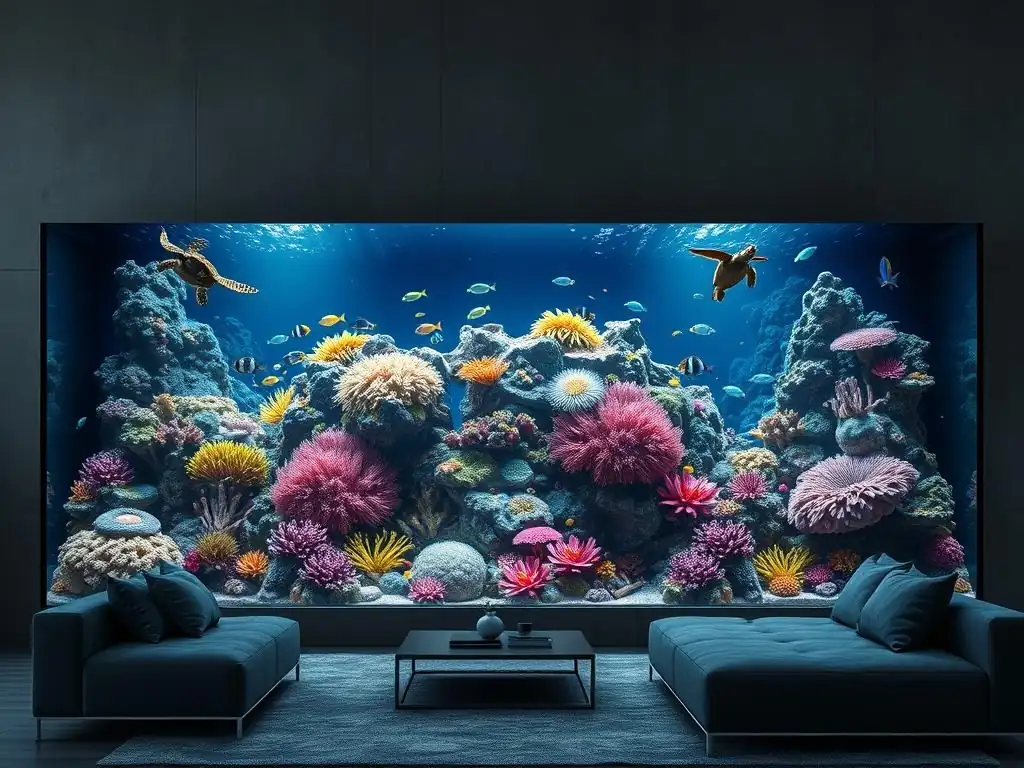
Ever dreamt of a vibrant saltwater tank teeming with life, resilient even against the most enthusiastic inhabitants? You've come to the right place. This week, we're diving deep into triggerproof aquarium setup advice, covering everything from bomb-proof decor to equipment built to last. Ready to build a saltwater paradise that can withstand anything? Let's get started!
- Understanding Triggerfish and Their Unique Needs
- Choosing the Right Aquarium: Size and Material for Triggerfish
- Triggerfish-Resistant Decor: Creating a Safe and Enriching Environment
- Essential Equipment for a Triggerproof Saltwater Aquarium
- Durability Tips: Protecting Your Investment from Triggerfish Behavior
- Triggerfish Compatibility and Tank Mates (Optional)
- Troubleshooting Common Triggerfish Aquarium Problems
-
Frequently Asked Questions
- How crucial is robust decor in a triggerfish aquarium?
- What type of filtration system is recommended for a triggerproof aquarium?
- Which types of equipment should be avoided in a triggerfish tank due to potential damage?
- What are some suitable fish tank mates for triggerfish?
- How often should I perform maintenance on a triggerproof aquarium setup?
- Final Reflection: The Enduring Sanctuary of a Triggerproof Aquarium
- Ignite Your Aquarium Passion: Build Your Dream TriggerProof Tank!
Understanding Triggerfish and Their Unique Needs
Why Triggerfish Require a Specialized Aquarium Setup
Triggerfish are renowned for their vibrant colors, intelligent personalities, and, perhaps most notably, their powerful jaws and constantly active nature. These fish possess formidable teeth, perfectly adapted for crushing the shells of crustaceans and nipping at coral, which are natural parts of their diet in the wild. This innate behavior, while fascinating, translates into a significant challenge for aquarists: standard aquarium equipment and decor are simply not built to withstand the relentless attention of a determined triggerfish. They are known to rearrange entire rock structures, chew through heater cords, dislodge powerheads, and even crack fragile decorations.
The destructive potential of a triggerfish means that a conventional saltwater aquarium setup is highly susceptible to damage. Heaters can be shattered, leading to electrical hazards and chemical leaks, while filter intakes can be chewed, compromising filtration efficiency. Decorations can be toppled, potentially injuring the fish or even cracking the tank glass. Therefore, a "Triggerproof aquarium setup advice" is not merely a recommendation but a necessity to ensure both the longevity of your aquarium and the safety of its inhabitants. Without specific design considerations, you risk frequent equipment failures and a perpetually disheveled tank environment.
Key Considerations for a Triggerfish-Specific Tank
When planning a triggerfish aquarium, durability, security, and robust filtration must be at the forefront of your design. Triggerfish produce a significant bio-load due to their hearty appetites and waste production, necessitating an extremely efficient filtration system to maintain pristine water quality. Furthermore, their sensitivity to fluctuating water parameters means that any equipment failure caused by their destructive tendencies can quickly lead to an unhealthy or even fatal environment.
Beyond the physical resilience of the tank and its components, providing an enriching and spacious environment is crucial. A bored or cramped triggerfish is far more likely to engage in destructive behaviors. A well-designed "Triggerproof aquarium setup advice" includes ample swimming space, numerous secure hiding places, and opportunities for mental stimulation. This not only mitigates potential damage but also contributes significantly to the overall well-being and health of these fascinating, often misunderstood, marine predators.
Choosing the Right Aquarium: Size and Material for Triggerfish
Selecting the Ideal Tank Size for Your Triggerfish Species
The size of your aquarium is perhaps the most critical initial decision when planning a "Triggerproof aquarium setup advice." A general rule for triggerfish is that "larger is always better." For common species like the Picasso Trigger (Rhinecanthus aculeatus), which can reach 10 inches in length, a minimum tank size of 75-100 gallons is recommended for a single adult specimen. However, for larger and more aggressive species such as the Clown Trigger (Balistoides conspicillum), which can grow up to 20 inches, an aquarium of 180-300 gallons or more is essential to accommodate their size, activity level, and territorial nature.
Insufficient tank size directly contributes to increased aggression and destructive tendencies in triggerfish. A cramped environment can lead to heightened stress, which manifests as nipping at tank mates, incessant rearrangement of decor, and attempts to chew on any exposed equipment. Providing adequate space not only allows for natural swimming behaviors but also helps to dilute waste products, making water quality management easier. Adhering to these size recommendations is a foundational piece of "Triggerproof aquarium setup advice" that will prevent many common issues down the line.
Acrylic vs. Glass Aquariums: Durability and Scratch Resistance
When choosing between acrylic and glass for your triggerfish tank, each material presents distinct advantages and disadvantages regarding durability and scratch resistance. Acrylic aquariums are significantly lighter than glass, offer superior insulation properties, and are less prone to shattering upon impact.
This inherent strength makes them a strong contender for a "Triggerproof aquarium setup advice," as they are less likely to crack or break if a heavy rock is dislodged or an aggressive triggerfish impacts the side. However, acrylic is notoriously softer and much more susceptible to scratching, especially from the powerful teeth of a triggerfish or from sharp rockwork.
Glass aquariums, while heavier and more prone to shattering if subjected to a significant impact, offer superior scratch resistance. This means that a triggerfish's occasional nipping at the glass or the friction from rearranged rocks is less likely to leave permanent marks. For larger tanks, the thickness of the glass becomes a critical factor in its structural integrity. Ultimately, the choice depends on your priorities: acrylic offers impact resistance, while glass offers scratch resistance. Regardless of material, ensuring the tank is specifically designed for marine environments and has robust construction is paramount.
Tank Material Safety: Avoiding Toxic Components
Beyond the physical durability of the aquarium material, its safety regarding potential toxicity to marine life is paramount for a "Triggerproof aquarium setup advice." For glass tanks, it is absolutely critical to ensure that only marine-grade silicone sealants are used in their construction. Industrial or household silicones often contain fungicides or other additives that are highly toxic to fish and invertebrates, leading to catastrophic system failures and livestock loss. Always verify that the manufacturer specifies aquarium-safe materials.
In the case of acrylic aquariums, it's important to choose tanks made from cell-cast acrylic rather than extruded acrylic. Cell-cast acrylic is manufactured to be stronger, clearer, and more resistant to chemical degradation, making it ideal for long-term aquarium use. Additionally, when considering any pre-fabricated components like sumps, overflow boxes, or even internal bracing, ensure that all plastics and glues used are inert and specifically rated for aquatic environments. Any non-aquarium-safe materials can leach harmful chemicals into the water, compromising water quality and the health of your triggerfish.
Triggerfish-Resistant Decor: Creating a Safe and Enriching Environment
Selecting Durable and Non-Toxic Aquarium Decorations
The selection of aquarium decorations for a triggerfish tank demands careful consideration of durability and non-toxicity. Triggerfish are notorious for rearranging their environment, using their powerful jaws to move and even break down decor. Therefore, lightweight resin ornaments or anything with small, easily detachable parts should be strictly avoided, as they pose both a choking hazard and a risk of damage to the tank or equipment. Instead, focus on heavy, dense, and inert materials that can withstand constant manipulation.
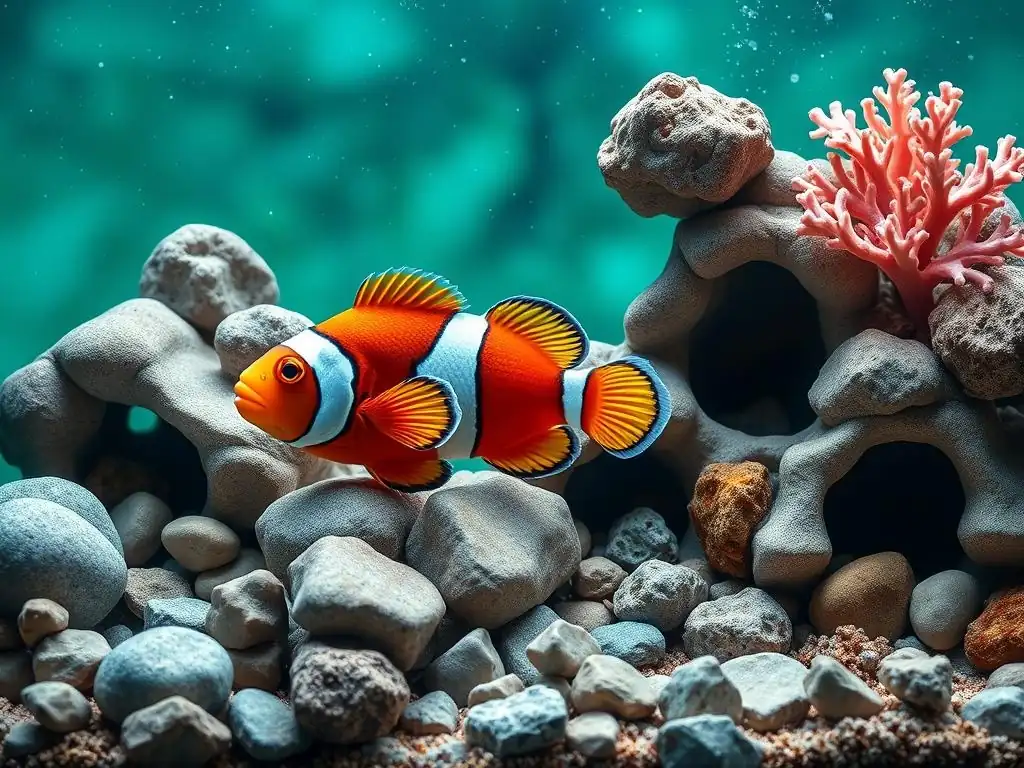
Excellent choices for "Triggerproof aquarium setup advice" regarding decor include dry rock (such as Pukani, shelf rock, or other types of calcium carbonate rock), high-quality, dense ceramic decorations specifically designed for saltwater use, and large, cured live rock. These materials are not only robust but also provide natural surfaces for beneficial bacteria to colonize, contributing to biological filtration. Remember, if a triggerfish can move it, it likely will, so choose items that are inherently heavy and stable, minimizing the chance of them being dislodged or broken.
Rockwork and Caves: Designing Secure Hiding Places for Triggerfish
Designing the rockwork in a triggerfish aquarium is a critical aspect of creating a "Triggerproof aquarium setup advice." The aquascape must be absolutely rock-solid and secure to prevent collapses, which can injure the fish, damage equipment, or even crack the tank bottom. It is imperative to stack rocks directly on the tank bottom glass or acrylic, rather than on the sand bed. This prevents the triggerfish from undermining the rockwork by digging, which is a common behavior, and ensures the entire structure remains stable.
To further enhance stability, use aquarium-safe epoxy or cement to permanently bond rock structures together. Products like marine epoxy (e.g., Two Little Fishies' Coralline Purple or AquaForest StoneFix) or specialized aquarium cement can create a robust, unmovable landscape. Within this secure rockwork, create multiple caves, overhangs, and swim-throughs. Triggerfish are territorial and appreciate having defined secure spaces to retreat into. Ensure that the openings are large enough for your fish to comfortably enter and exit, providing both security and enrichment.
Avoiding Small or Easily Dislodged Decorations
When setting up a "Triggerproof aquarium setup advice," it is crucial to avoid any small or easily dislodged decorations. Triggerfish are known for their curiosity and their tendency to mouth or move anything they can. Small items like loose shells, pebbles, or flimsy plastic plants are not only easily moved but can also pose a choking hazard to the fish. Furthermore, if these items are picked up and dropped, they can potentially scratch the tank's interior, damage internal equipment like powerheads, or even contribute to micro-fractures in the tank bottom over time.
Even seemingly heavy small items can be problematic. A triggerfish might repeatedly pick up a small, dense rock and drop it, leading to localized impacts on the tank floor. This constant, repetitive stress can weaken seams or even cause cracks in the glass or acrylic. Therefore, the best practice is to limit decor to large, firmly secured pieces that cannot be manipulated by the fish, ensuring a safer and more stable environment for your triggerfish.
Securing Decorations: Preventing Triggerfish Damage
Securing decorations is perhaps the most vital piece of "Triggerproof aquarium setup advice" for any triggerfish owner. Given their powerful jaws and relentless urge to redecorate, any unsecured item is a potential hazard. The primary method for securing rockwork is using marine-grade epoxy or cement. These products allow you to bond individual rocks together, creating a single, stable structure that cannot be easily dismantled by your triggerfish. For example, using a two-part epoxy putty, you can create strong bonds between rocks, allowing them to cure and form a solid, immovable aquascape.
For particularly large or complex rock formations, consider drilling and pinning larger rocks with inert rods, such as PVC or acrylic dowels, before cementing them in place. This provides an internal skeleton for the structure, greatly enhancing its stability. Always ensure that the base of your rockwork rests directly on the tank bottom, not on the sand, to prevent undermining. A single toppled rock can shatter a heater, severely scratch the tank's surface, or even injure your triggerfish, making a solid foundation for all decor an absolute necessity.
Essential Equipment for a Triggerproof Saltwater Aquarium
Filtration Systems: Maintaining Water Quality in a Triggerfish Tank
Choosing a Powerful Protein Skimmer
Triggerfish are notoriously messy eaters and produce a significant biological load, meaning their waste output is considerable. To counteract this and maintain pristine water quality essential for their health, a powerful protein skimmer is not merely recommended but an absolute necessity for a "Triggerproof aquarium setup advice." It's advisable to "oversize" your skimmer; for instance, if you have a 100-gallon triggerfish tank, choose a protein skimmer rated for a 150-200 gallon system. This extra capacity ensures efficient removal of dissolved organic compounds before they break down into nitrates.
When selecting a skimmer, look for models with robust construction, preferably made from high-quality acrylic, and equipped with a reliable, energy-efficient pump. In-sump skimmers are generally preferred for their quiet operation and efficient use of space within a sump system. Regular cleaning of the skimmer neck and collection cup (at least every 2-3 days) is crucial to maintain optimal performance, given the high volume of waste produced by triggerfish.
Selecting an Appropriate Biological Filter
A robust biological filtration system is the cornerstone of any healthy saltwater aquarium, and for a triggerfish tank, it needs to be exceptionally efficient. Live rock is an excellent natural biological filter, providing vast surface area for beneficial nitrifying bacteria. Aim for approximately 1 to 1.5 pounds of live rock per gallon of tank volume. Supplementing this with a well-designed sump system is highly recommended. The sump can house additional biological media, such as bio-balls or marine pure blocks, though well-cured live rock often provides sufficient biological filtration.
Mechanical filtration, typically provided by filter socks or filter floss placed at the sump's intake, is vital for removing particulate waste before it decomposes. Given the triggerfish's messy habits, these mechanical filters will clog quickly and require frequent cleaning or replacement, often daily or every few days. Additionally, incorporating chemical filtration such as activated carbon and granular ferric oxide (GFO) is beneficial for removing dissolved organic compounds and phosphates, which can contribute to nuisance algae growth and poor water quality.
Heaters and Temperature Control: Ensuring a Stable Environment
Maintaining a stable water temperature, typically between 76-80°F (24-27°C), is crucial for the health of triggerfish. However, standard submersible heaters are highly vulnerable to the powerful jaws of a triggerfish. For a truly "Triggerproof aquarium setup advice," consider using titanium heaters, which are much more durable and less prone to shattering than glass heaters.
Even better, place heaters in a sump or a dedicated heater guard that is robust enough to withstand a triggerfish's attempts to chew or dislodge it. External temperature controllers are also highly recommended, as they provide an additional layer of safety by shutting off power if the temperature deviates from the set point.
To further enhance safety and reliability, it is advisable to use multiple smaller heaters rather than a single large one. For example, for a 75-gallon tank, two 150-watt heaters are preferable to one 300-watt heater. If one heater fails or is damaged, the other can still provide some temperature regulation, preventing a rapid and potentially fatal temperature drop. This redundancy is a key element in protecting your investment and ensuring the well-being of your triggerfish.
Lighting Considerations: Balancing Aesthetics and Algae Control
For a fish-only (FO) or fish-only with live rock (FOWLR) triggerfish aquarium, the primary purpose of lighting is aesthetic. Triggerfish do not require specific light spectrums for growth, unlike corals or photosynthetic invertebrates. Modern LED lighting fixtures are an excellent choice due to their energy efficiency, long lifespan, and durability. They offer a wide range of color temperatures to enhance the vibrant colors of your triggerfish and the aquascape.
While complex lighting setups designed for coral growth are generally unnecessary and not recommended for triggerfish tanks, providing a consistent day/night cycle is important for the fish's natural rhythms. Excessive lighting, especially if coupled with high nutrient levels (which can be common in triggerfish tanks due to their heavy feeding), can contribute to the growth of nuisance algae. Therefore, balance is key: provide enough light to enjoy your fish and tank, but avoid over-illumination that could lead to water quality issues.
Powerheads and Water Circulation: Creating Optimal Flow
Adequate water movement is essential for a healthy marine environment, providing oxygenation and preventing dead spots where detritus can accumulate. Triggerfish, being active swimmers, also benefit from good flow. However, powerheads and wavemakers, like heaters, are susceptible to being chewed or dislodged by a curious or destructive triggerfish. For a "Triggerproof aquarium setup advice," choose powerheads with robust, enclosed casings or internal designs that offer minimal exposed parts.
Strategically positioning powerheads is also crucial. Whenever possible, place them behind secure rockwork or within protective enclosures that prevent direct access by the triggerfish. Consider using broad, diffuse flow patterns generated by gyre pumps or larger wavemakers rather than highly localized, strong jets, as these can be less inviting targets for chewing. Additionally, ensure all wires are securely routed and out of reach, as exposed cords are an open invitation for a triggerfish to test its strength and potentially damage the equipment.
Durability Tips: Protecting Your Investment from Triggerfish Behavior
Reinforcing Tank Seams and Corners
While modern aquarium construction is robust, a truly "Triggerproof aquarium setup advice" considers every potential point of failure. For glass tanks, the silicone seams are critical. While a persistent triggerfish is unlikely to directly damage a properly cured and applied silicone seam, any existing weaknesses could be exploited by constant nudging or impact from rearranged decor. Regular visual inspections of all seams and corners for any signs of lifting, bubbling, or unusual wear are essential. If you notice any deterioration, it's a sign that the tank's integrity might be compromised and requires immediate attention.
For acrylic tanks, which are generally more resistant to direct impact, the focus shifts to ensuring the material thickness is appropriate for the tank volume and the potential stress from large rock structures. While not typically "reinforced" in the same way as glass seams, thicker acrylic panels offer greater rigidity and resistance to bowing or localized stress from a triggerfish's powerful swimming or occasional impacts. Proactive monitoring and adherence to manufacturer guidelines for maintenance and placement are key to long-term durability.
Protecting Cords and Cables from Chewing
One of the most common and dangerous issues with triggerfish is their propensity to chew on exposed cords and cables. This behavior can lead to equipment failure, electrical hazards, or even electrocution for the fish. Therefore, protecting all internal and external wiring (heaters, powerheads, probes, pump cords) is a non-negotiable part of "Triggerproof aquarium setup advice." The most effective method is to encase all wires in rigid PVC conduit or flexible plastic tubing. These protective sleeves should be secured to the tank or stand using aquarium-safe clamps or zip ties, ensuring they cannot be dislodged.
Route wires neatly and out of reach wherever possible. Inside the tank, run wires behind firmly secured rockwork or within designated overflow sections where the triggerfish cannot access them. For external wiring, keep it tidy and bundled, using cable management solutions. Any exposed wire is an open invitation for a triggerfish to test its powerful jaws, so thorough protection is paramount to safeguarding both your equipment and your valuable fish.
Regular Inspections and Maintenance for a Long-Lasting Aquarium
A "Triggerproof aquarium setup advice" is not a one-time setup; it requires ongoing vigilance and consistent maintenance. Daily visual inspections are crucial: check all equipment (heaters, powerheads, filter intakes) for any signs of damage, dislodged decor, or unusual behavior from your triggerfish. Look for any new scratches on the tank walls or signs of stress in the fish. This proactive approach allows you to catch potential issues before they escalate into major problems.
Beyond daily checks, weekly or bi-weekly deep dives into maintenance are essential. This includes monitoring crucial water parameters (salinity, ammonia, nitrite, nitrate, pH), cleaning your protein skimmer, replacing mechanical filter media (like filter socks or floss) which will quickly accumulate detritus from a triggerfish's messy eating habits, and thoroughly inspecting all internal components for wear or damage. This routine, proactive maintenance schedule is fundamental to ensuring a long-lasting, stable, and safe environment for your triggerfish.
Triggerfish Compatibility and Tank Mates (Optional)
Choosing Suitable Tank Mates for Triggerfish (if applicable)
While triggerfish are often best kept as single specimens due to their aggressive and territorial nature, some aquarists choose to attempt keeping them in a community setting. For a "Triggerproof aquarium setup advice" that includes tank mates, it is crucial to select species that are equally aggressive, robust, and fast-moving.
Examples of potentially suitable tank mates include large tangs (such as Naso Tangs or Emperor Angelfish), lionfish, large groupers, or certain types of puffers (if compatible in size and temperament). Avoid anything small enough to be eaten or easily bullied, such as smaller fish, invertebrates (shrimp, crabs, snails), or corals.
To maximize the chances of success, introduce all fish simultaneously, or introduce the triggerfish last. This prevents the triggerfish from establishing absolute dominance before other fish are added. Ensure there is ample space and numerous secure hiding spots for all inhabitants, allowing them to establish their own territories without constant conflict. Even with careful selection, success is not guaranteed, and constant monitoring for aggression is necessary.
Understanding Aggression and Territory Issues
Triggerfish are highly territorial and will fiercely defend their chosen space within the aquarium. This territoriality can lead to significant aggression, especially during feeding times or if they feel threatened. They may chase, nip, or even kill tank mates that they perceive as encroaching on their territory or competing for food. This behavior is a natural part of their instinct and must be understood when considering a "Triggerproof aquarium setup advice" with multiple fish.
To mitigate aggression, provide plenty of visual breaks in the aquascape using secure rockwork. This allows fish to get out of each other's line of sight and establish distinct territories. If aggression becomes problematic, consider re-aquascaping the tank to break up established territories, which can sometimes reset the social dynamics. In severe cases, or if a fish is persistently harassed, the only solution may be to remove the aggressor or the targeted fish and rehome them.
Troubleshooting Common Triggerfish Aquarium Problems
Dealing with Aggressive or Destructive Behavior
If your triggerfish begins exhibiting excessive aggressive or destructive behavior (e.g., constantly moving decor, chewing equipment, or harassing tank mates), the first step in "Triggerproof aquarium setup advice" troubleshooting is to assess the environment. Is the tank size adequate for the species? A cramped triggerfish is a stressed triggerfish, often leading to destructive tendencies.
Ensure the tank is appropriately sized for its adult length and activity level. Also, consider enrichment: is the fish bored? Providing more secure rockwork with intricate caves or introducing feeding puzzles (like target feeding with a stick or using a feeding ball) can sometimes alleviate boredom-induced destruction.
For aggression towards tank mates, observe the patterns. Is it food-related? Ensure all fish are getting enough to eat, perhaps by feeding in multiple locations. Is there enough personal space? As mentioned, re-aquascaping can sometimes help. If aggression persists and poses a threat to other inhabitants, consider removing the aggressor for a "time-out" in a separate holding tank for a few days, then reintroducing it. If the behavior does not improve, permanent rehoming of the triggerfish or the harassed tank mate may be the only solution.
Addressing Water Quality Issues Specific to Triggerfish Tanks
Due to their robust appetites and significant waste production, triggerfish tanks are highly susceptible to rapid nitrate accumulation and other water quality issues. This makes vigilant water quality management a critical component of any "Triggerproof aquarium setup advice." Regular, large water changes are essential; aim for 20-25% weekly water changes to dilute nitrates and replenish trace elements. Ensure your protein skimmer is consistently operating at peak efficiency, and clean its collection cup frequently (daily or every other day) to remove organics before they break down.
Monitor ammonia and nitrite levels closely, especially in new setups or if there's any sign of stress or illness. Even established tanks can experience ammonia spikes if filtration is compromised or overfeeding occurs. Always have activated carbon and granular ferric oxide (GFO) on hand to combat dissolved organic compounds and phosphates, respectively. These chemical filtration media help maintain crystal-clear water and prevent nuisance algae blooms, which can be a common side effect of high nutrient levels in triggerfish aquariums.
Frequently Asked Questions
How crucial is robust decor in a triggerfish aquarium?
Extremely! Triggerfish are known for their powerful jaws and destructive tendencies. Opt for durable materials like acrylic or bonded rock to prevent damage.
What type of filtration system is recommended for a triggerproof aquarium?
A powerful filtration system is essential. Triggerfish produce a lot of waste, so consider a high-capacity filter with frequent water changes to maintain water quality.
Which types of equipment should be avoided in a triggerfish tank due to potential damage?
Avoid delicate equipment like thin glass thermometers or weakly secured heaters. Choose submersible heaters with protective guards and secure all wiring carefully.
What are some suitable fish tank mates for triggerfish?
This is a tricky question, as triggerfish can be aggressive. If keeping tank mates, select similarly sized, robust fish that can defend themselves, and closely monitor their interactions.
How often should I perform maintenance on a triggerproof aquarium setup?
Regular maintenance is key. Perform partial water changes weekly, clean the substrate and filter regularly, and inspect all equipment for damage to ensure a healthy environment.
Final Reflection: The Enduring Sanctuary of a Triggerproof Aquarium
The principles of creating a truly triggerproof aquarium extend far beyond mere aesthetics and equipment choices; they represent a commitment to the well-being and longevity of our aquatic companions. In a world increasingly aware of the delicate balance within ecosystems, understanding how to construct a safe and resilient environment for our fish is more relevant than ever. This isn't just about preventing damage; it's about fostering a thriving, stress-free habitat.
This journey into crafting the ultimate triggerproof aquarium has underscored the profound impact our choices have on the lives of the creatures we care for. The dedication required to implement these strategies reflects a deeper respect for the natural world and our role as responsible custodians. In the end, we will conserve only what we love; we will love only what we understand; and we will understand only what we are taught.
- Baba Dioum. This quote perfectly encapsulates the spirit of this endeavor: understanding the needs of our fish leads to a greater appreciation and a stronger commitment to their welfare.
Now, as you consider your own aquarium setup, I encourage you to reflect on the lessons shared here. Don't just see this as a checklist of items to acquire, but as an opportunity to create a sanctuary, a testament to your dedication and understanding. Embrace the challenge of building a triggerproof aquarium, not just for the safety of your fish, but as a symbol of your commitment to responsible and compassionate aquascaping. Let your aquarium be a reflection of your care, a vibrant ecosystem where life flourishes, undisturbed and secure.
Ignite Your Aquarium Passion: Build Your Dream TriggerProof Tank!
Thanks for diving deep into the world of triggerproof aquariums! Now that you’re equipped with the knowledge to create a durable and beautiful setup, it’s time to translate that inspiration into action.
Here are a few steps to get you started:
- Begin sketching your ideal tank layout. Visualize the rockscape, consider the flow, and where to strategically place corals.
- Share your initial aquarium design on Aquarium Mastery's forum to get feedback from experienced hobbyists and refine your layout.
- Explore unconventional decor options, like embedding durable, aquarium-safe art pieces, to create a unique focal point in your triggerproof tank.
What's the most creative, yet functional, design element you're planning for your triggerproof aquarium?