
Canary Blenny: Brightening Your Nano Tank (And Its Venomous Secret)

Welcome to Aquarium Mastery, fellow aquarist!
Intrigued by the vibrant splash of yellow in the reef? Then you're in the right place! Ever wondered about the secrets behind successfully keeping a Canary Blenny thriving in your nano tank? Prepare to unlock the secrets to their care, including a little-known, venomous detail that might surprise you! Dive in and discover everything you need to know about these captivating little fish.
- Introduction to the Canary Blenny: A Nano Reef Gem
- Understanding Canary Blenny Care: Essential Tips for Success
- Canary Blenny Diet and Feeding: Ensuring Nutritional Needs are Met
- Canary Blenny Behavior and Tank Mates: Compatibility Considerations
- The Canary Blenny's Venomous Secret: A Closer Look
- Maintaining Canary Blenny Health: Common Diseases and Prevention
- Troubleshooting Common Canary Blenny Issues
- Conclusion: Mastering Canary Blenny Care for a Thriving Reef
-
Frequently Asked Questions
- What are the main considerations when caring for a Canary Blenny in a nano tank?
- What kind of diet does a Canary Blenny require?
- What is the "venomous secret" mentioned in the title, and how does it affect care?
- What are some common health issues to watch out for in Canary Blennies?
- How can I ensure my Canary Blenny is compatible with other fish in my aquarium?
- Final Reflection: Embracing Beauty, Respecting Power
- Ignite Your Nano Reef: Start Your Canary Blenny Adventure Today!
Introduction to the Canary Blenny: A Nano Reef Gem
Why the Canary Blenny is a Popular Choice for Small Saltwater Aquariums
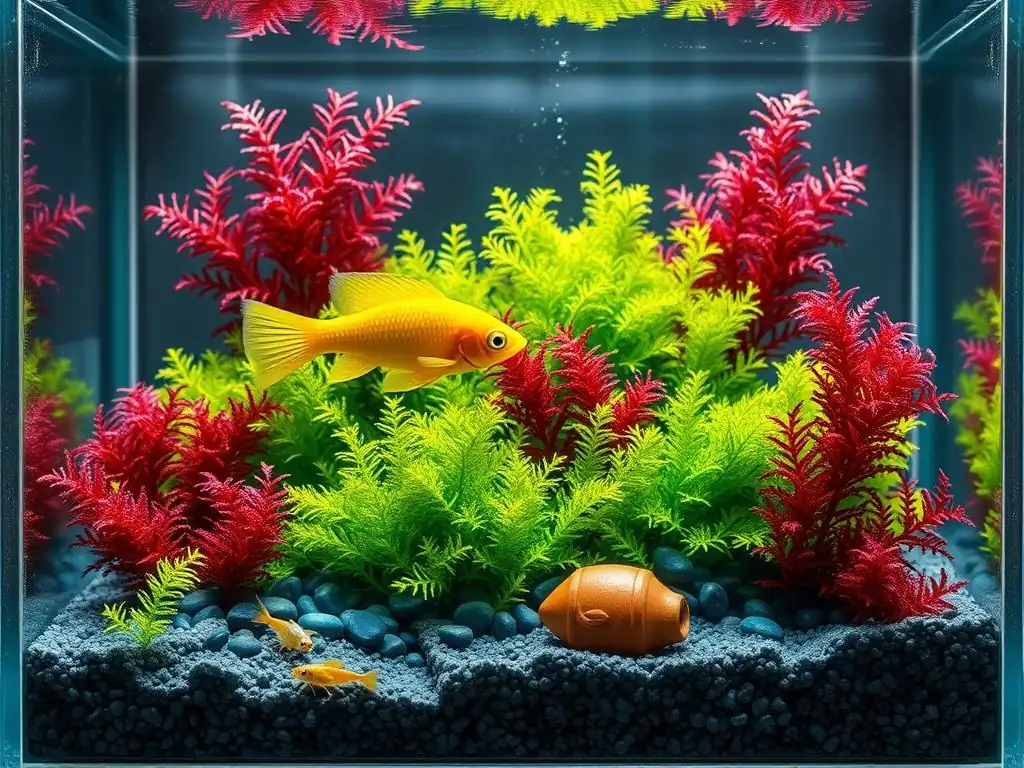
The Canary Blenny ( Meiacanthus oualaniensis ), often admired for its vibrant, uniform yellow coloration, has become a staple in many small saltwater aquariums, particularly nano reef setups. Its compact size, typically reaching an adult length of 2.5 to 3 inches (approximately 6 to 7.5 cm), makes it an ideal inhabitant for tanks where space is a premium. Unlike some larger, more boisterous fish, the Canary Blenny's relatively peaceful demeanor and fascinating perching behavior allow it to thrive without overwhelming a smaller ecosystem.
Aquarists frequently select this species not only for its striking aesthetic appeal but also for its hardiness once acclimated, contributing to a stable and visually appealing nano reef. Its active yet non-destructive nature means it generally leaves corals and invertebrates undisturbed, making it a compatible choice for mixed reef environments. For those seeking comprehensive Canary blenny care tips, understanding its suitability for smaller tanks is the first crucial step, as it dictates many subsequent care requirements.
Unveiling the Canary Blenny's Unique Personality and Appearance
The Canary Blenny's appearance is undeniably its most captivating feature, characterized by a brilliant, almost fluorescent yellow body that stands out vividly against the blues and greens of a reef tank. This uniform coloration extends from its head to its tail, with some individuals displaying subtle black markings near the eyes or on the dorsal fin. Beyond its striking color, its elongated, torpedo-shaped body and large, expressive eyes contribute to its endearing charm.
What truly sets the Canary Blenny apart, however, is its distinct personality and behavior. These fish are known for their curious and somewhat bold nature, often perching on live rock or coral branches, observing their surroundings with an alert gaze. They exhibit a characteristic "blenny hop" or "dash" movement as they navigate the tank, darting between crevices and open water. This combination of stunning looks and engaging behavior makes the Canary Blenny a highly sought-after species, and mastering Canary blenny care tips often involves appreciating and catering to these unique traits.
Understanding Canary Blenny Care: Essential Tips for Success
Optimal Tank Size and Setup for Canary Blennies in Nano Reefs
Proper tank size is paramount for successful Canary blenny care, even for a smaller species. While they are suitable for nano aquariums, a minimum tank volume of 10 gallons (approximately 38 liters) is generally recommended for a single specimen to ensure stable water parameters and adequate swimming space. For a more established and diverse nano reef with other small, peaceful inhabitants, a 20-gallon (around 75 liters) tank or larger would provide an even more optimal environment, reducing potential stress and territorial disputes.
The setup should prioritize stability and provide plenty of hiding spots. Live rock is essential, offering numerous crevices and caves where the blenny can retreat, perch, and feel secure. A well-established biological filter is crucial, as is consistent water flow, simulating their natural reef environment. These foundational Canary blenny care tips ensure the fish has both the physical space and the environmental stability it needs to thrive.
Canary Blenny Water Parameters: Maintaining a Healthy Environment
Maintaining stable and appropriate water parameters is critical for the health and longevity of your Canary Blenny. They thrive in conditions that mimic a natural coral reef environment. Key parameters to monitor regularly include salinity, temperature, pH, and alkalinity. Ideal salinity should be maintained within a specific gravity range of 1.023 to 1.026. Temperature should be kept stable between 72°F and 78°F (22°C to 26°C), with minimal fluctuations.
The pH level should consistently range from 8.1 to 8.4, and alkalinity (dKH) should be between 8 and 12. Ammonia and nitrite levels must always be undetectable (0 ppm), and nitrates should be kept as low as possible, ideally below 10 ppm. Regular water changes, typically 10-20% bi-weekly, are essential to replenish trace elements and remove accumulated nitrates. Adhering to these strict water quality Canary blenny care tips will significantly reduce stress and susceptibility to disease.
The Importance of Substrate and Rockwork for Canary Blennies
The choice of substrate and the arrangement of rockwork play a significant role in providing an enriching and secure habitat for Canary Blennies. While they are not primarily sand-sifting fish, a fine to medium-grade sand bed is suitable and can contribute to overall tank aesthetics. More importantly, the strategic placement of live rock is vital. Canary Blennies are known for their habit of perching, darting into crevices, and exploring their surroundings.
Therefore, the rockwork should be structured to create numerous caves, overhangs, and swim-throughs. These provide essential hiding spots, which are crucial for the blenny's sense of security, especially during initial acclimation or when feeling threatened. Ample rockwork also offers surfaces for beneficial algae growth, which, while not their primary food source, can supplement their diet. Implementing these rockwork-related Canary blenny care tips ensures a comfortable and naturalistic environment for your fish.
Canary Blenny Diet and Feeding: Ensuring Nutritional Needs are Met
What Do Canary Blennies Eat? A Guide to Their Natural Diet
In their natural habitat, Canary Blennies are primarily micropredators, with a diet consisting largely of small benthic invertebrates, zooplankton, and various forms of detritus and algae found on rocks and substrate. They are not obligate herbivores, nor are they strictly carnivorous in the way some other reef fish might be. Their feeding strategy involves actively foraging through the rockwork and water column, picking at tiny organisms and organic matter.
This diverse natural diet highlights the importance of offering a varied food selection in captivity to ensure complete nutritional intake. While they may occasionally pick at microalgae, their primary nutritional needs come from protein-rich sources. Understanding these natural feeding behaviors is a crucial component of effective Canary blenny care tips, guiding aquarists toward appropriate food choices.
Recommended Foods for Canary Blennies in Captivity
To ensure optimal health, a varied diet is essential for Canary Blennies in captivity. High-quality frozen foods should form the cornerstone of their diet. Excellent choices include enriched brine shrimp, mysis shrimp, cyclop-eeze, and finely chopped marine-based preparations. These provide the necessary proteins and lipids. It's also beneficial to offer high-quality flake or pellet foods specifically formulated for marine omnivores or carnivores, ensuring they are small enough for the blenny to consume easily.
Some aquarists also report success with spirulina-enriched foods or small amounts of nori, although these should be considered supplements rather than a primary food source for this species. The goal is to provide a balanced diet that mimics their natural foraging behavior and nutrient intake. Adhering to these dietary Canary blenny care tips will contribute significantly to their vibrant coloration and overall vitality.
Feeding Frequency and Techniques for Healthy Canary Blennies
Consistent and appropriate feeding frequency is another vital aspect of Canary blenny care. For juvenile blennies or those newly introduced to a tank, feeding 2-3 times per day in smaller portions is recommended to support their growth and encourage regular eating habits. Adult Canary Blennies typically thrive on 1-2 feedings per day. It's important to offer only what they can consume within a few minutes to avoid overfeeding and polluting the tank water.
When feeding, observe their behavior to ensure they are actively participating and getting enough food, especially if they are housed with more aggressive or faster feeders. Spot feeding with a turkey baster can be effective if the blenny is shy or if there's competition for food. Distributing food widely can also ensure that all tank inhabitants, including the more timid blenny, get their share. These feeding techniques are essential Canary blenny care tips for maintaining a healthy and well-nourished fish.
Canary Blenny Behavior and Tank Mates: Compatibility Considerations
Understanding Canary Blenny Temperament: Is it Aggressive?
The Canary Blenny is generally considered a peaceful and non-aggressive fish, making it a good candidate for community reef tanks. However, like many blennies, they can exhibit territorial behavior, particularly towards other blennies or fish with similar body shapes and feeding niches. This territoriality is typically mild and rarely results in physical harm, often manifesting as chasing or posturing to defend a preferred perching spot or hiding crevice.
It's rare for a Canary Blenny to show aggression towards dissimilar species or invertebrates. They tend to be more curious than confrontational, often observing tank activity from their chosen perch. Understanding this nuanced temperament is a key component of Canary blenny care tips, especially when planning a mixed-species aquarium.
Suitable Tank Mates for Canary Blennies in a Nano Reef Environment
Selecting appropriate tank mates is crucial for the peaceful coexistence of your Canary Blenny within a nano reef. Ideal companions are small, peaceful, and non-aggressive species that do not compete directly for food or territory. Good choices include small gobies (like watchman gobies or pistol shrimp gobies), clownfish, firefish, cardinalfish, and certain types of damselfish that are known for their calm demeanor.
Invertebrates such as various types of shrimp (peppermint, cleaner, sexy shrimp), snails, and hermit crabs are generally safe and compatible. Corals of all types are also suitable, as Canary Blennies are not known to nip at or damage stony or soft corals. Avoiding large, predatory fish or overly aggressive species that might intimidate or harm the blenny is a critical Canary blenny care tip.
Avoiding Aggression: Tips for Peaceful Coexistence in Your Aquarium
To minimize potential aggression and ensure peaceful coexistence, several strategies can be employed. Firstly, introduce the Canary Blenny last into a new community tank, allowing existing inhabitants to establish their territories first. This reduces the likelihood of the blenny perceiving new additions as threats. Secondly, provide an abundance of live rock with multiple hiding spots and perching locations. This allows the blenny to establish its own territory without constant conflict over limited resources.
If housing multiple blennies, ensure the tank is sufficiently large (e.g., 30 gallons or more for two) and that they are of different species or sexes to reduce direct competition. Monitor interactions closely during the first few days after introduction. If persistent aggression is observed, it may be necessary to separate the fish. These proactive Canary blenny care tips help foster a harmonious environment.
The Canary Blenny's Venomous Secret: A Closer Look
Understanding the Canary Blenny's Venom: What You Need to Know
One of the most intriguing, yet often overlooked, aspects of the Canary Blenny is its "venomous secret." Unlike many venomous fish that possess spines on their dorsal fins, the Canary Blenny, along with other species in the genus Meiacanthus (fang blennies), has modified canine teeth in its lower jaw that are grooved and connected to venom glands. These fangs are typically found on the pectoral fins, where the blenny can deliver a mild venom when threatened or handled.
The venom is primarily a defensive mechanism, used to deter predators rather than for hunting. It is a neurotoxin, though relatively mild for humans, designed to cause a temporary aversion. Understanding this unique biological feature is an important, albeit less common, aspect of Canary blenny care tips.
Potential Risks and Precautions When Handling Canary Blennies
While the venom of the Canary Blenny is not considered life-threatening to humans, a sting can be painful and cause localized discomfort. The primary risk comes from accidental contact during tank maintenance, such as rearranging rockwork or netting the fish. Symptoms of a sting typically include immediate, sharp pain at the site of contact, localized swelling, redness, and sometimes numbness or throbbing.
To minimize these risks, it is strongly advised to avoid direct handling of Canary Blennies. When tank maintenance requires reaching into areas where the blenny might be, wearing sturdy aquarium gloves can provide a good layer of protection. Always be mindful of the blenny's location and movements. These precautions are vital Canary blenny care tips to ensure both your safety and the well-being of the fish.
First Aid Advice for Canary Blenny Stings
In the event of a Canary Blenny sting, prompt first aid can help alleviate symptoms. The immediate action should be to thoroughly clean the wound with soap and fresh water to prevent secondary infection. The venom is protein-based, meaning it can be denatured (deactivated) by heat. Therefore, immersing the affected area in hot water (as hot as can be tolerated without scalding, typically 105-115°F or 40-46°C) for 30-90 minutes can significantly reduce pain and swelling.
If pain persists or worsens, or if there are signs of an allergic reaction (e.g., difficulty breathing, widespread rash), seek immediate medical attention. While rare, individual sensitivities can vary. Applying a cold compress after heat treatment can also help with swelling. Keeping a basic first-aid kit near your aquarium is a sensible part of comprehensive Canary blenny care tips.
Maintaining Canary Blenny Health: Common Diseases and Prevention
Identifying Common Canary Blenny Diseases
Like all marine fish, Canary Blennies can be susceptible to common saltwater aquarium diseases, particularly if stressed by poor water quality or inadequate nutrition. The most prevalent diseases include marine ich ( Cryptocaryon irritans), characterized by small white spots resembling salt grains on the body and fins, and marine velvet ( Amyloodinium ocellatum), which appears as a dusty, yellowish or brownish film. Bacterial infections can manifest as fin rot, cloudy eyes, or general lethargy and difficulty breathing.
Parasitic flukes or worms, though less common, might present as irritation, flashing against tank decor, or visible lesions. Early detection is key to successful treatment, making vigilant observation a critical aspect of Canary blenny care tips.
Preventing Diseases in Canary Blennies: Quarantine and Water Quality
Prevention is always superior to treatment when it comes to fish health. A robust quarantine protocol is arguably the most effective disease prevention strategy for Canary Blennies. All new fish, corals, and invertebrates should be quarantined in a separate tank for at least 4-6 weeks before introduction to the main display. This period allows observation for signs of disease, and allows for treatment if necessary, preventing the introduction of pathogens into your established system.
Maintaining pristine water quality is equally crucial. Consistent water parameters, regular water changes, proper filtration, and avoiding overfeeding significantly reduce stress on the fish's immune system. A nutritious and varied diet further bolsters their natural defenses. These preventative Canary blenny care tips are fundamental for long-term health.
Treating Sick Canary Blennies
If a Canary Blenny does show signs of illness, prompt and appropriate treatment is necessary. For external parasites like marine ich or velvet, transferring the fish to a hospital tank is recommended. Treatments often involve copper-based medications (for ich) or formalin-based treatments (for velvet), administered according to product instructions. Carbon filtration should be removed during medication to ensure efficacy.
Bacterial infections may require broad-spectrum antibiotics, often administered via medicated food or as a bath in a hospital tank. Always correctly diagnose the issue before administering medication, as incorrect treatments can do more harm than good. Consulting with experienced aquarists or a fish veterinarian can provide valuable guidance for effective Canary blenny care tips related to disease treatment.
Troubleshooting Common Canary Blenny Issues
Canary Blenny Hiding: Understanding the Reasons and Solutions
It is not uncommon for a Canary Blenny to spend a significant amount of time hiding, especially when first introduced to a new aquarium. This behavior is usually a sign of stress, fear, or simply acclimation to unfamiliar surroundings. Other reasons for prolonged hiding can include insufficient hiding spots, bullying from aggressive tank mates, or underlying health issues. A healthy blenny should eventually become more active and visible, though they will always utilize their hiding spots.
To address excessive hiding, ensure the tank provides ample live rock with numerous crevices and caves for security. Observe tank mates closely for any signs of aggression. If the blenny seems otherwise healthy and is eating when food is presented, patience is often the best solution. If hiding is accompanied by other symptoms like loss of appetite or labored breathing, investigate for disease or water quality issues. These troubleshooting Canary blenny care tips help ensure your fish feels secure.
Canary Blenny Not Eating: Identifying Potential Causes and Remedies
A Canary Blenny refusing to eat is a serious concern and often indicates a problem. Common causes include stress from poor water quality (e.g., high ammonia, nitrite, or nitrate), inappropriate tank mates, or a new environment. Internal parasites or bacterial infections can also cause appetite loss. Sometimes, it's simply a matter of the fish not recognizing the food offered, especially if it's new to captivity.
To remedy this, first, check all water parameters meticulously and perform a water change if necessary. Observe tank mates for aggression. Offer a variety of high-quality frozen foods, such as enriched mysis shrimp or brine shrimp, as these are often highly palatable. If the blenny is still not eating after a few days and shows other signs of distress, consider transferring it to a hospital tank for closer observation and potential treatment for disease. Addressing appetite issues promptly is a critical Canary blenny care tip.
Canary Blenny Color Loss: Addressing Changes in Pigmentation
Changes in a Canary Blenny's vibrant yellow coloration, such as fading or dullness, can be an early indicator of stress, poor health, or inadequate nutrition. Stress, whether from environmental factors (unstable water parameters, temperature fluctuations) or social dynamics (bullying, lack of hiding spots), often leads to a washed-out appearance. A diet lacking essential nutrients, particularly carotenoids which contribute to their yellow hue, can also result in color loss over time.
To restore their brilliant color, first, ensure all water parameters are stable and within optimal ranges. Evaluate the tank environment for potential stressors and provide more hiding places if needed. Most importantly, review their diet, ensuring it is varied and includes high-quality, nutrient-rich foods, such as those fortified with spirulina or other color-enhancing ingredients. Persistent color loss, especially if accompanied by other symptoms, warrants a full health check. These proactive Canary blenny care tips are vital for maintaining their stunning appearance.
Conclusion: Mastering Canary Blenny Care for a Thriving Reef
The Rewards of Keeping a Canary Blenny in Your Nano Tank
Keeping a Canary Blenny in your nano reef tank offers immense rewards. Their striking, vibrant yellow coloration instantly brightens any aquarium, serving as a focal point and adding a dynamic splash of color. Beyond their aesthetic appeal, their unique personality and engaging behaviors, such as perching on rockwork and curiously observing their surroundings, provide endless fascination. They are generally peaceful inhabitants, making them excellent choices for mixed reef environments where they coexist harmoniously with corals and a variety of small, non-aggressive tank mates.
For aquarists seeking a relatively hardy and captivating fish for smaller setups, the Canary Blenny is an outstanding candidate. Their presence brings a sense of liveliness and natural beauty, making the effort involved in their care truly worthwhile.
Final Canary Blenny Care Tips for Long-Term Success
Mastering Canary blenny care for long-term success hinges on a few key principles. Firstly, prioritize pristine and stable water quality; consistent monitoring of salinity, temperature, pH, and nutrient levels is non-negotiable. Secondly, provide an enriching environment with ample live rock, offering numerous hiding spots and perching opportunities to reduce stress and encourage natural behavior. Thirdly, ensure a varied and high-quality diet, feeding appropriate portions 1-2 times daily to meet their nutritional needs.
Finally, exercise caution and awareness regarding their venomous nature, avoiding direct handling. By adhering to these comprehensive Canary blenny care tips, you can ensure your Meiacanthus oualaniensis thrives, remaining a vibrant and engaging centerpiece in your nano reef for many years to come.
Frequently Asked Questions
What are the main considerations when caring for a Canary Blenny in a nano tank?
Caring for a Canary Blenny in a nano tank involves ensuring a suitable tank size (minimum 10 gallons), providing plenty of rockwork for hiding and grazing, and maintaining excellent water quality.
What kind of diet does a Canary Blenny require?
Canary Blennies are primarily herbivores, so their diet should consist mainly of algae and plant-based foods. Supplement with small amounts of meaty foods like frozen mysis shrimp.
What is the "venomous secret" mentioned in the title, and how does it affect care?
The "venomous secret" refers to the Canary Blenny's venomous fangs. While rarely a threat to humans, be cautious during tank maintenance and avoid handling them directly. Their venom is primarily used for defense against predators.
What are some common health issues to watch out for in Canary Blennies?
Common health issues include ich (white spot disease) and other parasitic infections. Maintaining stable water parameters and quarantining new arrivals can help prevent these issues. Ensure proper copper levels are adhered to if treating for Ich.
How can I ensure my Canary Blenny is compatible with other fish in my aquarium?
Canary Blennies are generally peaceful but can be territorial with other blennies or similar-looking fish. Provide ample hiding places and avoid housing them with overly aggressive tank mates to minimize aggression and ensure their well-being.
Final Reflection: Embracing Beauty, Respecting Power
The vibrant Canary Blenny, as we've explored, is more than just a splash of sunshine in a nano tank; it's a potent reminder that even the smallest creatures can possess hidden depths. Understanding the nuances of Canary Blenny care, including its venomous bite, is crucial for responsible reef keeping and appreciating the delicate balance within our miniature ecosystems. Ignoring these details not only endangers the fish but also diminishes our role as stewards of these captivating underwater worlds.
The Canary Blenny, with its captivating charm and subtle defense mechanism, serves as a microcosm of the larger natural world. Its presence in our tanks compels us to look beyond superficial beauty and acknowledge the inherent power and responsibility that comes with interacting with any living being. In nature, nothing exists alone.
- Rachel Carson. This quote resonates deeply when considering the Canary Blenny, a creature whose well-being is intrinsically linked to our understanding and respect for its unique needs.
Now, as you consider adding a Canary Blenny to your own nano reef, or simply reflect on the wonders of marine life, remember the lessons we've uncovered. Let us all strive to be informed and conscientious aquarists, creating thriving environments where beauty and respect coexist. Embrace the challenge of understanding these fascinating creatures, and you'll find a deeper appreciation for the intricate tapestry of life that surrounds us.
Ignite Your Nano Reef: Start Your Canary Blenny Adventure Today!
Thanks for diving into the fascinating world of the Canary Blenny! We hope you’ve found inspiration and a deeper understanding of how to successfully keep these vibrant fish in your nano reef. Now, it's time to turn that knowledge into action!
Here are some ways to continue your journey:
- Start Planning Your Canary Blenny Biotope: Decide exactly how you'll create the perfect environment, considering tank size, rock placement, and compatible tank mates based on what you've learned.
- Dive Deeper: Share your newfound Canary Blenny knowledge! Discuss surprising facts or personal experiences with other nano reef enthusiasts in forums or comment sections.
- Uncover the Unexpected: Research a rare or unique nano reef invertebrate to further enhance your tank's biodiversity – who knows what amazing creatures you might discover?
What is the first step you'll take to prepare your nano reef for the arrival of a Canary Blenny, and what unexpected challenge do you anticipate?