
Ornate Leopard Wrasse (Macropharyngodon ornatus): A Delicate Beauty Demystified for Aquarists

Welcome to Aquarium Mastery!
Ever been captivated by the shimmering beauty of the Ornate Leopard Wrasse? These delicate gems can truly elevate a saltwater aquarium, but their care requirements can seem daunting. Dive in and discover the secrets to successfully keeping these stunning fish, transforming your tank into a thriving ecosystem. We're here to demystify Leopard Wrasse care requirements for the aquarium enthusiast, offering practical advice and expert insights that will leave you eager to learn more. Let's explore the fascinating world of Macropharyngodon ornatus together!
- Introduction to the Ornate Leopard Wrasse: A Reef Aquarium Gem
- Understanding Ornate Leopard Wrasse Care Requirements
- Setting Up the Ideal Aquarium for Leopard Wrasses
- Ornate Leopard Wrasse Diet and Feeding Habits
- Leopard Wrasse Compatibility and Tank Mates
- Identifying and Treating Common Leopard Wrasse Diseases
- Acclimation Strategies for Leopard Wrasses in the Home Aquarium
- The Ornate Leopard Wrasse: A Rewarding Challenge for Dedicated Aquarists
- Conclusion: Mastering Ornate Leopard Wrasse Care for a Stunning Display
-
Frequently Asked Questions
- What are the primary water quality parameters I need to maintain for a Leopard Wrasse?
- What is the ideal tank size for keeping a Leopard Wrasse in an aquarium?
- What is the best type of substrate to use for a Leopard Wrasse aquarium?
- What food should I feed my Leopard Wrasse, and how often?
- What are some common health problems that affect Leopard Wrasses in aquariums?
- Final Reflection: Appreciating the Delicate Balance
- Unleash the Vibrant Potential of Your Reef Tank!
Introduction to the Ornate Leopard Wrasse: A Reef Aquarium Gem
Unveiling the Allure of Macropharyngodon ornatus for Saltwater Tanks
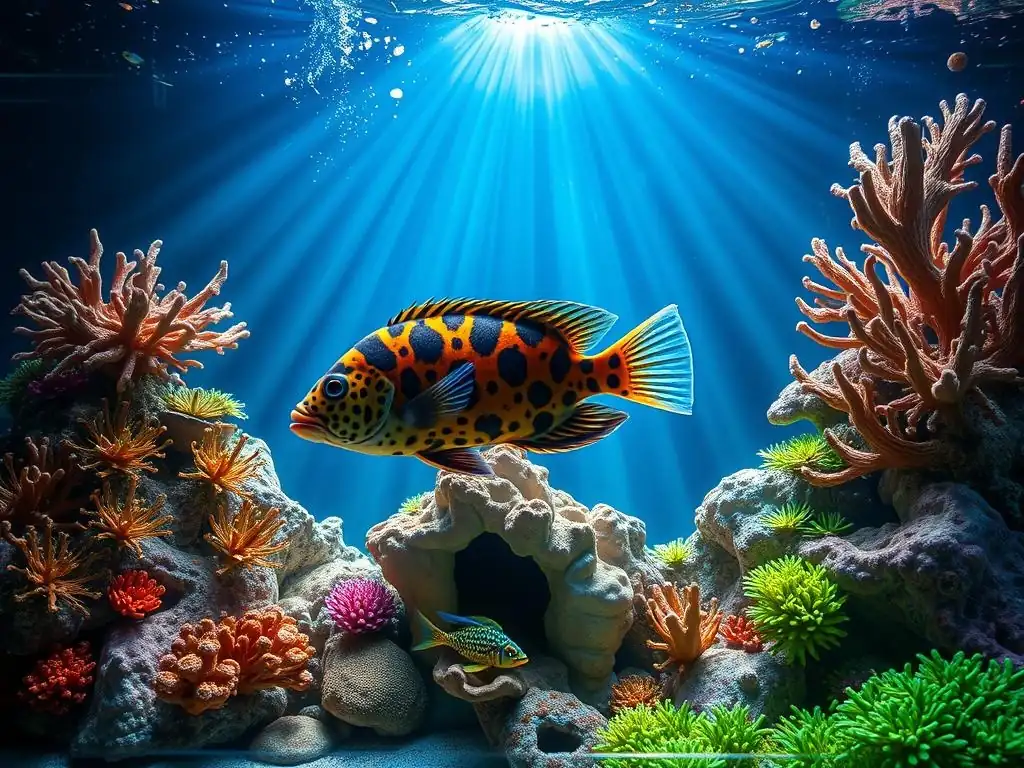
The Ornate Leopard Wrasse, scientifically known as Macropharyngodon ornatus, is a captivating and highly sought-after species among saltwater aquarists due to its exquisite coloration and intricate patterns. Hailing from the Indo-Pacific region, including areas like the Maldives, Indonesia, and the Great Barrier Reef, this species typically inhabits outer reef slopes and lagoons at depths ranging from 5 to 40 meters. Growing to an average size of 4 to 5 inches (approximately 10-13 cm) in captivity, its body is adorned with a mesmerizing mosaic of green, blue, orange, and black spots, often resembling abstract art.
During daylight hours, the Ornate Leopard Wrasse is an active and engaging swimmer, gracefully navigating its environment. As dusk approaches, or if startled, it exhibits a fascinating behavior: burrowing rapidly into the sand bed for protection and rest, emerging again with the morning light. This unique habit, combined with its striking appearance, makes it a truly distinctive addition to a well-planned reef aquarium, offering a constant source of visual interest for the dedicated observer.
Why the Ornate Leopard Wrasse Captivates Experienced Aquarists
The allure of the Ornate Leopard Wrasse often lies in the challenge it presents, making it a species that particularly captivates experienced aquarists. Historically, Macropharyngodon ornatus has earned a reputation for being delicate and difficult to acclimate, primarily due to its highly specialized feeding habits and susceptibility to stress in suboptimal conditions. Its success in a home aquarium is often seen as a benchmark of an aquarist's skill and dedication, pushing enthusiasts to master the nuanced Leopard Wrasse care requirements aquarium.
Despite the initial hurdles, the reward of successfully keeping an Ornate Leopard Wrasse is immense. A thriving specimen displays vibrant colors, active foraging behavior, and its characteristic burrowing at night, providing a unique and enriching observation experience. Watching this wrasse meticulously pick at live rock for microfauna or gracefully glide through the water column transforms the challenge into a deeply satisfying endeavor, solidifying its status as a true gem for those who meet its specific needs.
Understanding Ornate Leopard Wrasse Care Requirements
Essential Parameters for Optimal Ornate Leopard Wrasse Health
Maintaining stable and precise water parameters is paramount for the health and longevity of the Ornate Leopard Wrasse. The ideal water temperature range for Macropharyngodon ornatus is between 74-80°F (23-27°C). Salinity should be kept stable within a specific gravity of 1.023-1.026, which is typical for most reef environments. Furthermore, a consistent pH level of 8.1-8.4 is essential, as fluctuations can induce significant stress on this sensitive species.
Beyond these foundational parameters, the Ornate Leopard Wrasse thrives in water with extremely low levels of nitrates, ideally below 10 ppm, and phosphates, preferably less than 0.03 ppm. Such pristine water quality helps prevent disease and promotes a robust immune system. Achieving these conditions often requires a mature, well-established aquarium system, emphasizing that understanding and meticulously adhering to these Leopard Wrasse care requirements aquarium is crucial for their long-term well-being.
Tank Size Considerations for Leopard Wrasse Success
For a single Ornate Leopard Wrasse, a minimum aquarium size of 75 gallons (approximately 280 liters) is generally recommended. This volume provides adequate swimming space for an active fish that spends its day foraging across the substrate and rockwork. While a 75-gallon tank might suffice, a larger aquarium, such as 90-120 gallons (340-450 liters) or more, is highly preferable.
The rationale behind recommending larger tanks extends beyond mere swimming space. A greater water volume offers enhanced stability in water parameters, buffering against rapid fluctuations that can stress delicate species like the Ornate Leopard Wrasse. Additionally, a larger footprint allows for a more expansive sand bed, which is vital for their natural burrowing behavior, and provides more surface area for the growth of microfauna, which forms a crucial part of their diet. Meeting these tank size Leopard Wrasse care requirements aquarium directly contributes to a healthier, less stressed environment for the fish.
Water Chemistry: Key to Leopard Wrasse Well-being
Beyond the basic temperature, salinity, and pH, other aspects of water chemistry play a significant role in the overall well-being of the Ornate Leopard Wrasse, particularly in a reef setting. Maintaining stable alkalinity (8-12 dKH), calcium (400-450 ppm), and magnesium (1250-1350 ppm) is crucial, not just for coral health but also for the stability of the entire ecosystem, which indirectly benefits the wrasse by fostering a healthy microfauna population that they prey upon.
Consistent monitoring of these parameters and performing regular water changes are indispensable. A bi-weekly water change of 10-15% with high-quality, pre-mixed saltwater helps replenish essential trace elements, reduce accumulated pollutants, and maintain the pristine water quality that the Ornate Leopard Wrasse demands. Neglecting these aspects of water chemistry can lead to compromised health, making them a foundational component of effective Leopard Wrasse care requirements aquarium.
Setting Up the Ideal Aquarium for Leopard Wrasses
Creating a Sand Bed Sanctuary: The Importance of Substrate
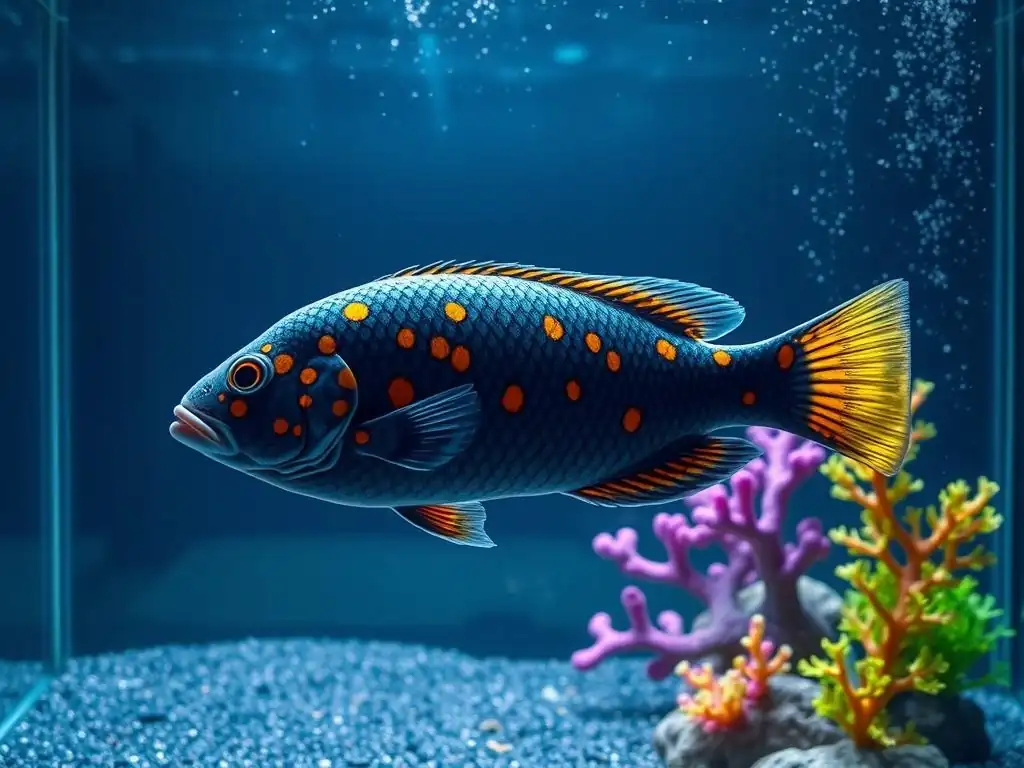
A crucial element for the successful keeping of an Ornate Leopard Wrasse is the provision of a deep, fine sand bed. The substrate should consist of soft, sugar-fine aragonite sand, with a minimum depth of 3-4 inches (7.5-10 cm) across a significant portion of the aquarium floor. This specific type and depth of sand are non-negotiable for Macropharyngodon ornatus.
This deep, fine sand bed serves as the wrasse's natural sanctuary. It allows the fish to completely bury itself at night for sleep, and also to quickly dart into for protection when startled or stressed. Without an adequate sand bed, the wrasse may become highly agitated, unable to engage in its natural burrowing behavior, which can lead to chronic stress, weakened immunity, and ultimately, health decline. This vital environmental aspect is a cornerstone of the Leopard Wrasse care requirements aquarium.
Rockwork and Hiding Places: Providing Security for Your Wrasse
In addition to a deep sand bed, ample live rock with numerous crevices, caves, and overhangs is essential for the Ornate Leopard Wrasse. This aquascaping provides the wrasse with alternative hiding spots during the day and additional areas to forage for micro-invertebrates, mimicking its natural reef habitat. The rockwork should be stable and securely placed to prevent collapses.
The presence of diverse rock structures offers a sense of security for the wrasse, reducing stress, especially during the initial acclimation period or when introducing new tank mates. These hiding places allow the wrasse to retreat when feeling threatened or overwhelmed, contributing to its overall comfort and well-being in the aquarium environment. A well-designed aquascape is integral to meeting the Leopard Wrasse care requirements aquarium.
Water Flow and Filtration: Maintaining Pristine Conditions
The Ornate Leopard Wrasse thrives in an environment with moderate, non-turbulent water flow. While some flow is necessary to prevent detritus buildup and ensure oxygenation, excessively strong or direct currents can stress the fish and hinder its natural foraging behavior. Strategic placement of powerheads to create gentle, indirect flow is advisable.
Robust filtration is paramount for maintaining the pristine water quality that Macropharyngodon ornatus demands. A combination of strong biological filtration (provided by mature live rock and potentially a refugium), efficient mechanical filtration (such as a protein skimmer and filter socks), and chemical filtration (like activated carbon) is recommended. Consistent removal of organic waste and maintenance of low nutrient levels are critical to the wrasse's health, making comprehensive filtration a key component of the Leopard Wrasse care requirements aquarium.
Ornate Leopard Wrasse Diet and Feeding Habits
The Natural Diet of Macropharyngodon ornatus in the Wild
In their native Indo-Pacific reef environments, Ornate Leopard Wrasses are specialized micro-predators. Their natural diet consists almost exclusively of small, benthic invertebrates. This includes a wide array of organisms such as copepods, amphipods, small worms, tiny snails, and other minute crustaceans that they meticulously pick from the sand bed and the surfaces of live rock.
These wrasses are constant grazers, spending their entire day actively sifting through the sand and inspecting rockwork for their next meal. This continuous foraging behavior highlights their need for a mature, thriving ecosystem within the aquarium that can support a healthy population of live microfauna. Understanding this natural feeding strategy is fundamental to successfully meeting the Leopard Wrasse care requirements aquarium in captivity.
Replicating the Natural Diet in Captivity: Live Foods and Supplements
To successfully maintain the Ornate Leopard Wrasse in a home aquarium, replicating their natural diet is crucial. The primary focus should be on offering a variety of small, meaty live and frozen foods. Live copepods (e.g., Tisbe, Tigriopus) and amphipods are highly recommended, especially during the initial acclimation period, as these often stimulate a feeding response in finicky individuals.
Beyond live foods, a diverse selection of high-quality frozen foods should be introduced, including enriched mysis shrimp (small varieties), enriched brine shrimp, finely chopped clam, scallop, and small krill. It is vital to enrich these frozen foods with vitamin supplements (such as Selcon or other marine vitamin solutions) and fatty acids to ensure a complete nutritional profile. Culturing copepods in a dedicated refugium can provide a continuous, natural food source, significantly improving the chances of long-term success and directly addressing a key challenge within Leopard Wrasse care requirements aquarium.
Acclimation and Feeding Challenges: Overcoming Initial Hurdles
The Ornate Leopard Wrasse is notoriously challenging to acclimate, particularly when it comes to feeding. Many newly introduced specimens will initially refuse prepared foods, even frozen options, and may only show interest in live microfauna. It is not uncommon for them to take several days, or even weeks, to begin consistently accepting frozen foods offered directly. This period requires immense patience from the aquarist.
To overcome these initial hurdles, providing a constant and abundant supply of live copepods and amphipods is highly beneficial, acting as a crucial bridge while the wrasse adapts to its new environment and learns to accept other foods. Offer very small amounts of food frequently throughout the day, rather than large, infrequent feedings, to mimic their natural grazing behavior. Avoid overfeeding, as uneaten food can rapidly degrade water quality, which can further stress the delicate wrasse. Their finicky feeding habits are a primary reason why mastering Leopard Wrasse care requirements aquarium is considered an advanced undertaking.
Recommended Foods and Feeding Schedule
To ensure the optimal health and longevity of the Ornate Leopard Wrasse, a varied and consistent feeding regimen is essential.
- Live Foods:
- Copepods (e.g., Tisbe, Tigriopus species): Ideally, these should be a continuous supply, either via a thriving refugium connected to the display tank or by daily manual dosing, especially during the acclimation phase.
- Amphipods: Similar to copepods, these provide excellent natural foraging opportunities.
- Frozen Foods:
- Mysis shrimp (small varieties): A staple, highly nutritious food source.
- Enriched brine shrimp: While less nutritious than mysis, enrichment boosts their value.
- Finely chopped clam or scallop: Excellent for providing necessary proteins and fats.
- Small krill: Can be offered in very small, chopped pieces.
Feeding Schedule:
It is recommended to feed the Ornate Leopard Wrasse 2-3 times per day in very small quantities. This approach mimics their natural continuous grazing behavior and ensures they receive enough nutrition without polluting the tank with excess food. Always observe the wrasse to ensure it is actively consuming the food offered. A diverse diet tailored to these guidelines is fundamental to meeting the specific Leopard Wrasse care requirements aquarium.
Leopard Wrasse Compatibility and Tank Mates
Choosing Suitable Tank Mates for a Peaceful Aquarium Environment
When selecting tank mates for the Ornate Leopard Wrasse, the primary consideration must be peace and non-aggression. Ideal companions are docile, non-territorial species that will not outcompete the wrasse for food or harass it. Excellent choices include small, peaceful gobies such as the Clown Goby ( Gobiodon okinawae) or the Yellow Watchman Goby ( Cryptocentrus cinctus), various blennies like the Lawnmower Blenny ( Salarias fasciatus), and certain types of peaceful cardinalfish ( Pterapogon kauderni).
Furthermore, selecting fish that occupy different ecological niches within the aquarium can promote harmony. For instance, a Royal Gramma ( Gramma loreto) tends to stay within the rockwork, while a Firefish Goby ( Nemateleotris magnifica) prefers the mid-water column, leaving the sand bed and live rock for the wrasse's foraging activities. This thoughtful selection helps prevent direct competition and stress, contributing significantly to a stable environment that supports the delicate Leopard Wrasse care requirements aquarium.
Fish to Avoid: Minimizing Competition and Stress
To ensure the well-being of the Ornate Leopard Wrasse, certain types of fish should be strictly avoided as tank mates. Any species known for aggression, territoriality, or overly boisterous feeding habits can severely stress or even harm this delicate wrasse. This includes large angelfish, most triggerfish, puffers, and aggressive damselfish species like the Blue Devil Damselfish ( Chrysiptera cyanea). Their rapid feeding can also outcompete the slower, more methodical wrasse for food.
Additionally, caution should be exercised with other wrasse species, especially those that are highly territorial or share similar dietary preferences, as this can lead to direct competition and aggression. For example, some larger Halichoeres wrasses or very active fairy wrasses might prove too dominant. Maintaining a low-stress, non-competitive environment is paramount for the Ornate Leopard Wrasse to thrive, making careful tank mate selection a critical aspect of its Leopard Wrasse care requirements aquarium.
Invertebrate Interactions: Reef-Safe Considerations
The Ornate Leopard Wrasse is generally considered reef-safe with most corals, including large polyp stony (LPS), small polyp stony (SPS), and soft corals. They do not typically nip at or consume coral polyps. This makes them an excellent addition to a diverse reef aquarium.
However, aquarists should be aware that Macropharyngodon ornatus may occasionally pick at small, ornamental shrimp (such as Peppermint Shrimp, Lysmata wurdemanni) or small snails, particularly if they are underfed or if the invertebrates are very small and resemble their natural prey. Despite this, they can also be beneficial in a reef tank by actively hunting down nuisance pests like flatworms and pyramid snails, which are detrimental to corals.
Their predatory behavior on these tiny invertebrates is a natural part of their diet and generally harmless to the desired reef inhabitants, aligning well with their specific Leopard Wrasse care requirements aquarium.
Identifying and Treating Common Leopard Wrasse Diseases
Recognizing Early Signs of Illness: Prevention is Key
Early detection of illness is paramount for the successful treatment and recovery of the Ornate Leopard Wrasse. Aquarists should diligently observe their wrasse for any changes in behavior or physical appearance. Key indicators of potential health issues include unusual lethargy, prolonged hiding (beyond their normal nocturnal burrowing), refusing food for extended periods, rapid or labored breathing, or abnormal swimming patterns such as darting or listlessness.
Physical signs to watch for include faded or dull coloration, clamped fins, the appearance of white spots (indicative of Marine Ich), a dusty, golden film on the body (suggesting Marine Velvet), or cloudy eyes. Stress is a primary factor contributing to disease susceptibility in this delicate species; therefore, maintaining stable water parameters, providing an enriching and secure environment, and offering a consistently nutritious diet are the best preventative measures. A healthy Macropharyngodon ornatus is active, vibrant, and constantly foraging, signaling that its Leopard Wrasse care requirements aquarium are being met effectively.
Common Diseases and Treatments
The Ornate Leopard Wrasse, like many marine fish, is susceptible to common saltwater diseases, particularly if stressed or kept in suboptimal conditions.
- Marine Ich (Cryptocaryon irritans): This is one of the most common parasitic infections, characterized by small, salt-like white spots on the body and fins. Treatment typically involves transferring the affected wrasse to a separate quarantine tank for medication. Copper-based medications (e.g., Copper Power maintained at 0.75-1.0 ppm) or hyposalinity (reducing specific gravity to 1.009-1.010) are effective, though copper is often preferred for wrasses.
- Marine Velvet (Amyloodinium ocellatum): More dangerous and rapidly fatal than Ich, Marine Velvet appears as a fine, dusty, golden-brown film on the fish's body. It is highly contagious. Treatments are similar to Ich (copper or hyposalinity), but require more immediate and aggressive intervention due to its rapid progression.
- Bacterial Infections: These can manifest as fin rot (frayed fins), cloudy eyes, body ulcers, or general lethargy. They often occur as secondary infections in stressed or injured fish. Treatment involves broad-spectrum antibiotics administered in a quarantine tank (e.g., Maracyn 2, Furan-2).
- Internal Parasites: Symptoms might include emaciation despite eating, or stringy, white feces. These can be treated with medicated foods containing anti-parasitic agents like metronidazole or praziquantel. Always isolate affected fish for treatment to avoid impacting the main display and to precisely manage the Leopard Wrasse care requirements aquarium during illness.
Quarantine Procedures: Protecting Your Existing Aquarium Population
Quarantine is a non-negotiable step for any new Ornate Leopard Wrasse, or any new fish, before introduction to your main display tank. A dedicated quarantine tank (QT) should be set up and run for at least 4-6 weeks. This period allows for close observation of the new fish for any signs of disease, pre-emptive treatment for common parasites like Ich or Velvet, and ensures the wrasse is consistently eating prepared foods before being added to the established community.
The quarantine tank should be simple, with minimal décor such as PVC pipes for hiding spots and a bare bottom for easy cleaning and observation of waste. It is crucial to match the QT's water parameters (temperature, salinity, pH) as closely as possible to the main display tank to minimize stress during transfer. This critical step significantly reduces the risk of introducing diseases to your existing, healthy aquarium population and allows the delicate wrasse to de-stress and acclimate in a controlled environment, making it a fundamental aspect of responsible Leopard Wrasse care requirements aquarium.
Acclimation Strategies for Leopard Wrasses in the Home Aquarium
Drip Acclimation: A Gentle Introduction to Your Tank
Drip acclimation is the preferred and highly recommended method for introducing delicate fish like the Ornate Leopard Wrasse to a new aquarium. This method slowly equalizes the water parameters – specifically pH, temperature, and salinity – between the shipping water and your display tank, minimizing the shock that rapid changes can induce. To begin, place the wrasse and its original shipping water into a clean, appropriately sized bucket.
Using a length of airline tubing, create a siphon from your main display tank into the bucket, tying a knot in the tubing or using an airline valve to regulate the drip rate to a slow, steady flow of about 1-2 drips per second. Continue this process until the volume of water in the bucket has quadrupled, which typically takes 60-90 minutes. This gradual equalization significantly reduces osmotic stress, a common cause of mortality in sensitive marine fish, making it a crucial step in fulfilling the specific Leopard Wrasse care requirements aquarium.
Monitoring Post-Acclimation Behavior: Ensuring a Smooth Transition
After the drip acclimation process is complete, gently net the Ornate Leopard Wrasse from the bucket and release it into your display tank, ensuring that none of the shipping water enters your main system. It is normal for the wrasse to immediately seek shelter, often by burying itself in the sand bed. This is a natural protective behavior for Macropharyngodon ornatus and should not be a cause for immediate concern.
For the first few hours and days, closely observe the wrasse for any signs of undue stress. Look for prolonged hiding (more than 24-48 hours without emerging), rapid breathing, darting movements, or signs of aggression from existing tank mates. Dimming the tank lights for several hours post-introduction can help reduce initial stress. Offer its first small feeding after 12-24 hours. A successful, calm transition is a strong indicator that you are effectively meeting the delicate Leopard Wrasse care requirements aquarium.
Step-by-Step Acclimation Guide
Following a precise, step-by-step acclimation process is crucial for the delicate Ornate Leopard Wrasse.
- Dim Tank Lights: Before introducing the wrasse, dim or turn off the lights on your display tank to reduce stress.
- Temperature Acclimation: Float the sealed bag containing the wrasse in your display tank for 15-20 minutes to equalize the water temperature.
- Transfer to Bucket: Carefully open the bag and empty the fish and all shipping water into a clean, dedicated bucket. Do not expose the fish to air during this transfer.
- Start Drip Acclimation: Using an airline tube and an airline valve (or by tying a knot), start a siphon from your main display tank to the bucket. Adjust the flow rate to a slow drip, approximately 1-2 drips per second.
- Volume Equalization: Allow the drip to continue until the volume of water in the bucket has roughly quadrupled. This process typically takes between 60 to 90 minutes.
- Gentle Introduction: Once acclimation is complete, gently net the wrasse from the bucket and carefully place it into your display tank. Discard all the water from the bucket; do not add it to your main tank.
- Post-Introduction Observation: Keep the tank lights dim for several hours after introduction to further reduce stress.
- First Feeding: Offer a very small amount of appropriate food (preferably live copepods or enriched frozen mysis shrimp) after 12-24 hours, once the wrasse has had time to settle.
Following these detailed steps meticulously will significantly increase the chances of a successful integration and long-term well-being, which are critical for the demanding Leopard Wrasse care requirements aquarium.
The Ornate Leopard Wrasse: A Rewarding Challenge for Dedicated Aquarists
Why Patience and Research are Essential for Success
The Ornate Leopard Wrasse is emphatically not a fish for novice aquarists. Its unique environmental, dietary, and behavioral needs demand a significant investment of time, extensive research, and unwavering patience. Rushing any stage of its care, from inadequately cycling the aquarium to improper acclimation or inconsistent feeding, dramatically increases the likelihood of failure. Success with Macropharyngodon ornatus is often measured in months, not weeks, reflecting the depth of commitment required.
Achieving long-term success with this species typically involves meticulous preparation of the aquarium for several months prior to introduction. This includes ensuring a fully mature, stable ecosystem with a thriving population of live microfauna in the sand bed and on the live rock. This proactive and deliberate approach underscores the critical importance of understanding and fulfilling the precise Leopard Wrasse care requirements aquarium before the fish even enters the tank.
The Joy of Observing a Thriving Ornate Leopard Wrasse
For those dedicated aquarists who successfully navigate the complexities of its care, the Ornate Leopard Wrasse offers immense satisfaction and a truly unique display. Its vibrant colors, intricate patterns, and active, inquisitive foraging behavior add a dynamic and captivating beauty to any reef tank. Observing its graceful movements as it meticulously picks at the substrate or witnesses its characteristic nightly burrowing into the sand is a constant source of wonder and engagement.
A thriving Macropharyngodon ornatus stands as a testament to an aquarist's advanced skills, patience, and commitment. It transforms from a delicate challenge into a vibrant, engaging centerpiece, showcasing the pinnacle of responsible aquarium husbandry. The joy derived from seeing this exquisite fish flourish in a home environment makes the initial effort and adherence to stringent Leopard Wrasse care requirements aquarium profoundly rewarding.
Conclusion: Mastering Ornate Leopard Wrasse Care for a Stunning Display
Summarizing Key Care Requirements
Successful Ornate Leopard Wrasse care hinges on a precise combination of environmental stability, specialized nutrition, and careful handling. The foundation is a mature, stable reef aquarium of at least 75 gallons, featuring pristine water parameters including a temperature range of 74-80°F, a specific gravity of 1.023-1.026, and a pH of 8.1-8.4, with nitrates and phosphates kept at minimal levels.
Equally vital is the physical setup: a deep, fine sand bed of 3-4 inches for burrowing, ample live rock providing numerous hiding places and foraging opportunities, and moderate, stable water flow with robust filtration. A consistent diet of small, meaty live and high-quality enriched frozen foods, offered multiple times a day, is essential. Finally, meticulous drip acclimation and a dedicated quarantine period are non-negotiable steps to ensure the well-being and longevity of this delicate species, encompassing all critical Leopard Wrasse care requirements aquarium.
Encouraging Responsible Aquarist Practices
The journey of keeping an Ornate Leopard Wrasse is a profound educational experience that underscores the critical importance of responsible aquarist practices. It highlights that successful fishkeeping is not merely about owning a beautiful creature, but about understanding and meticulously fulfilling its specific biological and environmental needs. This species serves as a compelling example of why thorough research and preparation should always precede the acquisition of any marine organism.
By adhering to these detailed Leopard Wrasse care requirements aquarium, aquarists not only ensure the well-being of this exquisite and challenging fish but also contribute significantly to the ethical and sustainable enjoyment of the marine aquarium hobby. The reward of a thriving Macropharyngodon ornatus is a testament to dedication and exemplifies the true spirit of responsible fishkeeping.
Frequently Asked Questions
What are the primary water quality parameters I need to maintain for a Leopard Wrasse?
Leopard Wrasses require pristine water conditions. This means maintaining stable and appropriate salinity, temperature, and zero detectable levels of ammonia and nitrites. Regular water changes are crucial.
What is the ideal tank size for keeping a Leopard Wrasse in an aquarium?
A minimum of 75 gallons is recommended, and larger is always better. Leopard Wrasses need ample space to swim and forage for food, and a larger tank provides a more stable environment.
What is the best type of substrate to use for a Leopard Wrasse aquarium?
A fine, sandy substrate is essential. Leopard Wrasses bury themselves in the sand at night or when stressed, so a deep sand bed allows them to exhibit their natural behaviors.
What food should I feed my Leopard Wrasse, and how often?
Leopard Wrasses are notoriously picky eaters. They require a varied diet of small, live foods like copepods, amphipods, and enriched brine shrimp. Frequent feedings, multiple times a day, are necessary.
What are some common health problems that affect Leopard Wrasses in aquariums?
One of the most common issues is internal parasites due to stress and poor acclimation. Quarantine and prophylactic treatment might be needed, but proper acclimation and a stable environment are key to prevention.
Final Reflection: Appreciating the Delicate Balance
The journey into understanding the intricacies of Leopard Wrasse care reveals more than just the specific needs of Macropharyngodon ornatus; it highlights the broader responsibility we bear as aquarists to create thriving ecosystems within our glass boxes. The information presented underscores the delicate balance required to successfully maintain these captivating creatures, emphasizing the importance of meticulous research and responsible acquisition.
This exploration has profoundly influenced my perspective on aquarium keeping, moving beyond mere aesthetics to a deeper appreciation for the interconnectedness of life within a closed environment. Understanding the specific needs of the Leopard Wrasse serves as a microcosm for understanding the needs of all marine life in captivity. In the end, we will conserve only what we love; we will love only what we understand; and we will understand only what we are taught.
- Baba Dioum. This quote perfectly encapsulates the spirit of responsible aquarism.
Now, armed with this knowledge, I invite you to reflect on your own practices. Consider the impact of your choices on the delicate balance of your aquarium. Are you truly providing the optimal environment for your inhabitants to flourish? Let this article serve as a catalyst for continuous learning and improvement, ensuring that the beauty of the Leopard Wrasse, and all marine life, can be appreciated for generations to come.
Unleash the Vibrant Potential of Your Reef Tank!
Thank you for diving deep into the world of the Ornate Leopard Wrasse! We hope you've gained a better understanding of how to care for this stunning, yet delicate creature. Now, let's put that knowledge into action and truly elevate your reef aquarium experience.
Ready to transform your aquarium? Here's how:
- Begin your quest to find a healthy, established Ornate Leopard Wrasse from a reputable source, ensuring it’s eating well and free from disease.
- Share your newfound knowledge! Post your favorite fact about Ornate Leopard Wrasses on social media using #AquariumMastery to spread awareness and connect with fellow reef enthusiasts.
- Create a feeding schedule calendar that prioritizes small, frequent meals to mimic its natural feeding behavior, and track your success for 3 months.
What's one small adjustment you can make to your tank setup today to better suit an Ornate Leopard Wrasse's environment?