
Can Different Clownfish Species Share an Anemone? Unraveling the Rules

Welcome to Aquarium Mastery!
Ever wondered if your clownfish are playing nice, or if that anemone is the right fit? Dive into our Clownfish Anemone Compatibility Guide and unlock the secrets to a harmonious saltwater aquarium. Are all clownfish created equal when it comes to anemones? The answer might surprise you... Read on to unravel the rules and create a thriving underwater world!
- Understanding Clownfish and Anemone Symbiosis
- Clownfish Anemone Compatibility Guide: Species Considerations
- The Risks of Housing Multiple Clownfish Species in the Same Anemone
- When Can Different Clownfish Species Coexist in the Same Anemone?
- Clownfish Anemone Compatibility Chart: A Quick Reference
- Addressing Common Myths About Clownfish and Anemone Sharing
- Optimizing Your Aquarium for Clownfish and Anemone Health
- Troubleshooting Common Issues with Clownfish and Anemone Interactions
- Conclusion: Mastering Clownfish Anemone Compatibility for a Thriving Aquarium
-
Frequently Asked Questions
- Can all clownfish species host in the same anemone species?
- What happens if you put incompatible clownfish and anemone species together?
- Is it possible to introduce multiple clownfish species into the same anemone?
- How can I determine which anemone species is best for my clownfish?
- What are the risks of not providing an anemone for clownfish in an aquarium?
- Final Reflection: Harmony in the Anemone
- Dive Deeper: Transform Your Anemone Knowledge!
Understanding Clownfish and Anemone Symbiosis
The Mutualistic Relationship Between Clownfish and Anemones
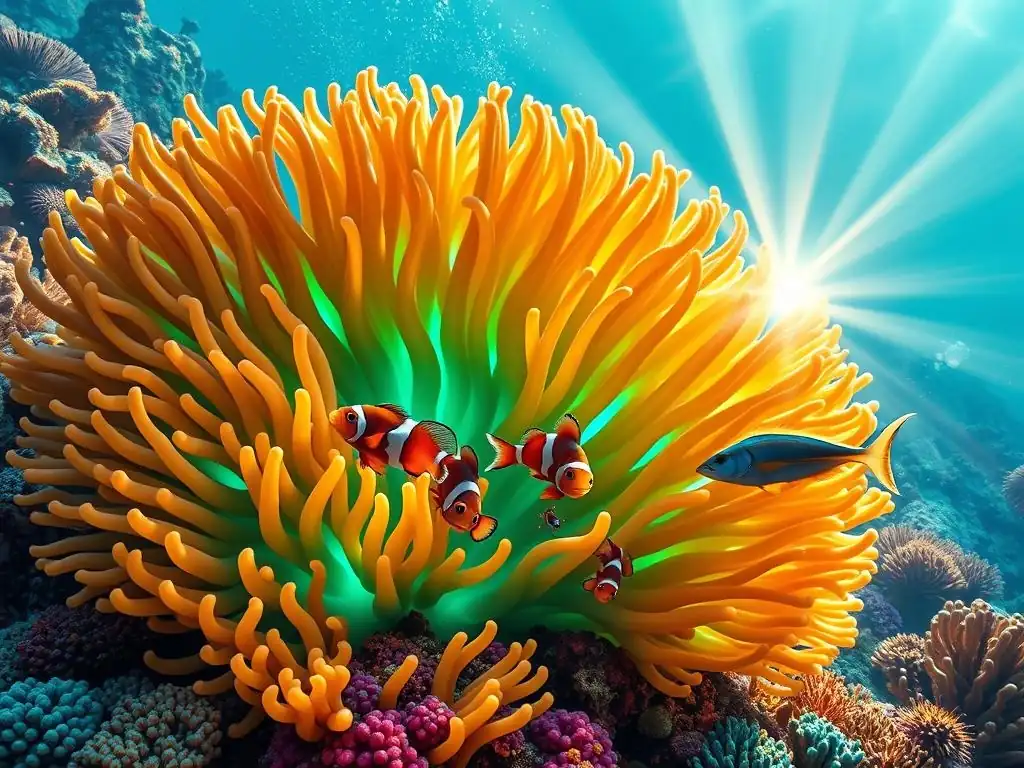
The relationship between clownfish and their host anemones is a classic example of mutualism in the marine world, where both organisms benefit significantly. Clownfish, belonging to the Amphiprion and Premnas genera, gain crucial protection from predators by residing within the anemone's stinging tentacles, to which they are immune. In return, the clownfish perform several beneficial services for the anemone, including warding off anemone predators like butterflyfish, aerating the water around the tentacles, and even cleaning the anemone by consuming parasites or detritus.
Beyond protection and cleaning, clownfish also contribute to the anemone's nutrition. While not the primary food source, their waste products, rich in nitrogen compounds, can be absorbed by the anemone, supplementing its photosynthetic energy. Studies have shown that clownfish activity can increase the anemone's respiration and growth rates. This intricate biological partnership is fundamental to the survival of both species in their natural coral reef environments, highlighting the importance of understanding clownfish anemone compatibility in a captive setting.
Why Anemones are Crucial for Clownfish Survival
For many clownfish species, an anemone host is not merely a preference but a vital component for long-term survival, particularly in the wild. The anemone serves as a secure refuge from a myriad of oceanic predators, including larger fish such as moray eels, groupers, and triggerfish. Without the protective embrace of an anemone, a clownfish would be highly vulnerable to predation, significantly reducing its lifespan.
In the aquarium environment, while predators may be absent, the anemone still provides a sense of security and a designated territory for the clownfish. This reduces stress, promotes natural behaviors like breeding, and contributes to the fish's overall health and longevity. Clownfish without an anemone often exhibit shy, nervous behavior, hiding in rockwork or corners, which can impact their feeding and immune system, underscoring the importance of providing a suitable host for optimal clownfish anemone compatibility.
Clownfish's Natural Defenses and Anemone Acclimation
The remarkable ability of clownfish to live unharmed among the anemone's stinging tentacles is due to a unique biological adaptation: a specialized mucus coating on their skin. This mucus layer mimics the chemical composition of the anemone's own outer layer, effectively preventing the anemone's nematocysts (stinging cells) from firing. Without this protective coating, a clownfish would be stung just like any other fish.
When a clownfish first encounters a new host anemone, it typically performs a cautious "dance" or acclimation process. It will gently rub against the anemone's tentacles, gradually increasing contact over several hours or even days. During this period, the clownfish's mucus layer adapts to the specific anemone's stinging cells, building up its immunity. This fascinating process is a testament to the evolutionary bond between these two species and is a critical step in establishing successful clownfish anemone compatibility in a home aquarium.
Clownfish Anemone Compatibility Guide: Species Considerations
Factors Affecting Clownfish Anemone Pairing Success
Successful clownfish anemone pairing in a home aquarium hinges on several critical factors, extending beyond simply providing any anemone. The specific species of clownfish and anemone involved are paramount, as different species exhibit varying levels of aggression, size, and host preferences. For instance, smaller, more docile species like the Ocellaris Clownfish ( Amphiprion ocellaris) are generally more adaptable to various common hosts and less prone to territorial disputes compared to larger, more aggressive species such as the Maroon Clownfish ( Premnas biaculeatus).
Furthermore, the overall tank size plays a significant role in mitigating potential conflicts, especially when considering multiple clownfish or anemones. A larger tank provides more territory, reducing the likelihood of aggression. The individual temperament of the specific fish also matters; some clownfish are naturally more dominant or shy than others. Understanding these nuances is crucial for any clownfish anemone compatibility guide, as it directly impacts the harmony and health of your marine display.
Anemone Species Preferences Among Clownfish
Common Anemone Hosts for Clownfish
Several anemone species are widely recognized as preferred hosts for various clownfish, both in the wild and in home aquariums. The Bubble-Tip Anemone ( Entacmaea quadricolor) is perhaps the most popular and versatile, known to host over a dozen clownfish species, including the widely kept Ocellaris and Percula Clownfish, as well as Clarkii and Tomato Clownfish. Its characteristic bulbous tips and relatively hardy nature make it a favorite among aquarists.
The Sebae Anemone ( Heteractis crispa) is another common host, often housing Clarkii, Sebae, and sometimes Percula Clownfish. It is identifiable by its long, tapering tentacles and vibrant coloration, though it can be more challenging to care for than the Bubble-Tip. The Magnificent Anemone ( Heteractis magnifica) is also a prominent host, particularly for Pink Skunk, Clarkii, and Ocellaris Clownfish, but it demands very high lighting and pristine water conditions. These common hosts form the backbone of successful clownfish anemone compatibility in most reef tanks.
Less Common Anemone Hosts and Their Suitability
While some anemones are highly favored, other species are less commonly used as hosts, either due to their rarity, specific care requirements, or potential danger. The Long Tentacle Anemone ( Macrodactyla doreensis), for example, can host Clarkii Clownfish but is generally considered less hardy in captivity compared to Bubble-Tips. Similarly, various Carpet Anemones ( Stichodactyla gigantea, S. mertensii, S. haddoni) are natural hosts for many clownfish but possess a very potent sting that can harm other tank inhabitants or even the aquarist, requiring extreme caution.
It's also worth noting that in captivity, some clownfish may attempt to host in non-anemone organisms, such as certain LPS corals (e.g., Frogspawn, Torch, or Hammer corals) or even powerheads, due to the absence of a suitable natural host. While fascinating to observe, these are not true symbiotic relationships and do not offer the same protection or long-term benefits as a proper host anemone. Relying on such alternatives can lead to stress for the clownfish or damage to the coral, underscoring the importance of selecting appropriate hosts for genuine clownfish anemone compatibility.
Clownfish Species Known to Host the Same Anemone
Ocellaris and Percula Clownfish Sharing a Bubble-Tip Anemone
Among the many clownfish species, Amphiprion ocellaris (Ocellaris Clownfish) and Amphiprion percula (Percula Clownfish) are the most likely candidates to successfully share a single host anemone, particularly a large Bubble-Tip Anemone ( Entacmaea quadricolor). These two species are strikingly similar in appearance, size (Ocellaris up to 4 inches, Percula up to 3 inches), and temperament, making their cohabitation in a shared host a possibility under ideal conditions.
Success is significantly higher when both individuals are introduced simultaneously as small juveniles (e.g., 1-2 inches in length) into a spacious aquarium (typically 100 gallons or more) with a very large, well-established anemone (at least 15 inches in diameter). Even then, continuous monitoring for aggression is crucial, as individual temperaments can vary. While not guaranteed, this specific pairing represents the most viable option for multi-species clownfish anemone compatibility within a single host.
Clarkii and Maroon Clownfish Sharing a Sebae Anemone (Not Recommended Long-Term)
Attempting to house a Clarkii Clownfish ( Amphiprion clarkii) and a Maroon Clownfish ( Premnas biaculeatus) in the same Sebae Anemone, or any single anemone, is strongly discouraged for long-term aquarium health and is generally not recommended within a clownfish anemone compatibility guide. While both species can host in a Sebae Anemone, their differing aggression levels and adult sizes make cohabitation extremely problematic. Clarkii Clownfish are moderately aggressive and can reach up to 6 inches, whereas Maroon Clownfish are notoriously aggressive and territorial, growing up to 7 inches.
When forced into close proximity, the highly dominant Maroon clownfish will almost invariably bully and stress the Clarkii, often leading to severe fin damage, constant hiding, refusal to eat, and ultimately, death for the subordinate fish. Even in very large anemones, the territorial instincts of these species are too strong to overcome. This pairing serves as a clear example of poor clownfish anemone compatibility, highlighting the risks of mixing aggressive species in a confined host.
The Risks of Housing Multiple Clownfish Species in the Same Anemone
Aggression and Territorial Disputes Among Clownfish
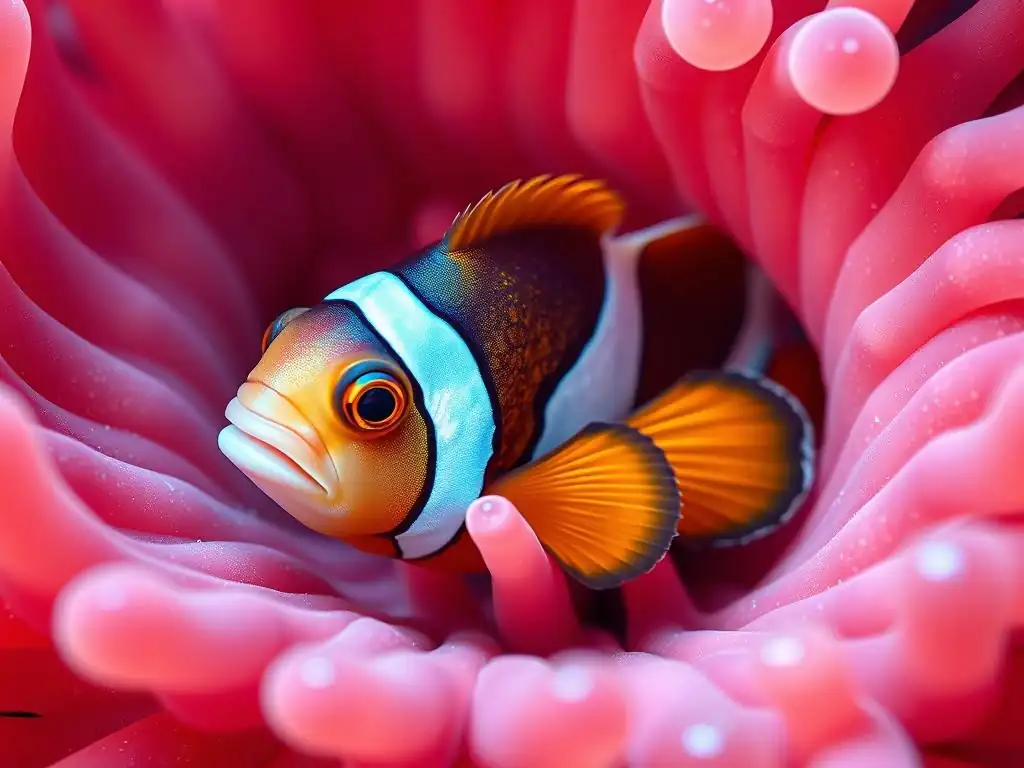
Housing multiple clownfish species within the confines of a single anemone, or even in the same aquarium without ample space, significantly elevates the risk of aggression and territorial disputes. Clownfish are inherently territorial, especially when it comes to their chosen host anemone, which represents their primary source of safety and sustenance. When different species, particularly those with varying aggression levels or sizes, are forced to share this critical resource, conflicts are almost inevitable.
Dominant clownfish, such as the Maroon Clownfish or Tomato Clownfish, will aggressively defend their territory, often chasing, nipping, and stressing subordinate fish. This can lead to physical injuries like torn fins, scale loss, and chronic stress, which compromises the immune system and makes the fish susceptible to diseases. Even more docile species can become aggressive if threatened, making multi-species clownfish anemone compatibility within one host a challenging and often unsuccessful endeavor.
Competition for Resources Within the Anemone
Beyond overt aggression, forcing different clownfish species to share a single anemone also introduces intense competition for vital resources. The anemone provides not only protection but also serves as a source of food scraps and prime real estate for resting and breeding. When multiple clownfish vie for these limited internal spaces and food opportunities, the subordinate fish often loses out.
This competition can result in inadequate feeding for the less dominant individual, leading to malnutrition and stunted growth. Furthermore, the constant struggle for position within the anemone can disrupt the host itself, potentially causing it to retract, move, or become stressed, which can compromise its health. Therefore, even if overt aggression is not immediately apparent, the underlying competition for resources within the anemone can severely impact the long-term well-being of all involved, making it a poor choice for genuine clownfish anemone compatibility.
Potential for Hybridization Between Clownfish Species
A less obvious but significant risk associated with housing different clownfish species together, especially in a shared host, is the potential for hybridization. While the majority of clownfish species will not interbreed, certain closely related species, particularly those within the Amphiprion genus, are known to produce hybrid offspring in captivity. The most commonly cited example involves the Ocellaris Clownfish ( Amphiprion ocellaris) and the Percula Clownfish ( Amphiprion percula).
If these two species successfully breed, the resulting "Percularis" or "Ocellariscula" hybrids can exhibit a mix of parental traits. While some aquarists might find these unique appearances appealing, hybridization can lead to several undesirable outcomes, including reduced fertility or sterility in the offspring, genetic weaknesses, or simply diluting the pure genetic lines of the species. For those interested in responsible breeding or maintaining species purity, preventing hybridization is a key consideration, further complicating multi-species clownfish anemone compatibility.
When Can Different Clownfish Species Coexist in the Same Anemone?
Tank Size and Anemone Availability as Key Factors
The possibility of different clownfish species coexisting, particularly within the same anemone, is extremely rare and highly dependent on exceptionally specific conditions, primarily ample tank size and the availability of multiple, distinct host anemones. For different species to even share the same aquarium comfortably, a minimum tank size of 75 to 100 gallons is often recommended, providing enough territory for each pair or individual clownfish to establish its own space without constant interaction.
If the ambitious goal is for different species to share a single anemone, the anemone itself must be extraordinarily large and robust, perhaps exceeding 15-20 inches in diameter for a Bubble-Tip. Even then, the tank must be significantly larger (120 gallons or more) to allow for escape routes and to diffuse aggression if the shared host scenario fails. In most practical home aquarium settings, attempting multi-species clownfish anemone compatibility within one host is ill-advised due to the inherent territorial nature of these fish.
Introducing Clownfish Carefully and Monitoring Behavior
When attempting to introduce any clownfish into an established aquarium, or specifically aiming for multi-species clownfish anemone compatibility, careful introduction and diligent monitoring are paramount. Ideally, all juvenile clownfish, especially those of different species, should be introduced simultaneously to allow them to establish a hierarchy from an early age, rather than adding new fish to an already established territory.
After introduction, continuous observation for the first few days to weeks is critical. Look for signs of aggression such as fin nipping, chasing, or the suppression of one fish by another. Observe feeding behavior; a stressed fish may refuse to eat or be outcompeted for food. If persistent aggression or stress is evident, immediate intervention, such as separating the fish or rehoming one, is necessary to prevent injury or chronic health issues. Patience and attentiveness are vital for any attempt at complex clownfish anemone compatibility.
Providing Ample Hiding Places and Territory
Even in scenarios where different clownfish species are housed in the same aquarium (though ideally not the same anemone), providing ample hiding places and distinct territories is crucial for reducing stress and aggression. A well-aquascaped tank with numerous rock formations, caves, and overhangs creates visual barriers and allows subordinate fish to retreat from dominant individuals.
These additional hiding spots can help to break up lines of sight, preventing constant harassment and giving each clownfish a sense of personal space, even if they share a general area. While these measures do not guarantee successful multi-species clownfish anemone compatibility within a single host, they are essential for creating a stable environment when attempting to house multiple clownfish species in the same tank, promoting overall peace and well-being.
Clownfish Anemone Compatibility Chart: A Quick Reference
Clownfish and Anemone Compatibility
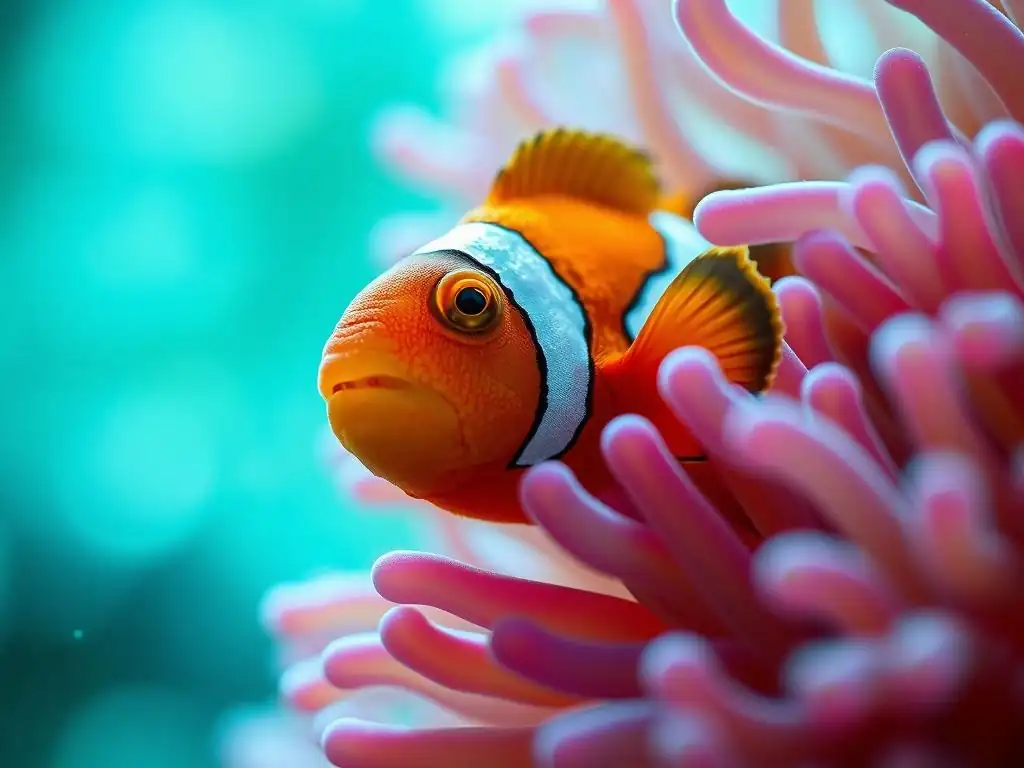
This quick reference guide outlines common clownfish species and their typical host anemone preferences, along with notes on their suitability for sharing a single anemone with other clownfish species. This clownfish anemone compatibility guide focuses on general observations and widely accepted practices within the hobby.
- Ocellaris Clownfish (Amphiprion ocellaris) & Percula Clownfish (Amphiprion percula)
- Primary Hosts: Bubble-Tip Anemone ( Entacmaea quadricolor), Sebae Anemone ( Heteractis crispa), Magnificent Anemone ( Heteractis magnifica).
- Sharing Notes: These two species are the most likely to share a single, very large host anemone, especially if introduced as juveniles in a spacious aquarium (100+ gallons). Generally peaceful with each other, but not recommended to share an anemone with other, more aggressive clownfish species.
- Clarkii Clownfish (Amphiprion clarkii)
- Primary Hosts: Bubble-Tip Anemone ( Entacmaea quadricolor), Sebae Anemone ( Heteractis crispa), Magnificent Anemone ( Heteractis magnifica), Long Tentacle Anemone ( Macrodactyla doreensis).
- Sharing Notes: Moderately aggressive and territorial. Rarely shares a single anemone with other clownfish species in captivity. Best housed as a single species pair in a dedicated setup.
- Maroon Clownfish (Premnas biaculeatus)
- Primary Hosts: Bubble-Tip Anemone ( Entacmaea quadricolor), Sebae Anemone ( Heteractis crispa).
- Sharing Notes: Highly aggressive and territorial. Absolutely not recommended to share a single anemone with any other clownfish species, including other clownfish. Best kept as a single species pair in a large tank (75+ gallons). Their dominance makes multi-species clownfish anemone compatibility within one host nearly impossible.
- Tomato Clownfish (Amphiprion frenatus) & Cinnamon Clownfish (Amphiprion melanopus)
- Primary Hosts: Bubble-Tip Anemone ( Entacmaea quadricolor), Sebae Anemone ( Heteractis crispa).
- Sharing Notes: Moderately aggressive. Not suitable for sharing a single anemone with other clownfish species due to their territorial nature and potential for aggression.
- Pink Skunk Clownfish (Amphiprion perideraion)
- Primary Hosts: Magnificent Anemone ( Heteractis magnifica), Sebae Anemone ( Heteractis crispa).
- Sharing Notes: Generally peaceful for a clownfish, but still not recommended for multi-species anemone sharing. Their smaller size and docile nature would make them vulnerable to more aggressive species.
Addressing Common Myths About Clownfish and Anemone Sharing
A common misconception among new aquarists is that any clownfish will host in any anemone, or that all clownfish species are compatible with each other. This is far from the truth. In reality, there are over 30 recognized species of clownfish, and each has evolved specific preferences for certain host anemones, sometimes even being obligate hosts for only one or two species in the wild. For example, while the Bubble-Tip Anemone is very versatile, it does not host every clownfish species.
Furthermore, the idea that all clownfish species can peacefully coexist in the same tank, let alone share an anemone, ignores their inherent territoriality and varying aggression levels. Attempting to house a highly aggressive Maroon Clownfish with a docile Ocellaris Clownfish in any proximity, especially within a single host, invariably leads to conflict. Understanding species-specific preferences and behaviors is fundamental to successful clownfish anemone compatibility.
Reality: Species-Specific Preferences and Aggression Levels Matter
The reality of clownfish anemone compatibility is that species-specific preferences and individual aggression levels are the most critical factors determining success. Each clownfish species has a natural range of host anemones it associates with in the wild, driven by co-evolutionary processes. For instance, the Pink Skunk Clownfish ( Amphiprion perideraion) primarily hosts in Magnificent and Sebae Anemones, rarely showing interest in a Bubble-Tip.
Beyond host choice, the temperament of each clownfish species varies wildly. Maroon Clownfish are notorious for their aggressive and territorial nature, often dominating and even harming other fish, including other clownfish, in a tank as small as 75 gallons. In contrast, Ocellaris Clownfish are relatively peaceful. Ignoring these innate behaviors and attempting to force incompatible species together, particularly within a shared anemone, will almost certainly result in stress, injury, and potentially the death of the less dominant fish, making a genuine clownfish anemone compatibility guide essential.
Myth: A Larger Anemone Can Accommodate Multiple Clownfish Species
It's a tempting thought that simply acquiring a very large anemone will solve any multi-species clownfish anemone compatibility issues. The reasoning often follows that if the anemone is big enough, there's ample room for everyone. However, this is a pervasive myth that often leads to disappointment and stress for the fish. While a larger anemone does offer more physical space, it does not negate the strong territorial instincts of clownfish.
Clownfish establish a "bubble" of perceived territory around their host, which extends well beyond the physical dimensions of the anemone itself. A dominant clownfish, regardless of the anemone's size, will typically claim the entire host as its own, aggressively defending it against perceived intruders, even those of a different species. Individual temperament also plays a larger role than sheer size; an exceptionally aggressive individual will still cause problems even in a sprawling anemone. Therefore, relying solely on anemone size for multi-species clownfish anemone compatibility is a flawed strategy.
Optimizing Your Aquarium for Clownfish and Anemone Health
Maintaining Proper Water Parameters for Anemones and Clownfish
The foundation of a thriving marine aquarium, especially one housing sensitive inhabitants like anemones and clownfish, lies in the rigorous maintenance of stable and appropriate water parameters. Anemones are particularly intolerant of fluctuations. Salinity should be maintained consistently between 1.025 and 1.026 specific gravity, mimicking natural seawater. Temperature should remain stable within the range of 76-82°F (24-28°C).
Beyond these basic parameters, the delicate balance of alkalinity (8-12 dKH), calcium (400-450 ppm), and magnesium (1200-1350 ppm) is crucial for the anemone's skeletal health and overall vitality. Furthermore, keeping nitrates below 10 ppm and phosphates below 0.03 ppm is essential, as elevated levels can stress anemones and lead to bleaching. Regular water changes, typically 10-20% bi-weekly, are vital for replenishing trace elements and removing accumulated pollutants, ensuring optimal conditions for clownfish anemone compatibility and overall system health.
Providing Adequate Lighting for Anemone Growth
Most host anemones, including the popular Bubble-Tip and Magnificent Anemones, house symbiotic algae called zooxanthellae within their tissues. These zooxanthellae perform photosynthesis, converting light energy into sugars that provide a significant portion of the anemone's nutritional needs. Consequently, providing adequate and appropriate lighting is paramount for the long-term health and growth of your host anemone.
This typically means intense, full-spectrum lighting, often achieved with LED fixtures, T5HO fluorescent bulbs, or metal halide lamps. The specific light intensity, measured in PAR (Photosynthetically Active Radiation), varies by anemone species; for example, Bubble-Tip Anemones generally thrive under PAR values ranging from 150-300. Insufficient or inappropriate lighting can lead to anemone bleaching, shrinking, and ultimately, death, directly impacting the clownfish anemone compatibility and the well-being of its resident clownfish.
Feeding Clownfish and Anemones Appropriately
Proper nutrition is essential for both clownfish and their host anemones. Clownfish are omnivores and thrive on a varied diet. This should include high-quality marine flakes and pellets, supplemented with frozen foods such as mysis shrimp, brine shrimp, finely chopped krill, and spirulina-enriched foods. Feeding small amounts several times a day is generally preferred over a single large feeding, promoting better digestion and nutrient absorption.
Anemones, while benefiting from photosynthesis, also require supplemental feeding of meaty foods. The frequency and size of food items depend on the anemone's species and size. For a mature Bubble-Tip Anemone, target feeding a small piece of chopped raw shrimp, silversides, or a few mysis shrimp pellets once or twice a week is highly beneficial. This direct feeding supports their energy demands, promotes growth, and strengthens the symbiotic relationship, contributing significantly to successful clownfish anemone compatibility.
Troubleshooting Common Issues with Clownfish and Anemone Interactions
Clownfish Not Hosting an Anemone: Potential Causes and Solutions
It is a common scenario for aquarists to find their clownfish not hosting an anemone, even when a suitable one is present. One primary reason is that many captive-bred clownfish have never encountered an anemone and thus haven't learned the natural hosting behavior. They may instead host in corals like Frogspawn or Torch, or even artificial decorations. Another cause could be that the anemone itself is stressed or unhealthy, making it unattractive or even harmful to the clownfish.
Solutions often involve patience and ensuring optimal conditions for the anemone. First, verify the anemone's health: is it fully inflated, sticky, and vibrant? Correct any water parameter issues or lighting deficiencies. Sometimes, placing the clownfish gently near the anemone or turning off the tank lights for a few hours can encourage the initial contact. However, there's no guaranteed method to force hosting; some clownfish simply never will, and forcing clownfish anemone compatibility can cause more stress than benefit.
Aggression Between Clownfish in the Same Anemone: Management Strategies
If aggression arises between clownfish sharing the same anemone, it's a clear indication that the current clownfish anemone compatibility setup is failing. This often manifests as persistent chasing, fin nipping, or one fish constantly hiding and refusing to eat. Ignoring these signs can lead to severe stress, injury, and even death for the bullied fish.
The most effective management strategy is separation. If the tank is large enough (e.g., 120+ gallons), introducing a second, equally large and healthy host anemone at a significant distance from the first might allow each clownfish (or pair) to establish its own territory. However, in most home aquariums, the more realistic solution is to rehome one of the clownfish. Continuing to force cohabitation under aggressive conditions is detrimental to the long-term health and well-being of all involved.
Anemone Health Problems and Their Impact on Clownfish
The health of the host anemone is intrinsically linked to the well-being of its clownfish. If the anemone experiences health problems, the clownfish will suffer. Common anemone issues include bleaching (loss of color due to stress from light, temperature, or water quality), "walking" (moving around the tank, often indicating dissatisfaction with its current spot), shrinking, or even detaching from the rockwork.
When an anemone is unhealthy or dying, it can no longer provide adequate protection for its clownfish. The clownfish may become stressed, lose its natural immunity to other stings, and become vulnerable to aggression from other tank mates or even disease. Furthermore, a dying anemone can release toxins into the water, posing a significant threat to the entire aquarium ecosystem. Therefore, diligent monitoring of anemone health and prompt intervention are crucial for maintaining successful clownfish anemone compatibility and the overall vitality of your marine setup.
Conclusion: Mastering Clownfish Anemone Compatibility for a Thriving Aquarium
Mastering clownfish anemone compatibility is a cornerstone of success for any saltwater aquarist aiming to keep these charismatic fish and their fascinating hosts. It requires a deep understanding of their mutualistic relationship, recognizing that the anemone provides vital protection and contributes to the clownfish's well-being, while the clownfish offers reciprocal benefits. This delicate balance is easily disrupted by inappropriate pairings or inadequate tank conditions.
As this clownfish anemone compatibility guide has highlighted, the notion that different clownfish species can easily share a single anemone is largely a myth. Factors such as species-specific aggression levels, size disparities, and inherent territorial instincts overwhelmingly dictate that, in most cases, housing multiple clownfish species in one anemone is fraught with risks, leading to stress, aggression, and potential harm.
While exceptions exist for highly docile species like Ocellaris and Percula in exceptionally large setups, these are rare and require meticulous management. Prioritizing the health of both the clownfish and the anemone through appropriate species selection, optimal water parameters, and careful observation is paramount for cultivating a thriving and harmonious marine aquarium.
Frequently Asked Questions
Can all clownfish species host in the same anemone species?
No, not all clownfish species are compatible with all anemone species. The compatibility is based on evolutionary relationships and natural cohabitation in the wild. Some pairings are more likely to succeed than others.
What happens if you put incompatible clownfish and anemone species together?
If the match is incompatible, the clownfish may be rejected by the anemone. This can result in the clownfish being stung and injured, or even ignored, leaving it vulnerable to stress and disease.
Is it possible to introduce multiple clownfish species into the same anemone?
Introducing different clownfish species to the same anemone is generally not recommended. They can become aggressive towards each other, especially if resources are limited. It's best to stick to a single species.
How can I determine which anemone species is best for my clownfish?
Refer to a clownfish anemone compatibility guide like the one on AquariumMastery.com. These guides outline the most suitable pairings based on expert observations and research.
What are the risks of not providing an anemone for clownfish in an aquarium?
While clownfish can survive without an anemone, they are naturally symbiotic with them. Without an anemone, they may become stressed, display abnormal behaviors, and be more susceptible to illness.
Final Reflection: Harmony in the Anemone
The exploration of clownfish anemone compatibility, as detailed in this guide, isn't just about understanding the nuances of marine ecosystems; it's about recognizing the delicate balance that sustains life within them. Understanding these relationships is crucial now more than ever, as climate change and habitat destruction increasingly threaten the coral reefs that both clownfish and anemones call home.
This topic has profoundly influenced my understanding of the interconnectedness of life and the importance of preserving biodiversity. Witnessing the intricate dance between these species underscores the fragility of our natural world and the responsibility we bear to protect it. In the end, we will conserve only what we love; we will love only what we understand; and we will understand only what we are taught.
- Baba Dioum's words resonate deeply, reminding us that education and awareness are the first steps towards meaningful conservation.
Now, I invite you to reflect on the lessons learned from this exploration of clownfish and anemones. Consider how you can contribute to the preservation of these vital ecosystems, whether through supporting sustainable practices, advocating for conservation efforts, or simply spreading awareness about the beauty and fragility of our oceans. Let us all strive to be stewards of the natural world, ensuring that future generations can witness the harmonious dance of clownfish and anemones for years to come.
Dive Deeper: Transform Your Anemone Knowledge!
Thanks for exploring the fascinating world of clownfish and anemone partnerships! We hope this article has shed light on the intricate dynamics within these underwater ecosystems. Now, let's put that knowledge into action!
Here are a few ways you can further your understanding and contribute to the aquarium community:
- Observe your own clownfish and anemones! Pay close attention to their interactions and note any unique behaviors. Share your findings with other enthusiasts online. This is your main call to action, since it suggests applying the knowledge from the article in a practical way.
- Explore the possibility of becoming a citizen scientist by contributing to research projects focused on marine ecosystems.
- Start a discussion! Share this article with fellow aquarium hobbyists and ask them about their experiences with clownfish and anemones.
What's the most surprising behavior you've observed between clownfish and anemones, and what did it teach you?